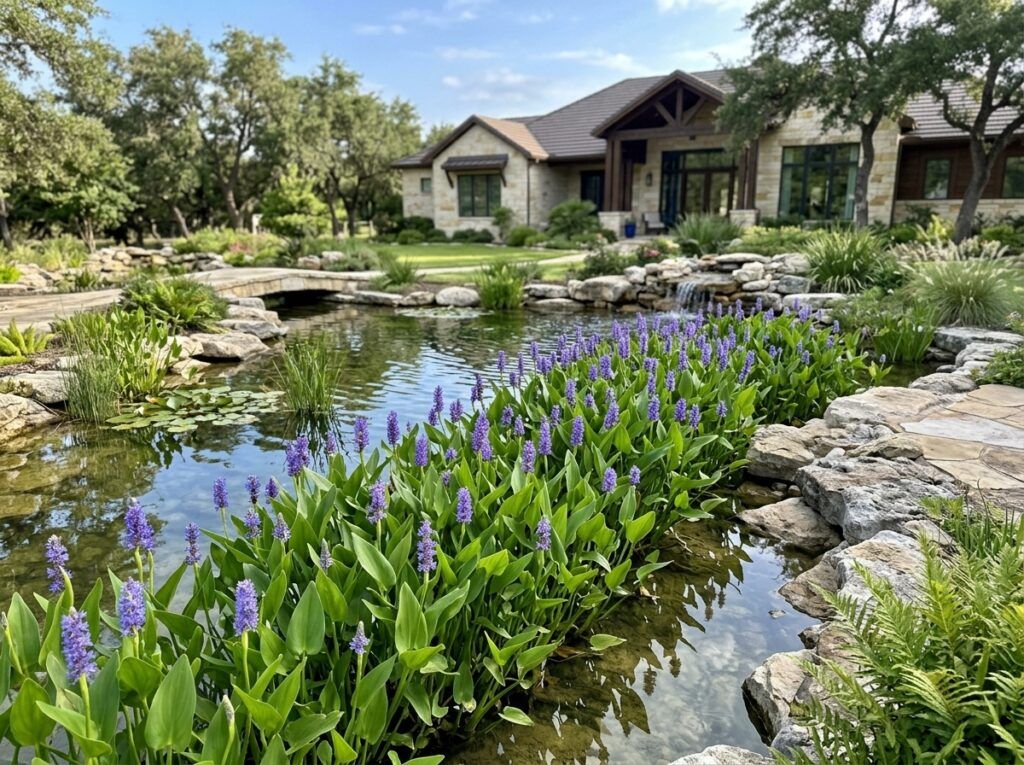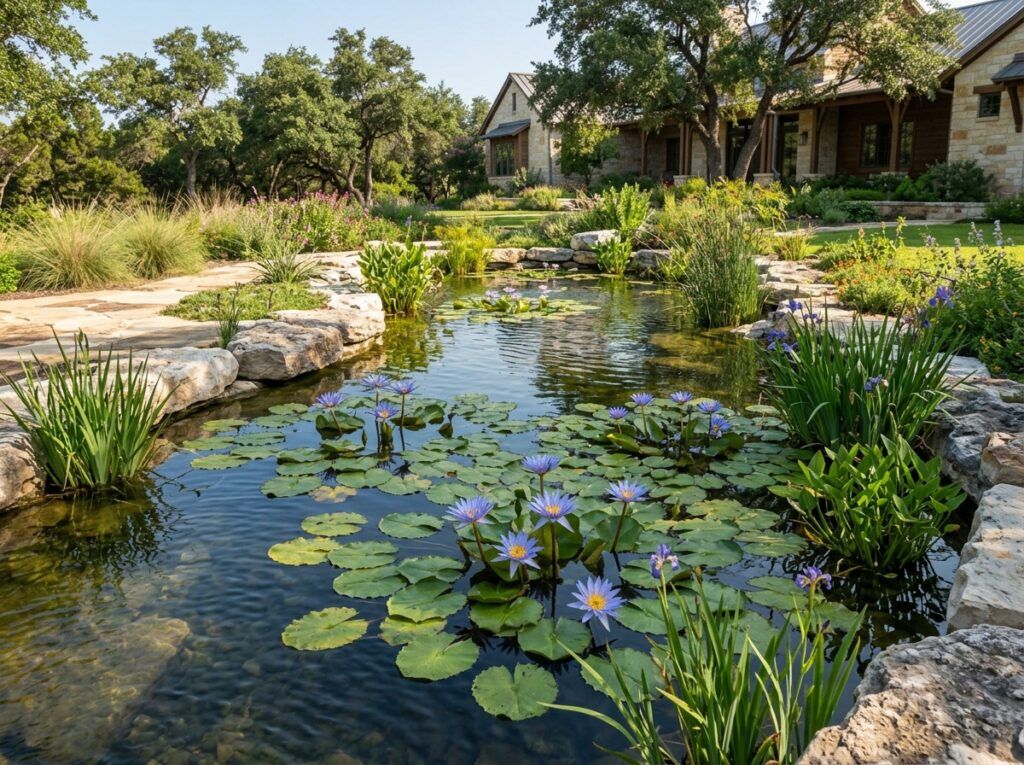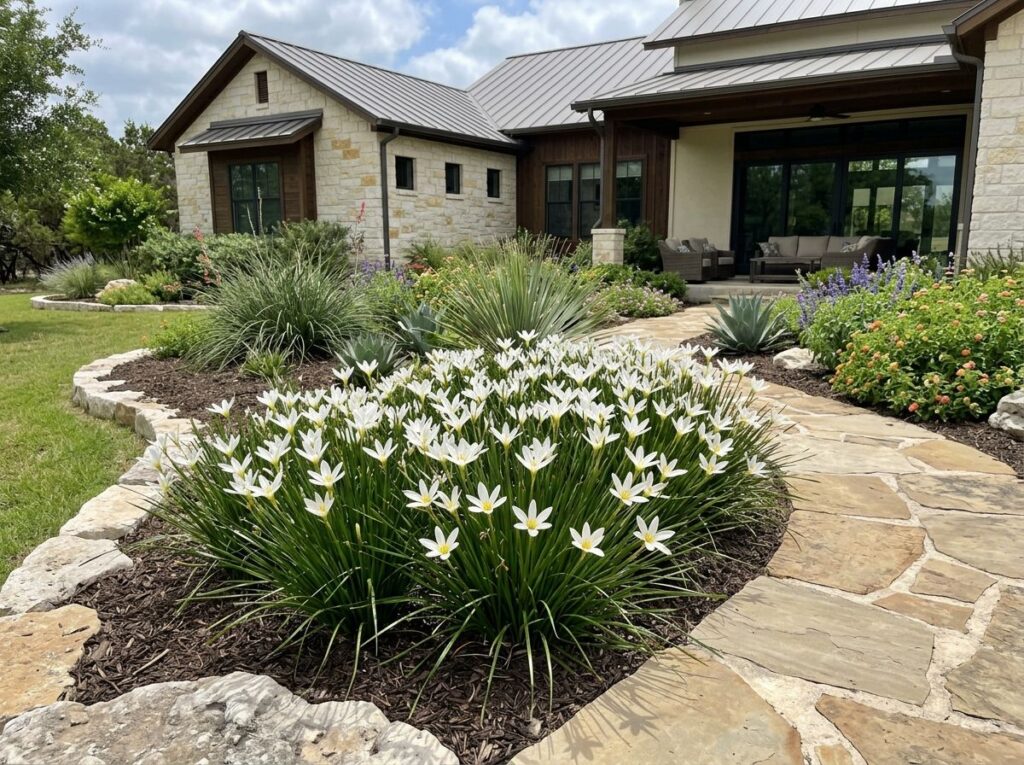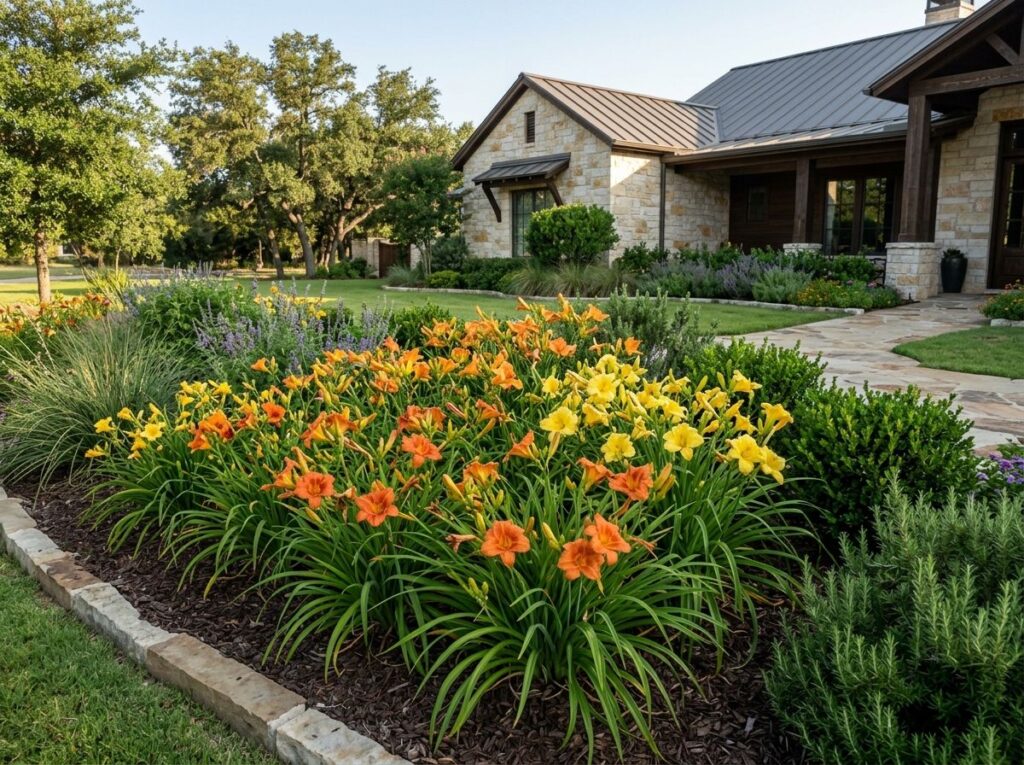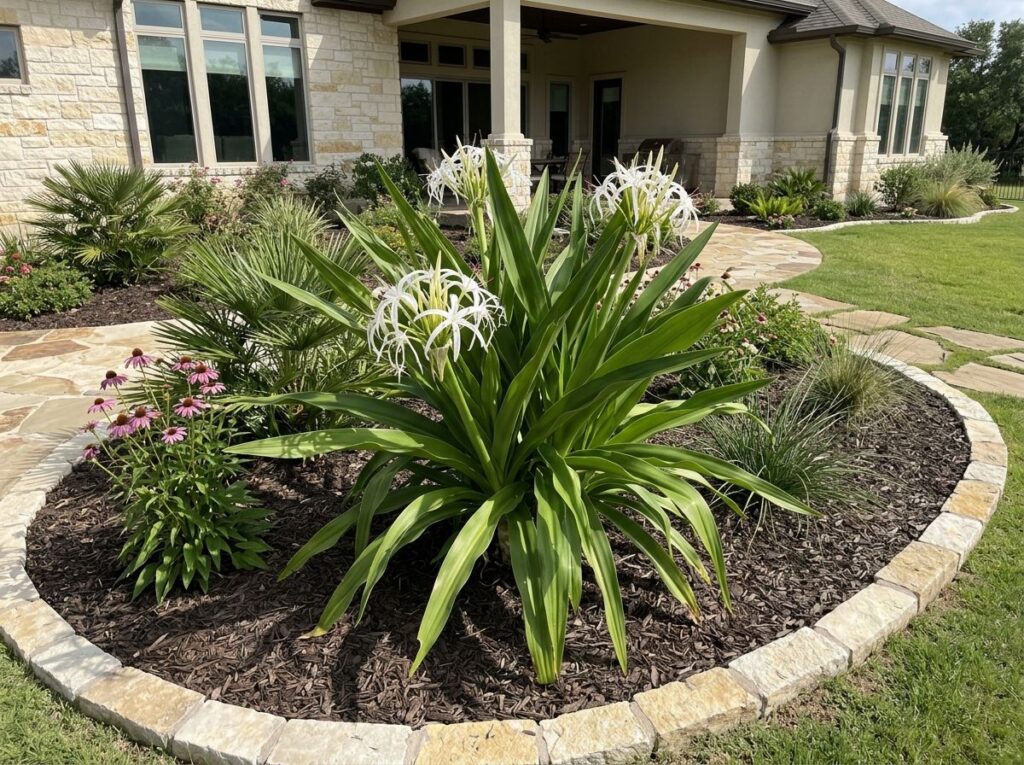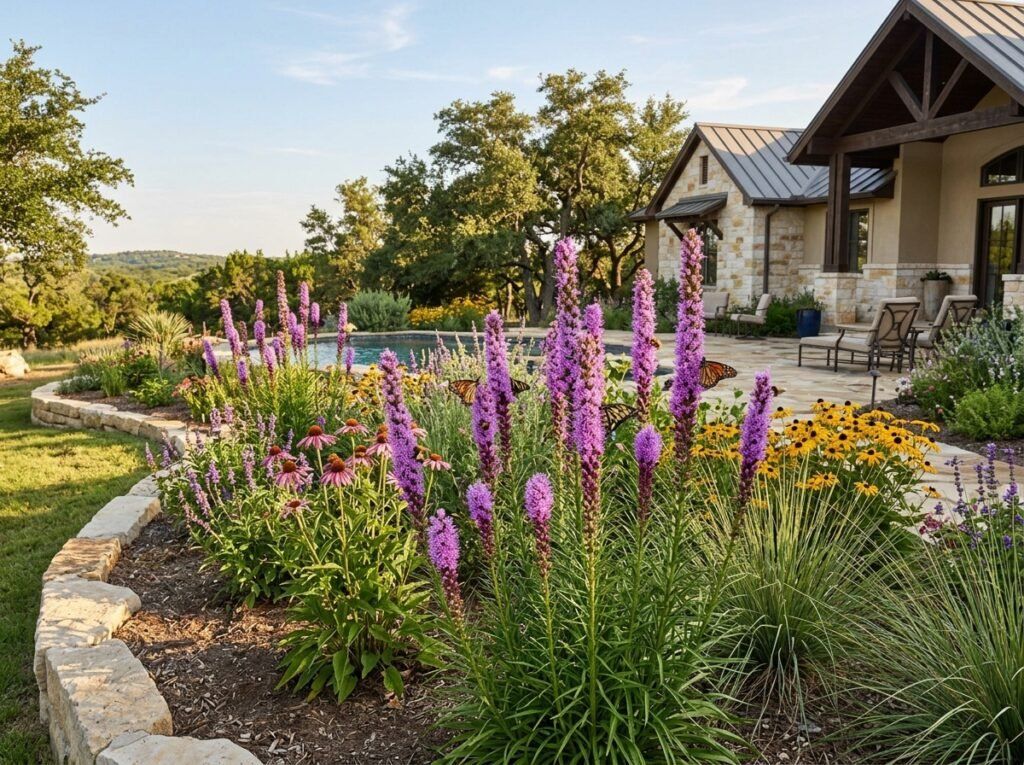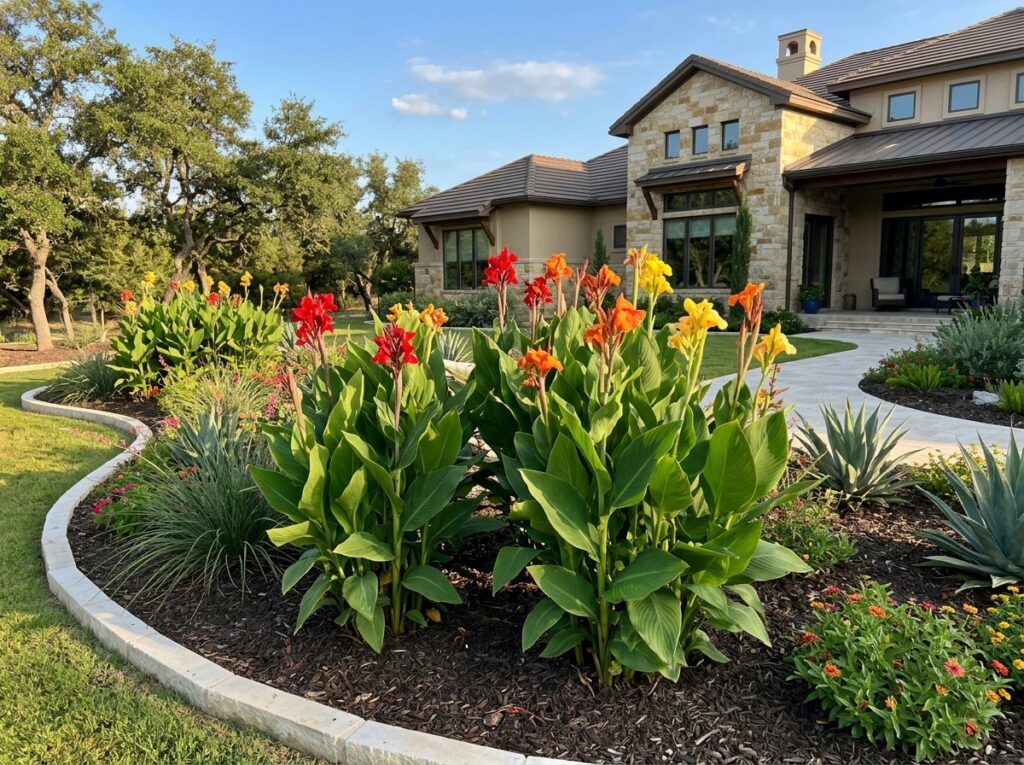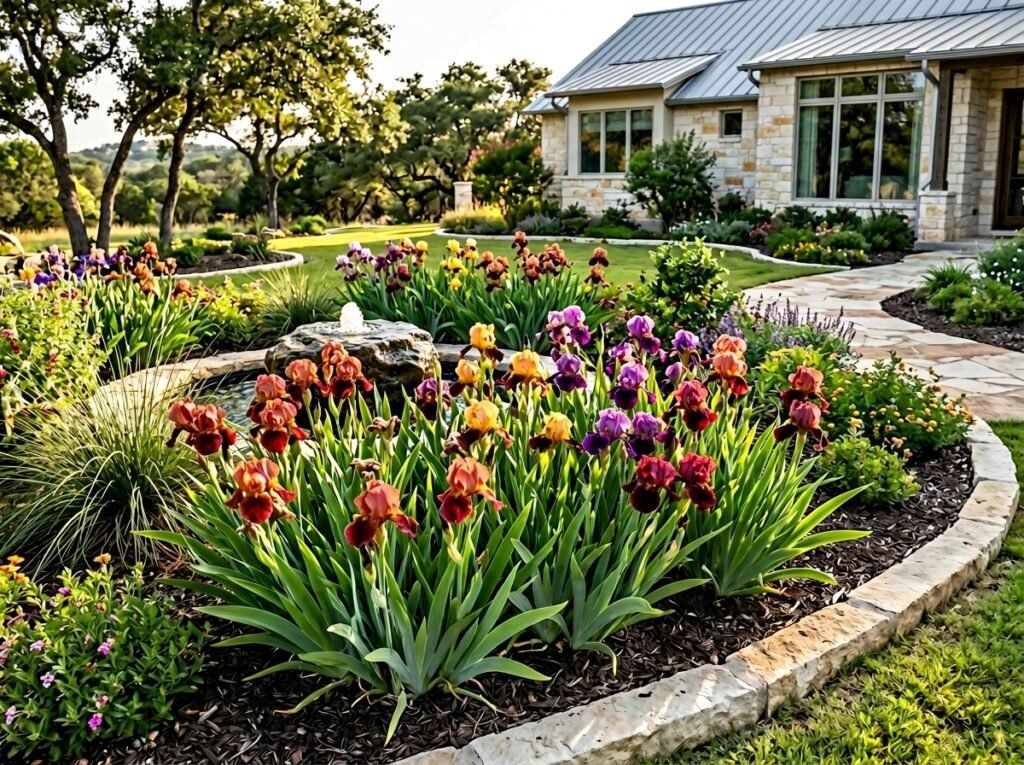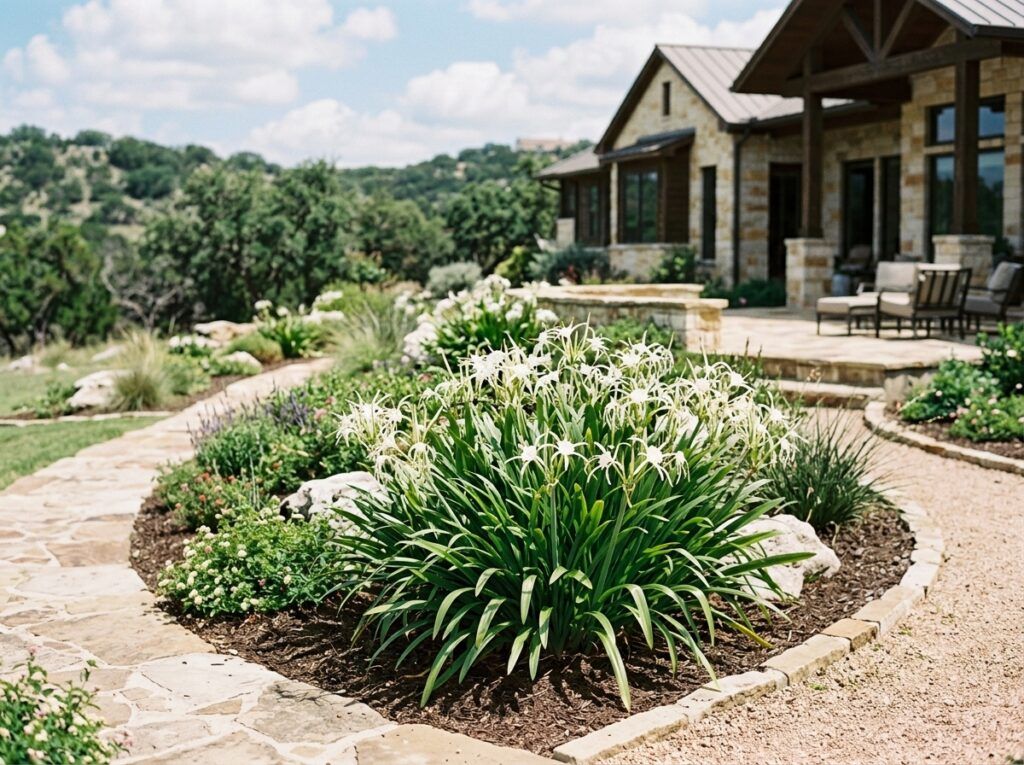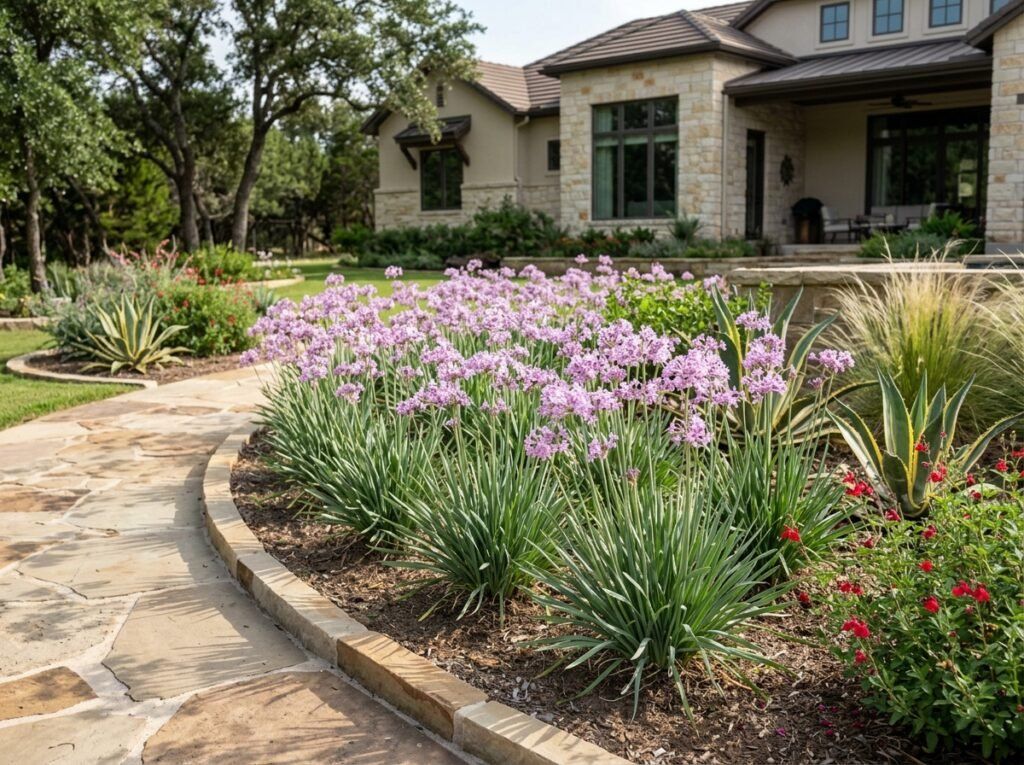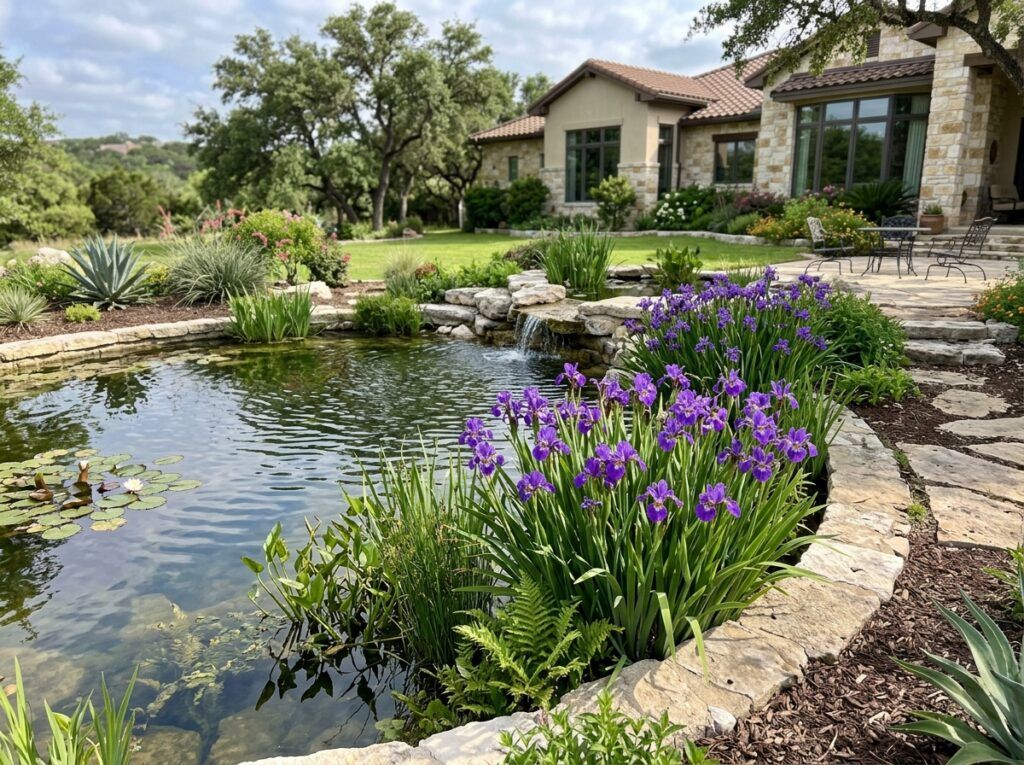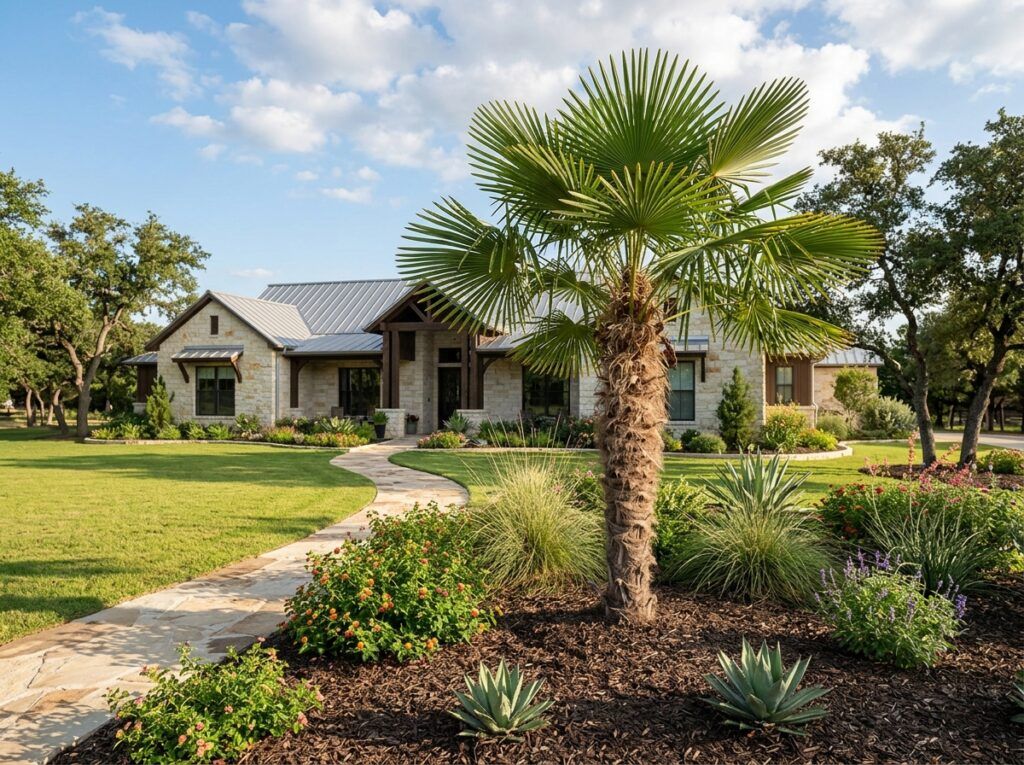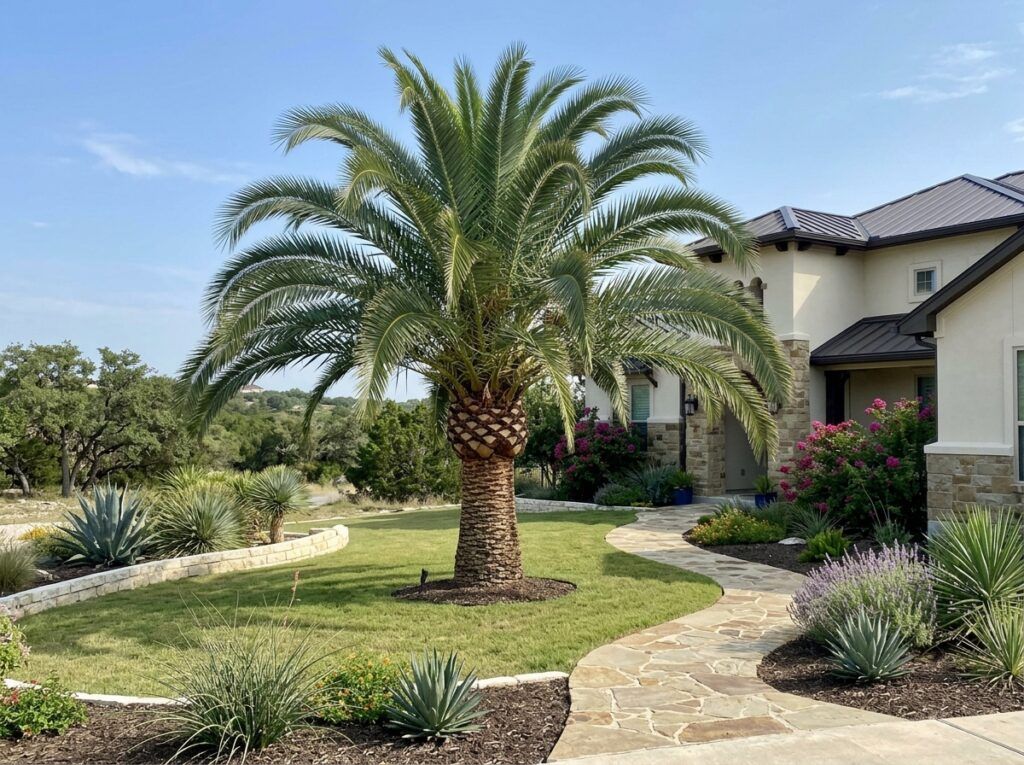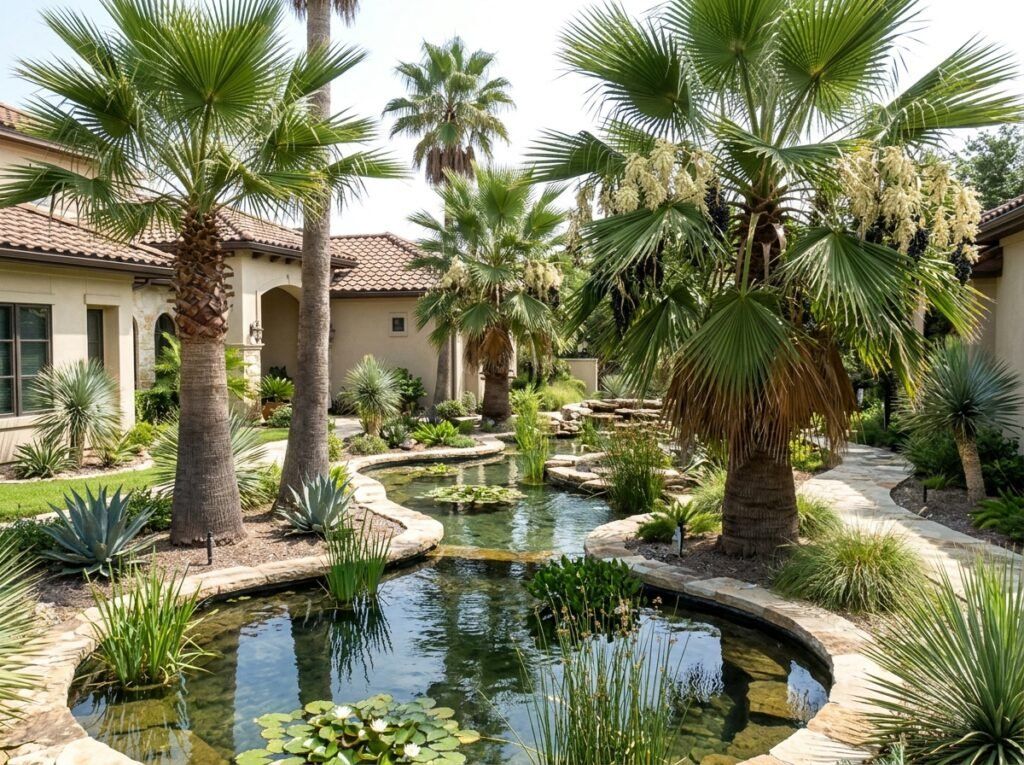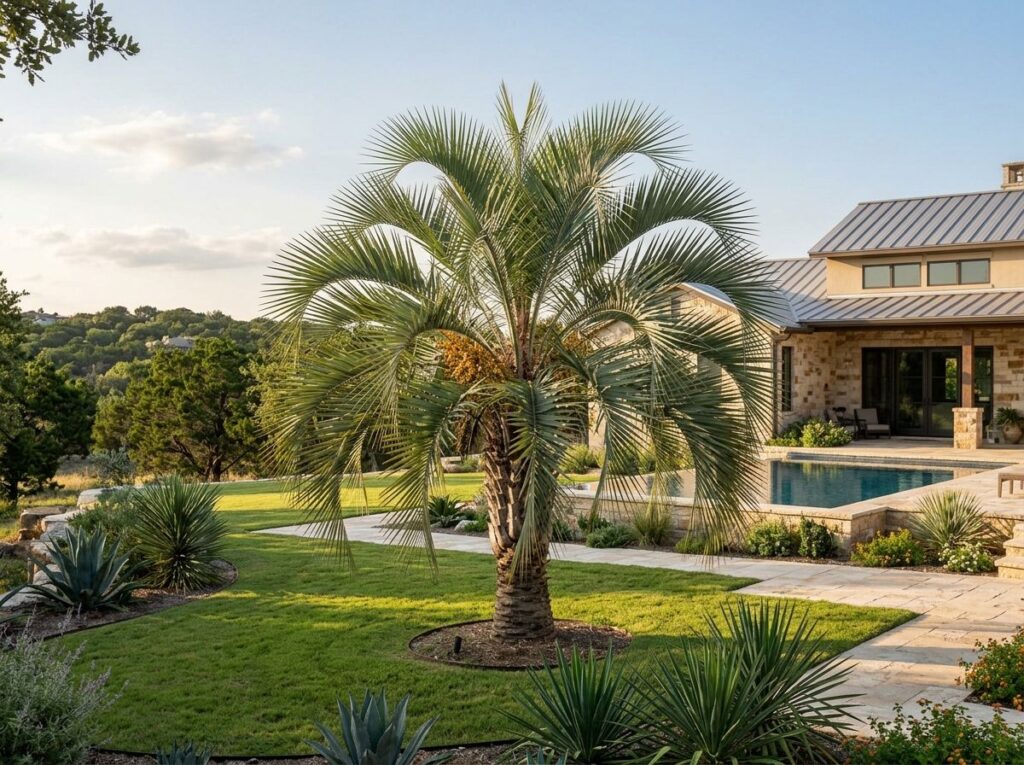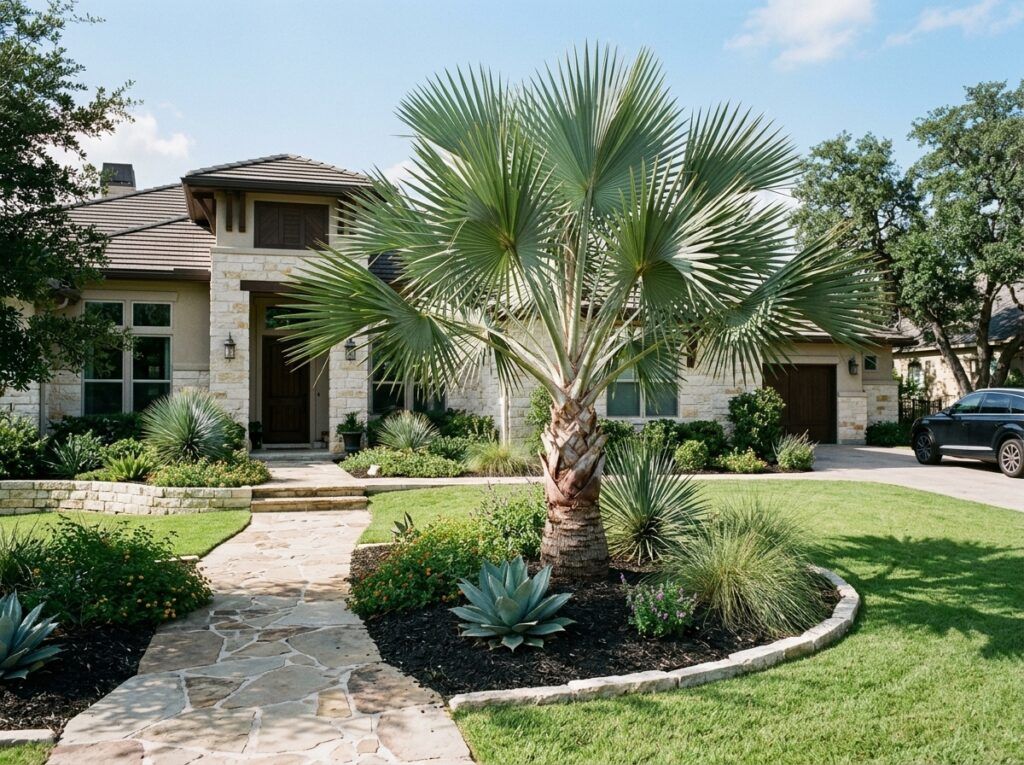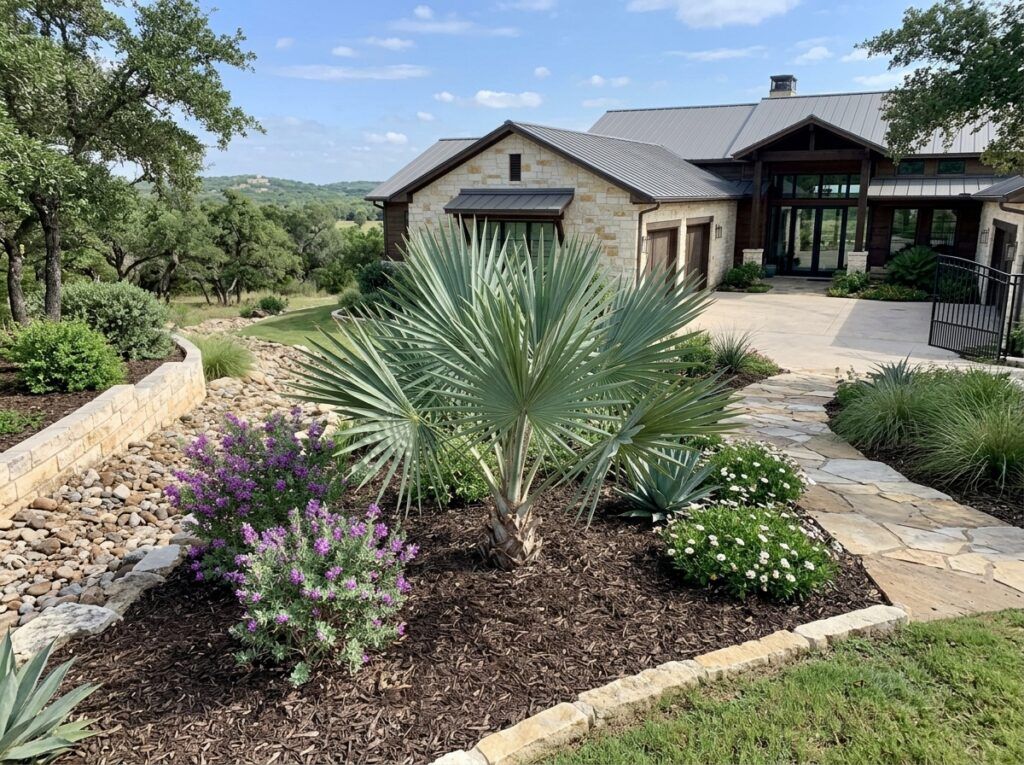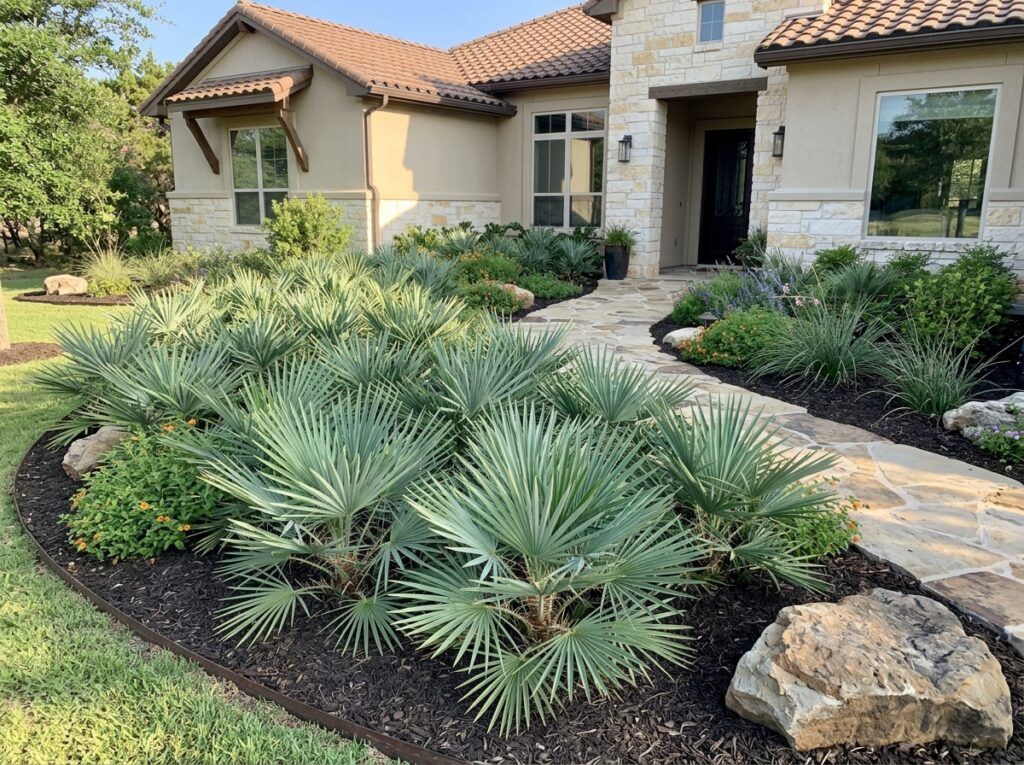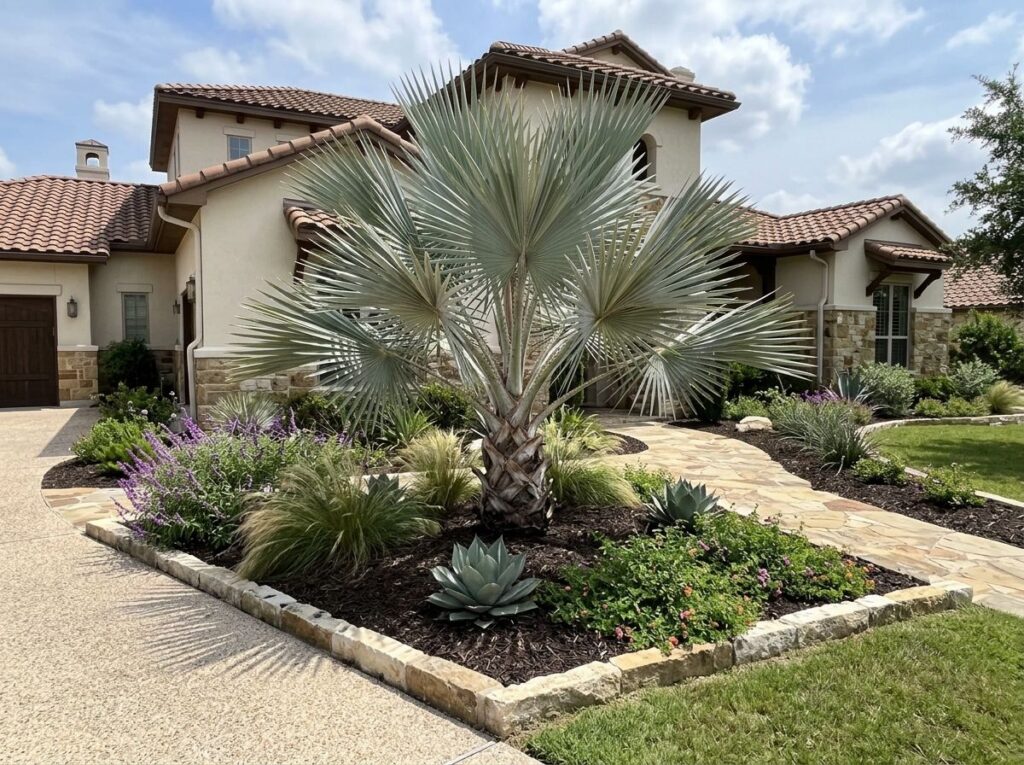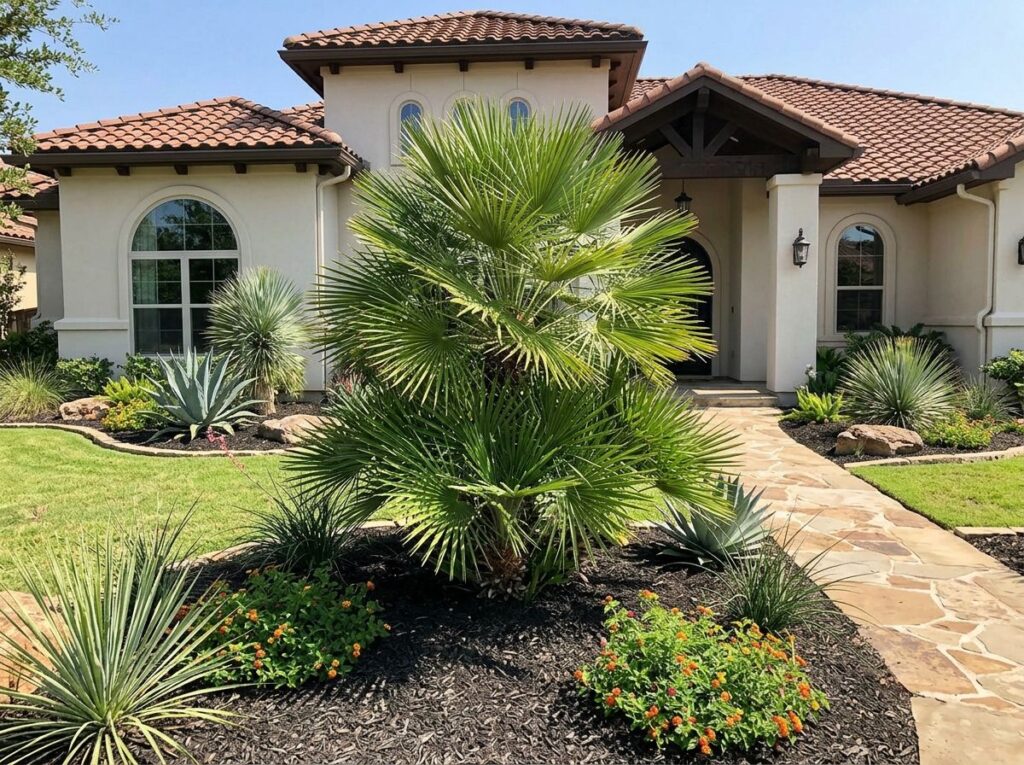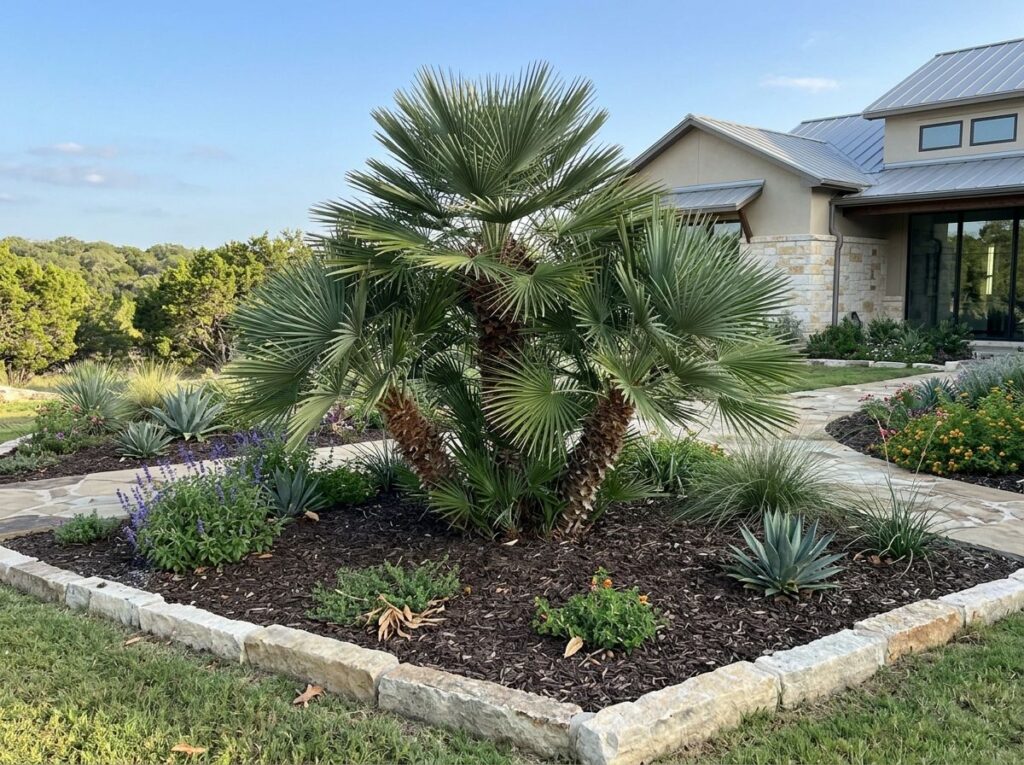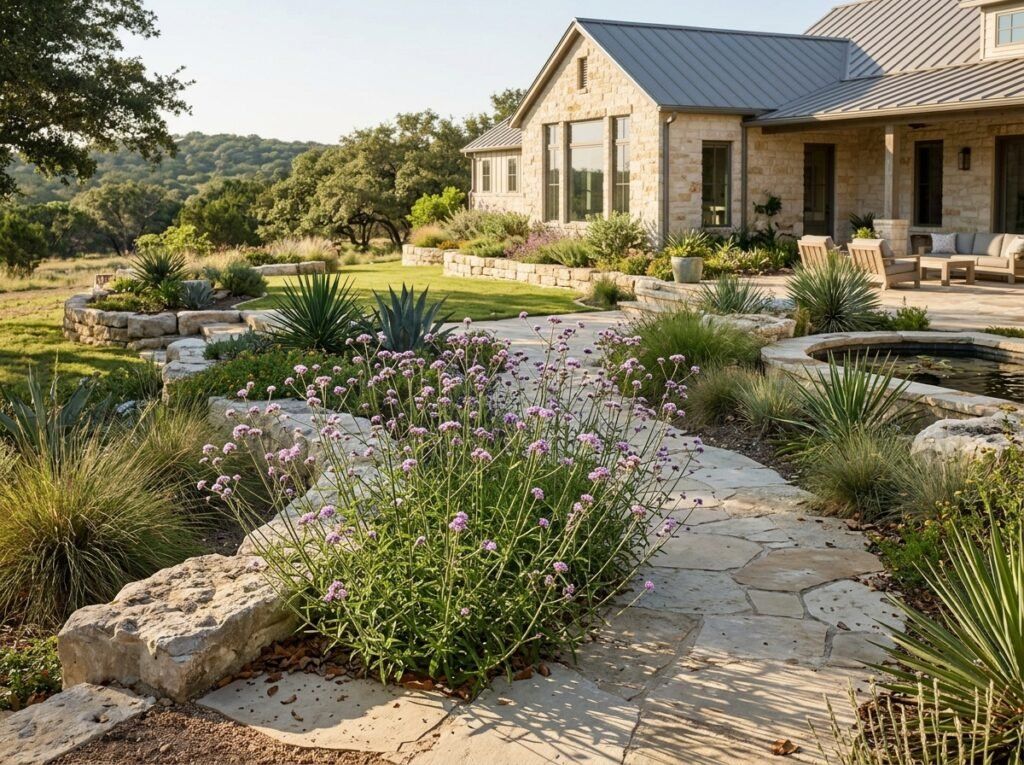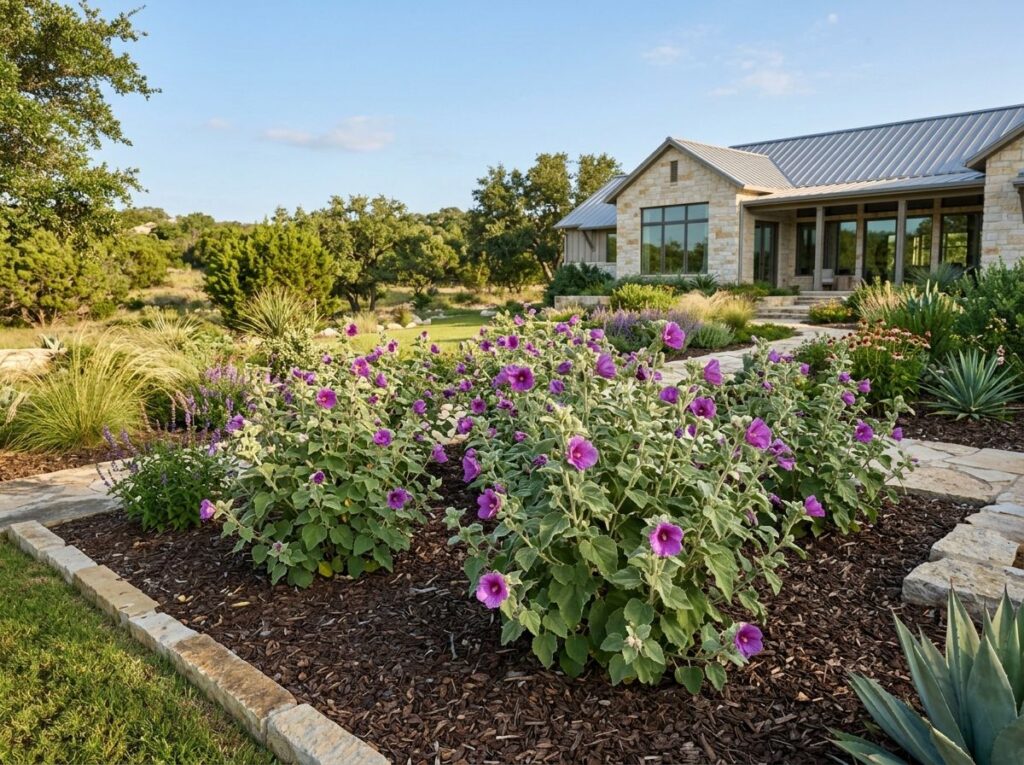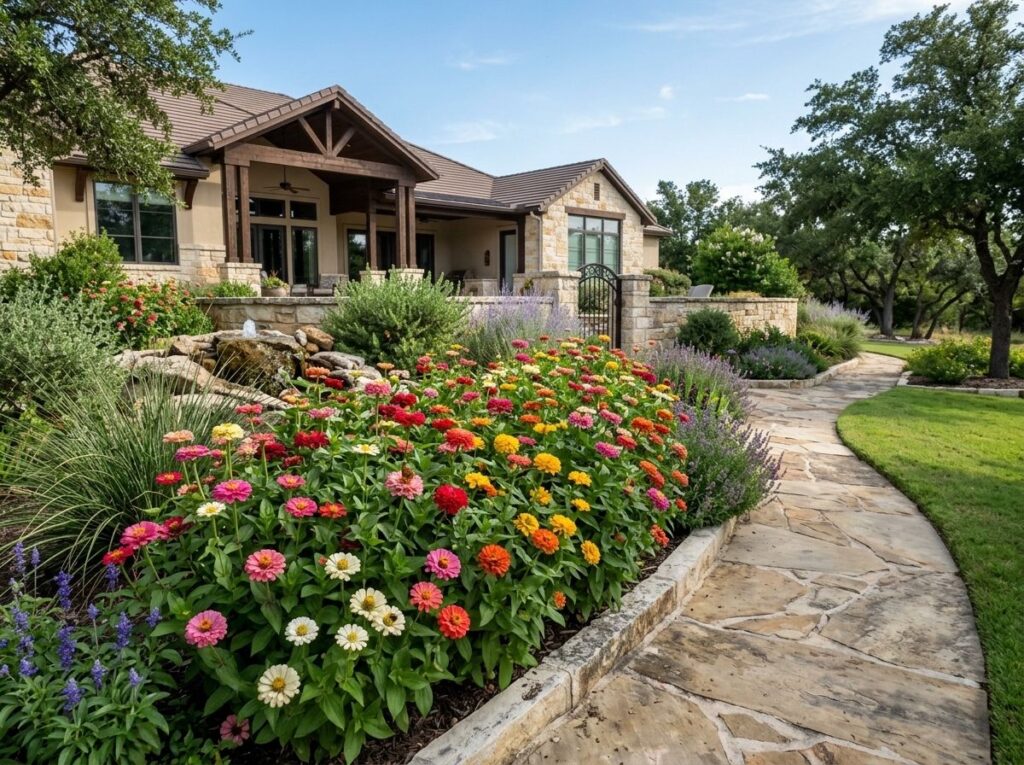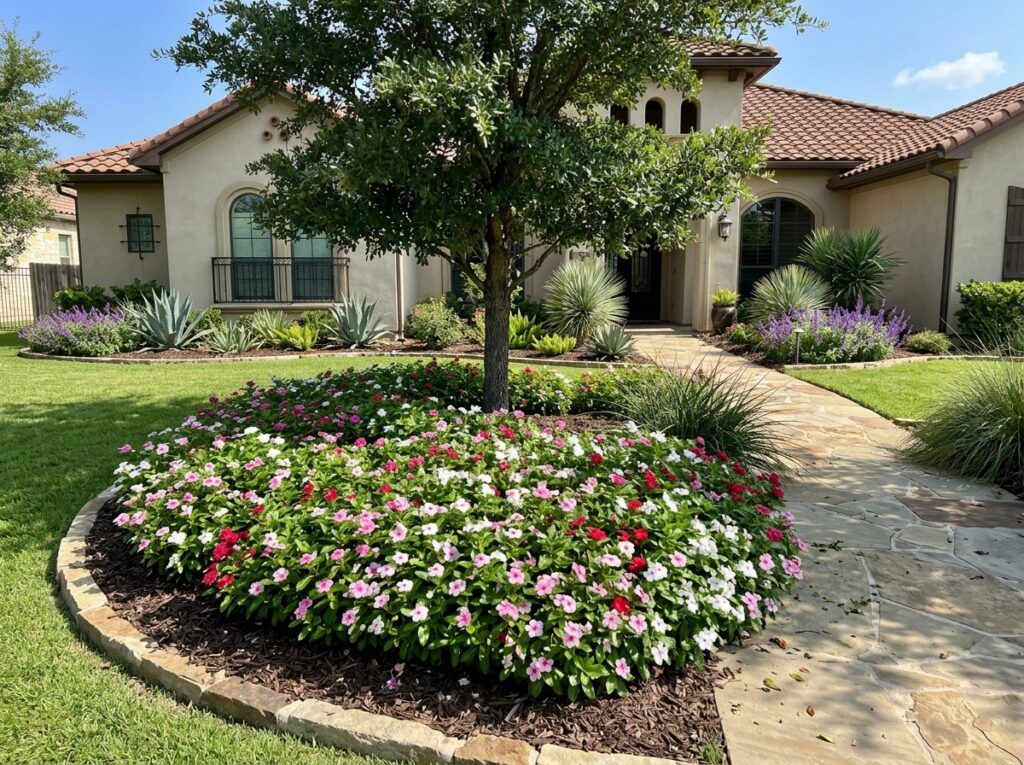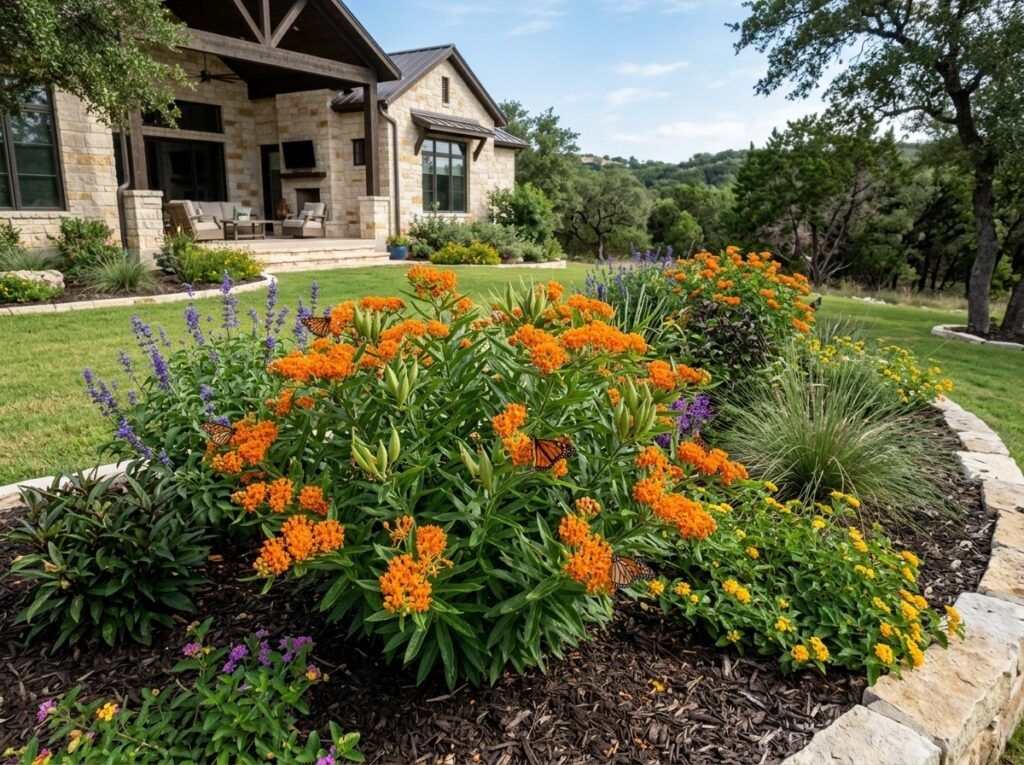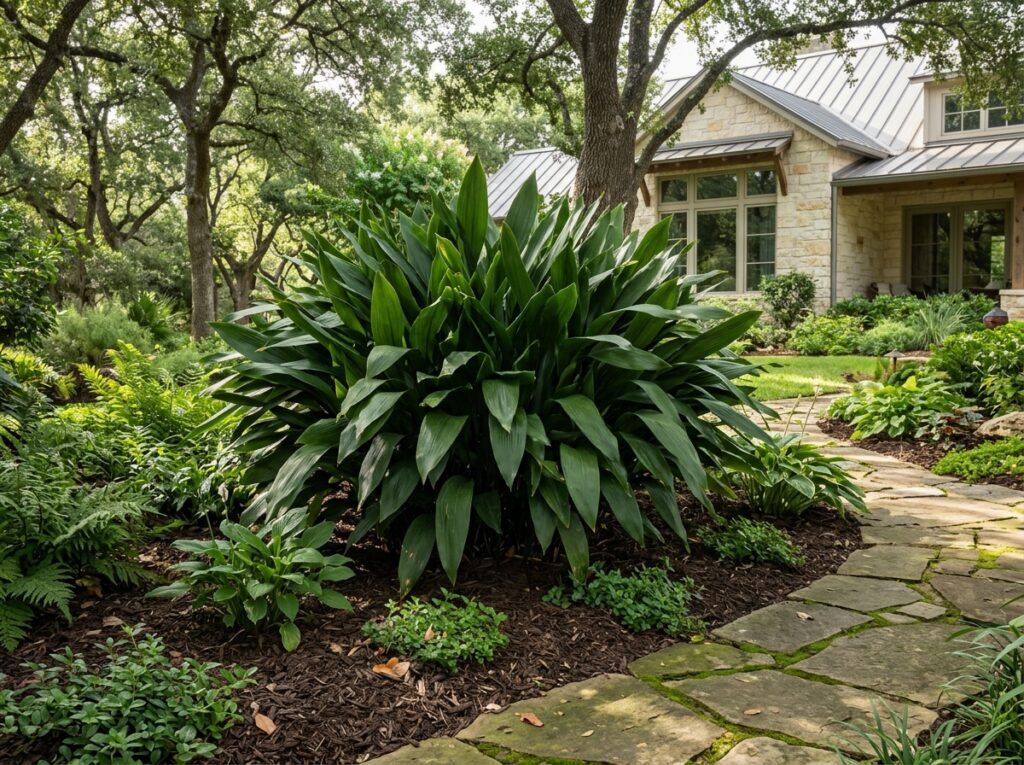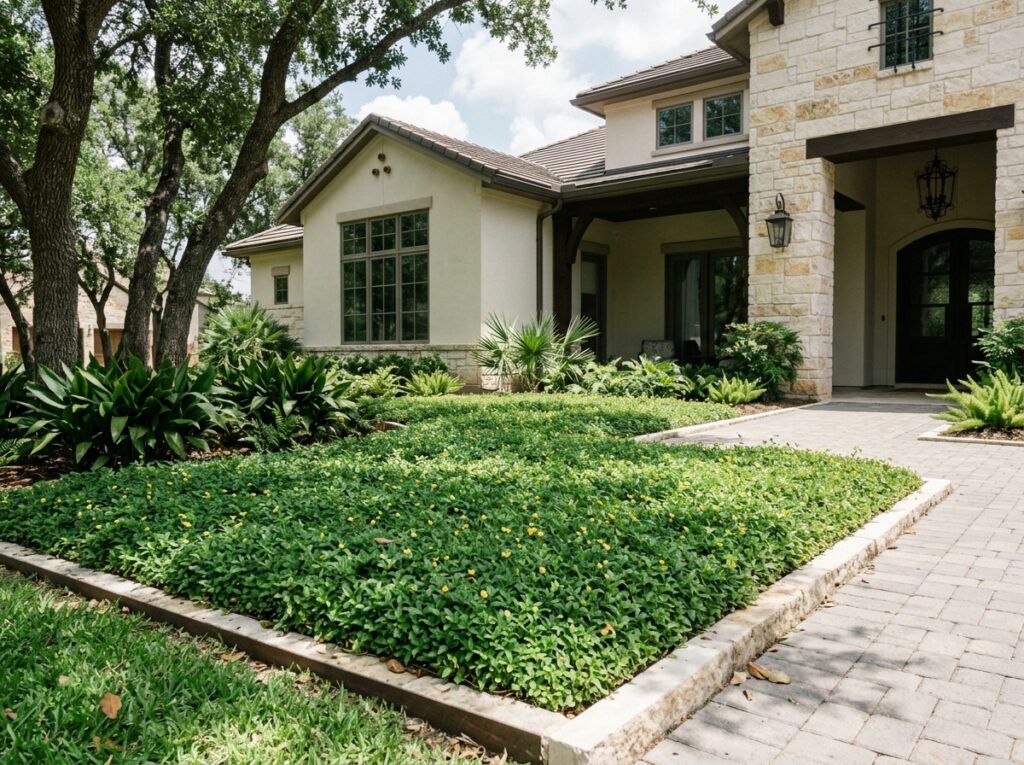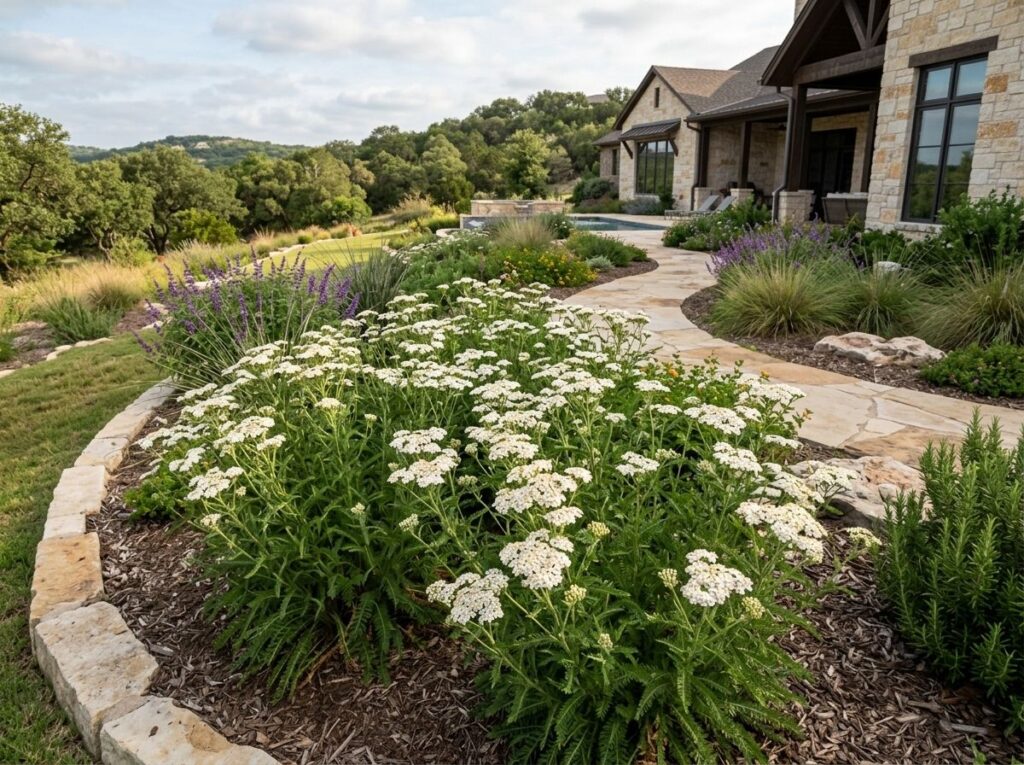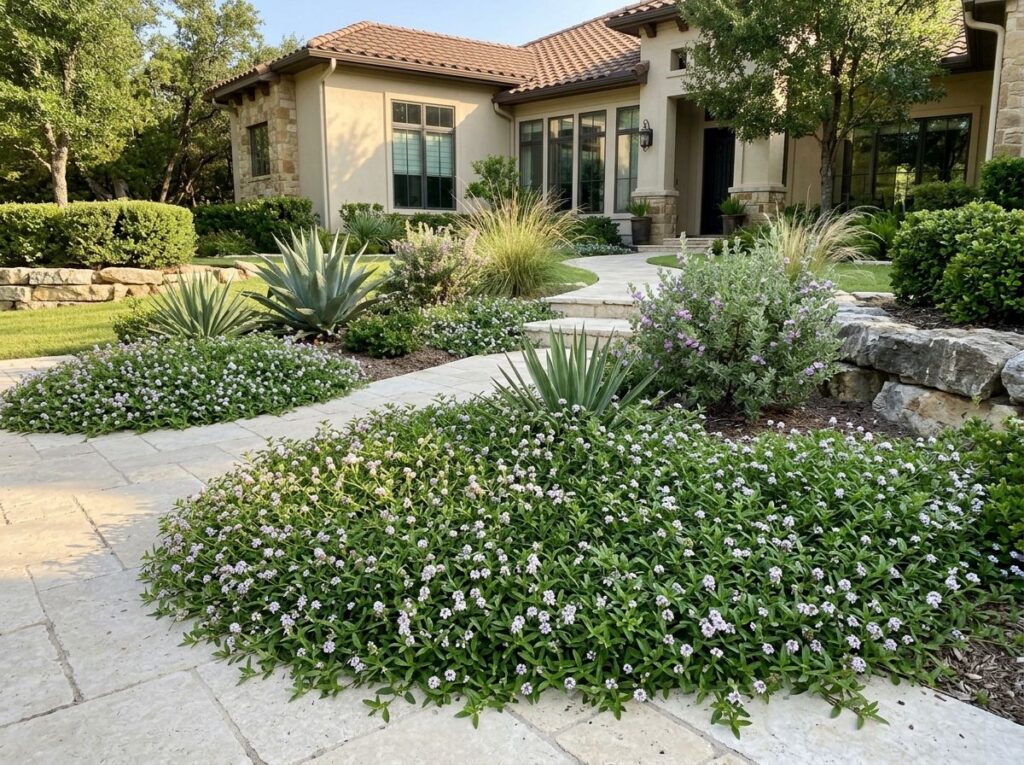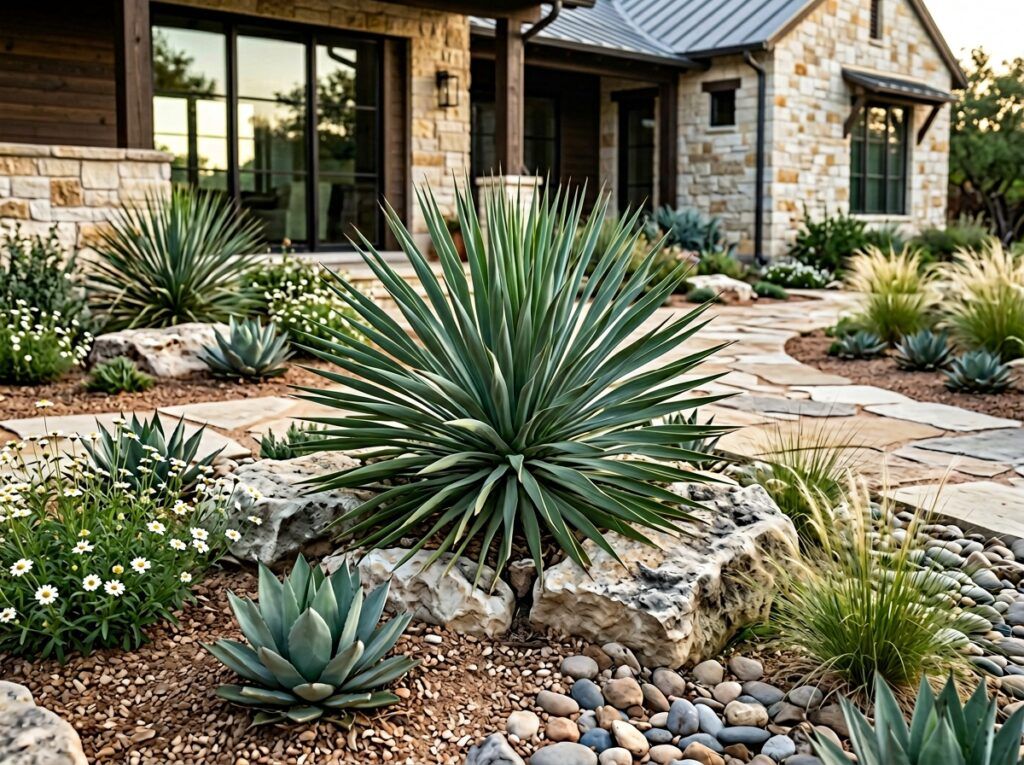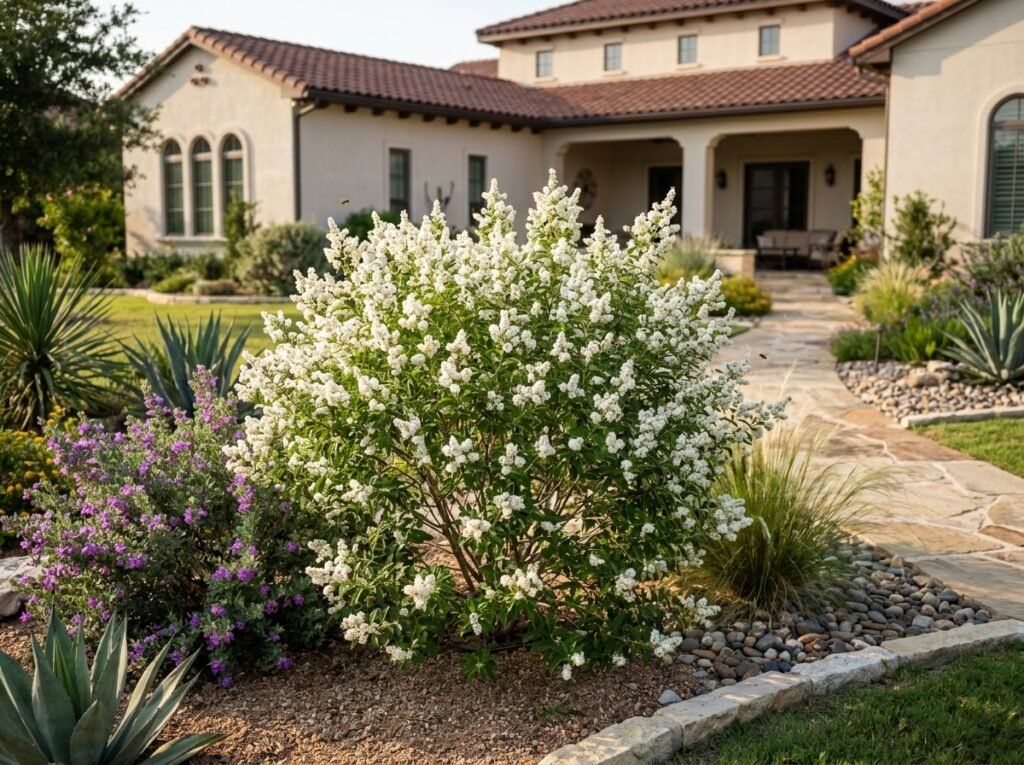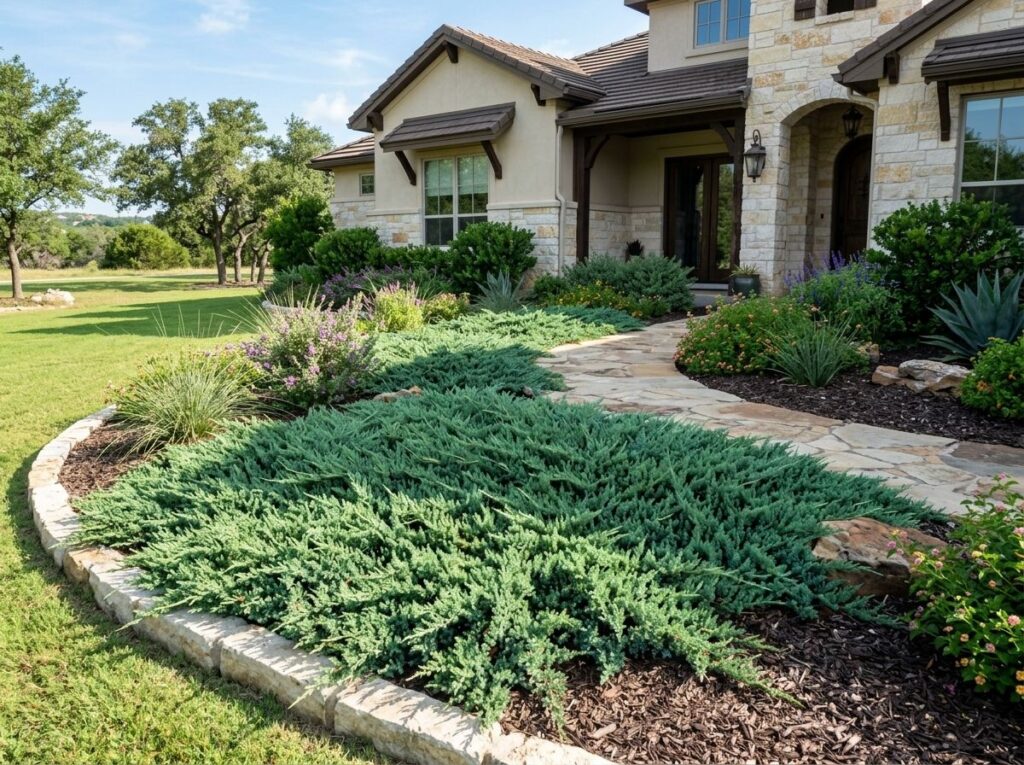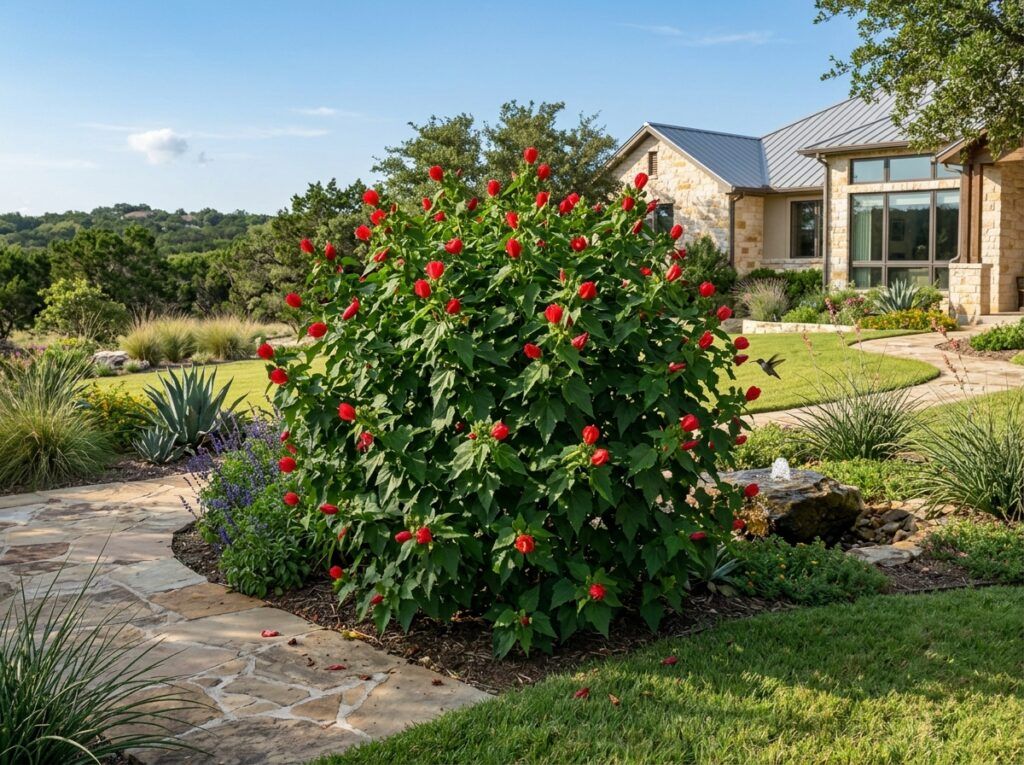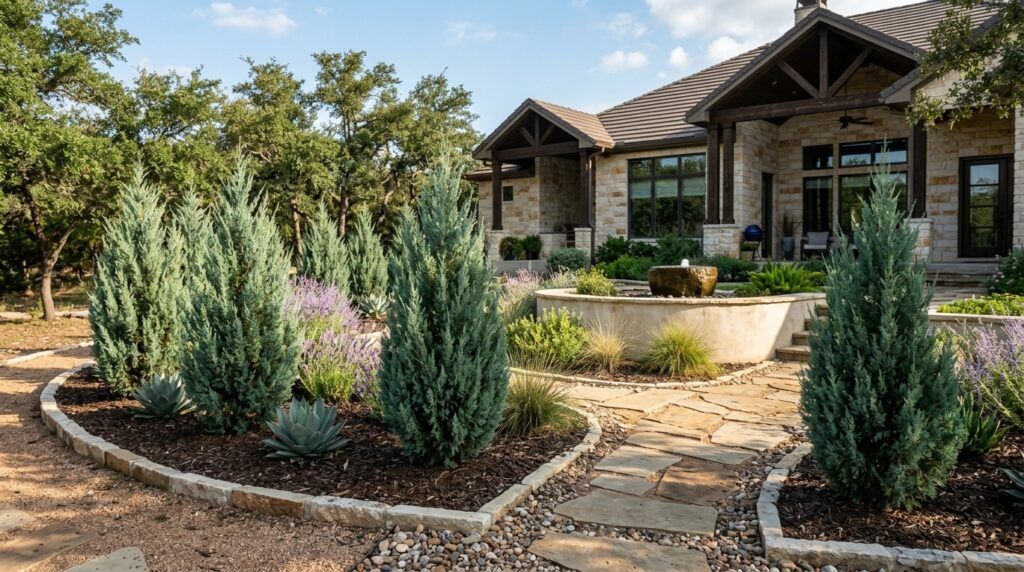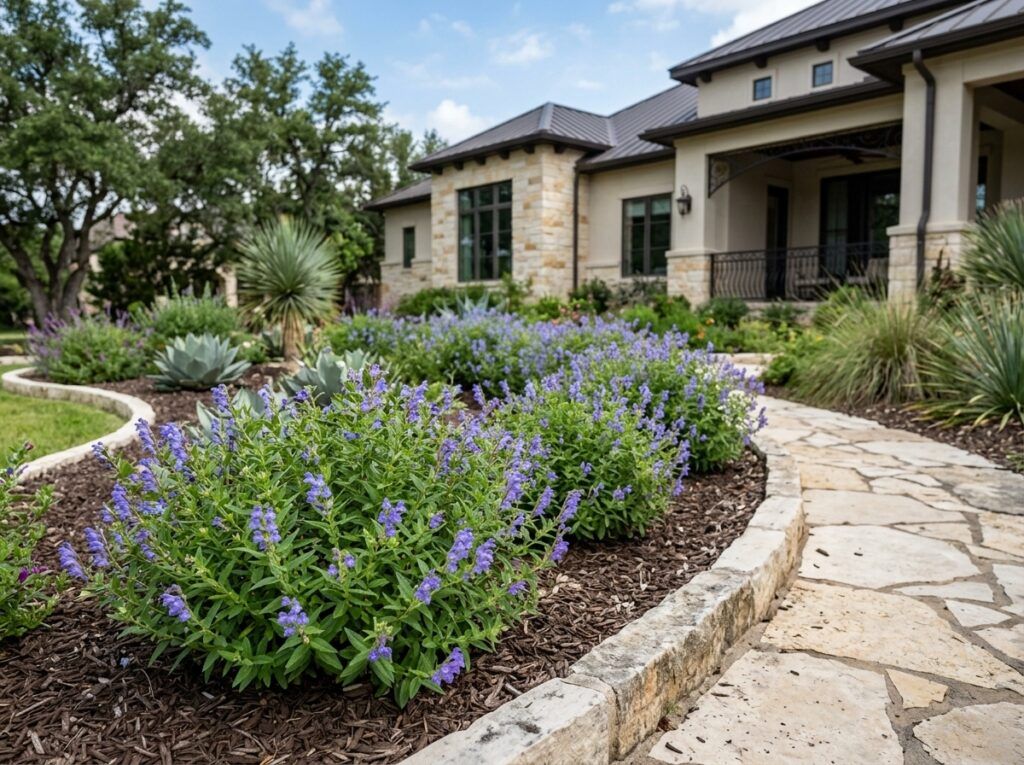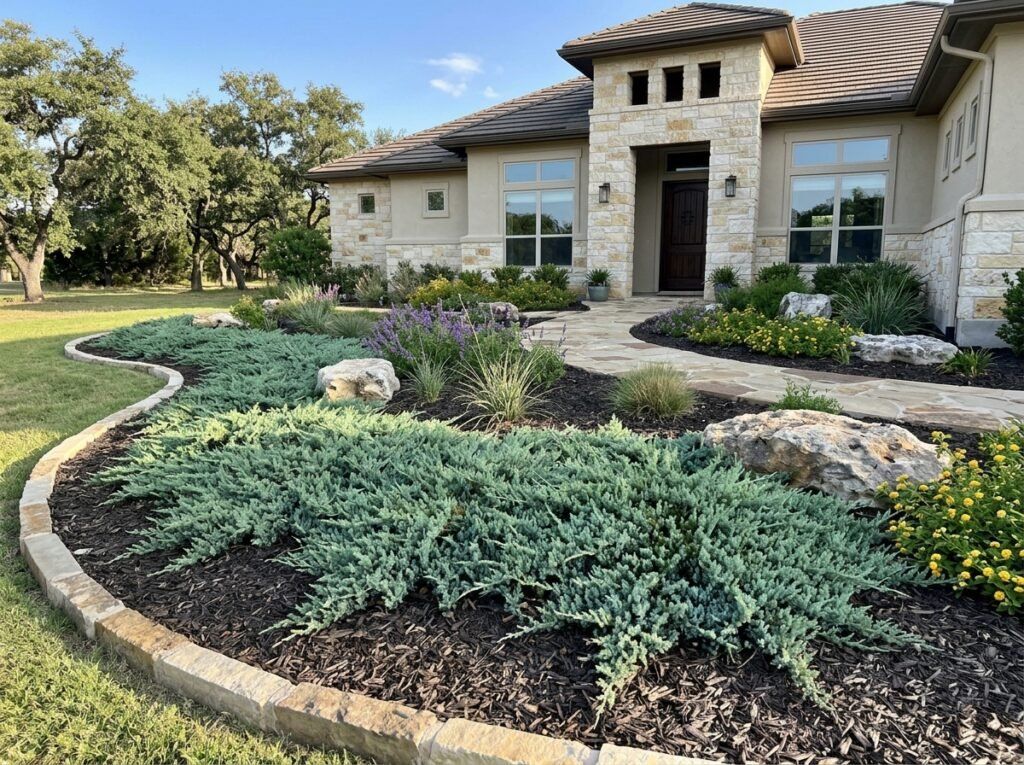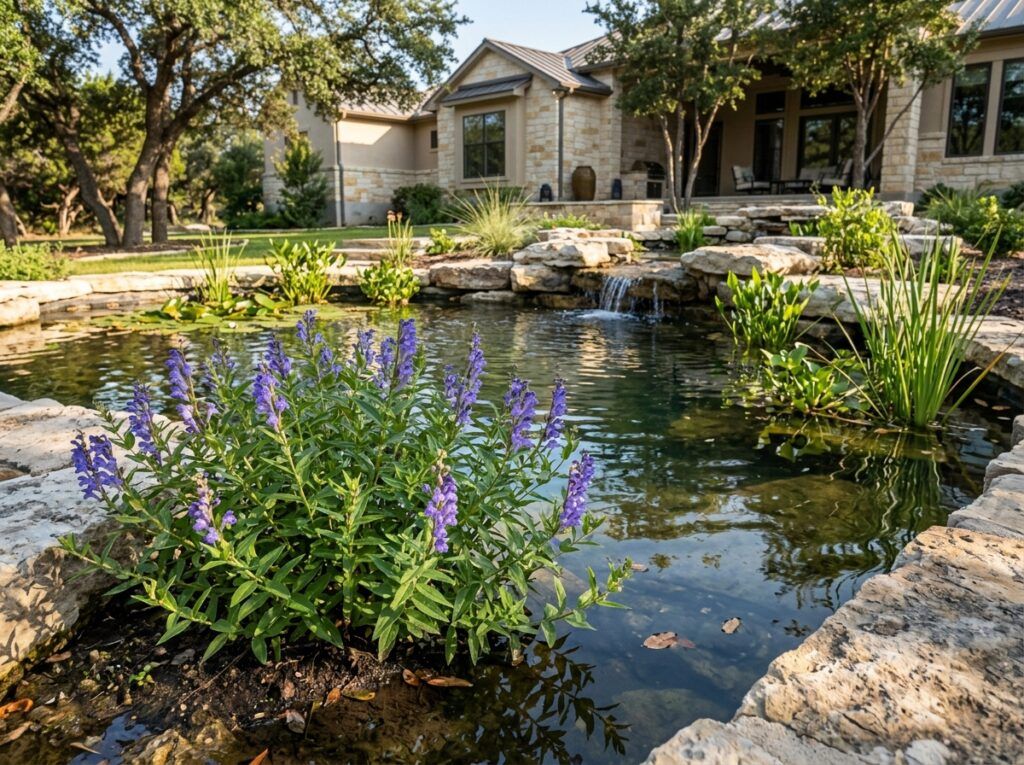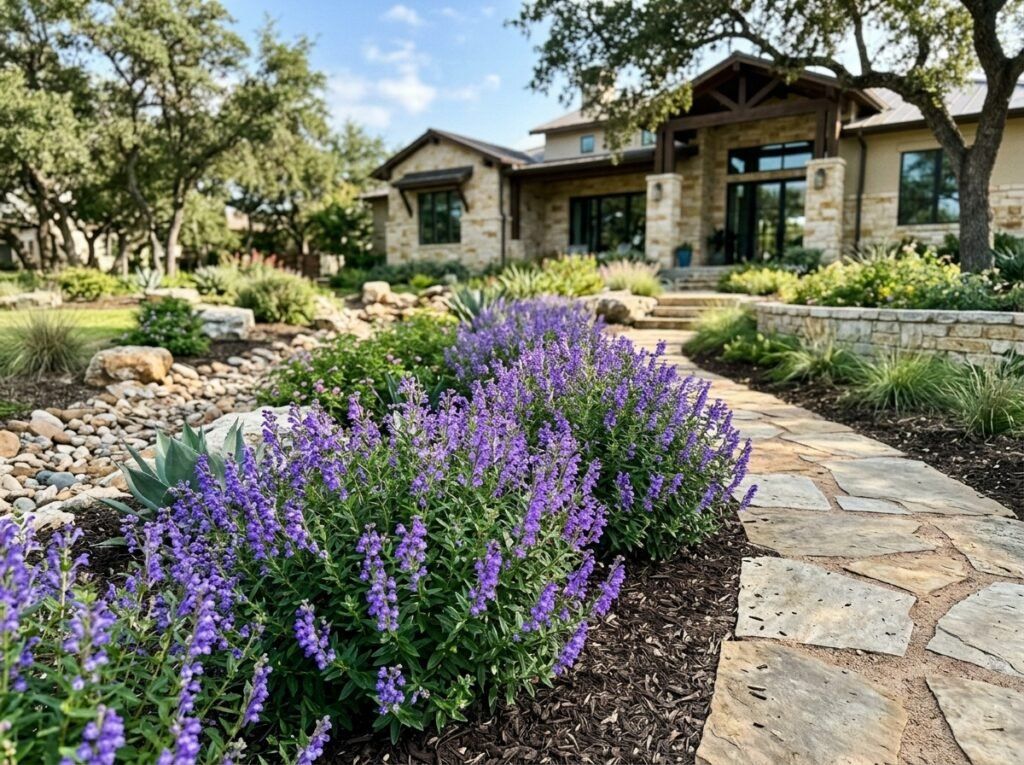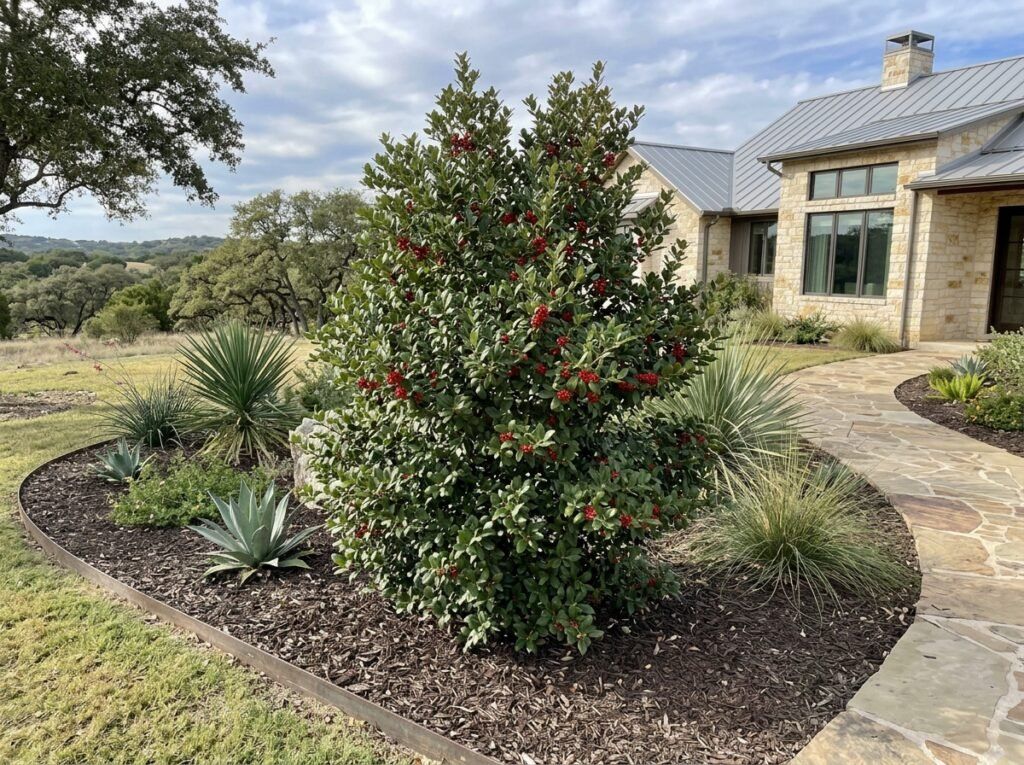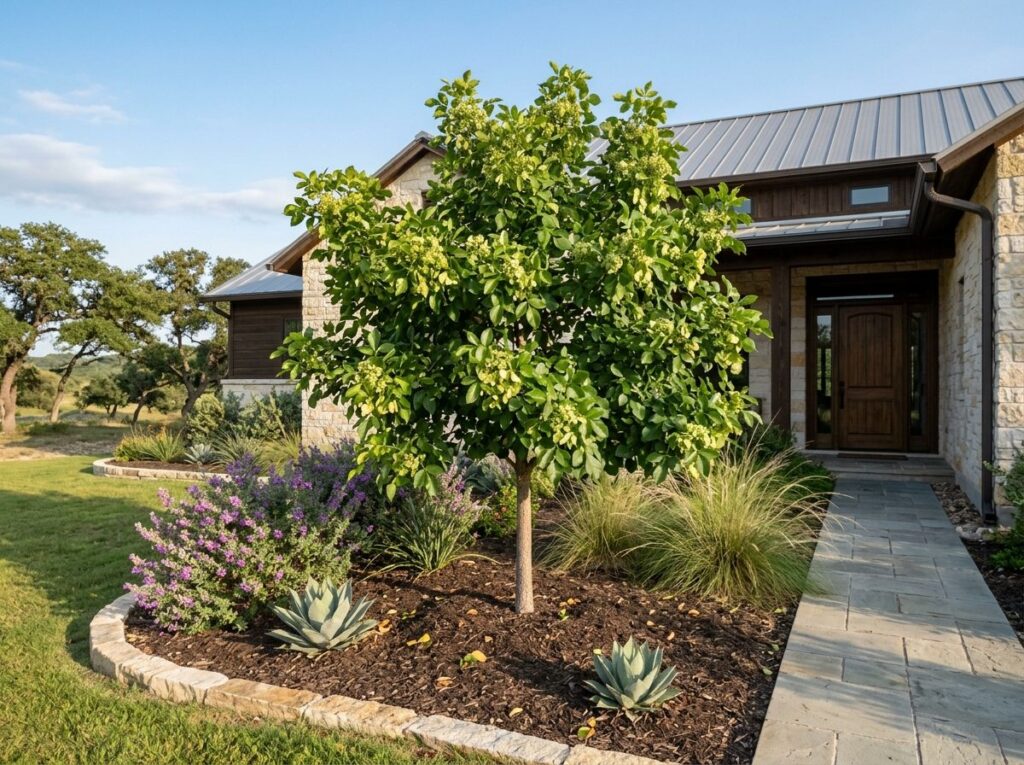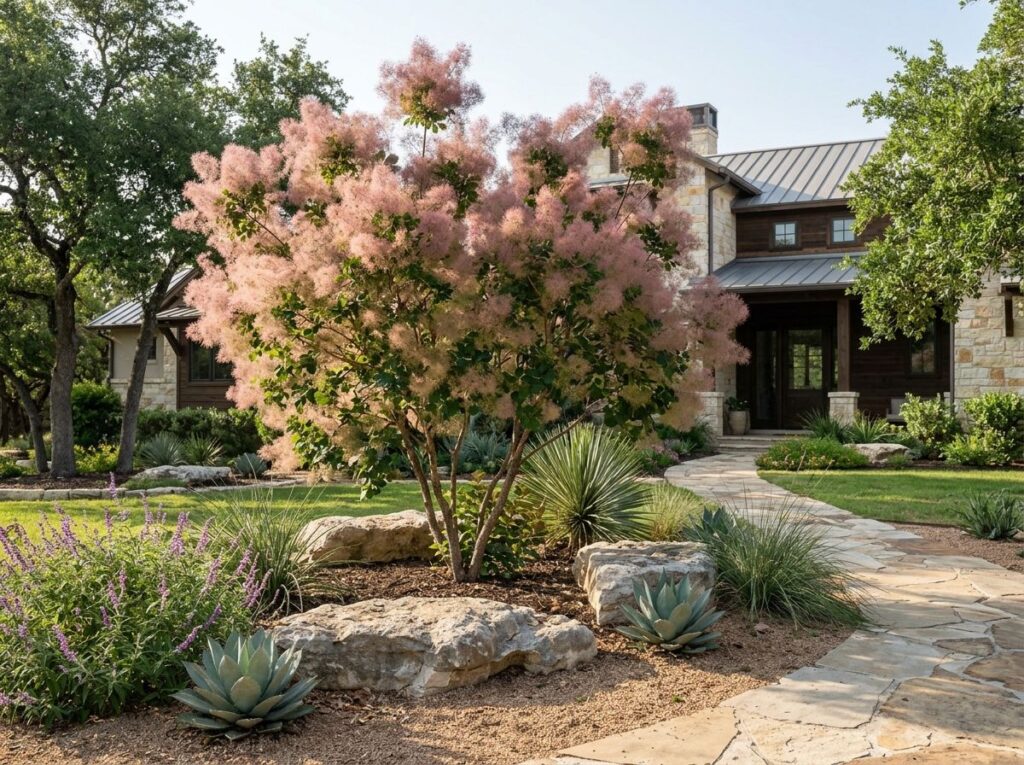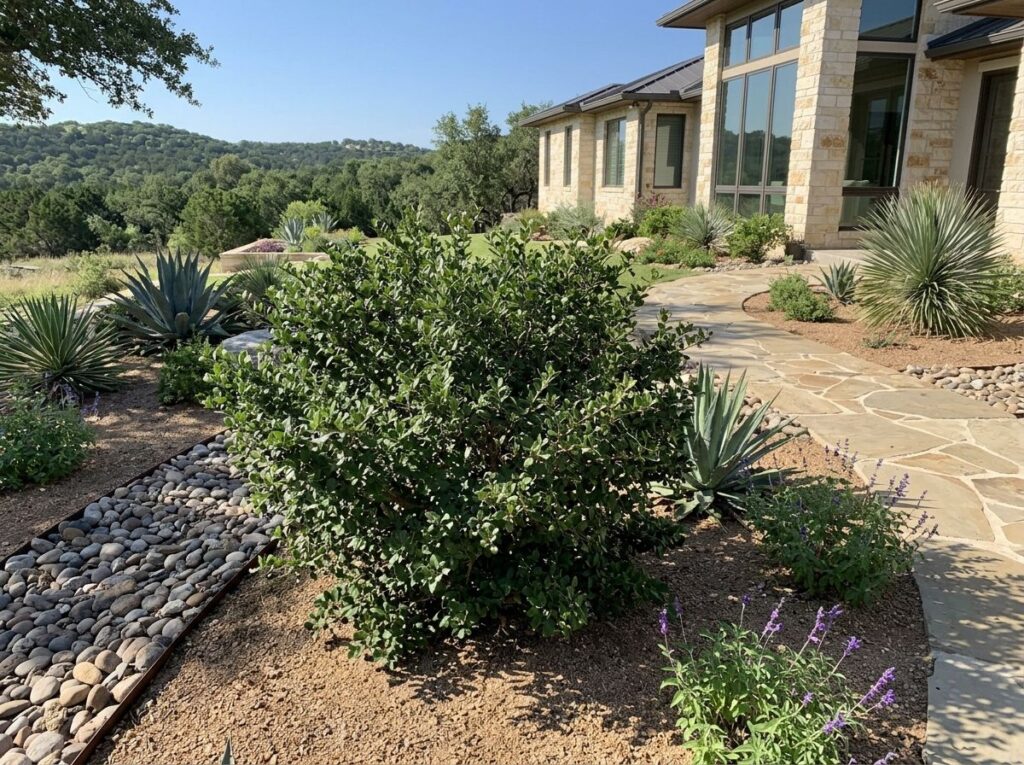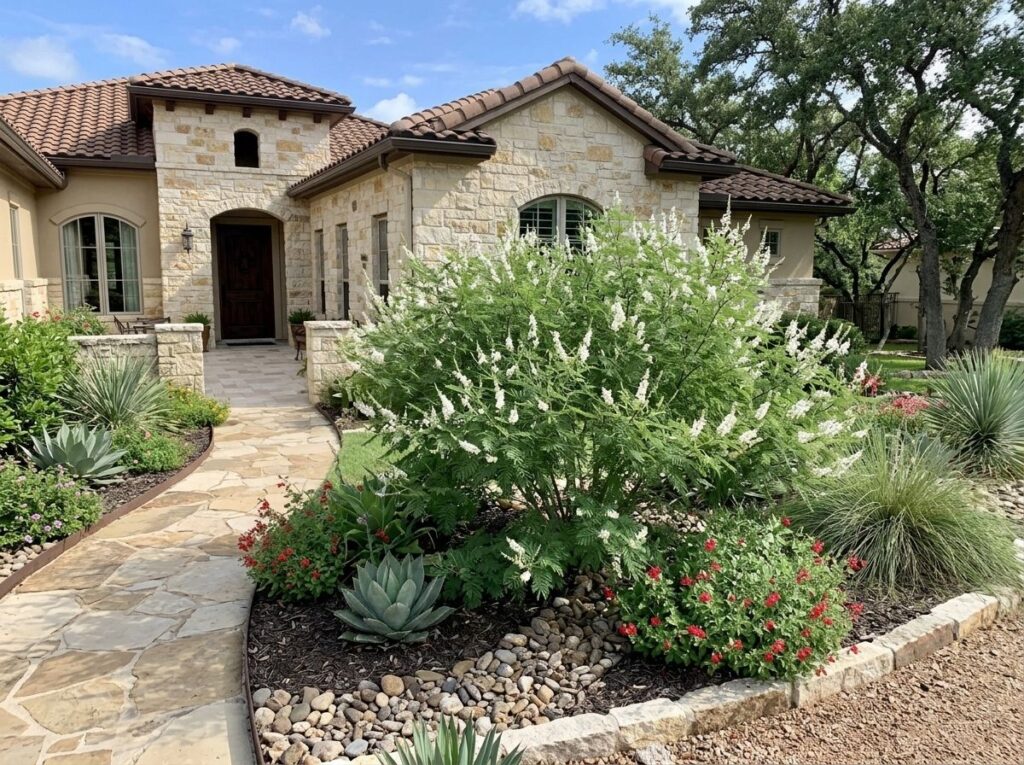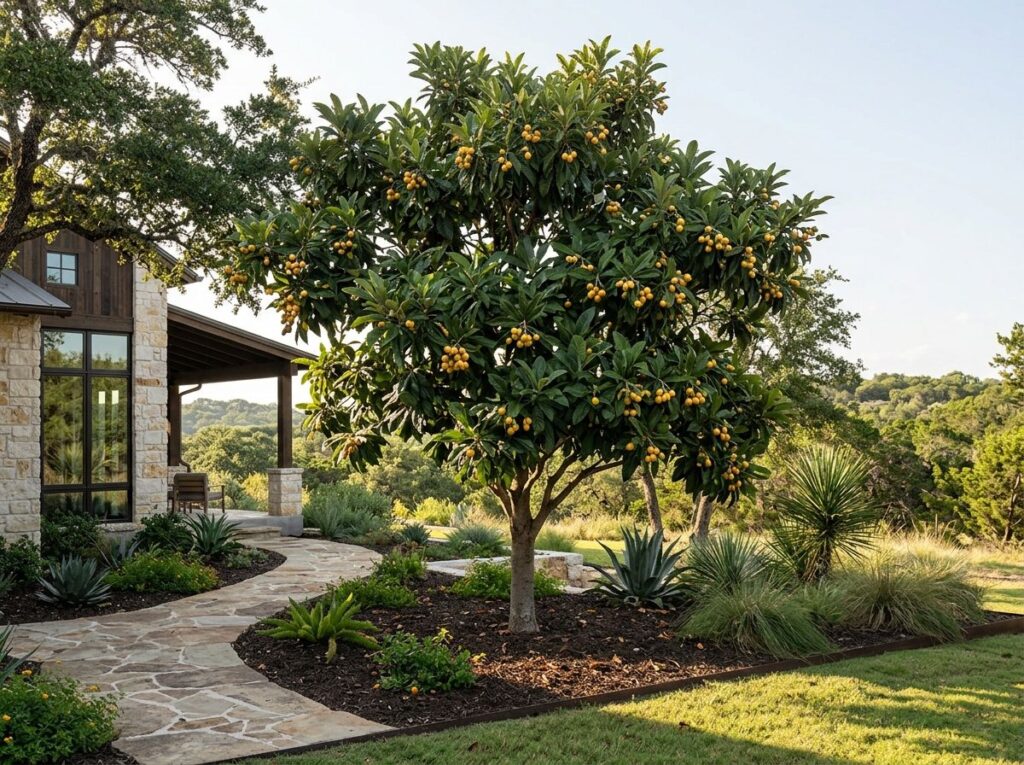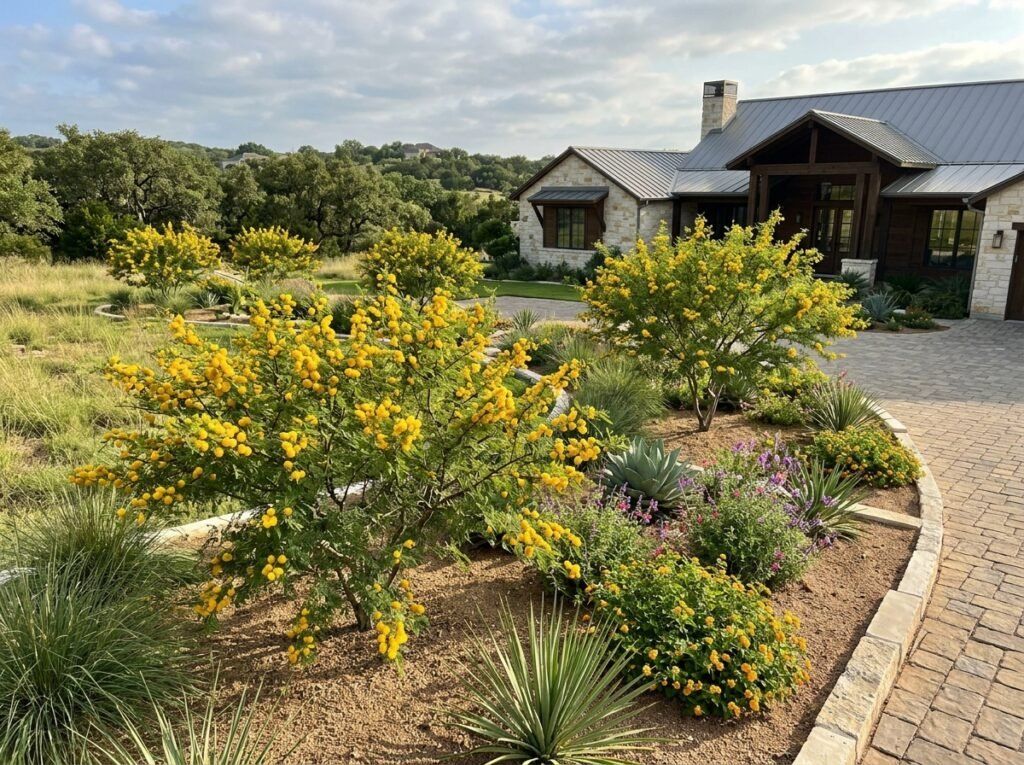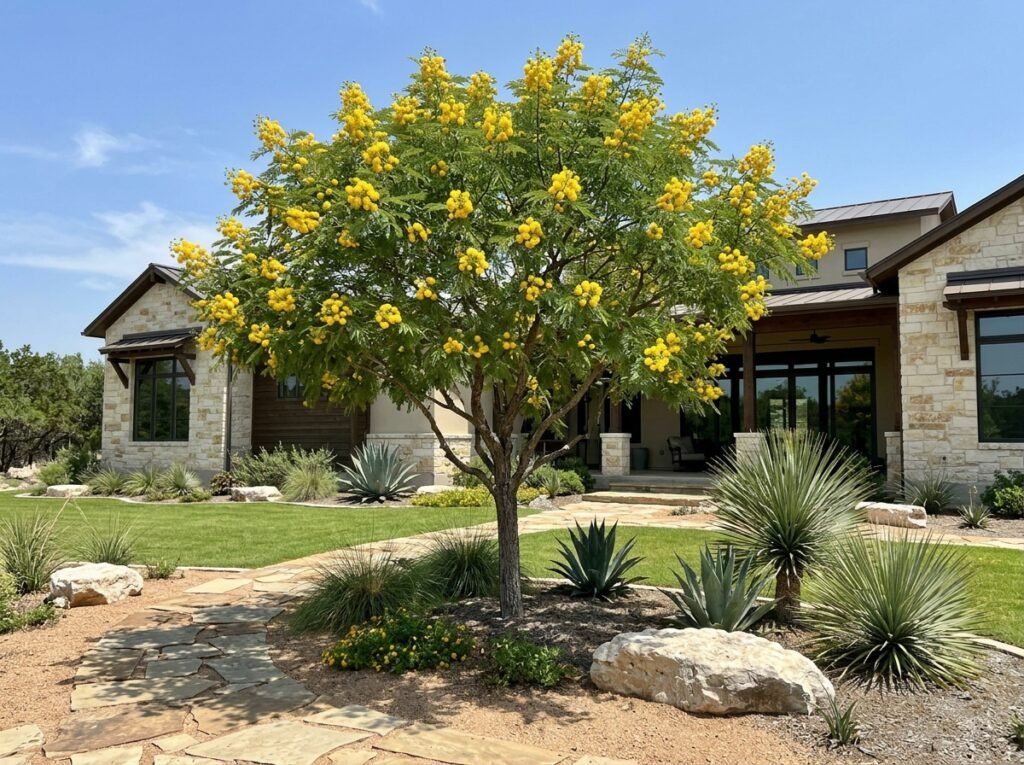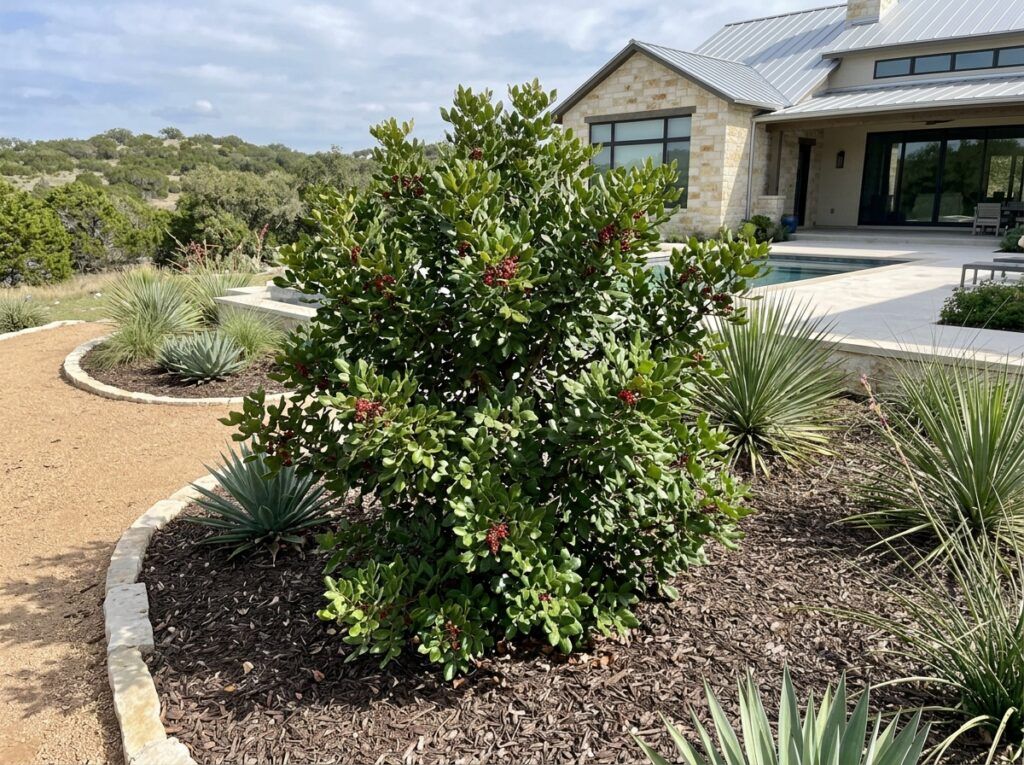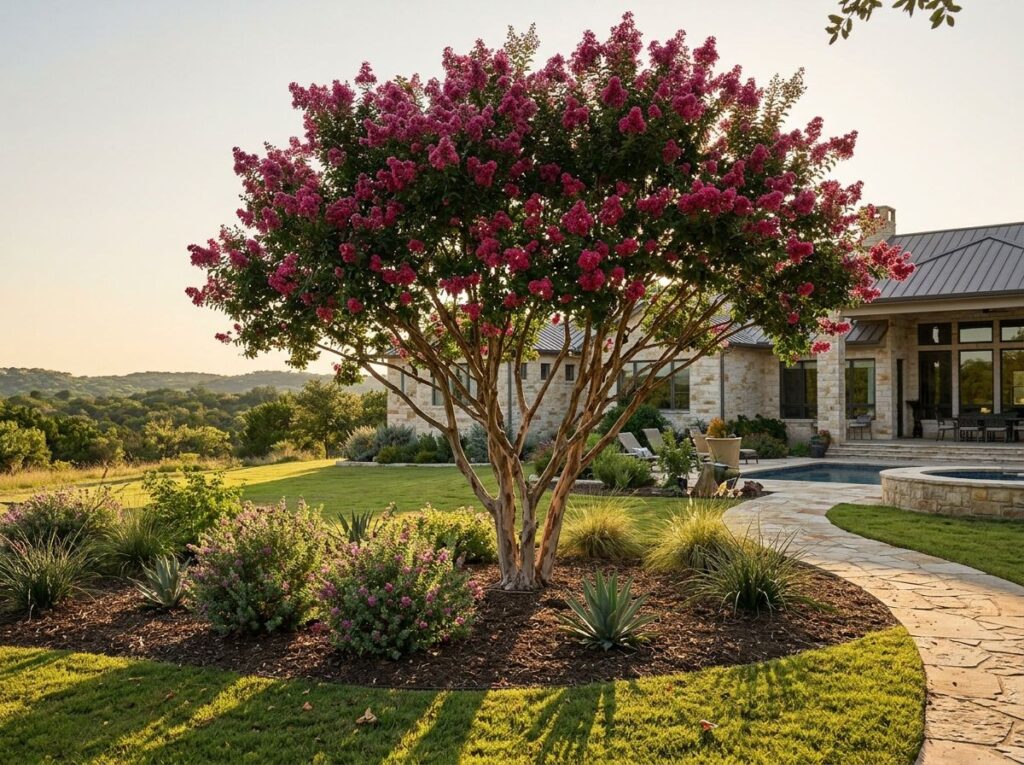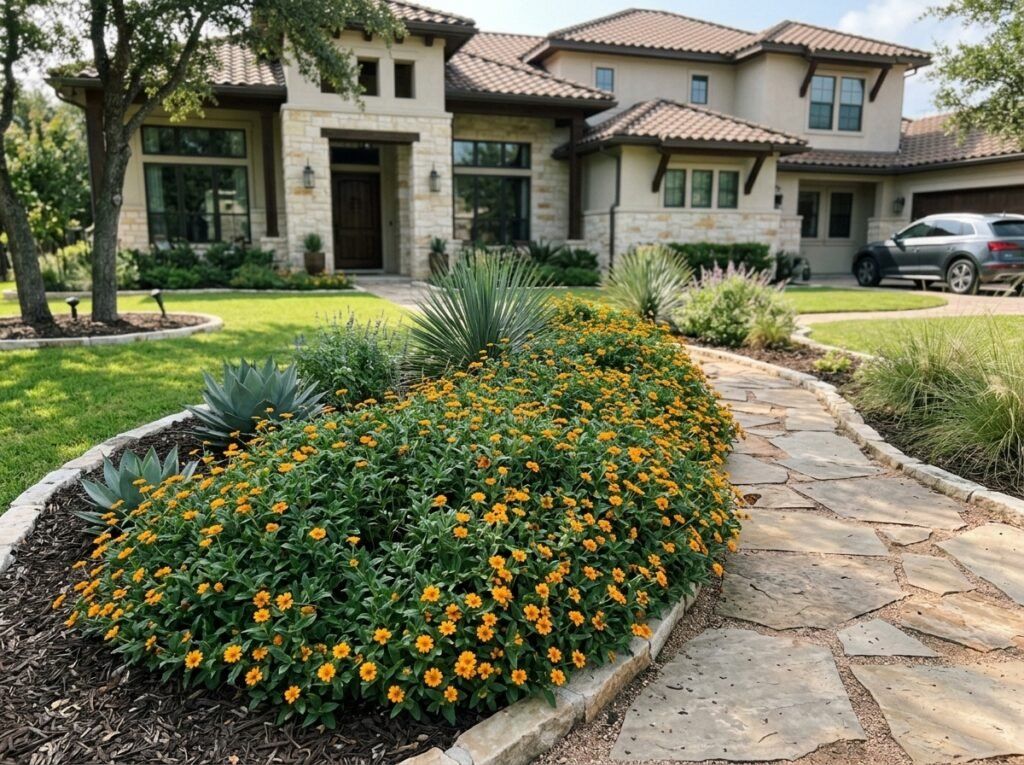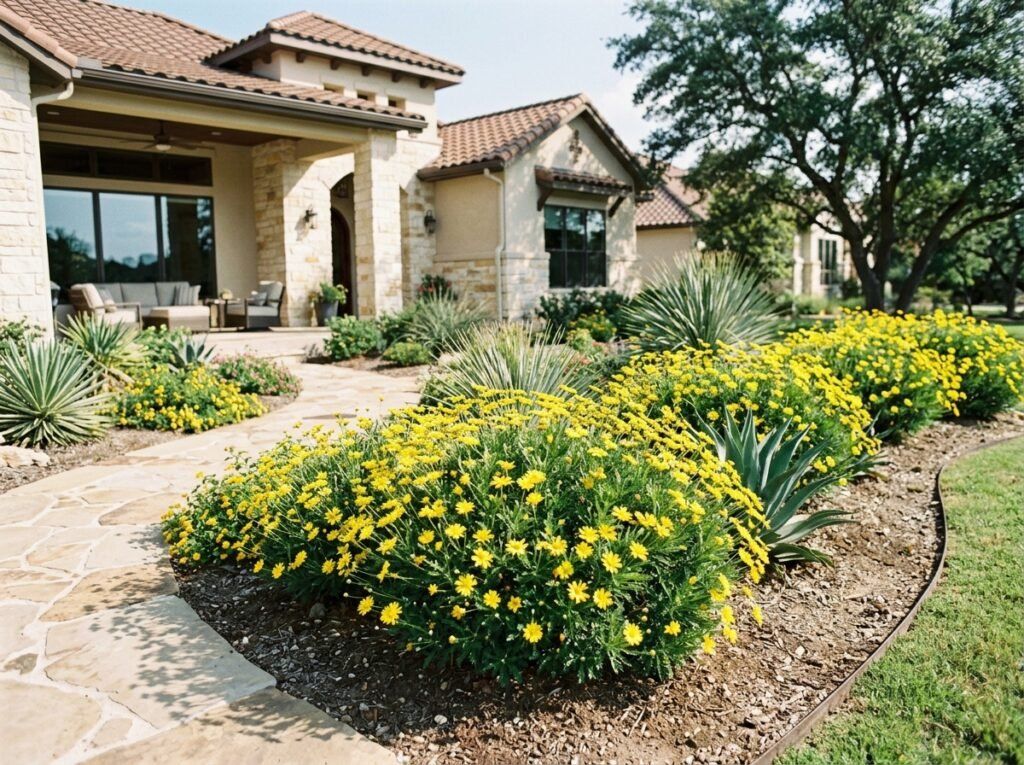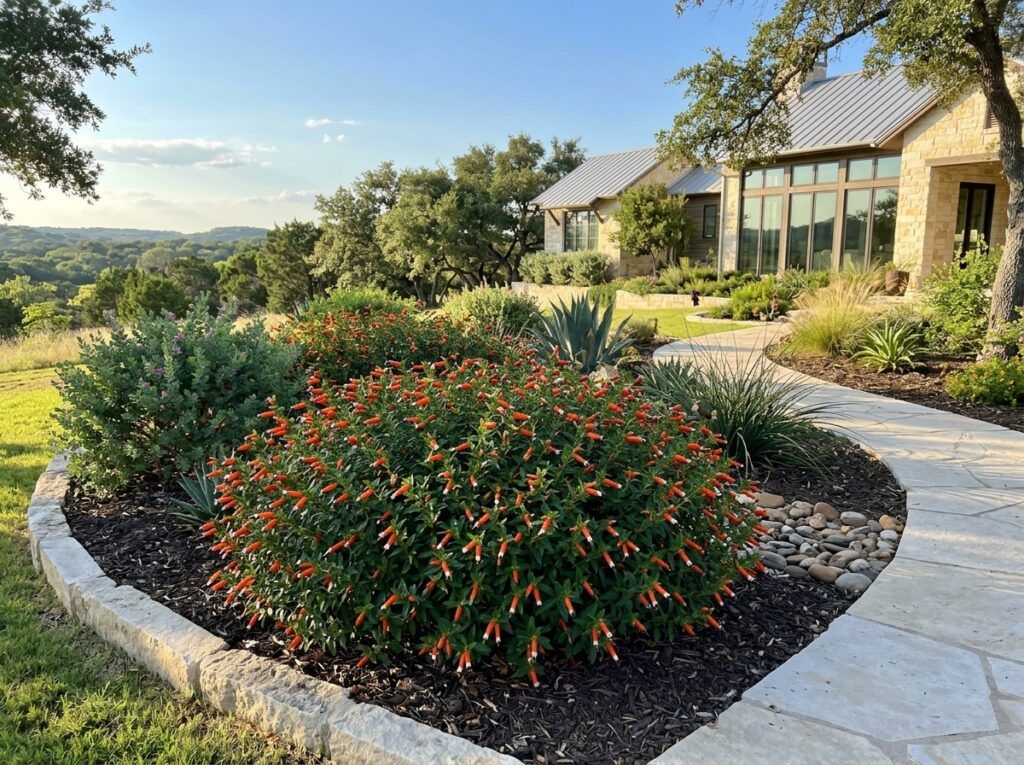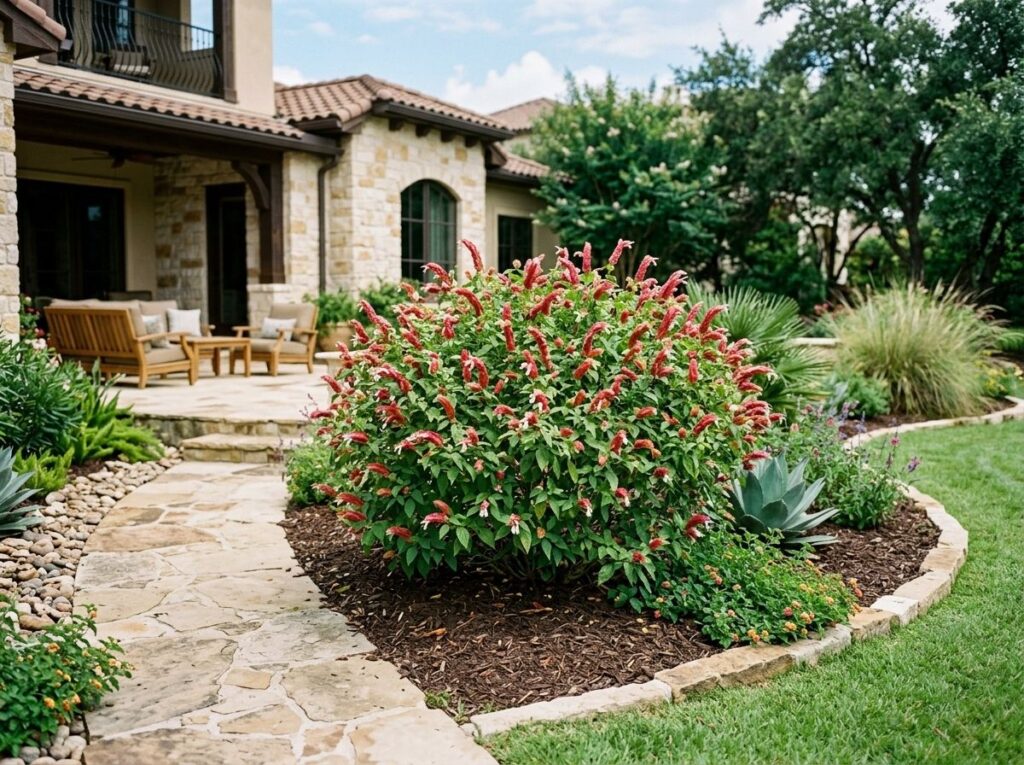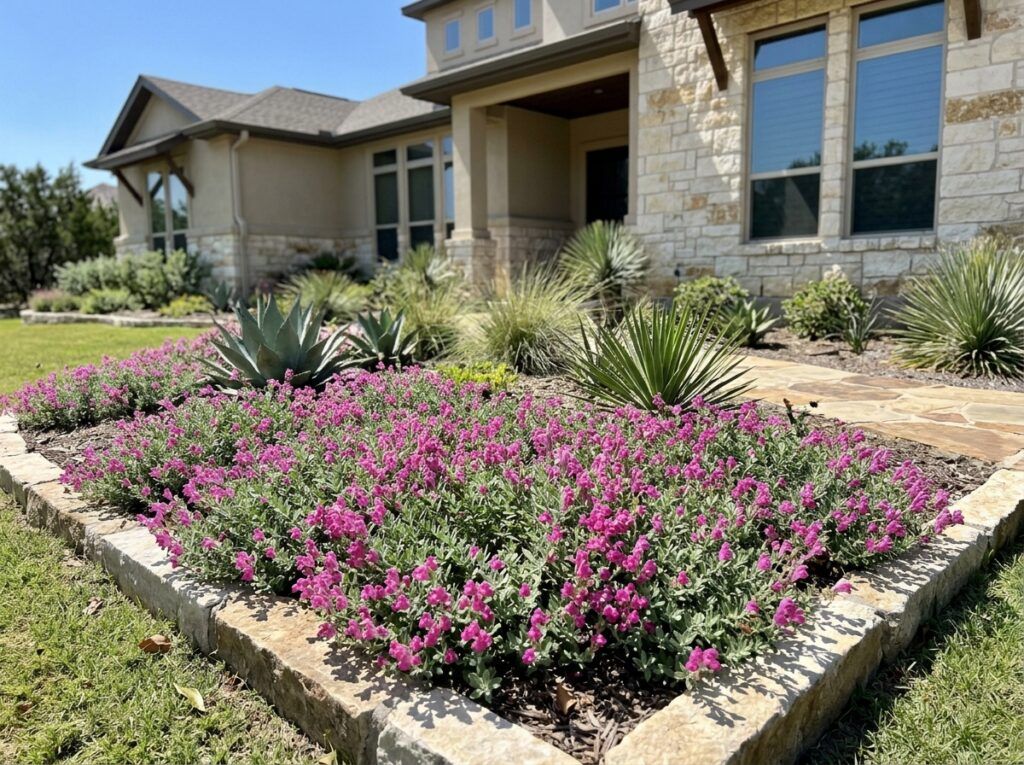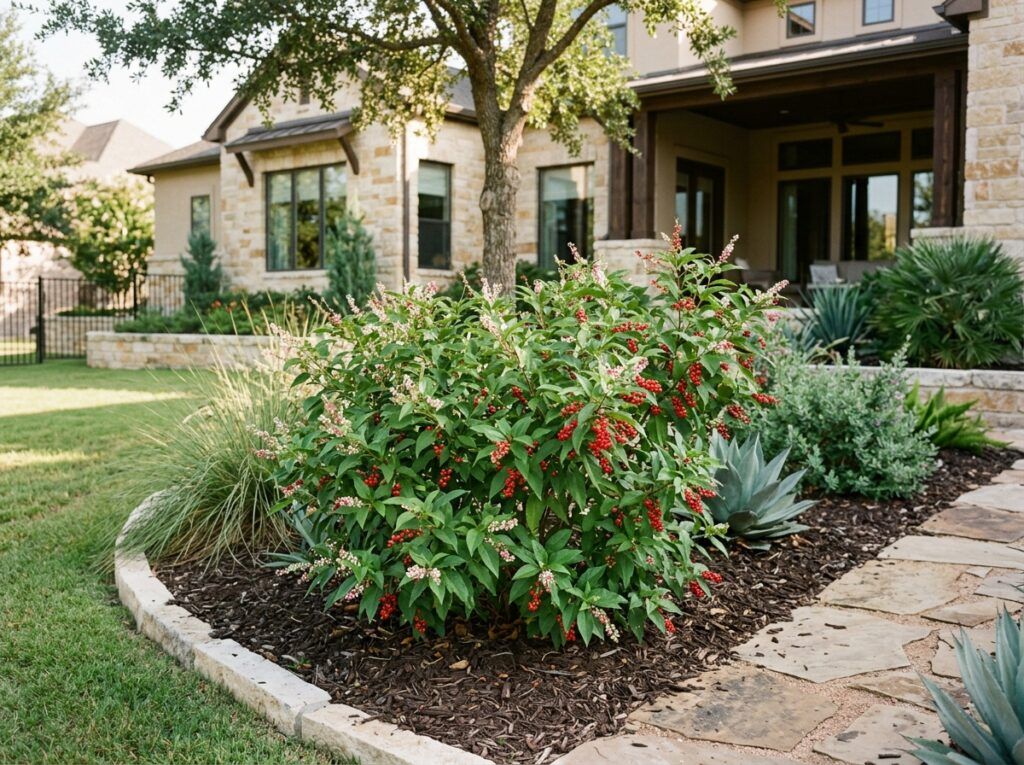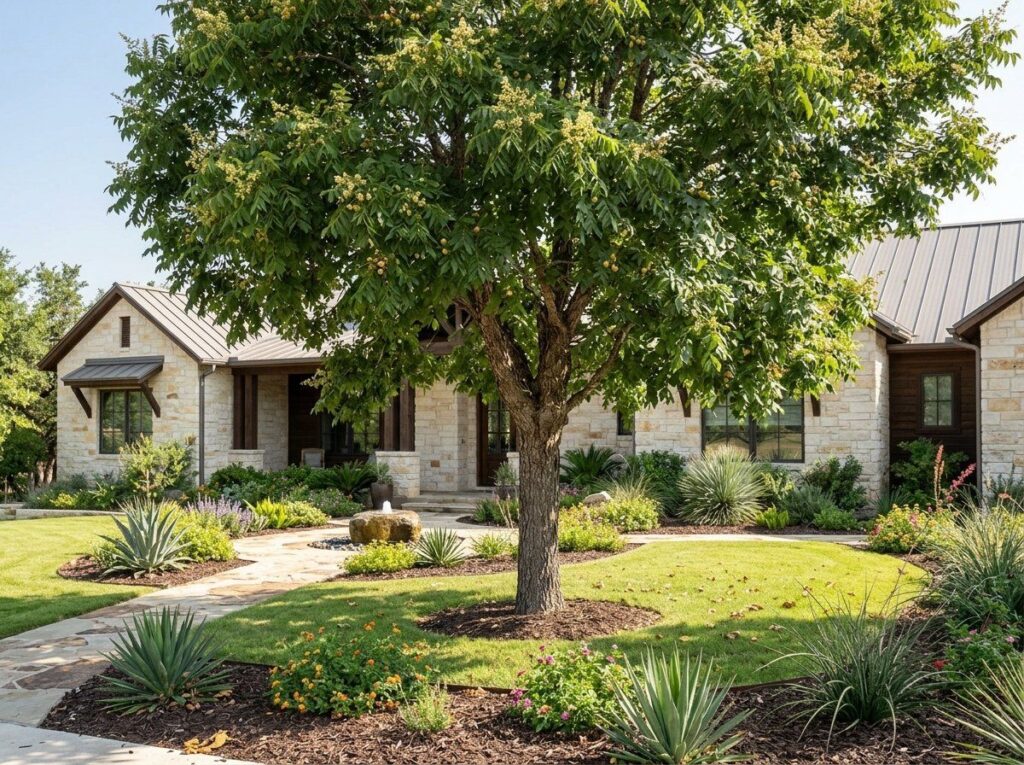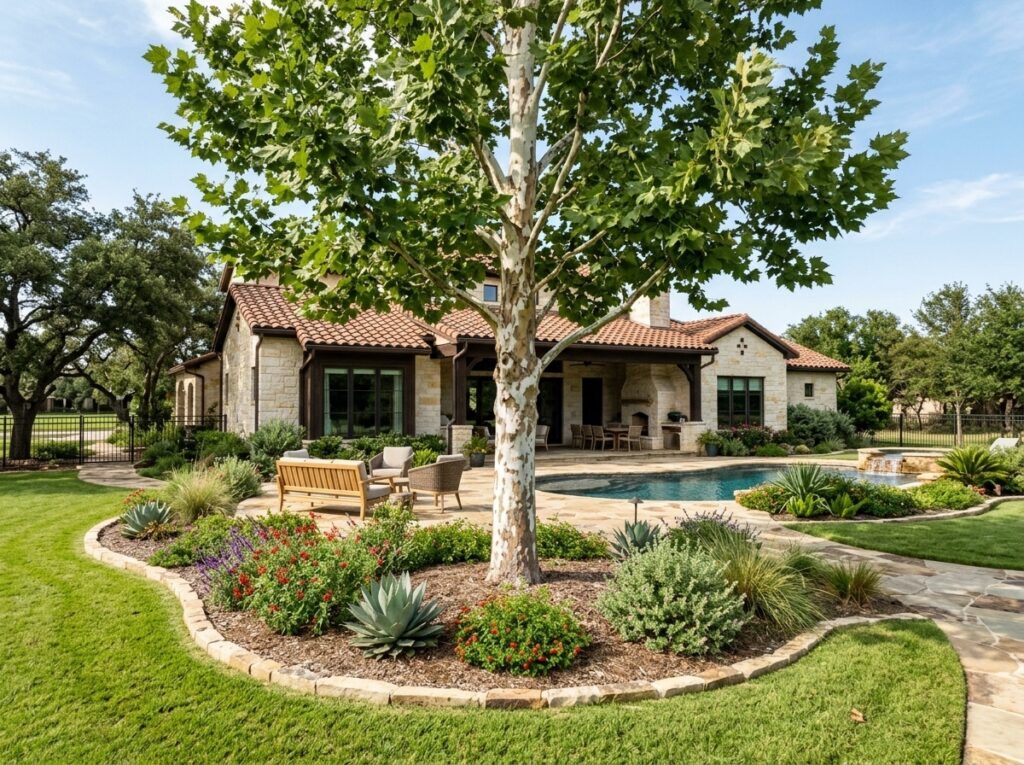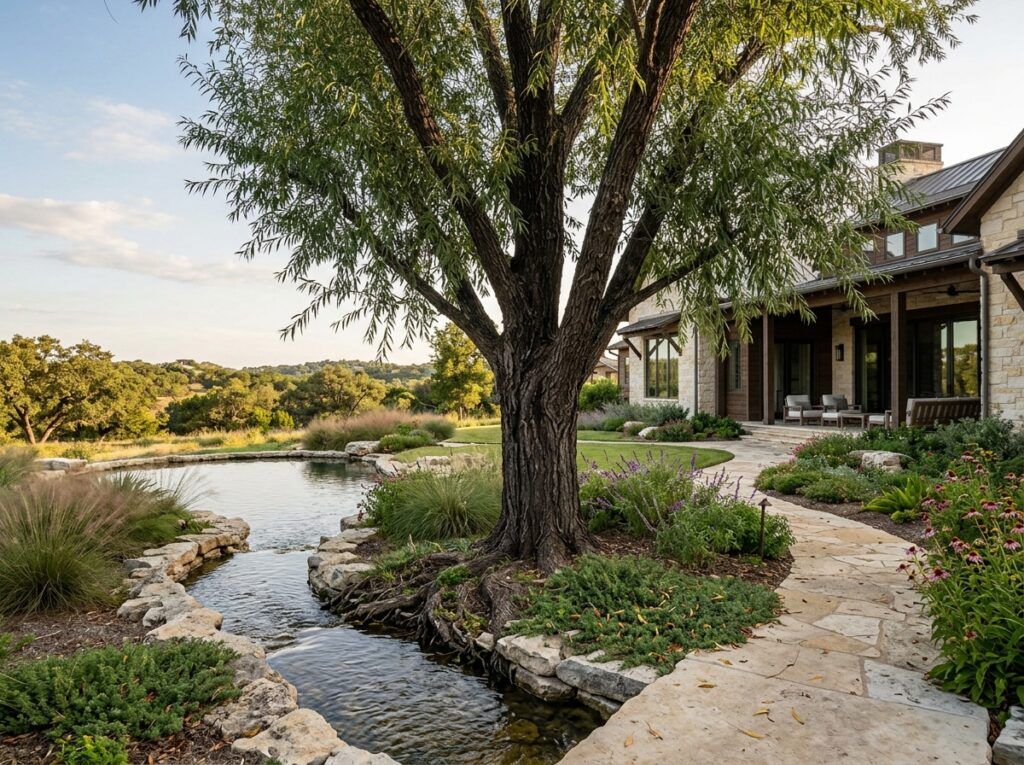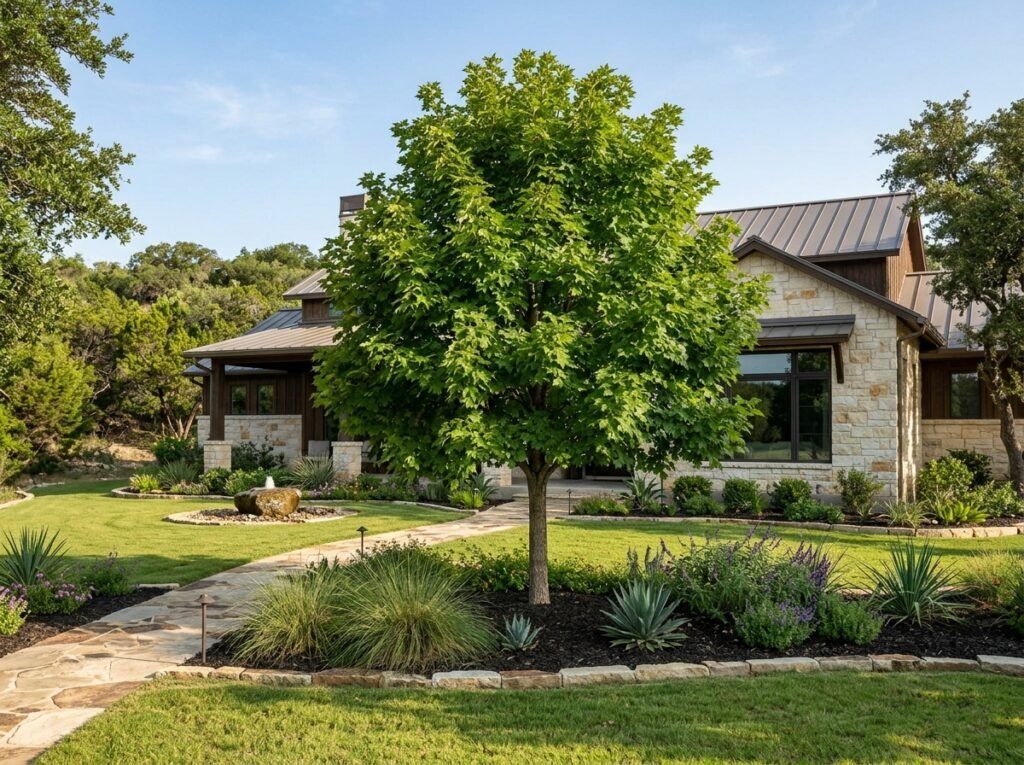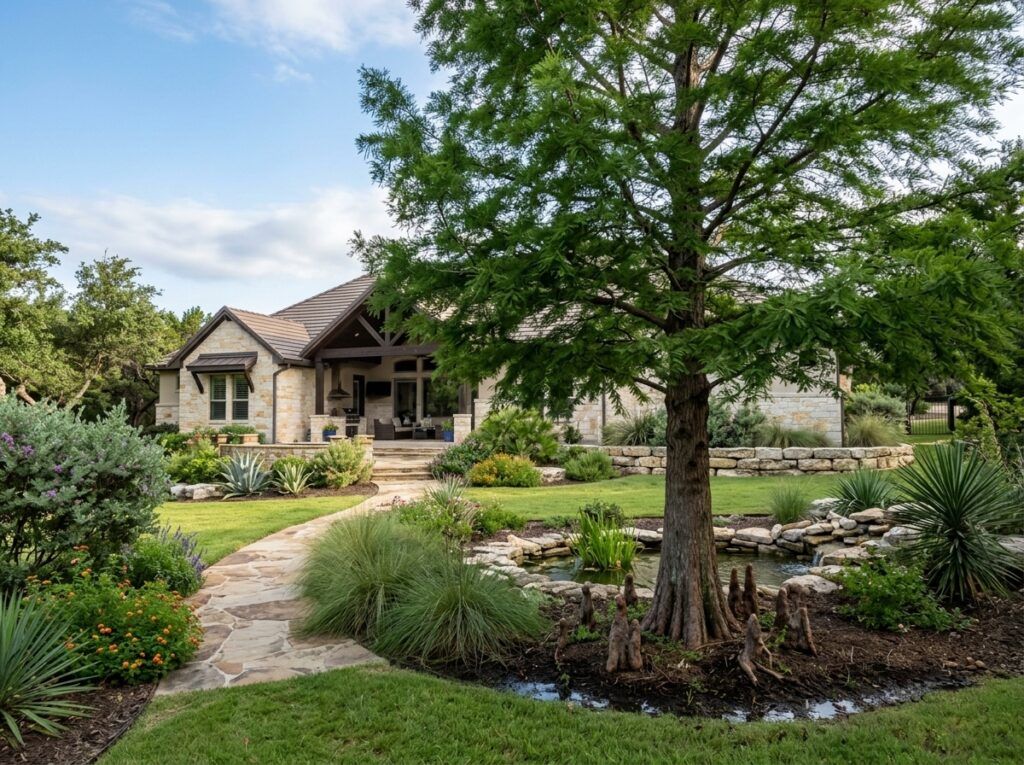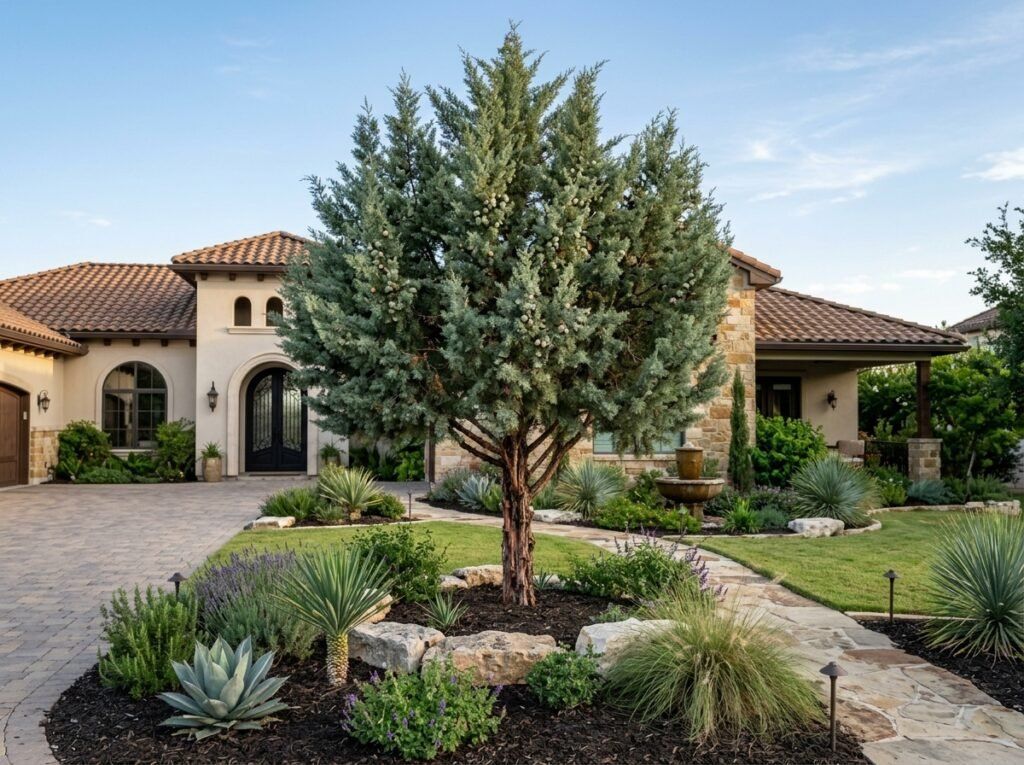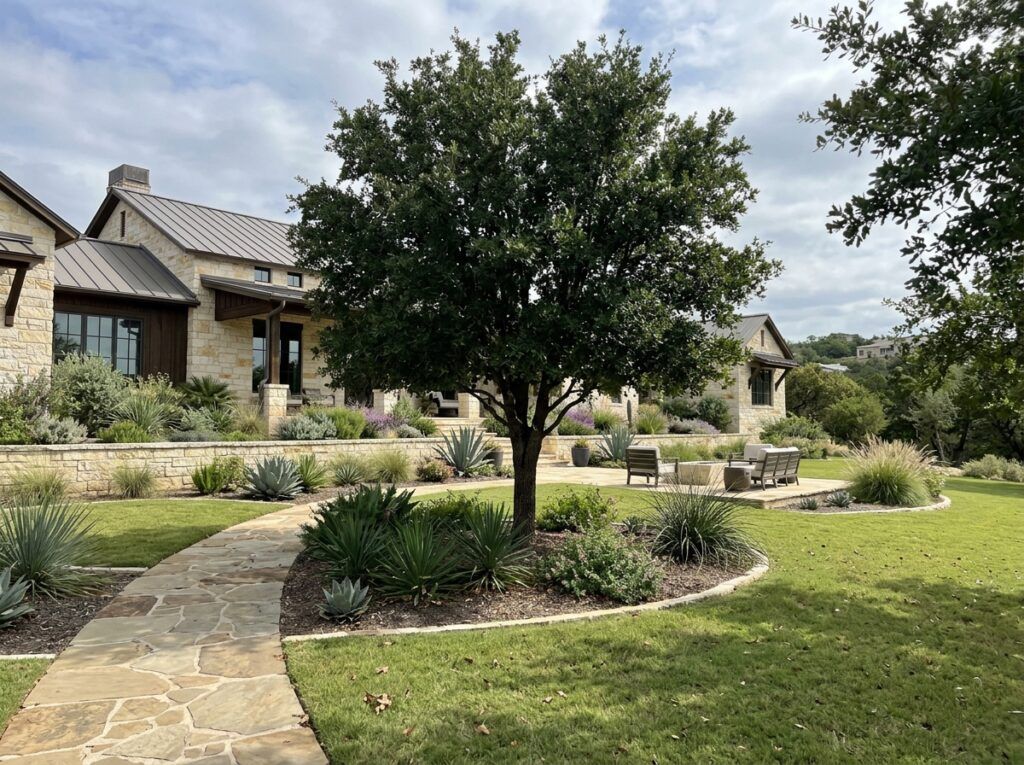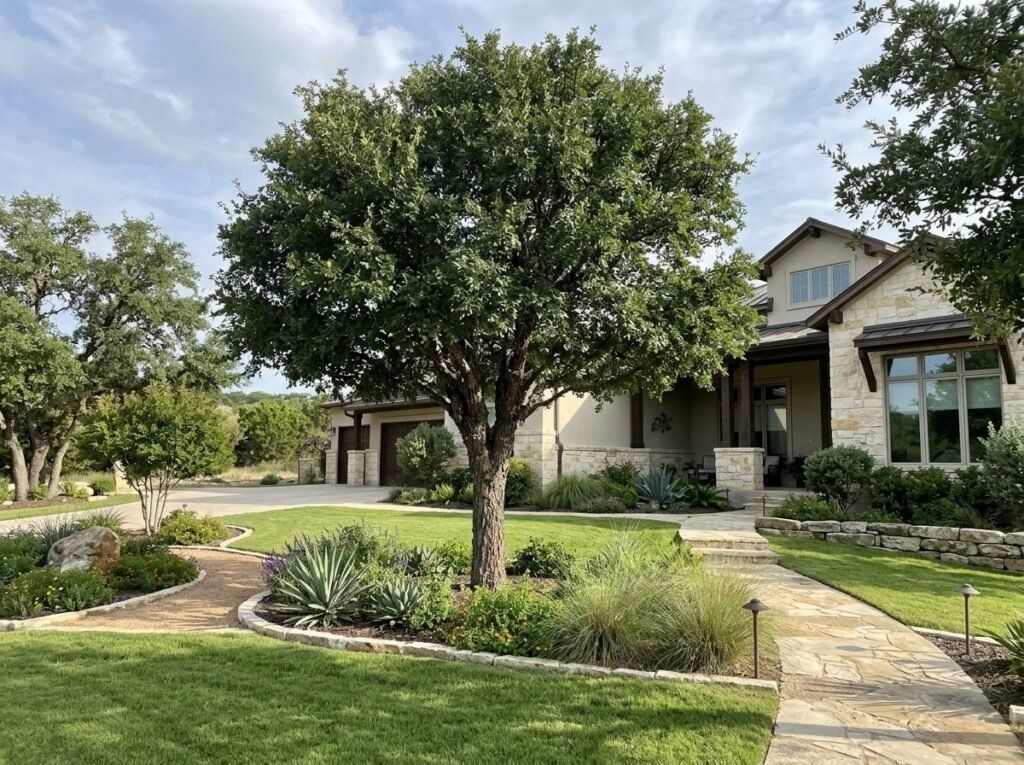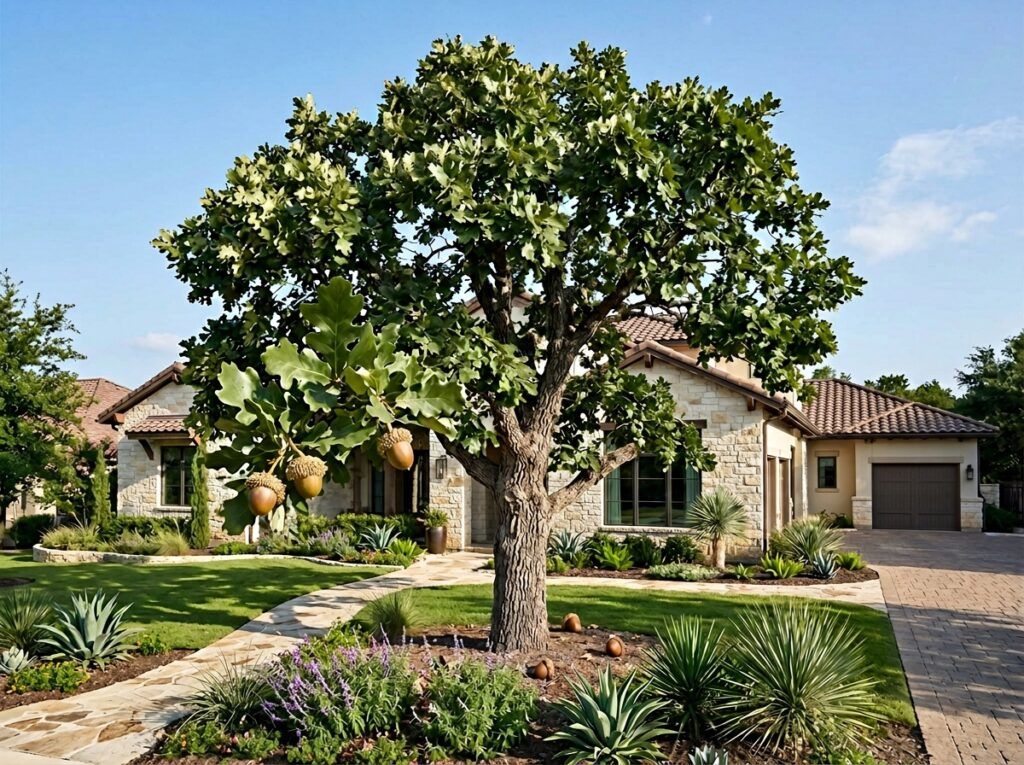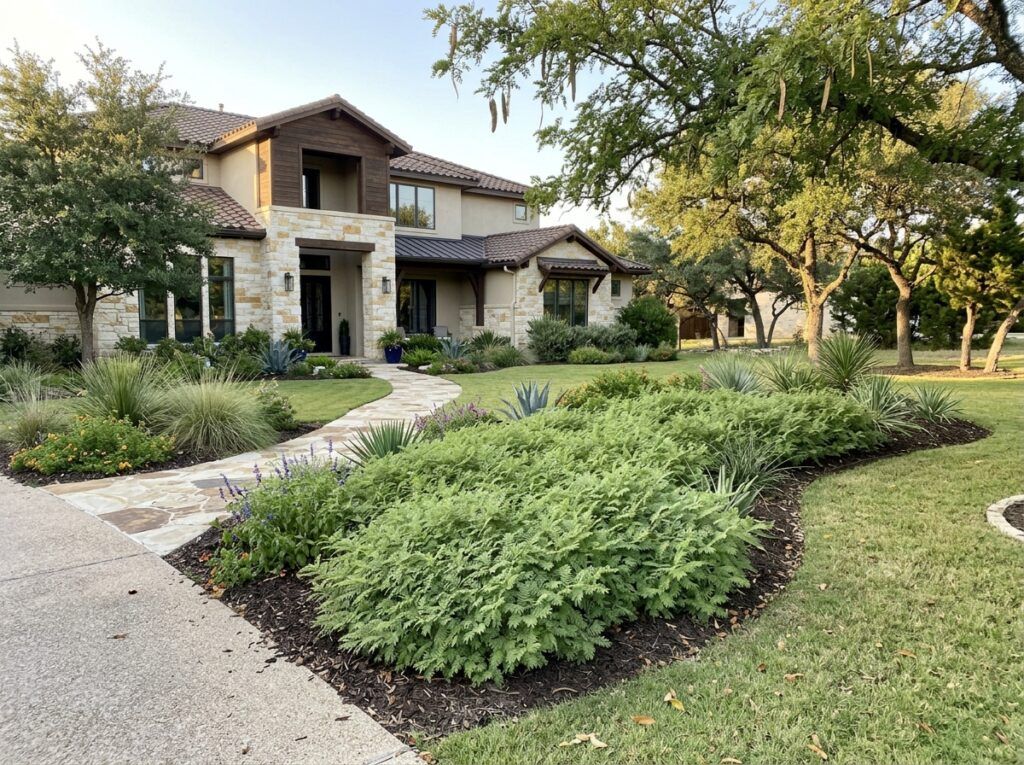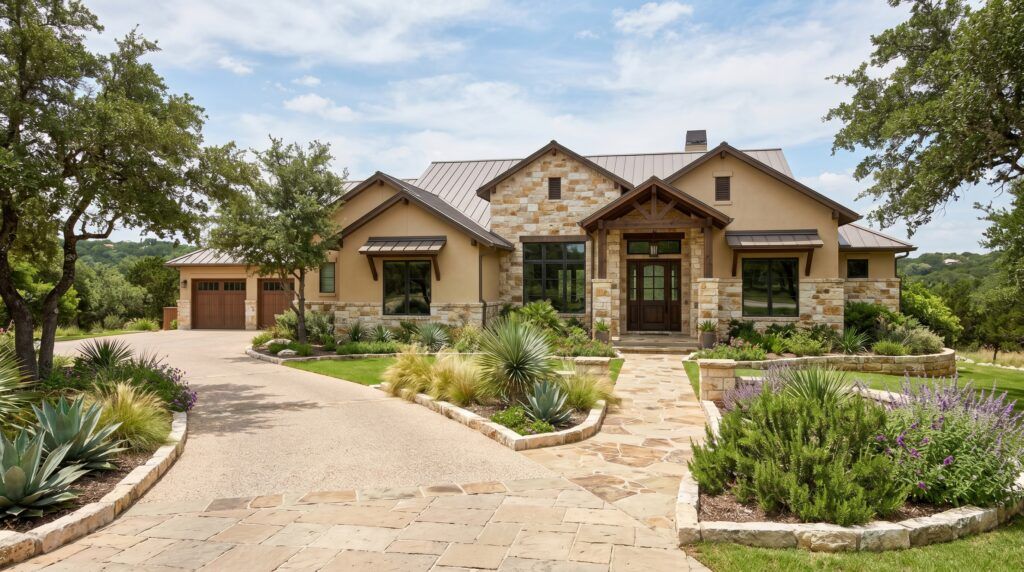
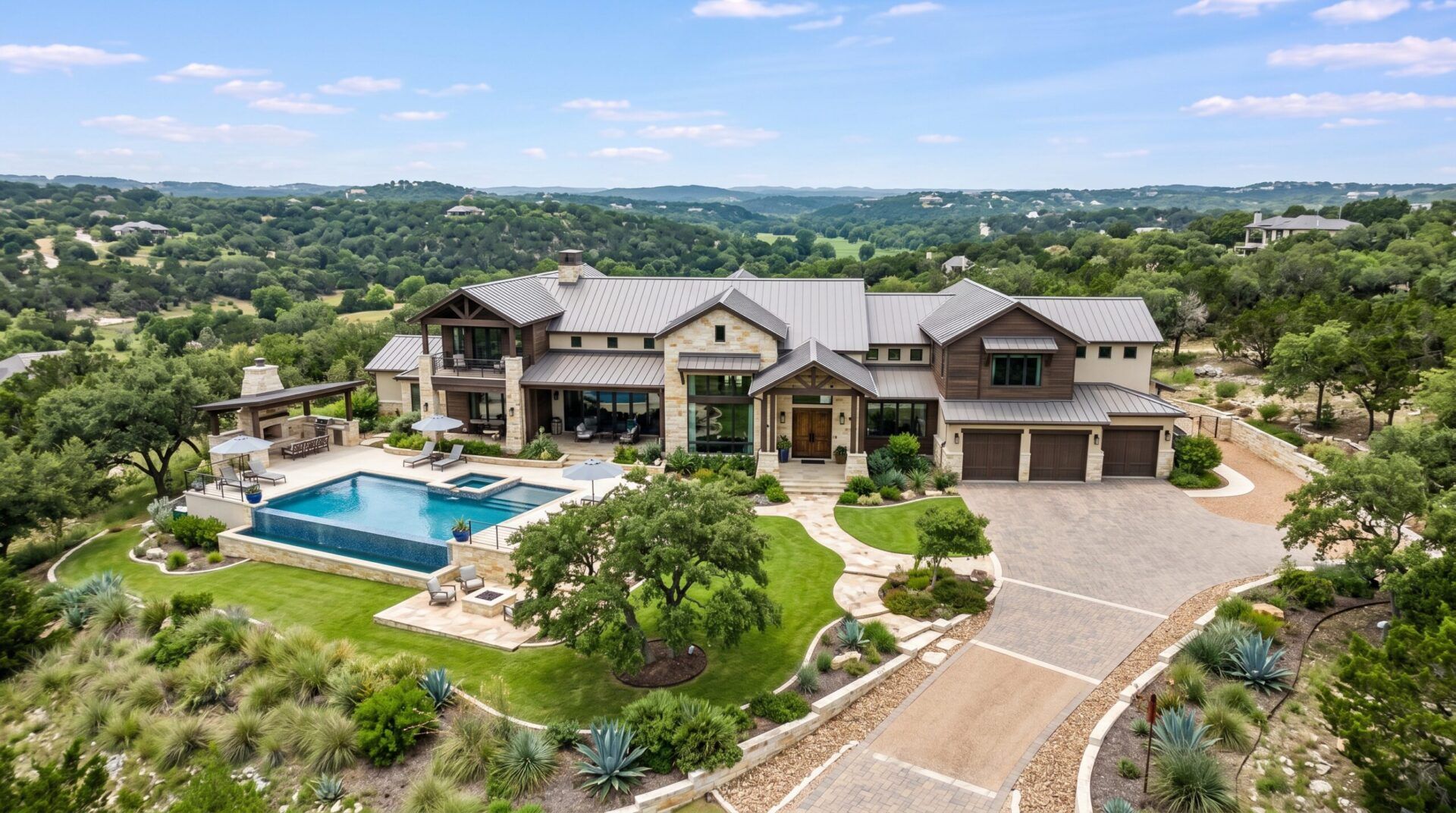
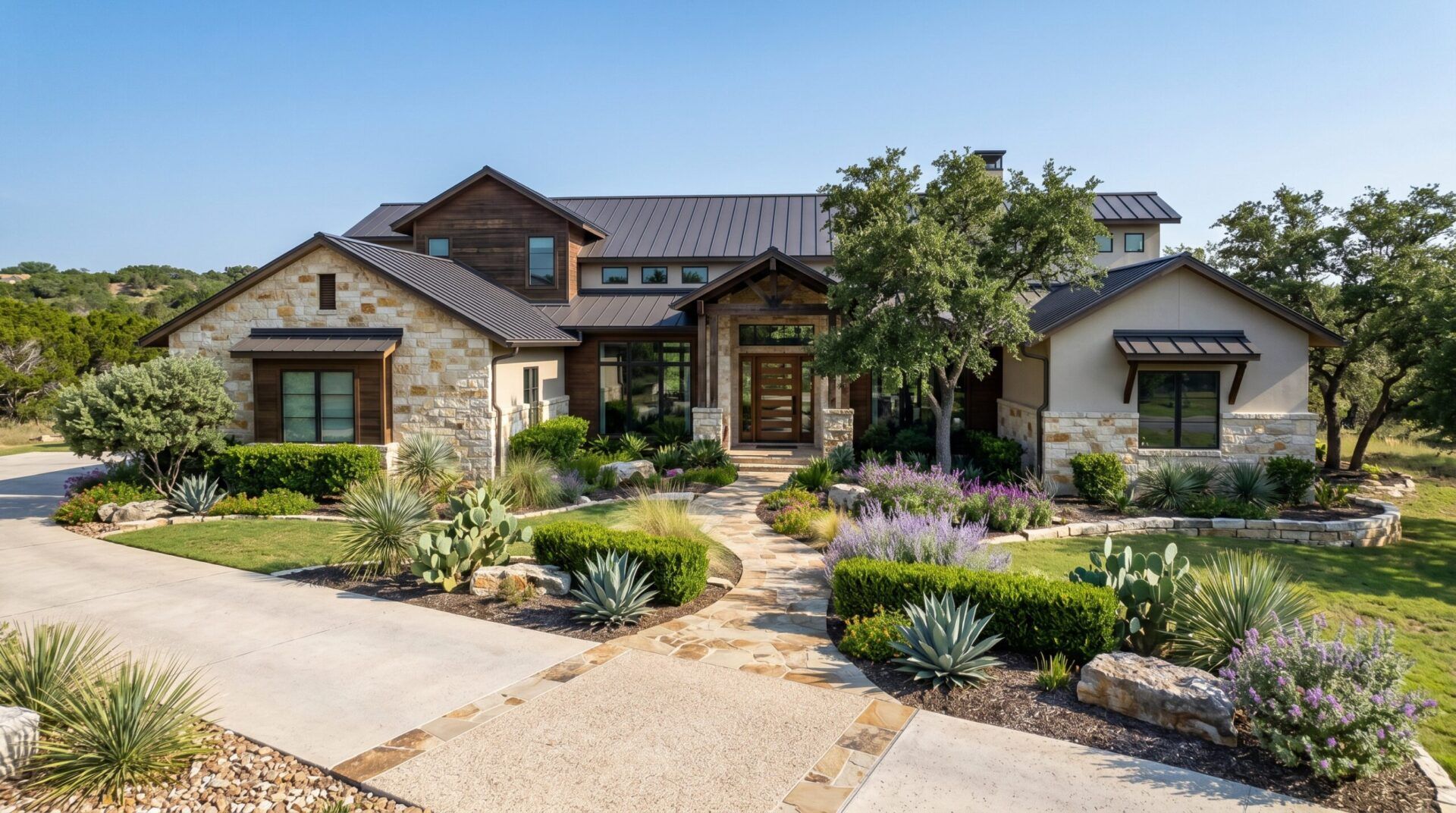
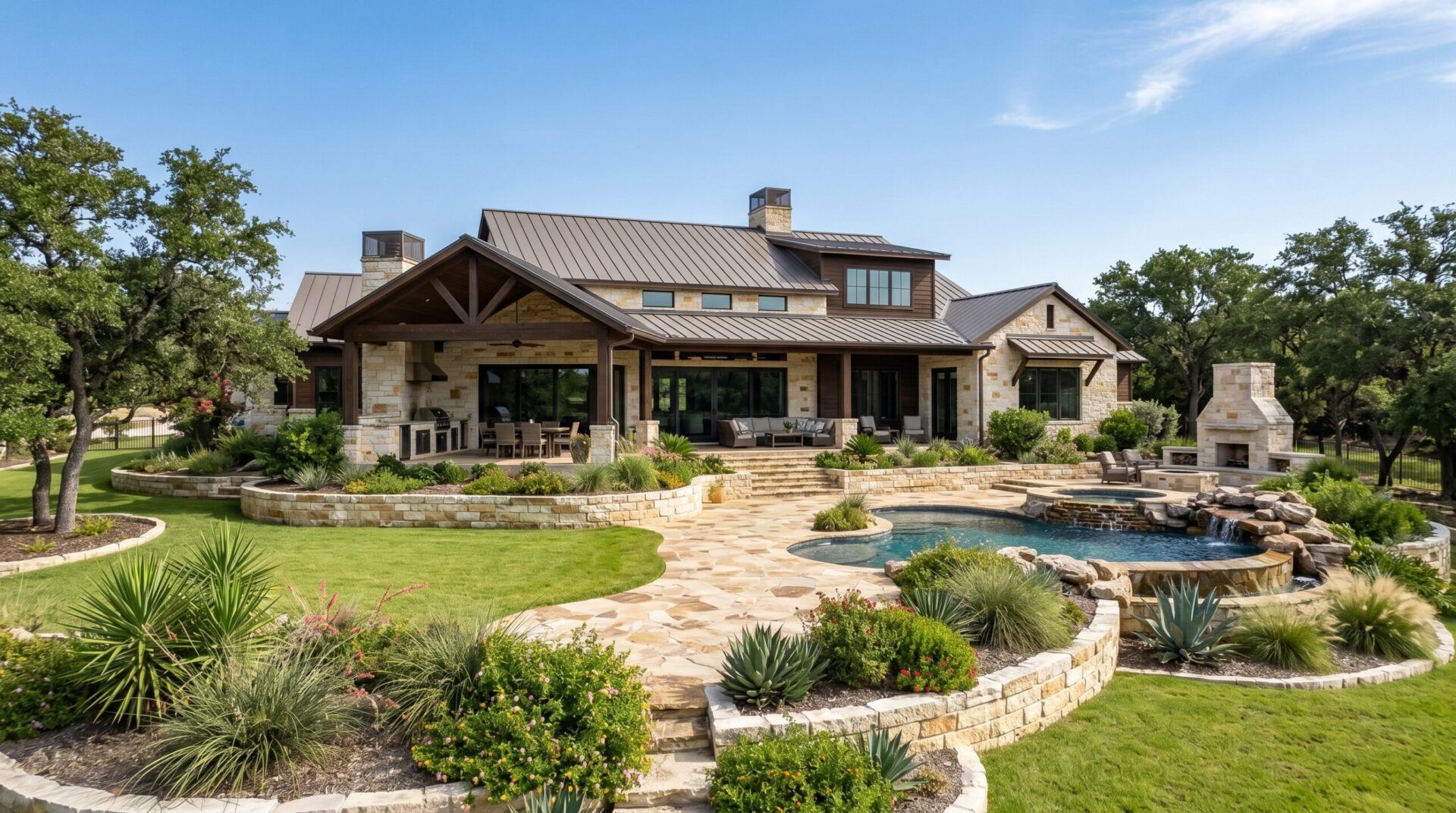
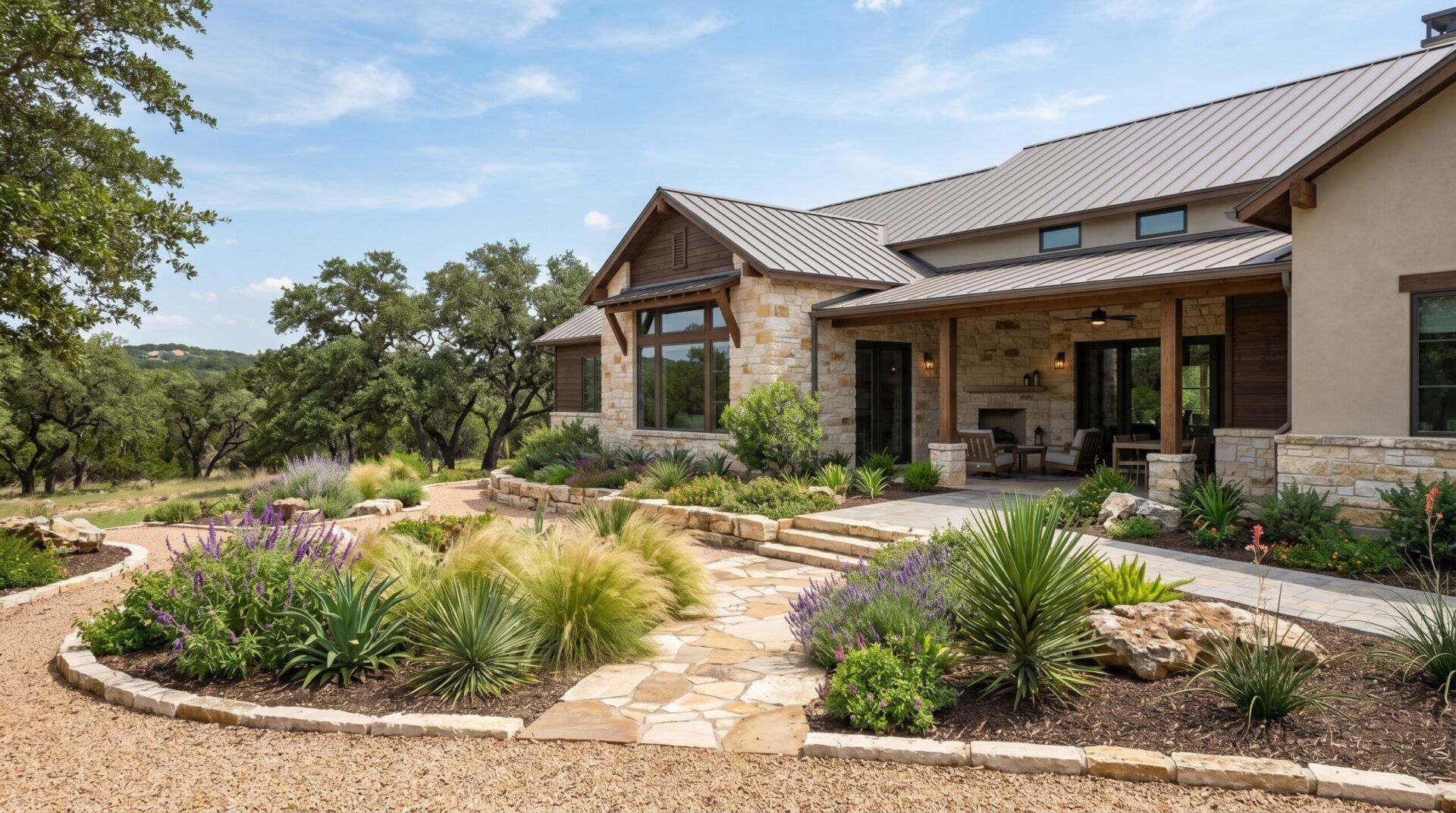
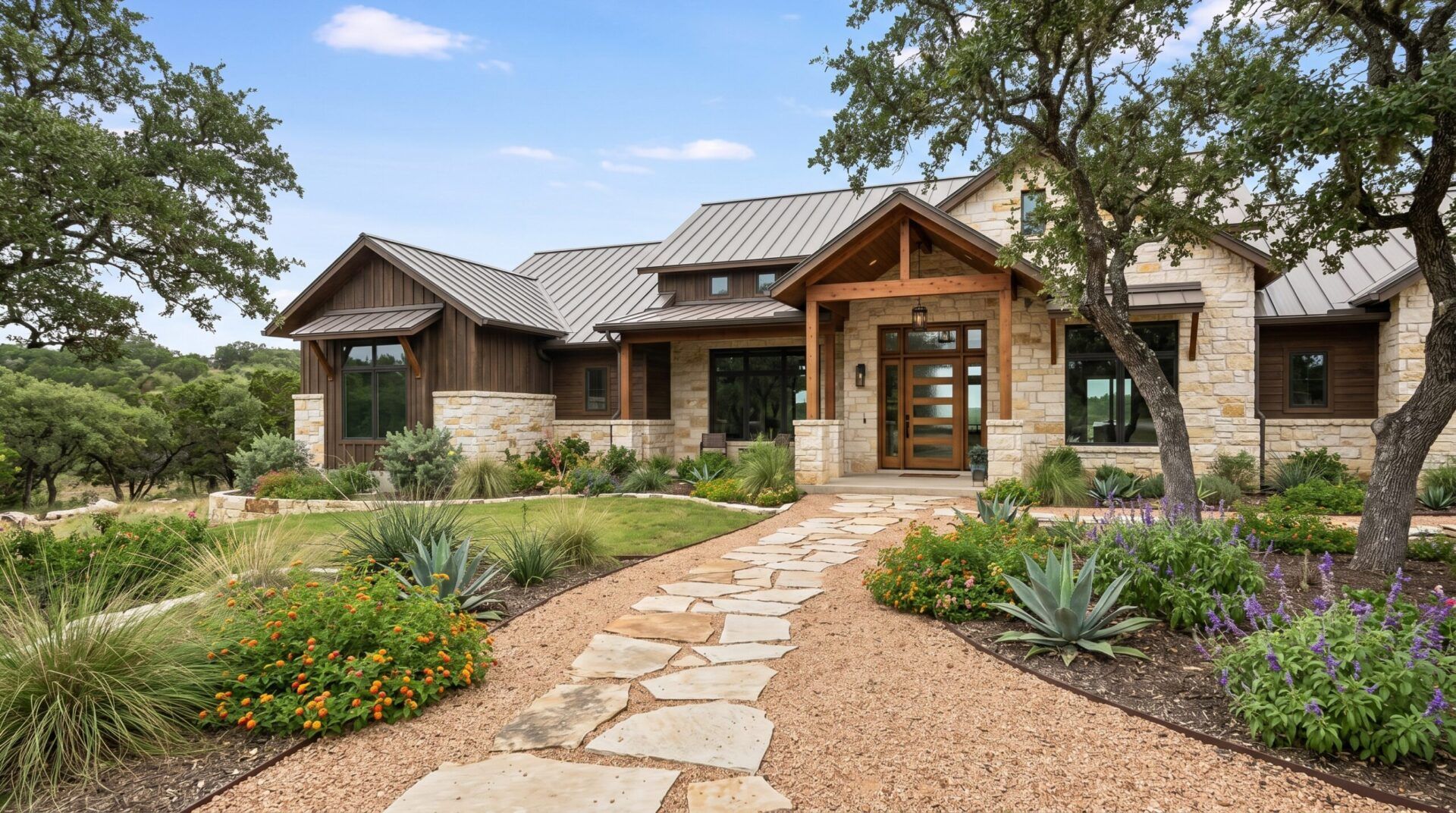
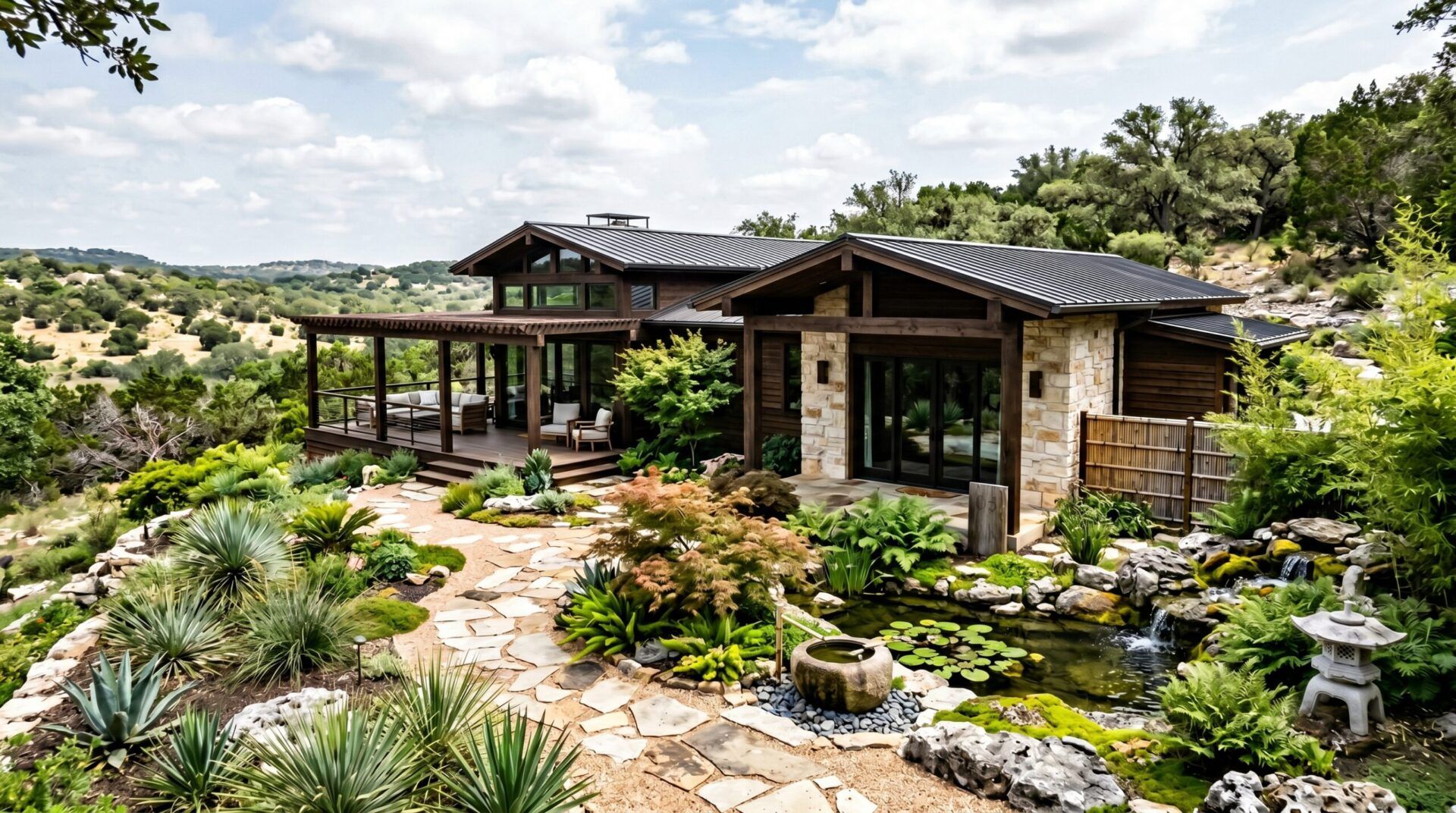
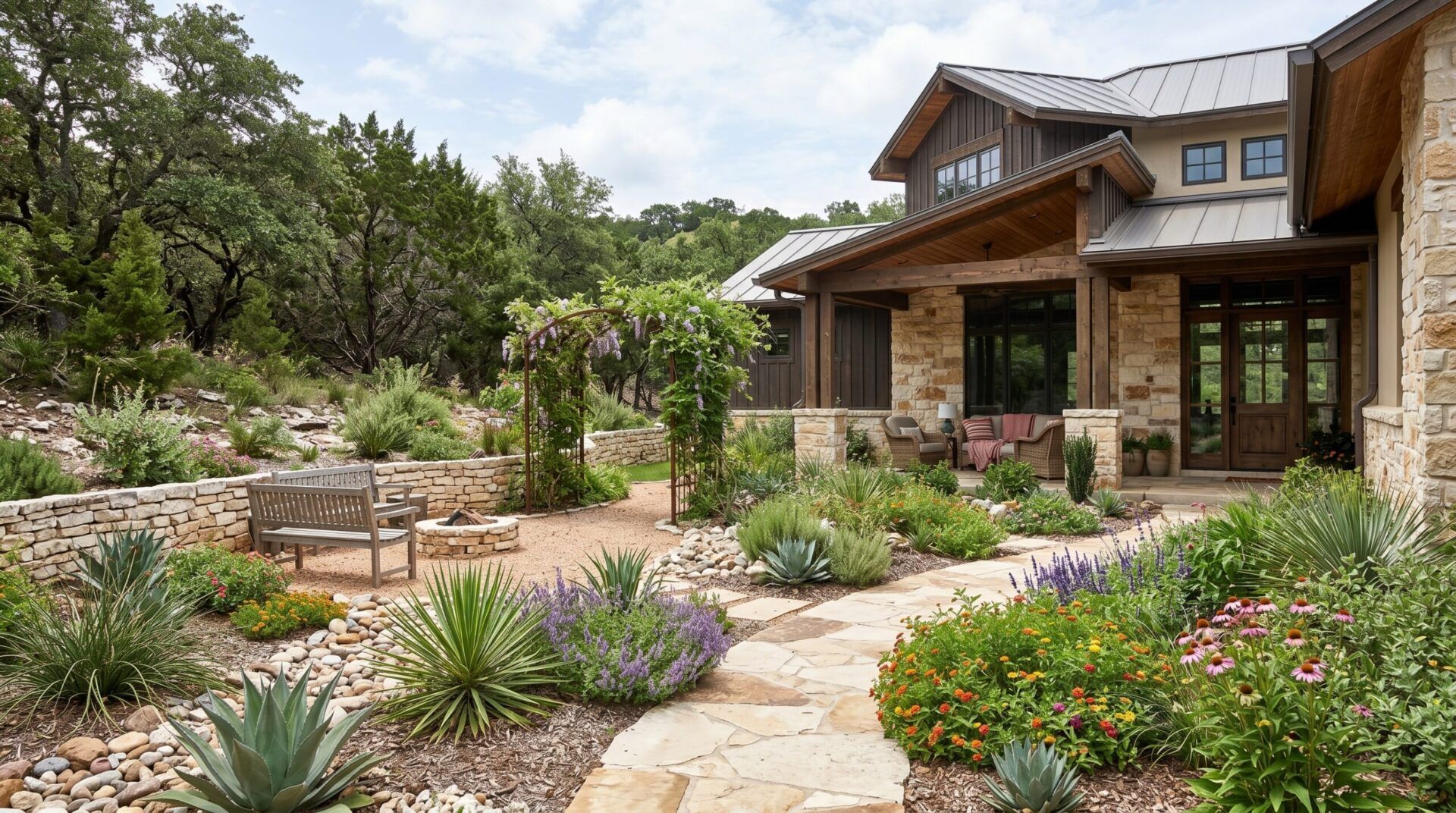
Hill Country front yard landscape design with natural stone beds, gravel xeriscape, drought-tolerant landscaping plants.

Blended / Custom

Custom Landscape Design Ideas for San Antonio Homes

Blended and custom landscaping is for homeowners who like parts of several styles but want the finished yard to feel intentional, balanced, and tailored to their property. Instead of forcing a house into one strict design category, this approach combines the right materials, planting style, and outdoor features into a landscape plan that looks cohesive from curb to backyard.
Explore This Style

Style Overview

What a Blended / Custom Landscape Looks and Feels Like

This is not about mixing random ideas. It is about combining the right influences so the property feels personal, practical, and professionally resolved.

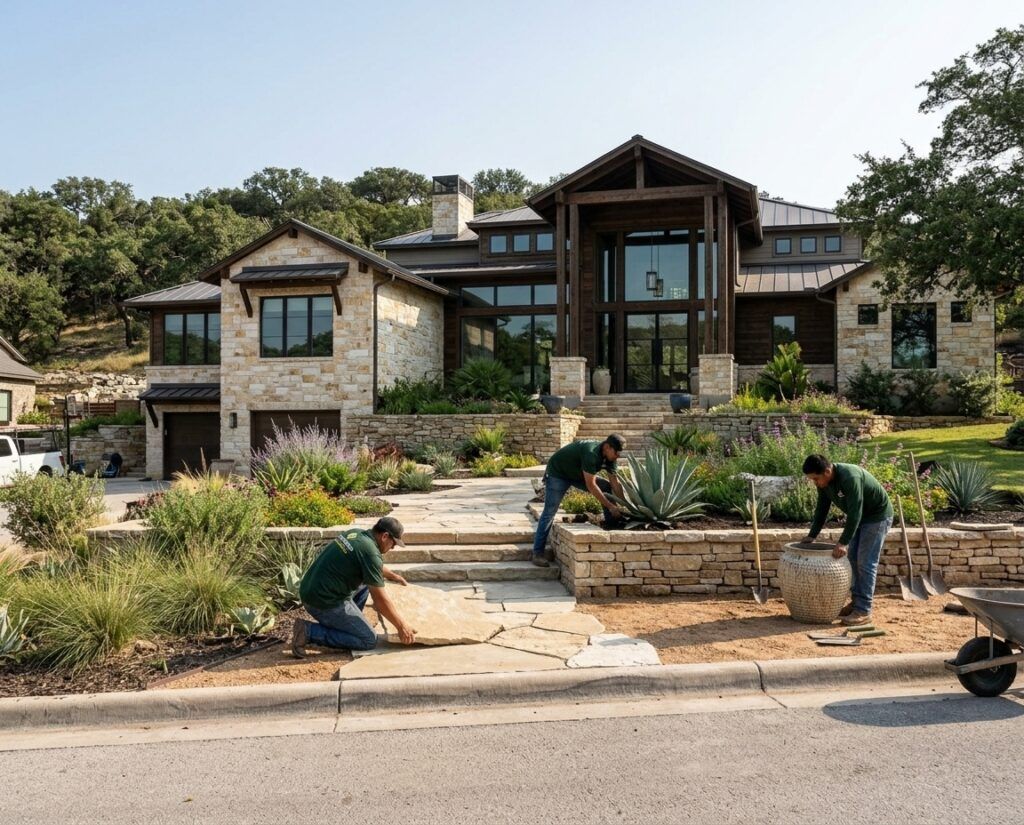
Landscapers set limestone and plant natives in Hill Country xeriscape landscape installation for drought-tolerant landscaping.

A blended or custom landscape pulls from more than one design direction, but it still needs a clear center of gravity. A yard might combine modern edging with warmer Mediterranean materials, or traditional lawn structure with more drought-conscious planting and updated lighting. The point is not to check off style labels. The point is to create a yard that fits the home, the way the space is used, and the maintenance level the homeowner can realistically live with.

In San Antonio, custom landscapes often make the most sense because properties vary so much in sun exposure, drainage, architecture, lot shape, and homeowner goals. A well-done custom design feels edited and connected. A poorly done one feels like several unfinished projects sharing the same address.

Maintenance Level: Varies

Water Demand:Varies

Best For: Homeowners who like more than one style influence and want a landscape built around their property, lifestyle, and priorities rather than a strict theme.

Typical Look: Intentional mix of materials, planting, and focal points tailored to the home instead of one rigid style formula.

Materials, Plants & Design Elements

What Usually Brings a Custom Landscape Together

The strongest custom landscapes are built around consistency and restraint. The materials, planting, and focal points should feel chosen for the property, not copied from unrelated inspiration photos.

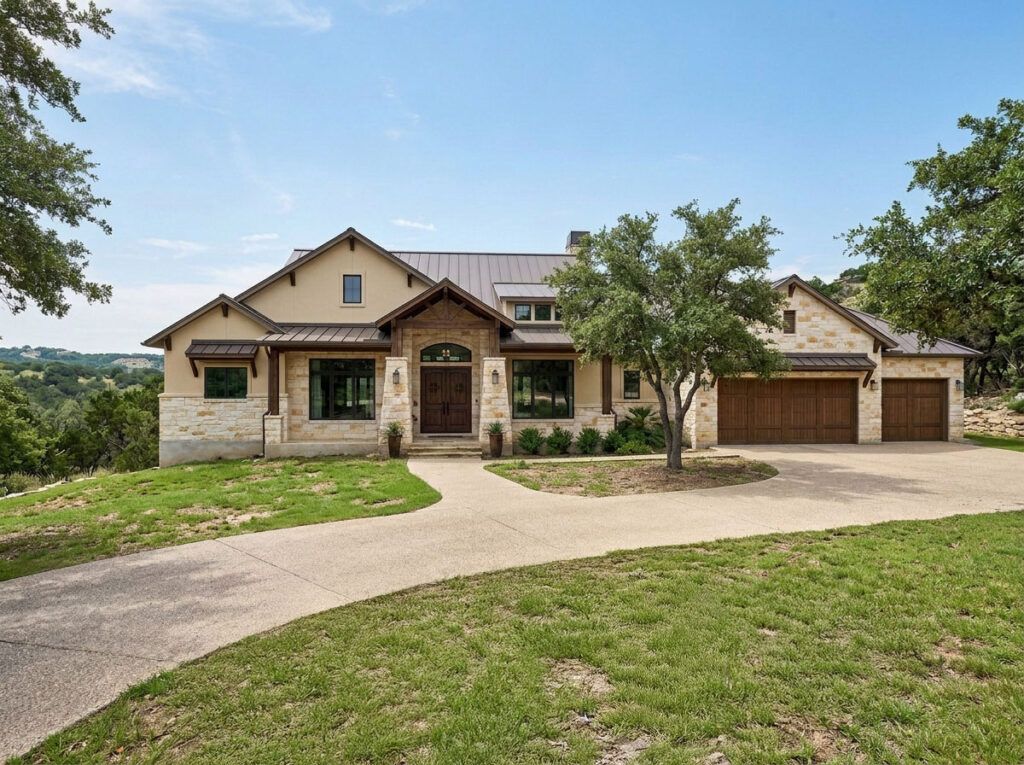
Before xeriscaping upgrade, yard shows new landscape design with gravel beds and drought-tolerant landscaping plants.
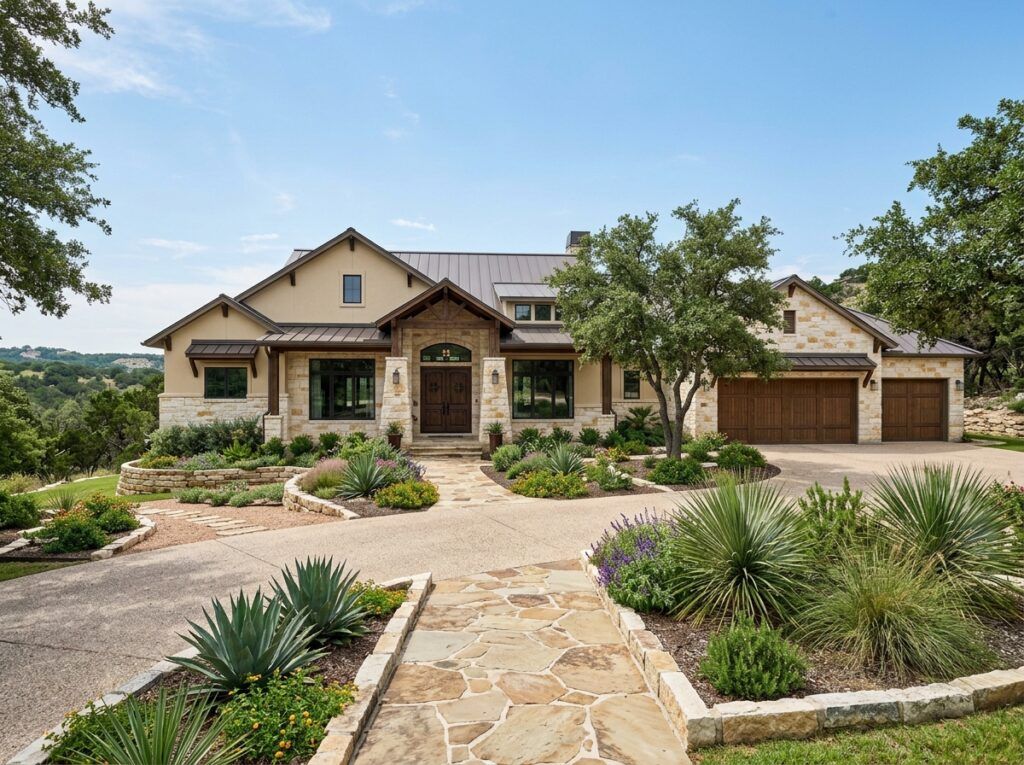
After xeriscaping landscape design with stone edging, native plants and drought-tolerant landscaping in front yard
BEFORE
AFTER

Typical Hardscape / Surface Materials

Custom landscapes do not rely on one signature material. They work best when a small set of finishes is repeated thoughtfully so the yard feels coordinated instead of patched together.

  • Pavers, concrete, or natural stone chosen to match the home’s character
  • Consistent edging materials repeated across beds and transitions
  • Gravel, decorative rock, or mulch used where they make practical sense
  • Walkways and patios designed to connect spaces cleanly
  • Retaining or seating walls where grade, structure, or definition is needed
  • Material combinations that feel layered, not noisy

Typical Plants / Planting Direction

The planting direction in a custom landscape should support the overall feel of the property. Instead of forcing one palette everywhere, the better approach is to use structure, texture, and color in a way that feels consistent from zone to zone.

  • Evergreen anchor plants that provide year-round structure
  • Accent plants chosen for shape, texture, or selective color
  • Ornamental grasses or softening plants where movement is needed
  • Shade-appropriate or sun-appropriate selections based on the actual site
  • Drought-tolerant plants where lower water use is a priority
  • Layered planting that avoids both emptiness and overcrowding

Typical Accent Features

Accent features in a custom design should solve a problem or strengthen the layout. The best accents create a focal point, define a space, or improve how the yard functions instead of simply adding decoration.

  • Planters or raised beds used to frame key areas
  • Seating zones that make the yard more usable
  • Shade structures or pergola elements where comfort matters
  • Water features only when they fit the scale and style direction
  • Entry features that improve curb appeal and visual arrival
  • Simple architectural touches that tie the yard back to the home

Typical Lighting / Focal Elements

Lighting often plays a big role in making a blended landscape feel unified. It can connect different parts of the yard visually and help the finished design feel more complete after dark.

  • Path lighting that reinforces circulation and edge definition
  • Uplighting on specimen trees or architectural planting
  • Subtle accent lighting on walls, planters, or textured surfaces
  • Focused lighting near entries, patios, or outdoor gathering zones
  • One or two strong focal points instead of too many competing highlights
  • A lighting plan that ties the front and backyard together

Best Fit & Common Mistakes

Where a Custom Landscape Works Best — And What Usually Ruins It

Custom design can be the smartest path for many properties, but only when the mix feels deliberate. The moment too many ideas start competing, the yard loses clarity and value.

  • What Usually Makes It Look Messy or Incoherent

    Custom does not mean unlimited freedom. The biggest failures happen when people collect isolated ideas they like without deciding what should lead the design. A good custom landscape feels composed. A bad one feels improvised.

    • Combining too many materials, colors, or border styles in one yard
    • Mixing plant palettes that have completely different maintenance and water needs
    • Adding focal points everywhere so nothing actually stands out
    • Ignoring the architecture of the home when choosing finishes and features
    • Solving each zone separately without thinking about whole-property flow
    • Using trend-driven ideas that do not age well or fit the site
Related Services

Services Commonly Used in a Custom Landscape Design

Custom landscapes usually come together through a combination of installation, grading, planting, lighting, and finishing services that are selected for the property as a whole.

Landscape Bed Installation

Clean up and define your yard with professionally built landscape beds. We handle edging, weed control, plant placement, and finishes for a polished, low‑maintenance look.

Learn more

Artificial Turf Installation

Enjoy a clean, low‑maintenance yard year‑round. Our turf systems are built with proper base depth, compaction, and drainage for pets, play, and long‑term performance.

Learn more

Sod Installation

Get a green, usable lawn fast. We remove old grass, prep the soil correctly, and install sod so it roots properly, drains well, and holds up in San Antonio heat.

Learn more

Landscape Lighting Installation

Improve curb appeal and nighttime safety with professional low‑voltage lighting. We design systems that highlight your home and landscape while allowing room for future expansion.

Learn more

Retaining Wall Installation

Solve slope issues and add structure to your landscape. Our retaining walls are built for strength, proper drainage, and long‑term stability—not quick cosmetic fixes.

Learn more

Seasonal Yard Clean-Up

Reset your landscape with a thorough property cleanup. We remove debris, detail beds, and trim where needed to get your yard back in shape for the season.

Learn more

Blended / Custom Style FAQs

Questions Homeowners Ask About Custom Landscape Design

These questions focus on how custom landscapes are planned and why some mixed-style yards look intentional while others fall apart.

View All of Our FAQs

    Yes, but they still need shared design language. The front yard may be more structured for curb appeal while the backyard leans more relaxed for entertaining. The key is to repeat enough materials, colors, edging, lighting, or planting logic so the property still feels like one finished environment.

    Not automatically. Cost depends more on materials, site conditions, scope, and how many features are involved. In some cases, a custom plan can actually help control cost because it focuses the budget on the parts of the yard that matter most instead of forcing expensive features just to match a theme.

    By deciding what should lead the design before materials and plants are chosen. A custom landscape still needs consistent lines, a manageable palette, and repeated visual cues across the property. The best ones may blend influences, but they always have a clear hierarchy.

    A custom design can respond to the real conditions of your property. Sun, shade, drainage, slope, existing hardscape, maintenance goals, and how you actually use the yard all matter. A strict style may give inspiration, but a custom plan is what turns inspiration into something that fits the site and performs well long term.
Need Help Choosing?

Let’s Build a Custom Landscape Plan That Fits Your Property
If you like different elements from different styles, we can help shape them into one cohesive landscape that fits your home, the way you use the yard, and the level of maintenance you actually want.

(210) 625-6438