
Subshrubs Damianita
(Chrysactinia mexicana)
Other Common Names: Damiana, Mariola, Hierba de San Nicolas, Calanca
Bees
Butterflies
Deer Resistant
Evergreen
Flowering
Freeze Hardy
Full Sun
Partial Sun
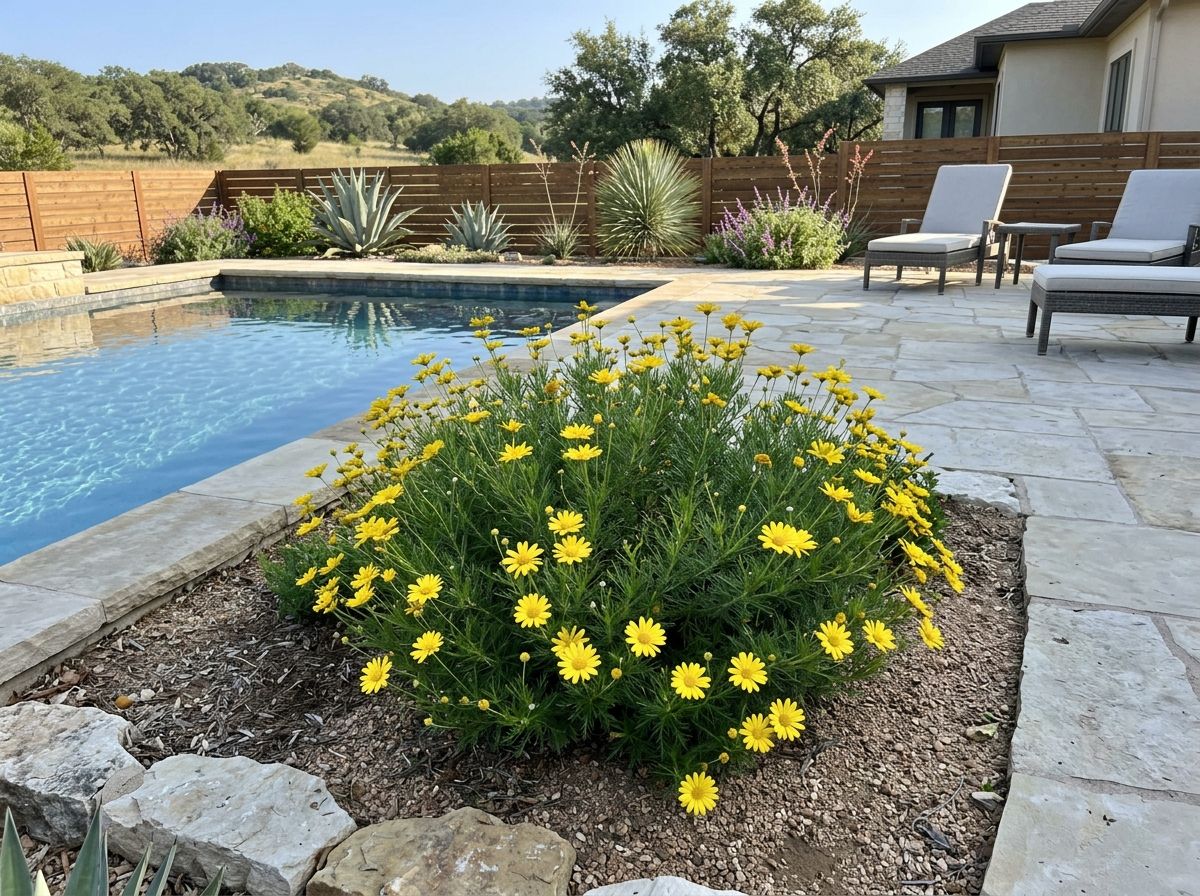
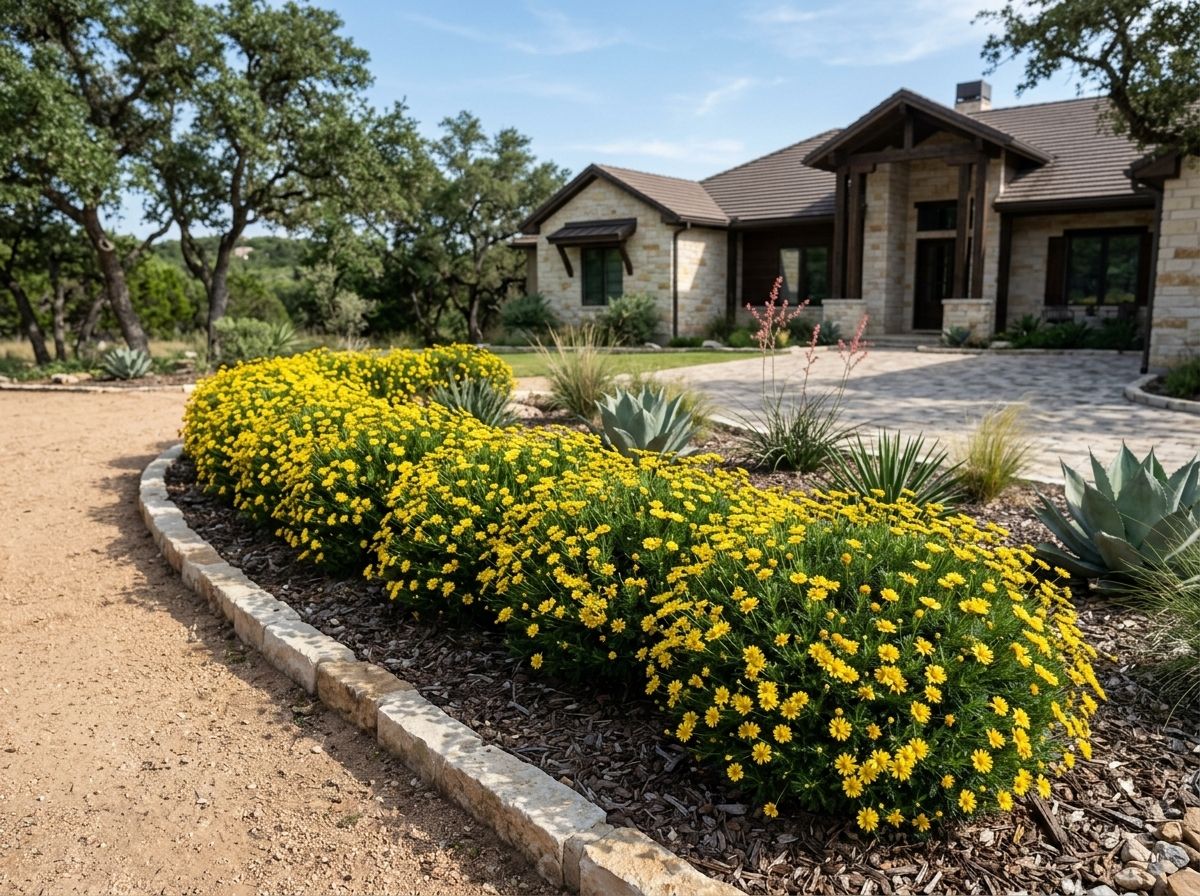
Recommended Use: Rock gardens, xeriscapes, borders, low-maintenance landscapes, pollinator gardens
Introduction
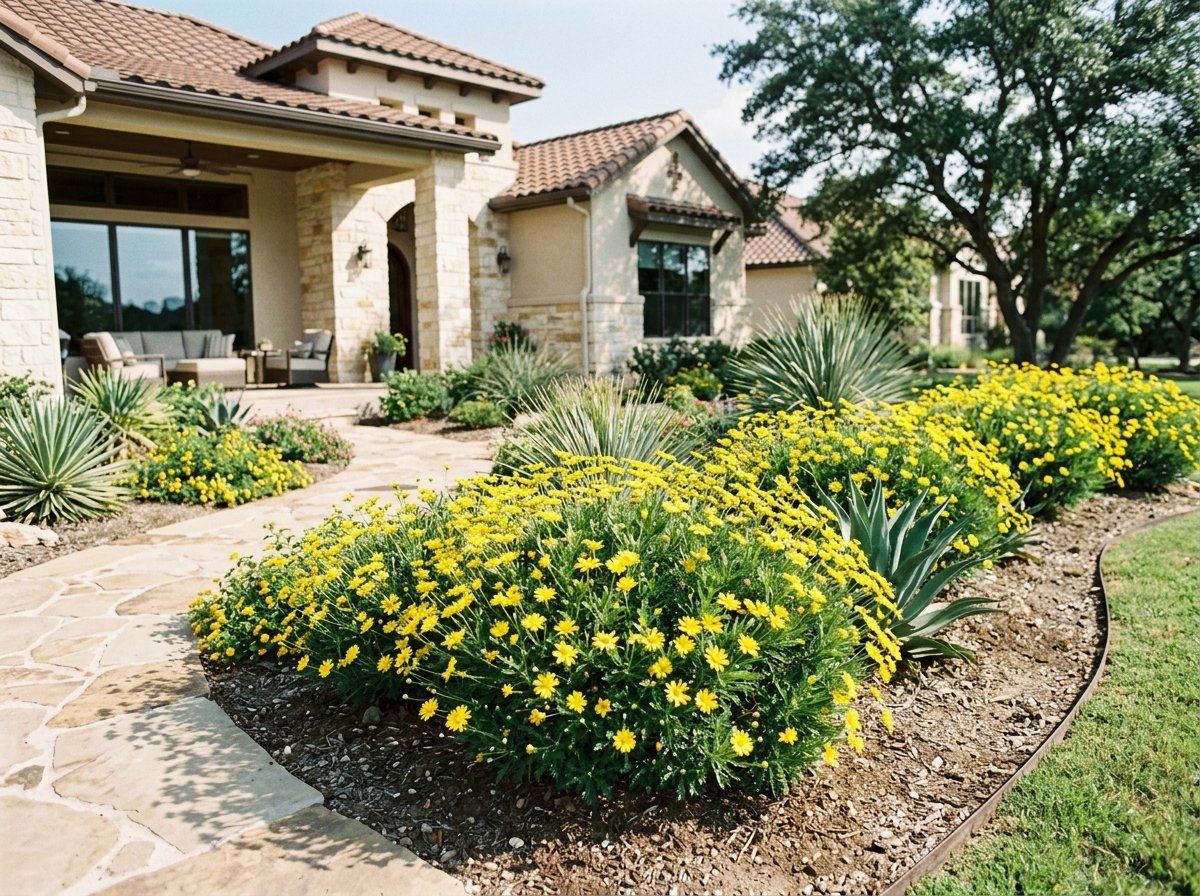
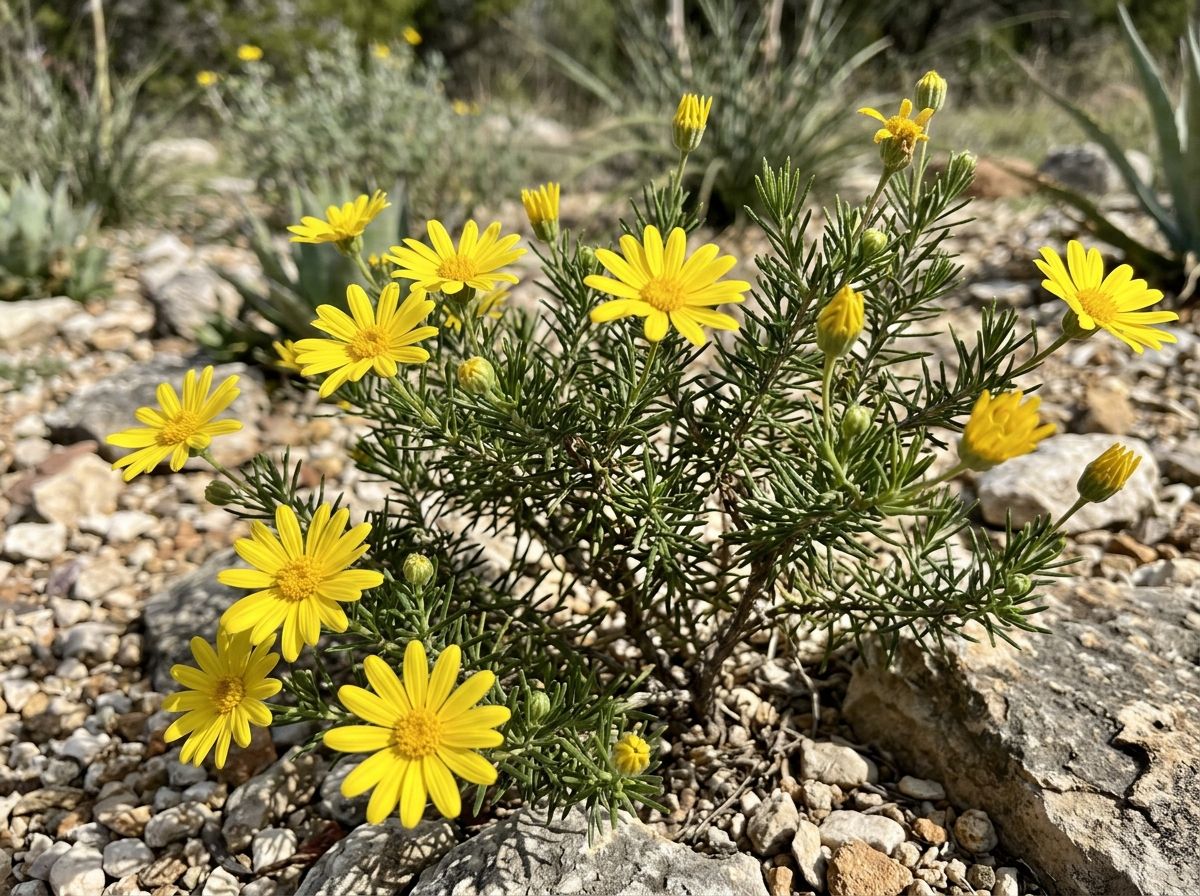
Damianita (Chrysactinia mexicana) is a tough, aromatic evergreen subshrub native to rocky slopes and open areas of Central and West Texas, as well as northern Mexico. It is prized for its bright yellow, daisy-like flowers and fragrant, needle-like foliage. Damianita is a reliable choice for hot, dry landscapes and is highly valued in water-wise gardens.
Maintenance
Damianita requires minimal maintenance once established. Prune lightly after flowering to maintain shape and encourage dense growth. Avoid overwatering, as the plant prefers dry, well-drained soils. Fertilization is generally not necessary.
Tips for San Antonio Homeowners
- Plant in full sun for best flowering and compact growth.
- Ensure excellent drainage—raised beds or rocky soils work well.
- Water to establish, then irrigate sparingly.
- Damianita may become woody or sparse in too much shade or rich soil.
Pairs Well With
- Blackfoot Daisy (Melampodium leucanthum)
- Four-nerve Daisy (Tetraneuris scaposa)
- Salvia greggii
- Red Yucca (Hesperaloe parviflora)
- Rock Rose (Pavonia lasiopetala)
Quick Facts
- Damianita’s bright yellow flowers were traditionally used by Native Americans for medicinal purposes, including treating colds and fevers.
- This plant’s aromatic foliage has a scent similar to chamomile or sage, making it a natural insect deterrent in the garden.
- Despite its delicate-looking flowers, Damianita is extremely tough and can survive extended droughts and poor soils.
- Damianita’s name comes from the Spanish word “damiana,” meaning “little lady,” referring to its small, graceful appearance.
- The plant is sometimes called “False Damiana” because it resembles the true damiana (Turnera diffusa), which is used as an herbal remedy.
- Damianita blooms attract a variety of native pollinators, including long-tongued bees that specialize in desert plants.
- This shrub is often planted near homes in Texas to help reduce soil erosion on rocky slopes due to its deep root system.
- Unlike many other desert plants, Damianita remains green year-round in mild winters, adding color and texture to the landscape even in cooler months.
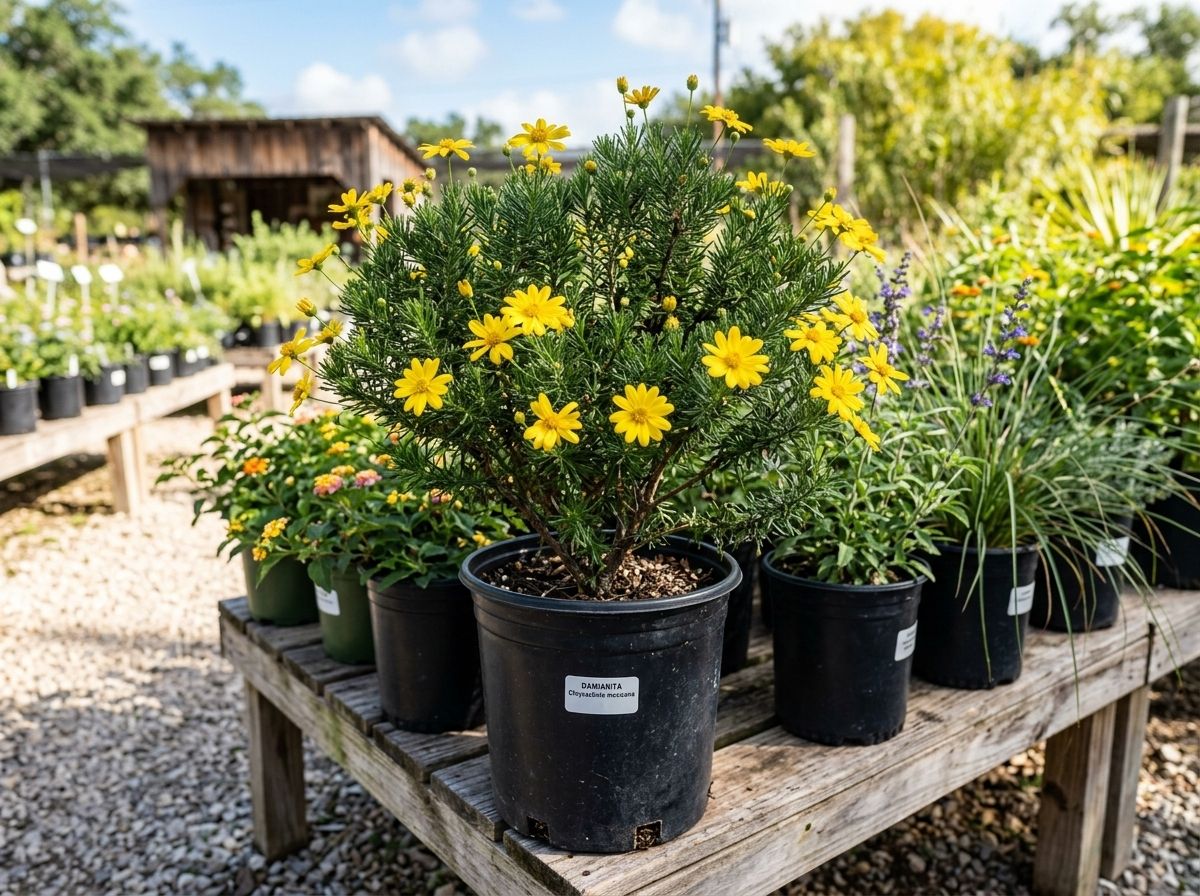
Want this product installed? Check out our page to view pricing and other details.
Related Products
Planting Role / Visual Structure > Softening / Groundcover Blend
Style / Theme > Southwestern / Desert-Style
Ready When You Are
Get a Clear Plan for Your Yard
Tell us what you’d like to improve. We’ll ask a few questions, review your project, and let you know the best next step — no pressure and no guesswork. Fill out the form for a free quote.