
Shrubs Grayleaf Cotoneaster
(Cotoneaster glaucophyllus)
Other Common Names: None widely used
Bees
Birds
Drought-Tolerant
Evergreen
Full Sun
Screening/Privacy
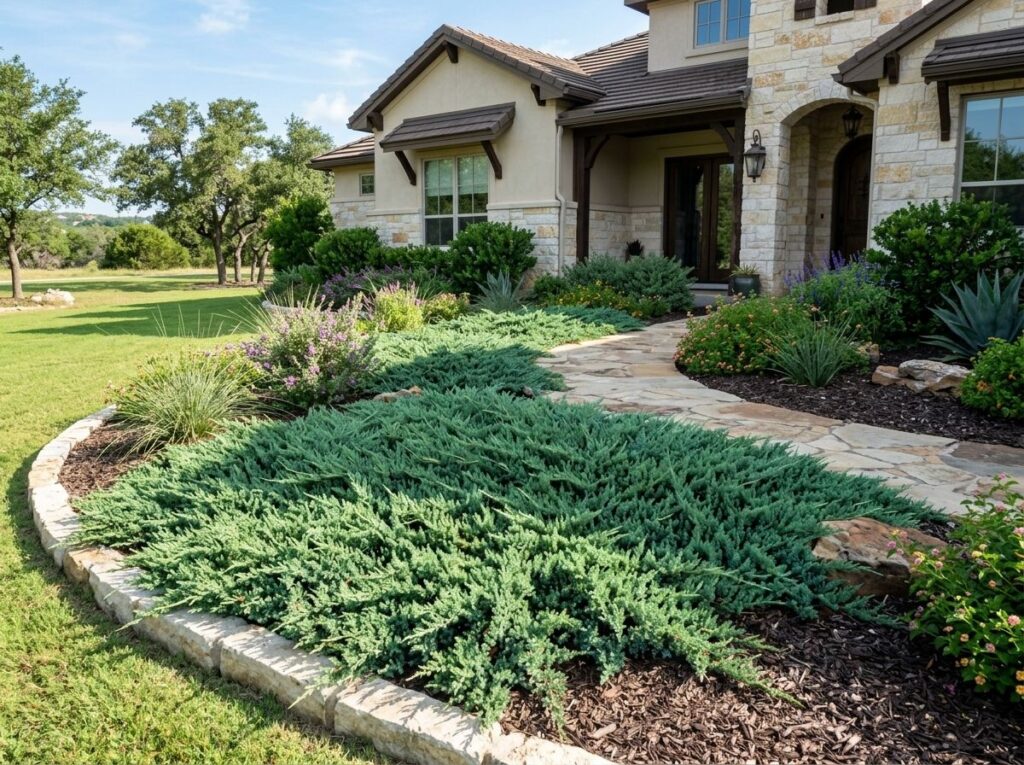
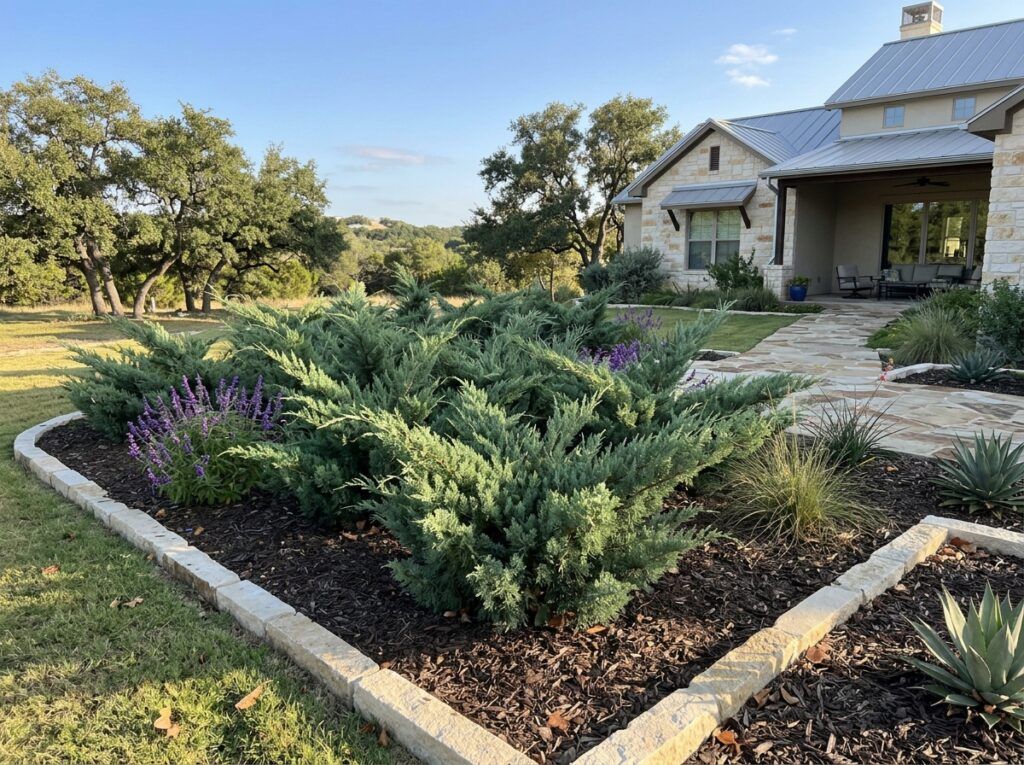
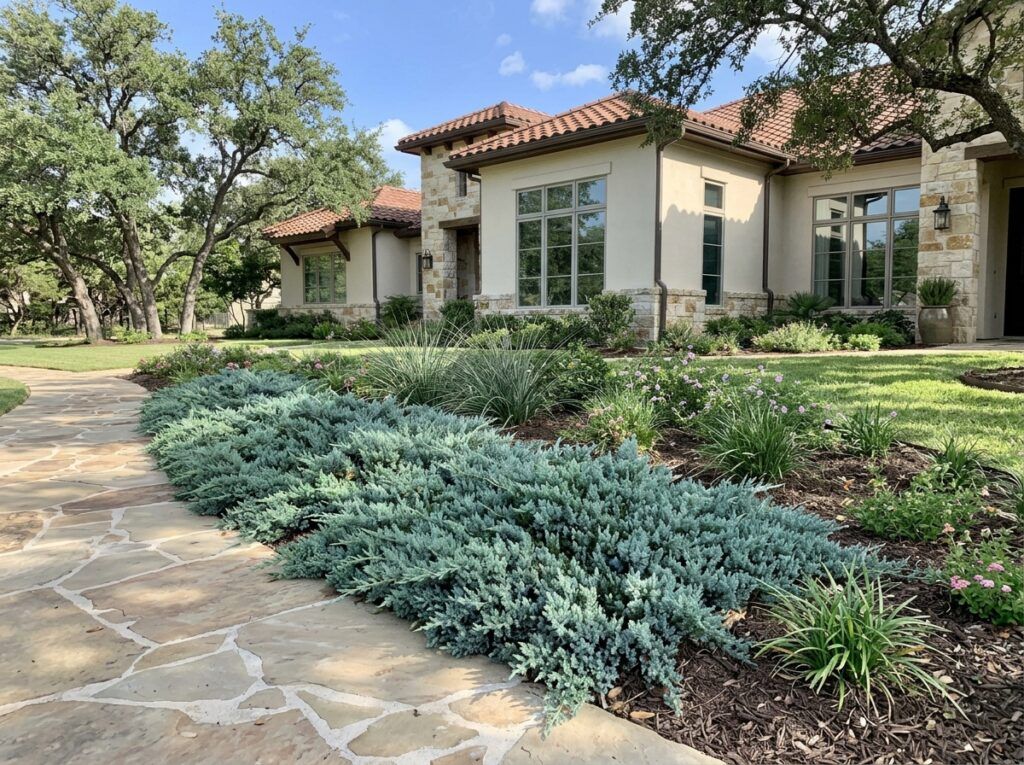
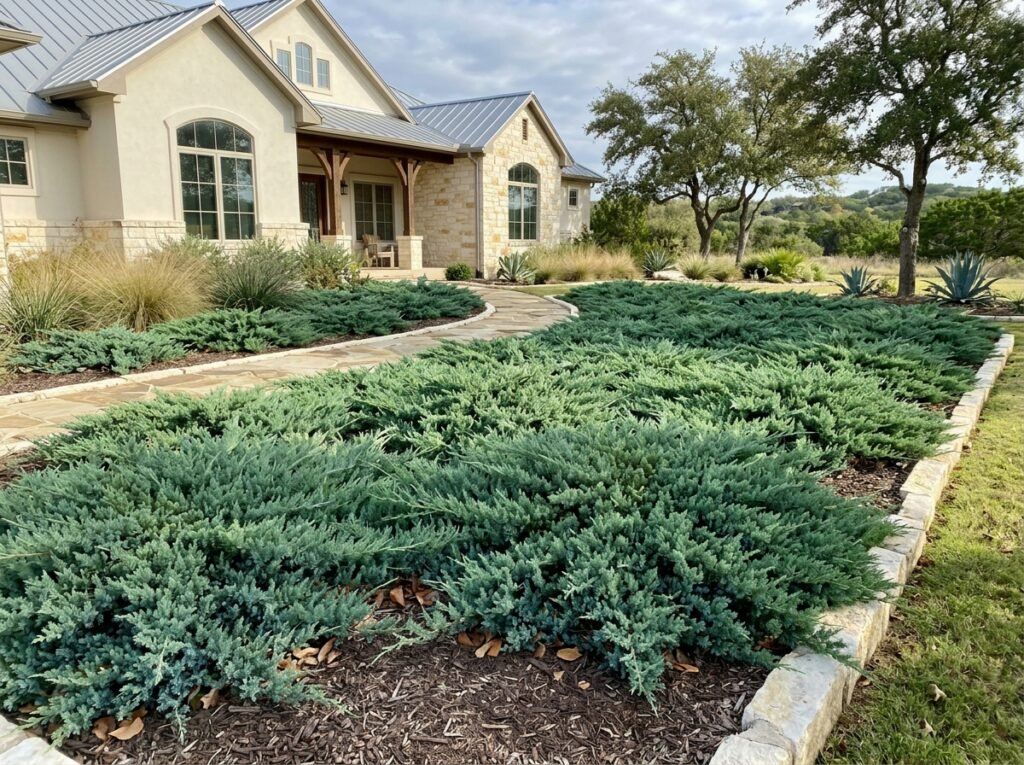
Recommended Use: Best for rock gardens or slopes needing drought-tolerant, trailing evergreen groundcover.
Introduction to Grayleaf Cotoneaster
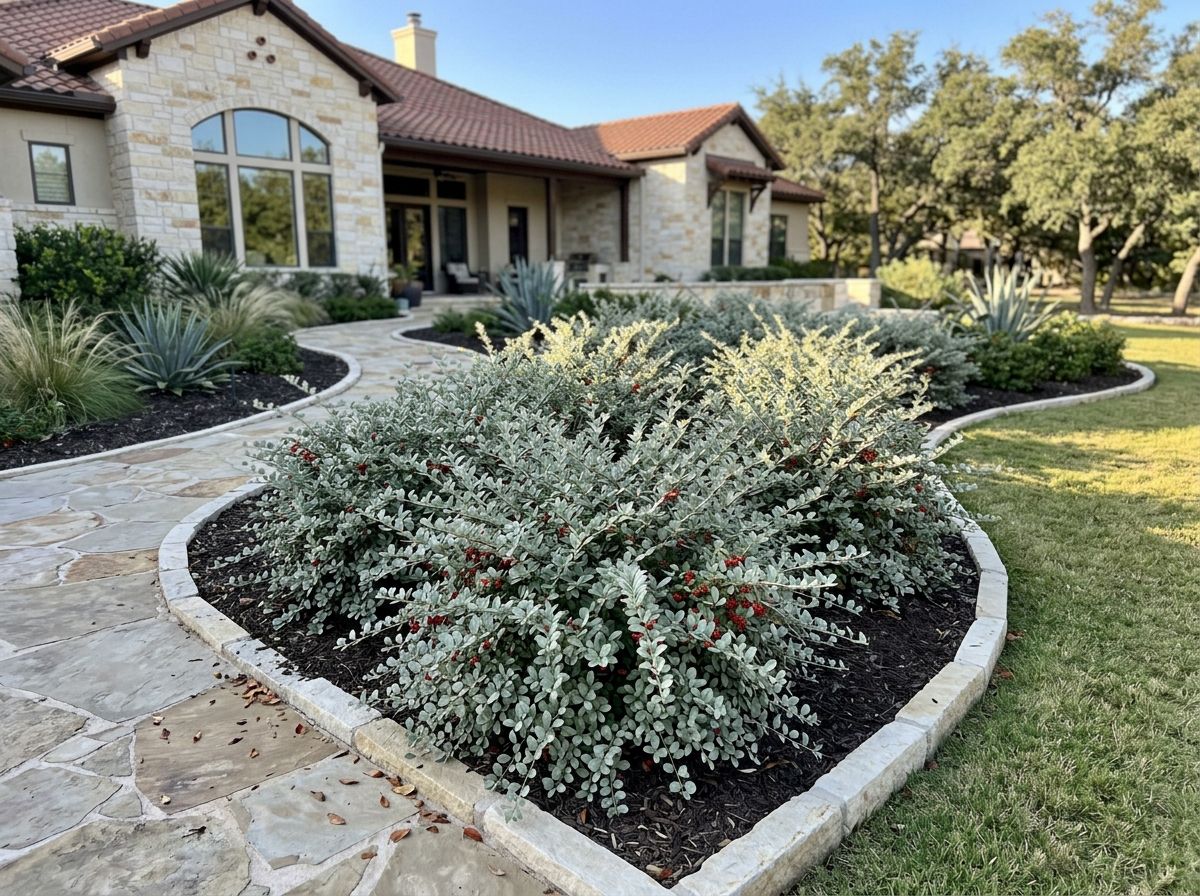
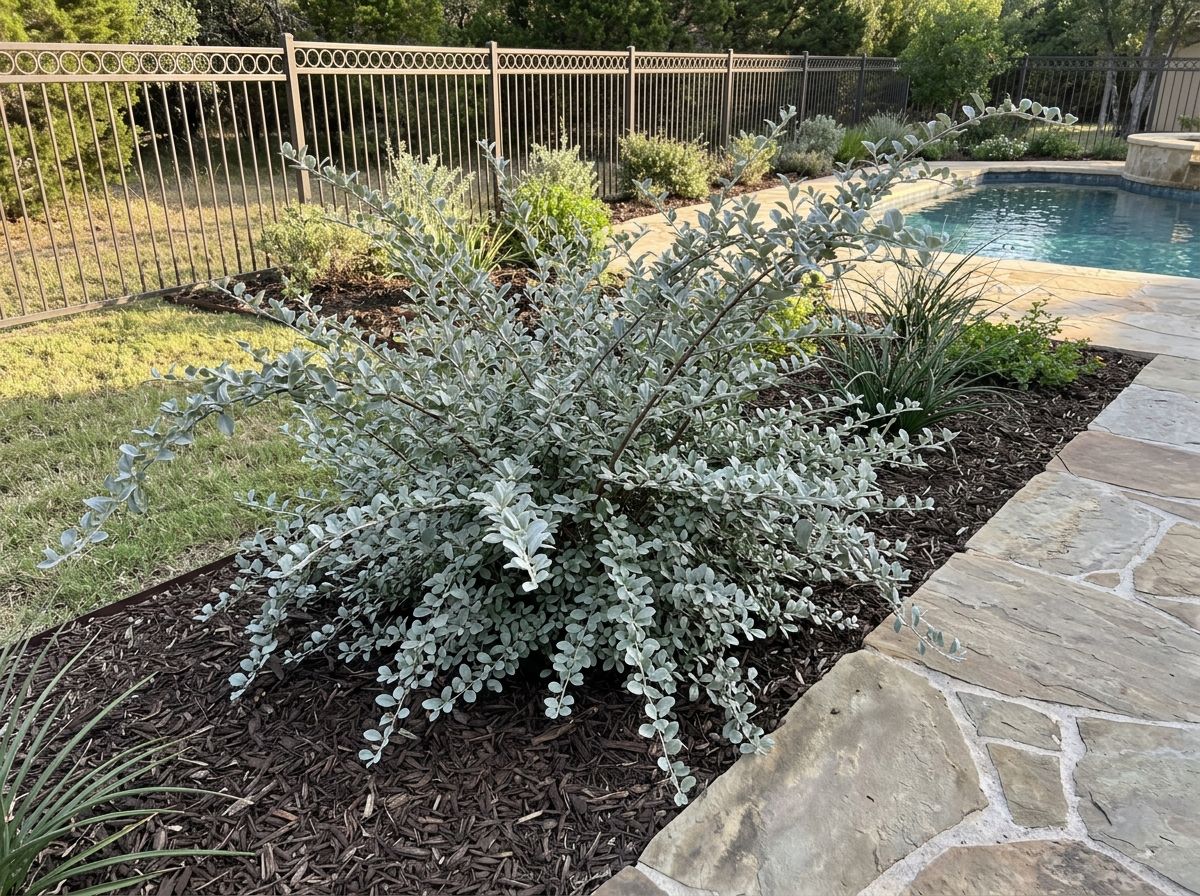
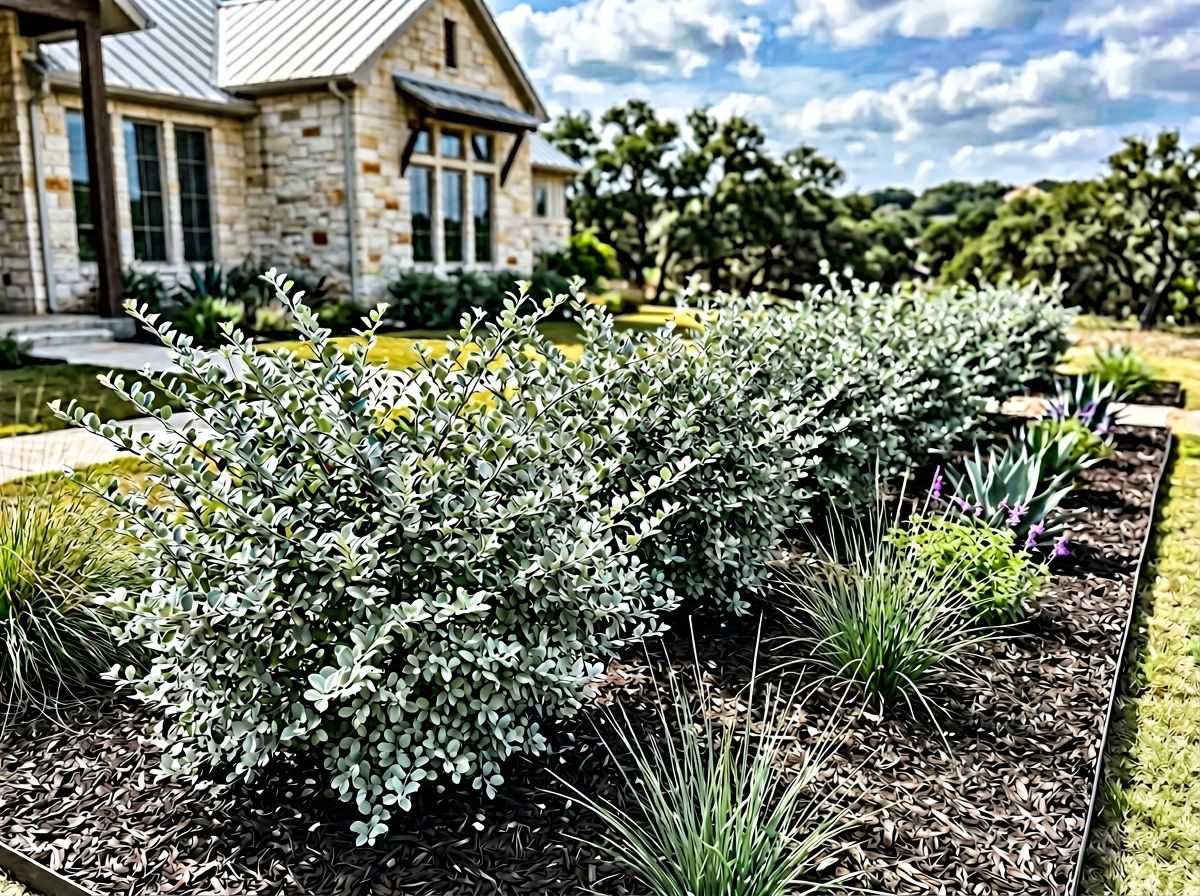
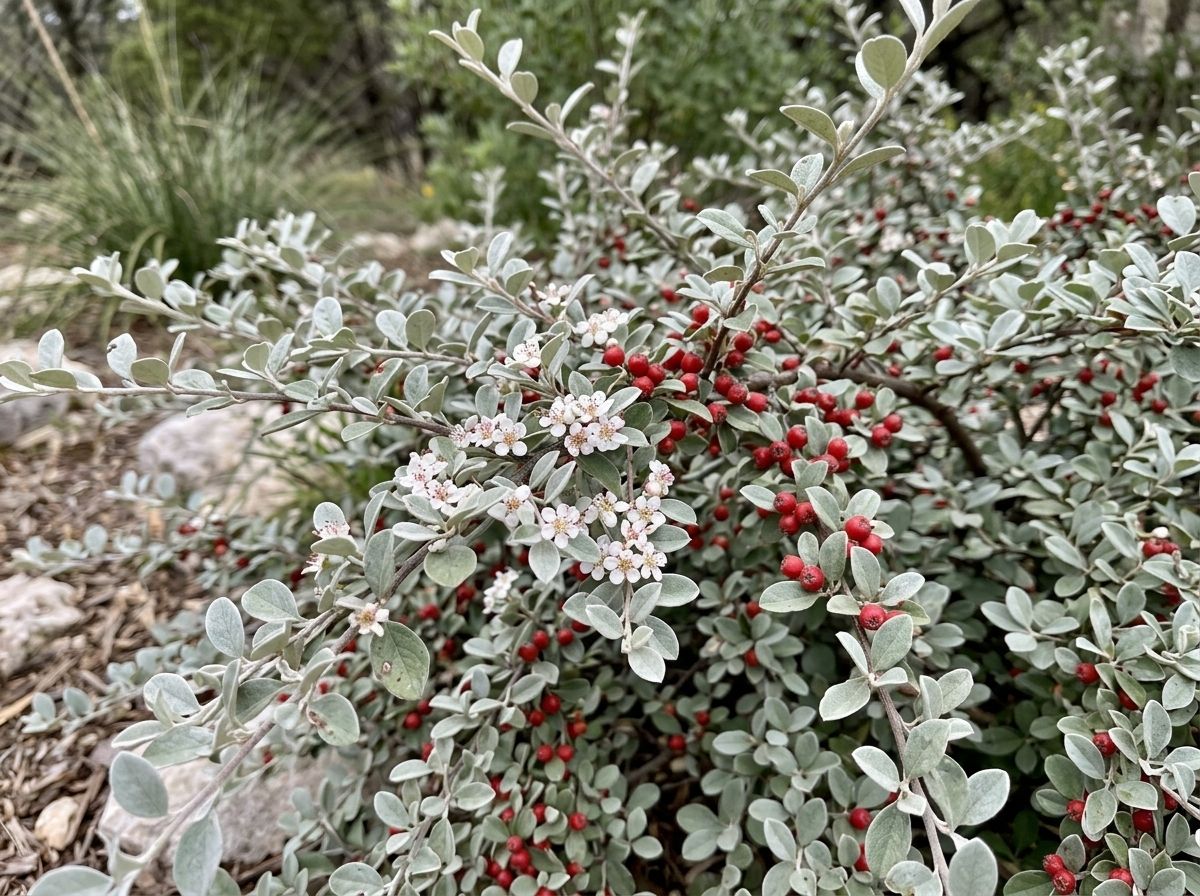
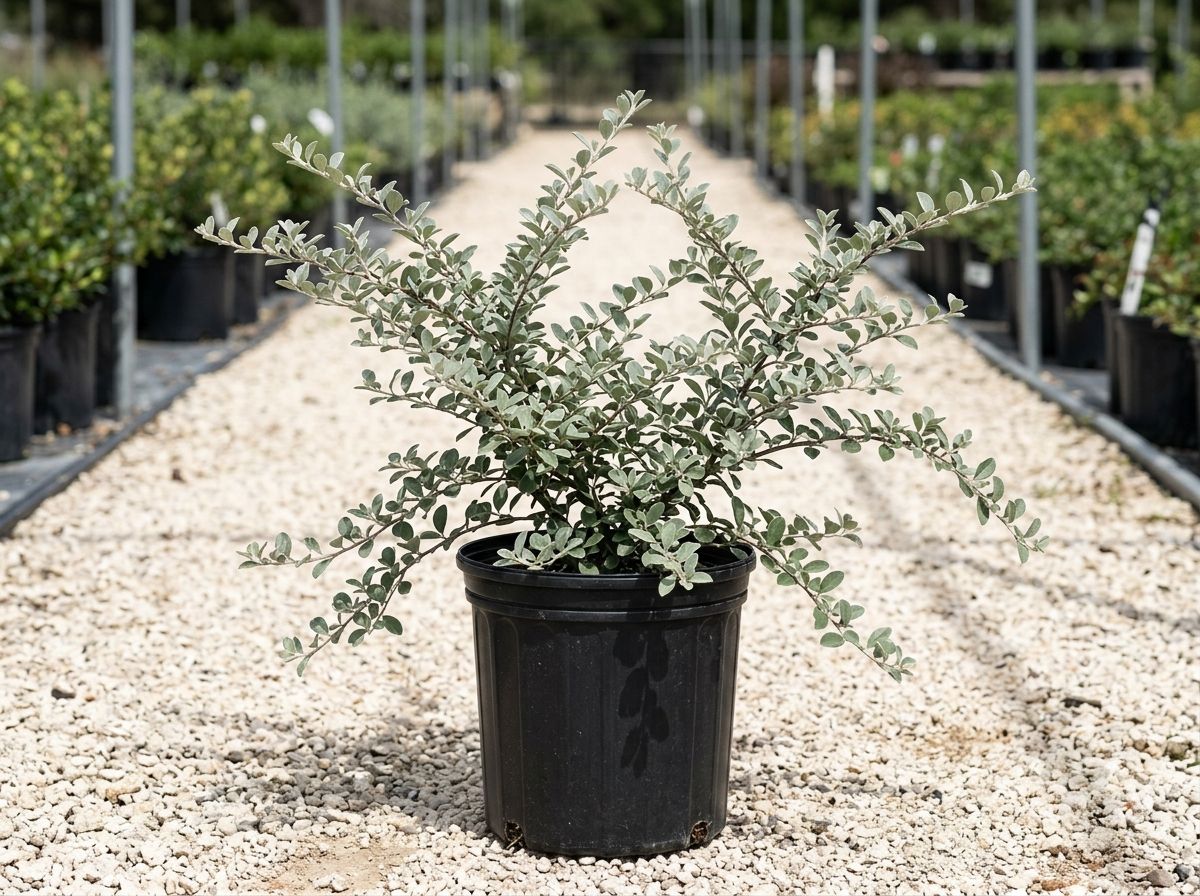
Grayleaf Cotoneaster, scientifically known as Cotoneaster glaucophylla, is a sprawling evergreen shrub known for its attractive dusty gray foliage. It typically reaches a height of 3 to 5 feet and spreads 4 to 6 feet wide, making it a perfect low-maintenance ground cover or border plant. The plant showcases small, clustered white to pink flowers in late spring, which eventually give way to red ornamental berries in the fall. Commonly used in rock gardens, slopes, and as a barrier or hedge, Grayleaf Cotoneaster is valued for its versatility and year-round visual appeal.
Maintenance
The Grayleaf Cotoneaster requires moderate watering, especially in its establishment phase, and benefits from occasional deep watering during prolonged dry periods. It thrives in full sun to part shade, making it adaptable to various landscaping locations. This resilient shrub prefers well-drained soil and can tolerate a variety of soil types, including sandy and clay soils. Pruning is generally minimal; however, you can trim it in early spring to maintain the desired shape or control its spread. It exhibits good resistance to pests and diseases, making it an easy-care choice for busy gardeners.
Quick Facts
– Hardiness Zones: 5 to 7
– Growth Rate: Moderate
– Special Characteristics: Deer resistant, attracts pollinators such as bees and butterflies
– Ideal Uses: Ground cover, borders, rock gardens, hedges
– Sunlight Requirements: Full sun to part shade
– Foliage: Evergreen with dusty gray leaves
Want this product installed? Check out our page to view pricing and other details.
Related Products
Planting Role / Visual Structure > Evergreen Backbone
Planting Role / Visual Structure > Softening / Groundcover Blend
Ready When You Are
Get a Clear Plan for Your Yard
Tell us what you’d like to improve. We’ll ask a few questions, review your project, and let you know the best next step — no pressure and no guesswork. Fill out the form for a free quote.