
Palms Windmill Palm
(Trachycarpus fortunei)
Other Common Names: Chinese Windmill Palm, Chusan Palm
Birds
Drought-Tolerant
Evergreen
Freeze Hardy
Partial Sun
Recommended Use: Perfect for sheltered courtyards or semi-shaded gardens needing a cold-hardy, elegant palm.
Introduction
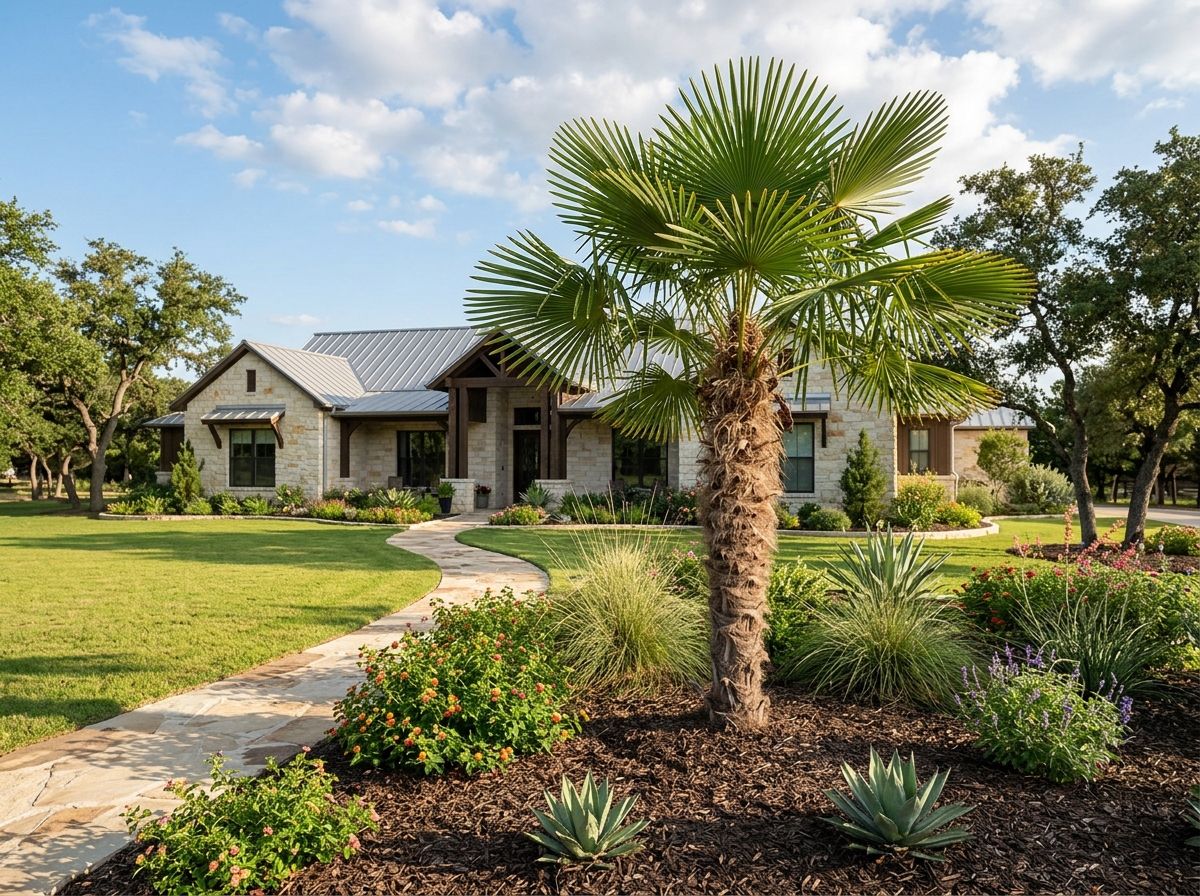
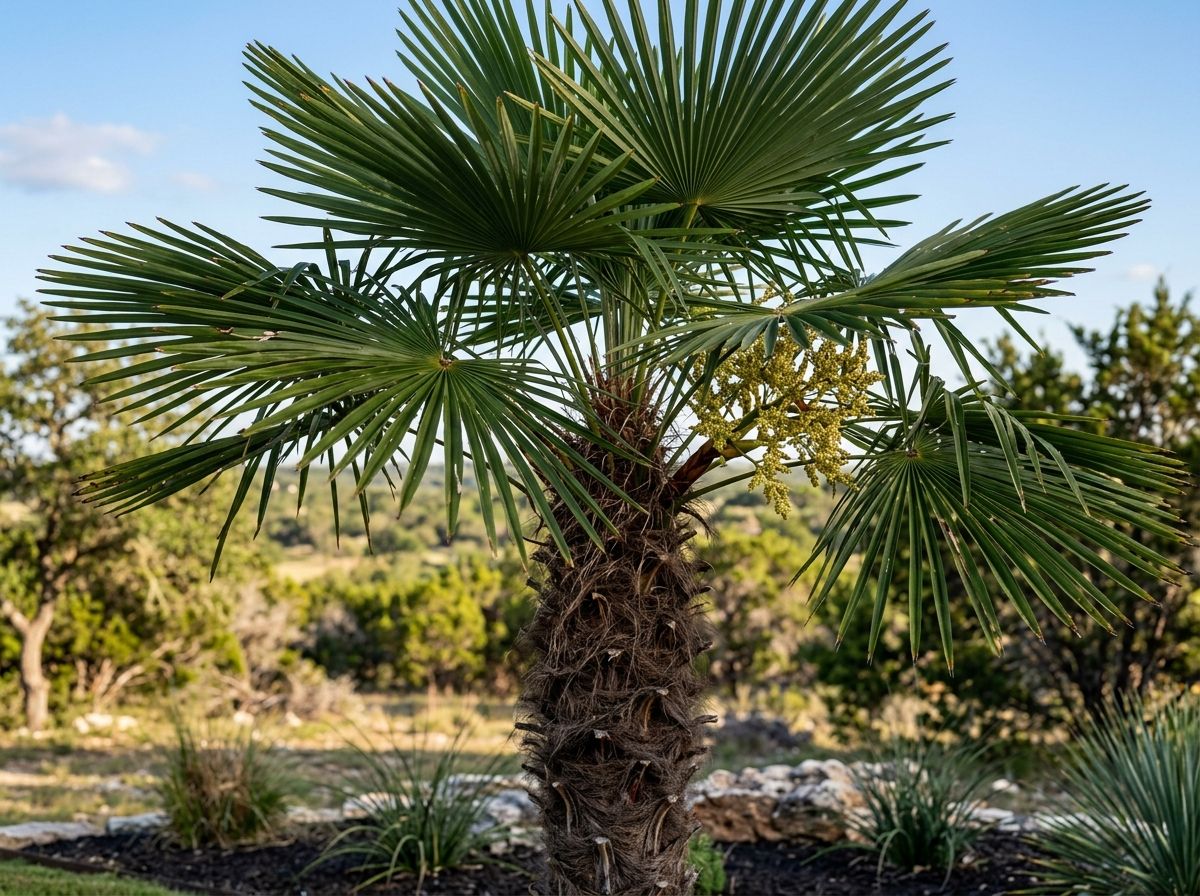
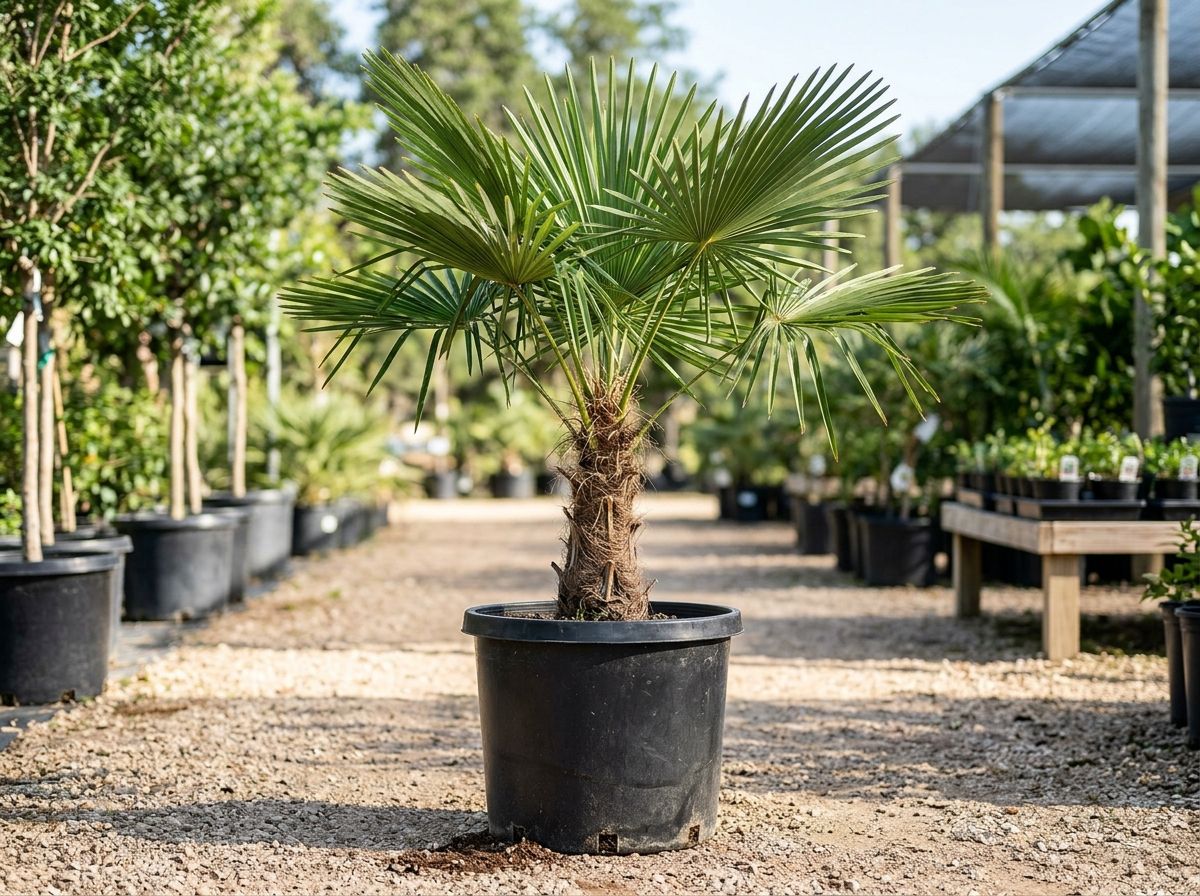
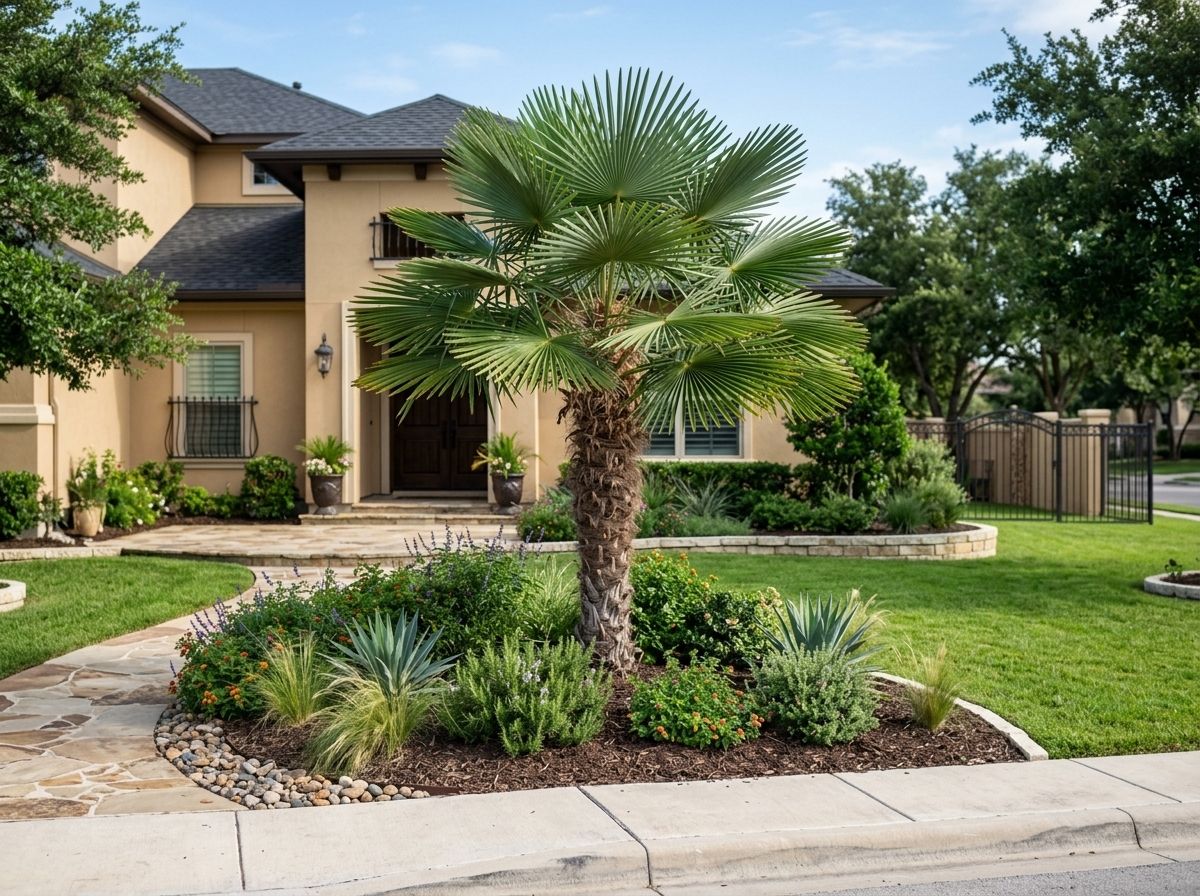
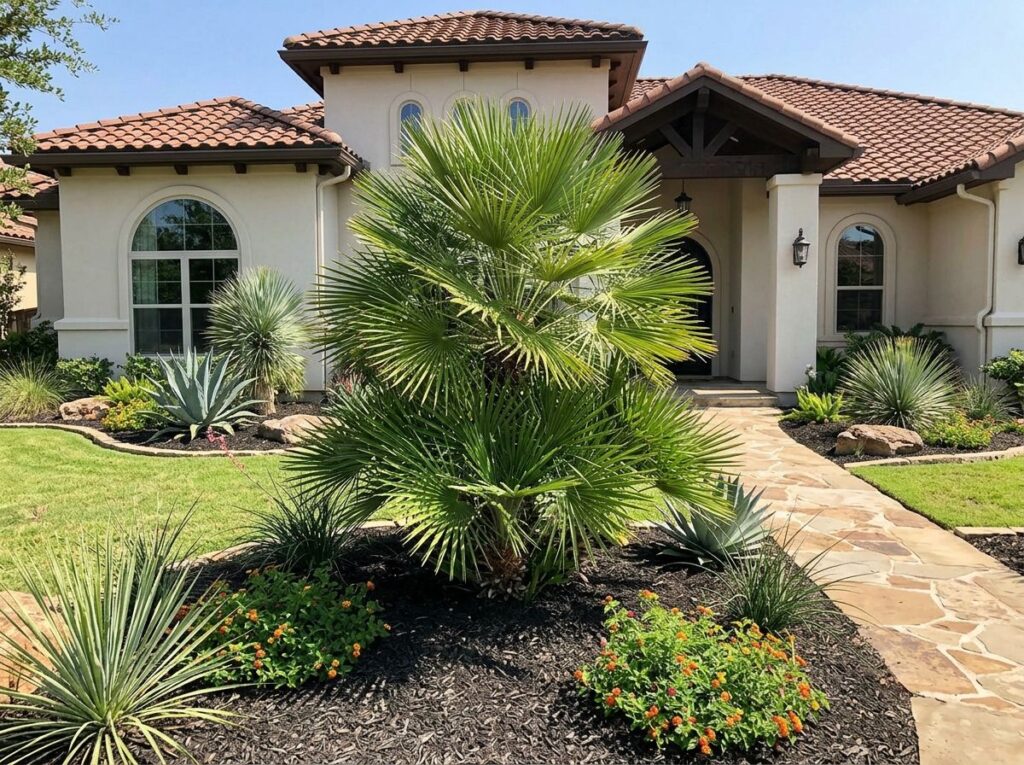
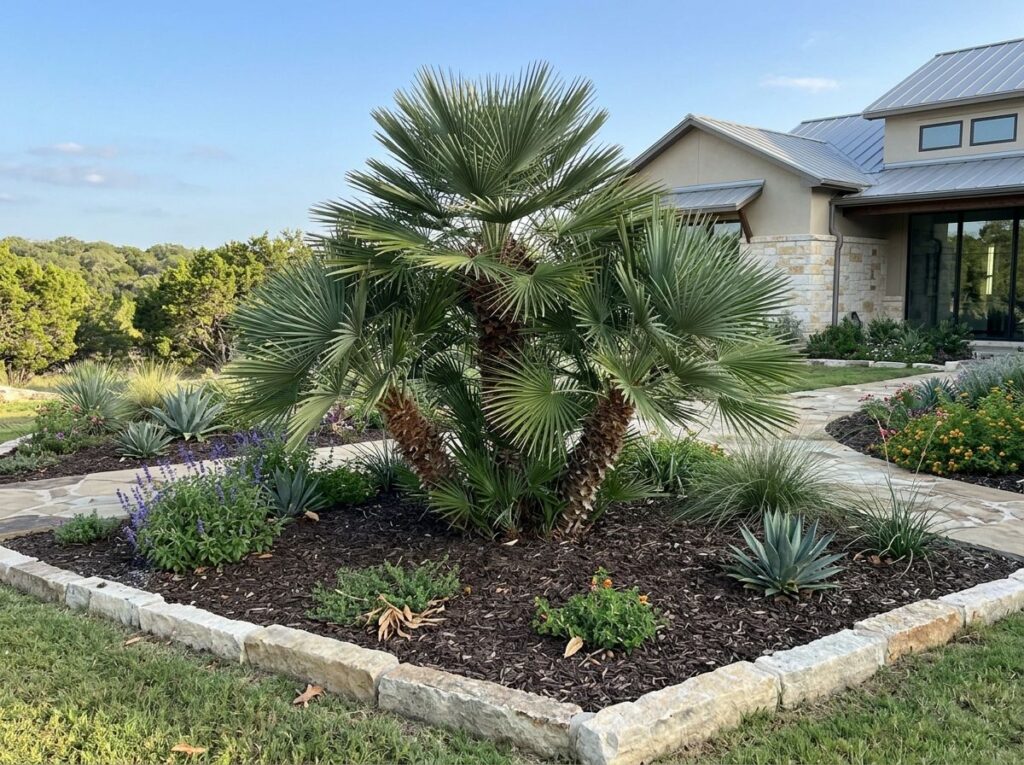
The Windmill Palm, scientifically known as Trachycarpus fortunei, is a hardy, tree-like plant renowned for its distinctive fan-shaped leaves and slender trunk. Reaching heights of 20 to 40 feet and a spread of 6 to 10 feet, it offers a striking vertical element to any landscape without dominating the area as a canopy plant would. Its textured, fiber-covered trunk adds a touch of tropical flair, making it an excellent choice for creating a lush, exotic atmosphere. Commonly used as a foundation plant due to its compact growth habit, the Windmill Palm is well-suited for gardens, around pools, and in patio containers, bringing a sense of warmth and elegance to both residential and commercial landscapes.
Maintenance
Windmill Palms require moderate watering, thriving best when the soil is kept consistently moist but not waterlogged. They prefer full sun to partial shade, making them versatile in various lighting conditions. Optimally, they should be planted in well-draining soil enriched with organic material to support healthy growth. While the Windmill Palm is generally low-maintenance, occasional pruning of dead or damaged fronds keeps it looking tidy and encourages new growth. This plant exhibits strong resistance to pests and diseases, which makes it a reliable and hassle-free choice for gardeners across many regions.
Quick Facts
– Hardiness Zones: Suitable for USDA zones 7 through 10
– Growth Rate: Slow to moderate, ensuring long-term enjoyment in the landscape
– Special Characteristics: Deer resistant, adding to its appeal in rural areas where wildlife is a concern
– Sunlight: Prefers full sun conditions but can tolerate partial shade
– Uses: Ideal as a foundation plant due to its manageable size and appealing structure
– Note: While not considered a canopy tree, it provides a unique focal point in any garden setting.
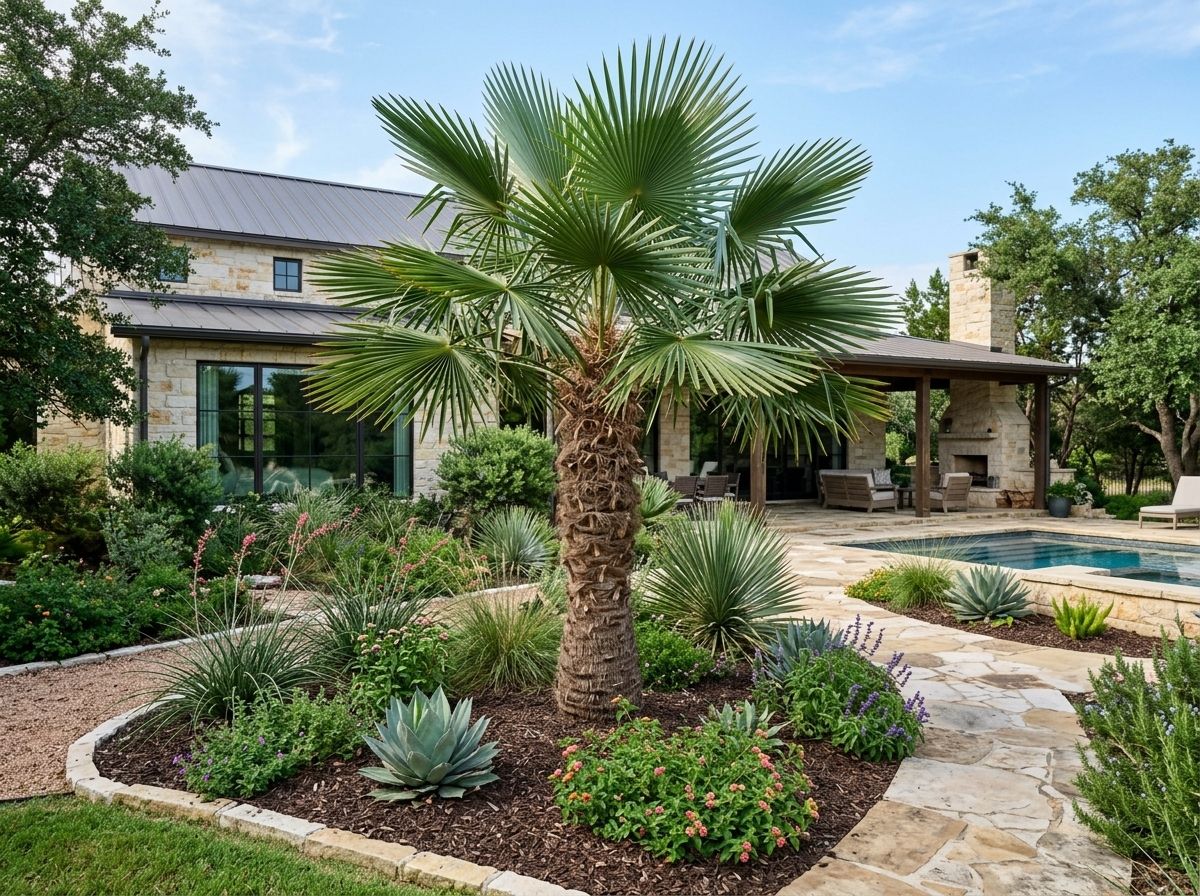
Want this product installed? Check out our page to view pricing and other details.
Related Products
Planting Role / Visual Structure > Evergreen Backbone
Planting Role / Visual Structure > Focal Plant Palette
Style / Theme > Tropical Resort Look
Ready When You Are
Get a Clear Plan for Your Yard
Tell us what you’d like to improve. We’ll ask a few questions, review your project, and let you know the best next step — no pressure and no guesswork. Fill out the form for a free quote.