
Perennials Zinnia
(Zinnia elegans)
Other Common Names: Youth-and-Age, Elegant Zinnia
Bees
Butterflies
Deciduous
Drought-Tolerant
Flowering
Full Sun
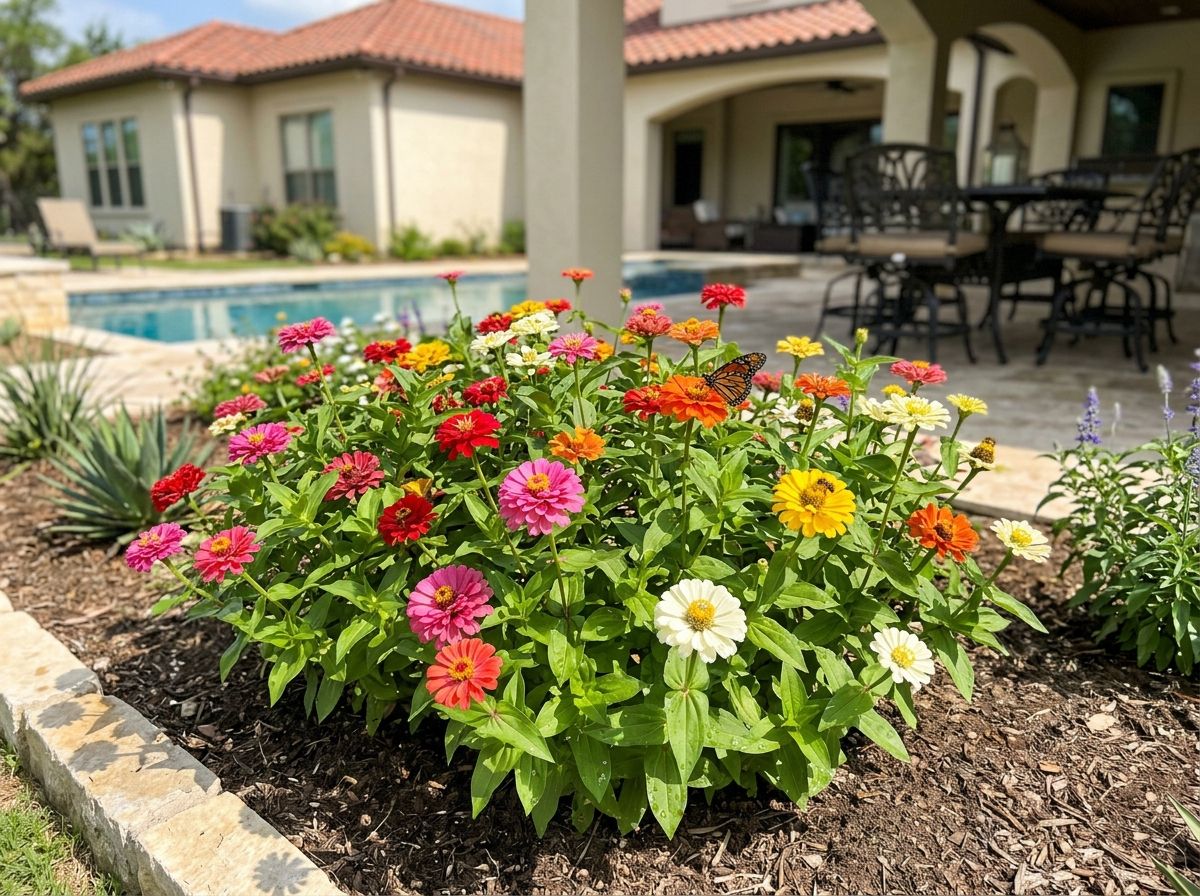
Recommended Use: Ideal for butterfly gardens, summer beds, or cut flower gardens needing bright, easy-care blooms.
Overview
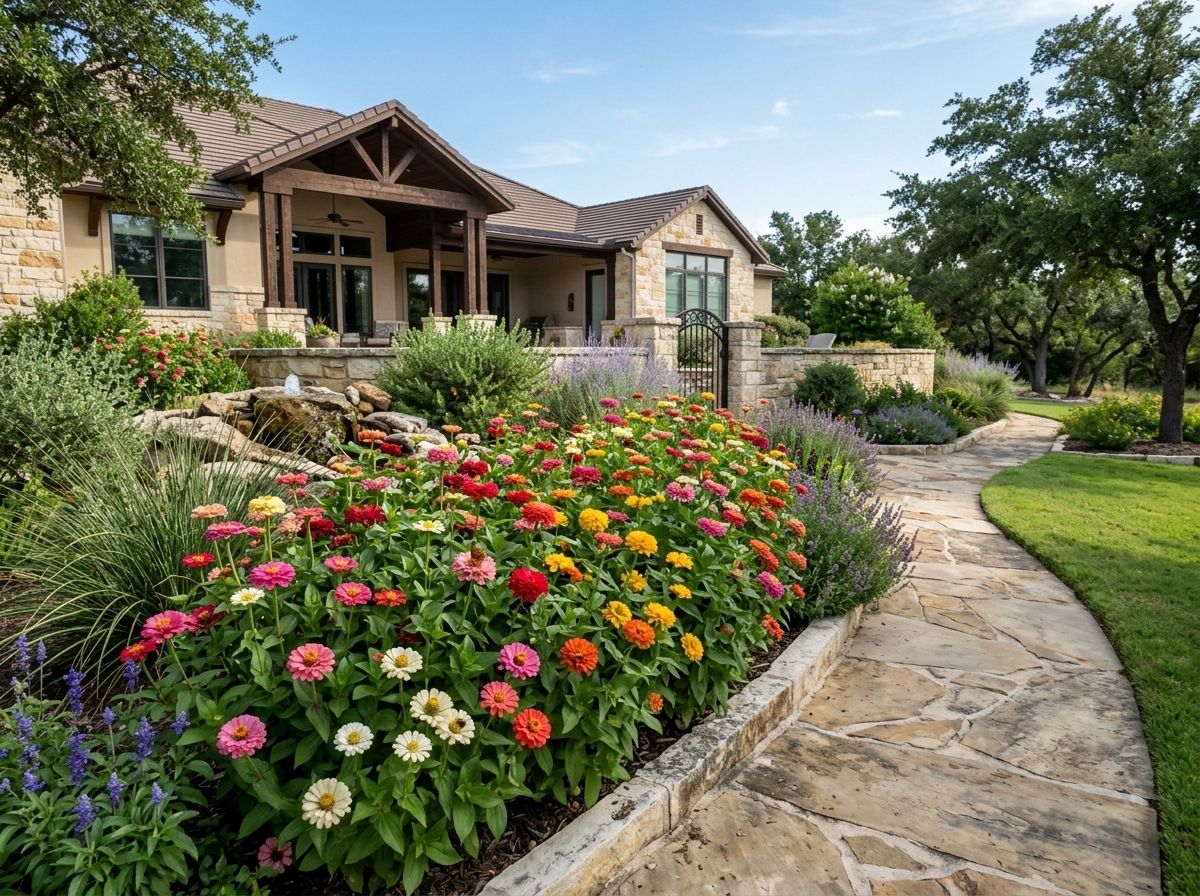
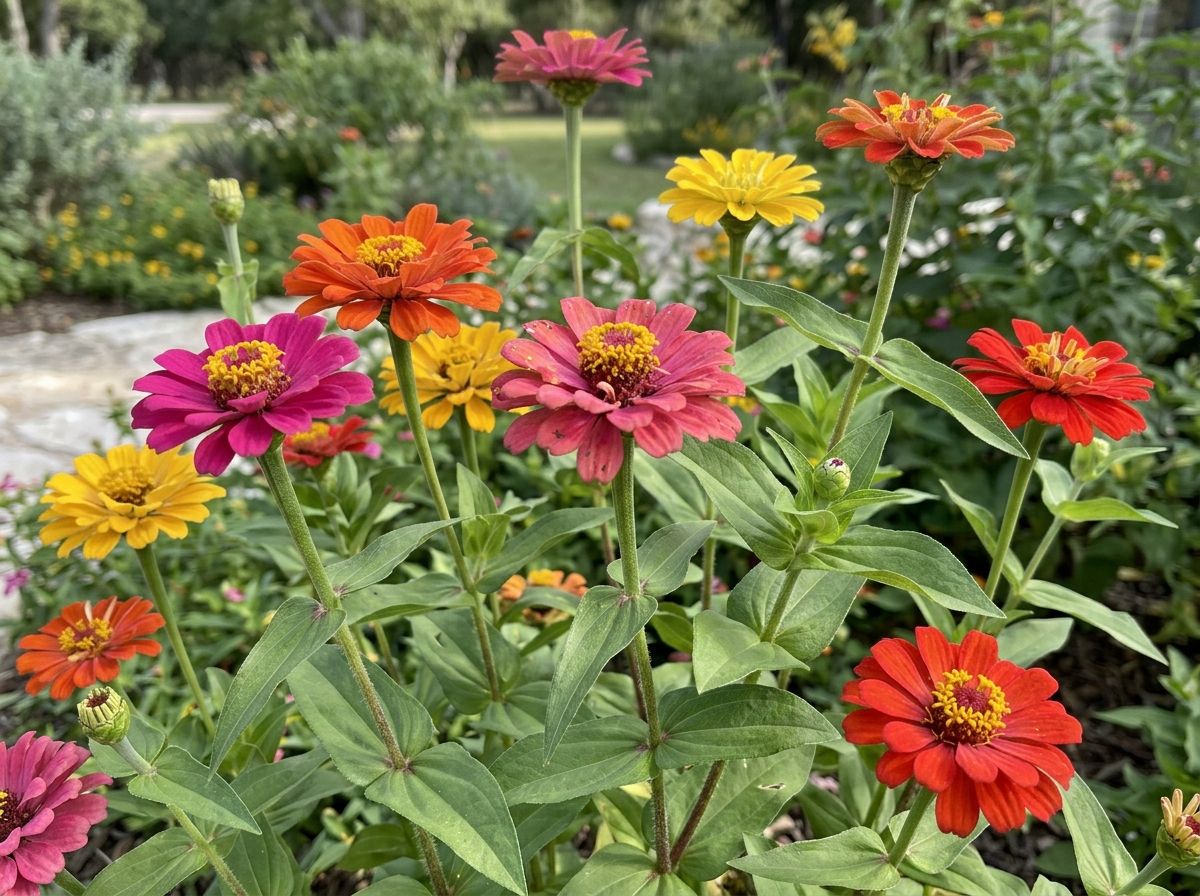
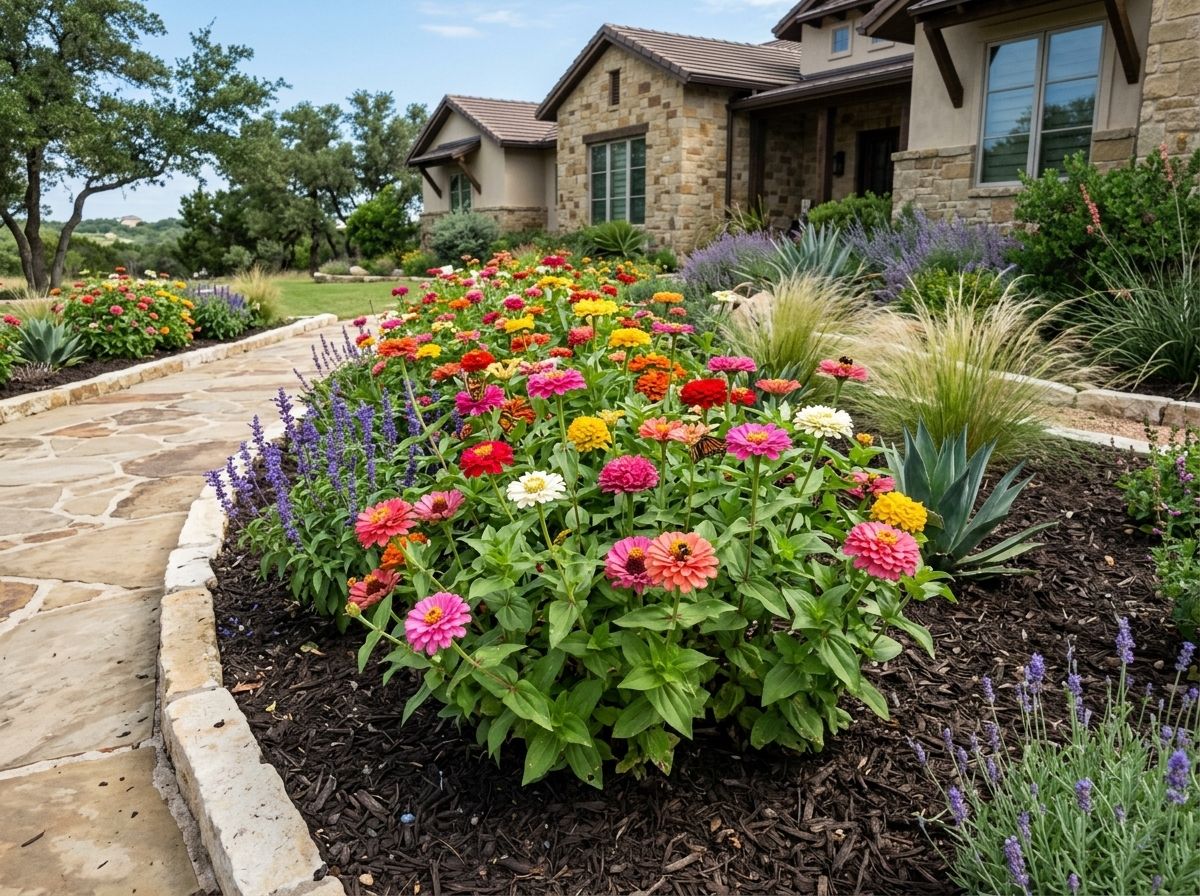
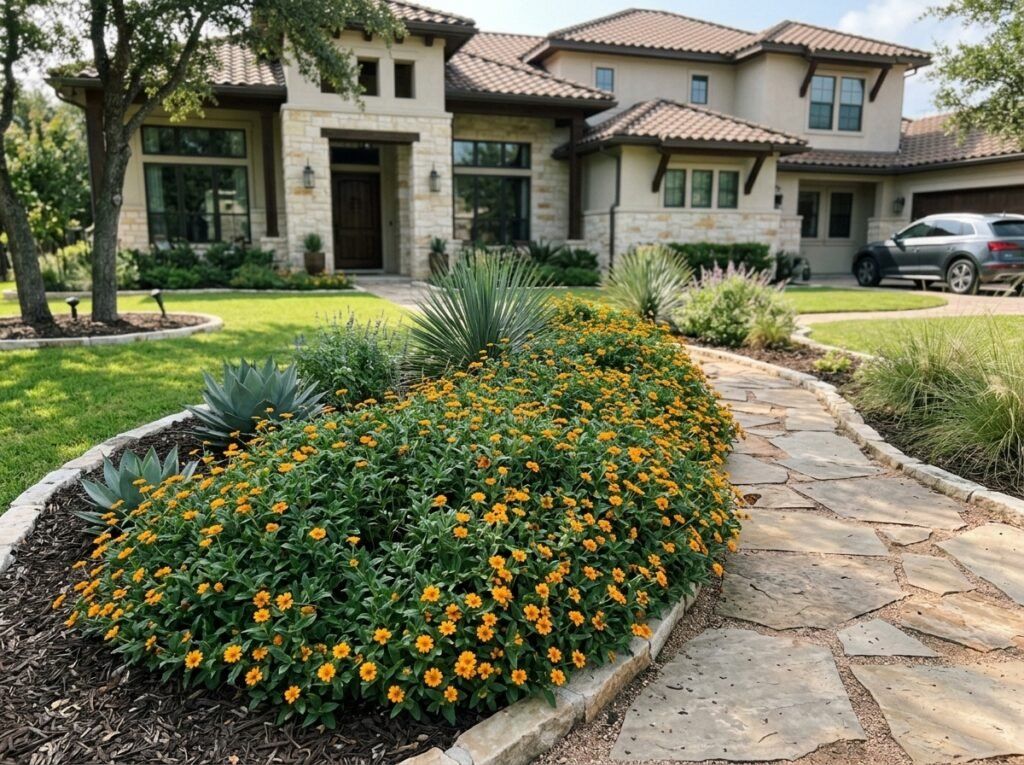
Zinnia elegans is a popular annual flowering plant known for its bright, showy blooms that come in a variety of colors including red, pink, orange, yellow, and white. These flowers have a daisy-like appearance with layered petals, making them a vibrant addition to any garden. Zinnias typically grow between one to three feet tall, depending on the variety, and have a bushy, upright form. Their long-lasting blooms and ability to attract butterflies make them a favorite for borders, containers, and cutting gardens. Zinnias are often used to create colorful displays in sunny garden beds due to their striking appearance and ease of growth.
Maintenance
Zinnias are relatively low-maintenance plants, ideal for gardeners seeking vibrant blooms with minimal effort. They prefer full sun, requiring at least six hours of direct sunlight daily. For optimal growth, plant zinnias in well-drained soil with a neutral to slightly acidic pH. Regular watering is necessary to keep the soil consistently moist but be careful to avoid waterlogging, which can lead to root rot. Zinnias benefit from deadheading, or removing spent flowers, to encourage continuous blooming throughout the season. They have a good resistance to common pests and diseases, although powdery mildew can be an issue, so ensure adequate air circulation by spacing plants appropriately.
Quick Facts
– Hardiness Zones: Suitable for USDA zones 2 through 11, grown as an annual.
– Growth Rate: Fast-growing, with blooms appearing within a few weeks of planting.
– Special Characteristics: Zinnias are known for their attraction to pollinators such as butterflies and hummingbirds, enhancing the ecological value of your garden.
– Deer Resistance: Generally not favored by deer, making them a reliable choice for areas with high deer populations.
– Blooming Season: From late spring to the first frost, providing a long season of color in the landscape.
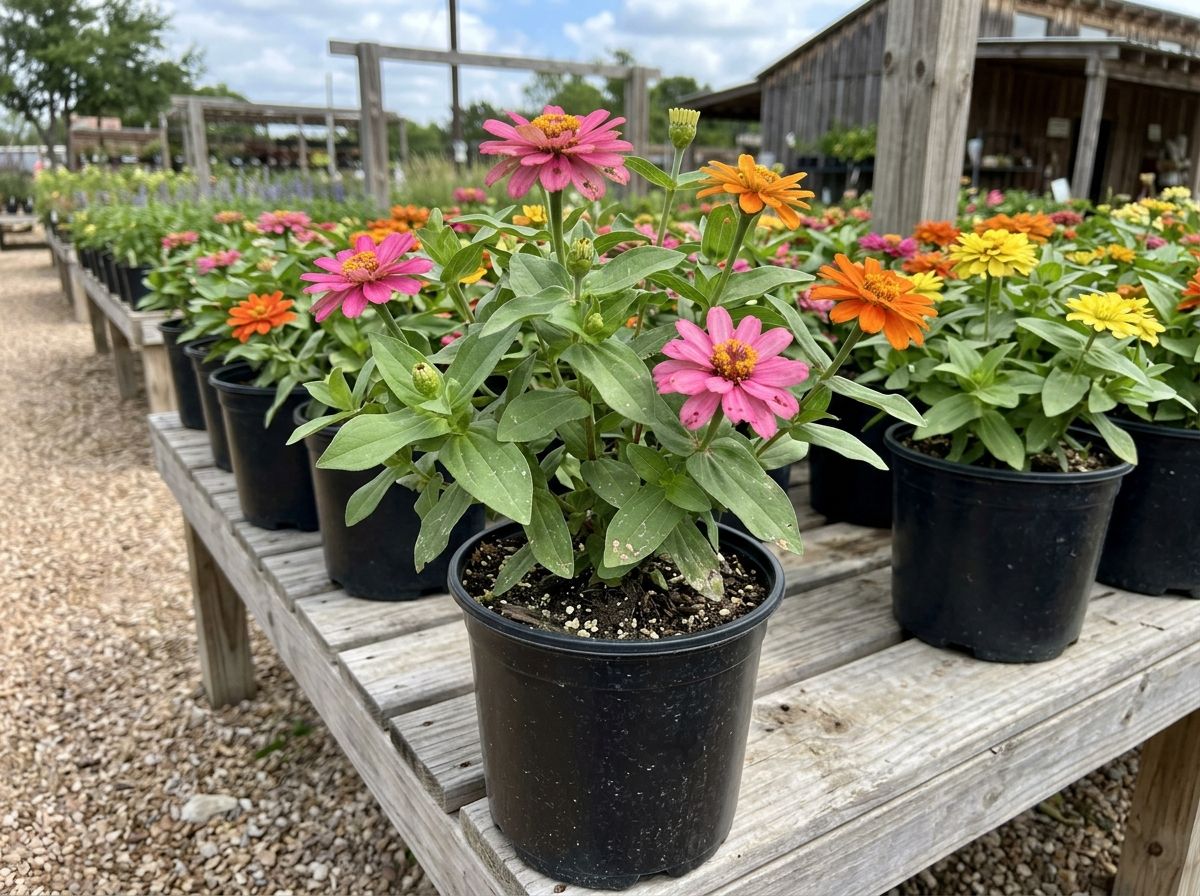
Want this product installed? Check out our page to view pricing and other details.
Related Products
Planting Role / Visual Structure > Focal Plant Palette
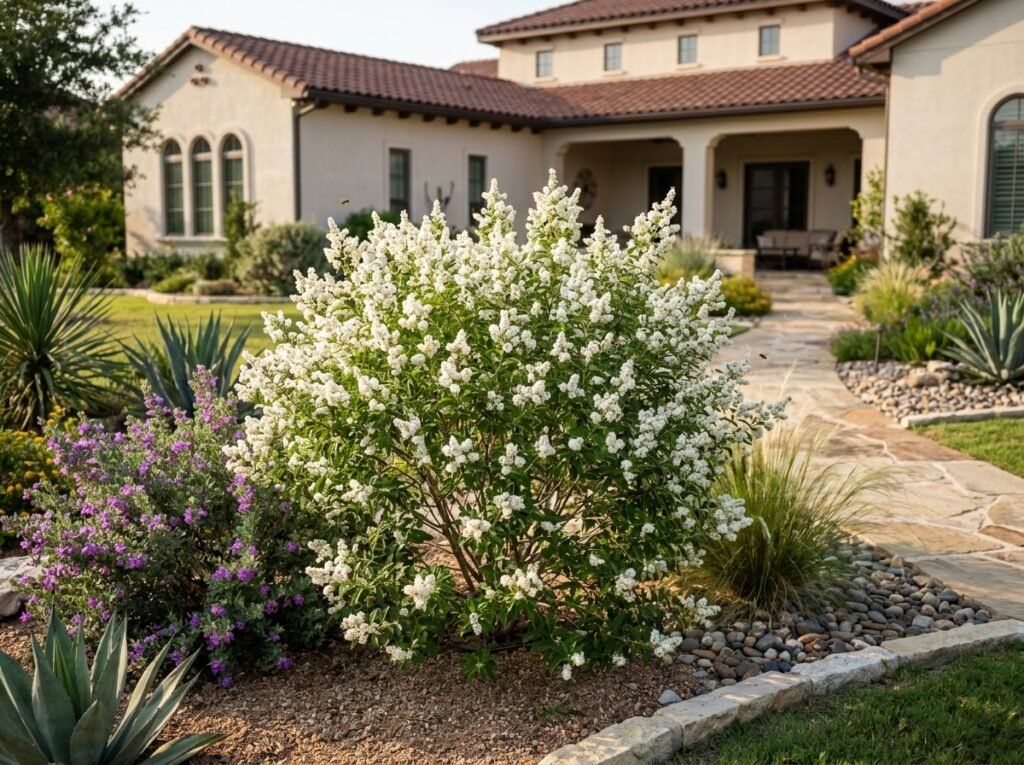
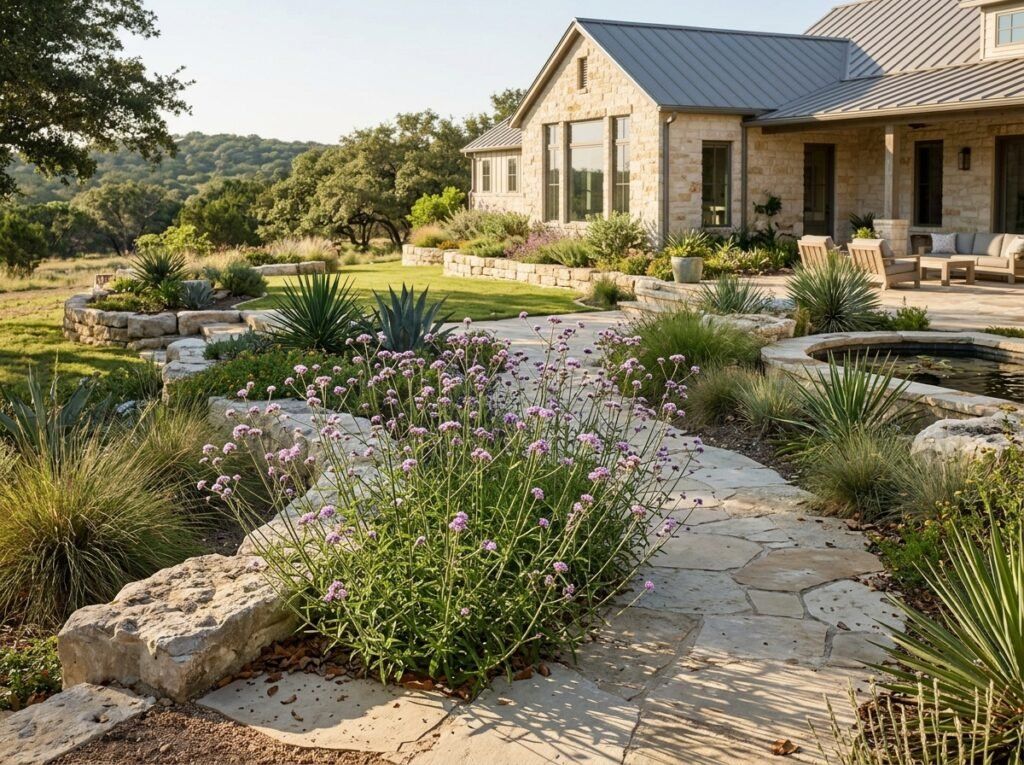
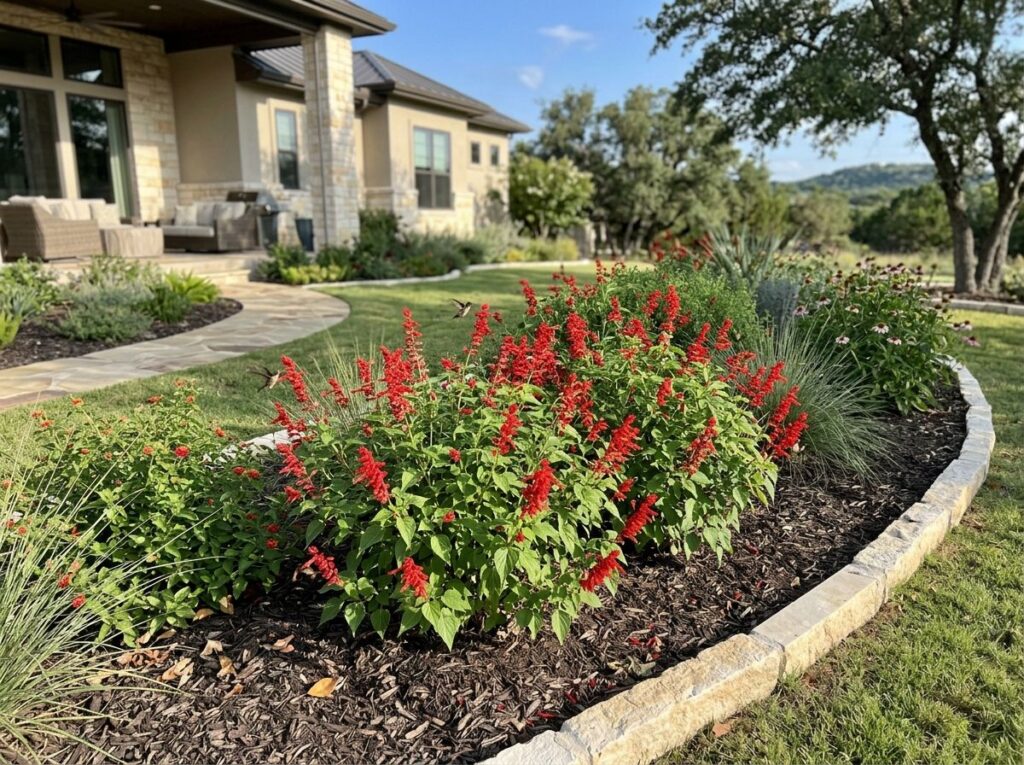
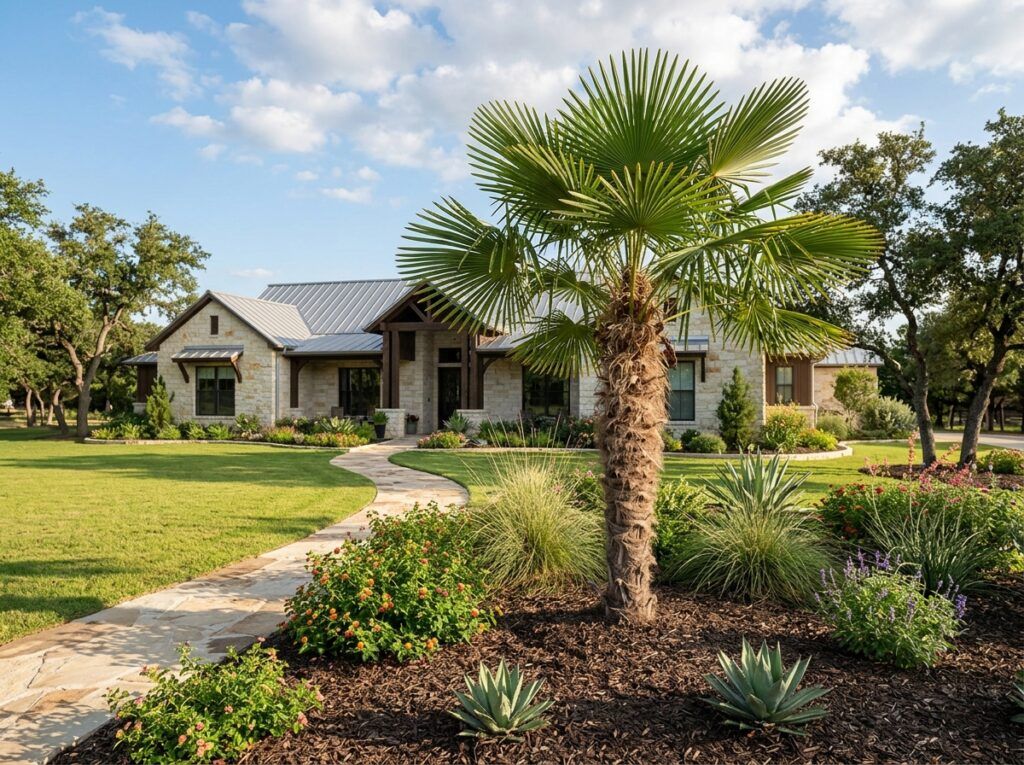
Wildlife Garden Blend
Ready When You Are
Get a Clear Plan for Your Yard
Tell us what you’d like to improve. We’ll ask a few questions, review your project, and let you know the best next step — no pressure and no guesswork. Fill out the form for a free quote.