
Trees Western Soapberry
(Sapindus saponaria)
Other Common Names: Wild Chinaberry
Birds
Deciduous
Full Sun
Screening/Privacy
Recommended Use: Best for naturalized areas needing seasonal interest and wildlife value.
Description and Landscaping Uses
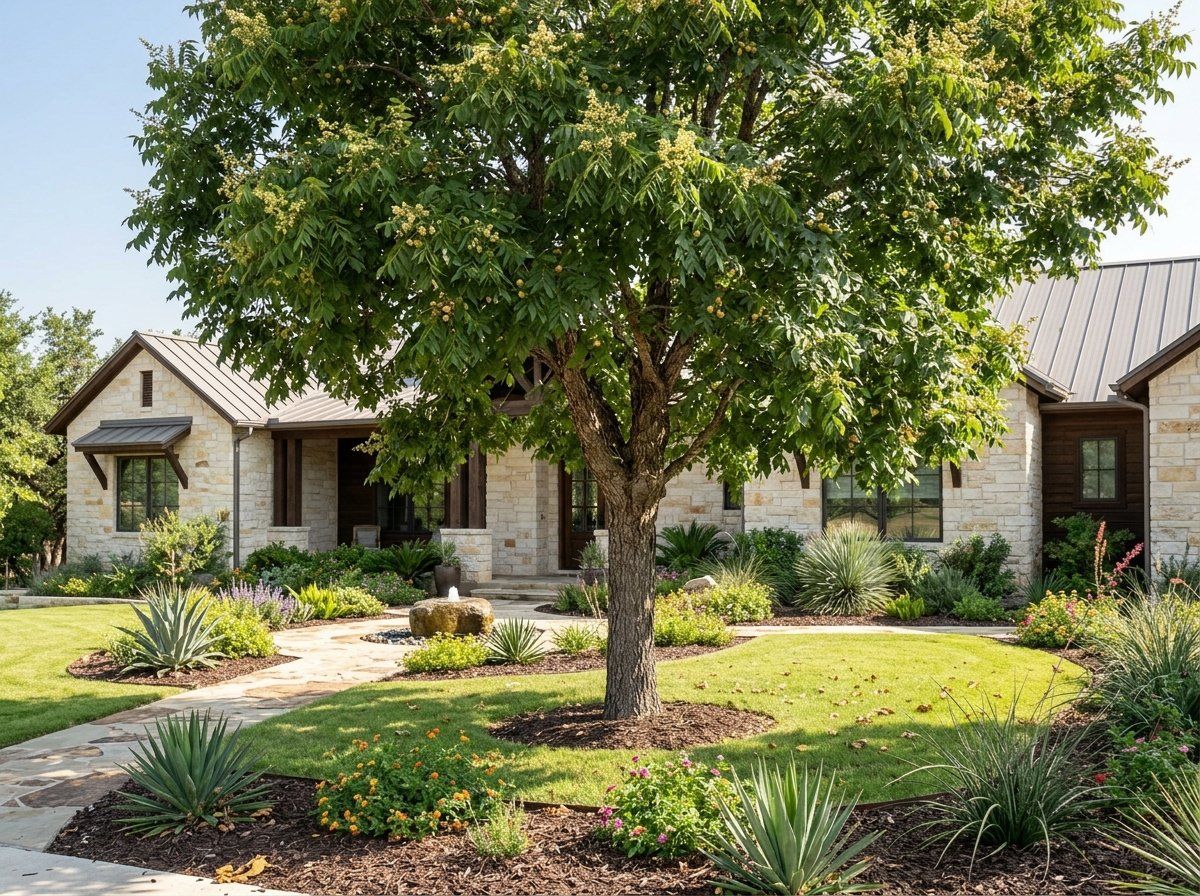
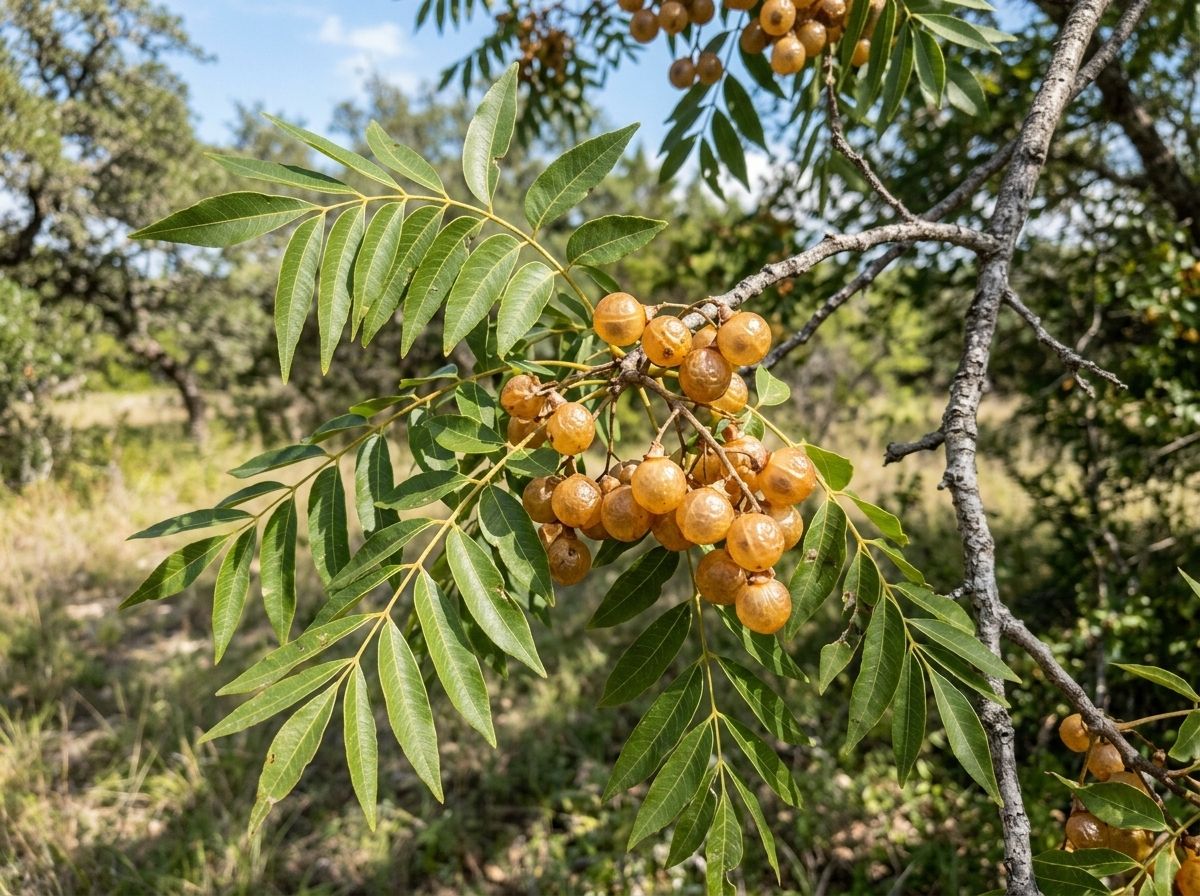
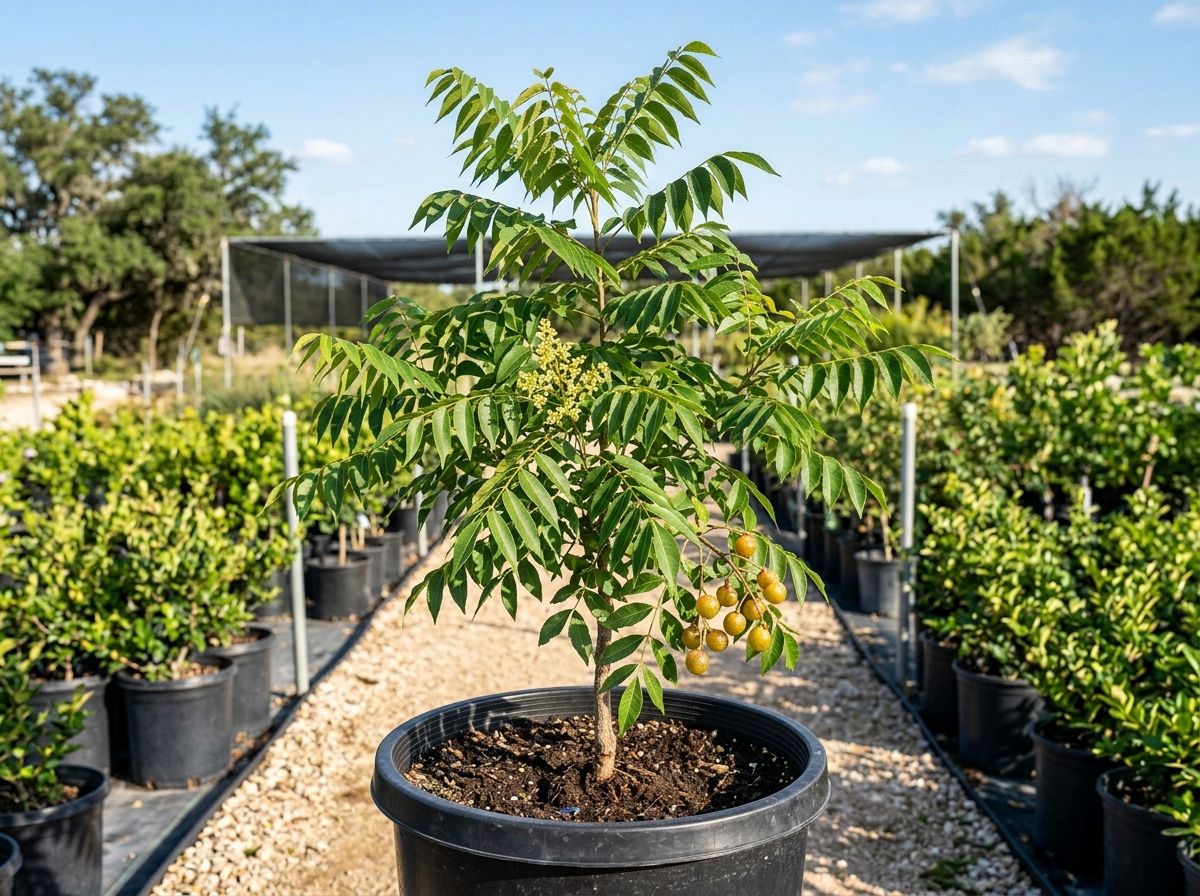
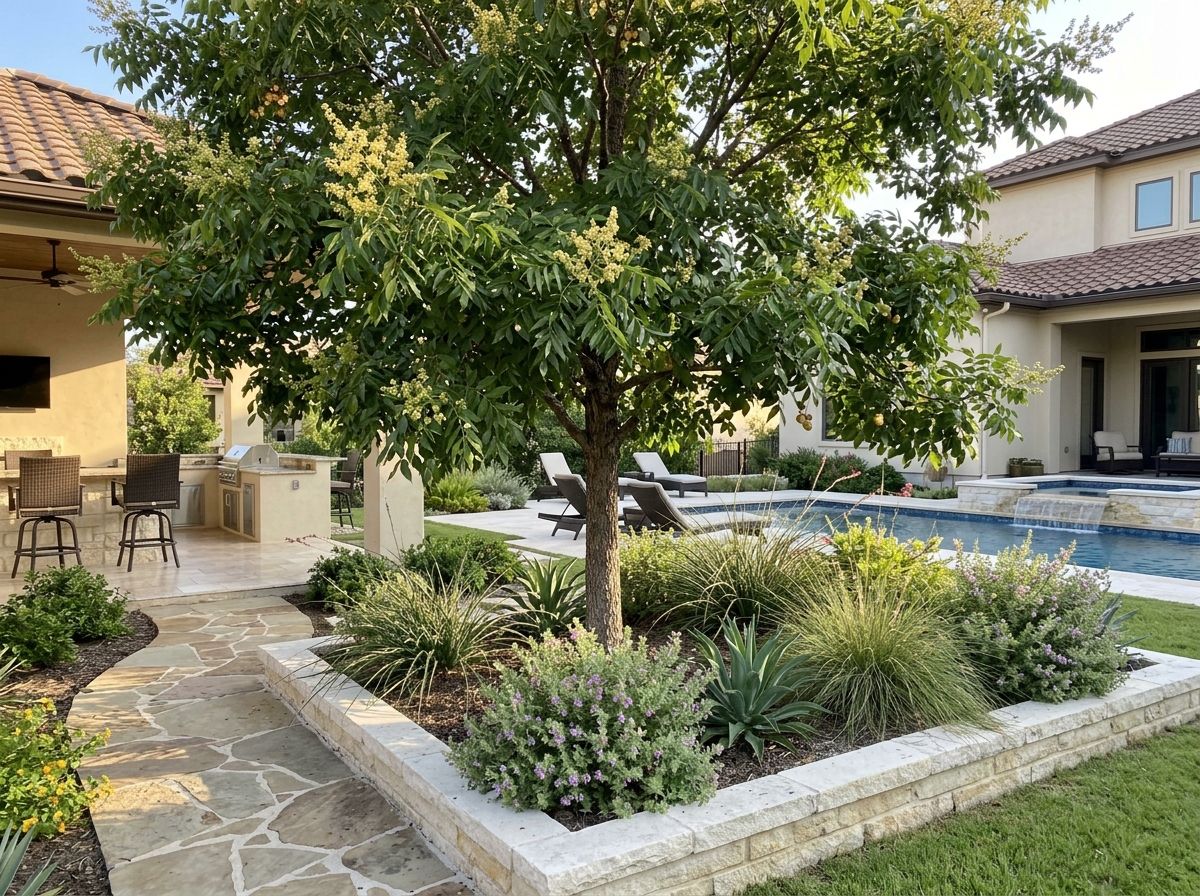
The Western Soapberry, scientifically known as Sapindus saponaria, is a visually appealing deciduous tree appreciated for its versatility in landscaping. It typically reaches heights of 30 to 50 feet, with a spread of 20 to 30 feet. This charming tree features pinnate leaves that turn a beautiful yellow in the fall, providing a striking seasonal display. In the summer, it produces clusters of large yellow flowers that add a vibrant touch to gardens and landscapes. As a hardy and adaptable tree, it is commonly used as a shade tree in residential areas, parks, and naturalized spaces.
Maintenance and Care
The Western Soapberry is relatively low-maintenance. It prefers full to partial sun exposure, which ensures optimal growth and flowering. This tree is adaptable to various soil types, though it thrives best in well-drained soils. Regular watering is essential during the initial growth stages, but once established, it exhibits good drought tolerance. Pruning should be done in late winter or early spring to remove dead or crossing branches, promoting a healthy structure. The Western Soapberry demonstrates good resistance to pests and diseases, making it an excellent choice for hassle-free gardening.
Quick Facts
– Hardiness Zones: 6-9
– Growth Rate: Moderate
– Special Characteristics: Deciduous, good shade provider, pollinator attraction
– Deer Resistance: Moderate
– Sunlight: Full to partial sun
– Special Features: Produces clusters of large yellow flowers in summer, adaptable to a variety of soils
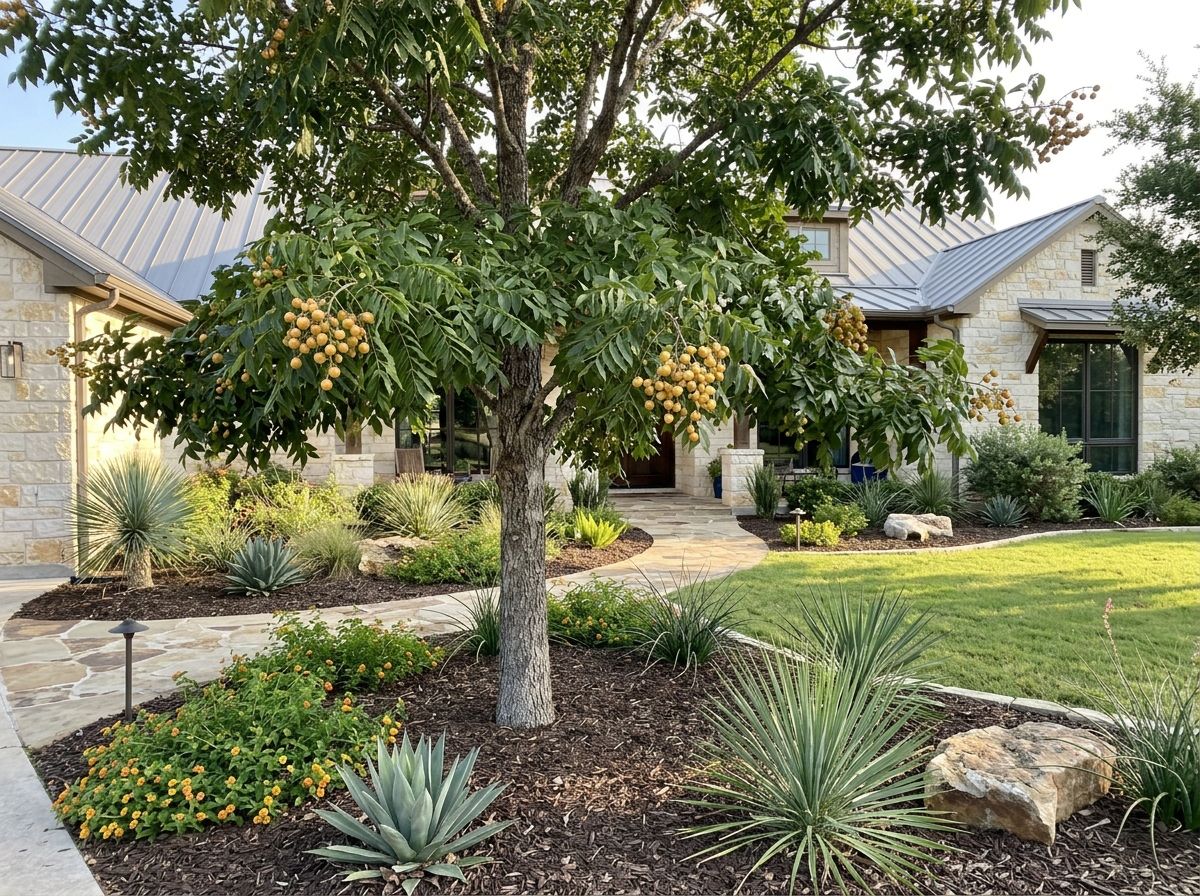
This tree not only enhances the beauty of a landscape but also supports local wildlife and offers reliable shade, making it a valuable addition to any garden setting.
Want this product installed? Check out our page to view pricing and other details.
Related Products
Wildlife Garden Blend
Ready When You Are
Get a Clear Plan for Your Yard
Tell us what you’d like to improve. We’ll ask a few questions, review your project, and let you know the best next step — no pressure and no guesswork. Fill out the form for a free quote.