
Bulbs (Geophyte) White Rain Lily
(Zephyranthes candida)
Other Common Names: Fairy Lily, Zephyr Lily, Magic Lily, White Rain Lily

Bees
Deciduous
Flowering
Partial Sun
Recommended Use: Rain Lilies are excellent for adding unexpected pops of color to seasonal beds or rock gardens, especially after rains. Their compact size and clumping habit make them great for borders or as low-growing ground cover in a variety of landscapes around San Antonio and similar climates.
Overview of the Rain Lily
The Rain Lily, scientifically known as Zephyranthes candida, is a charming and versatile perennial prized for its delicate, trumpet-shaped white flowers that often bloom following rain showers. This characteristic bloom habit gives rise to the name “Rain Lily.” With slender, grass-like foliage, these plants typically grow between 6 and 12 inches tall, forming neat clumps that gradually spread over time. While Z. candida produces white flowers, other species in the Zephyranthes genus provide pink or yellow blooms.
Rain Lilies are popular in gardens for their subtle beauty and resilience. They can be used effectively as ground cover, in borders, or in rock gardens to add seasonal bursts of color with minimal maintenance.
Care and Maintenance
- Sunlight: Full sun to partial shade. They thrive with at least a few hours of direct sunlight daily.
- Watering: Moderate watering is needed, especially during dry spells. Once established, they tolerate drought well.
- Soil: Adaptable to various soils but prefers well-drained soil enriched with organic matter.
- Pruning: Deadheading spent flowers can encourage additional blooms, but pruning is generally not required.
- Pests/Diseases: Generally resistant to pests and diseases, making them easy to maintain.
- Propagation: Typically grown from bulbs planted in well-prepared soil during the growing season.
- Toxicity: Mildly toxic if ingested; keep away from pets and children.
Quick Facts
– Hardiness Zones: 7-10
– Growth Rate: Moderate
– Special Characteristics: Deer resistant, attracts pollinators
– Bloom Time: Typically after rain showers
– Flower Colors: White, pink, yellow
– Ideal Use: Borders, rock gardens, ground cover
These key features make Zephyranthes a delightful addition to many outdoor spaces, well-suited to creating vibrant displays with minimal effort.

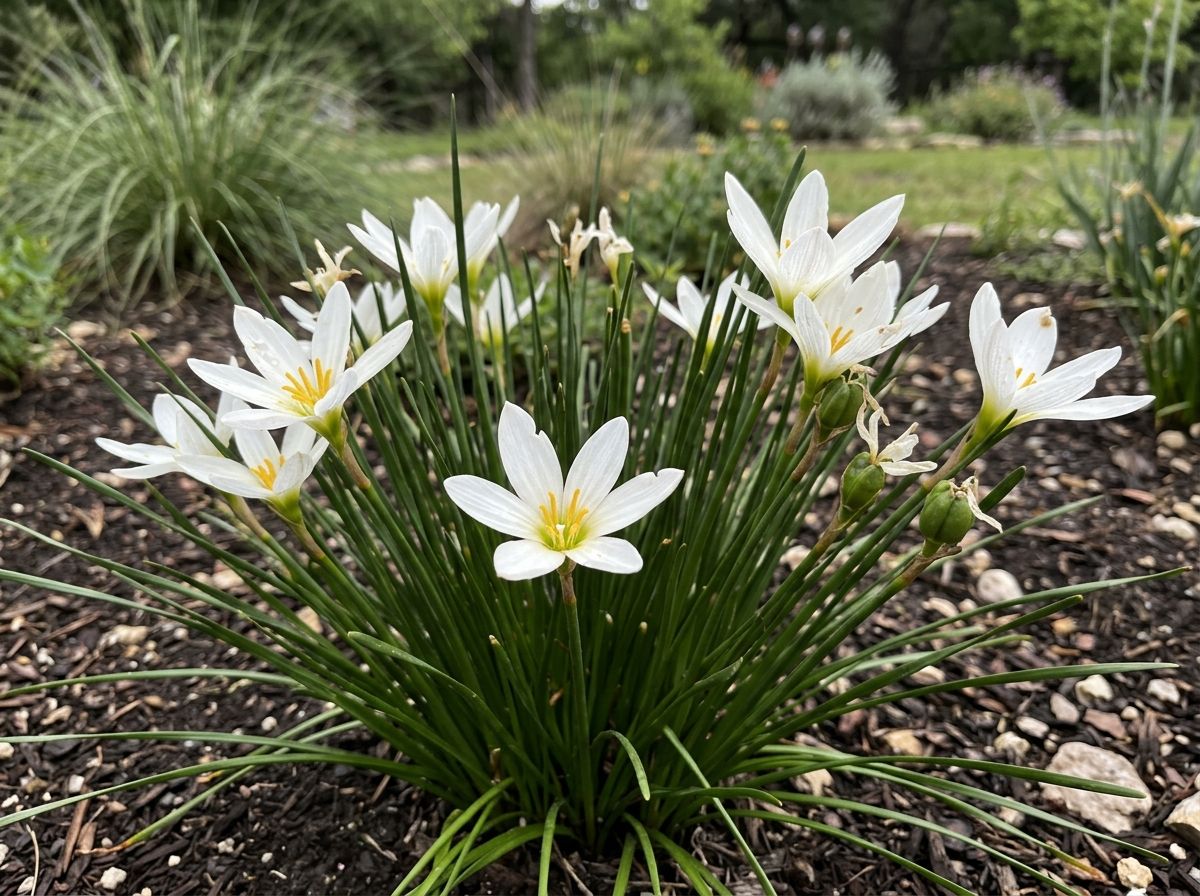
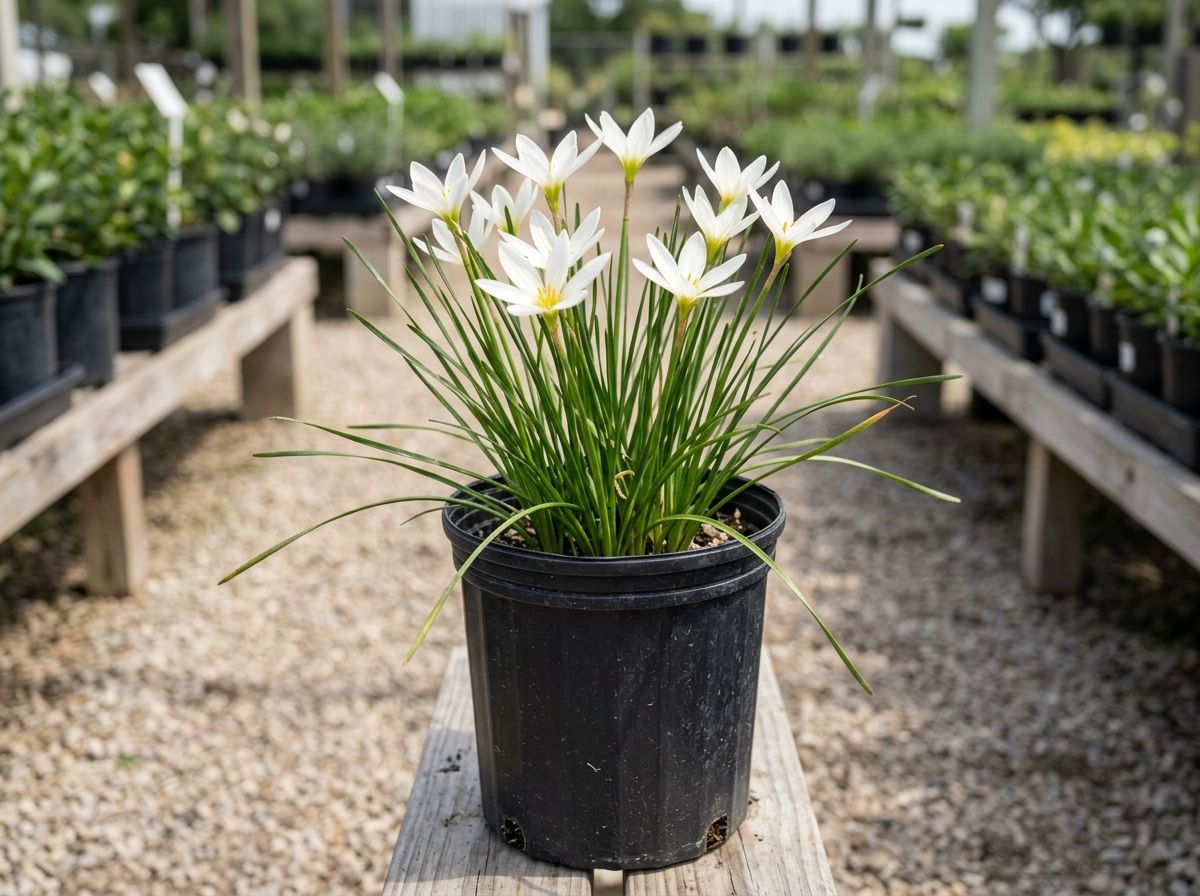
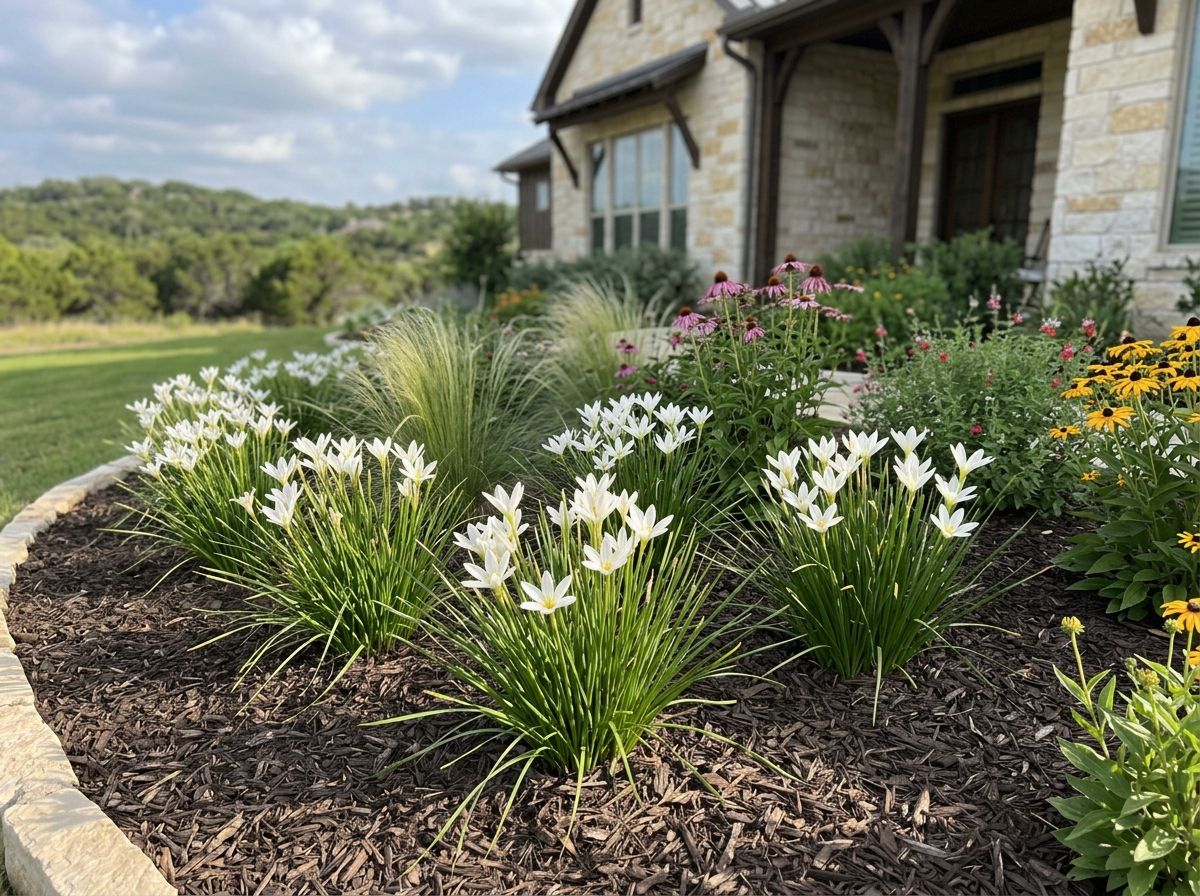
Want this product installed? Check out our page to view pricing and other details.
Related Products
Planting Role / Visual Structure > Focal Plant Palette










Wildlife Garden Blend




Ready When You Are
Get a Clear Plan for Your Yard
Tell us what you’d like to improve. We’ll ask a few questions, review your project, and let you know the best next step — no pressure and no guesswork. Fill out the form for a free quote.