
Shrubs White Brush
(Aloysia gratissima)
Other Common Names: Beebrush, Whitebrush, or Whitebush
Bees
Butterflies
Deciduous
Flowering
Fragrant
Full Sun
Recommended Use: Best for pollinator gardens needing a rugged shrub that provides nectar during extreme drought.
Overview
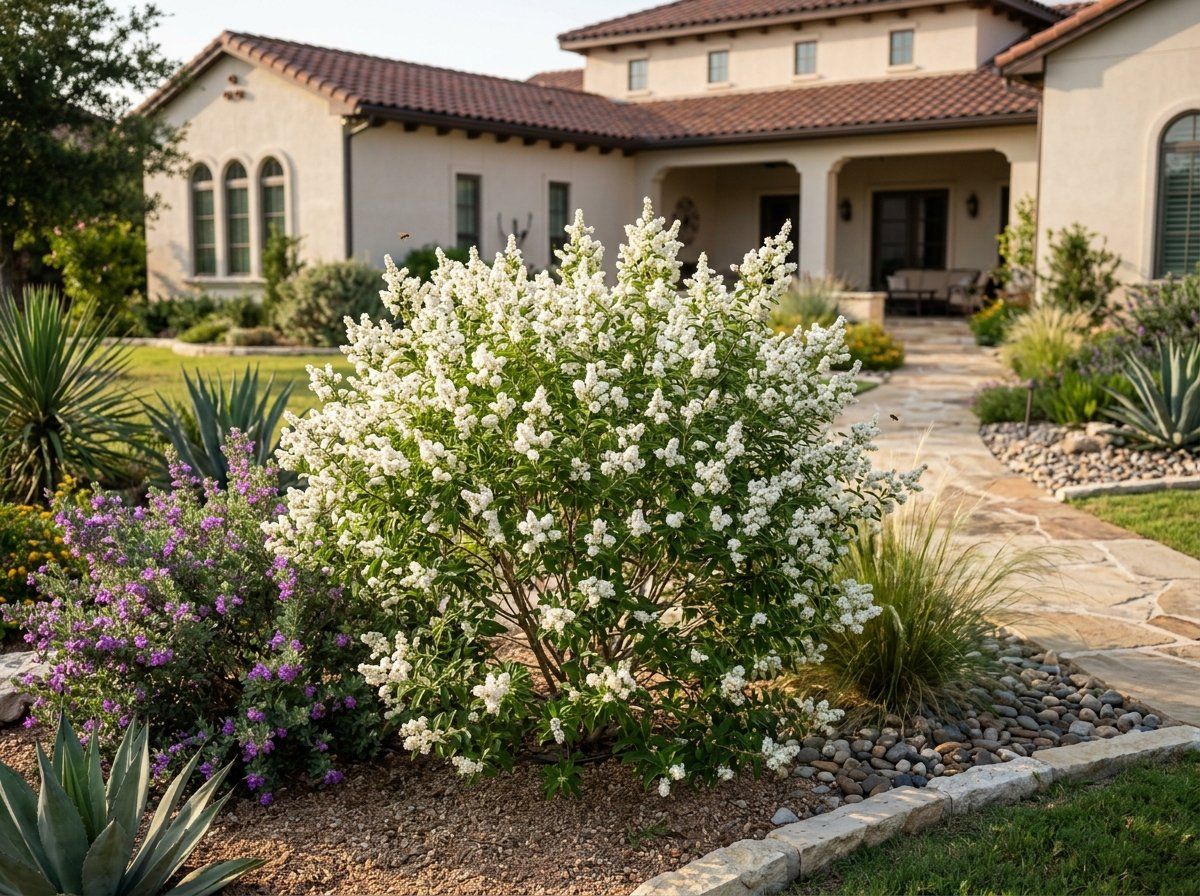
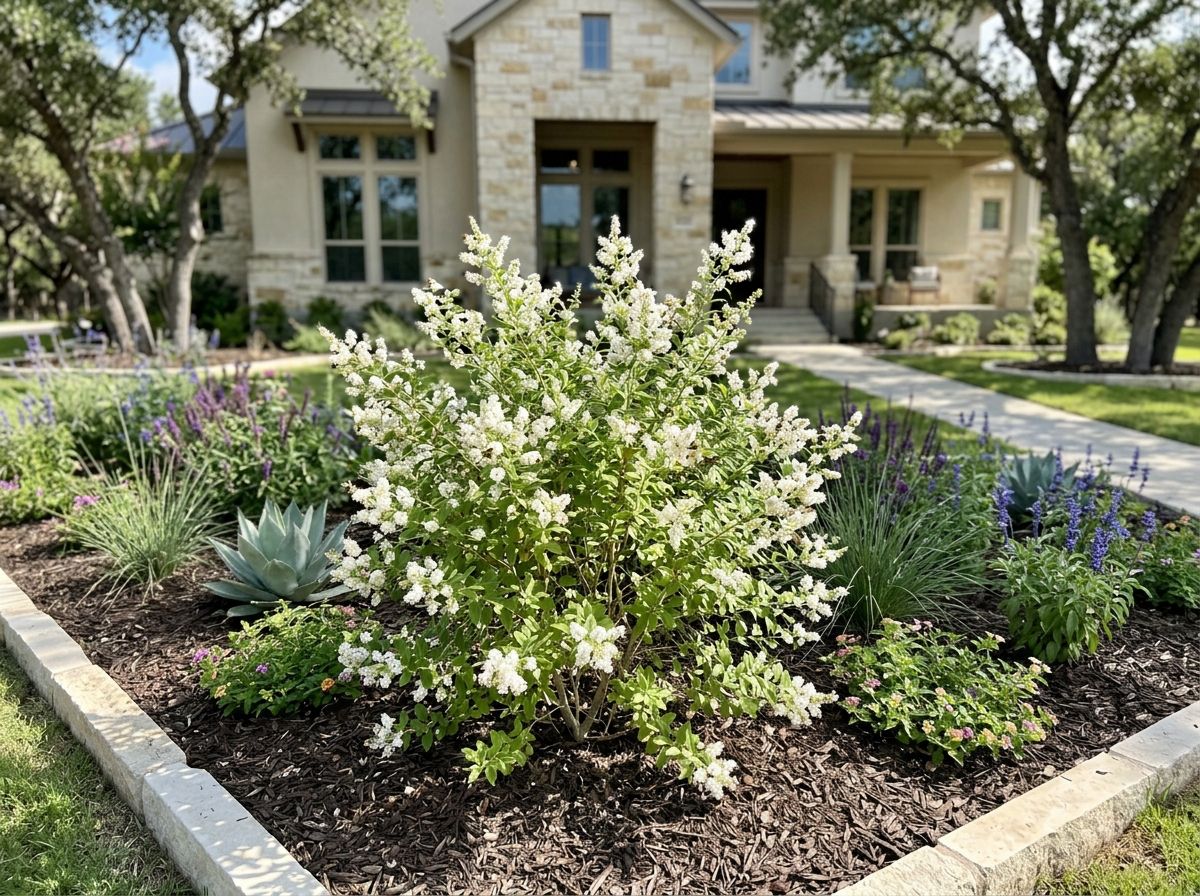
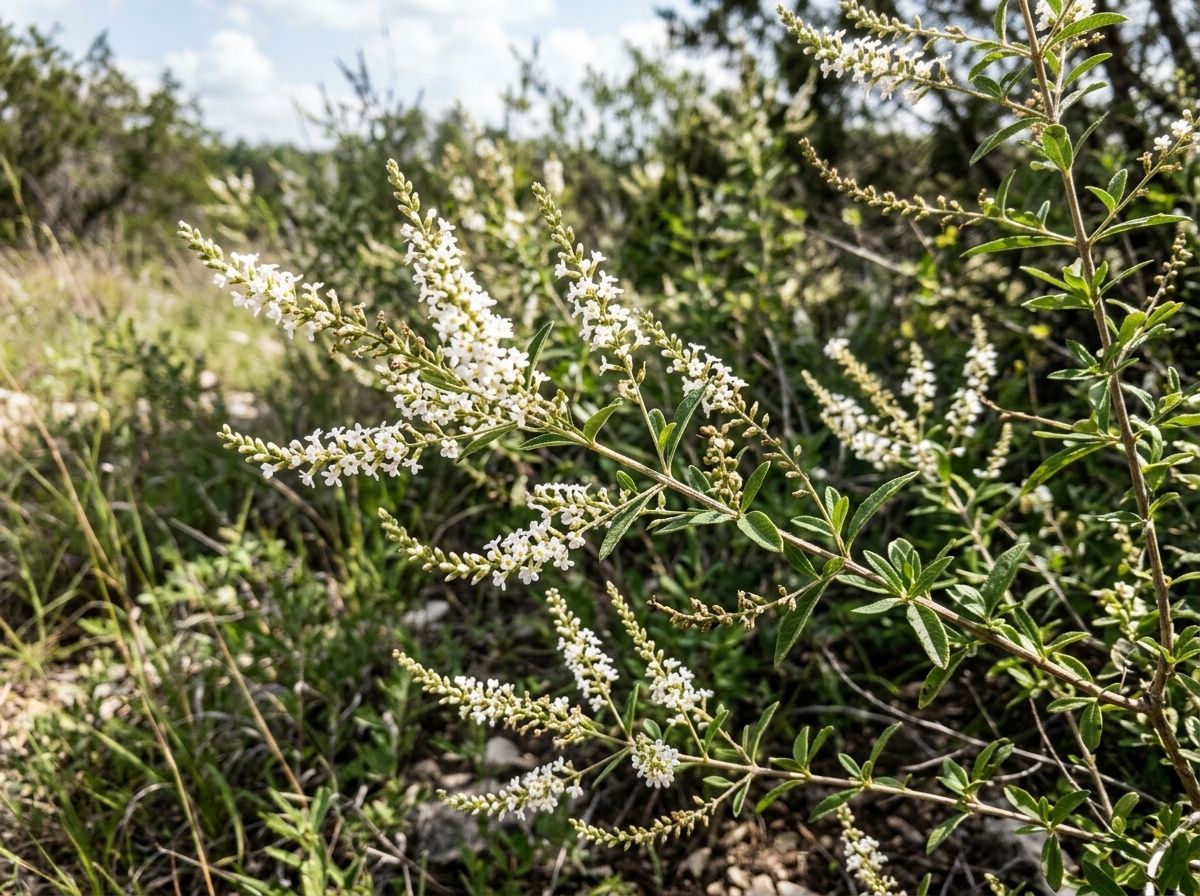
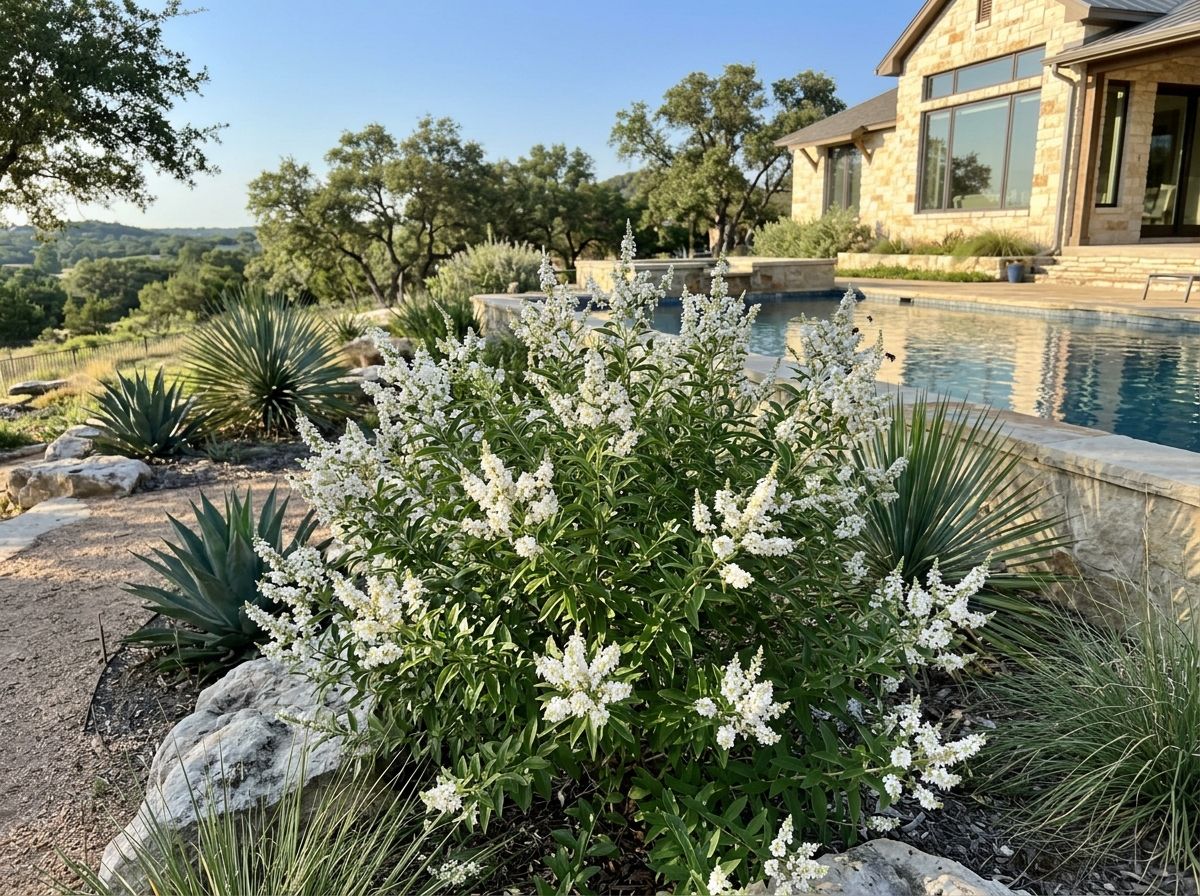
The White Brush, scientifically known as Aloysia gratissima, is a charming addition to any landscape due to its delicate appearance and versatile uses. This plant is characterized by its fragrant white flowers, which bloom in clusters, creating an appealing display. Typically, it grows to a medium size, making it suitable for various garden settings. One of its key features is its ability to form suckers, which means it can spread over time, potentially creating a natural hedge. Commonly used in hedges or as a standalone ornamental plant, White Brush can provide both beauty and function in landscaping.
Maintenance
When it comes to maintenance, Aloysia gratissima requires a balanced approach. It thrives in full sunlight, which helps it produce its characteristic fragrant blooms. Watering should be moderate; ensure the soil is well-drained to prevent root rot, but keep it somewhat moist, especially during dry periods. It prefers sandy or loamy soils but can adapt to different soil types as long as they drain well. Pruning isn’t frequently necessary, but occasional trimming can help maintain its shape and encourage fuller growth. Aloysia gratissima is resistant to most common pests and diseases, making it a low-maintenance choice for many homeowners.
Quick Facts
– Hardiness Zones: Suitable for zones 7 to 10.
– Growth Rate: Moderate, with potential for faster growth under optimal conditions.
– Special Characteristics: Highly attractive to pollinators, such as bees and butterflies, and resistant to deer, providing dual benefits in wildlife-friendly gardens.
– Remarks: Its delicate structure and fragrant white flowers make it a beautiful and functional choice for hedging or as an individual ornamental feature in landscaping.
Want this product installed? Check out our page to view pricing and other details.
Related Products
Planting Role / Visual Structure > Focal Plant Palette





Wildlife Garden Blend


Ready When You Are
Get a Clear Plan for Your Yard
Tell us what you’d like to improve. We’ll ask a few questions, review your project, and let you know the best next step — no pressure and no guesswork. Fill out the form for a free quote.