
Trees Arizona Cypress
(Cupressus arizonica)
Other Common Names: Smooth-bark Cypress, Rough-bark Cypress
Birds
Drought-Tolerant
Evergreen
Full Sun
Screening/Privacy
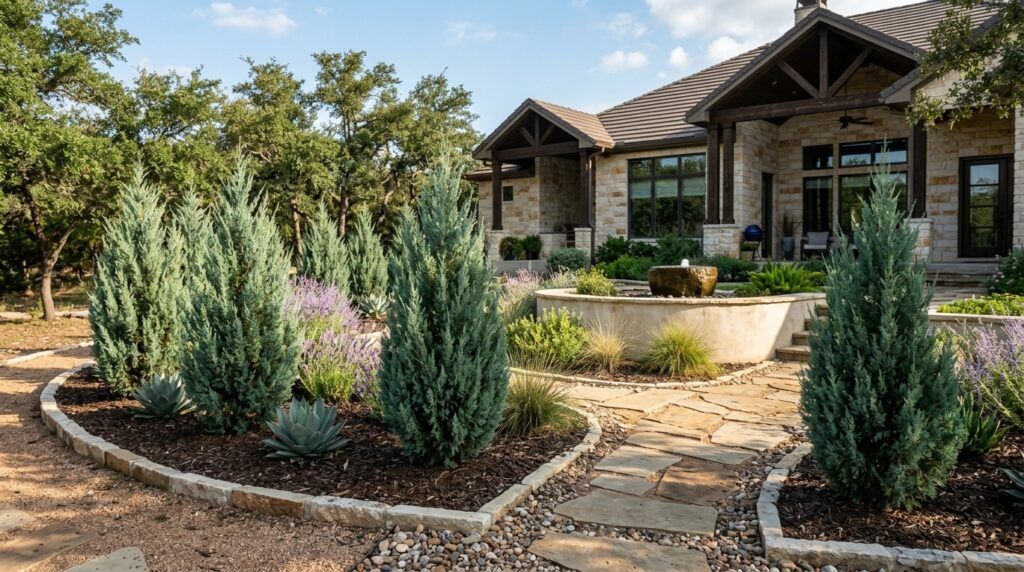
Recommended Use: Excellent for creating fast-growing windbreaks or privacy screens in open, sunny landscapes.
Overview and Uses in Landscaping
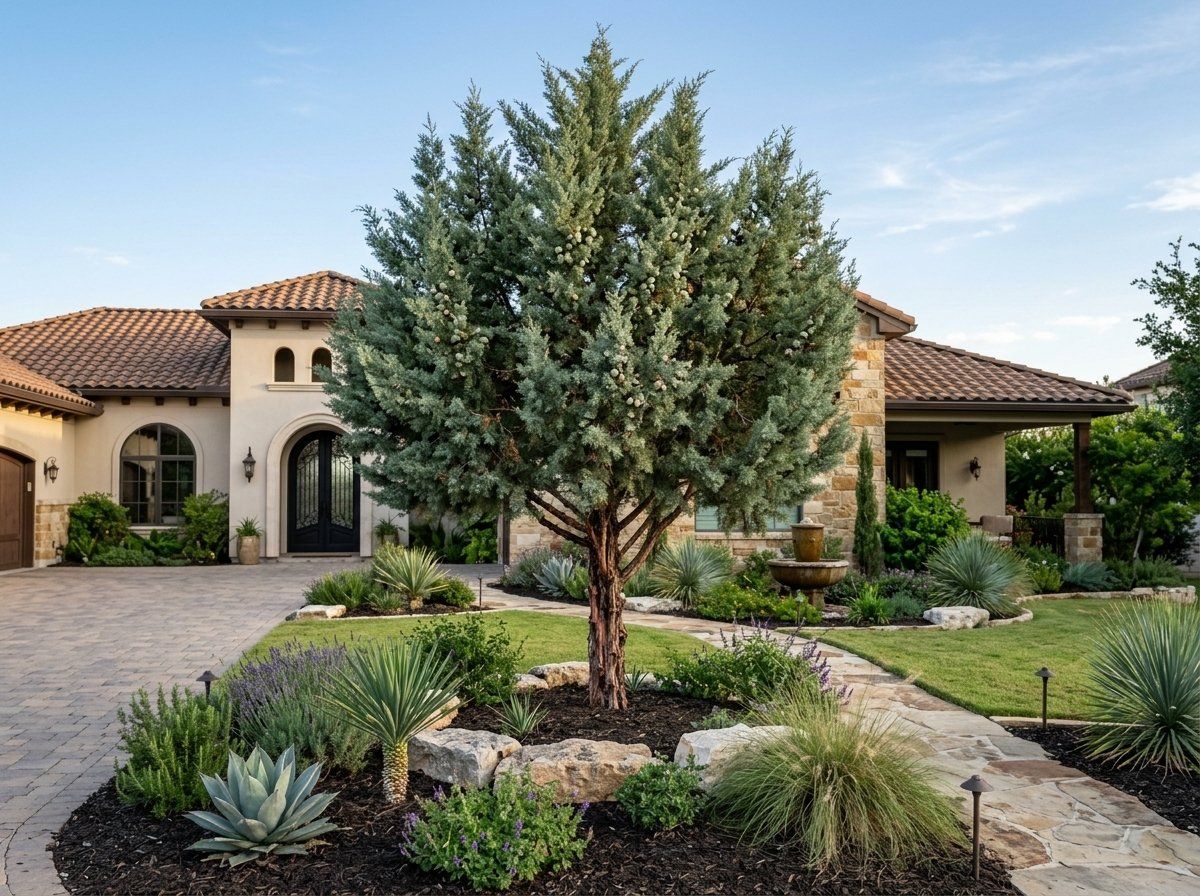
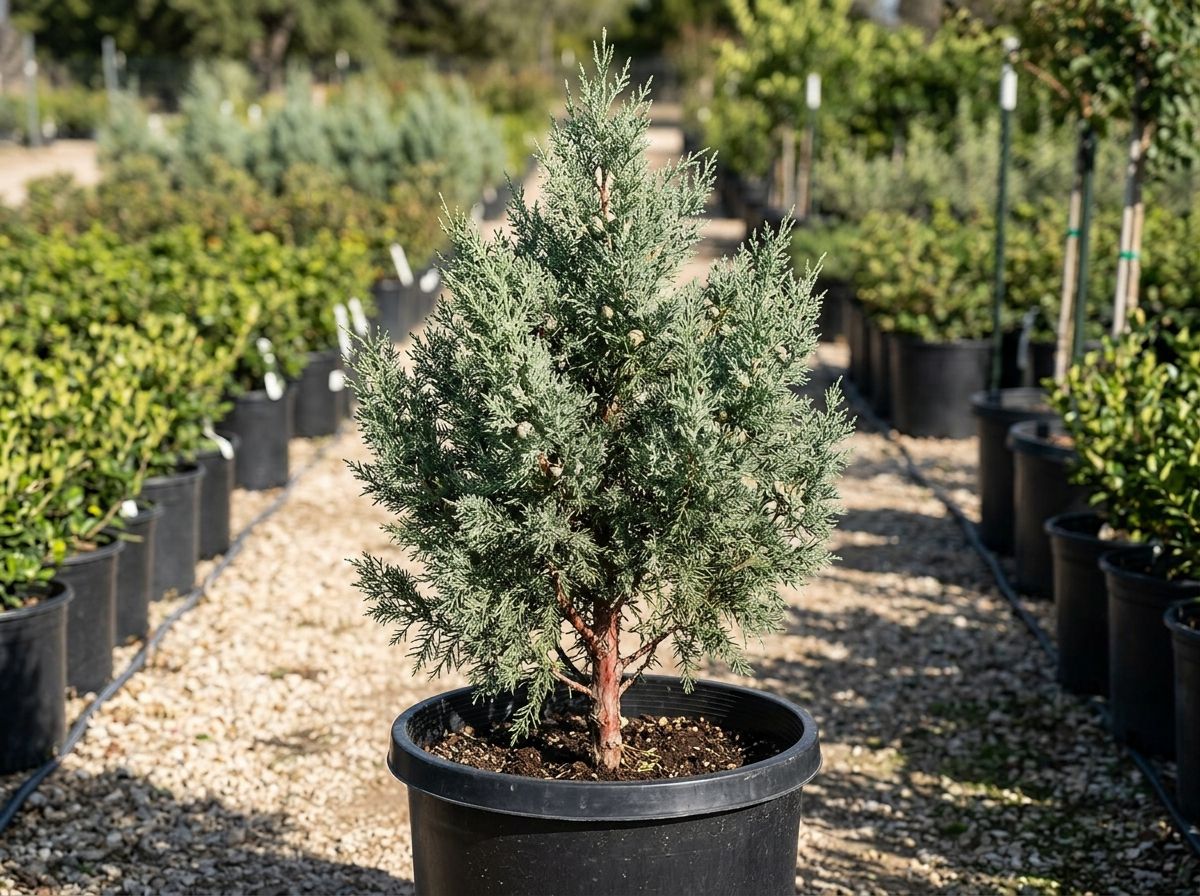
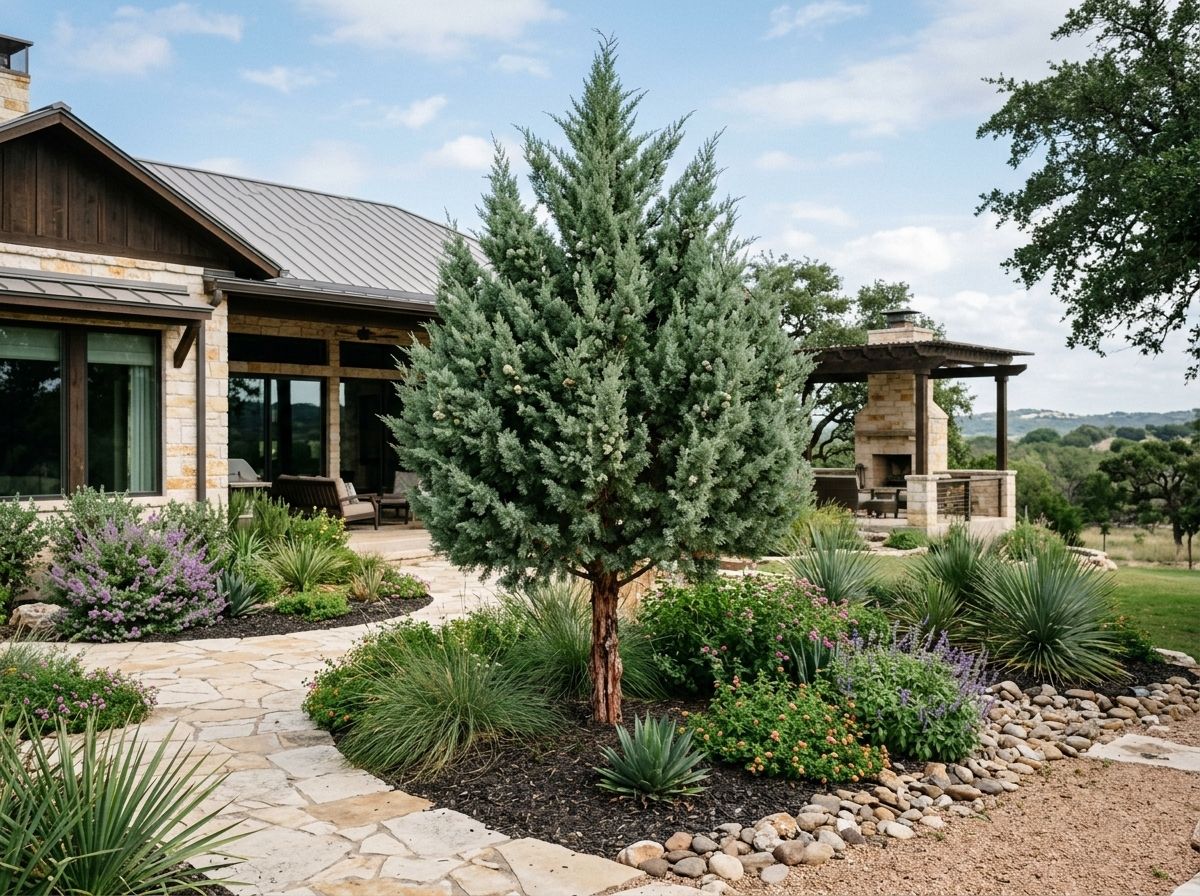
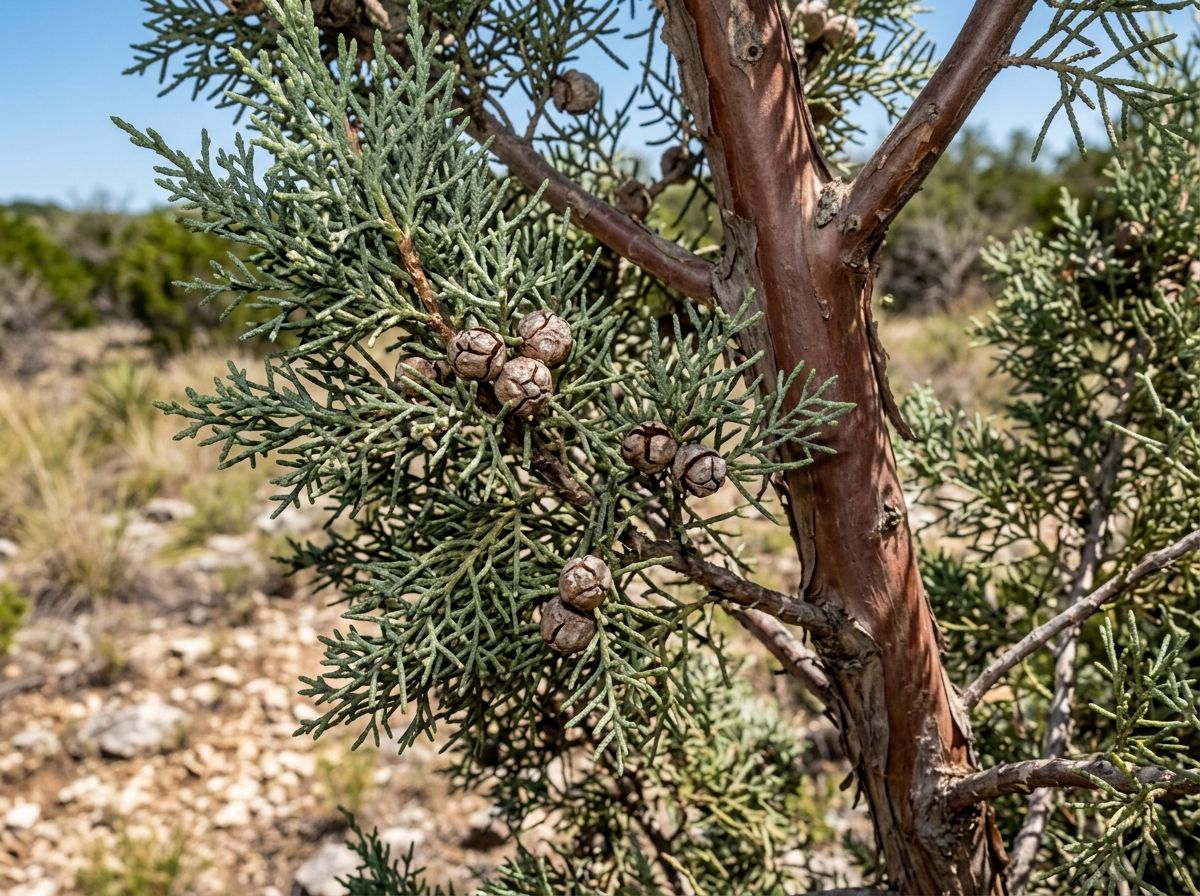
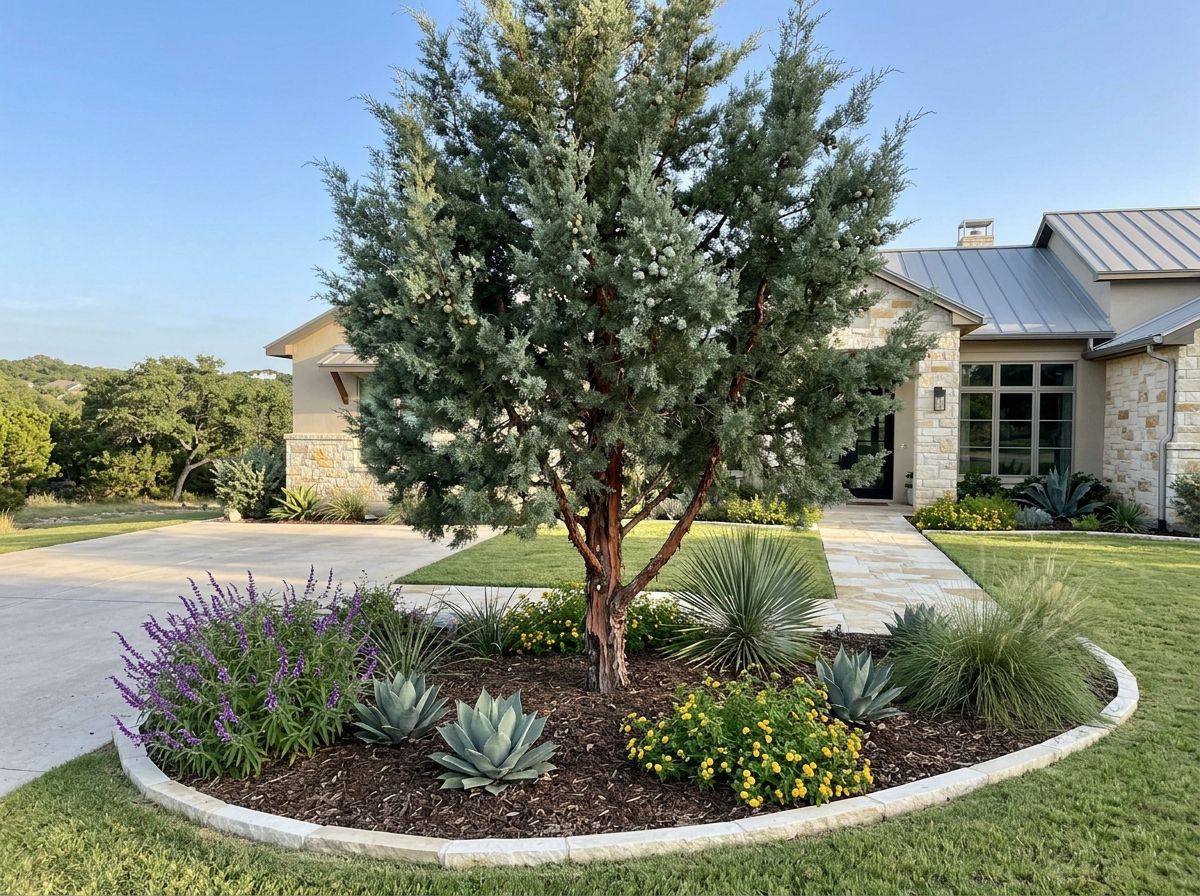
The Arizona Cypress (Cupressus arizonica) is an evergreen conifer characterized by its striking gray-green foliage and appealing pyramidal shape. This tree typically reaches a height of 40 to 50 feet with a width of 15 to 20 feet, making it a substantial addition to any garden or park. Its dense foliage and elegant form make it ideal for use as a privacy screen, windbreak, or focal point in a landscape design. The Arizona cypress is particularly valued for its ability to thrive in dry climates, adding year-round color and texture to gardens in areas where many other species struggle.
Maintenance Requirements
Arizona cypress requires full sun exposure to thrive and prefers well-drained soils. Though it is drought-tolerant once established, regular watering is necessary during its initial growth phase to help it develop a strong root system. These trees are adaptable to a range of soil types but prefer sandy or loamy conditions. Pruning should be done minimally, only to remove dead or damaged branches, usually during late winter or early spring. The plant exhibits good resistance to most pests and diseases, though monitoring for common issues like bagworms and cypress canker is advisable.
Quick Facts
- Hardiness Zones: Suitable for USDA zones 7 to 9
- Growth Rate: Moderate, approximately 12 to 24 inches per year
- Special Characteristics: Good deer resistance; provides valuable habitat for certain bird species due to its dense foliage
- Evergreen Conifer: Offers year-round greenery with unique gray-green foliage
- Pyramidal Shape: Ideal for structured and formal landscape designs
Additional Homeowner-Relevant Information
Soil & Site Preferences
- Soil pH: Tolerates a range of pH values; prefers neutral to slightly alkaline soils.
- Tolerance: Performs well in poor or rocky soils and is tolerant of urban air pollution.
- Drainage: Does not tolerate consistently wet soils—ensure good drainage.
Watering Tips
- Establishment: Deeply water weekly during the first 1–2 years.
- Mature Trees: Water only during extended droughts.
Spacing Guidelines
- Hedges/Screens: Space trees 8–10 feet apart for dense screens.
Longevity & Growth
- Lifespan: Can live 50+ years under favorable conditions.
Potential Issues
- Root System: Has a moderately deep root system; generally not invasive but avoid planting too close to foundations or sidewalks.
- Allergy Note: Pollen can aggravate allergies during late winter/early spring.
Fire Considerations
- Fire Resistance: Not considered highly flammable but can contribute to fire spread if not properly maintained; clear lower limbs and dead material if used near structures in fire-prone areas.
Wildlife Value
- Birds: Attracts birds for shelter and occasional nesting.
Table Additions (Optional)
| Drought Tolerance | Soil Drainage | Spacing (for Hedge) | Lifespan | Firewise? |
|---|---|---|---|---|
| High (once established) | Well-drained | 8–10 ft | 50+ yrs | Moderate (prune lower limbs) |
Want this product installed? Check out our page to view pricing and other details.
Related Products
Planting Role / Visual Structure > Evergreen Backbone
Style / Theme > Tuscan / Italian Villa
Ready When You Are
Get a Clear Plan for Your Yard
Tell us what you’d like to improve. We’ll ask a few questions, review your project, and let you know the best next step — no pressure and no guesswork. Fill out the form for a free quote.