
Small Trees Crape Myrtle
(Lagerstroemia spp.)
Other Common Names: Crepe Myrtle
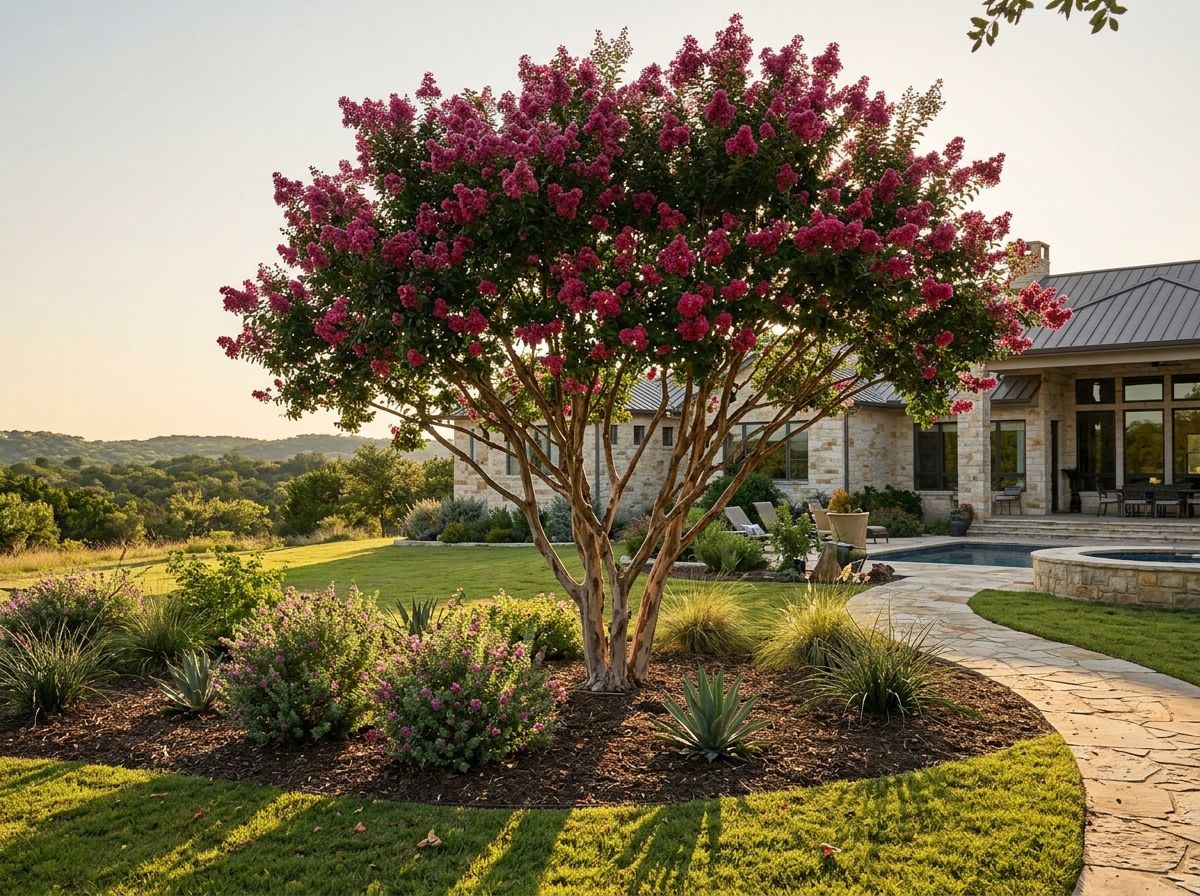
Bees
Butterflies
Deciduous
Drought-Tolerant
Flowering
Full Sun
Recommended Use: Best for colorful accents or multi-trunked specimen trees in sunny, drought-prone areas.
Introduction
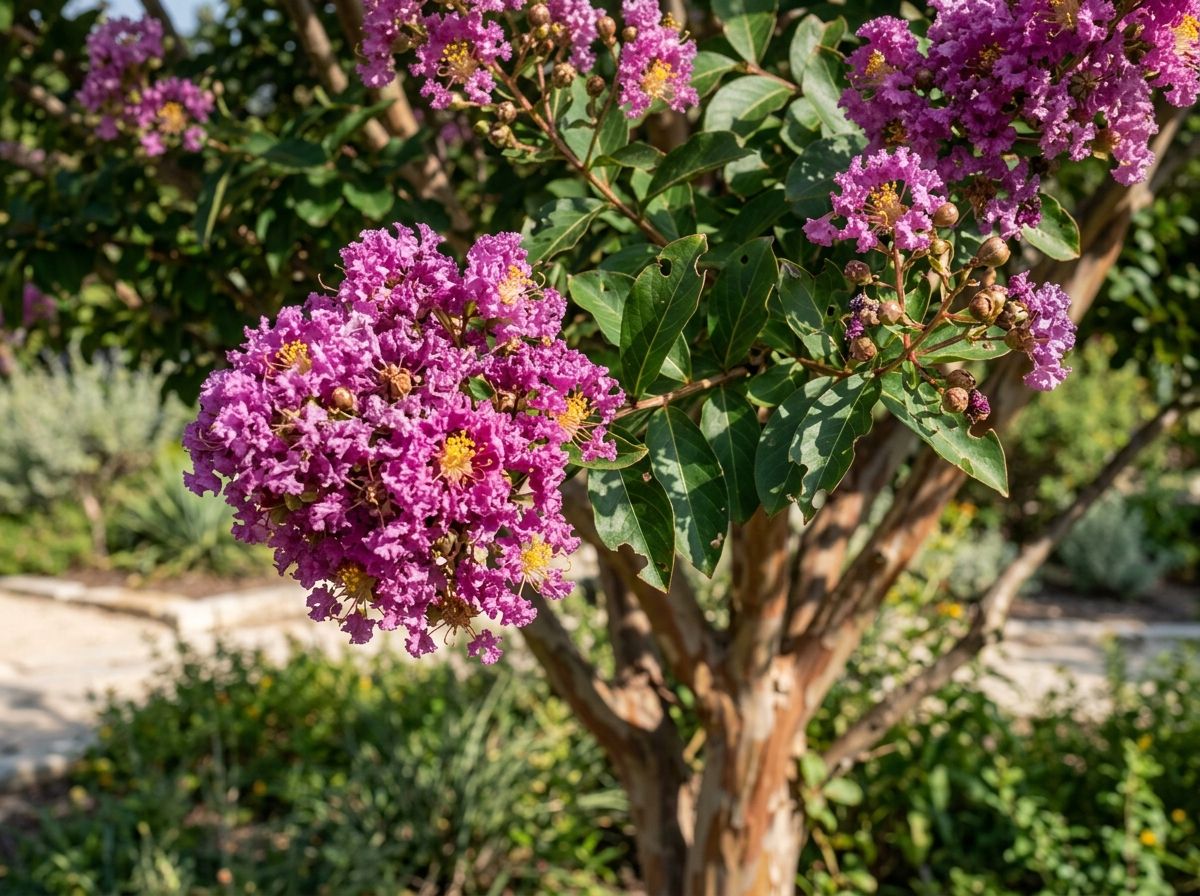
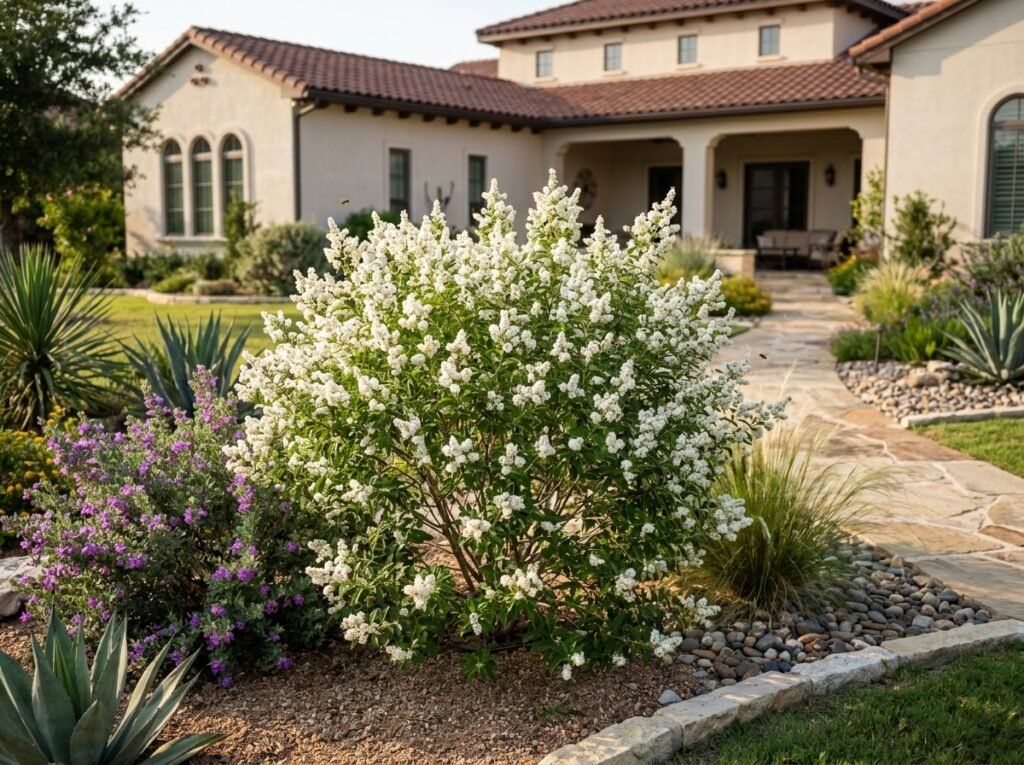
Crape Myrtle, known scientifically as Lagerstroemia, is a stunning ornamental plant recognized for its vibrant summer blooms and appealing year-round appearance. This deciduous plant features muscular trunks with picturesque peeling bark, adding interest even when the plant is not in bloom. Crape Myrtles come in a variety of sizes, ranging from small shrubs to large trees, making them versatile for numerous landscaping uses. They showcase an array of colors, including pink, red, white, and purple, offering a splash of color in gardens and along pathways. Often used as a standalone feature or grouped in clusters, Crape Myrtles are popular for adding aesthetic value to residential landscapes.
Maintenance
Crape Myrtles thrive best with moderate watering, particularly when they are young and during dry spells. They prefer full sun to part shade conditions, which help promote their prolific blooming. These plants are adaptable to a wide variety of soils, though they perform best in well-drained, slightly acidic soil. Pruning is recommended during late winter or early spring to encourage a robust structure and vibrant flowering in the upcoming season. Generally resistant to pests and diseases, Crape Myrtles require minimal intervention, though occasional checks for aphids and powdery mildew can be beneficial.
Quick Facts
– Hardiness Zones: 6-9
– Growth Rate: Moderate to fast, depending on the variety and growing conditions
– Special Characteristics: Deer resistant, attracts pollinators such as butterflies and bees
– Other Key Remarks: Crape Myrtle is a freeze-hardy plant, offering seasonal interest with its flowering nature and adaptable light requirements for full sun or part sun/shade, while requiring low water once established.
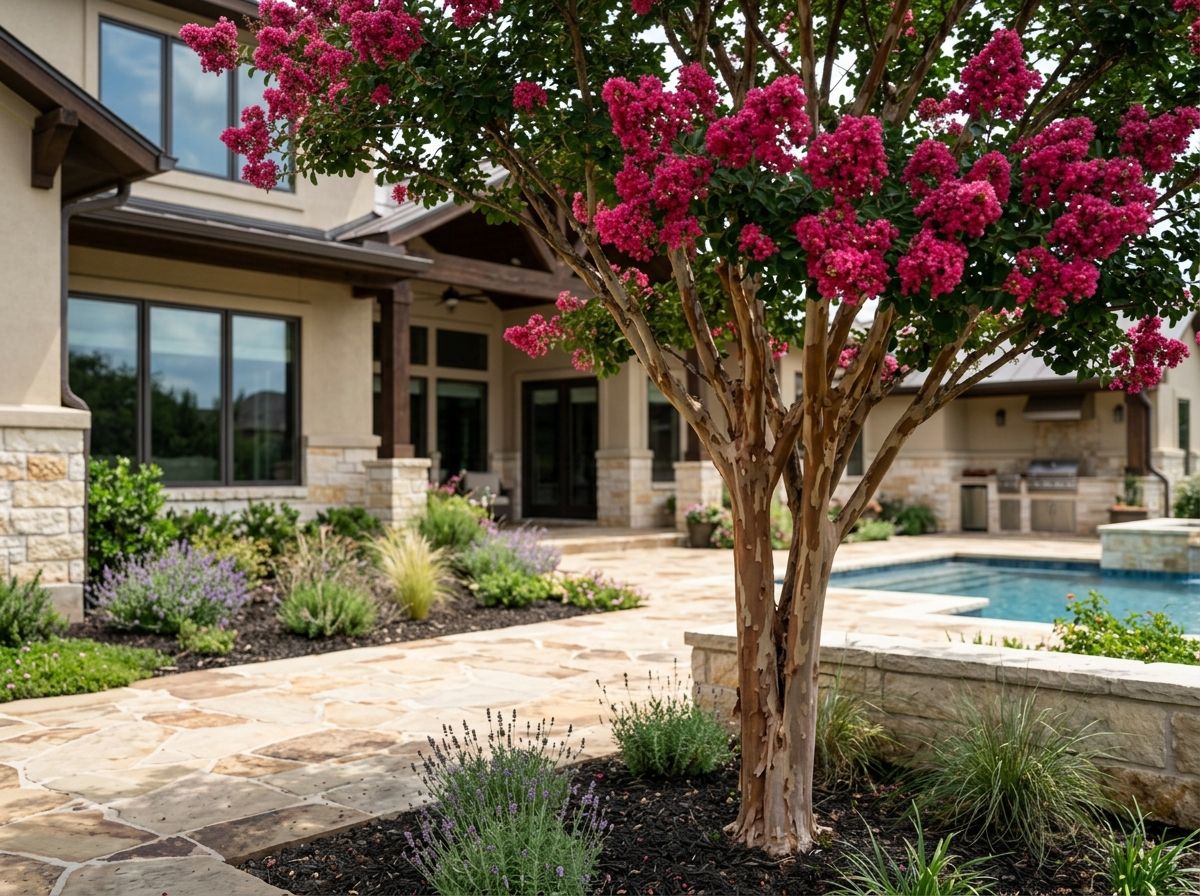
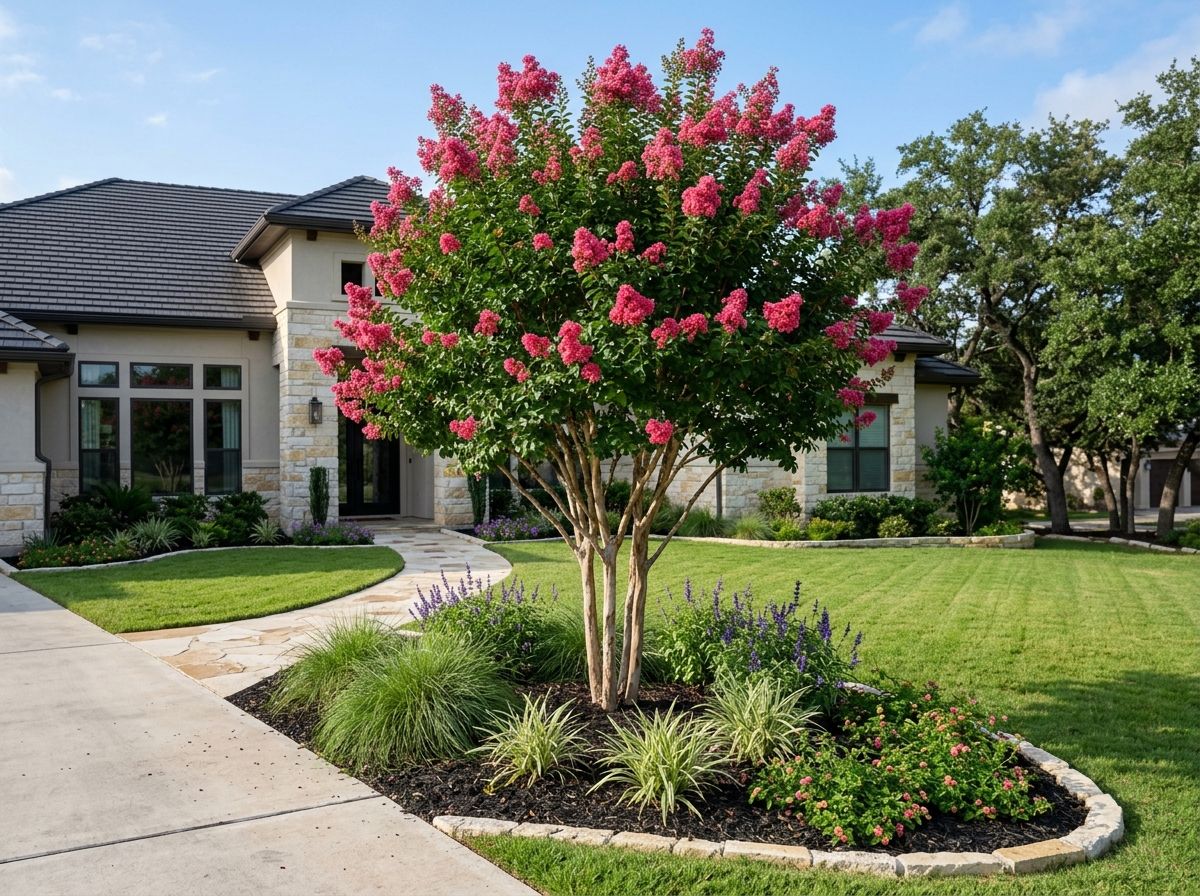
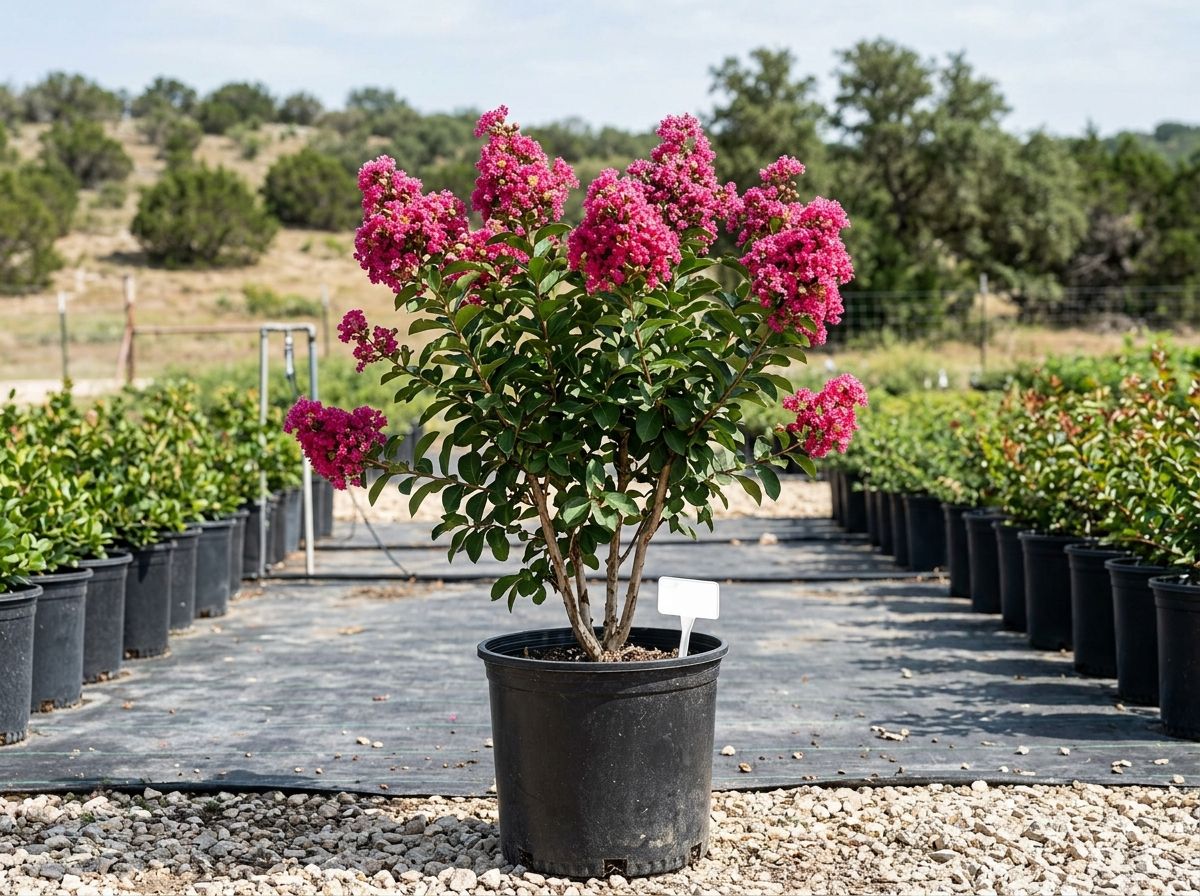
Want this product installed? Check out our page to view pricing and other details.
Related Products
Planting Role / Visual Structure > Focal Plant Palette
Style / Theme > Tuscan / Italian Villa
Ready When You Are
Get a Clear Plan for Your Yard
Tell us what you’d like to improve. We’ll ask a few questions, review your project, and let you know the best next step — no pressure and no guesswork. Fill out the form for a free quote.