
Annuals Bluebonnet
(Lupinus texensis)
Other Common Names: Texas Bluebonnet, Buffalo Clover
Bees
Deciduous
Drought-Tolerant
Flowering
Full Sun
Recommended Use: Best for wildflower meadows or naturalized areas needing iconic Texas spring color.
Overview of the Bluebonnet
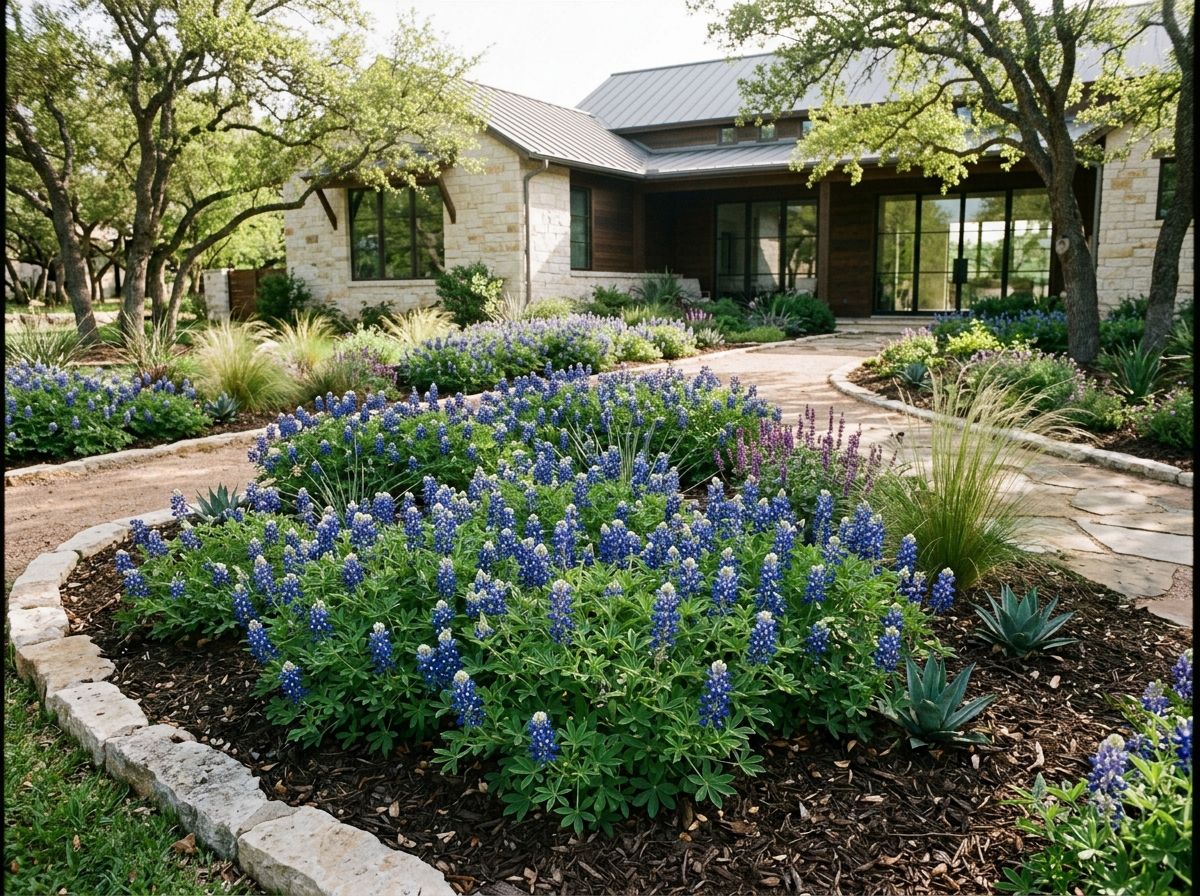
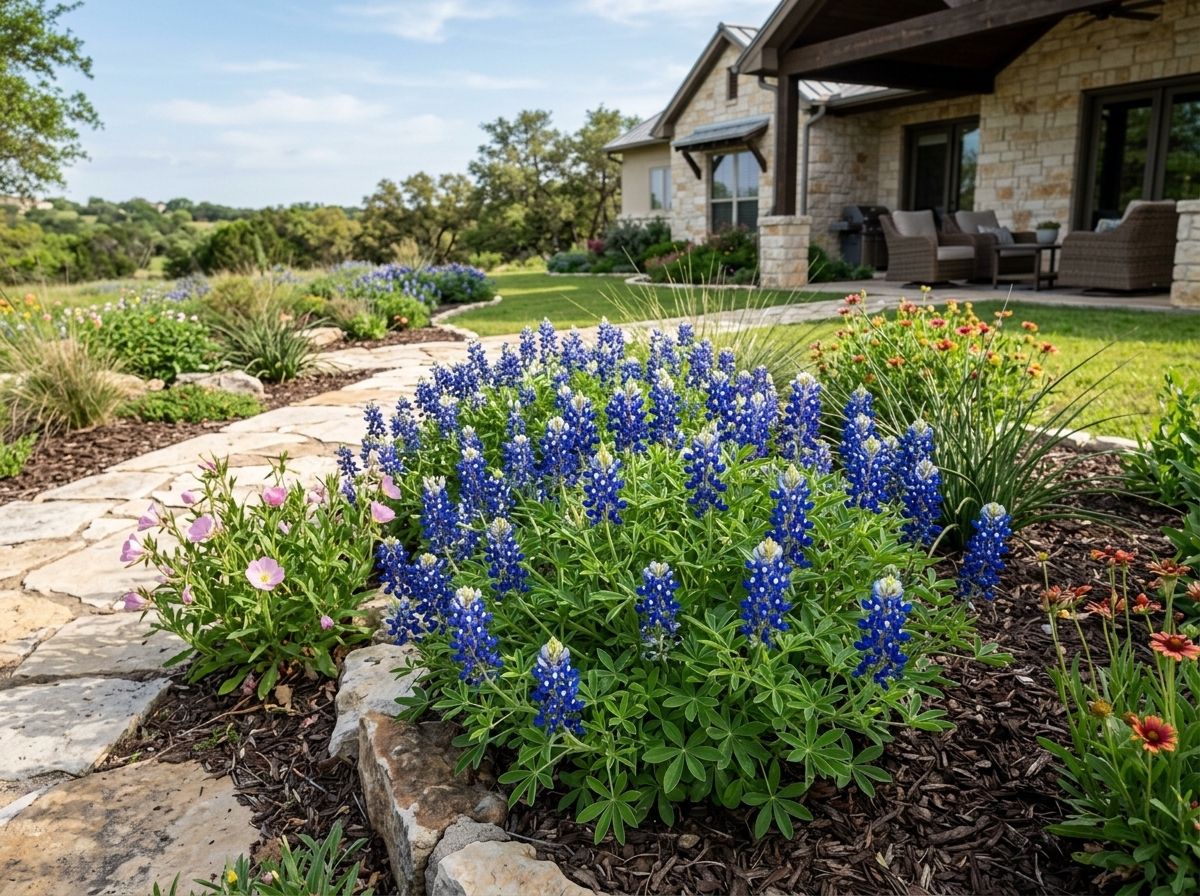
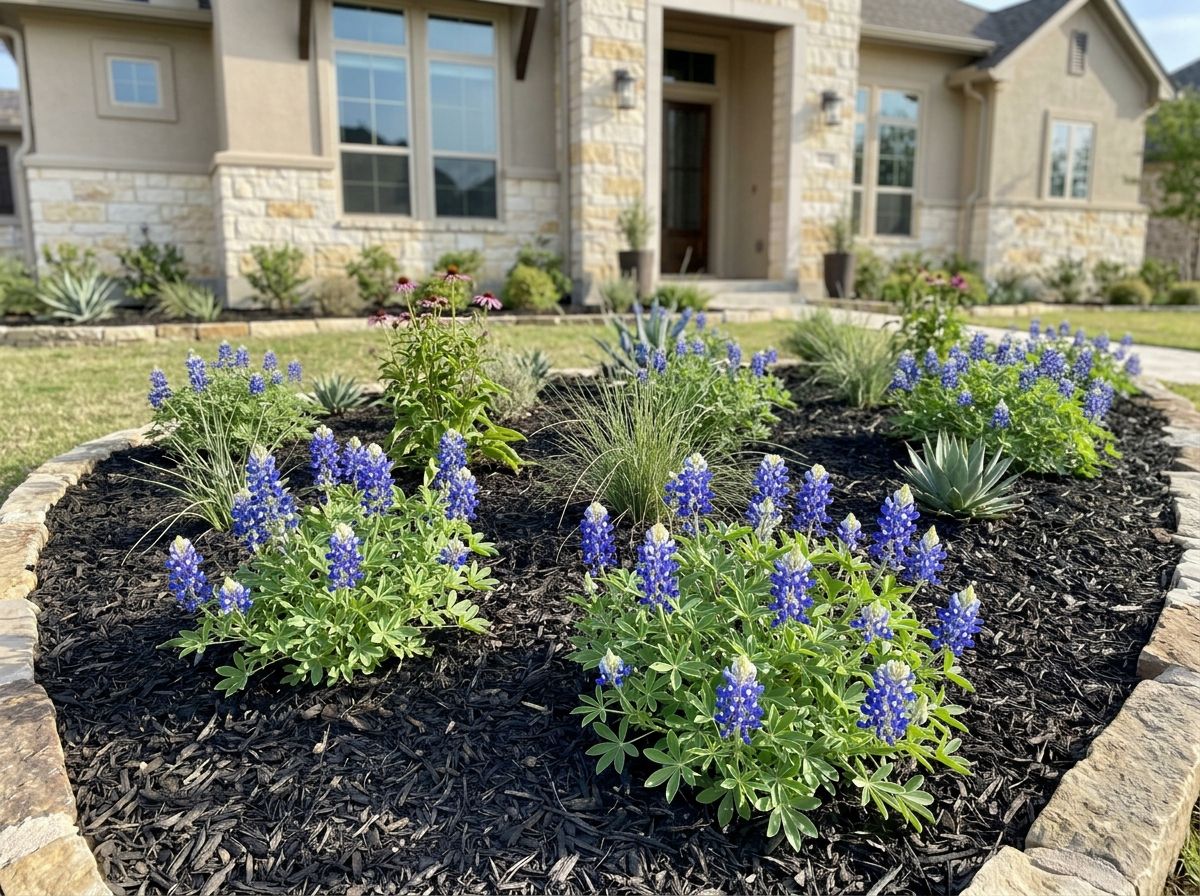
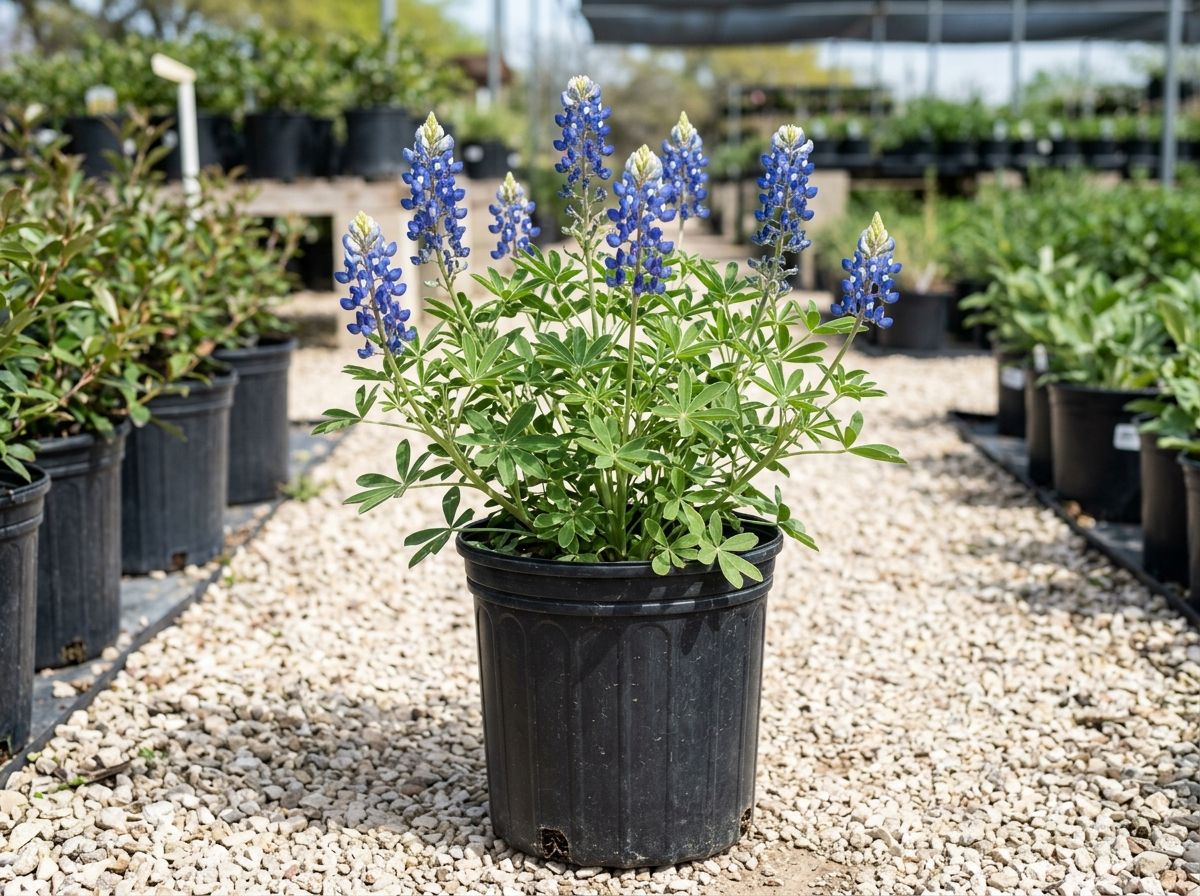
The Bluebonnet, scientifically known as Lupinus texensis, is a striking and iconic plant known for its vibrant blue flowers that can add a splash of color to any landscape. This annual plant typically grows to about 12 to 24 inches in height, creating a beautiful carpet of blue when planted en masse. Key features include its distinct, pea-shaped flowers and silvery-green foliage. Bluebonnets are often used in landscaping for wildflower gardens, meadows, and as eye-catching border accents. Celebrated as a symbol of the Texas landscape, they are perfect for creating naturalistic settings and adding seasonal color to gardens
Care and Maintenance
Bluebonnets require well-drained soil and prefer full sun to thrive, needing at least six hours of direct sunlight daily. Watering should be moderate, as the plant is drought-tolerant once established. Overwatering should be avoided to prevent root rot. Bluebonnets prefer sandy or gravelly soils, which allow their roots to breathe and develop deeply. Pruning is not typically necessary, but deadheading spent flowers can promote a tidier appearance and prevent unwanted reseeding. These plants are generally resistant to most pests and diseases, making them a low-maintenance choice for gardeners.
Additional Local Tips for San Antonio Homeowners
- Planting Time: Sow Bluebonnet seeds in fall (October to November) after the first rains for best germination and spring blooms in San Antonio’s climate.
- Soil Preparation: Bluebonnets prefer slightly acidic to neutral soil (pH 6.0–7.0); to improve drainage, amend heavy clay soils common in the area with sand or organic matter.
- Sun Exposure: Full sun is essential—San Antonio’s strong sunlight encourages robust flowering.
- Watering: Water lightly after planting to encourage germination, then rely on seasonal rains; avoid overwatering as it can cause root rot.
- Maintenance: Allow seed pods to mature and drop naturally to self-seed for next year’s blooms, supporting natural reestablishment in local yards.
Quick Facts
- Hardiness Zones: 8-10
- Growth Rate: Moderate
- Deer Resistance: Partial (They may be nibbled by deer, but generally not favored; “deer resistant” is accurate in most cases)
- Pollinator Attraction: Highly attractive to bees and butterflies
- Special Characteristics: The Official state flower of Texas, known for creating stunning fields of blooms in spring.
Bluebonnets are favored for their ease of growth and minimal maintenance, making them an excellent choice for both novice and experienced gardeners looking to enhance their landscape with a touch of natural beauty.
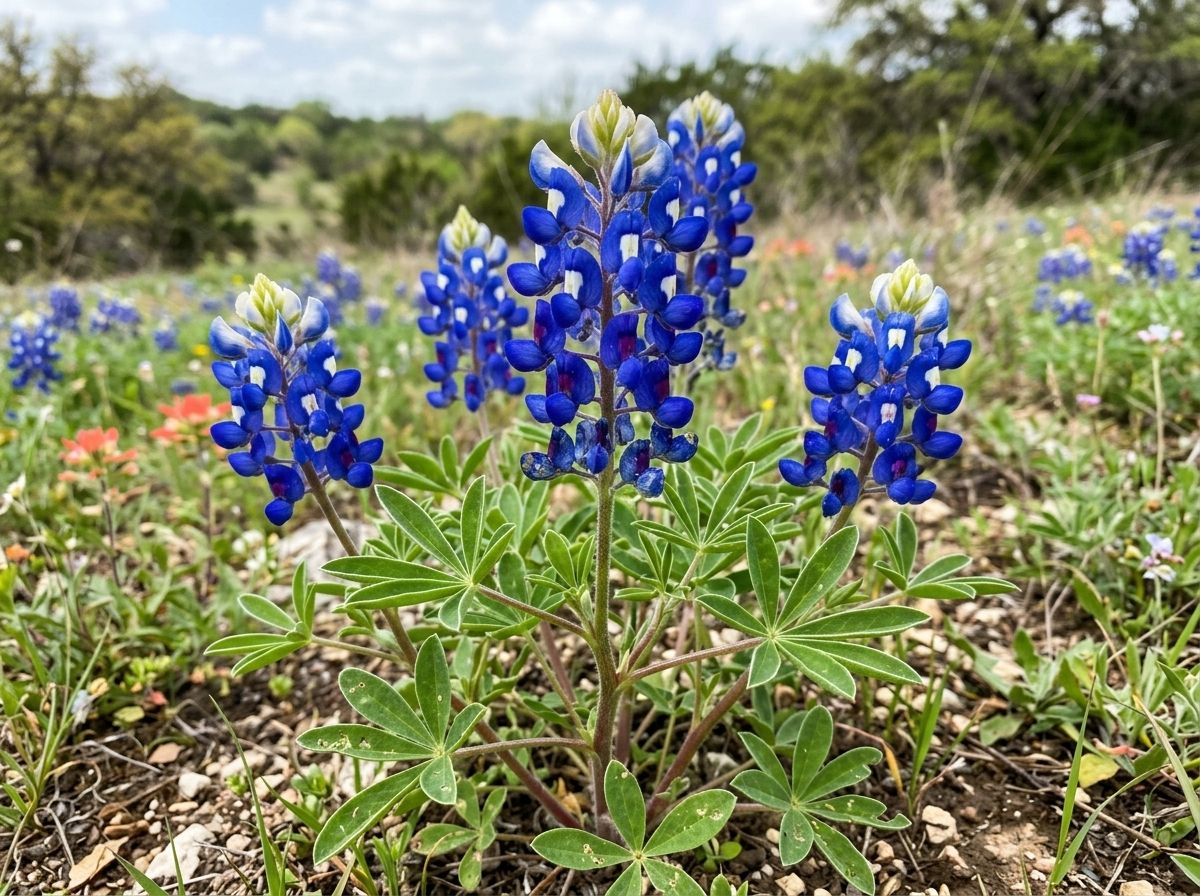
Want this product installed? Check out our page to view pricing and other details.
Related Products
Planting Role / Visual Structure > Focal Plant Palette
Wildlife Garden Blend


Ready When You Are
Get a Clear Plan for Your Yard
Tell us what you’d like to improve. We’ll ask a few questions, review your project, and let you know the best next step — no pressure and no guesswork. Fill out the form for a free quote.