
Trees Black Willow
(Salix nigra)
Other Common Names: Swamp Willow
Butterflies
Deciduous
Fast Growing
Full Sun
Recommended Use: Best used in riparian zones or wet areas needing fast shade and erosion control.
Overview of Black Willow
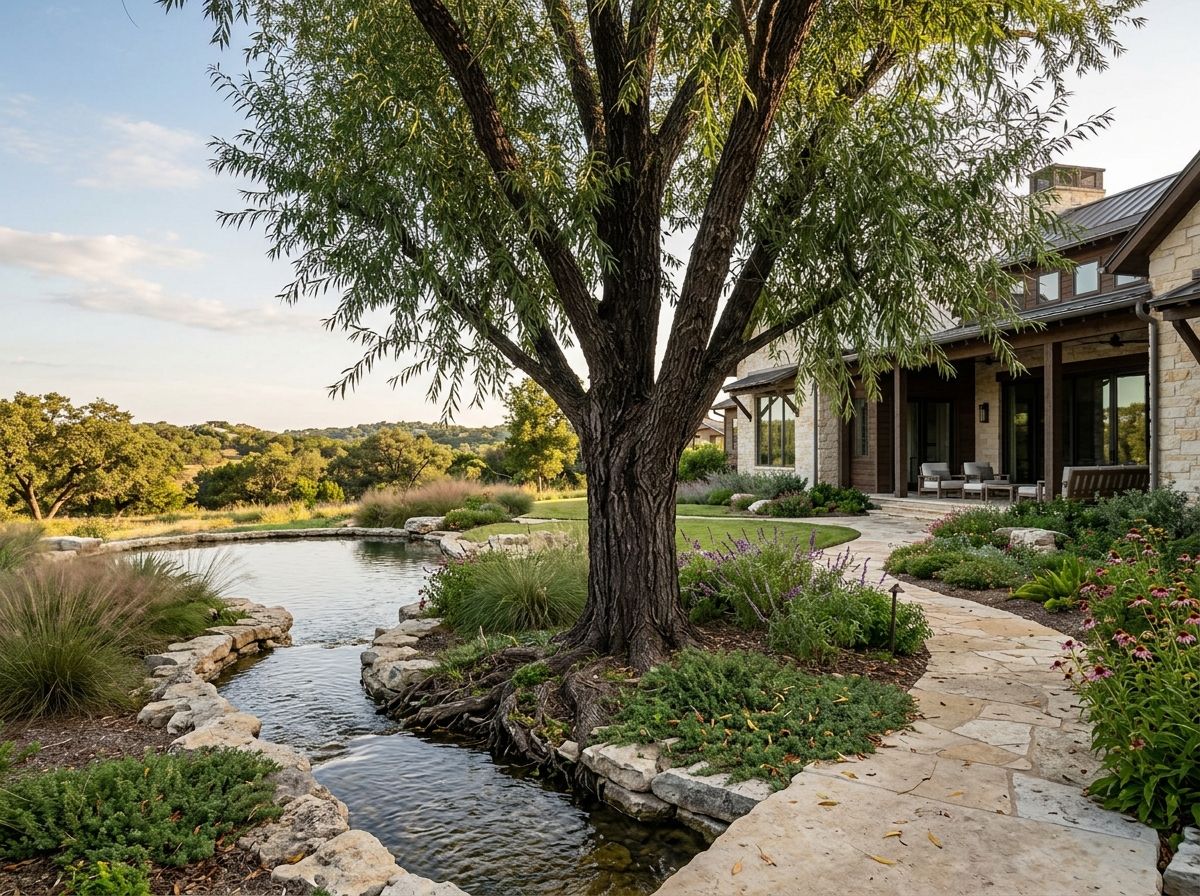
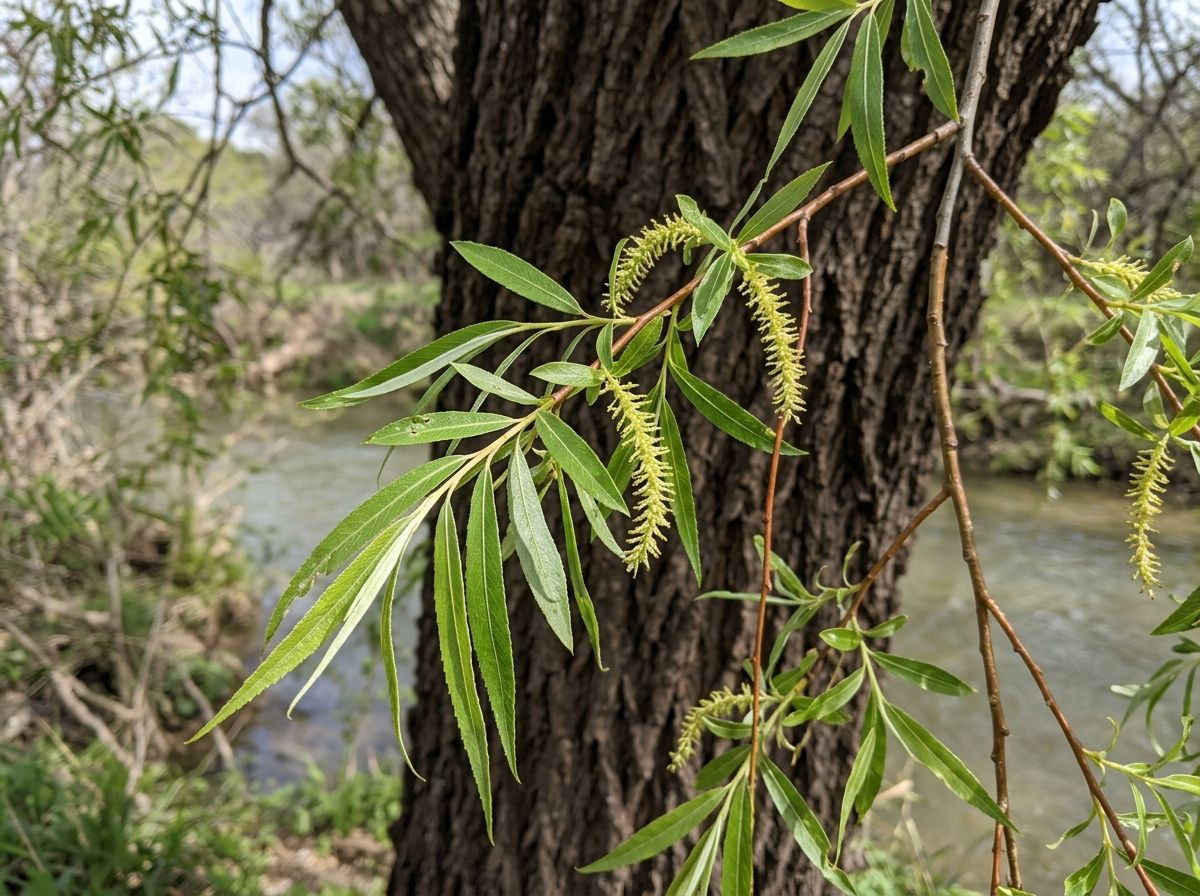
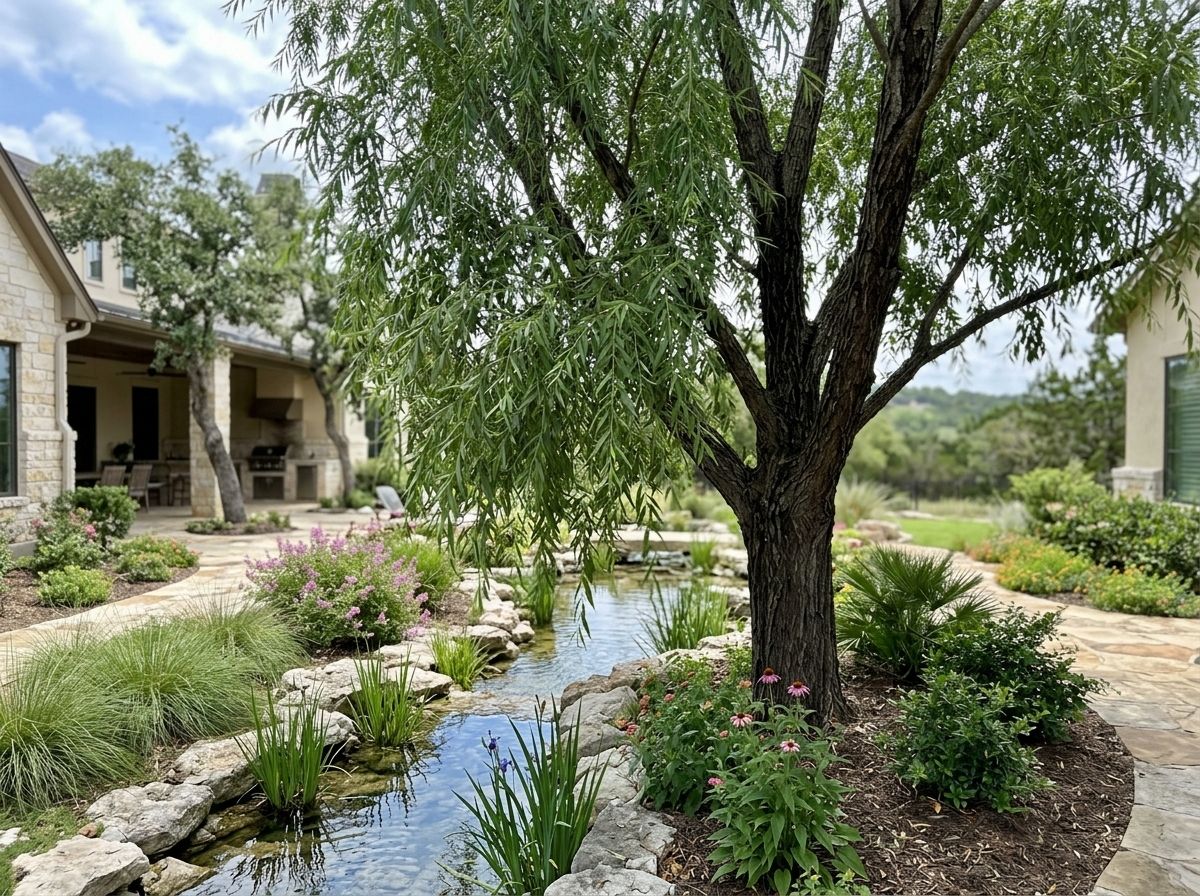
The Black Willow, scientifically known as Salix nigra, is a deciduous tree that can grow up to 30 to 60 feet in height, making it a prominent feature in any landscape. Its slender, lance-shaped leaves are a vibrant green, providing a delicate and airy appearance. Key features of this plant include its rough, dark bark and the graceful silhouette it forms, especially when planted near water bodies. Commonly used in landscaping for erosion control along stream banks and stabilization projects, the Black Willow is a favorite for riparian settings. Its adaptability to wet conditions makes it an excellent choice for creating natural-looking water gardens or enhancing the biodiversity of a property.
Maintenance and Care
The Black Willow thrives in full sun but can tolerate partial shade, making it versatile in its placement in a yard. It prefers moist to wet soils, often thriving best in areas that receive consistent water or in poorly drained soil. Regular watering is crucial, especially during drier periods, to ensure healthy growth. Pruning should be done in late winter or early spring to maintain its shape and remove any dead or damaged branches. While it is relatively resistant to pests and diseases, occasional monitoring is recommended to address any potential issues early. This tree requires minimal maintenance once established, making it a suitable choice for homeowners looking for an attractive yet low-effort plant.
Quick Facts
– Hardiness Zones: 4 to 9
– Growth Rate: Fast, often growing multiple feet per year
– Special Characteristics: Acts as a vital riparian species, offering excellent erosion control
– Deer Resistance: Low, as deer may browse young shoots
– Pollinator Attraction: Supports various wildlife and offers early spring food for bees and other pollinators

Want this product installed? Check out our page to view pricing and other details.
Related Products
Wildlife Garden Blend

Ready When You Are
Get a Clear Plan for Your Yard
Tell us what you’d like to improve. We’ll ask a few questions, review your project, and let you know the best next step — no pressure and no guesswork. Fill out the form for a free quote.