
Trees Honey Locust
(Gleditsia triacanthos)
Other Common Names: Thorny Locust
Bees
Birds
Deciduous
Drought-Tolerant
Full Sun
Recommended Use: Excellent for open shade in parks and large landscapes needing filtered light and drought resistance.
Overview and Features
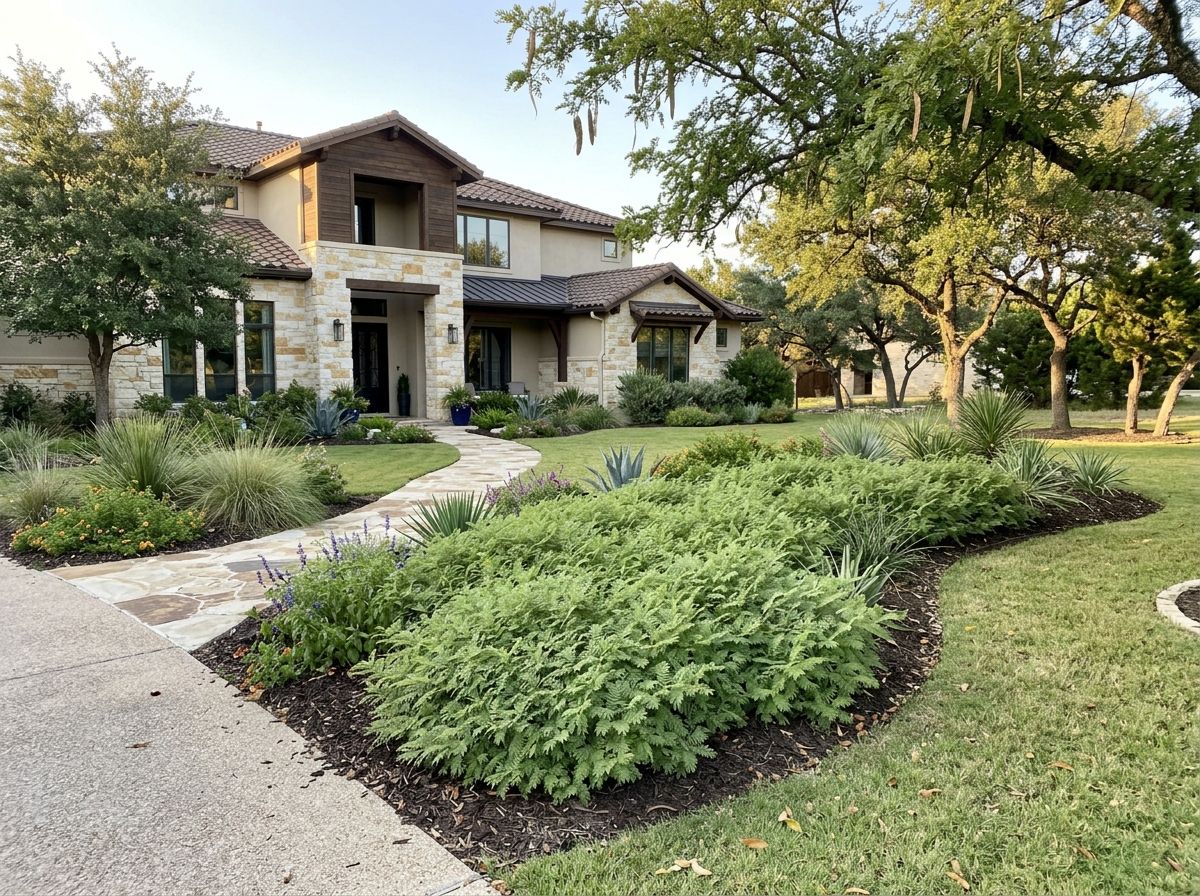
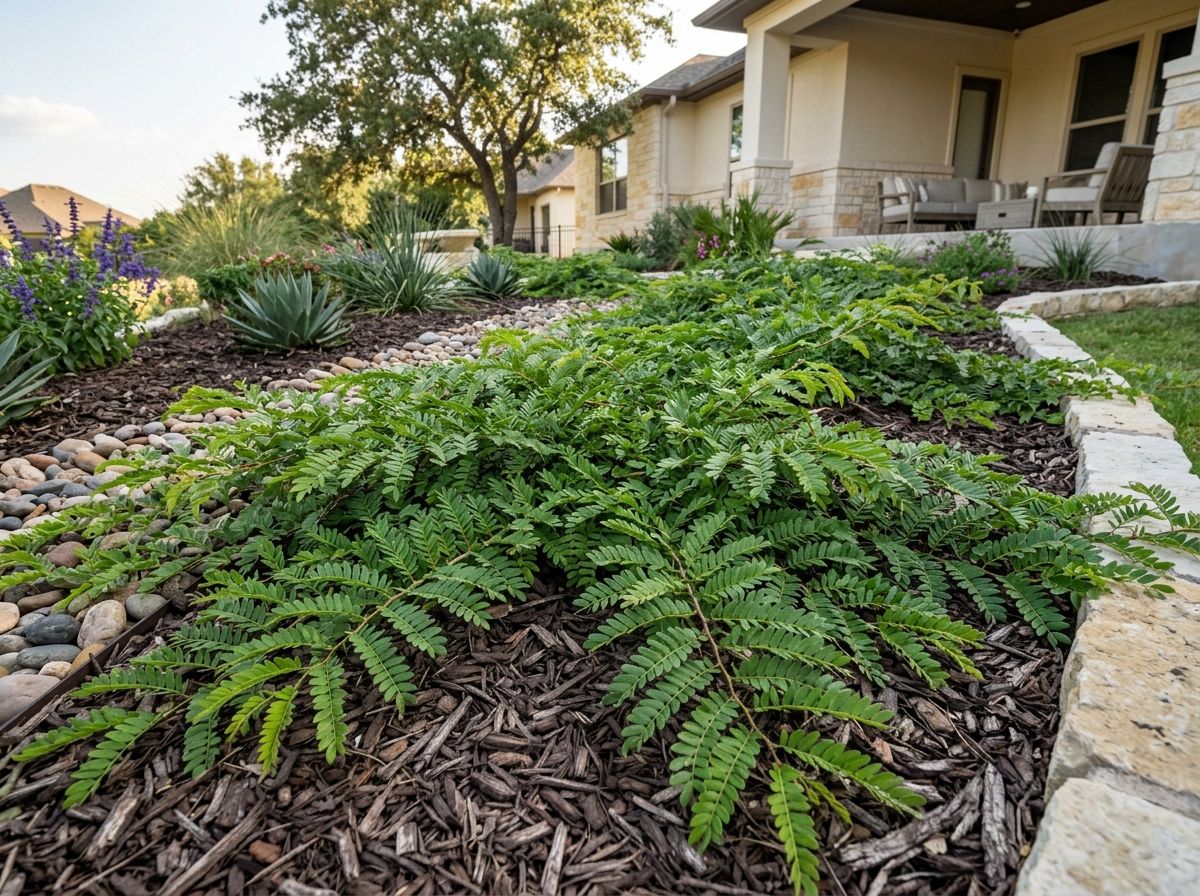
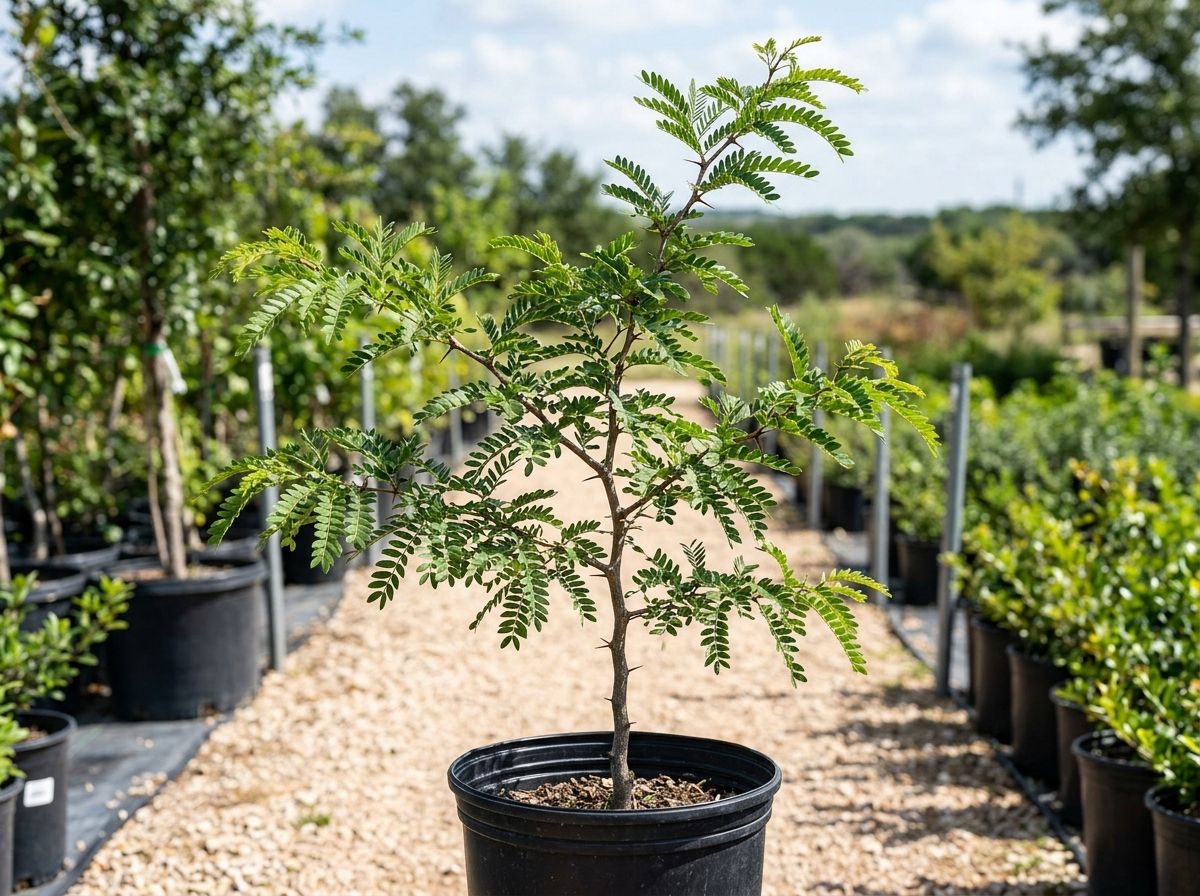
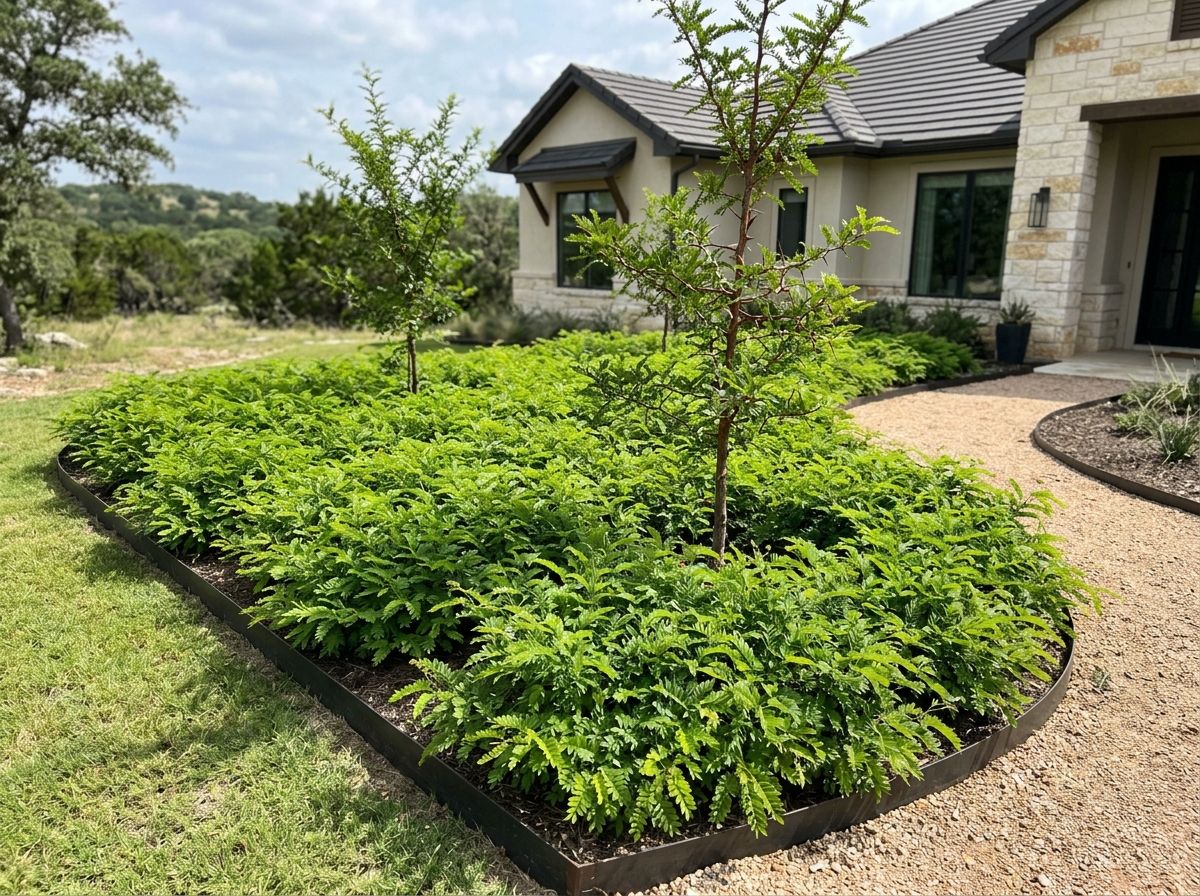
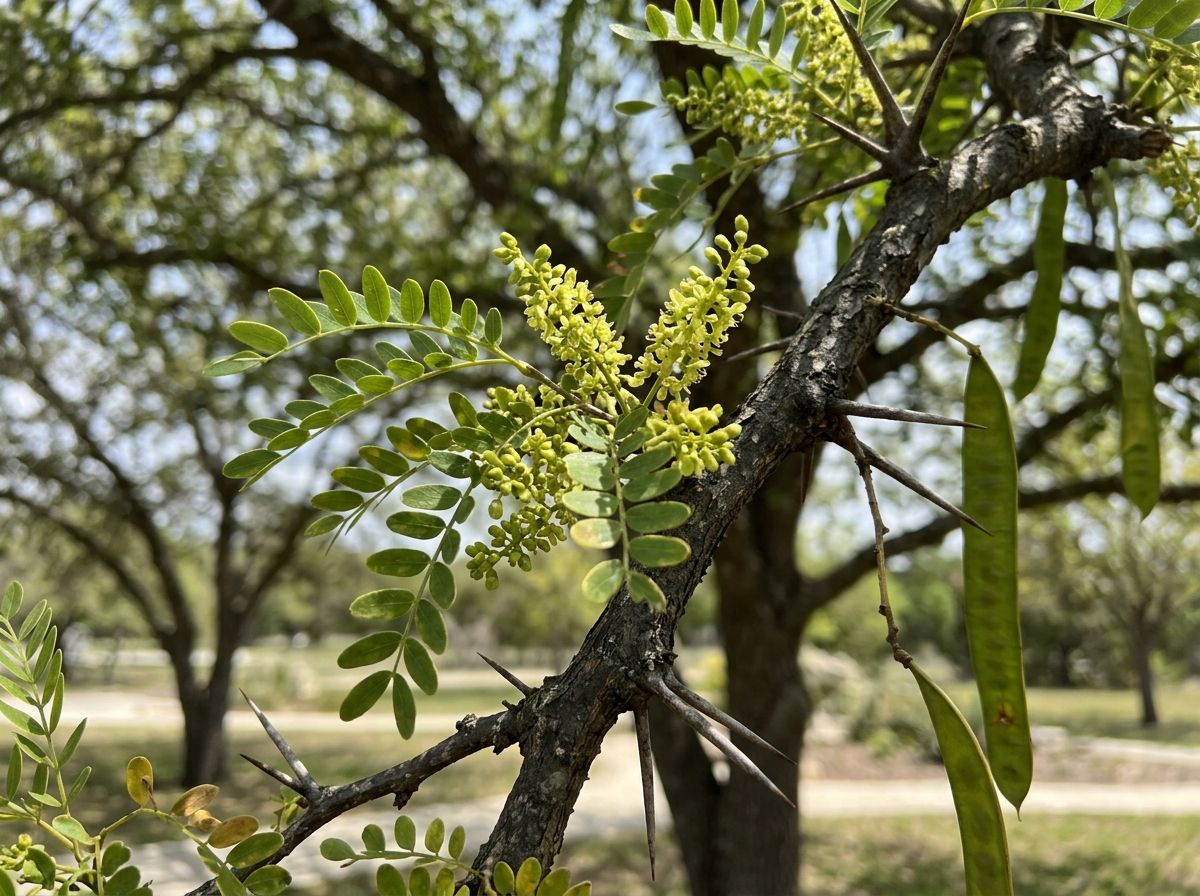
The Honey Locust, scientifically known as Gleditsia triacanthos, is a versatile deciduous tree commonly used in landscaping due to its elegant appearance and functional attributes. This tree can grow between 30 and 70 feet tall, often developing a graceful, open canopy that provides dappled shade. The leaves are small, compound, and finely textured, turning a vibrant yellow in the fall, adding seasonal interest to any garden. One of the key features of the Honey Locust is that there are thornless varieties available, which makes it a preferred choice for residential landscapes. It is frequently utilized for creating shade in large yards, parks, and street sides due to its rapid growth and minimal maintenance needs.
Maintenance and Care
Honey Locust trees are known for their adaptability, making them relatively easy to maintain. They prefer full sun to partial shade and require well-drained soil, although they can tolerate a variety of soil conditions, including poor and alkaline soils. When it comes to watering, these trees are drought-tolerant once established but benefit from regular watering during prolonged dry spells. Pruning should be done in late winter to early spring to maintain their shape and remove any dead or crossing branches. The Honey Locust is quite resilient to pests and diseases, though occasional issues can arise, regular inspections can help address any problems early.
Quick Facts
– Hardiness Zones: 3 to 9
– Growth Rate: Fast
– Special Characteristics: Thornless varieties available, deciduous
– Sunlight: Prefers full sun to partial shade
– Soil Preference: Well-drained, tolerant of various soil types
– Watering: Drought-tolerant once established
– Pest and Disease Resistance: Generally resilient
– Attracts: Provides light shade but not typically noted for pollinator attraction
– Deer Resistance: Moderate resistance, but not deer-proof
Want this product installed? Check out our page to view pricing and other details.
Related Products
Planting Role / Visual Structure > Focal Plant Palette
Ready When You Are
Get a Clear Plan for Your Yard
Tell us what you’d like to improve. We’ll ask a few questions, review your project, and let you know the best next step — no pressure and no guesswork. Fill out the form for a free quote.