
Small Trees Bluewood Condalia
(Condalia hookeri)
Other Common Names: Bluewood, False Logwood, Brasil
Birds
Drought-Tolerant
Evergreen
Full Sun
Recommended Use: Best for low-maintenance wildlife gardens needing a rugged, drought-hardy small tree.
Introduction
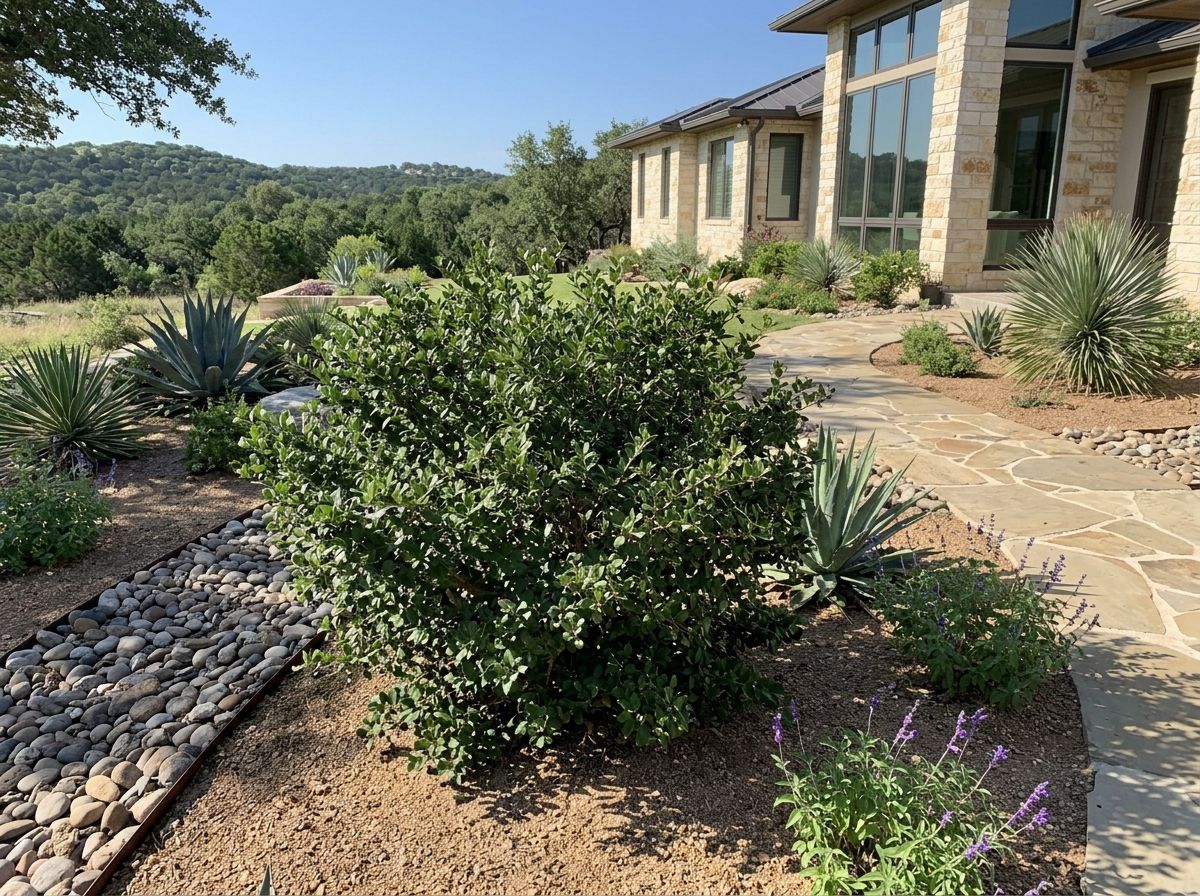
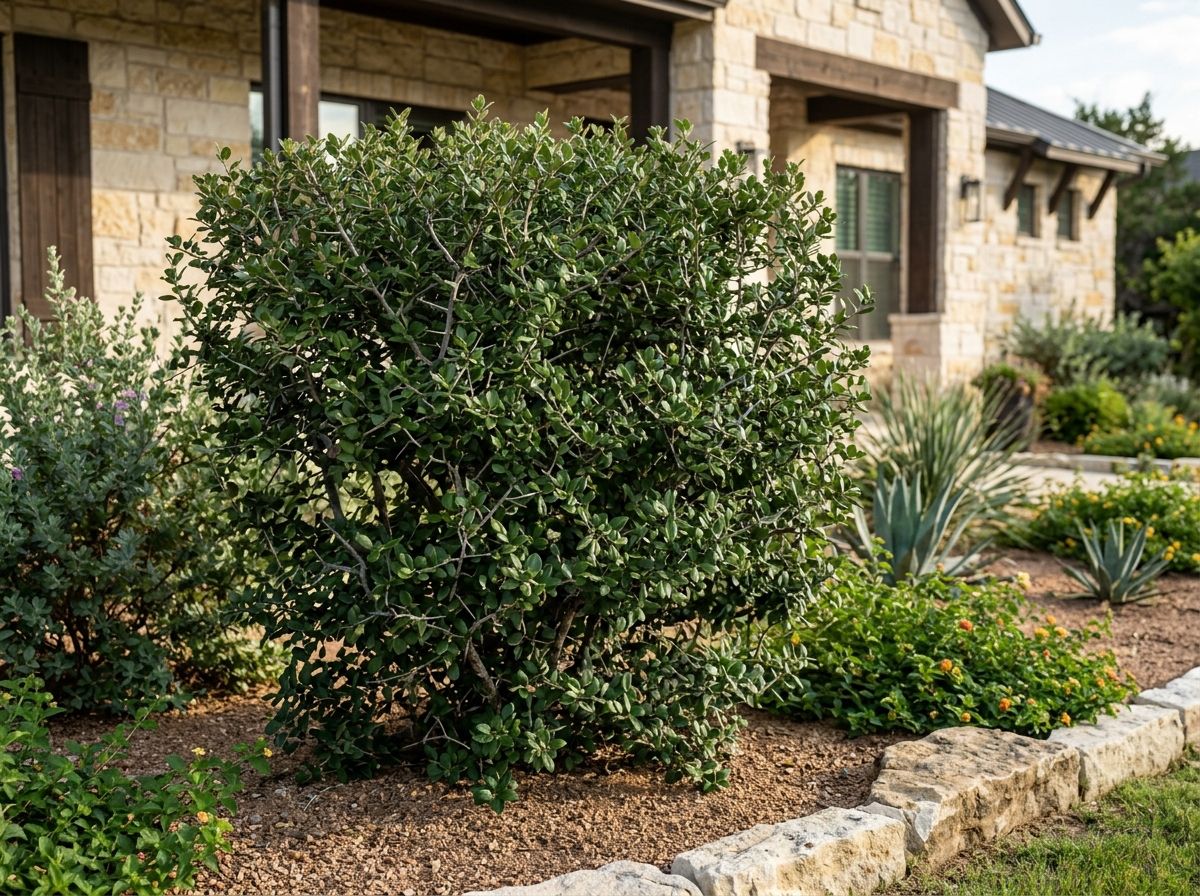
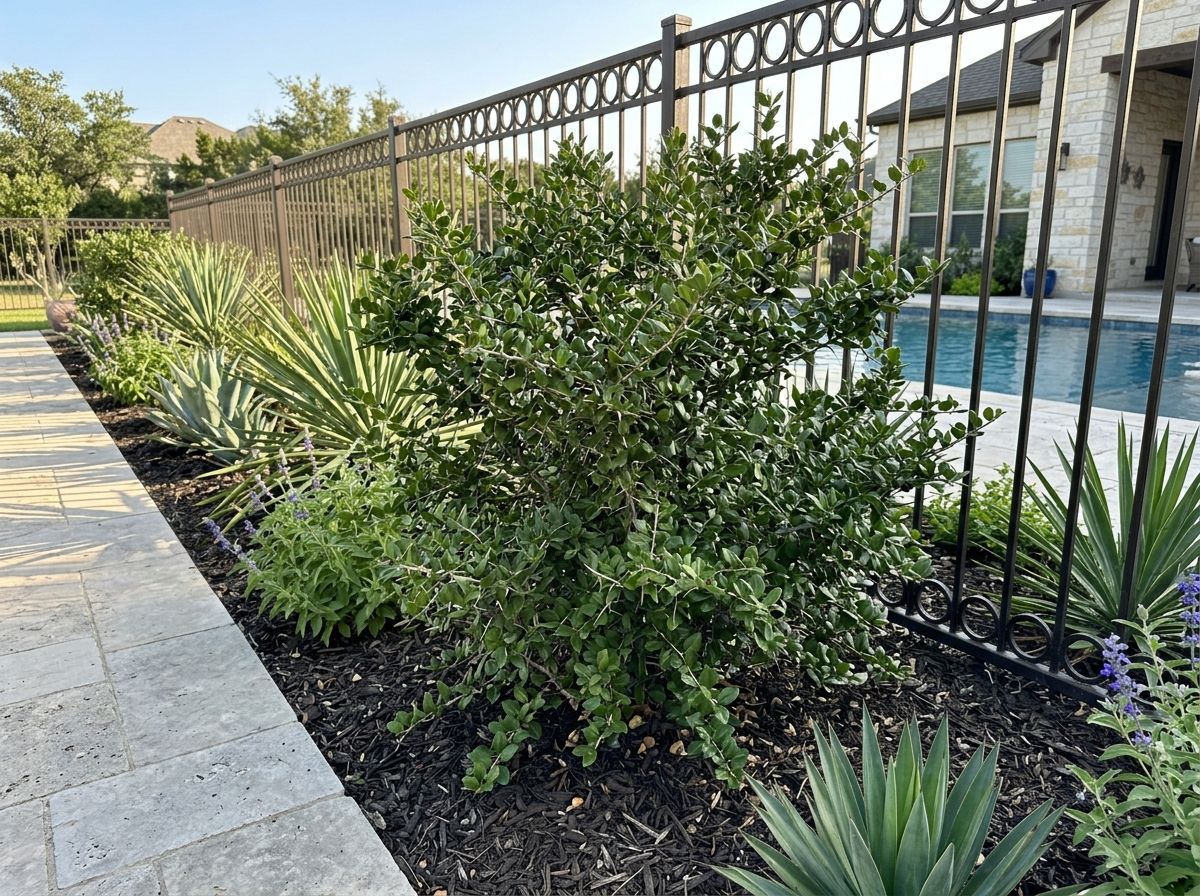
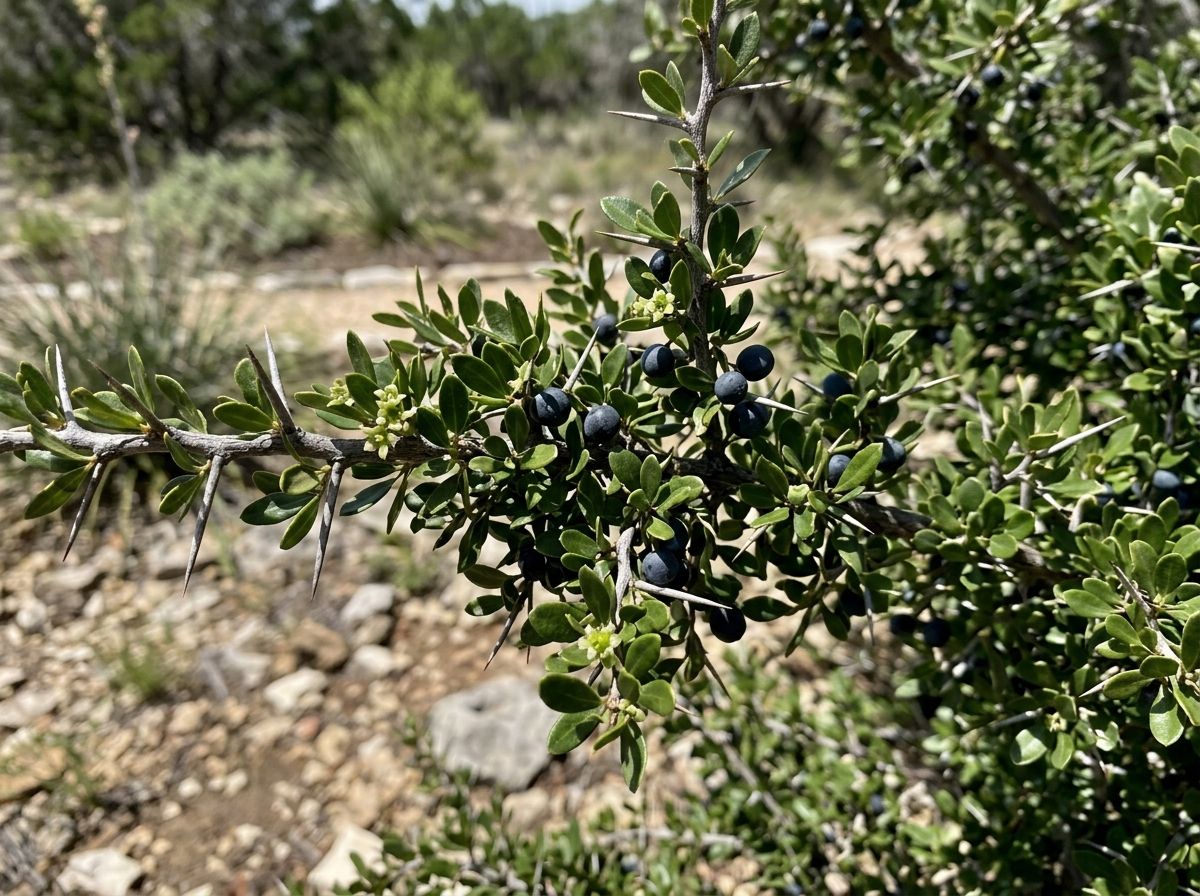
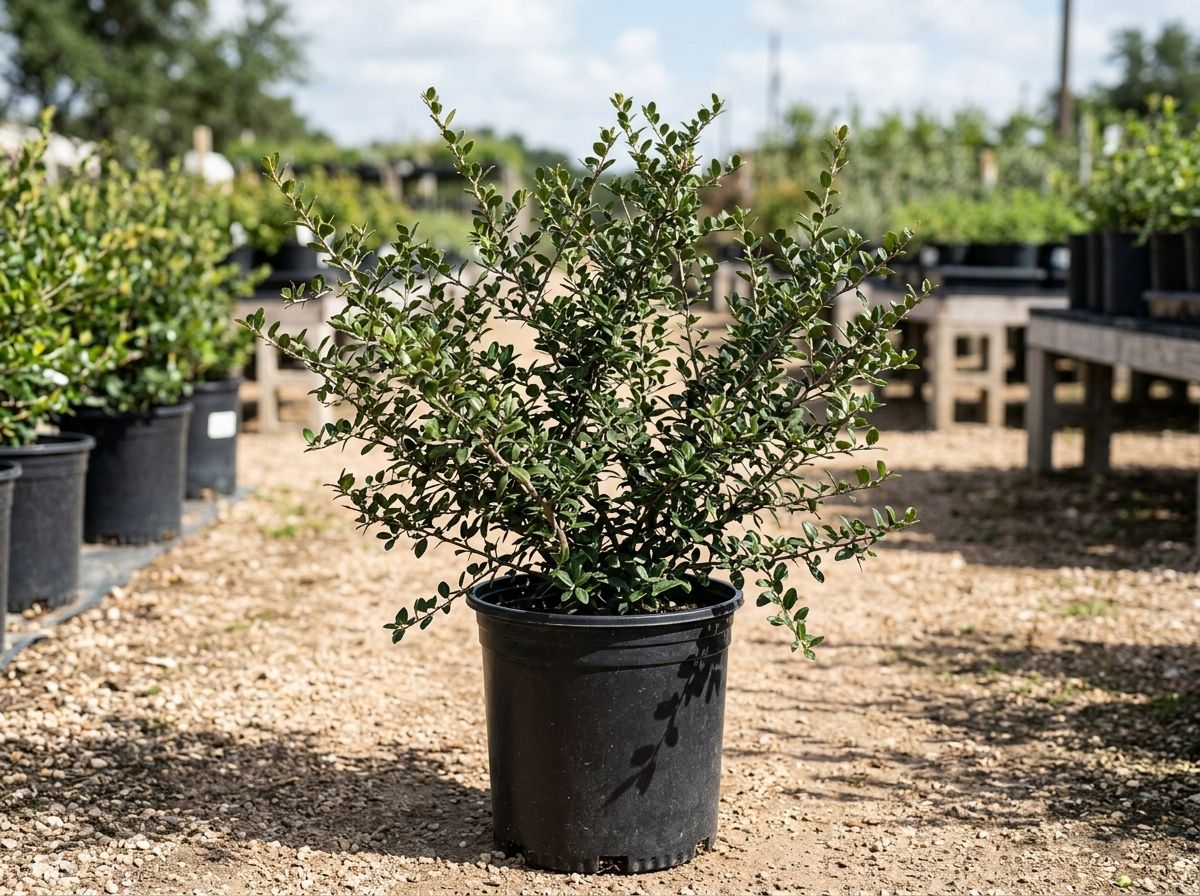
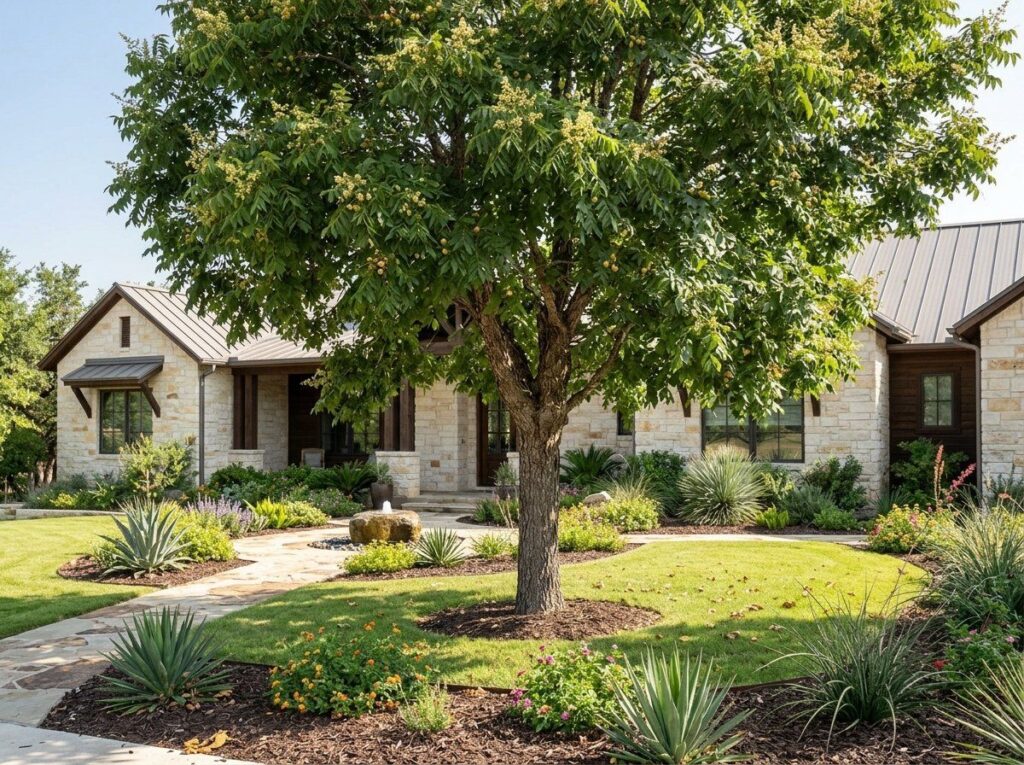
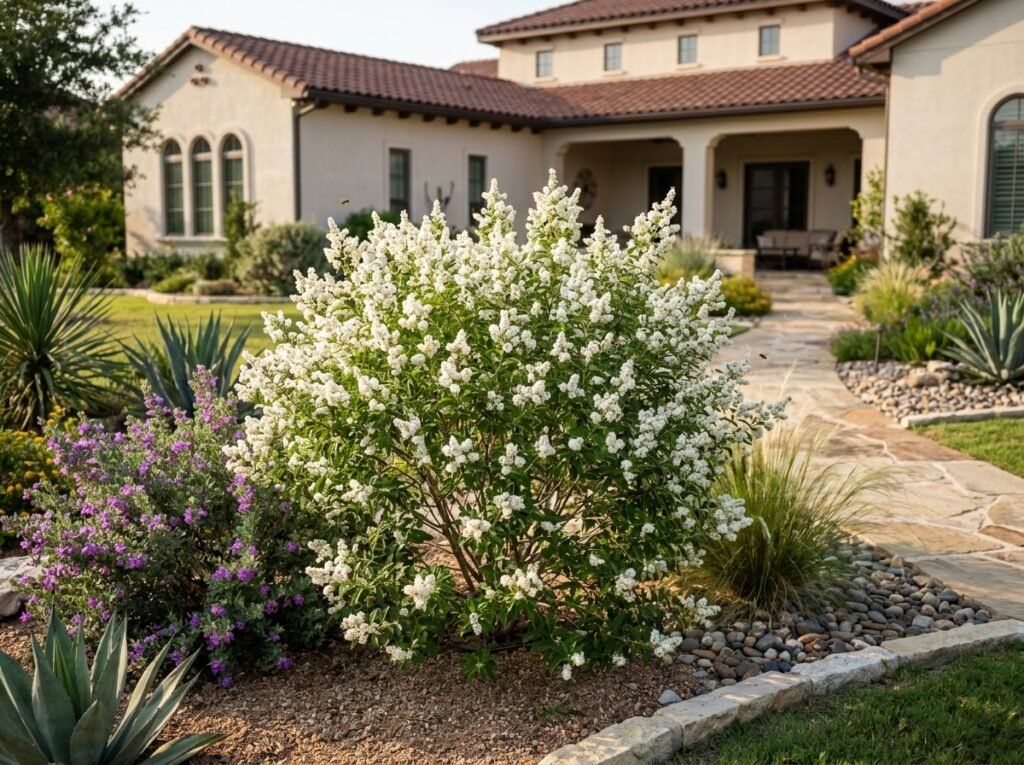
The Bluewood Condalia, scientifically known as Condalia hookeri, is an attractive evergreen shrub or small tree that brings unique appeal to landscaping projects. It features delicate, fine-textured foliage that gives it a soft, inviting appearance. Typically reaching a height of 10 to 15 feet and a spread of 6 to 10 feet, its small, glossy leaves provide a lush, green backdrop in any garden setting. This plant is highly valued for its versatility as it can be used in a variety of landscaping roles, from acting as a natural privacy screen or windbreak to being a good shade provider. Its ornamental appeal is further enhanced by its small, blackish berries, which may appear in late summer.
Maintenance
The Bluewood Condalia is renowned for being very drought-tolerant, requiring minimal watering once established. It thrives in well-drained soils and can adapt to a range of soil types, including sandy or rocky conditions. For sunlight, it prefers full sun but can also tolerate partial shade, making it a flexible choice for different garden spots. Pruning is generally minimal, though occasional trimming can help maintain its desired shape and remove any dead or damaged branches. This hardy plant exhibits strong resistance to pests and diseases, making it a low-maintenance option for homeowners seeking an easy-to-care-for landscape addition.
Additional Beneficial Information for San Antonio Homeowners
- Soil Preferences: Prefers well-drained, sandy or rocky soils typical of the San Antonio area; tolerates alkaline soils common in Central Texas.
- Drought Adaptation: Excellent choice for xeriscaping due to its deep root system and ability to thrive with minimal supplemental watering during Texas dry spells.
- Heat Tolerance: Thrives in the intense summer heat of San Antonio, maintaining foliage and structure even under prolonged high temperatures.
- Wildlife Value: Attracts native birds and pollinators, which helps support local ecosystems and biodiversity in urban landscapes.
- Landscape Uses: Effective as a natural barrier or privacy screen along property lines due to its dense, thorny growth habit; also suitable for erosion control on slopes.
- Maintenance Tips: Prune in late winter or early spring to encourage dense growth and remove any dead wood, optimizing appearance and health.
Quick Facts
- Hardiness Zones: Suitable for zones 8-10
- Growth Rate: Moderate, allowing for easy management in landscaped settings
- Special Characteristics: Offers impressive drought tolerance and serves as a good shade tree
- Deer Resistance: Generally resistant to deer, making it a reliable choice in areas with wildlife
- Pollinator Attraction: Its flowers may attract local pollinators, contributing to the biodiversity of your garden.
Want this product installed? Check out our page to view pricing and other details.
Related Products
Planting Role / Visual Structure > Evergreen Backbone
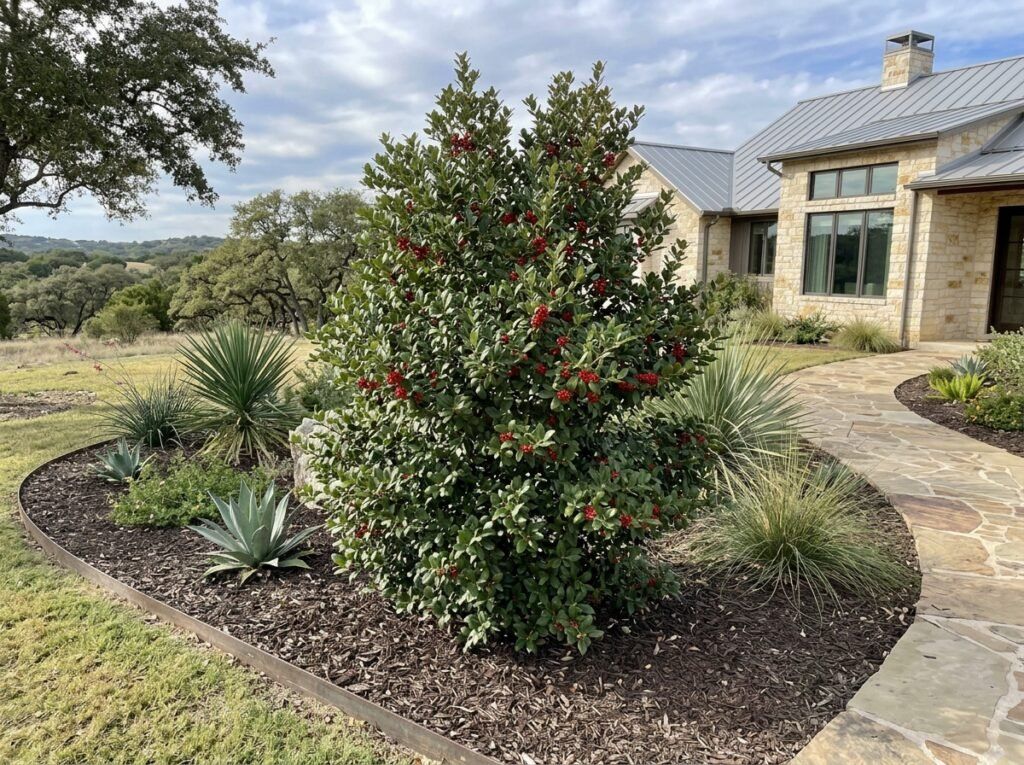
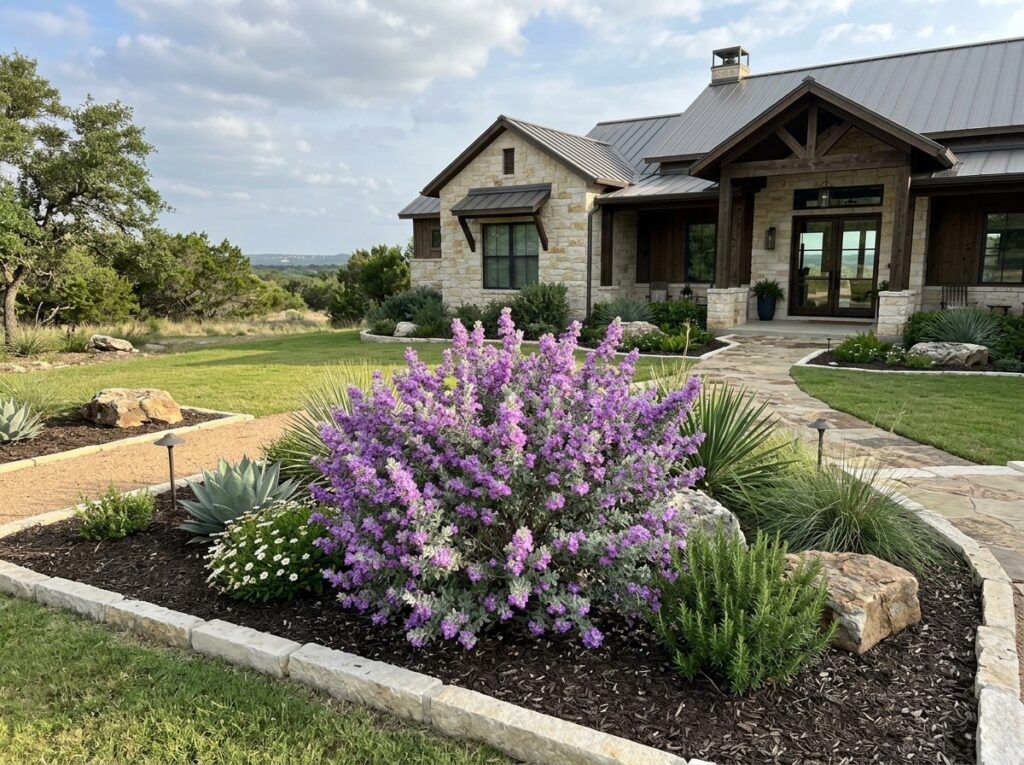
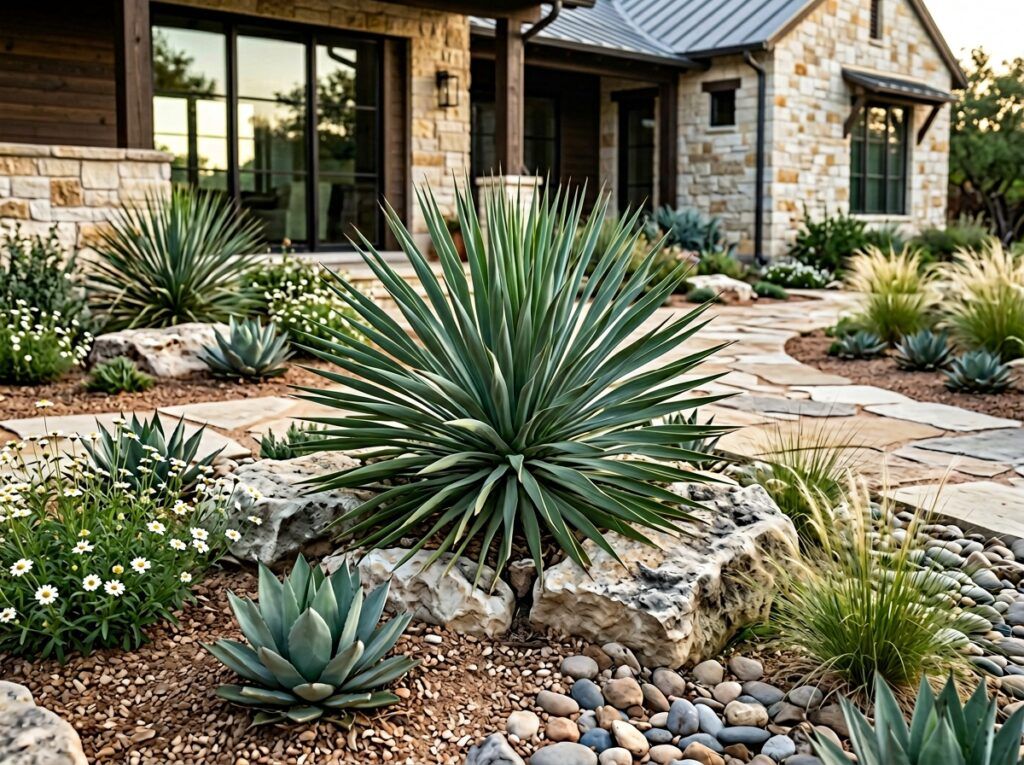
Wildlife Garden Blend
Ready When You Are
Get a Clear Plan for Your Yard
Tell us what you’d like to improve. We’ll ask a few questions, review your project, and let you know the best next step — no pressure and no guesswork. Fill out the form for a free quote.