
Subshrubs Pigeonberry
(Rivina humilis)
Other Common Names: Rouge Plant, Baby Peppers
Birds
Butterflies
Deciduous
Flowering
Partial Sun
Recommended Use: Best for shady woodland gardens needing native groundcover with seasonal berries.
Introduction to Pigeonberry
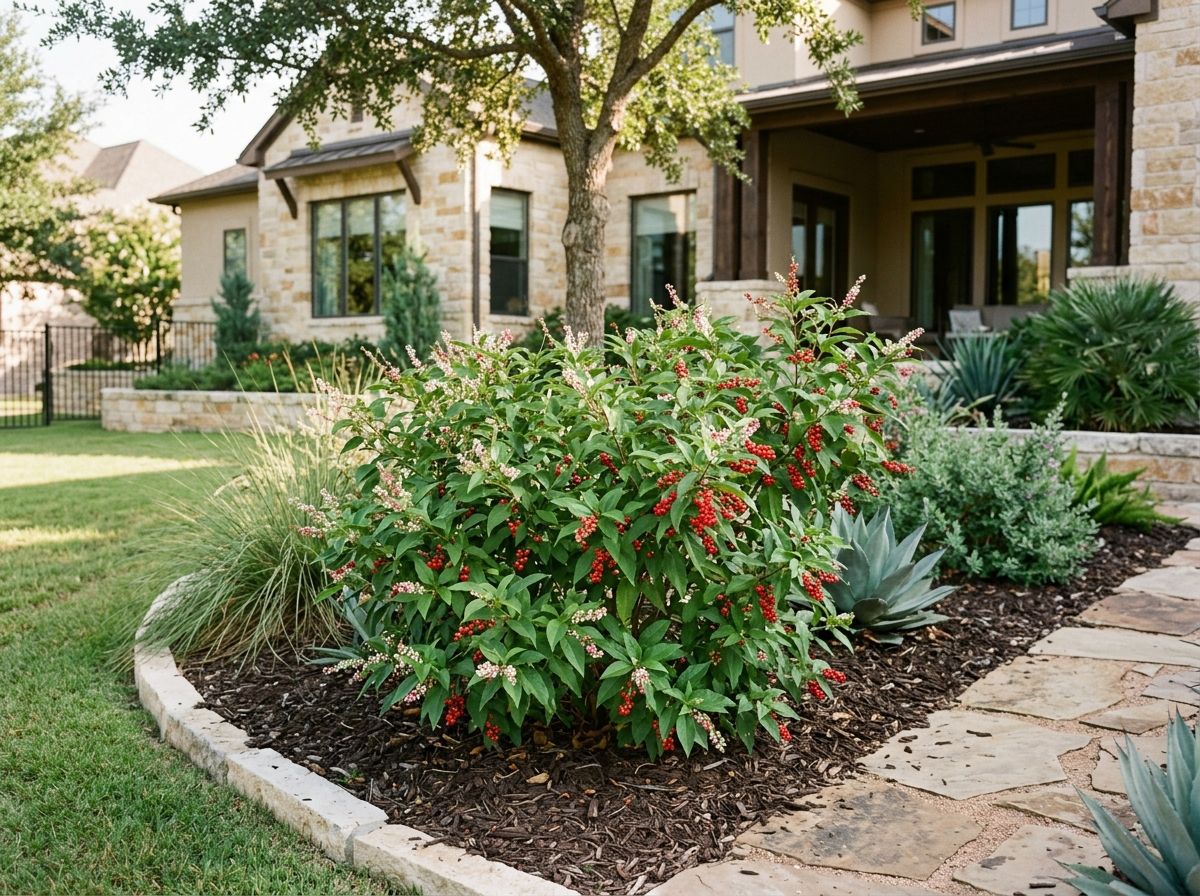
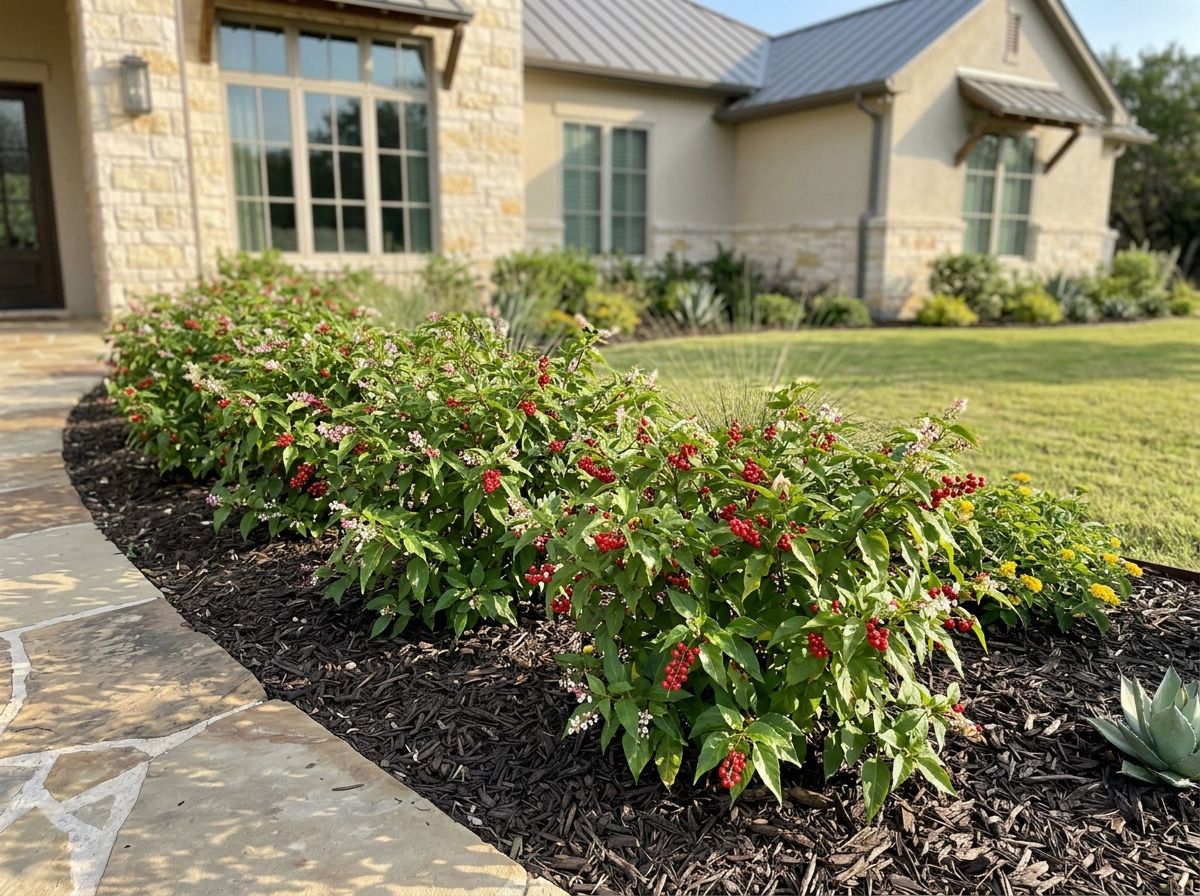
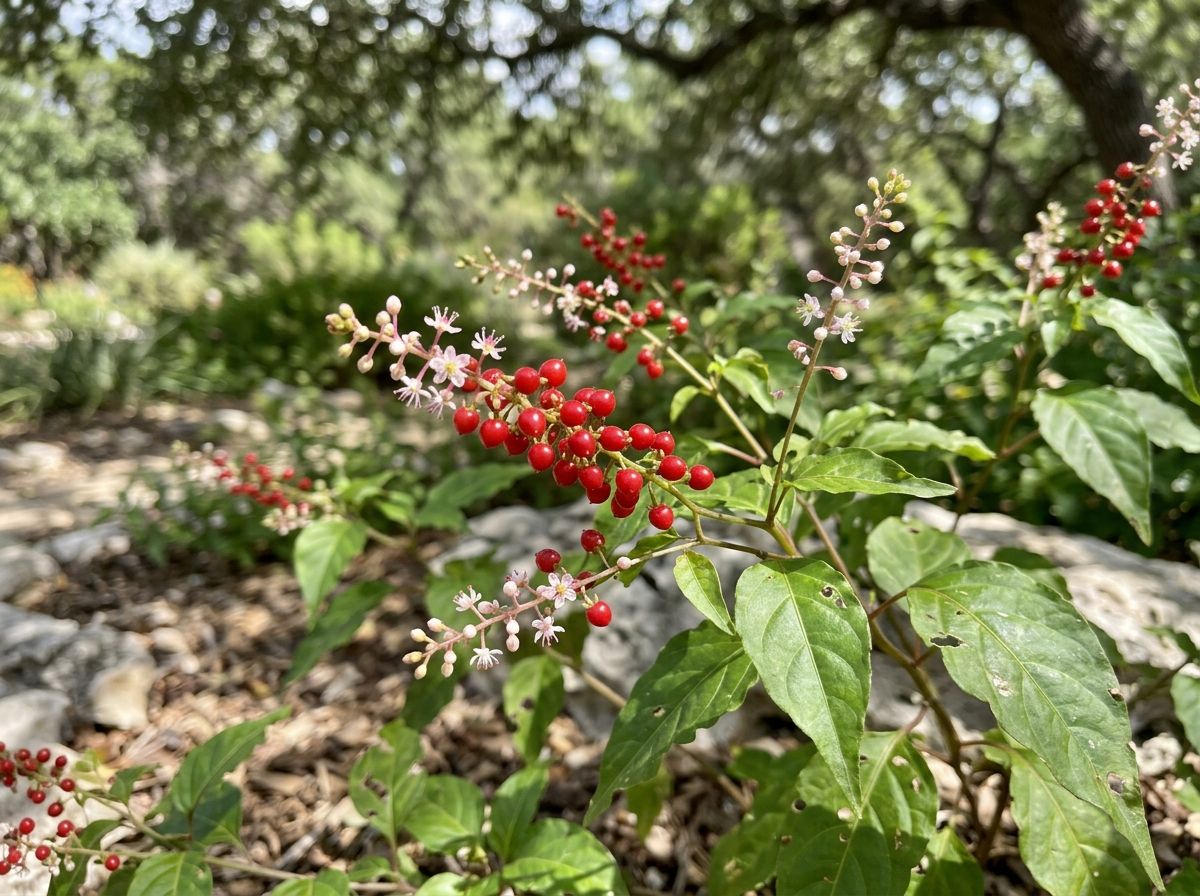
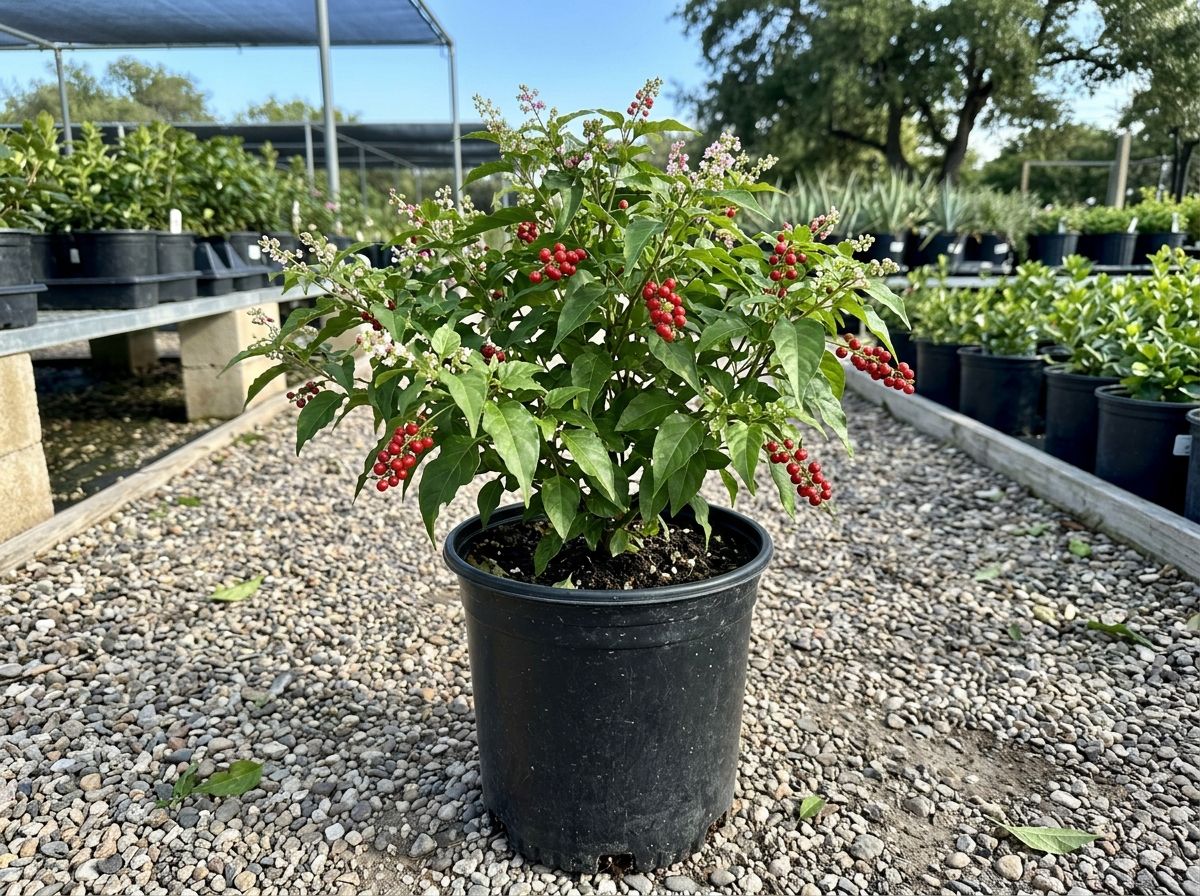
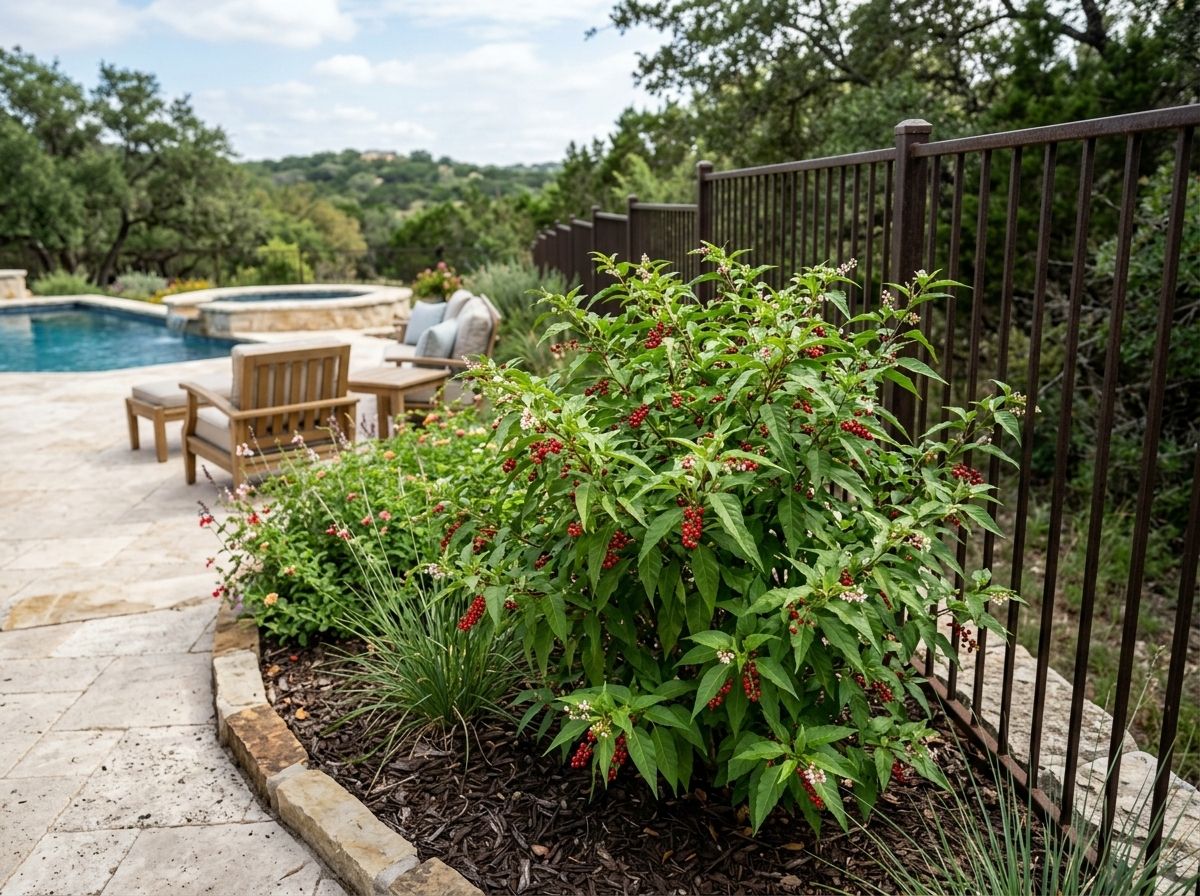
The Pigeonberry, scientifically known as Rivina humilis, is a charming semi-evergreen shrub that adds a subtle splash of color to any landscape. Typically growing to about 1 to 3 feet in height, this plant is recognized for its clusters of small, white to pinkish flowers, which beautifully contrast with its bright red berries. The oval leaves are a vibrant green, providing a lush backdrop throughout most of the year. Pigeonberry is often used in shaded gardens, borders, or as a ground cover, especially because of its ability to brighten dimly lit areas with minimal effort.
Maintenance
Pigeonberry requires moderate watering; it thrives with regular moisture but can tolerate short periods of drought once established. It prefers partial to full shade, making it an excellent choice for areas with limited sunlight. The plant is not particularly fussy about soil and can adapt to various soil types, although it does best in well-draining soil. Pruning is rarely necessary but can be done to maintain shape or remove dead foliage. Notably, Pigeonberry is fairly resistant to pests and diseases, making it a relatively low-maintenance choice for gardeners.
Quick Facts
– Hardiness Zones: 8-11
– Growth Rate: Moderate
– Special Characteristics: Deer resistant, attracts birds, and provides nectar for pollinators such as bees and butterflies.
Want this product installed? Check out our page to view pricing and other details.
Related Products
Planting Role / Visual Structure > Softening / Groundcover Blend
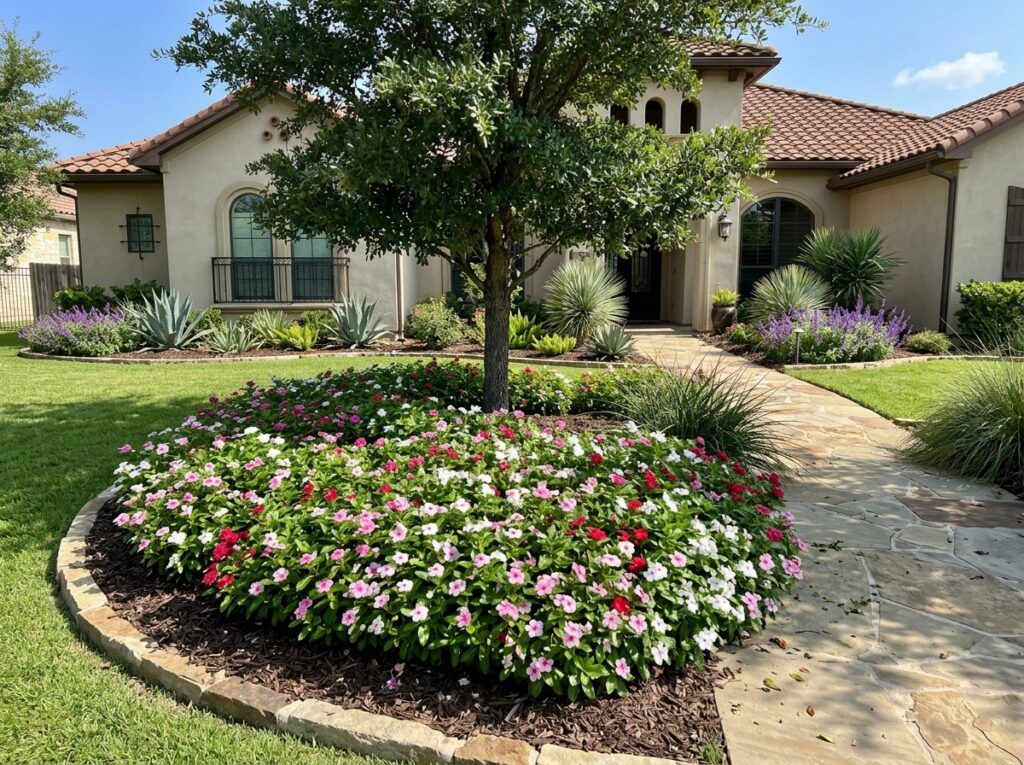

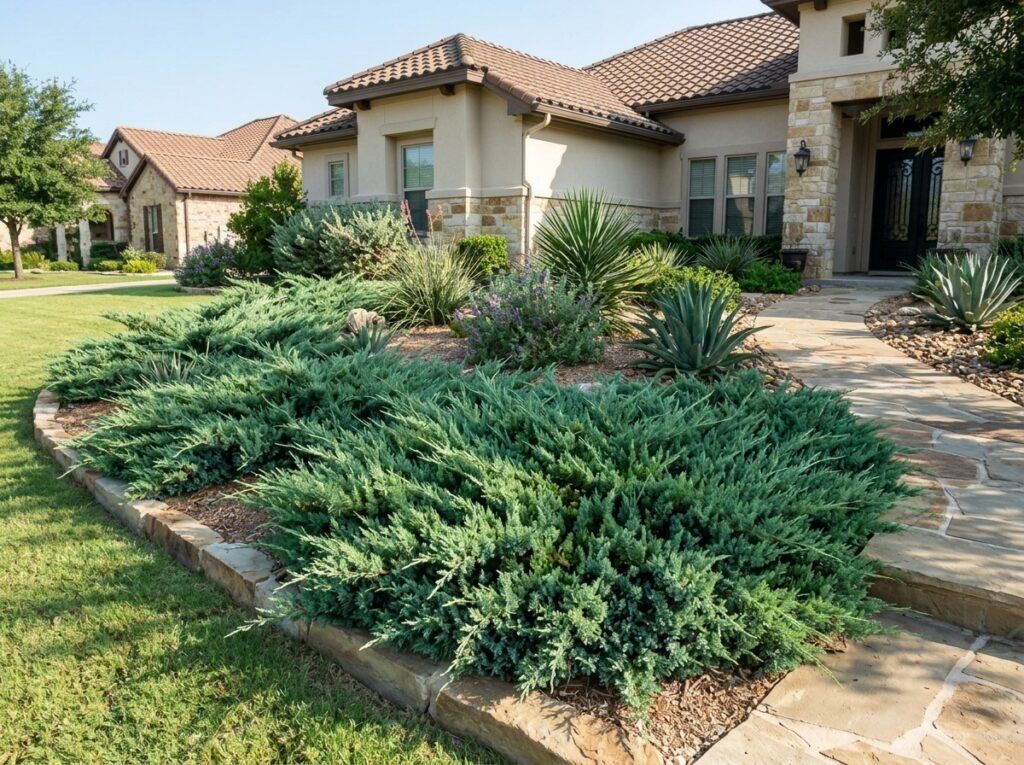
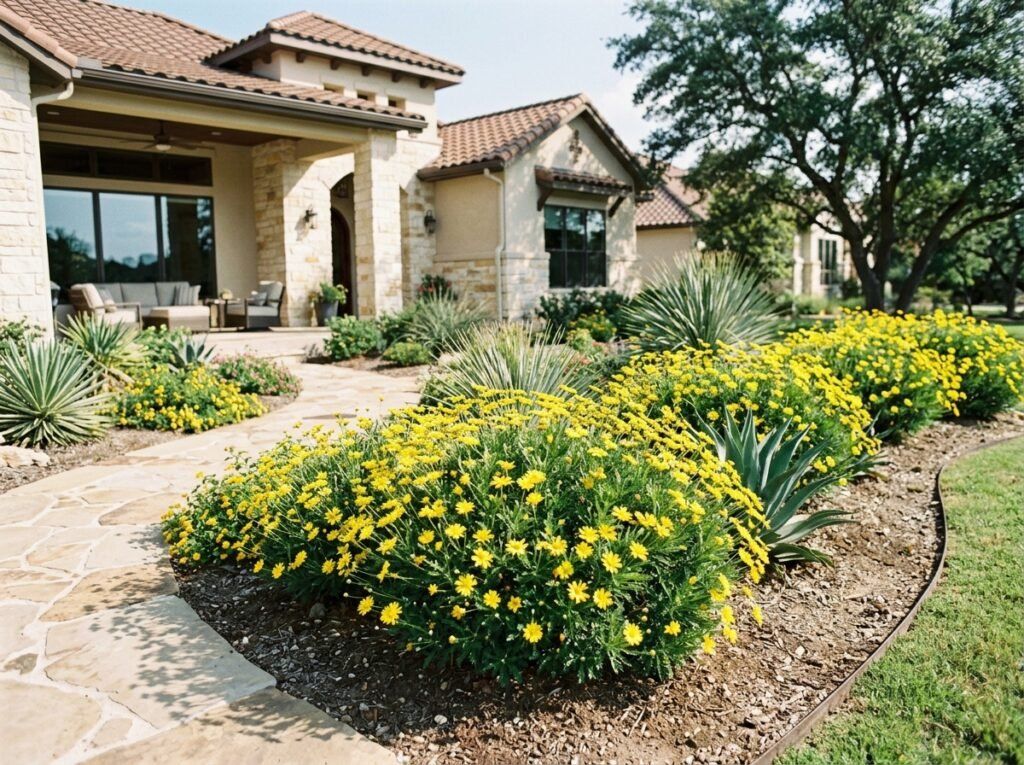
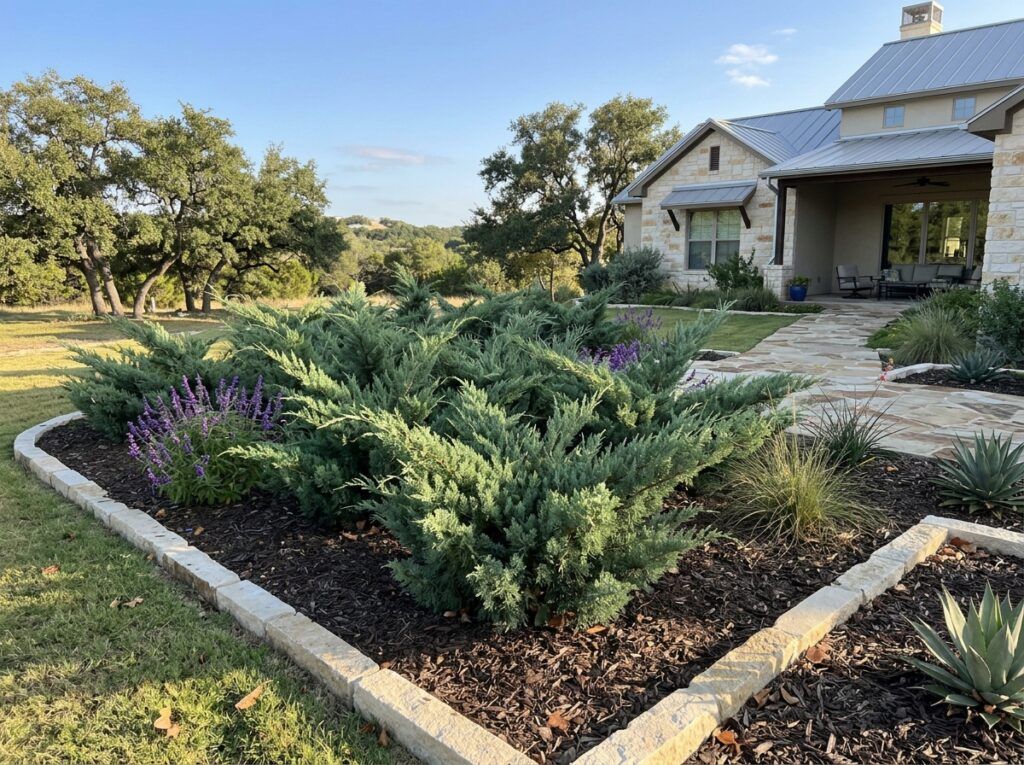

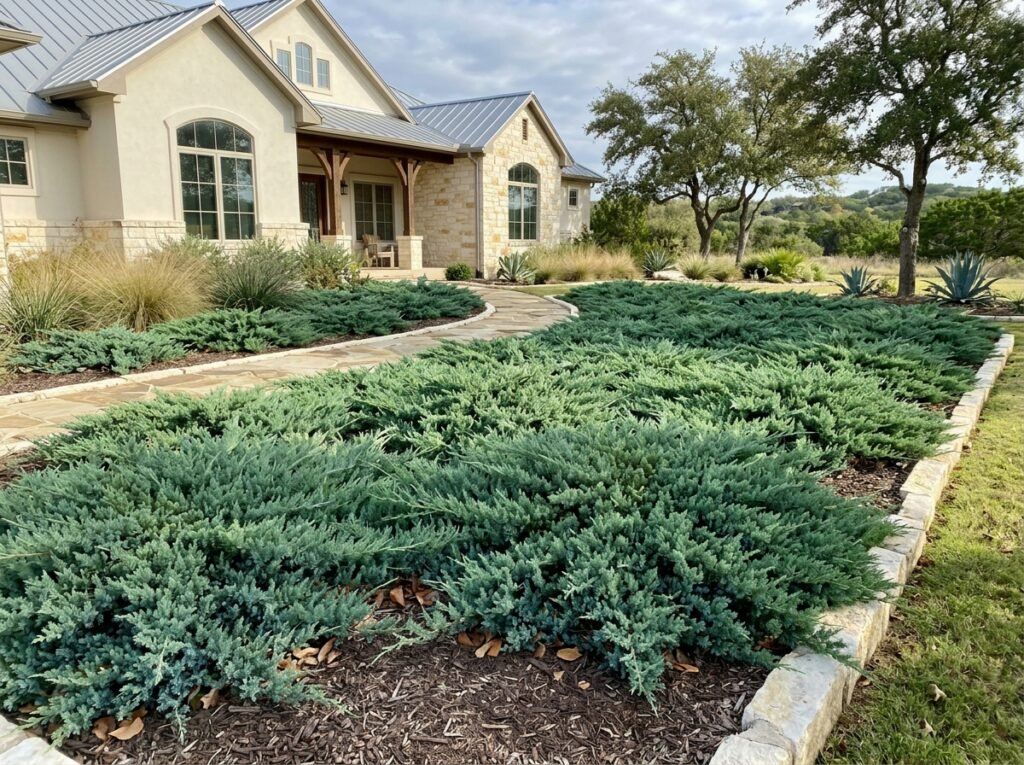
Wildlife Garden Blend

Ready When You Are
Get a Clear Plan for Your Yard
Tell us what you’d like to improve. We’ll ask a few questions, review your project, and let you know the best next step — no pressure and no guesswork. Fill out the form for a free quote.