
Aquatics Pickerelweed
(Pontederia cordata)
Other Common Names: Pickerel Rush, Pickerel Weed, Wampee
Bees
Butterflies
Deciduous
Flowering
Full Sun
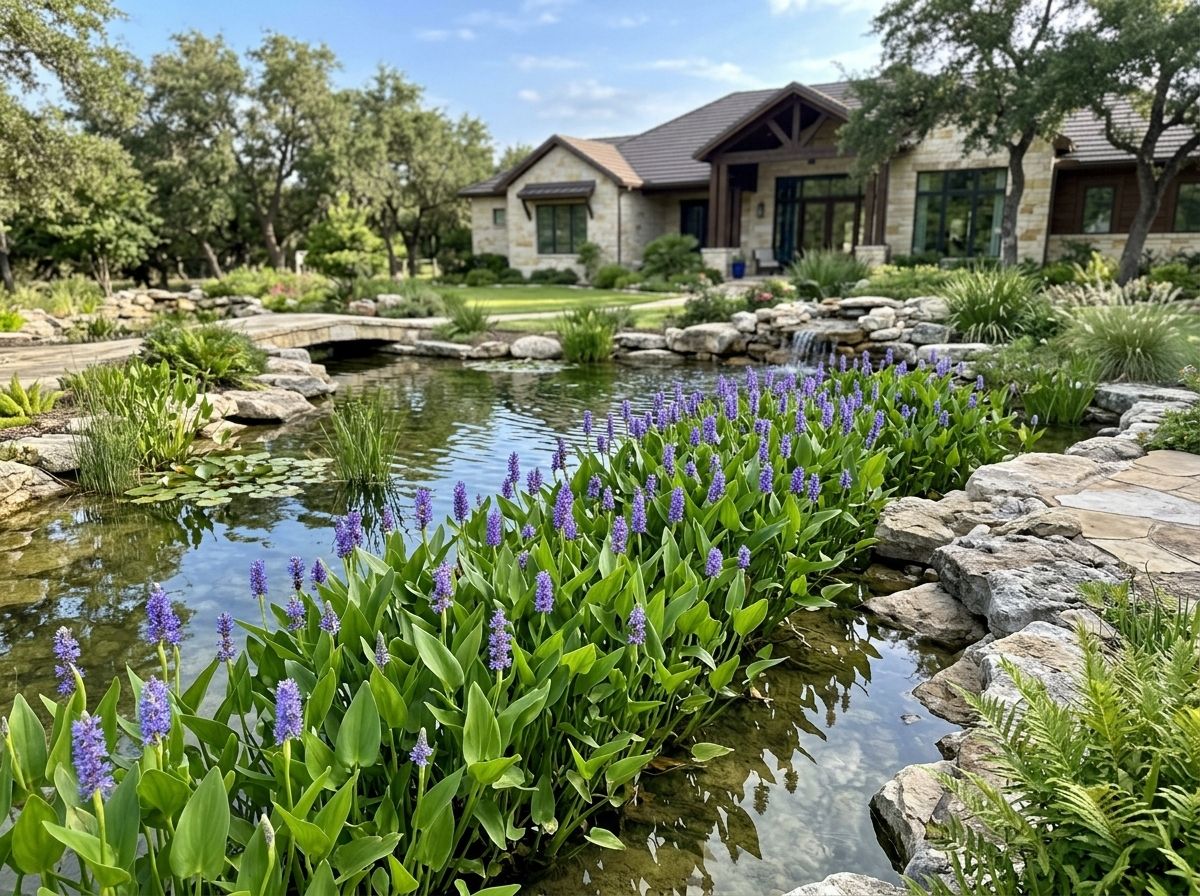
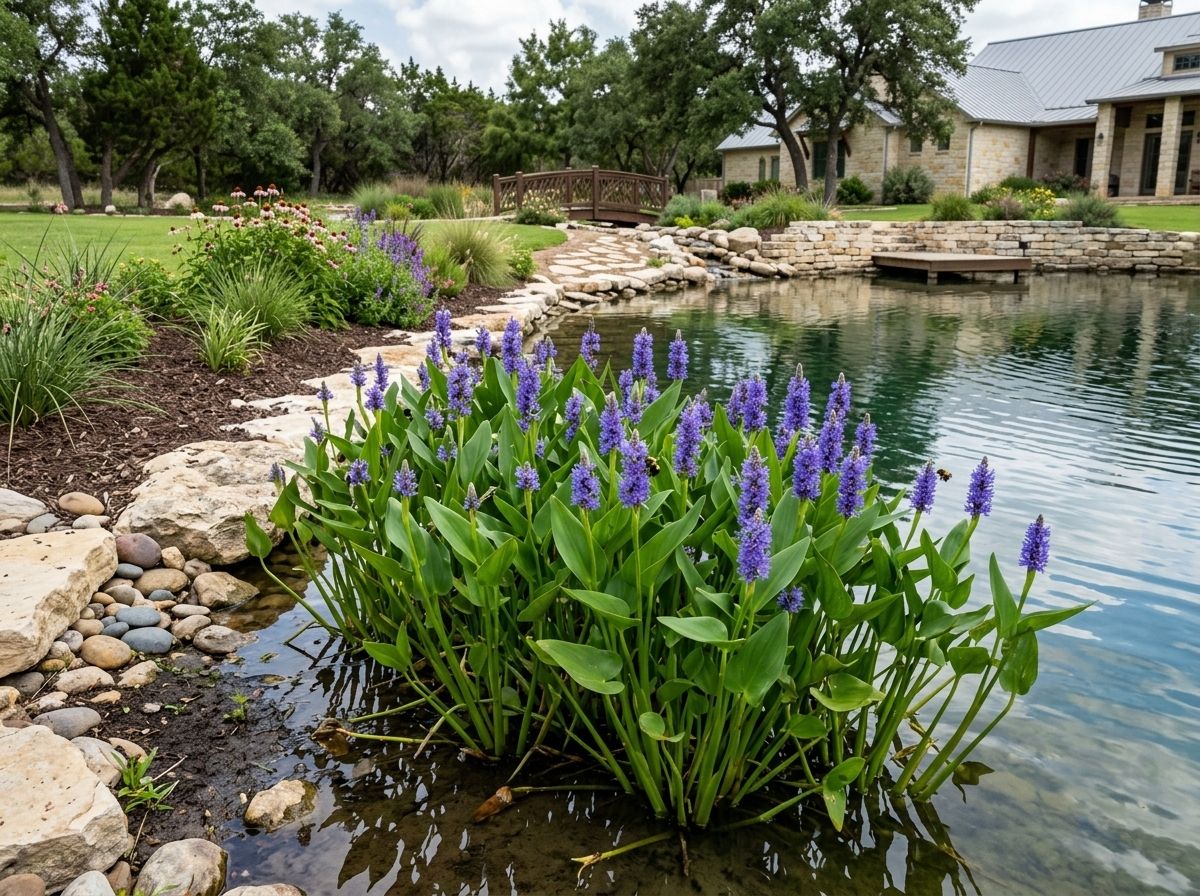
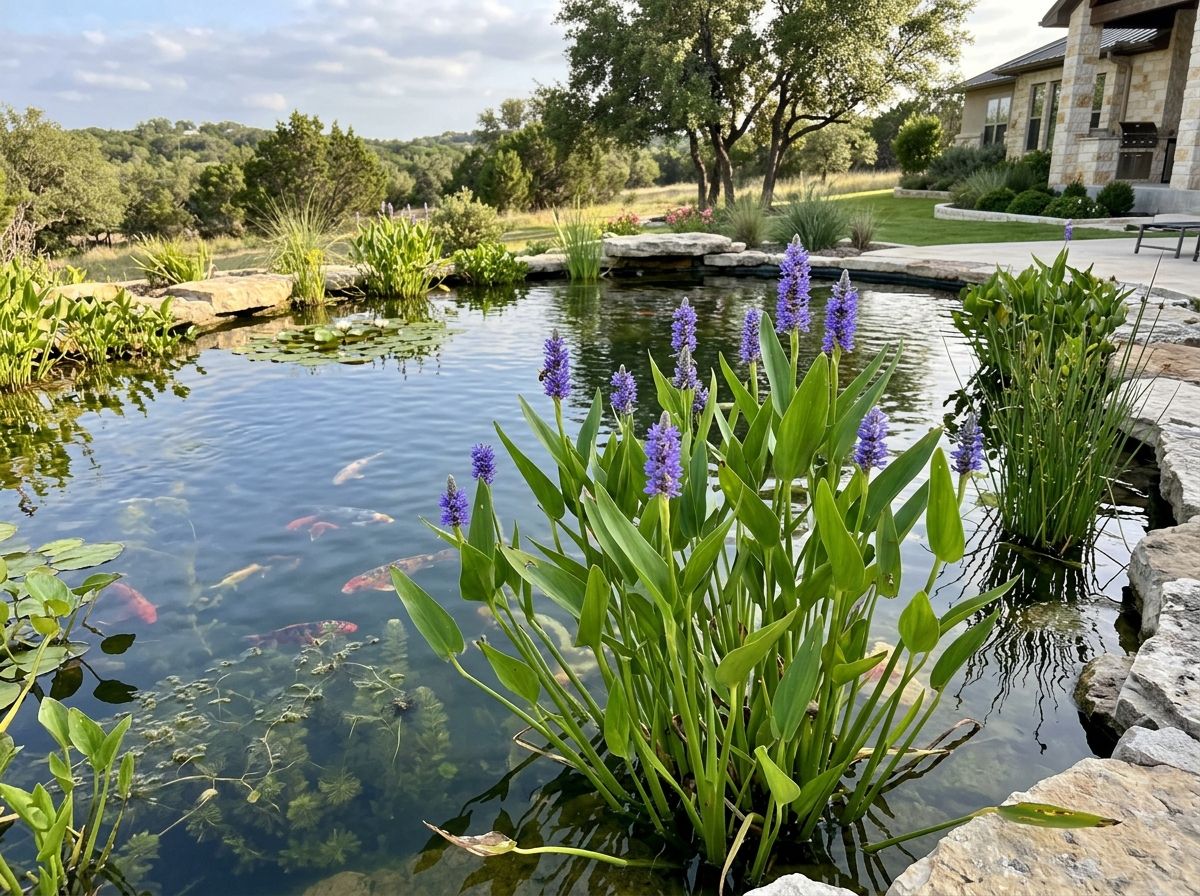
Recommended Use: Best for shallow pond margins and naturalized aquatic gardens needing vibrant flowers.
Overview of Pickerelweed
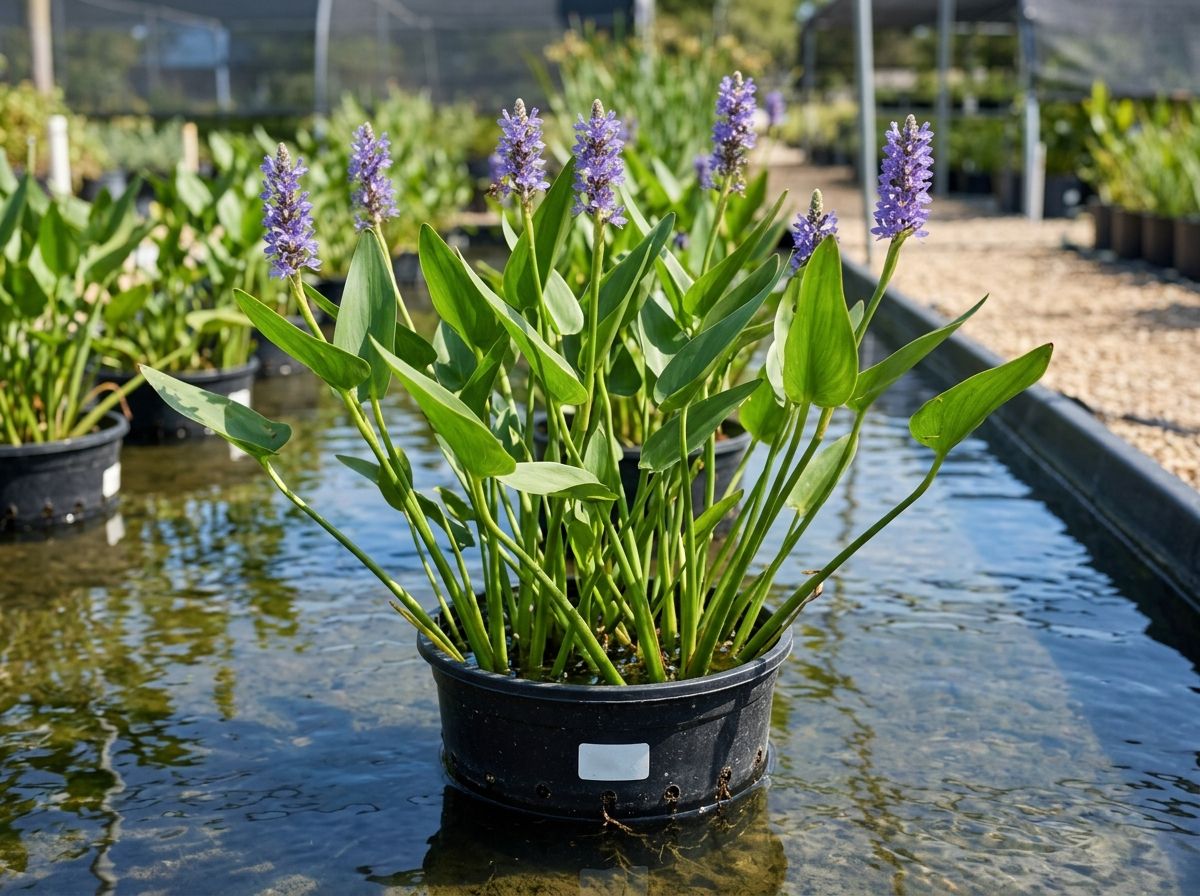
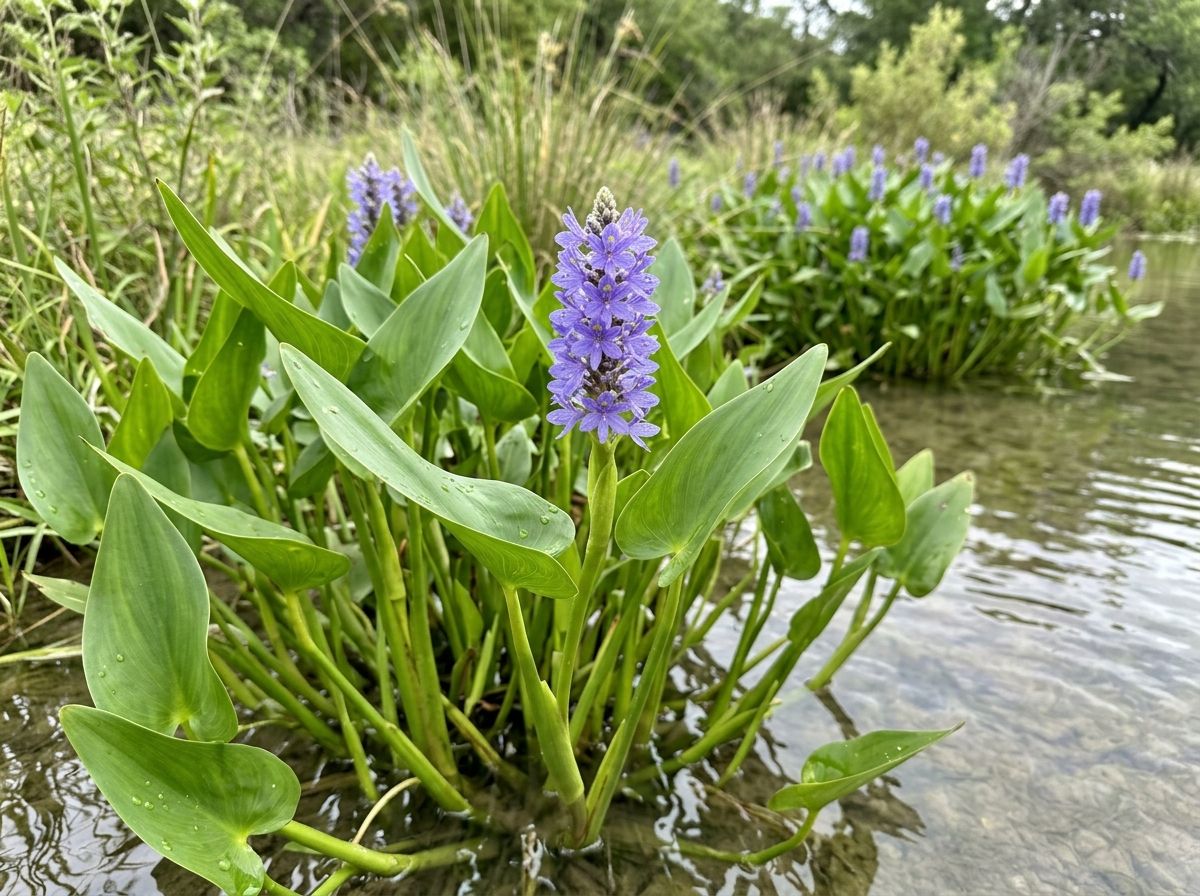
Pickerelweed, scientifically known as Pontederia cordata, is a charming aquatic plant celebrated for its handsome spikes of purple flowers that bloom from early summer to fall. This perennial plant typically grows to a height of 2 to 3 feet and features broad, glossy leaves that provide a lush, verdant contrast to its vibrant blooms. The plant is commonly used in landscaping around aquatic edges like ponds and streams, where its ability to thrive in shallow water adds a natural, elegant touch. Its attractive foliage and stunning flower spikes not only enhance the beauty of water gardens but also attract pollinators, making it a favored choice for creating a lively, wildlife-friendly garden space.
Care and Maintenance
Pickerelweed is a relatively low-maintenance plant that adapts well to various conditions, provided its basic needs are met. It thrives best in full sun to partial shade, ensuring it receives enough light for optimal flowering. Its watering needs are largely met if planted in shallow water along pond edges or in consistently moist, well-drained soils. The plant prefers a slightly acidic to neutral soil pH and does not have specific soil fertility requirements. Pruning is mainly about removing dead or damaged foliage and old flower spikes to encourage new growth and maintain tidy appearances. Known for its robust nature, Pickerelweed exhibits resistance to most pests and diseases, further simplifying its maintenance.
Quick Facts
– Hardiness Zones: 3 to 10
– Growth Rate: Moderate to fast
– Sunlight: Full sun to partial shade
– Water Needs: Thrives in shallow water or consistently moist soils
– Soil: Prefers slightly acidic to neutral, well-draining soils
– Special Characteristics: Attracts pollinators, suitable for aquatic edges
– Pest and Disease Resistance: Generally resistant
– Best Landscaping Uses: Pond edges, water gardens, wildlife-friendly gardens
Want this product installed? Check out our page to view pricing and other details.
Related Products
Wildlife Garden Blend
Ready When You Are
Get a Clear Plan for Your Yard
Tell us what you’d like to improve. We’ll ask a few questions, review your project, and let you know the best next step — no pressure and no guesswork. Fill out the form for a free quote.