
Trees Anaqua
(Ehretia anacua)
Other Common Names: Sandpaper Tree, Knockaway, Anacahuita
Bees
Birds
Edible Parts
Evergreen
Full Sun
Screening/Privacy
Recommended Use: Best used as a hardy shade tree for larger properties needing drought-tolerant coverage.
Introduction to the Anaqua, Sandpaper Tree
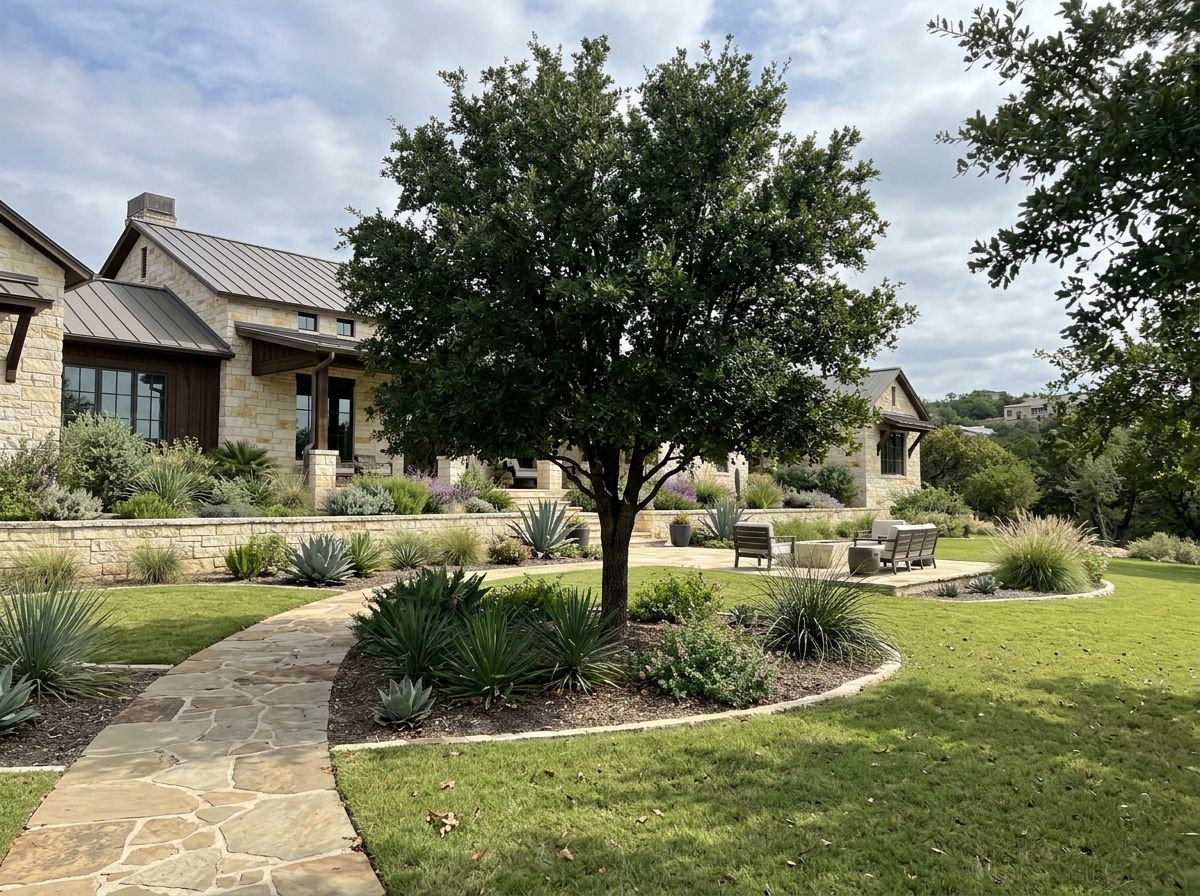
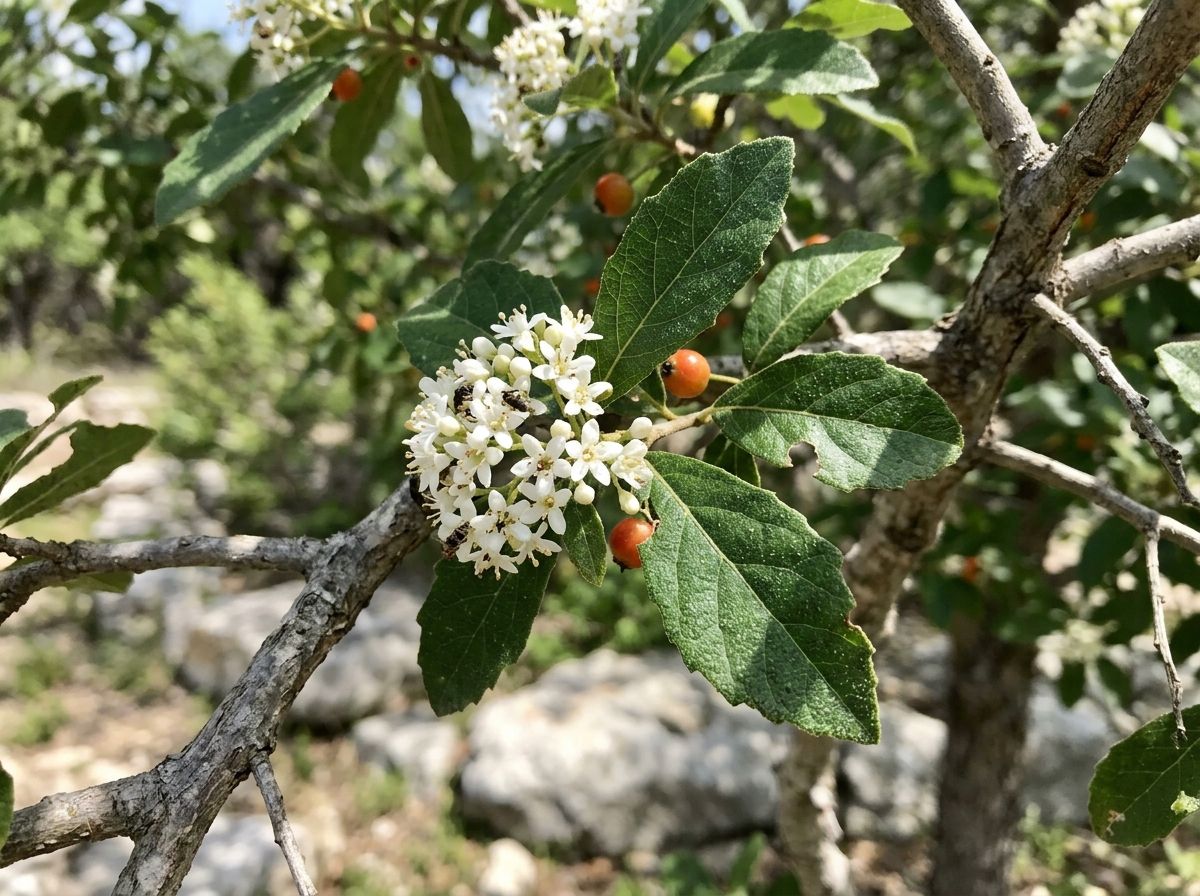
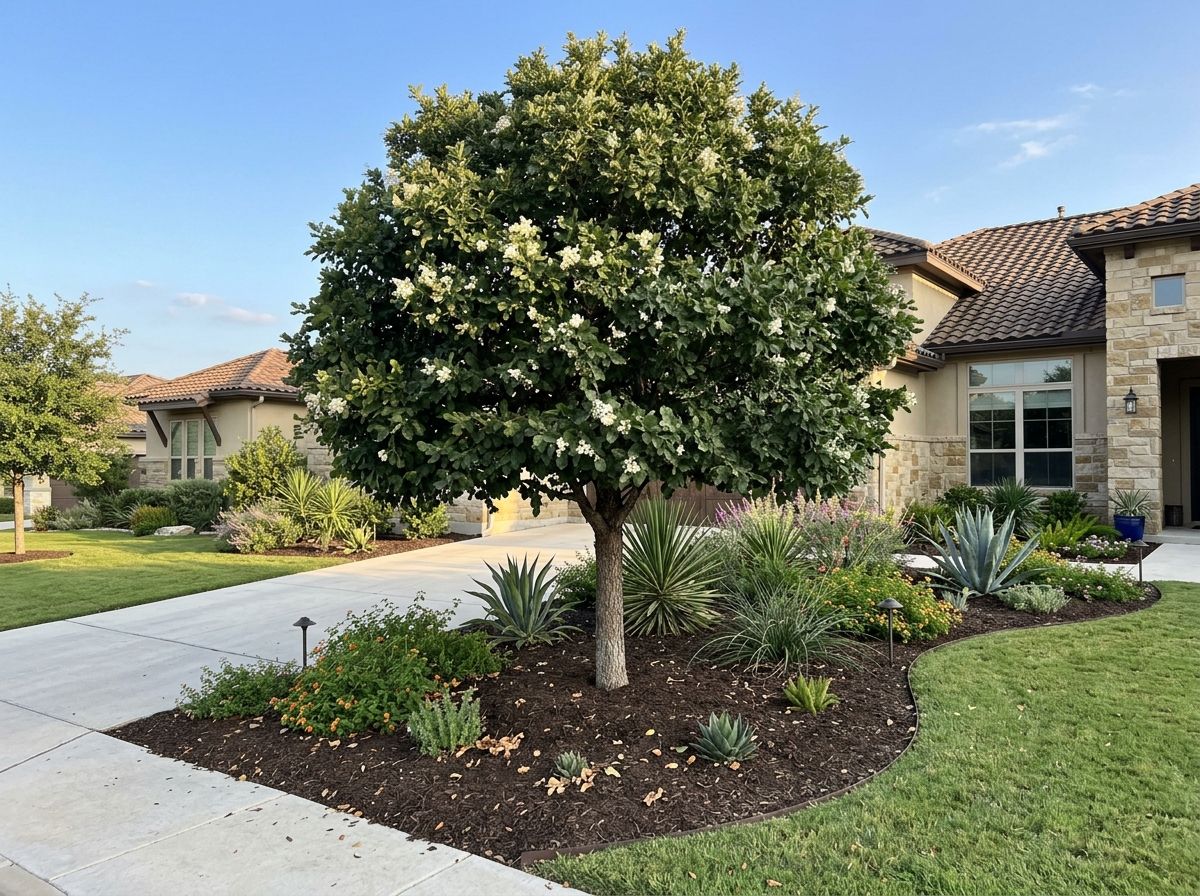
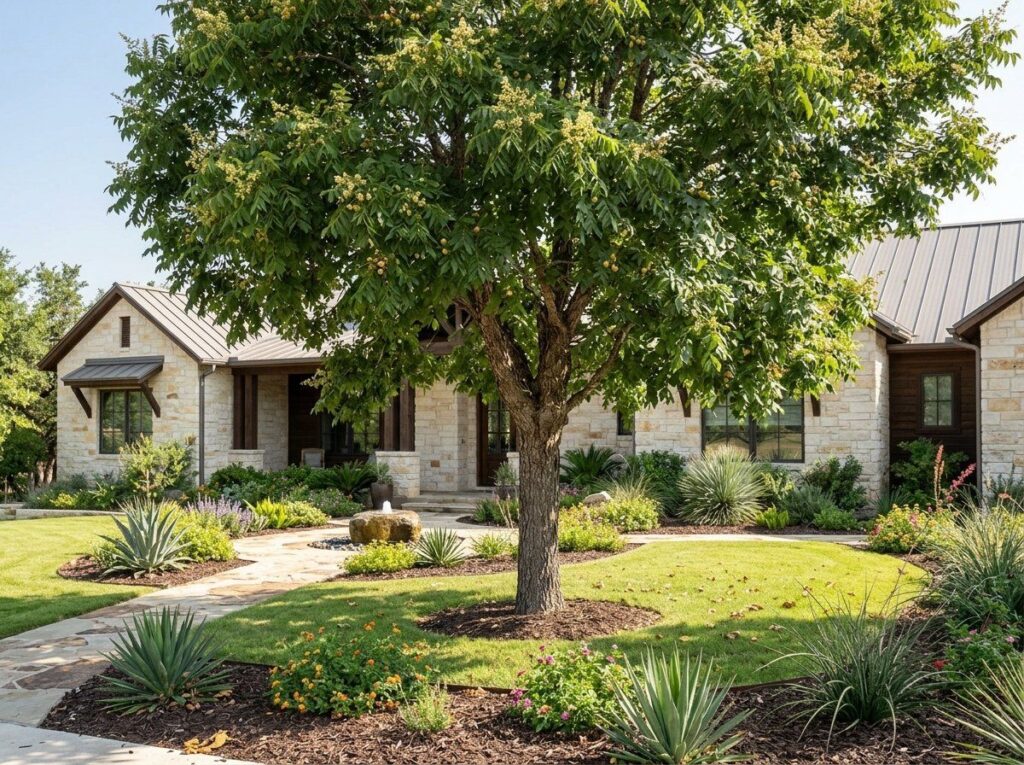
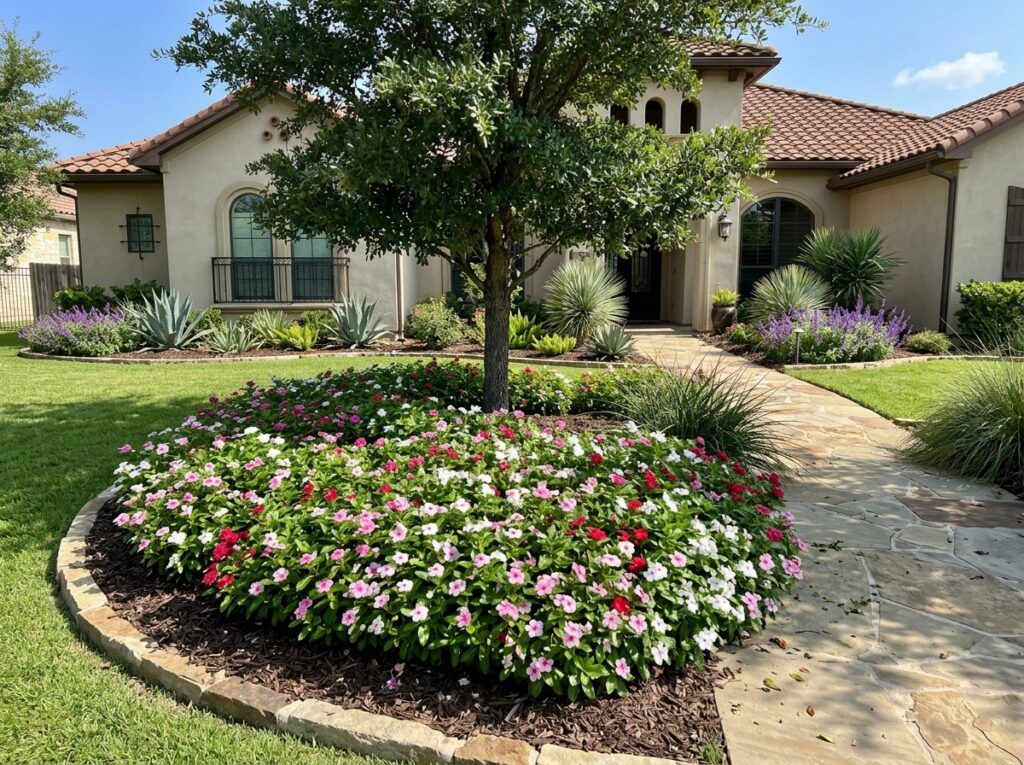
The Anaqua, commonly known as the Sandpaper Tree, is a medium-sized evergreen broadleaf tree that is highly valued in landscaping for its shade-providing canopy and unique texture. Typically growing to a height of 20 to 30 feet, the tree features a dense crown with leaves that feel similar to sandpaper, hence its name. In the spring, the Anaqua produces charming clusters of small white flowers, attracting a variety of pollinators. Its versatility makes it an excellent choice for urban settings, parks, and large residential properties where it can be used as a shade tree or a striking specimen plant.
Maintenance Requirements
The Anaqua tree thrives in full sunlight but can tolerate partial shade, making it adaptable to different garden settings. It prefers well-drained soil but is quite resilient and can withstand various soil types, including calcareous and sandy soils. Regular watering is crucial, especially during the establishment period, though the tree becomes fairly drought-tolerant once mature. Pruning is recommended to maintain shape and remove dead or damaged branches, ideally performed in late winter or early spring. The Anaqua is generally resistant to pests and diseases, requiring minimal chemical interventions, which contributes to its popularity.
Quick Facts
– Hardiness Zones: 8-11
– Growth Rate: Moderate to fast
– Evergreen broadleaf tree
– Special Characteristics: High deer resistance and attractive to pollinators
– White flower clusters bloom in spring
Planting Tips
- Best Time to Plant: Early spring or fall when temperatures are moderate.
- Soil Preparation: Prefers well-draining soil; amend heavy clay soils with organic matter before planting.
- Spacing: Space trees 15 to 20 feet apart to allow for mature width and healthy growth.
Watering Guidelines
- Establishment Period: Water regularly during the first 1–2 years to encourage deep root development.
- After Establishment: Water sparingly. Anaqua is drought tolerant but benefits from occasional deep watering during extended dry periods.
Fertilization
- Apply a balanced, slow-release fertilizer in early spring to support growth.
- Avoid over-fertilizing since Anaqua adapts well to low-nutrient soils.
Pest and Disease Management
- Generally resistant to pests and diseases.
- Occasionally may attract aphids or scale insects; treat with insecticidal soap if needed.
Landscape Uses
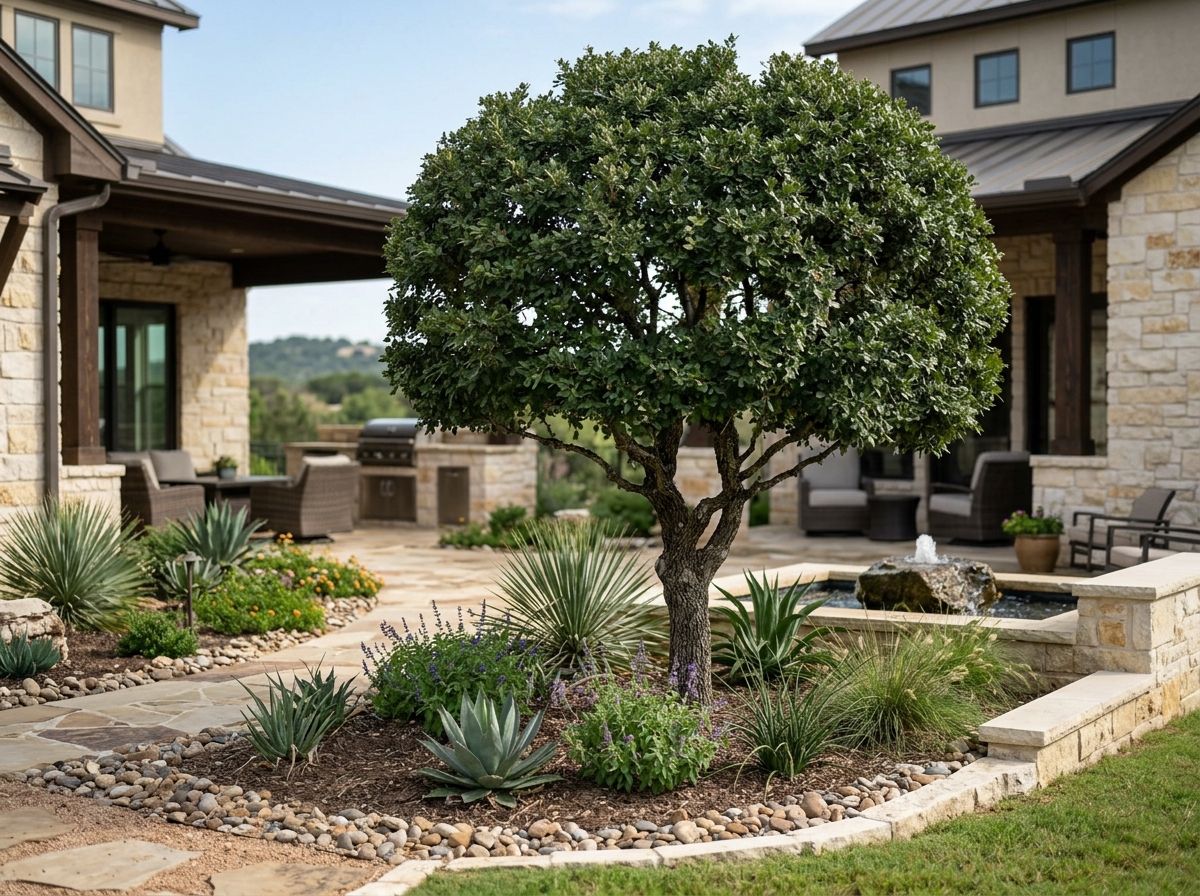
- Shade Tree: Provides ample shade for yards and parks.
- Wildlife Habitat: Attracts birds, butterflies, and beneficial insects.
- Xeriscaping: Ideal for water-wise landscapes.
- Erosion Control: Roots help stabilize soil on slopes.
Potential Drawbacks
- Fruit drop can create litter; avoid planting near patios or walkways.
- Rough leaves may be unsuitable for children’s play areas or formal garden styles.
Companion Plants
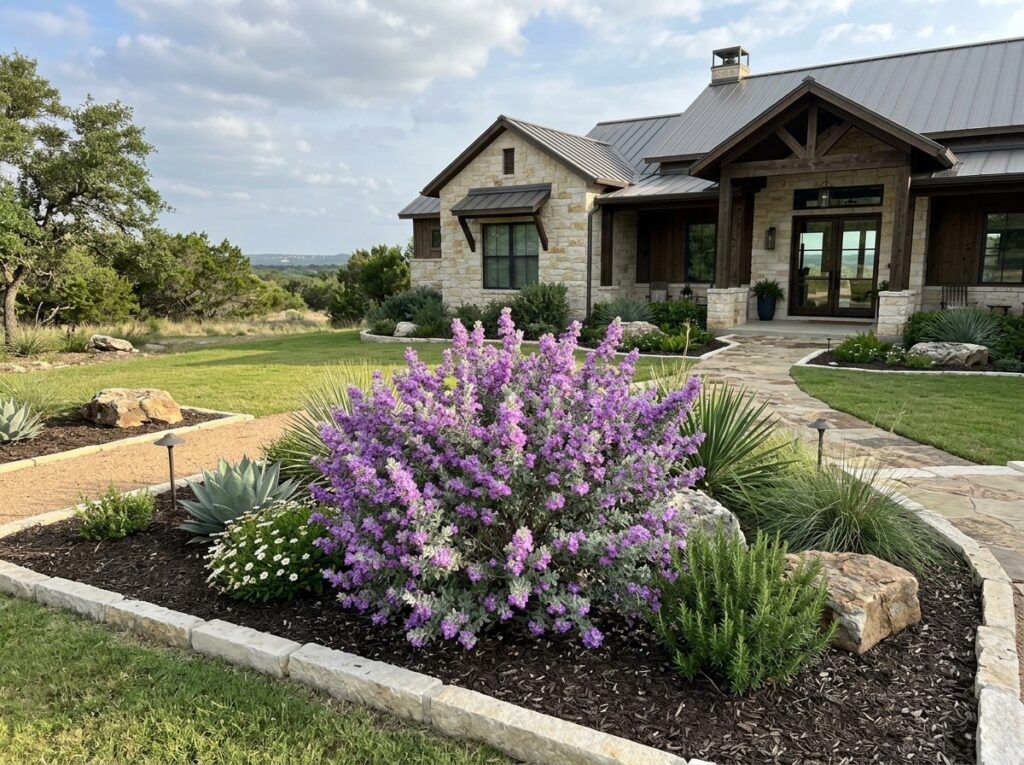
- Works well with other drought-tolerant natives such as Texas sage (Leucophyllum frutescens), Mexican feathergrass (Nassella tenuissima), and desert willow (Chilopsis linearis).
Environmental Benefits
- Supports native pollinators and bird species.
- Conserves water compared to many non-native shade trees.
Pruning Advice
- Remove dead, damaged, or crossing branches to maintain tree health and structure.
- Avoid heavy pruning during summer months to reduce stress on the tree.
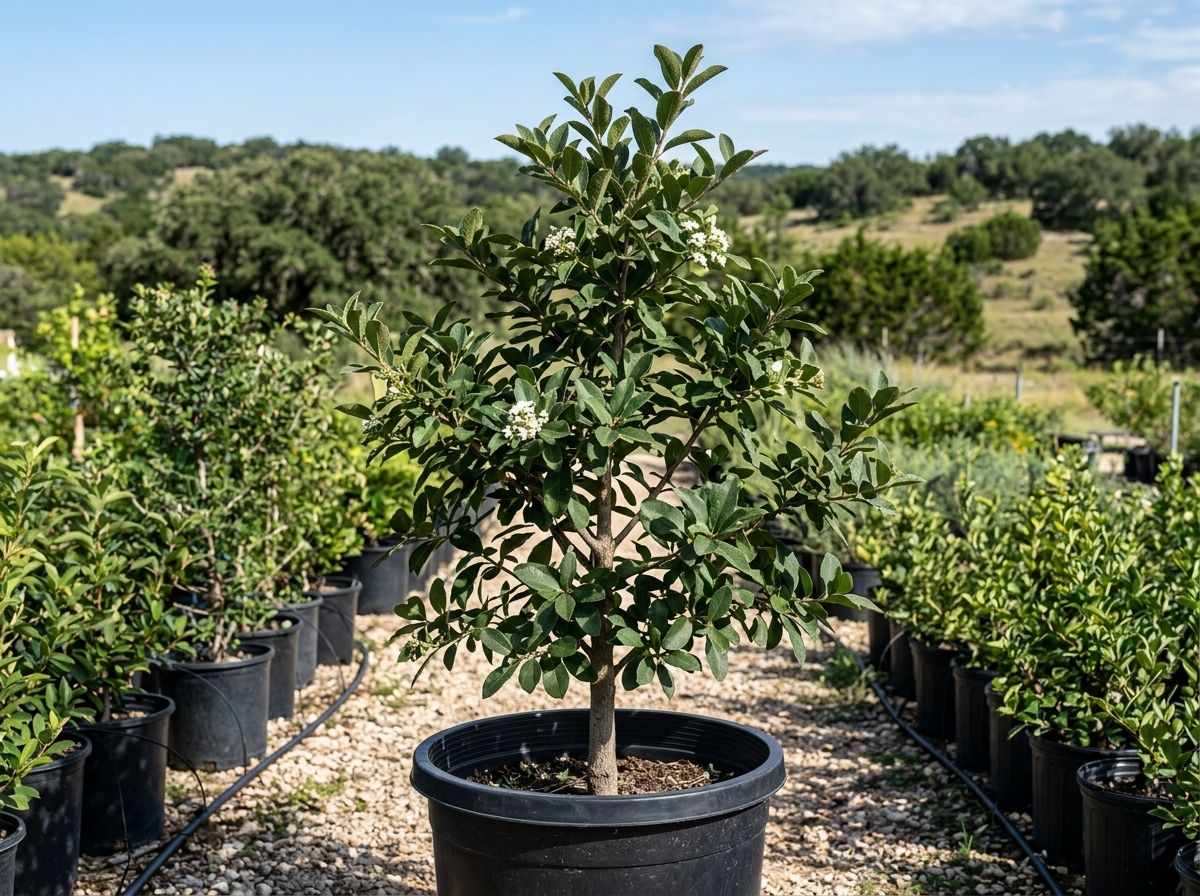
Want this product installed? Check out our page to view pricing and other details.
Related Products
Planting Role / Visual Structure > Evergreen Backbone
Wildlife Garden Blend

Ready When You Are
Get a Clear Plan for Your Yard
Tell us what you’d like to improve. We’ll ask a few questions, review your project, and let you know the best next step — no pressure and no guesswork. Fill out the form for a free quote.