
Aquatics Small Pondweed
(Potamogeton pusillus)
Other Common Names: Baby pondweed, slender pondweed, small-leaf pondweed, lesser pondweed
Fast Growing
Partial Sun
Recommended Use:
Introduction to Small Pondweed
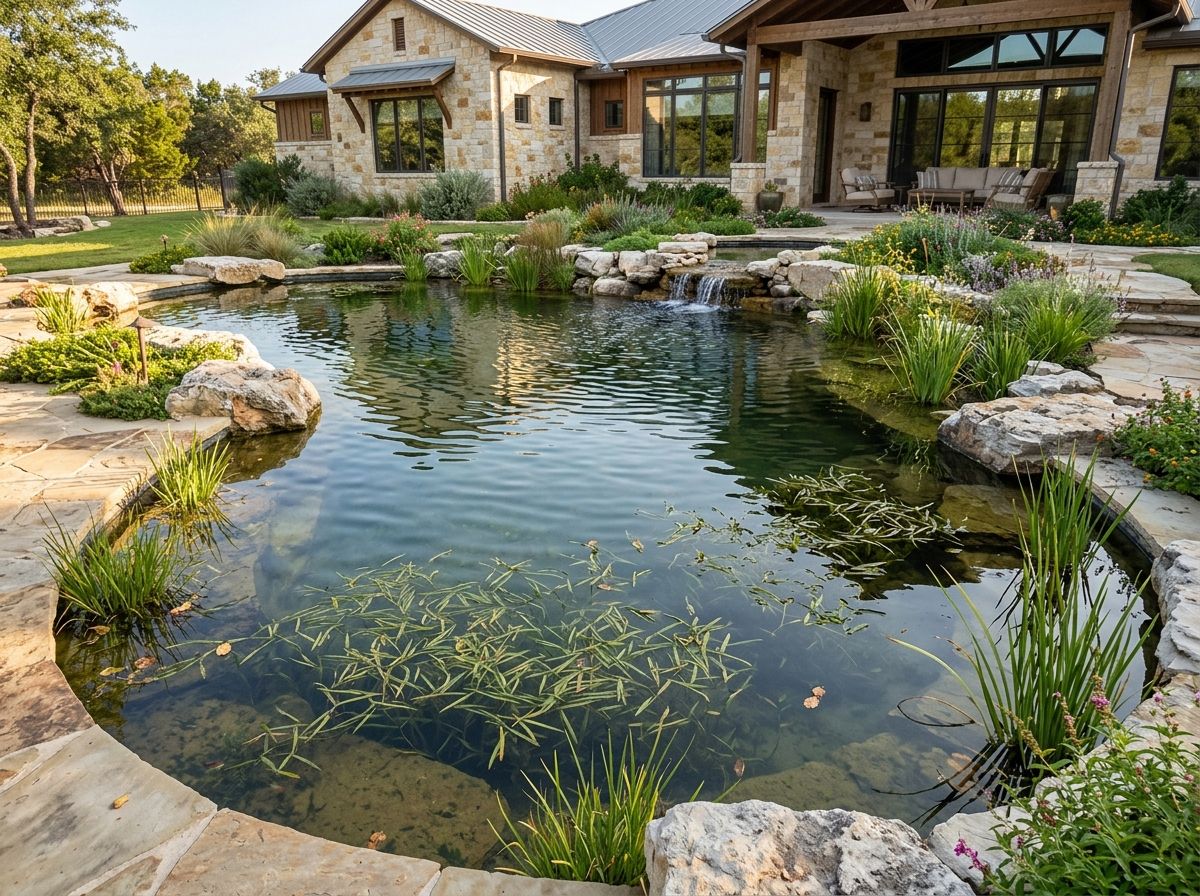
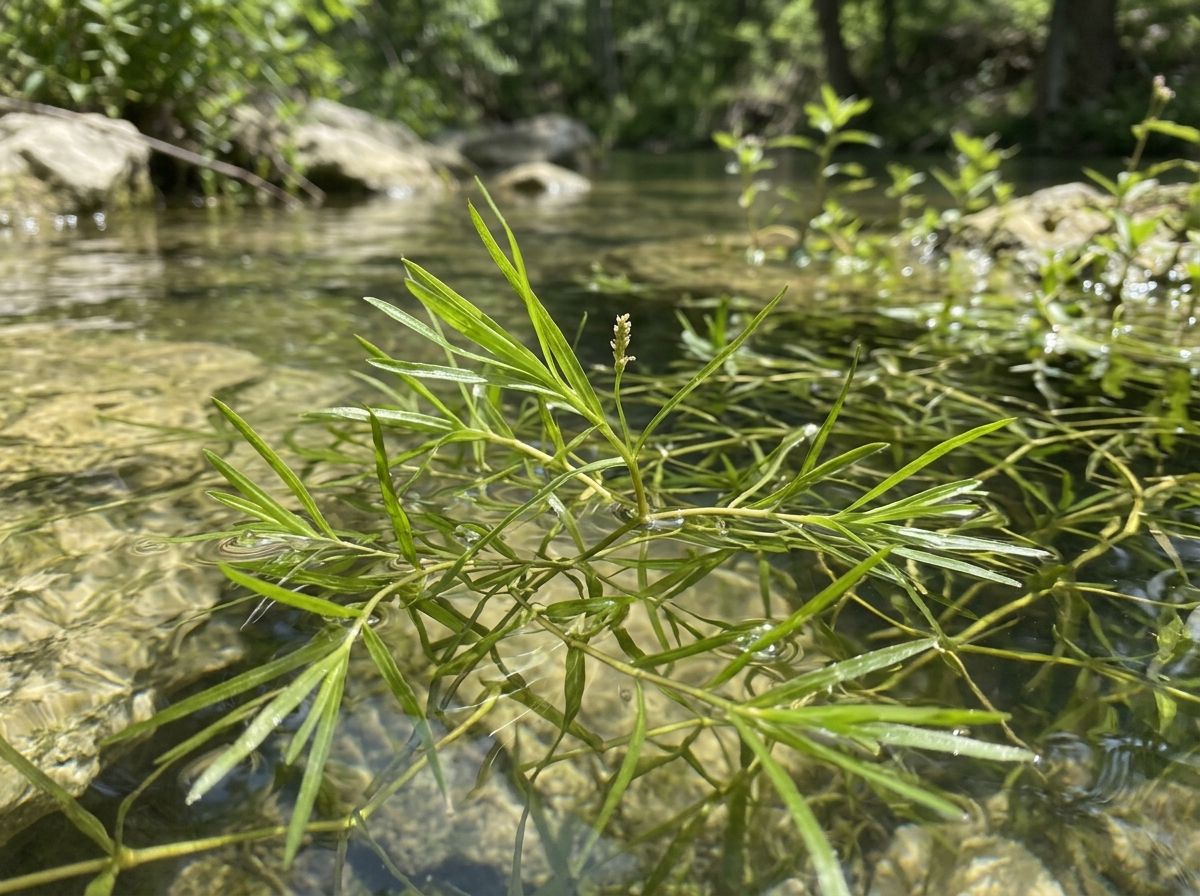
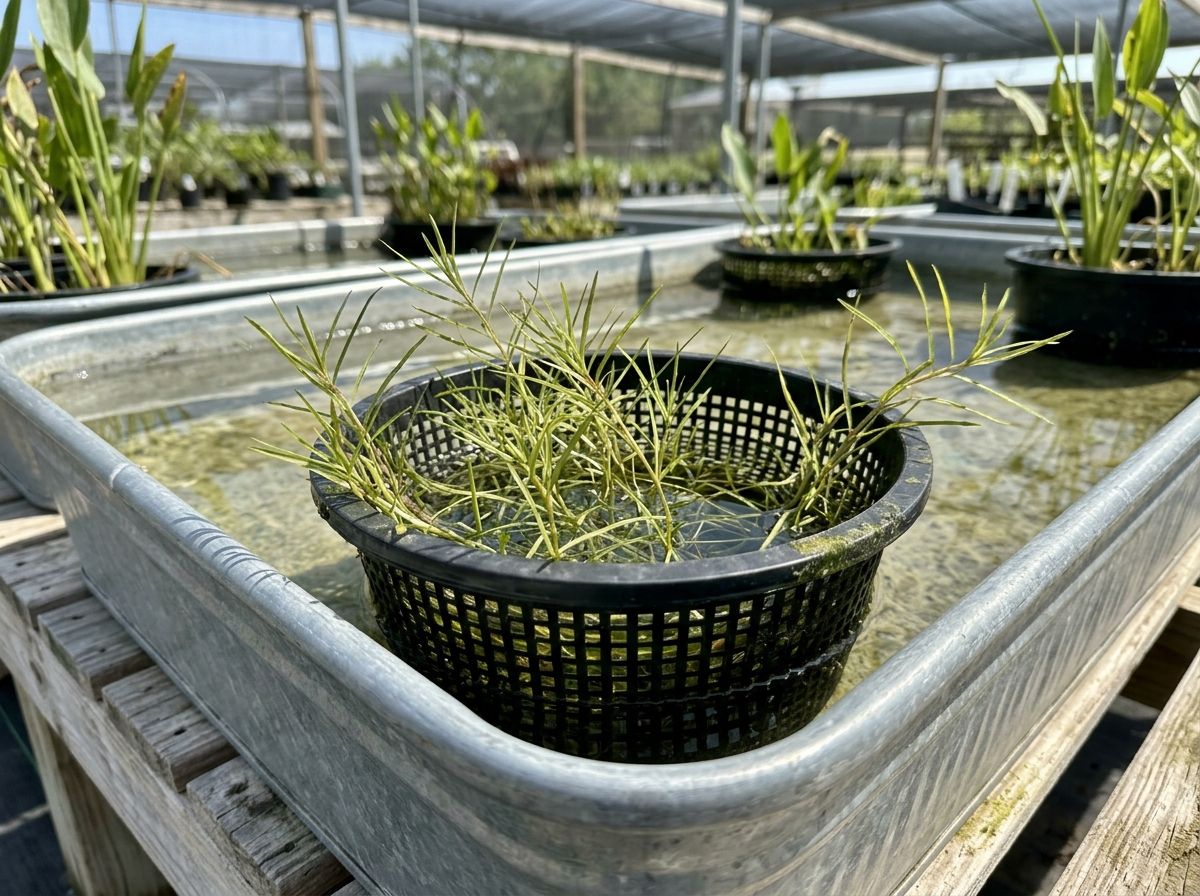
Small Pondweed, scientifically known as Potamogeton pusillus, is a submerged aquatic perennial that grows in ponds, lakes, ditches, slow-moving streams, and other quiet freshwater environments. It has narrow, linear leaves and slender branching stems that remain underwater, giving ponds a soft, grass-like aquatic texture.
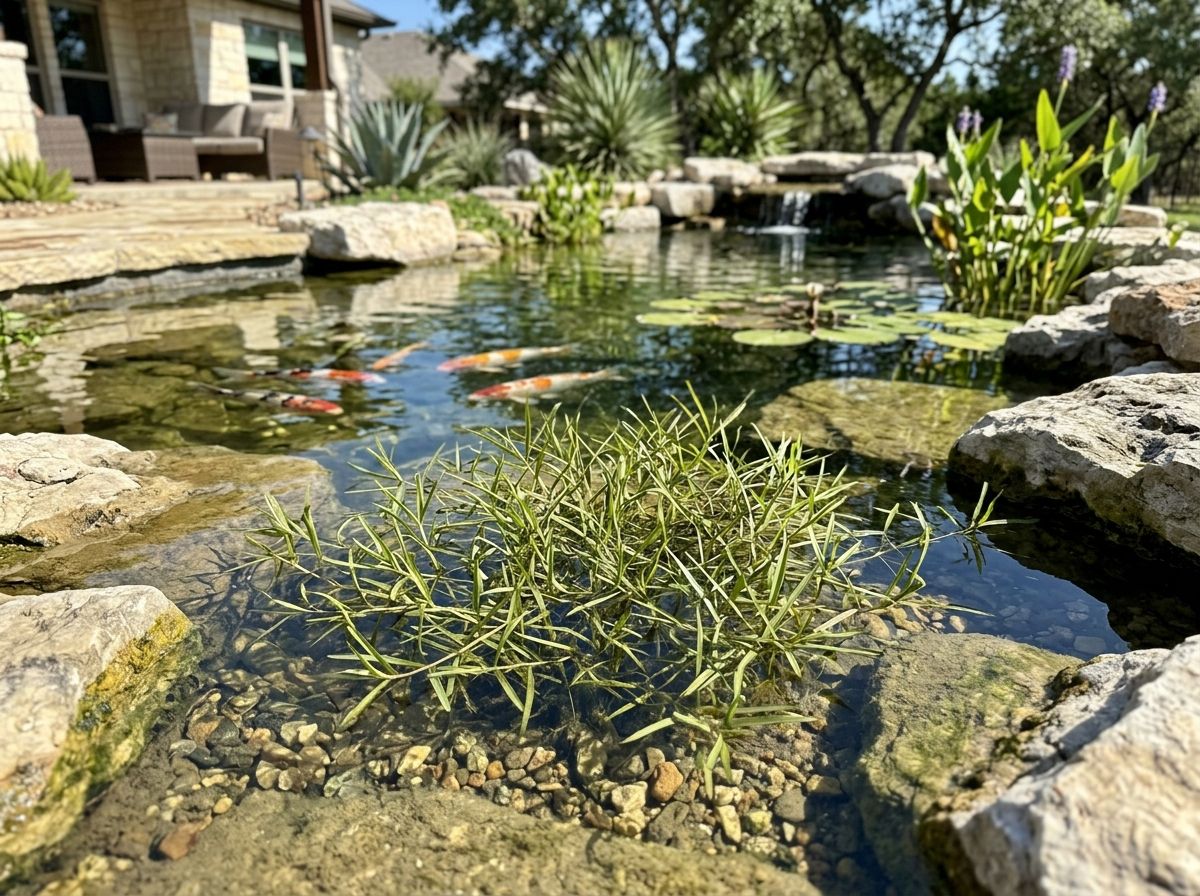
This plant is not a dry-land landscape plant. It is best used in permanent ponds, naturalized water features, and managed aquatic areas where submerged vegetation is desired. In the right conditions, Small Pondweed can form noticeable underwater masses, so it should be monitored and managed as part of an overall pond care plan.
Small Pondweed provides habitat value in aquatic settings. Submerged aquatic plants support small invertebrates that become food for fish and wildlife, and pondweed fruits and tubers are used as food by waterfowl.
Maintenance
Small Pondweed requires standing or slow-moving water and should remain submerged. It can grow in neutral, slightly alkaline, or brackish water and may develop dense growth when conditions are favorable.
Maintenance is mainly pond management. Monitor growth through the warm season, thin excess vegetation if it begins to crowd the water feature, and remove decaying plant material when needed to help keep the pond clean. Avoid planting it in dry soil, fast-moving water, or ornamental beds where it cannot remain submerged.
Quick Facts
- Native Status: Native to North America, including the lower 48 states
- Growth Rate: Moderate to fast in favorable pond conditions
- Plant Type: Submerged aquatic perennial
- Mature Size: Variable underwater growth; slender branching stems may form submerged masses
- Foliage: Narrow, linear, light green submerged leaves
- Flowers: Tiny, non-showy flowers on small spikes; not grown for ornamental blooms
- Sunlight: Best for ponds or water features with enough light reaching submerged growth
- Watering: Must remain in standing or slow-moving water; not suitable for dry beds
- Special Traits: Aquatic habitat plant, waterfowl food source, useful in naturalized ponds
Suggestions for San Antonio Homeowners
- Best Placement: Use Small Pondweed only in ponds, water gardens, or slow-moving aquatic settings where submerged plants are appropriate. It should not be installed in regular landscape beds.
- Water Quality: This pondweed can grow in neutral, slightly alkaline, or brackish water. Clearer water helps submerged plants receive the light they need.
- Pond Management: Because Small Pondweed can form underwater masses, inspect the pond regularly and thin growth when needed to keep water movement, access, and appearance in balance.
- Wildlife Value: Submerged pond plants help support small aquatic invertebrates, which in turn support fish, amphibians, reptiles, ducks, and other wildlife.
- Heat & Drought Considerations: Drought tolerance does not apply to this plant because it must remain submerged. During hot San Antonio weather, maintain adequate pond water levels so the plant does not dry out.
- Pet Safety: This plant is intended for aquatic use, not pet feeding. Keep pets from eating pond vegetation or drinking stagnant pond water, and contact a veterinarian if a pet ingests unknown plants and shows signs of illness.
Small Pondweed is a practical submerged plant for naturalized ponds and aquatic landscapes where underwater habitat is desired. For San Antonio properties, it should be used thoughtfully in managed water features and maintained so it supports pond health without becoming overly dense.
Want this product installed? Check out our page to view pricing and other details.
Related Products
Wildlife Garden Blend


Ready When You Are
Get a Clear Plan for Your Yard
Tell us what you’d like to improve. We’ll ask a few questions, review your project, and let you know the best next step — no pressure and no guesswork. Fill out the form for a free quote.