
Bulbs (Geophyte) Spider Lily
(Hymenocallis littoralis)
Other Common Names: Beach Spider Lily
Bees
Deciduous
Flowering
Partial Sun
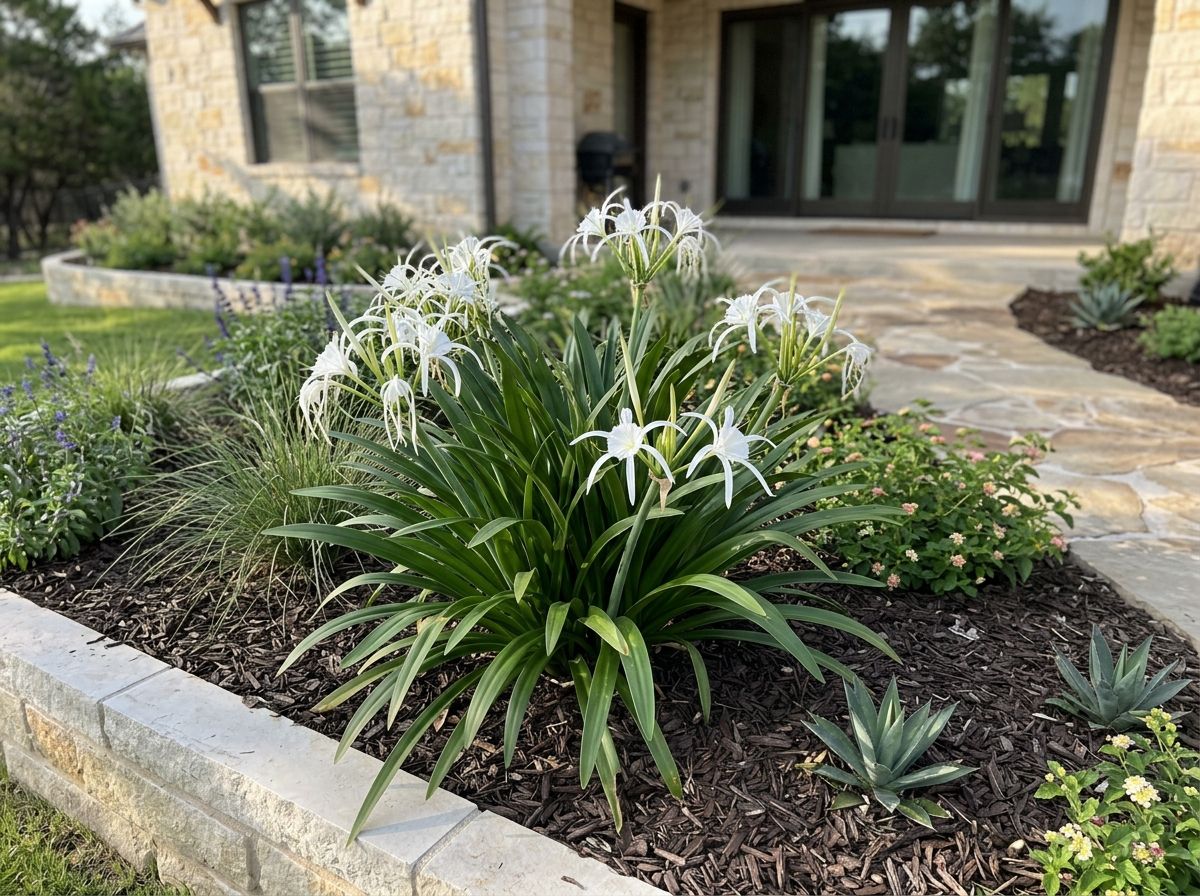
Recommended Use: Best for wet sunny beds or pond edges needing bold, tropical-looking white blooms.
Overview
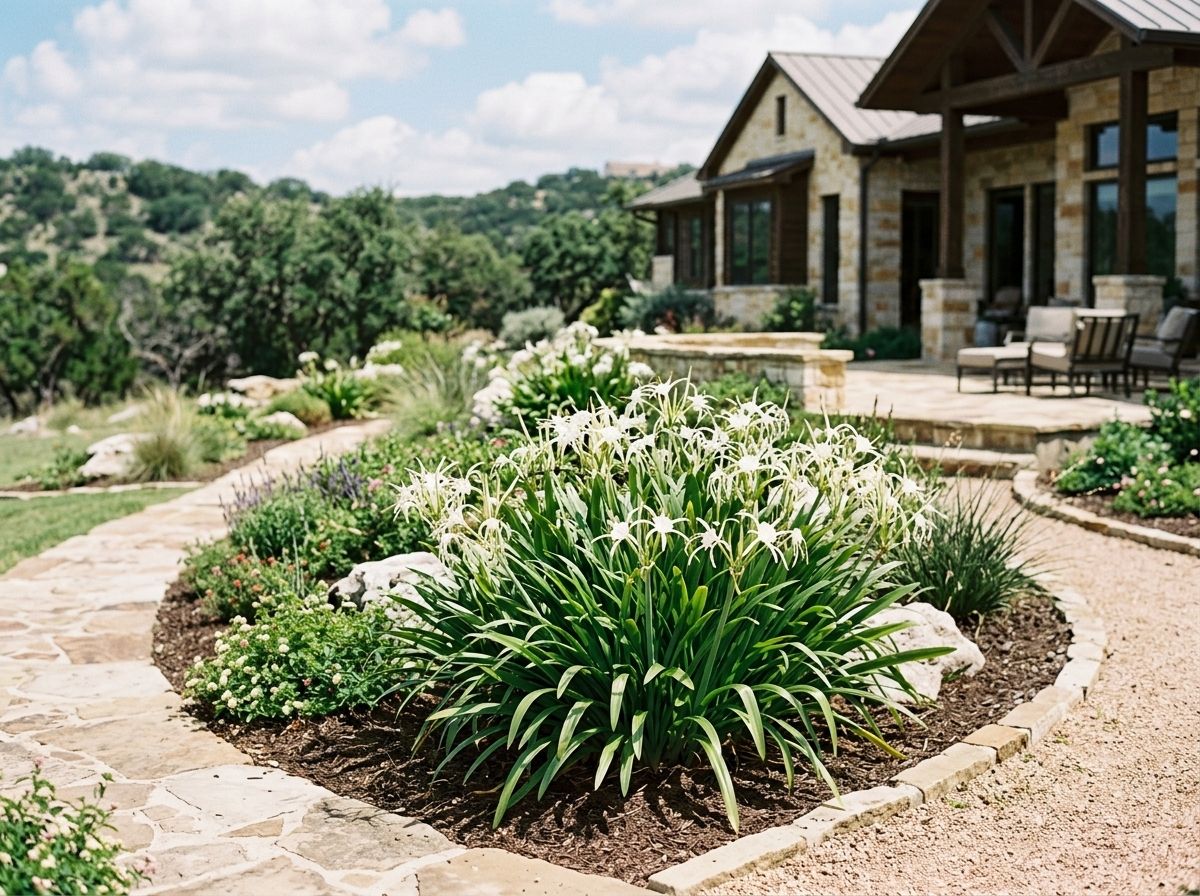
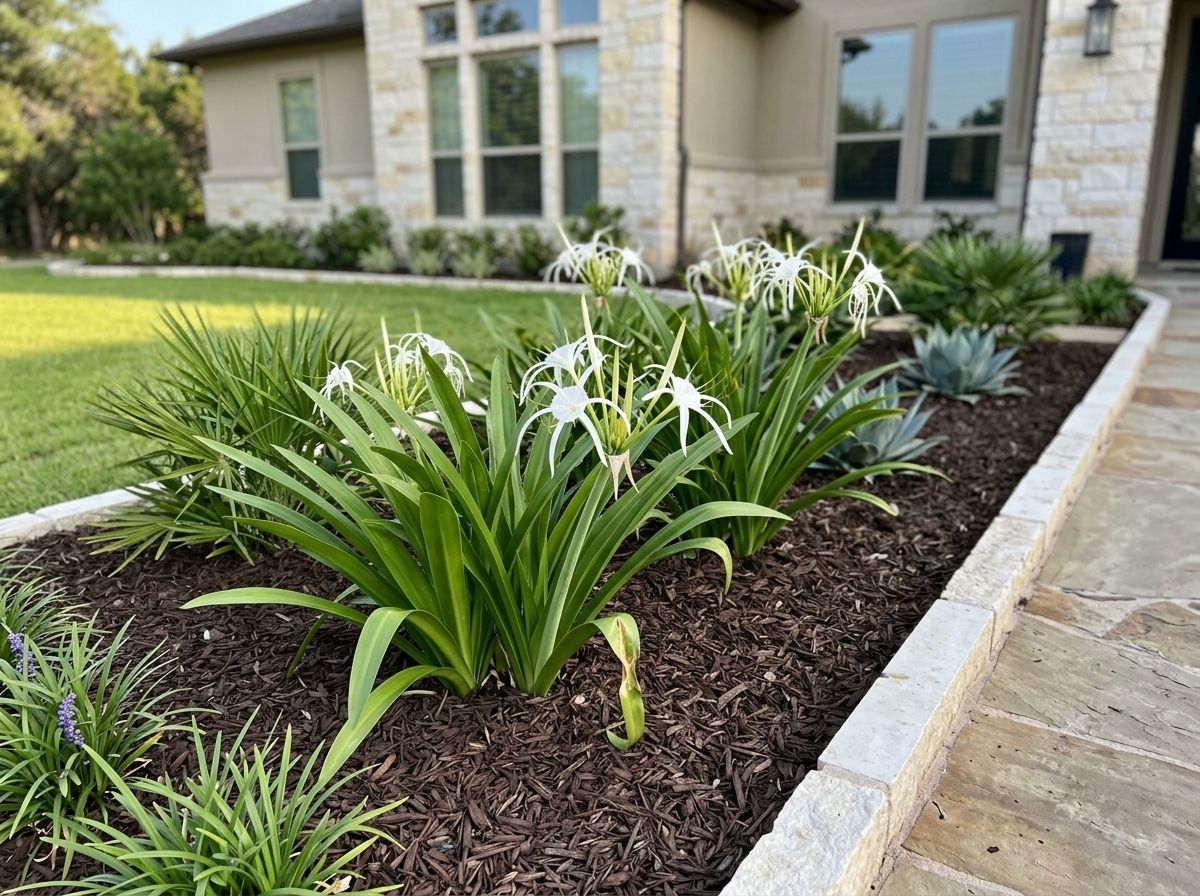
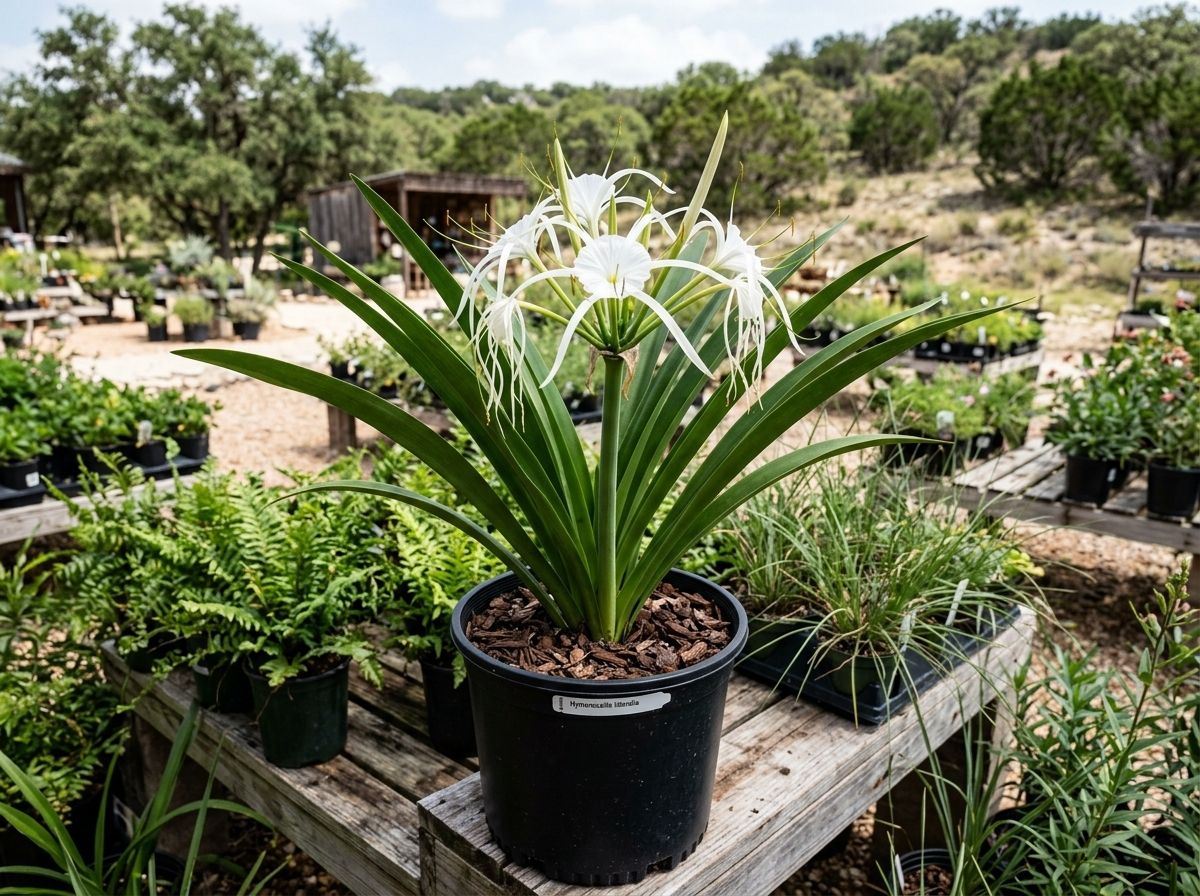
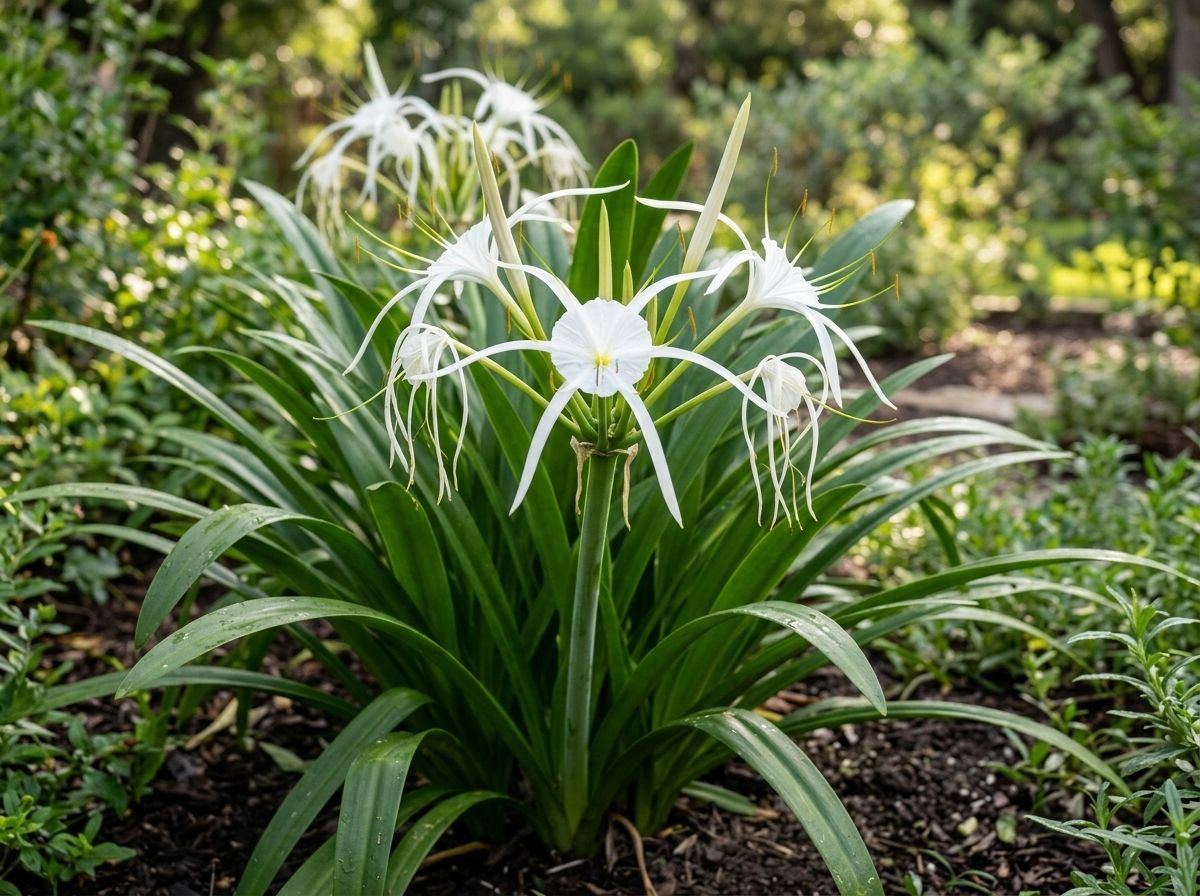
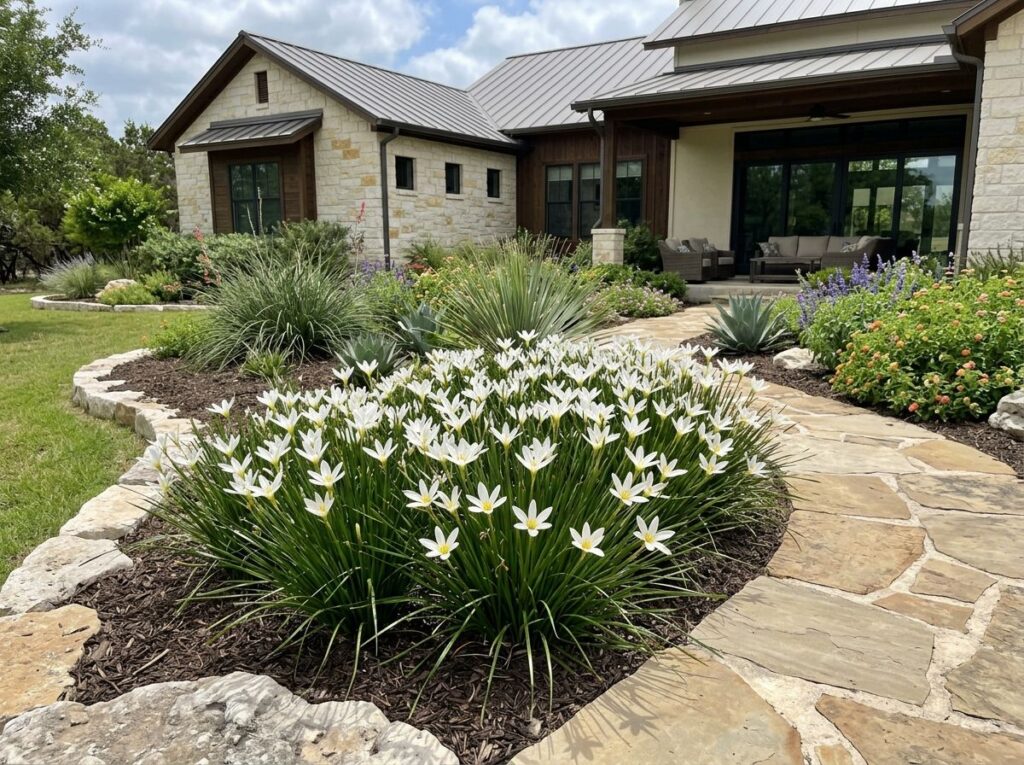
The Spider Lily, scientifically known as Hymenocallis littoralis, is a striking and unique flowering plant that adds a touch of elegance to any garden. This perennial is notable for its intricate, spider-like white blooms, which feature long, slender petals and a prominent central cup. Typically, the plant stands about 1 to 2 feet tall, with its flower scapes reaching heights of up to 3 feet. The lush, strap-like leaves are bright green and provide a lush backdrop for the delicate flowers. Spider Lilies are commonly used in border plantings, around water features, or as eye-catching specimens in garden beds. They are particularly favored for their ability to thrive in marshy or wet areas, making them ideal for coastal and waterside landscaping.
Maintenance Requirements
Spider Lilies are relatively low-maintenance plants that require specific care to thrive. They prefer full sun to partial shade, needing at least 4-6 hours of sunlight daily. When it comes to watering, they do best in consistently moist, well-drained soil and benefit from regular watering, especially in dry periods. Ideally, the soil should be rich in organic matter to support healthy growth. Pruning is minimal, mainly involving the removal of spent flower stalks to encourage new blooms. Spider Lilies are generally pest and disease resistant, though they should be monitored for occasional issues like aphids or leaf spot.
Quick Facts
– Hardiness Zones: 8-11
– Growth Rate: Moderate
– Soil Type: Moist, well-drained, rich in organic matter
– Sunlight: Full sun to partial shade
– Watering: Regular, with more frequent watering in dry periods
– Special Characteristics: Deer resistant, attracts pollinators like bees and butterflies
These plants are not only visually stunning but also practical for gardeners looking to add a unique touch to their landscape with minimal upkeep.
Want this product installed? Check out our page to view pricing and other details.
Related Products
Planting Role / Visual Structure > Focal Plant Palette
Wildlife Garden Blend

Ready When You Are
Get a Clear Plan for Your Yard
Tell us what you’d like to improve. We’ll ask a few questions, review your project, and let you know the best next step — no pressure and no guesswork. Fill out the form for a free quote.