
Small Trees Japanese Loquat
(Eriobotrya japonica)
Other Common Names: Loquat Tree
Birds
Edible Parts
Evergreen
Flowering
Fragrant
Full Sun
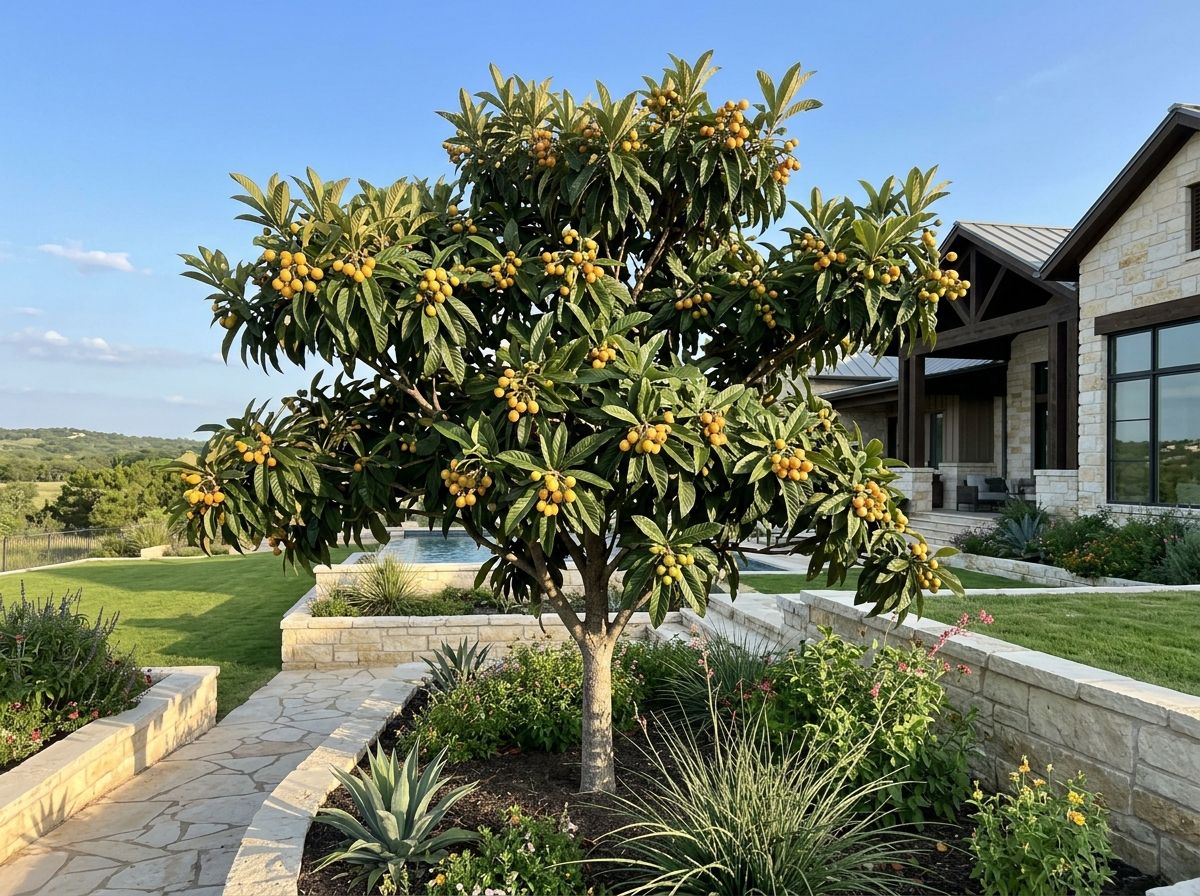
Recommended Use: Perfect for protected courtyards needing small evergreen trees with ornamental fruit.
Introduction
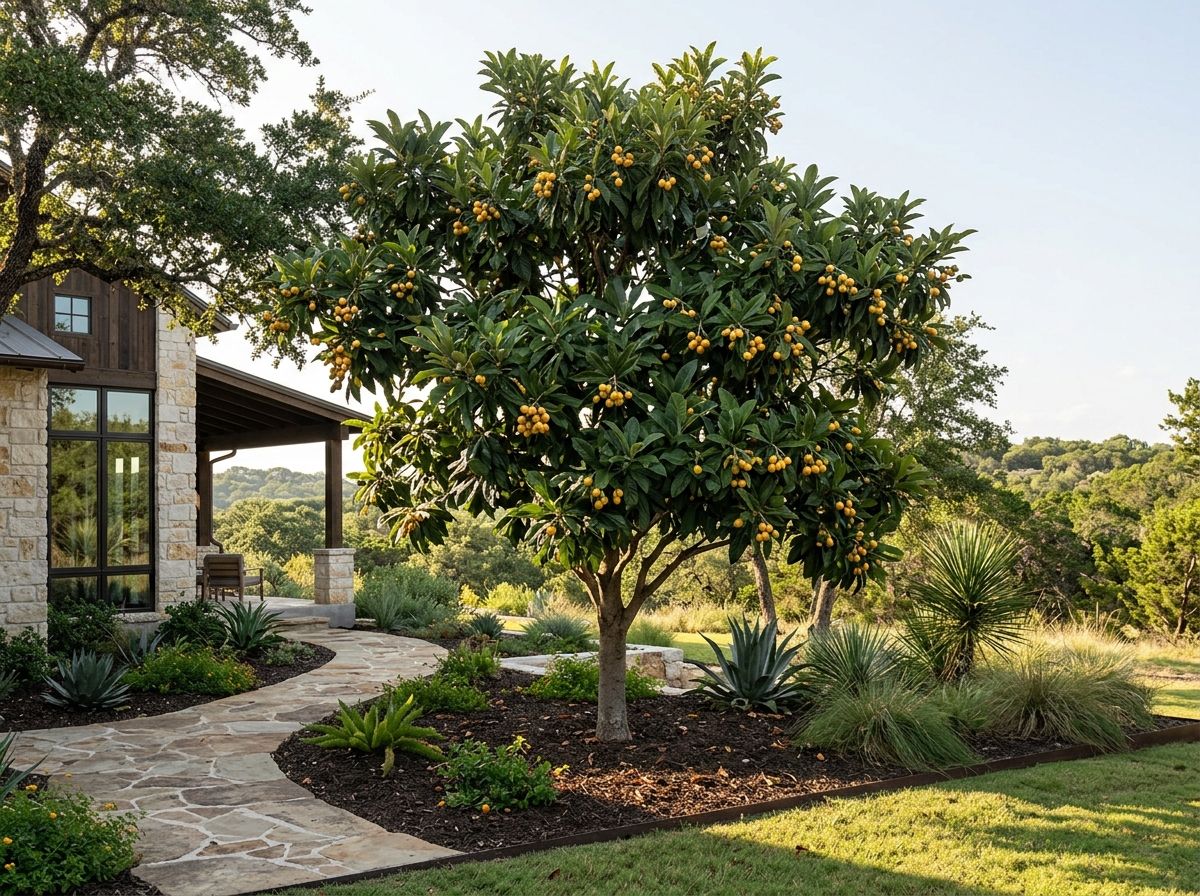
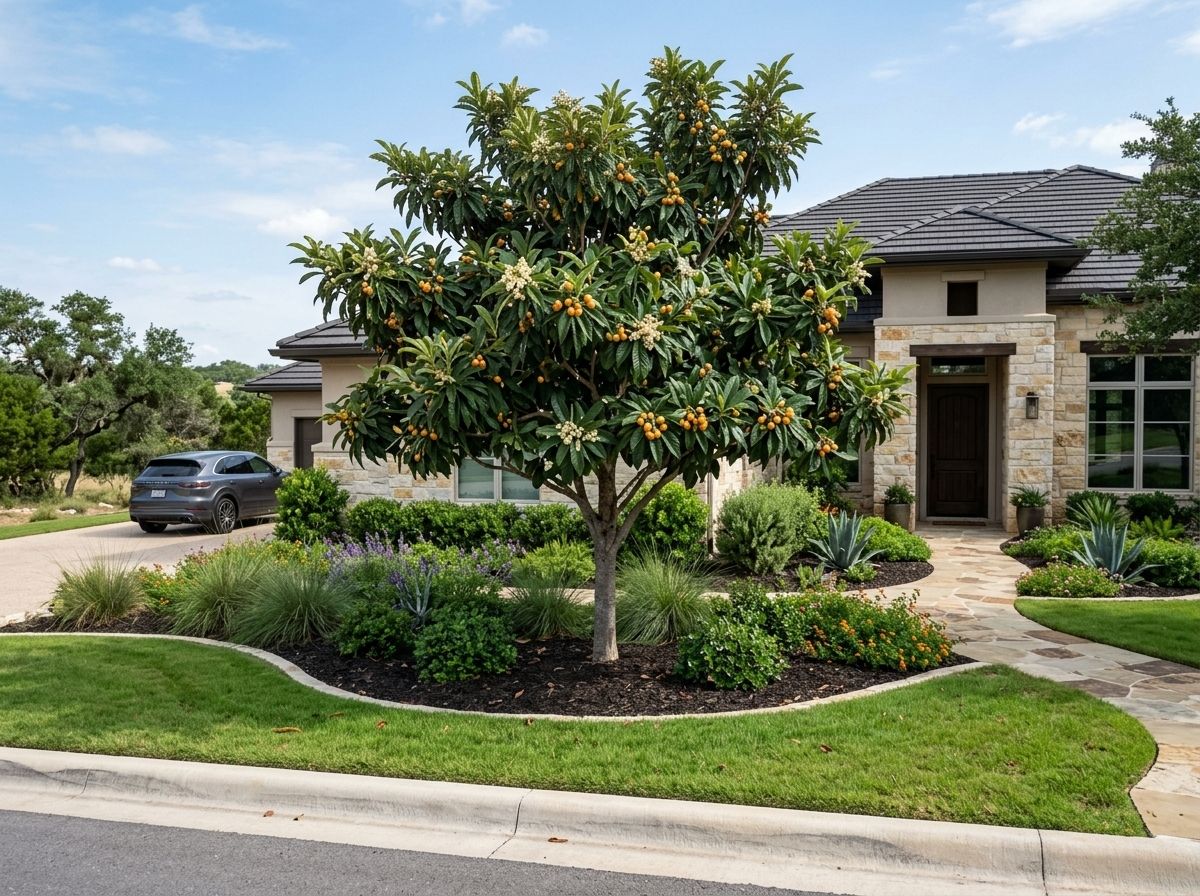
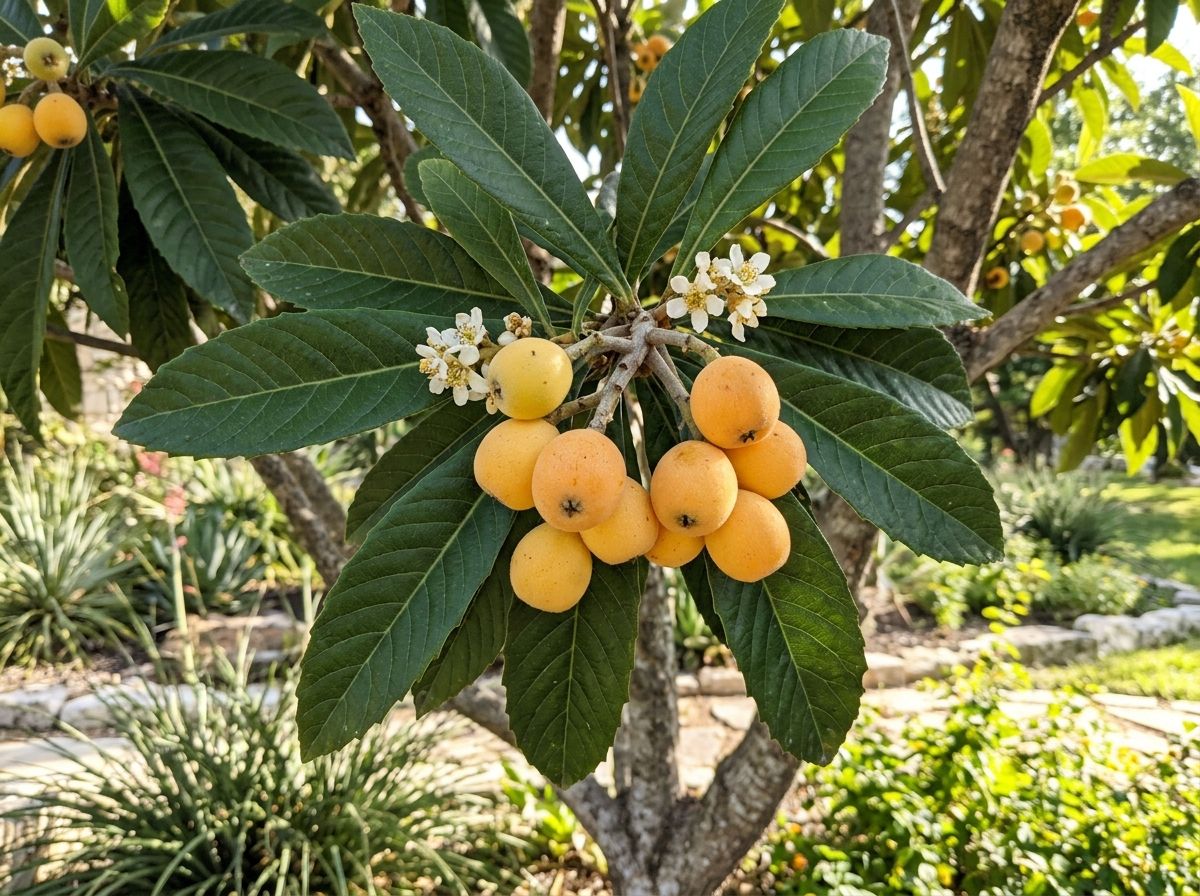
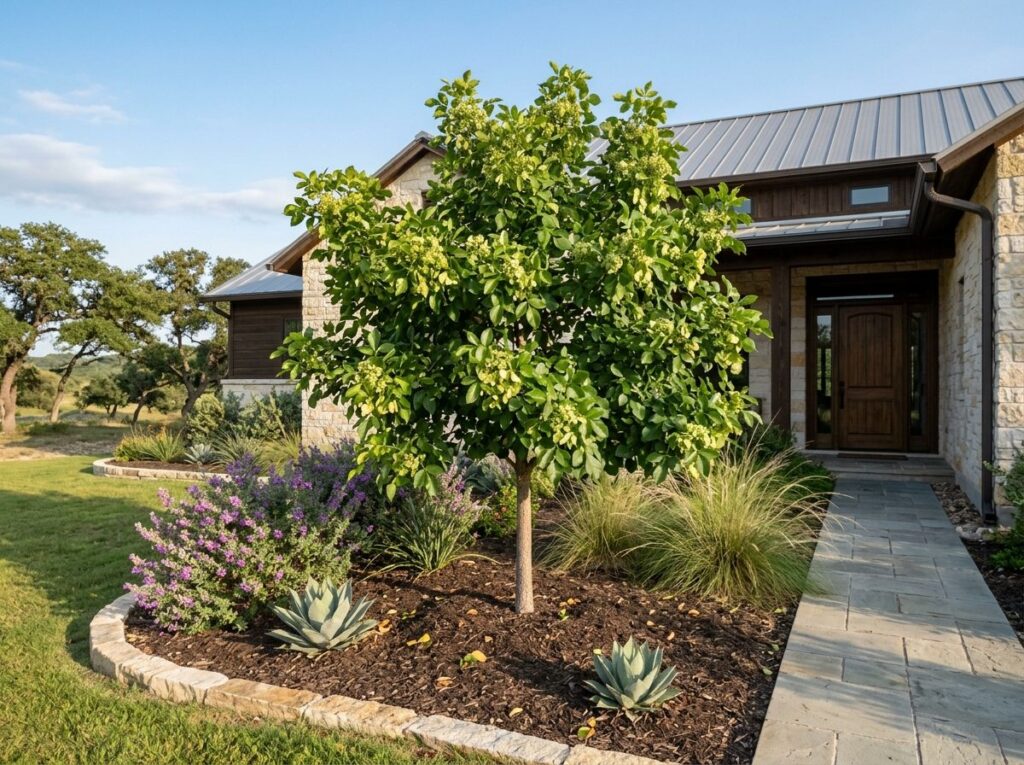
The Japanese Loquat, scientifically known as Eriobotrya japonica, is a charming evergreen shrub or small tree that can enhance any landscape with its tropical appeal. It features large, glossy, dark green leaves with a coarsely serrated edge, providing a lush backdrop year-round. This attractive plant can grow up to 10 to 25 feet tall and is known for its fragrant, small white flowers that bloom in the fall, followed by clusters of round, yellow-orange edible fruit in late spring. Due to its robust appearance and versatility, the Japanese Loquat is commonly used in ornamental landscaping, as a focal point in garden beds, or as a privacy screen. Key features include its ability to attract birds and pollinators, making it a vibrant addition to any garden.
Maintenance
The Japanese Loquat thrives in conditions where it receives full sun to part sun/shade, making it adaptable to various lighting situations. It prefers well-drained, slightly acidic soil, though it can tolerate a range of soil types. To maintain optimal growth, regular watering is essential, particularly during dry spells, though the plant is considered to have low water needs once established. Pruning should be done annually after fruiting to maintain its shape and encourage healthy flowering. The Japanese Loquat has moderate resistance to pests and diseases, though it may occasionally encounter issues with scale, fire blight, or root rot in poorly drained soils.
Quick Facts
– Hardiness Zones: 8-10
– Growth Rate: Moderate to fast
– Special Characteristics: Freeze Hardy, Flowering, Deer Resistant, Attracts Pollinators, Attracts Birds
– Sunlight Preference: Full Sun, Part Sun/Shade
– Watering Needs: Low Water
– Remarks: Not invasive
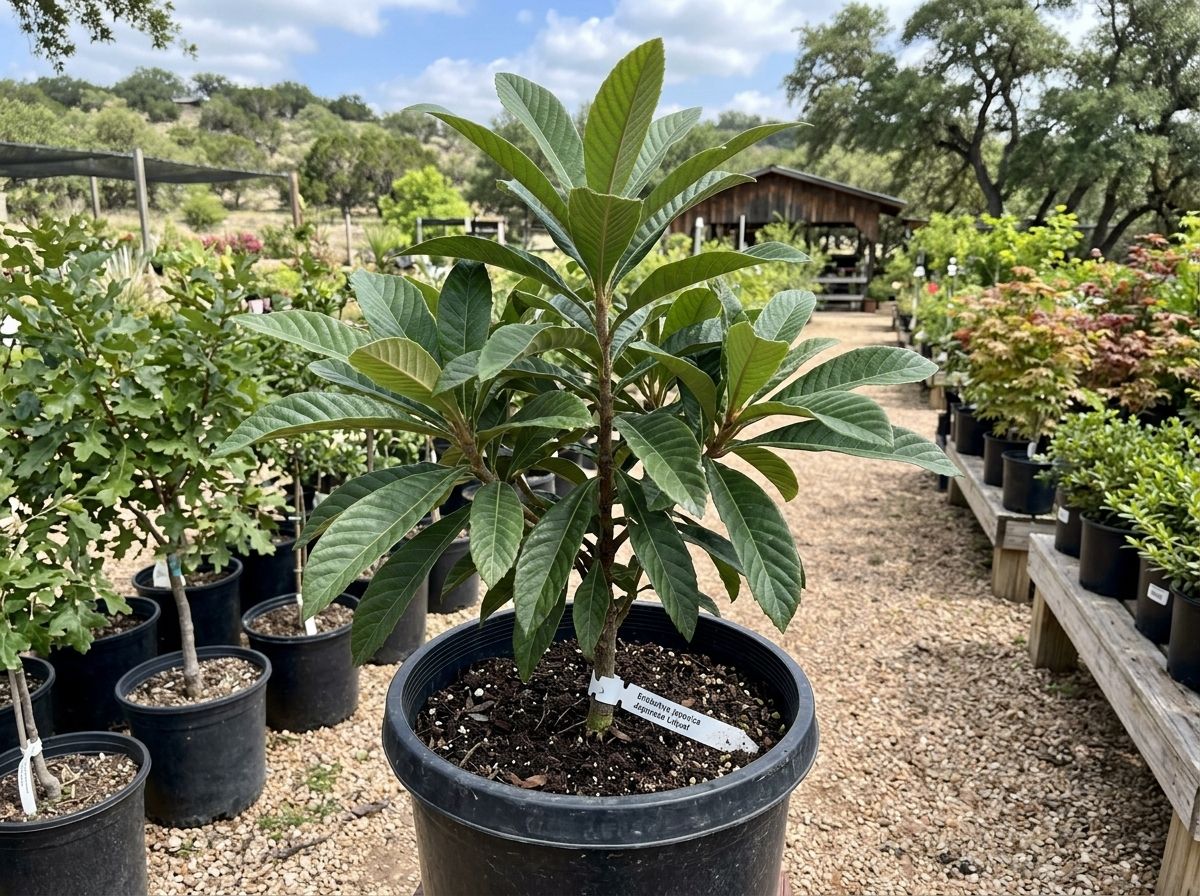
Want this product installed? Check out our page to view pricing and other details.
Related Products
Planting Role / Visual Structure > Evergreen Backbone
Planting Role / Visual Structure > Focal Plant Palette
Ready When You Are
Get a Clear Plan for Your Yard
Tell us what you’d like to improve. We’ll ask a few questions, review your project, and let you know the best next step — no pressure and no guesswork. Fill out the form for a free quote.