
Aquatics Blue Water Lily
(Nymphaea caerulea)
Other Common Names: Blue Lotus, Sacred Blue Lily
Bees
Flowering
Full Sun
Recommended Use: Ideal for ponds, water gardens, and aquatic features needing bold, colorful blooms.
Introduction to Blue Water Lily
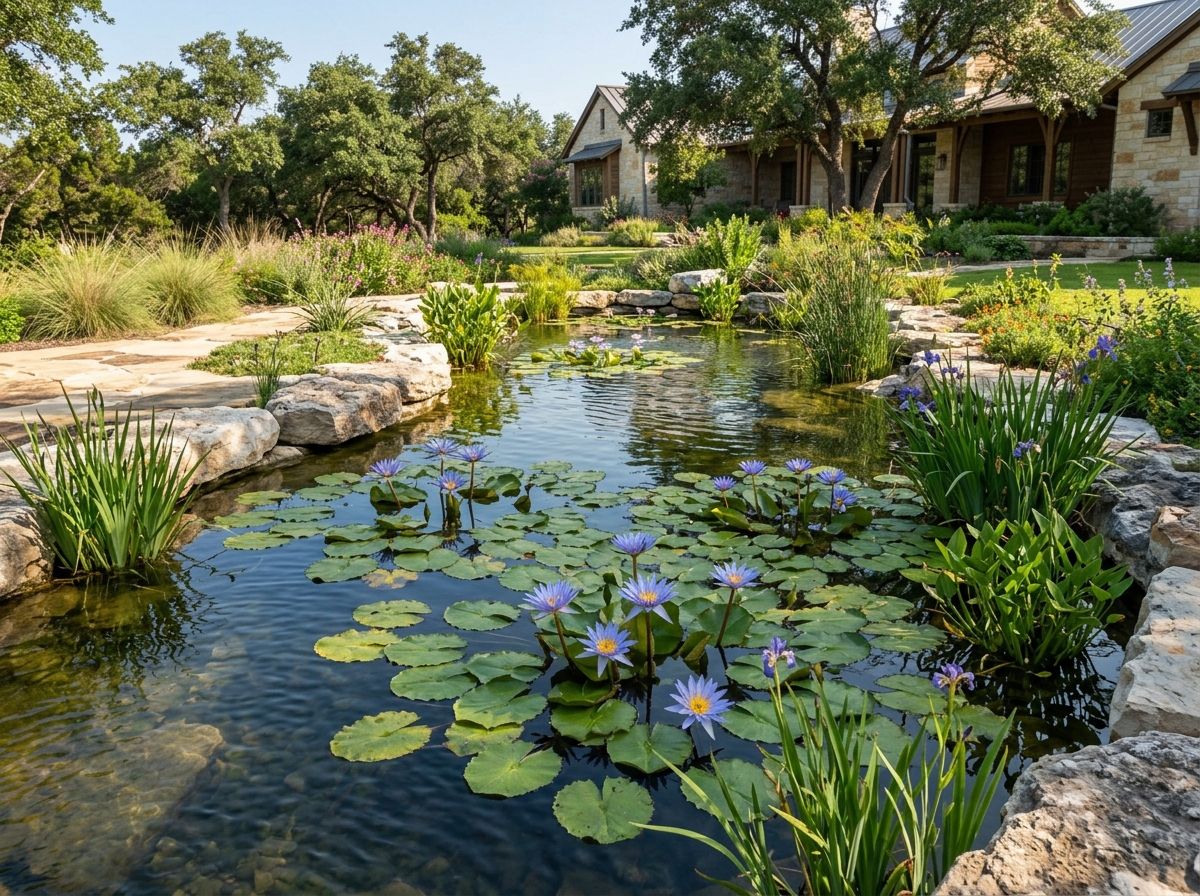
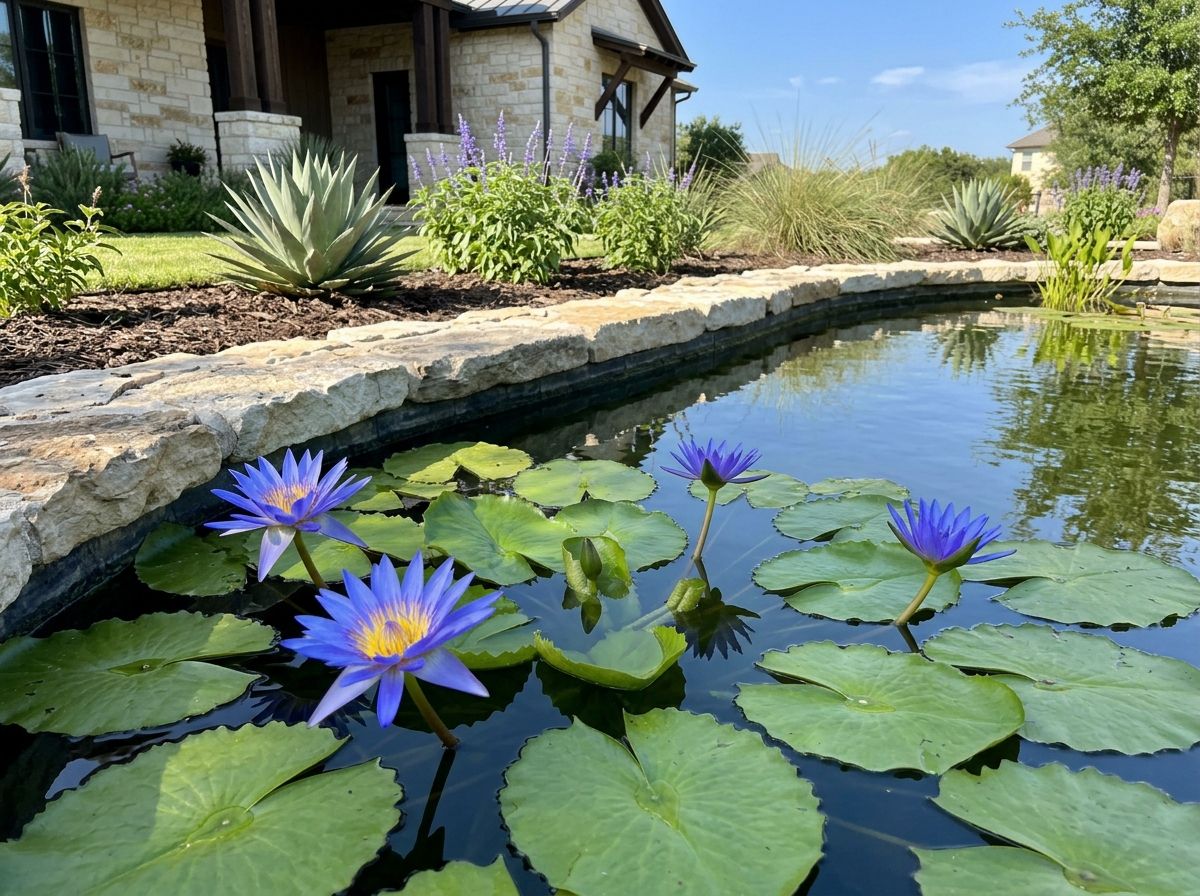
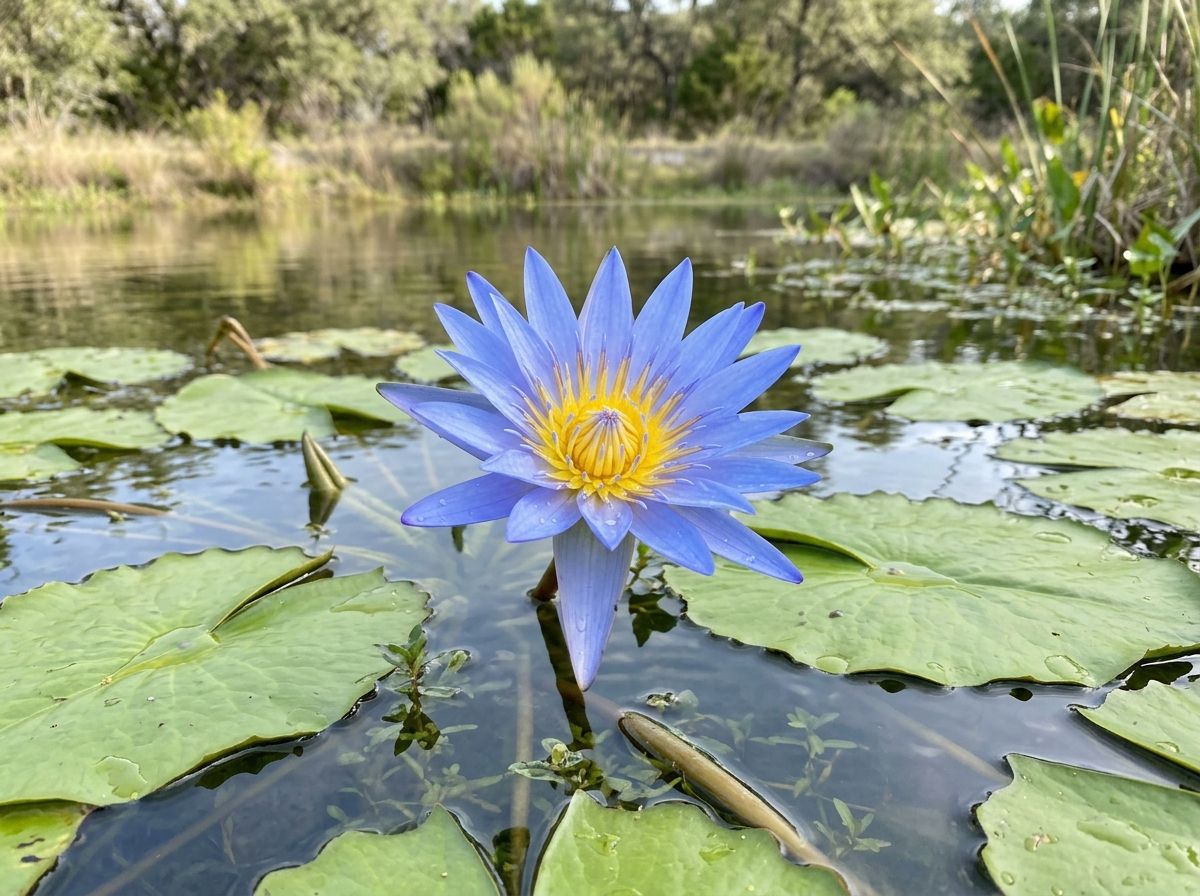
The Blue Water Lily (Nymphaea caerulea) is a striking aquatic plant renowned for its captivating sky-blue petals with a yellow center. It typically grows as a floating plant in ponds and water gardens, adding a touch of serenity to any landscape. This species can spread up to several feet wide, with individual flowers reaching about 4 to 6 inches in diameter. Key features include its beautiful blooms and circular green leaves that float elegantly on water surfaces. Commonly used in water features and garden ponds, the Blue Water Lily attracts a variety of pollinators, enhancing garden biodiversity.
Maintenance of Blue Water Lily
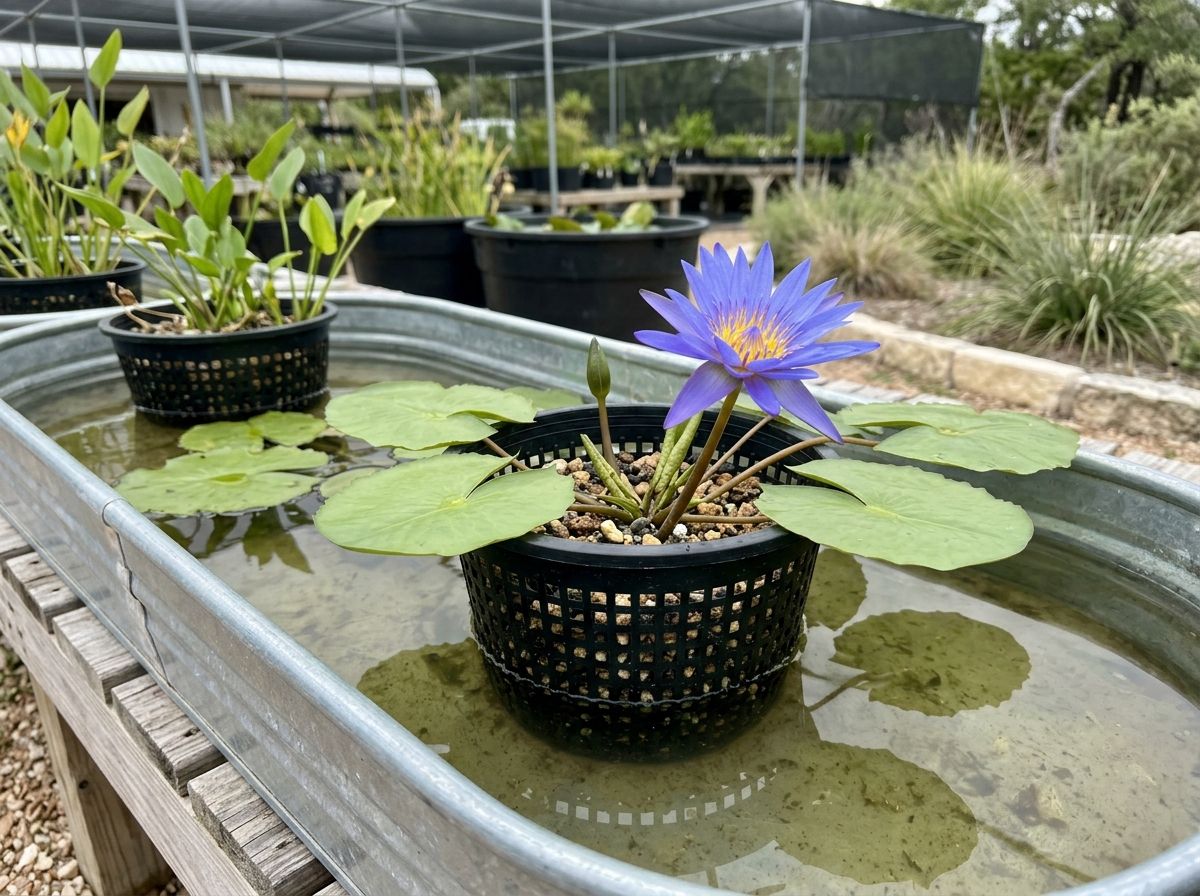
The Blue Water Lily thrives in full to partial sunlight; semi-sun exposure is ideal to encourage blooming. It requires regular watering (constant submersion), which naturally occurs when placed in a pond or water feature. For optimal growth, plant it in rich, loamy soil or aquatic planting media. Pruning is minimal, mainly involving the removal of spent flowers and old leaves to maintain plant health and water quality. The Blue Water Lily is generally resistant to pests and diseases, although monitoring for aphids and handling gently can prevent potential issues.
Additional Notes for San Antonio Homeowners
- Heat Tolerance: Blue Princess Verbena performs well in the hot summers of San Antonio but benefits from afternoon shade during extreme heat waves to prevent leaf scorch.
- Watering: Requires regular watering during dry periods, especially in the summer. Mulching helps retain soil moisture and keeps roots cool.
- Soil: Prefers well-drained soil; amend heavy clay soils common in San Antonio with organic matter to improve drainage.
- Pests & Diseases: Watch for spider mites and powdery mildew during humid conditions. Use appropriate insecticidal soap or fungicides if needed.
- Winter Care: Treat as an annual; replant each spring for best performance.
Quick Facts
– Hardiness Zones: 9-11
– Growth Rate: Moderate
– Special Characteristics: Attracts pollinators, deer-resistant
– Sunlight Preference: Semi-sun to full sun
– Soil Requirements: Rich, loamy, or aquatic planting media
– Watering Needs: Requires constant aquatic environment (do not allow to dry out)
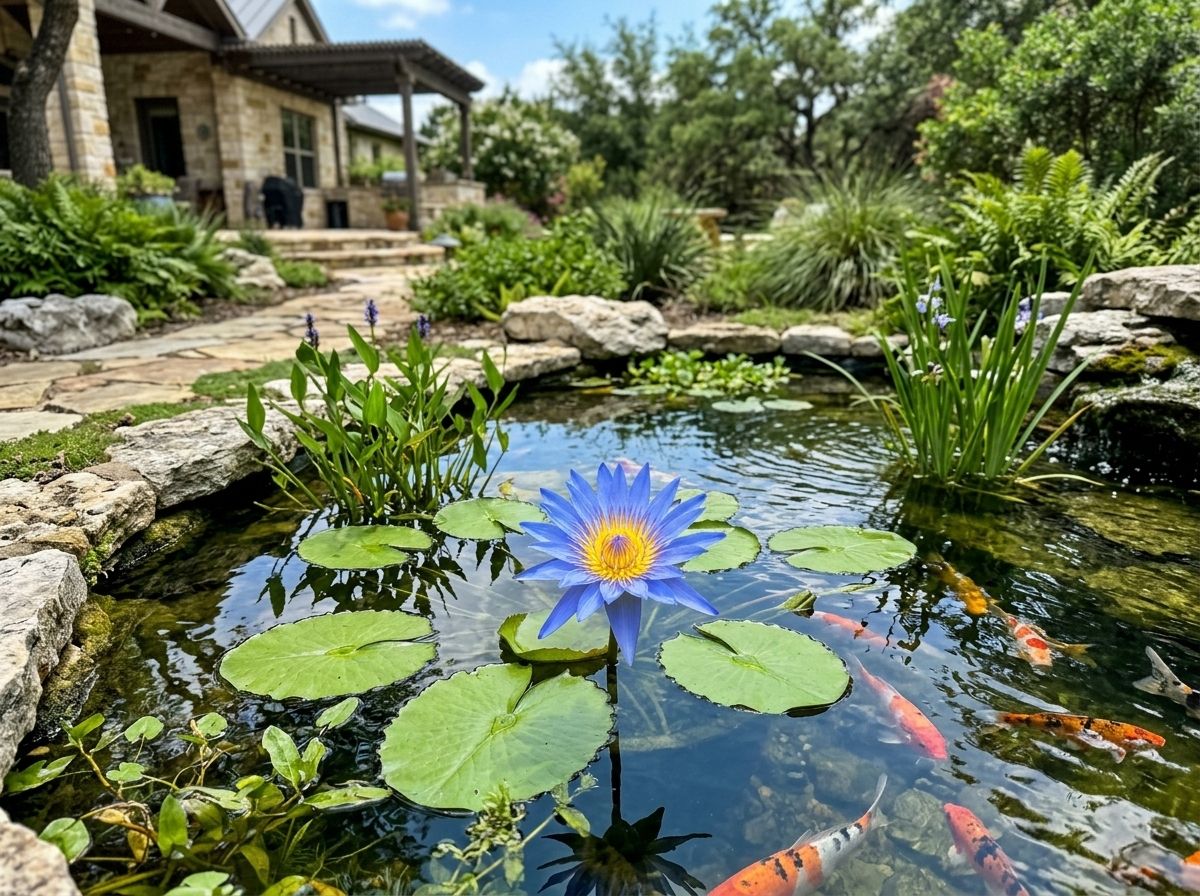
Want this product installed? Check out our page to view pricing and other details.
Related Products
Planting Role / Visual Structure > Focal Plant Palette
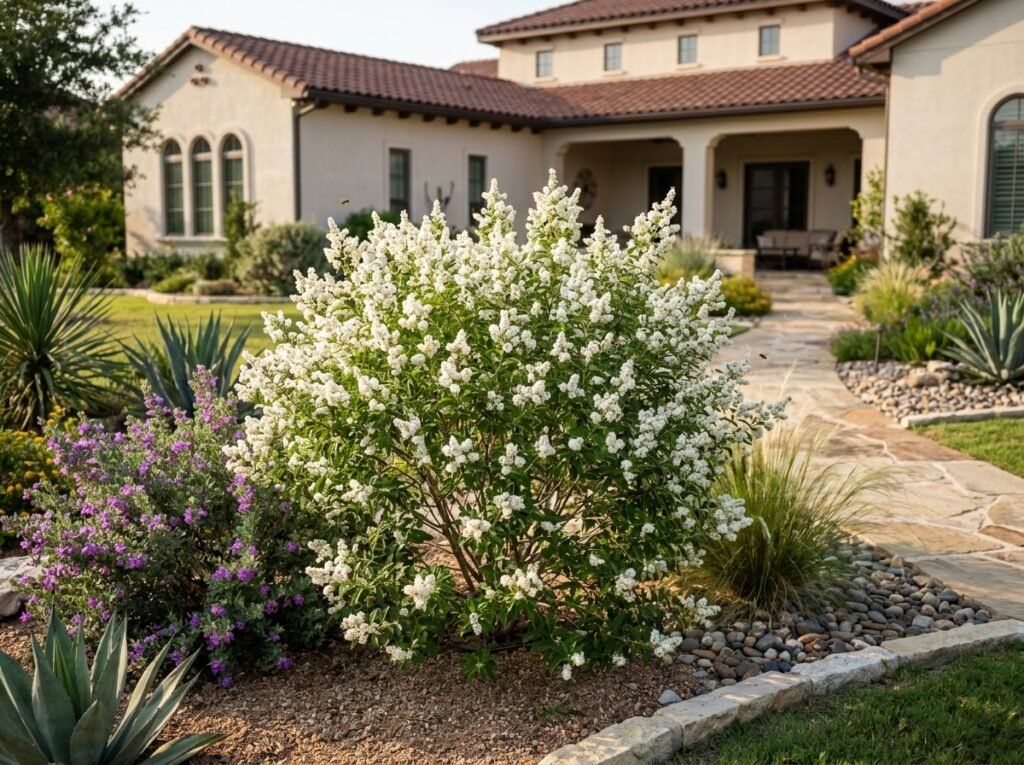
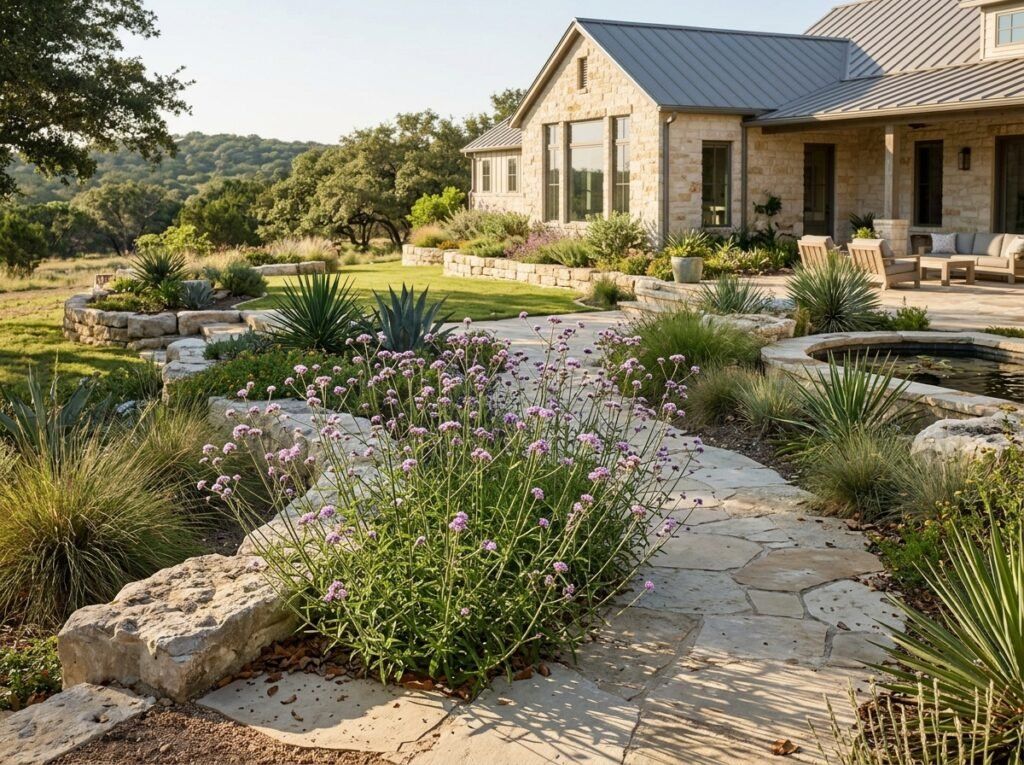
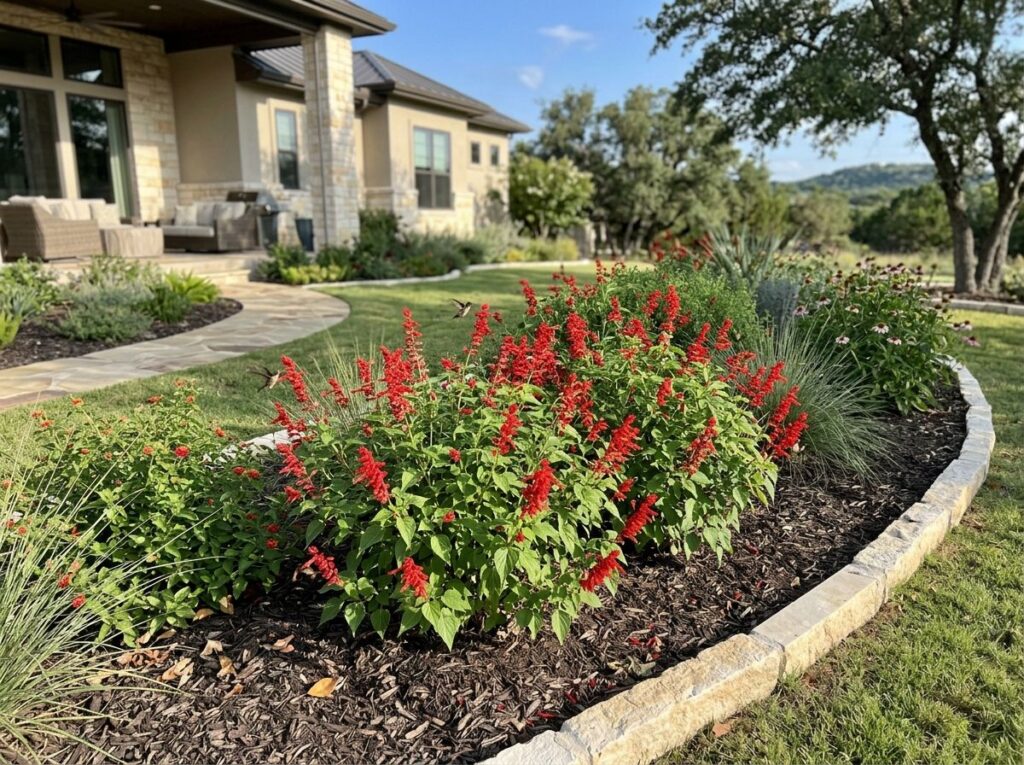
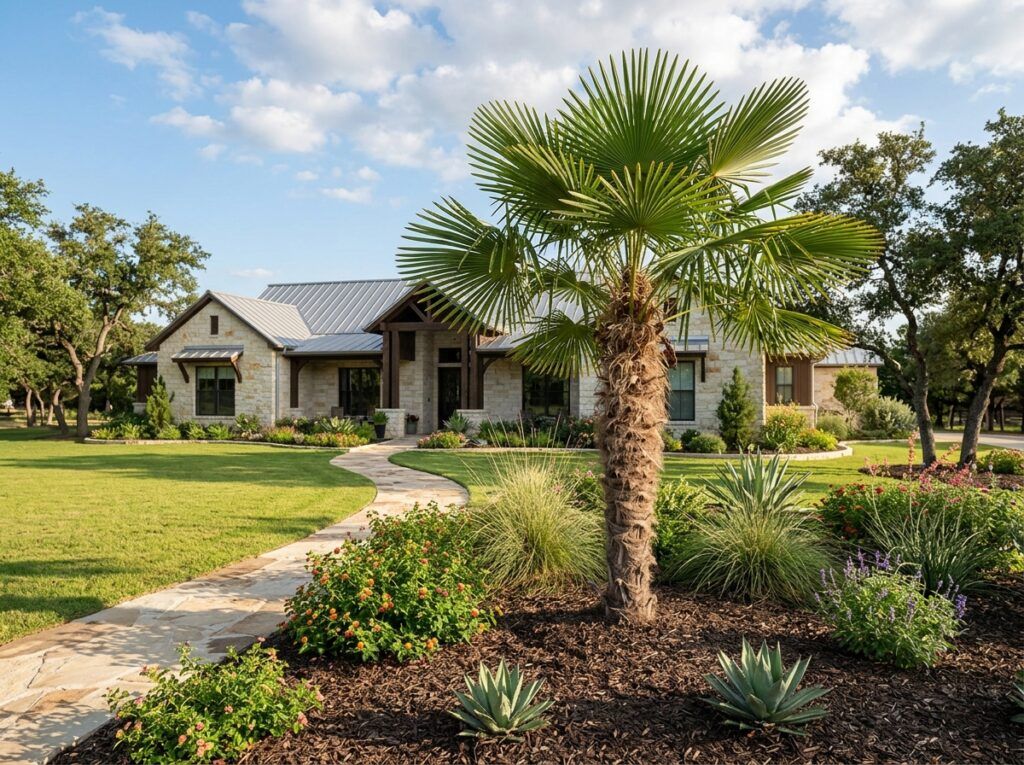
Wildlife Garden Blend

Ready When You Are
Get a Clear Plan for Your Yard
Tell us what you’d like to improve. We’ll ask a few questions, review your project, and let you know the best next step — no pressure and no guesswork. Fill out the form for a free quote.