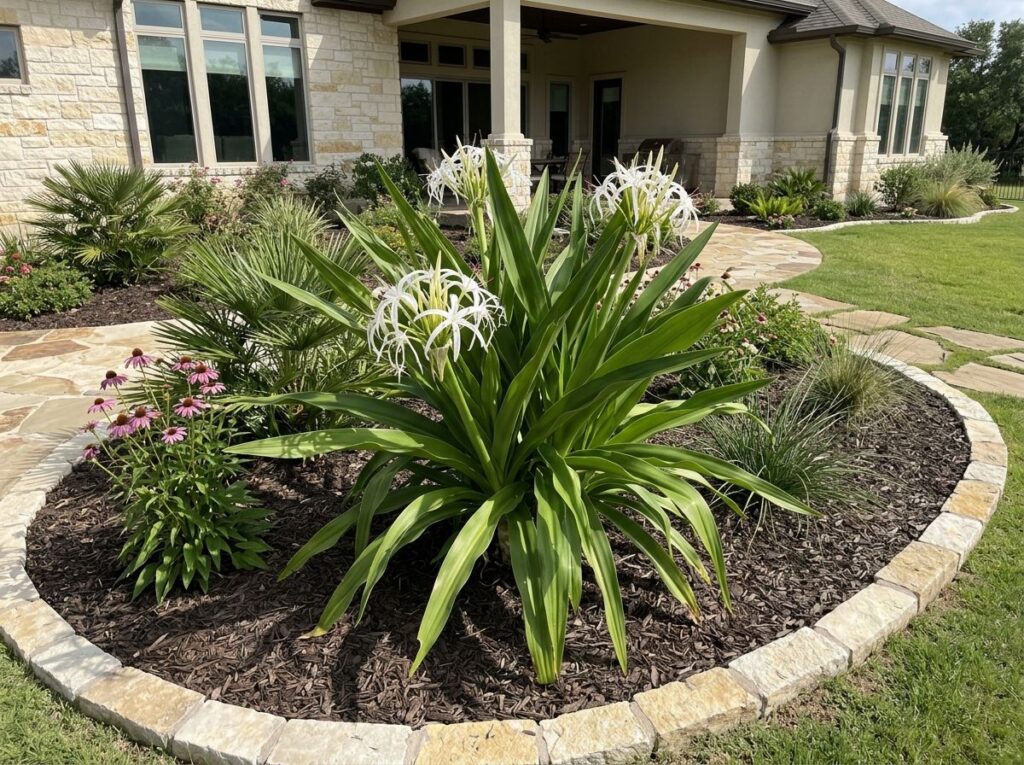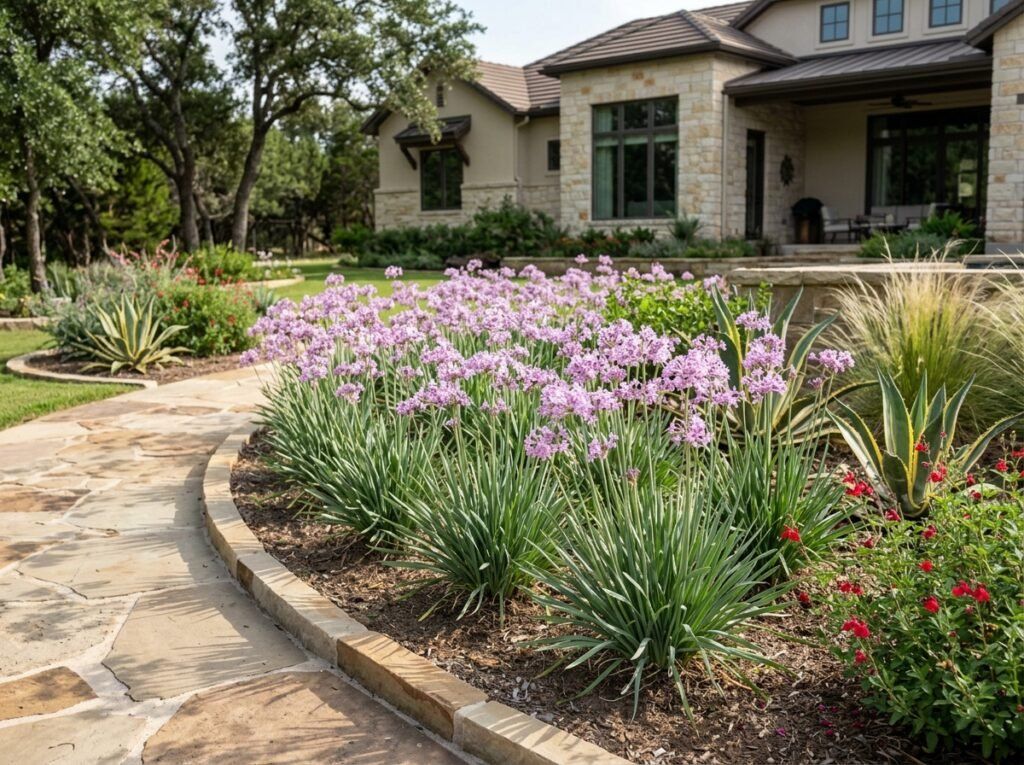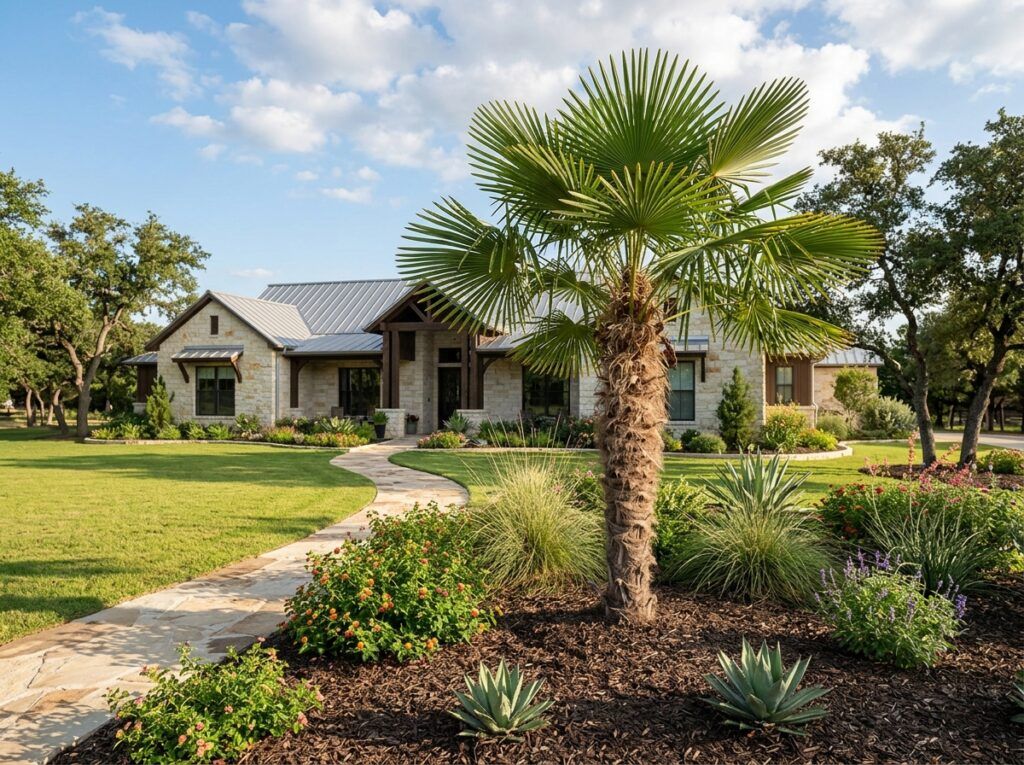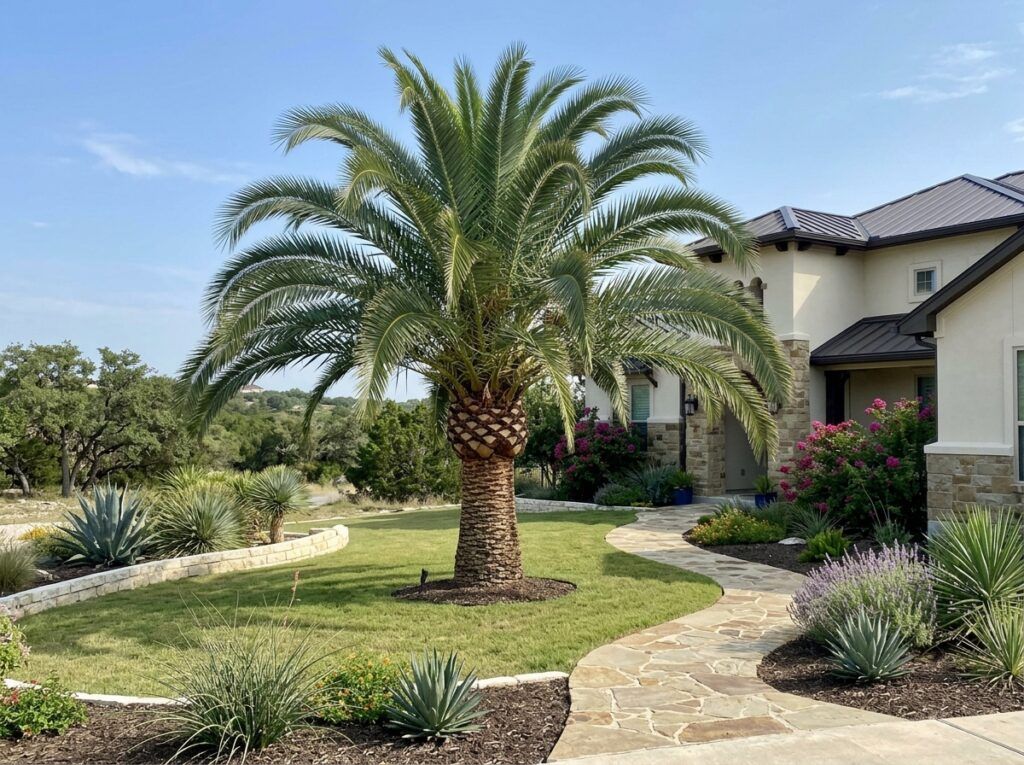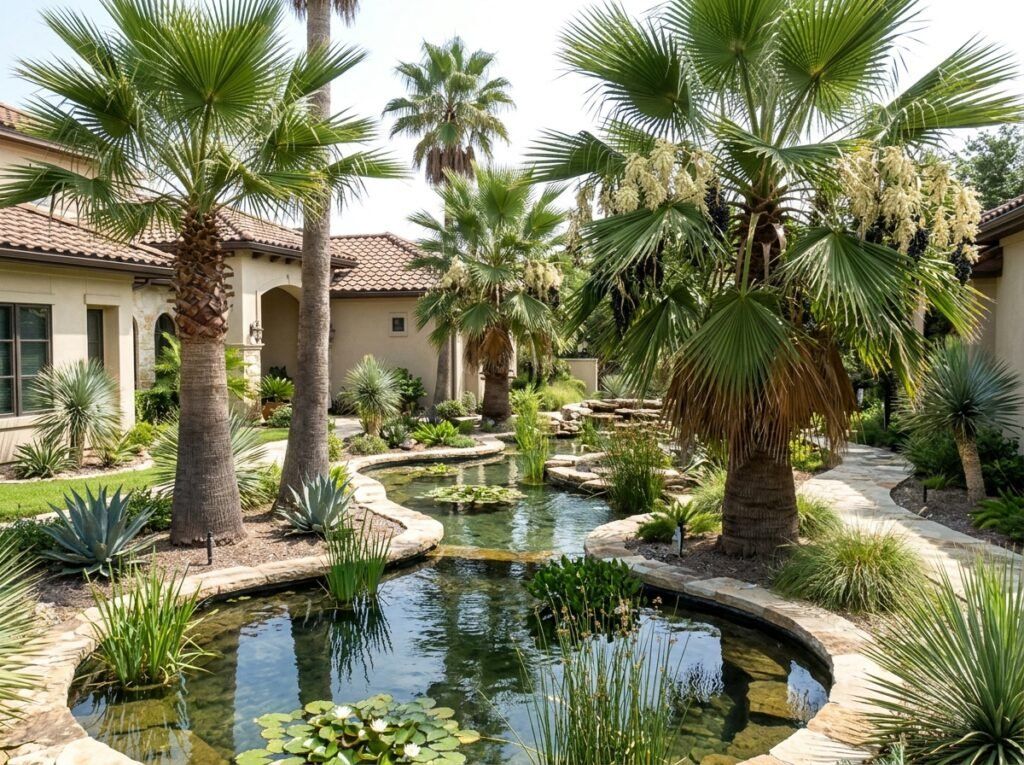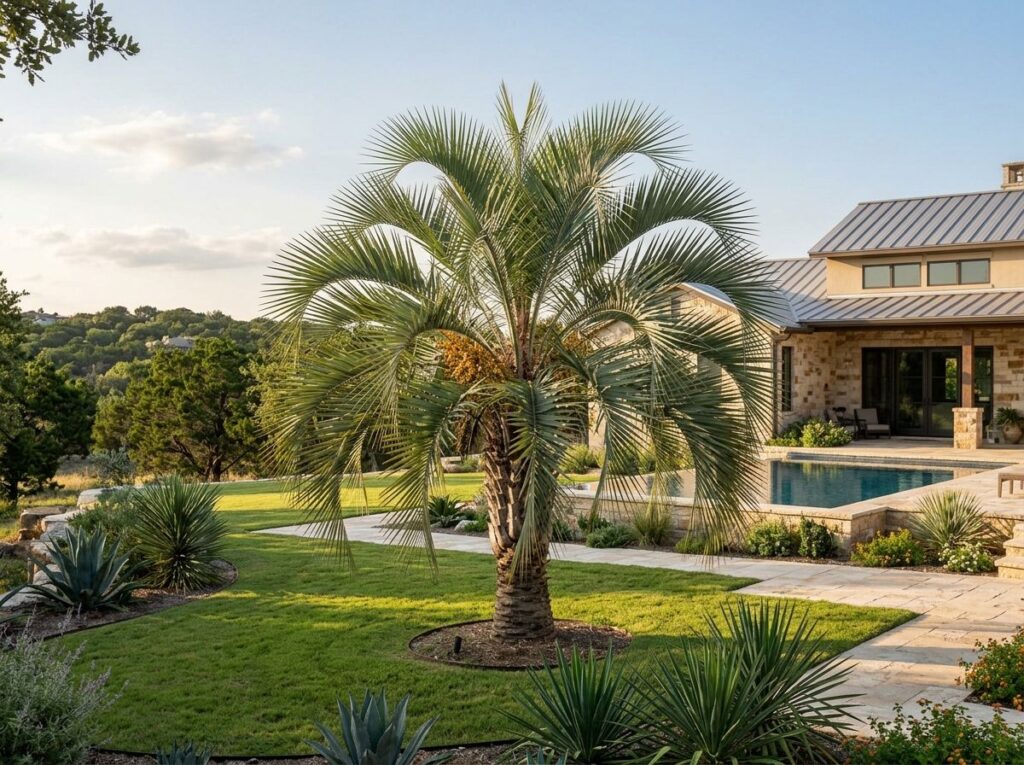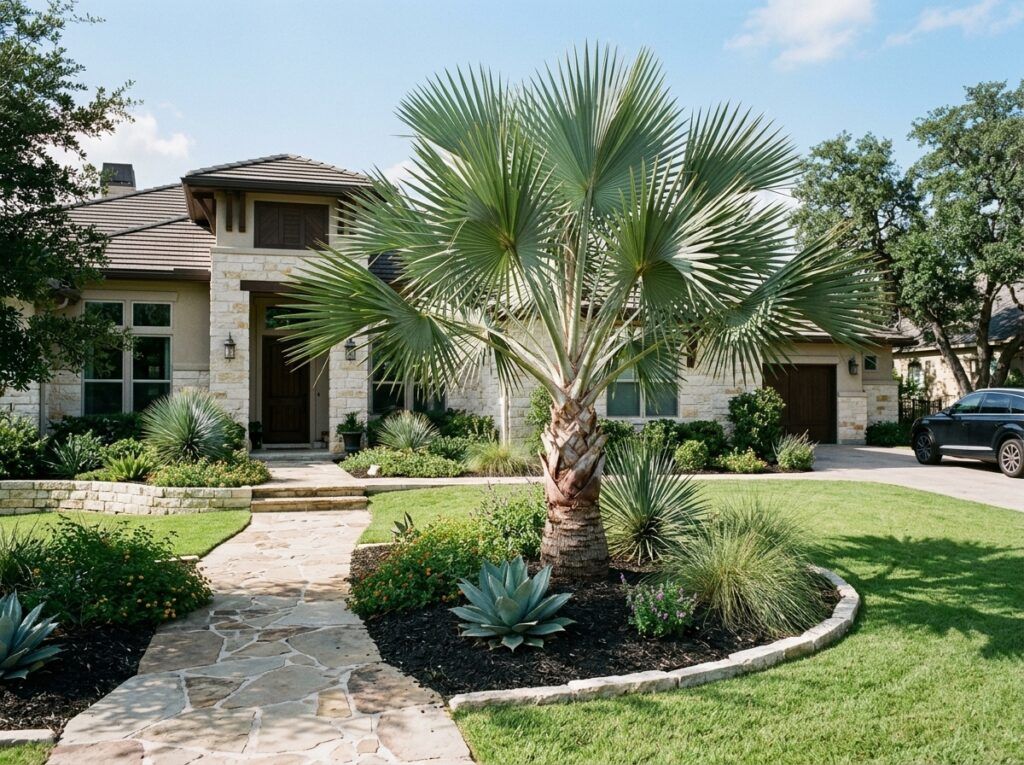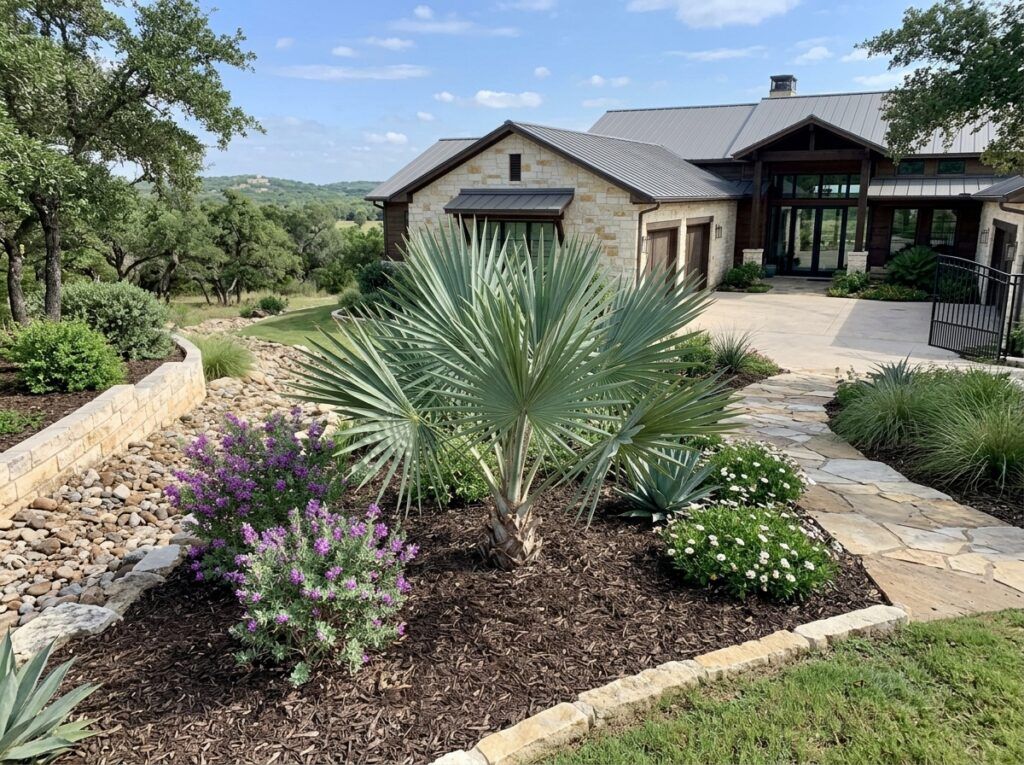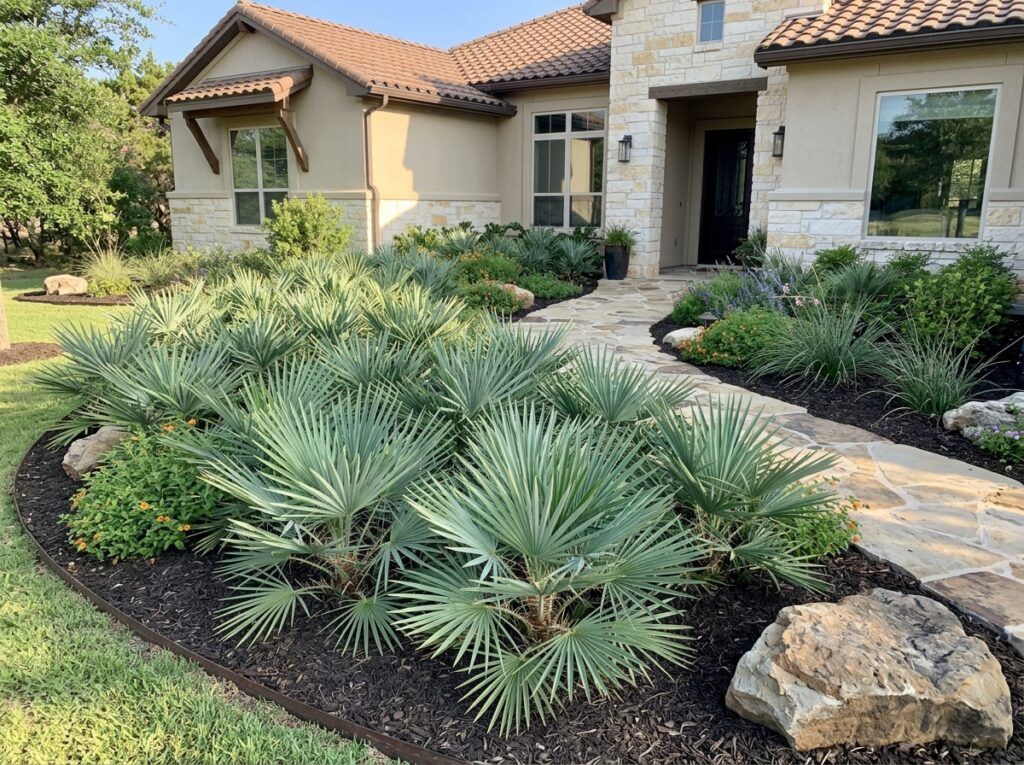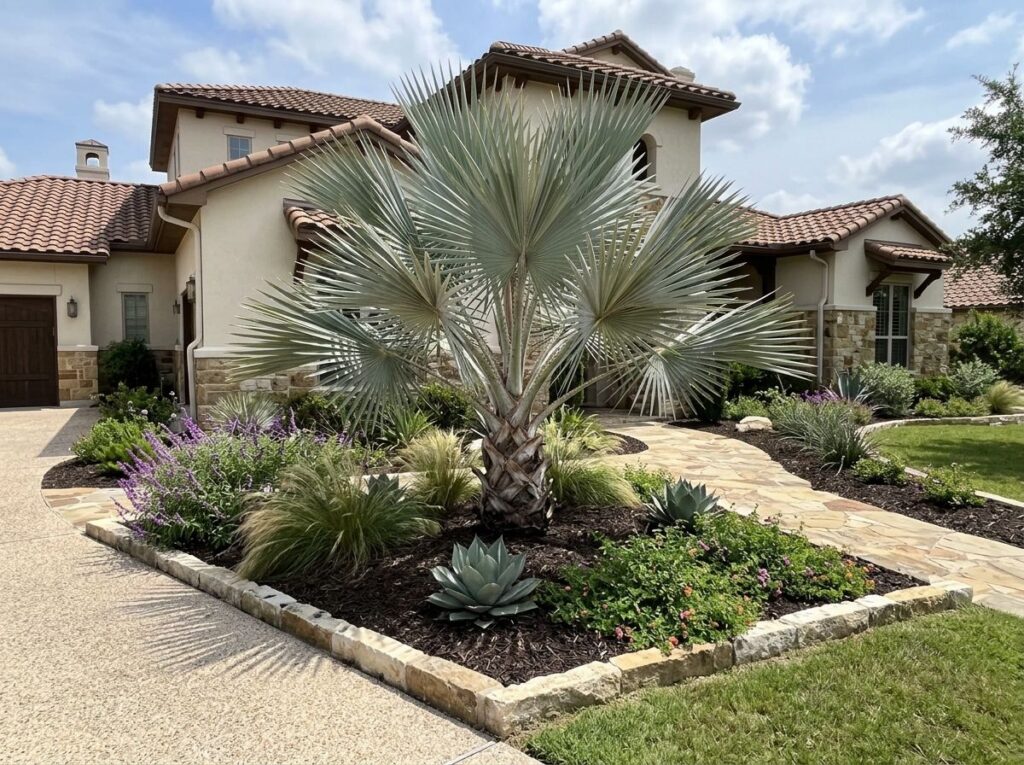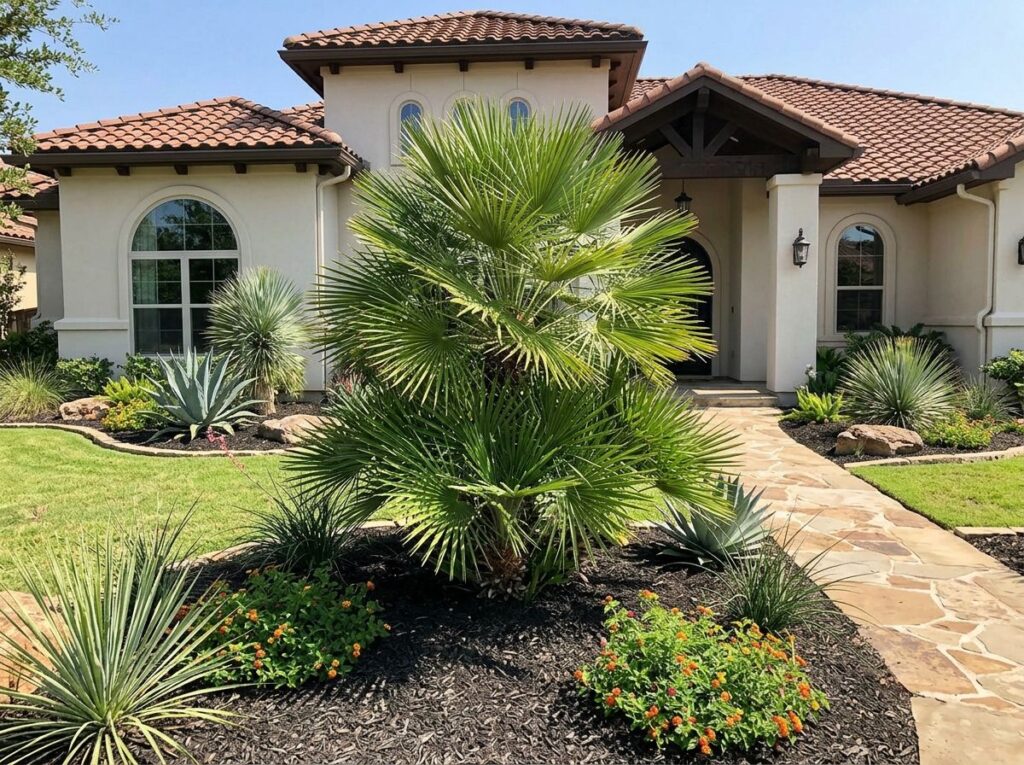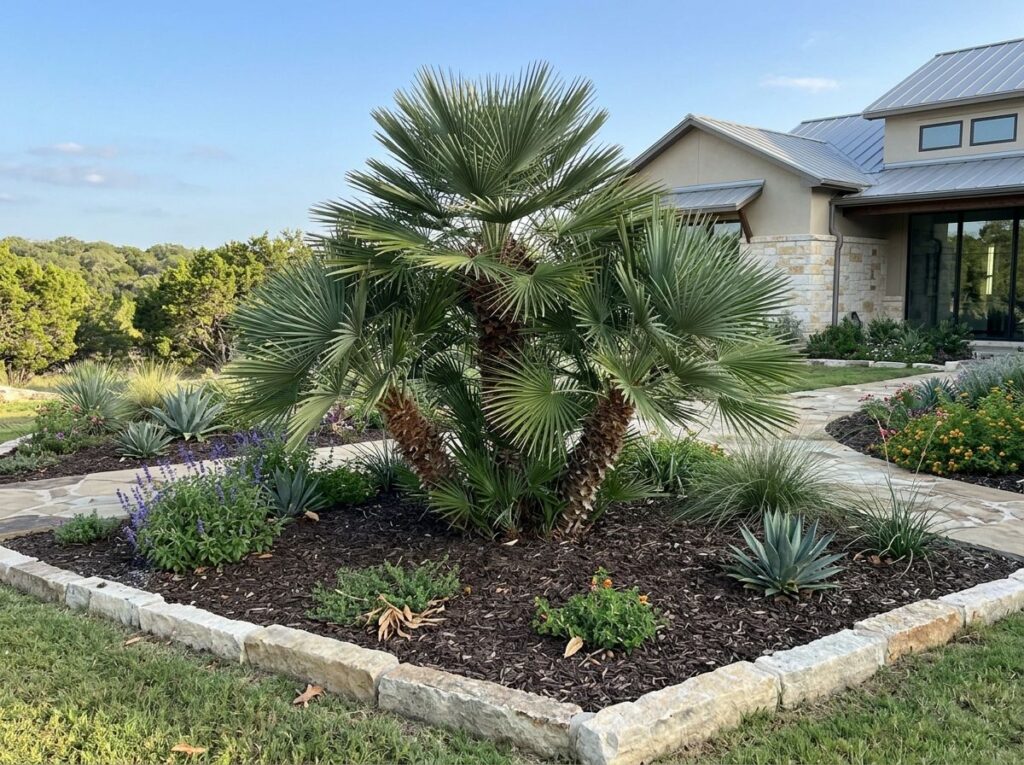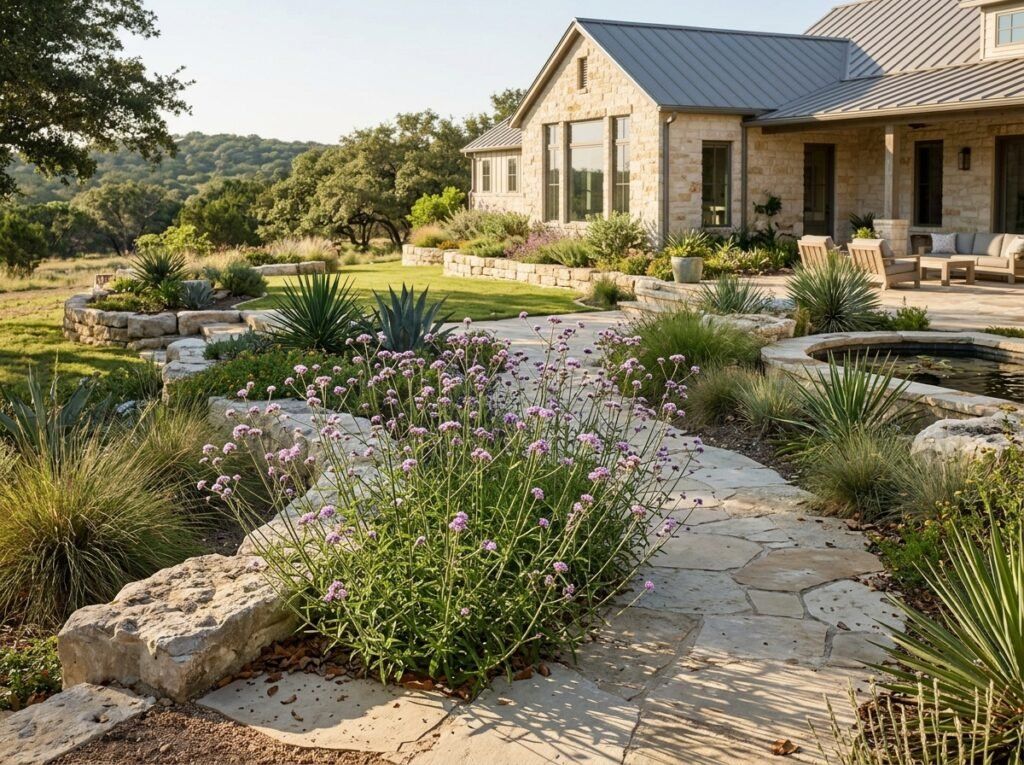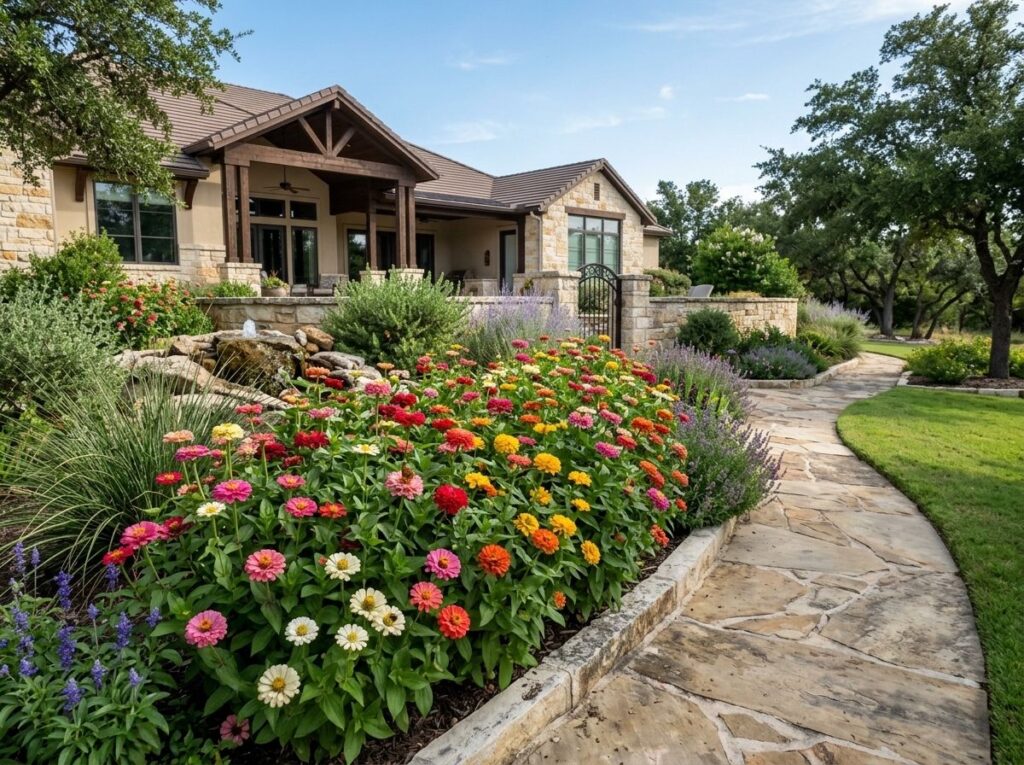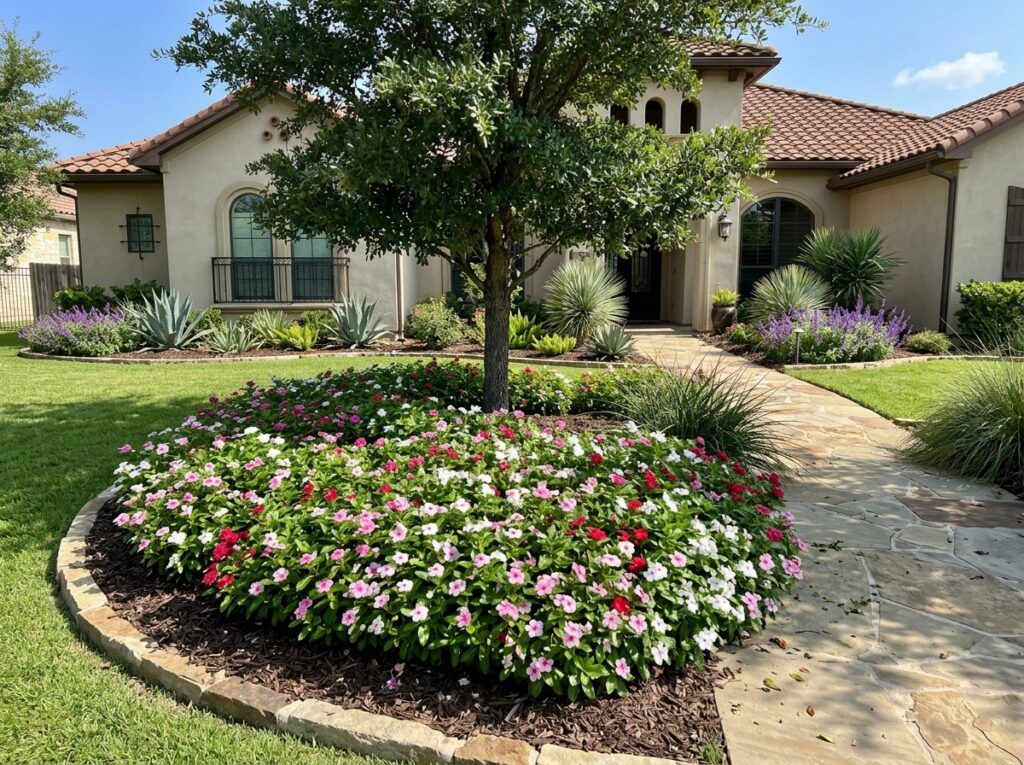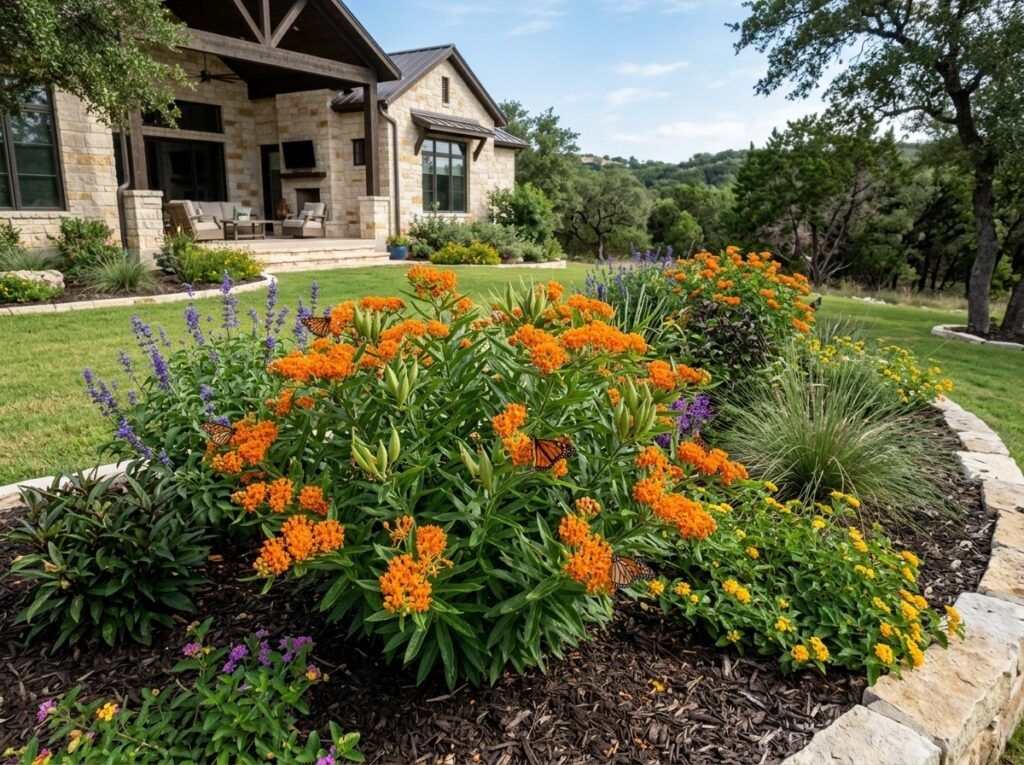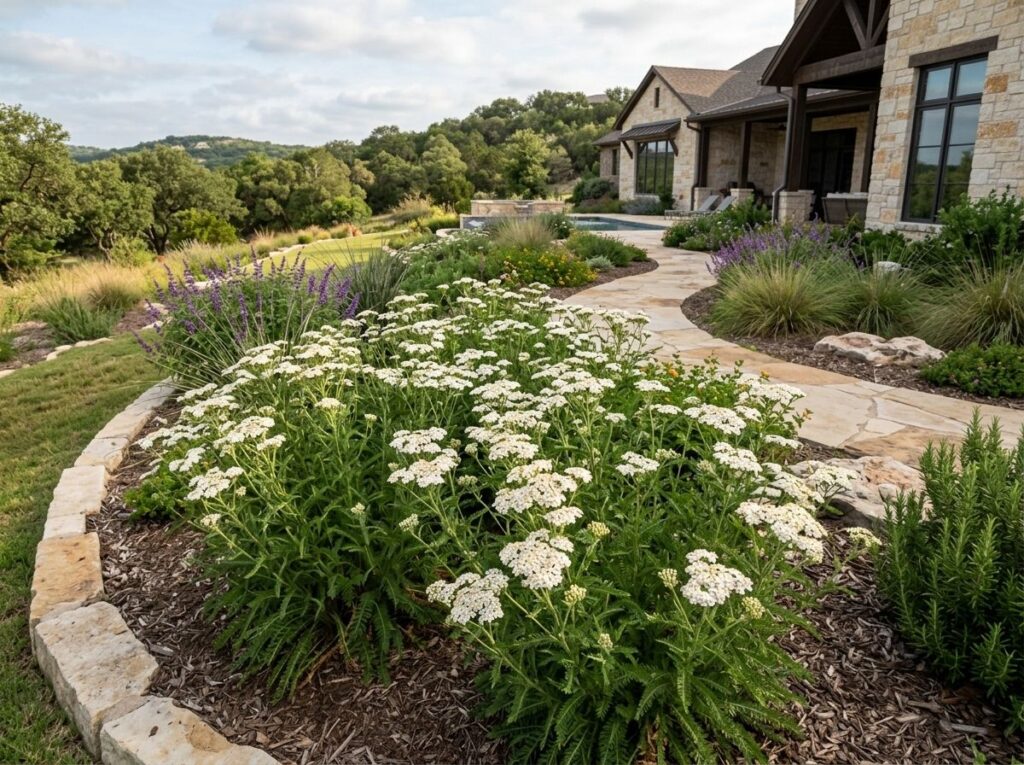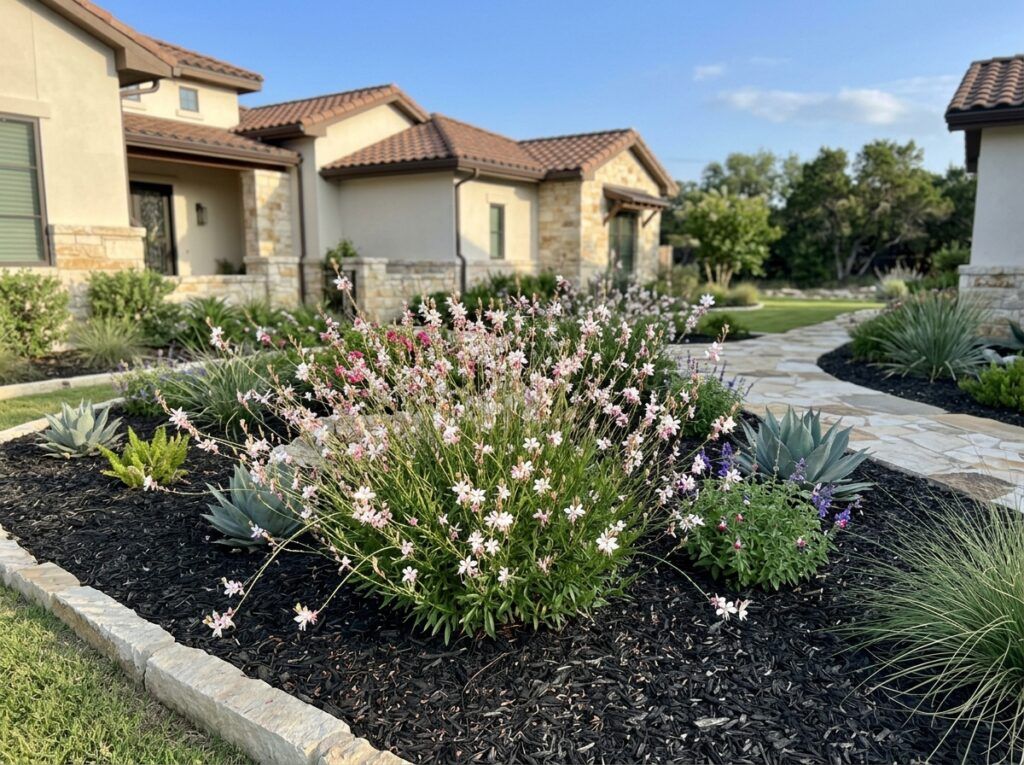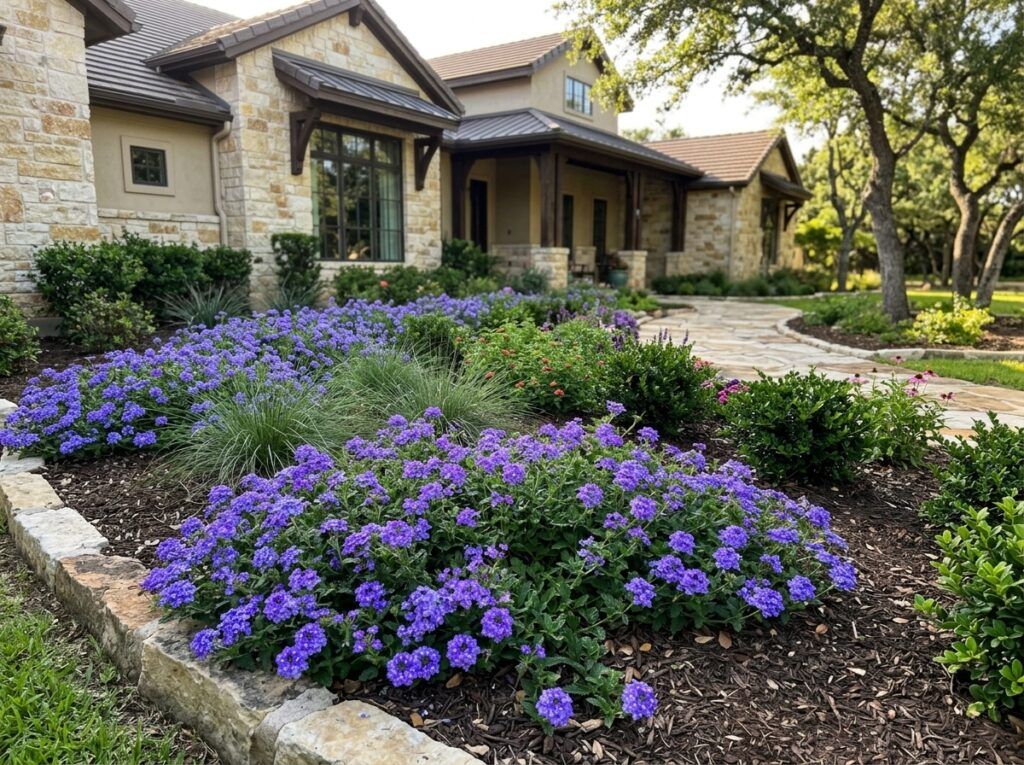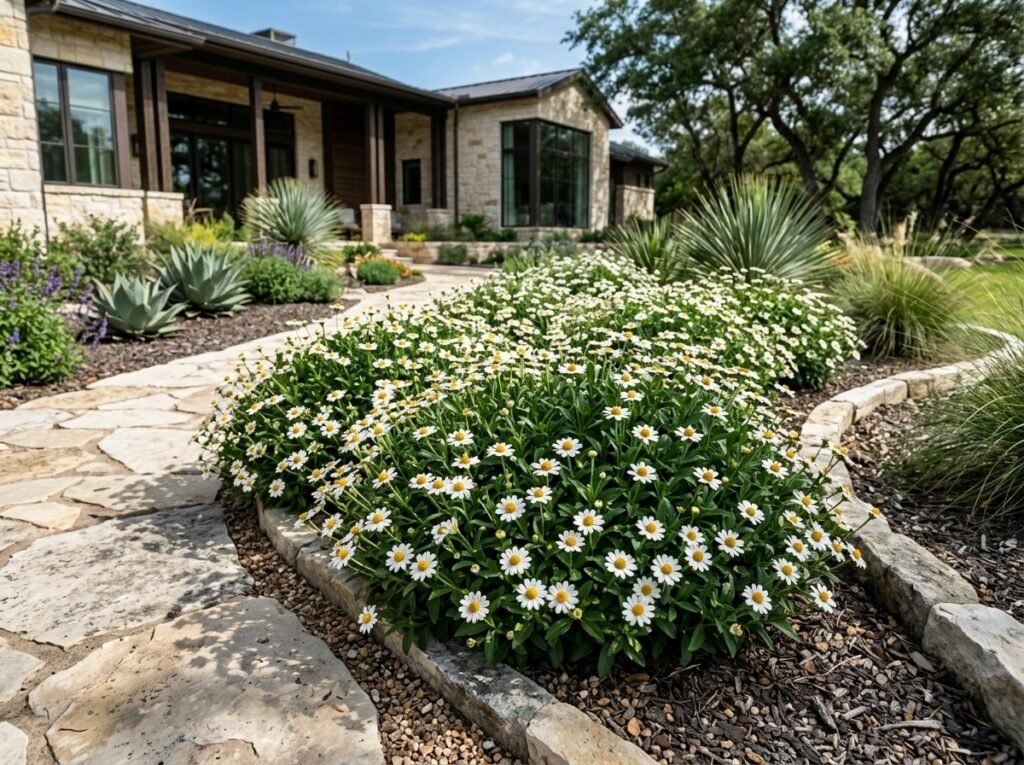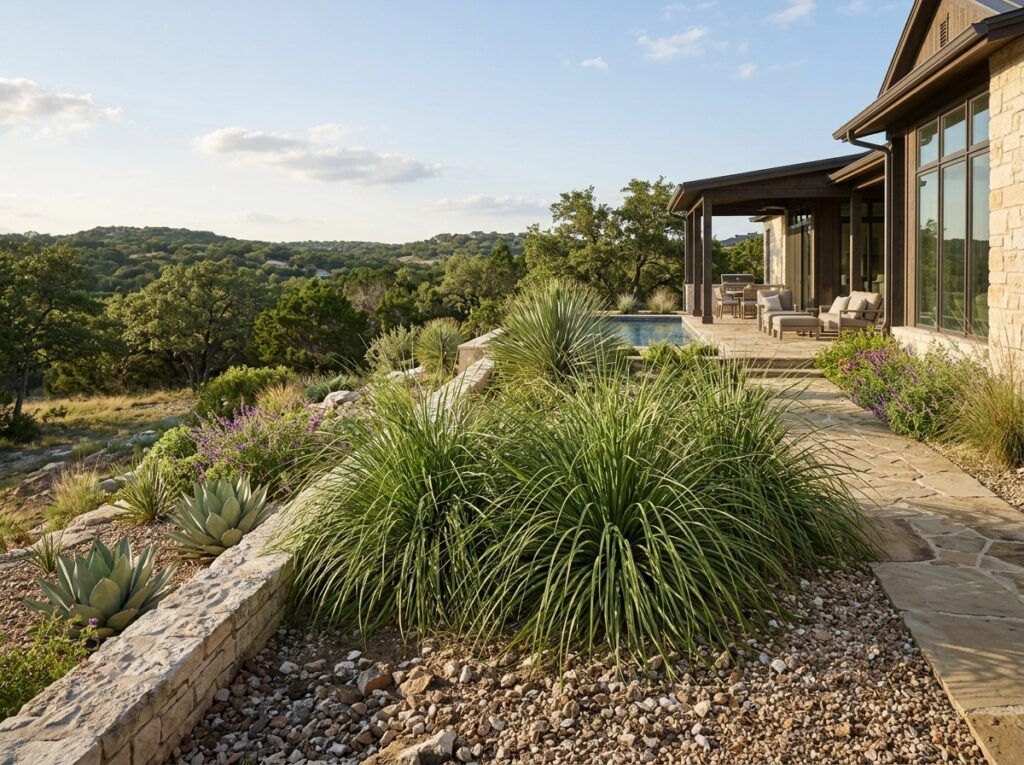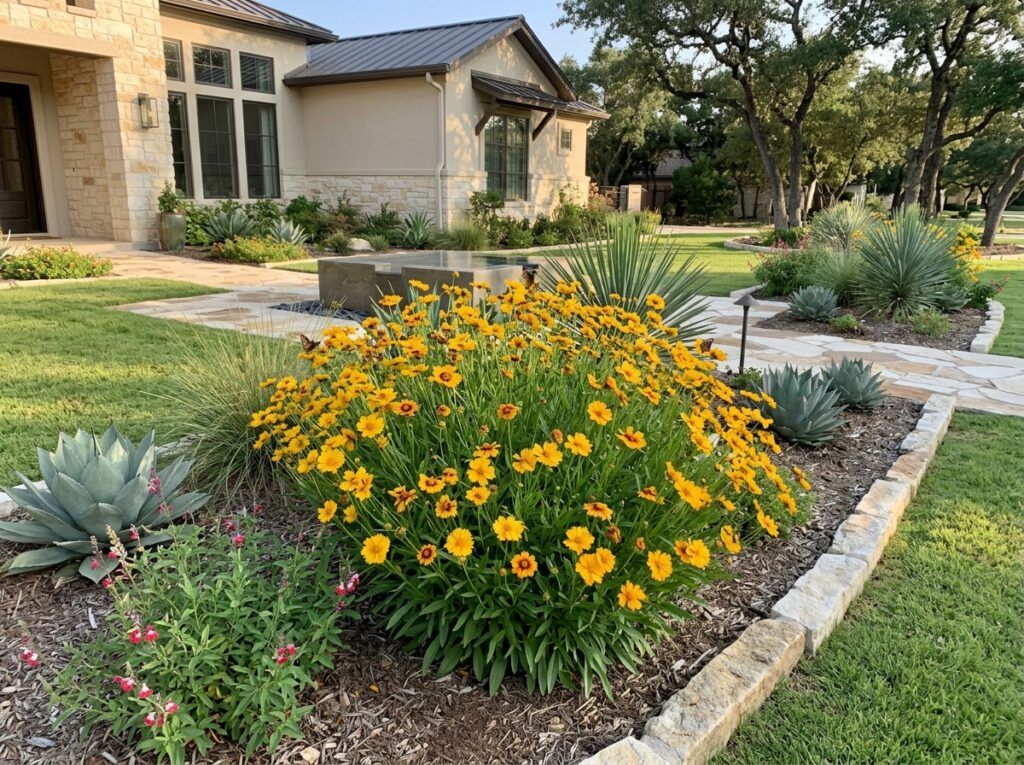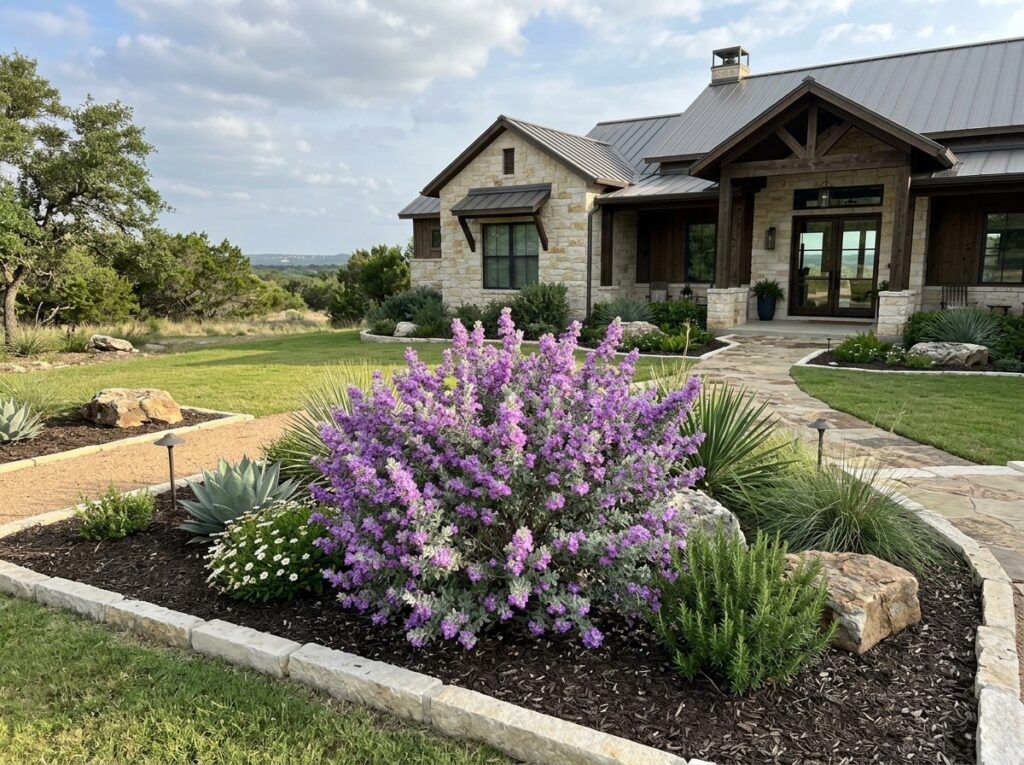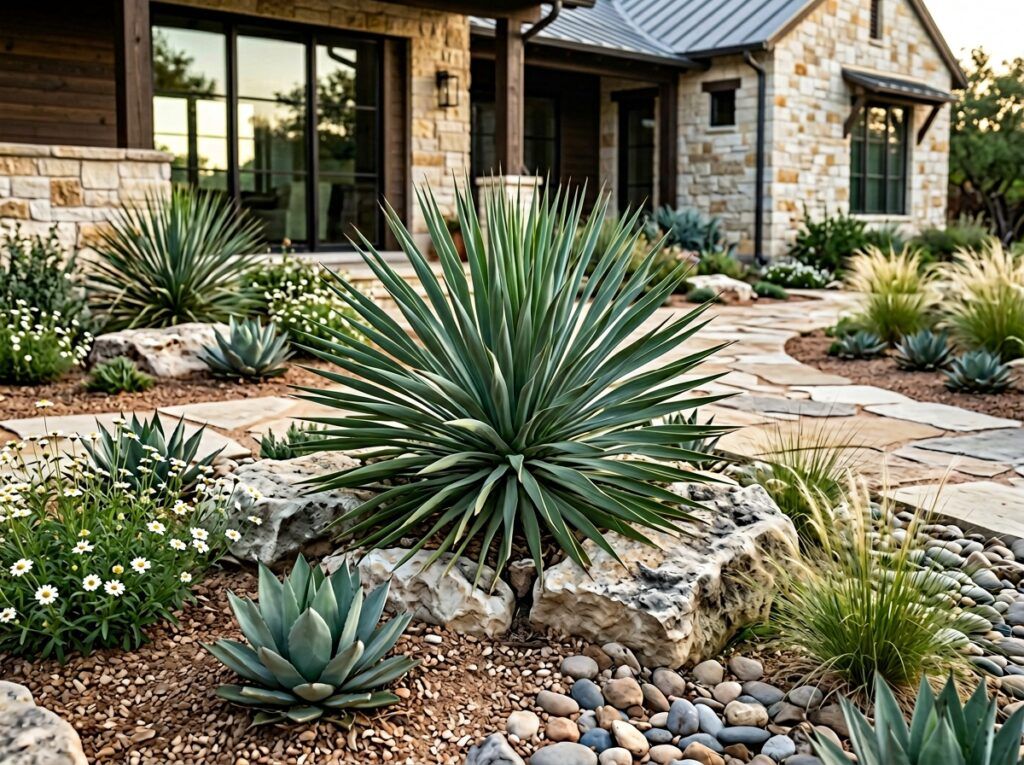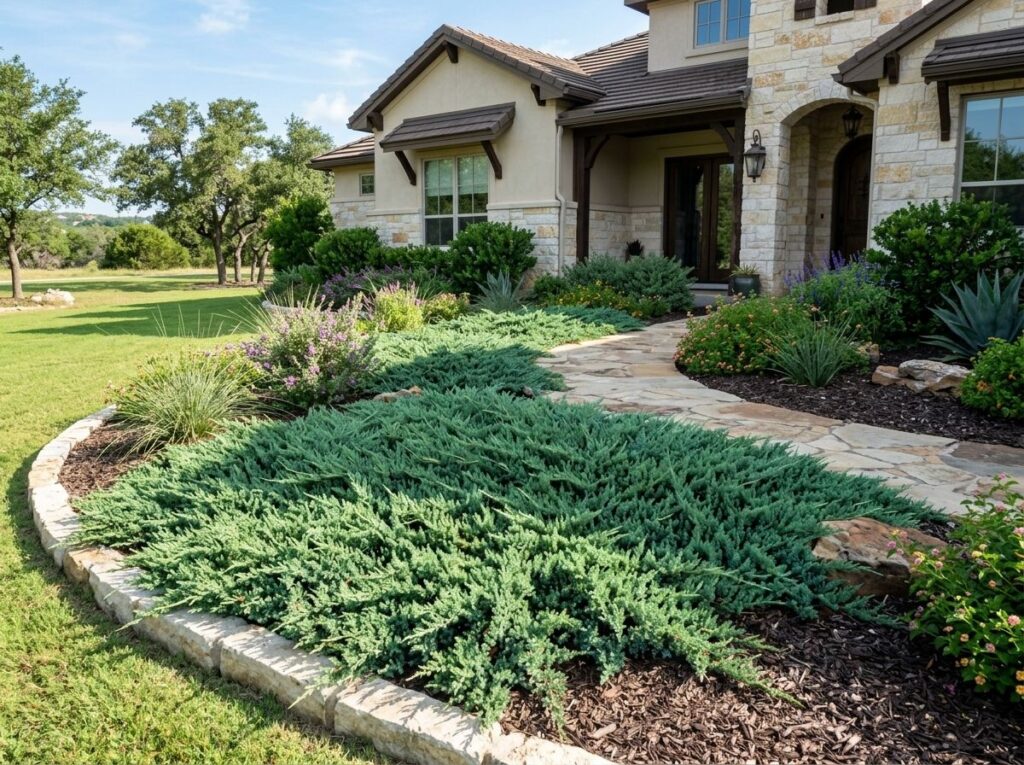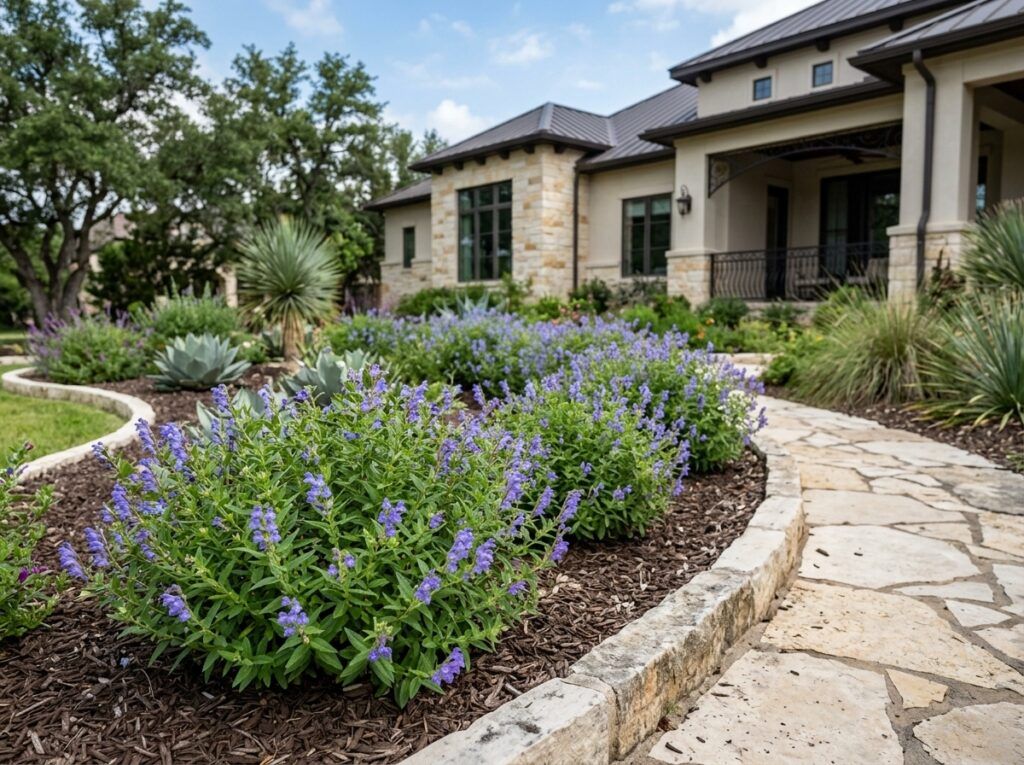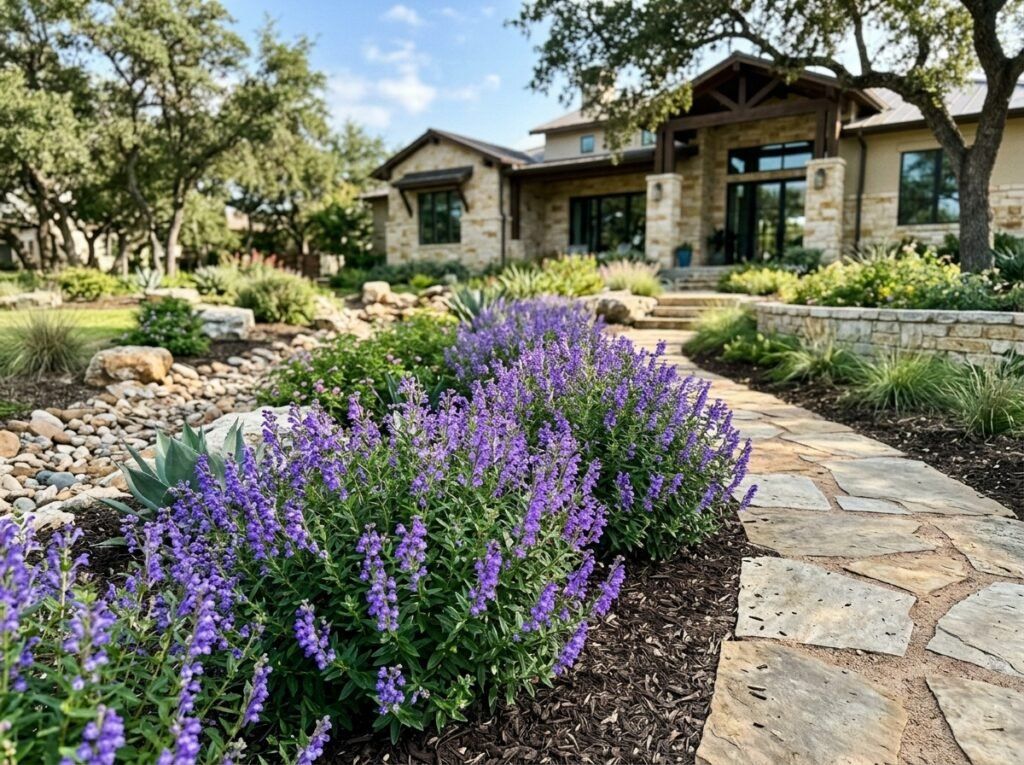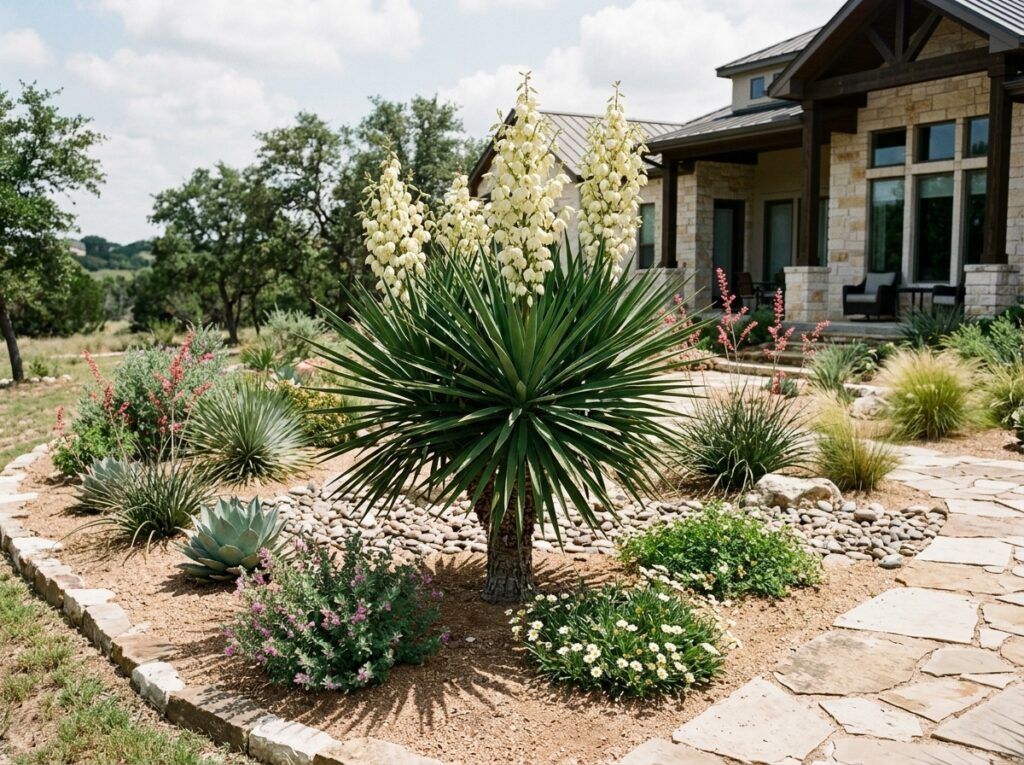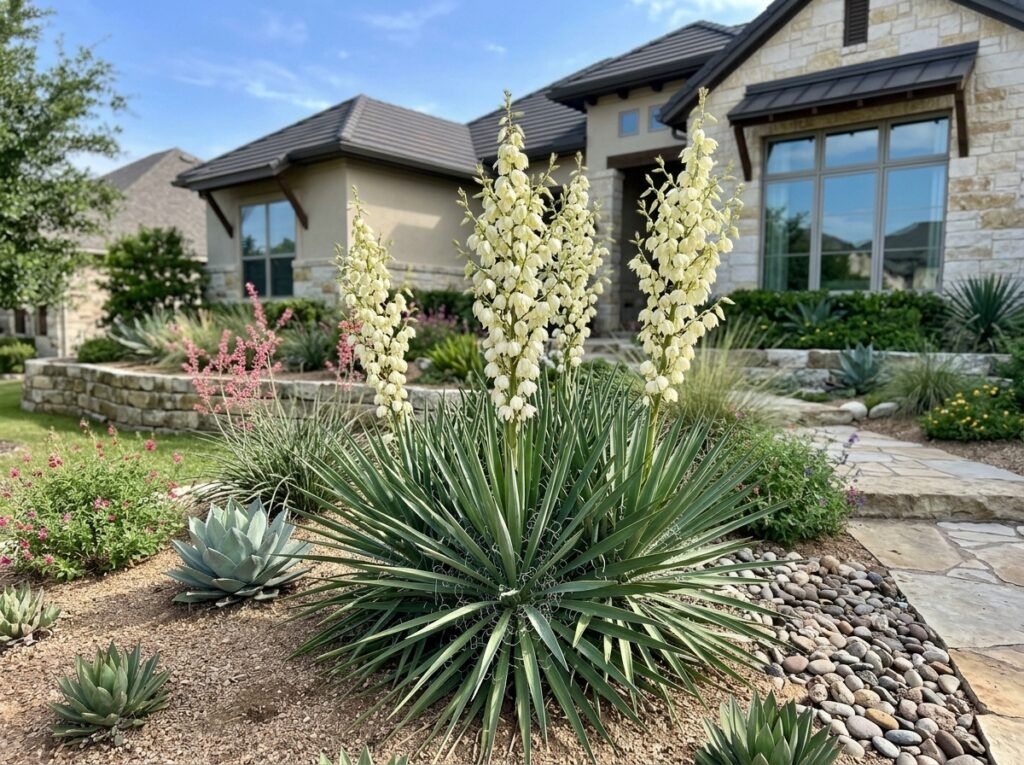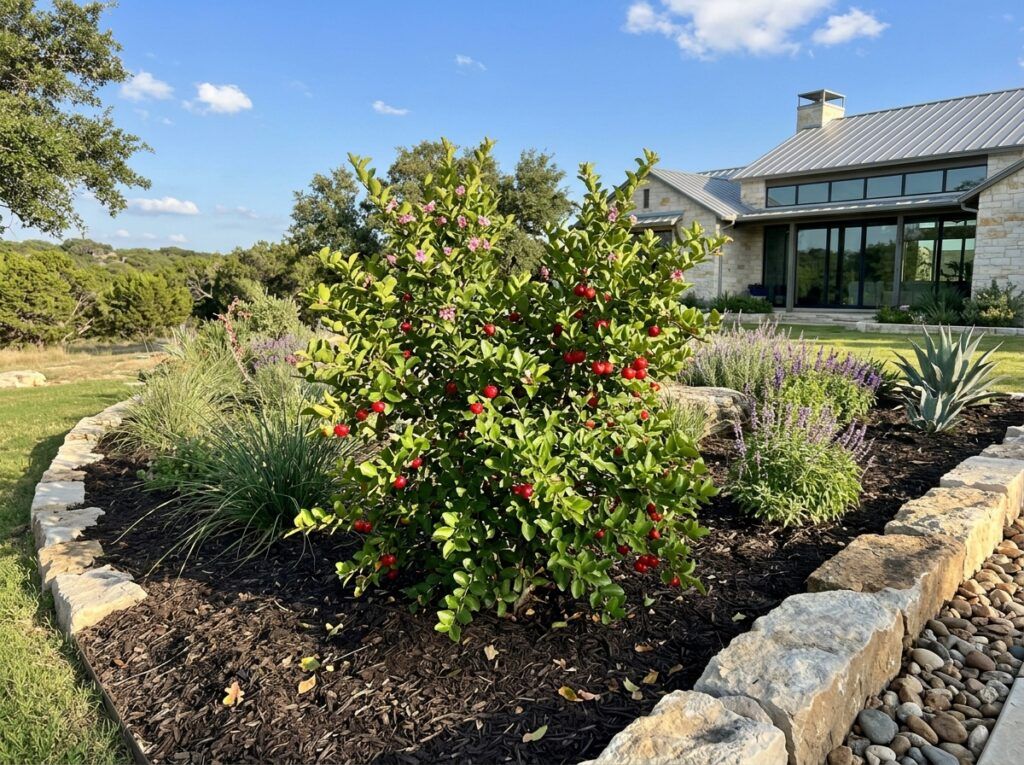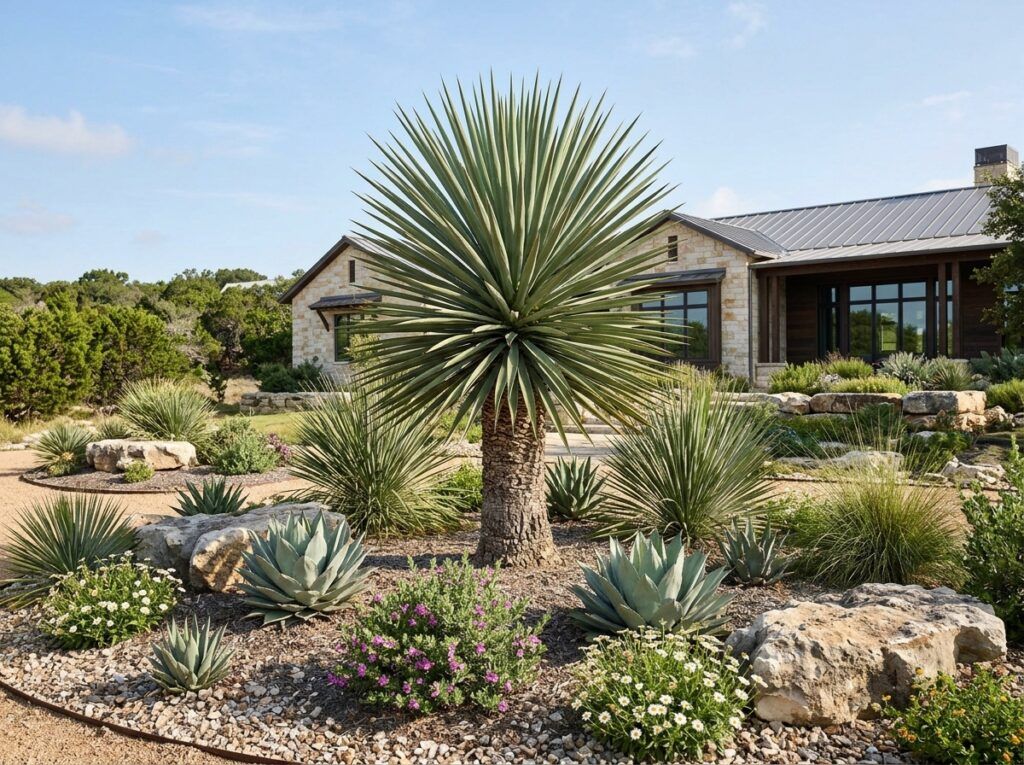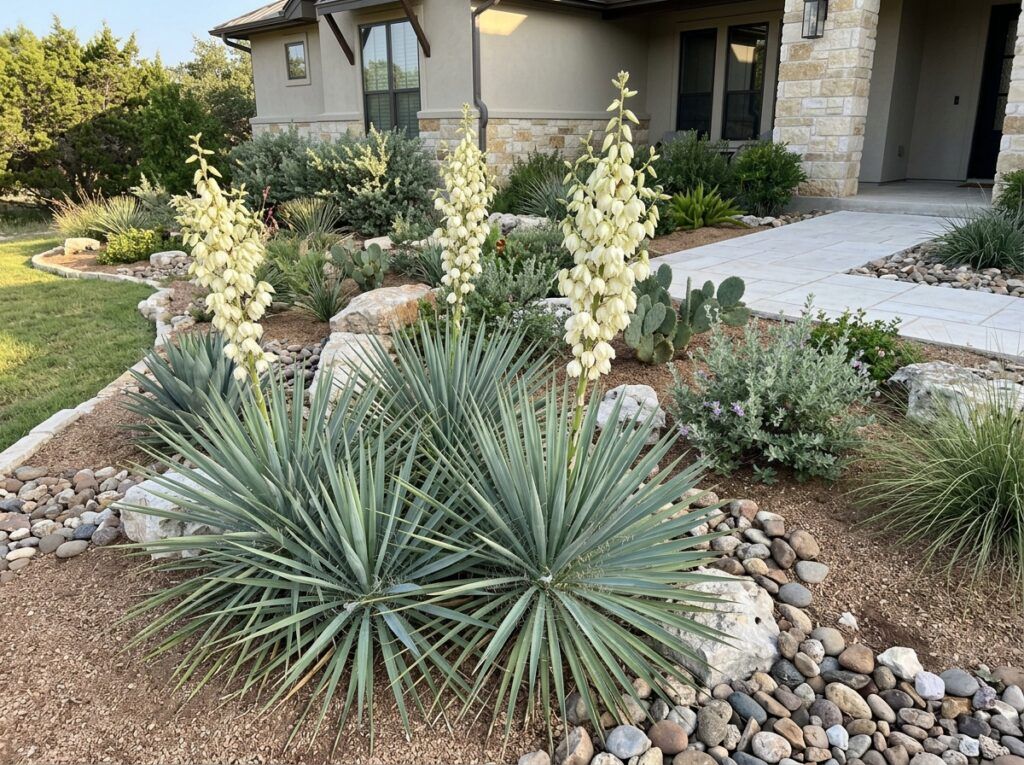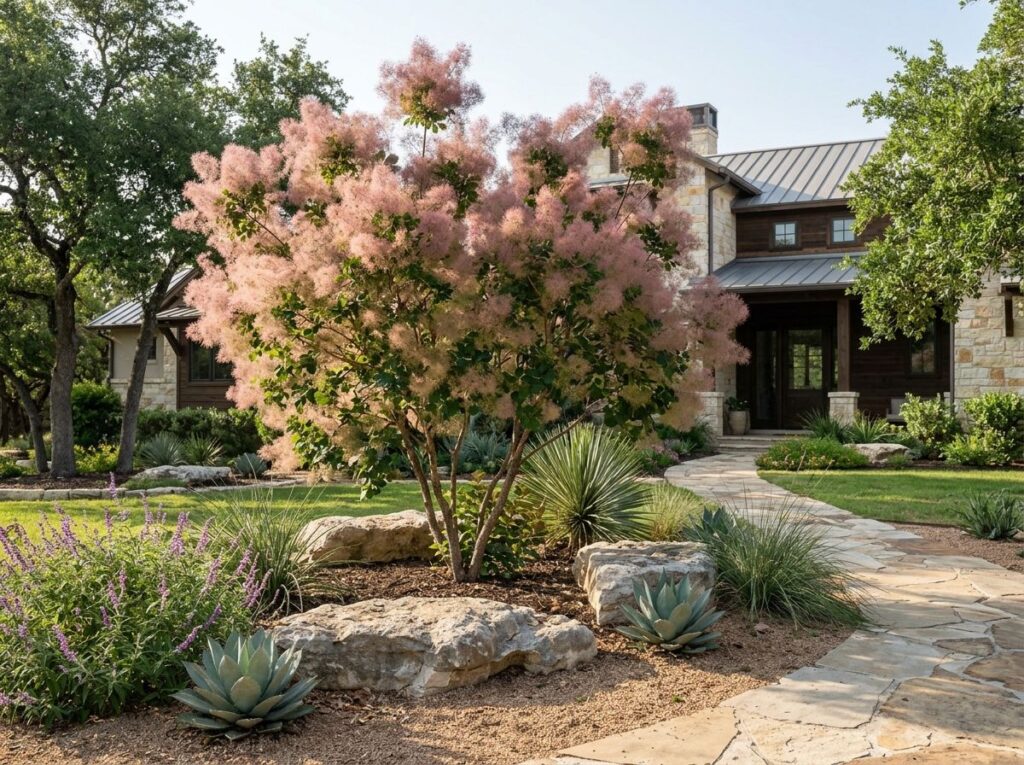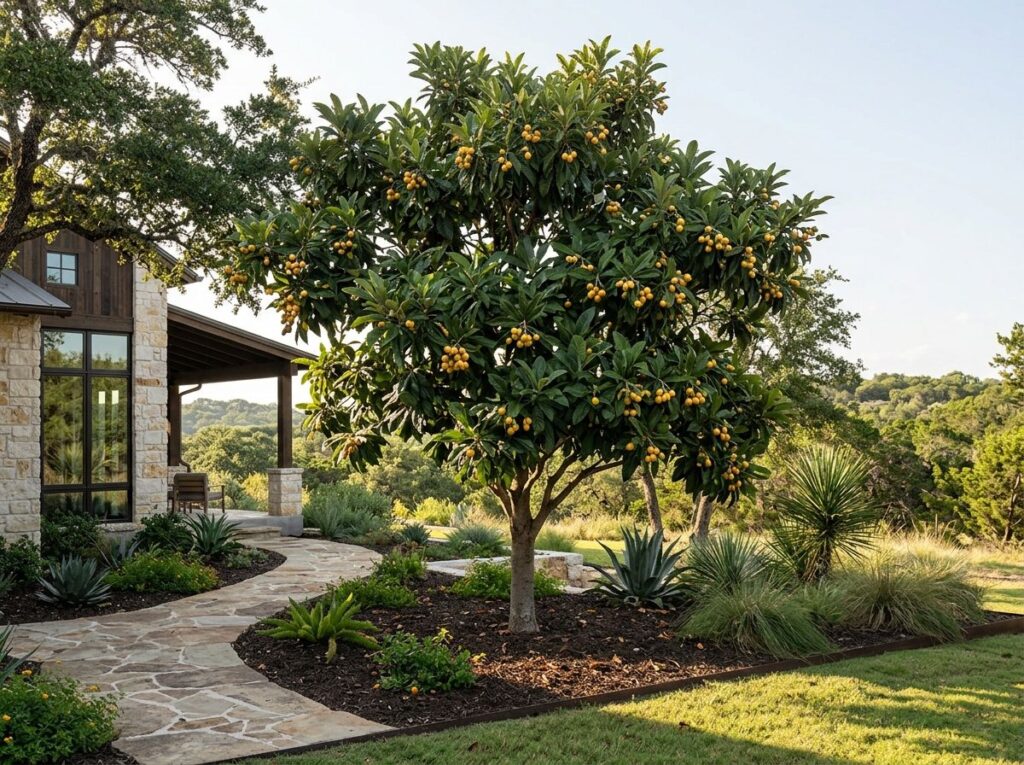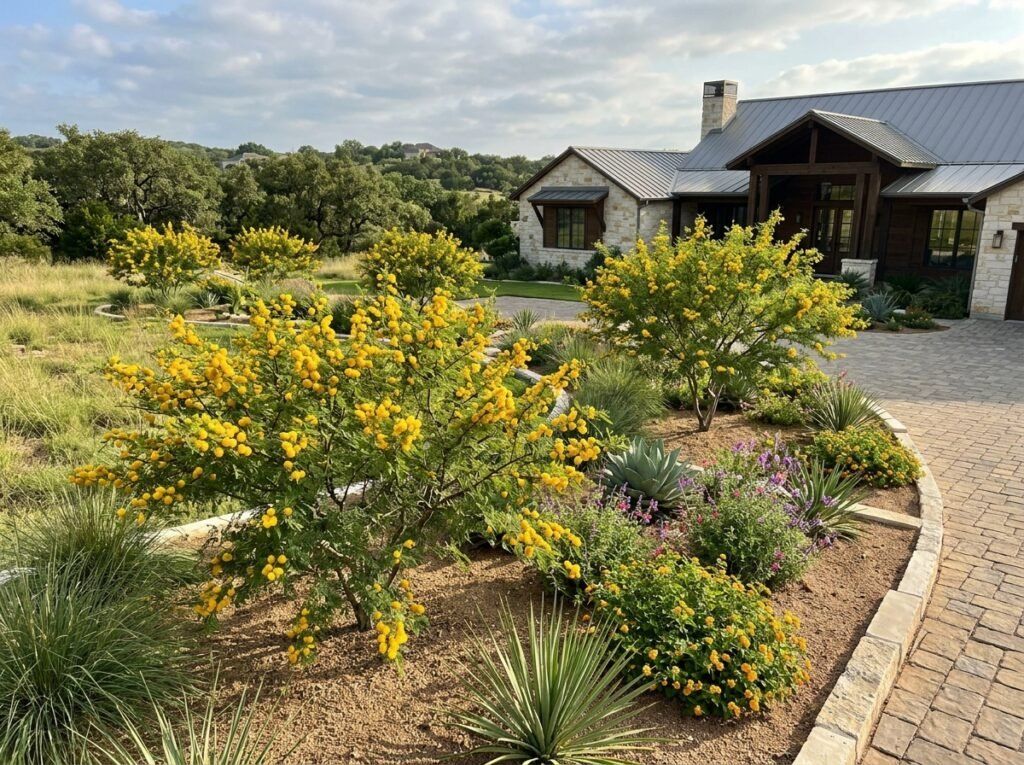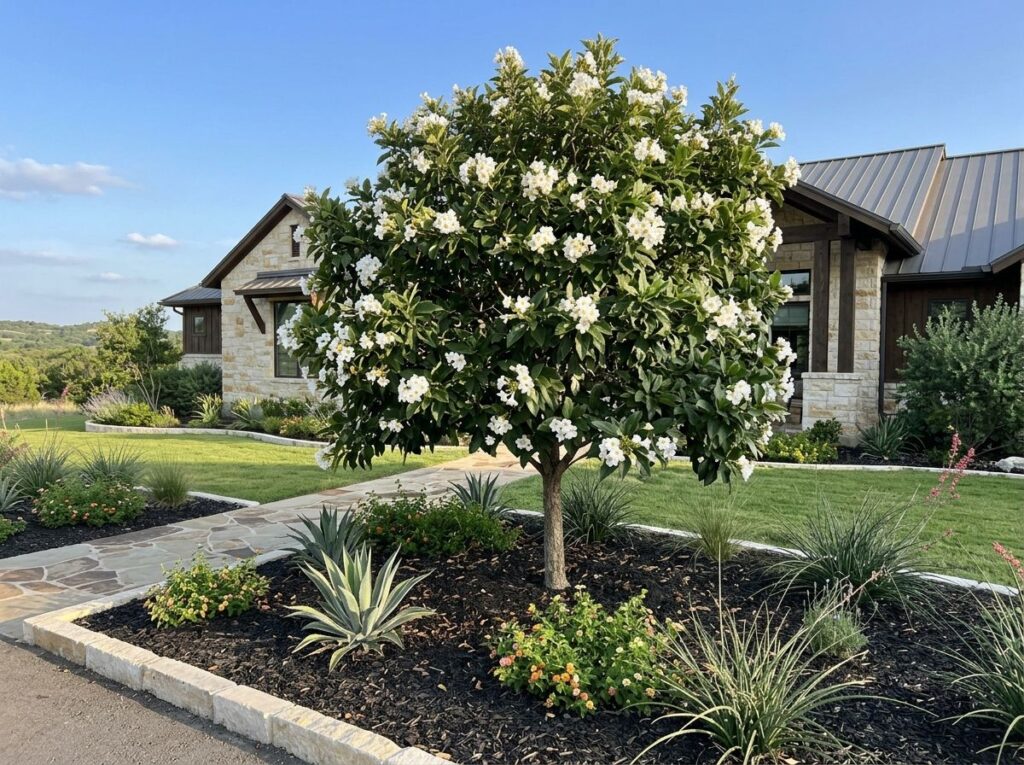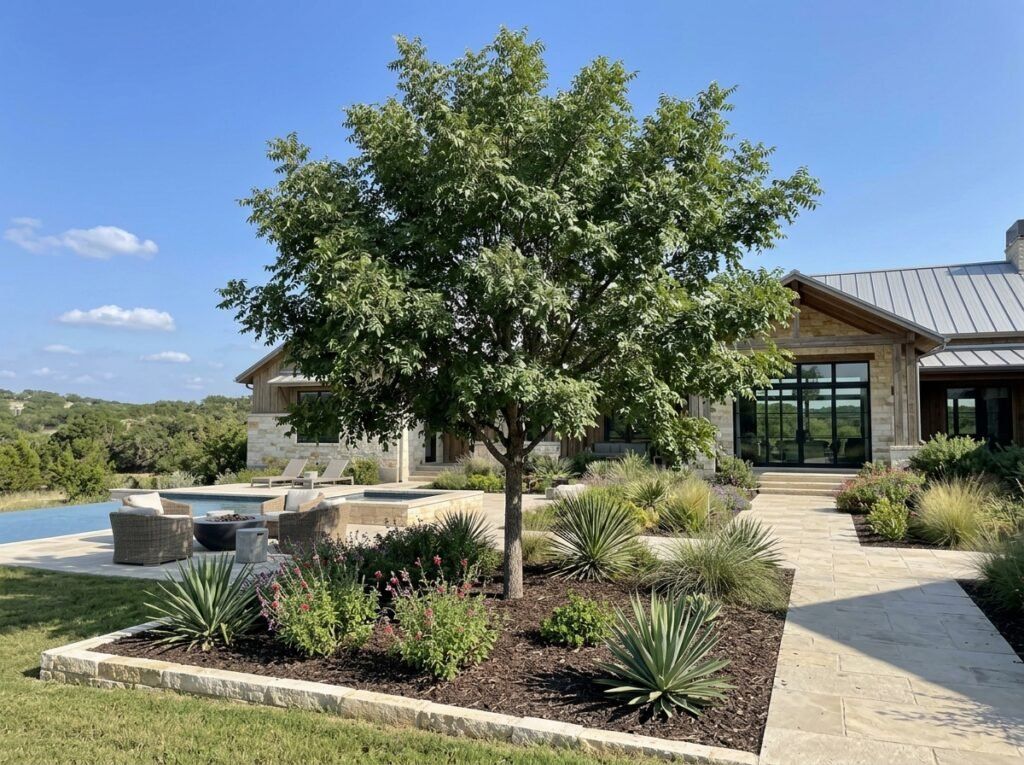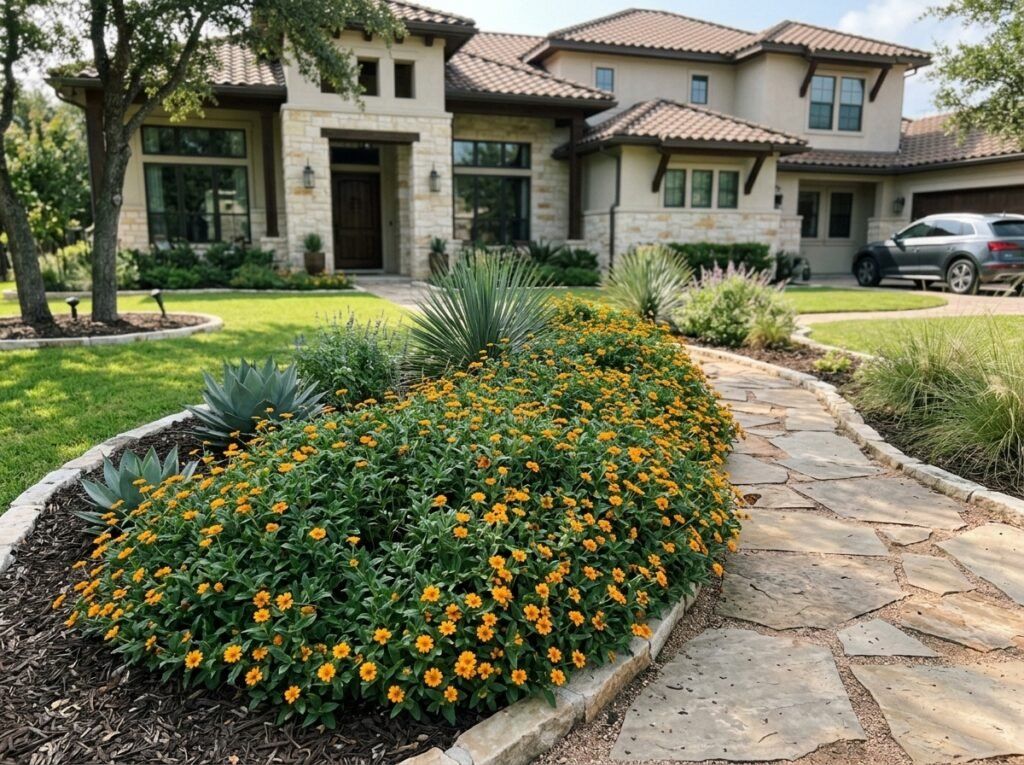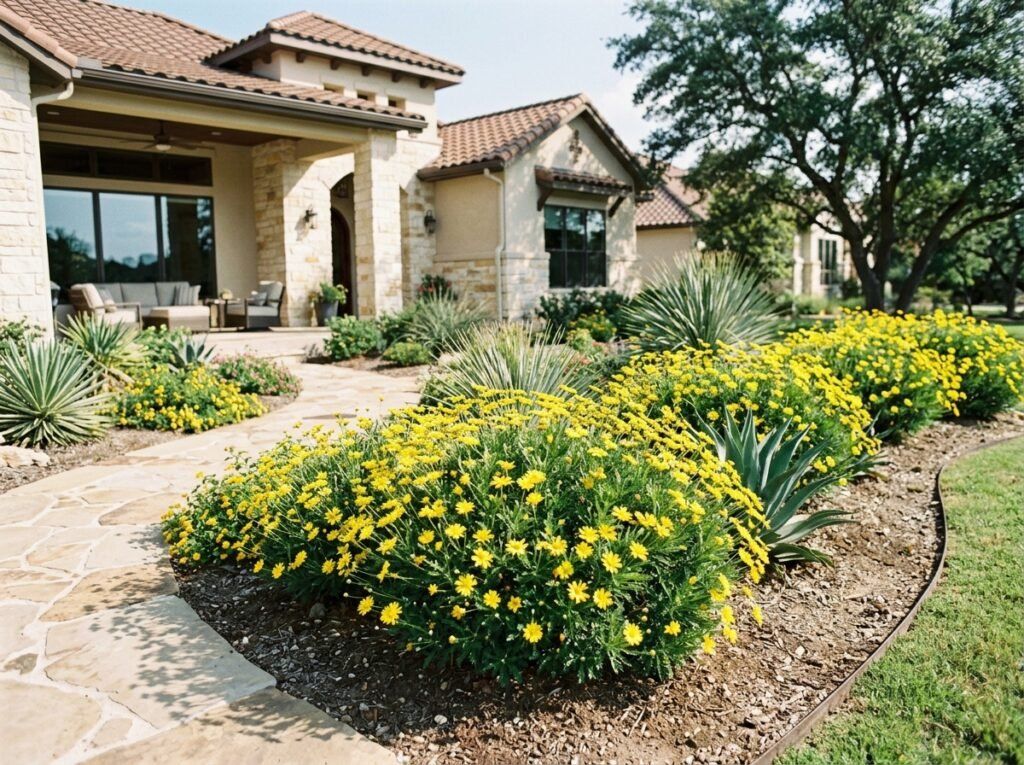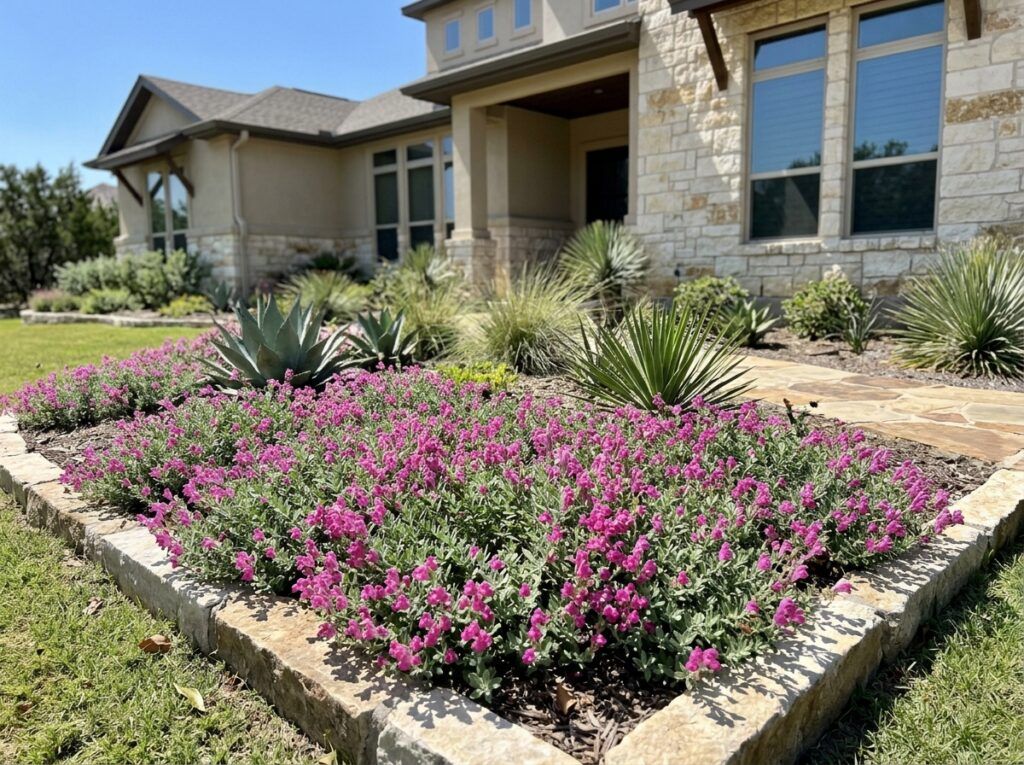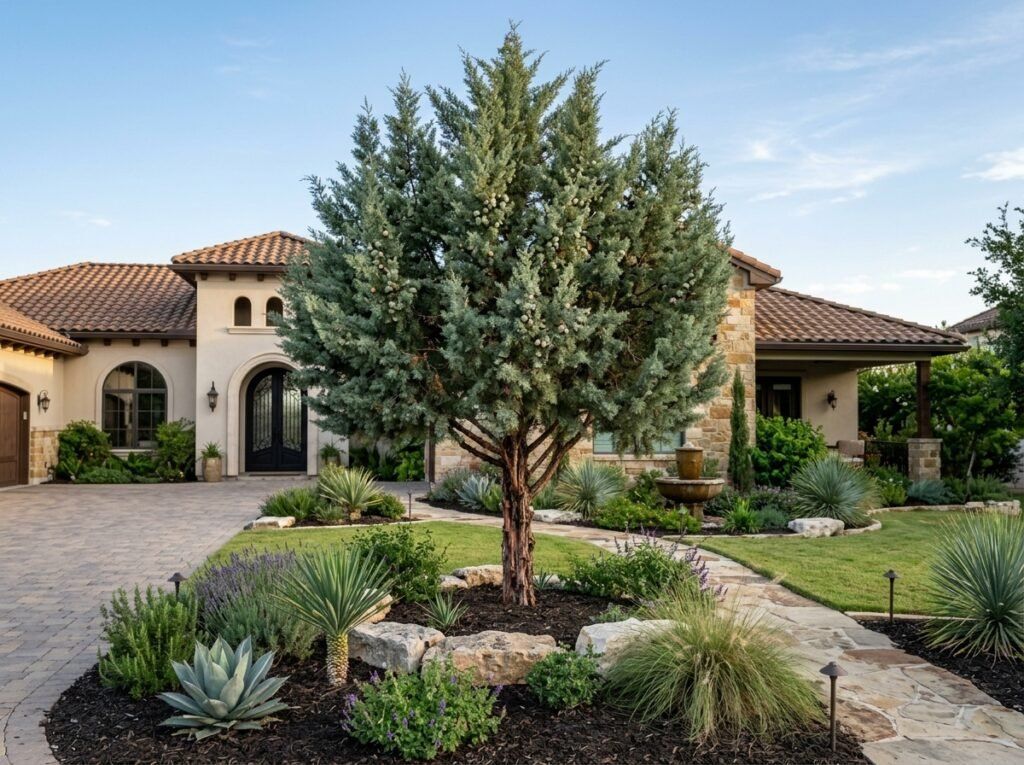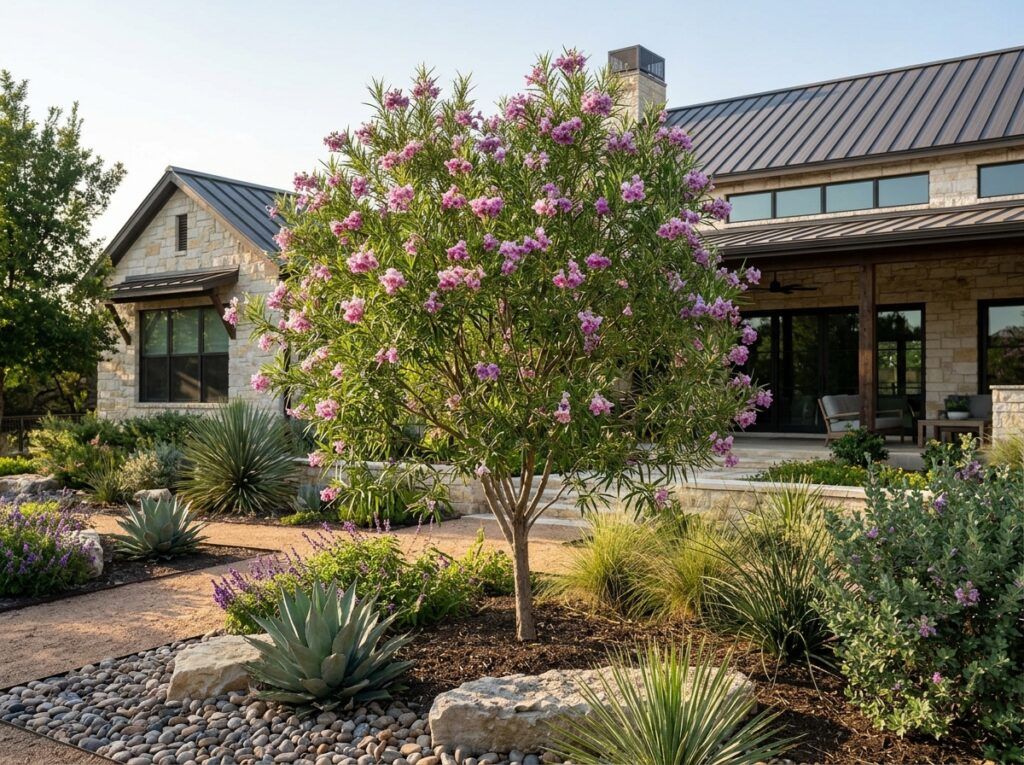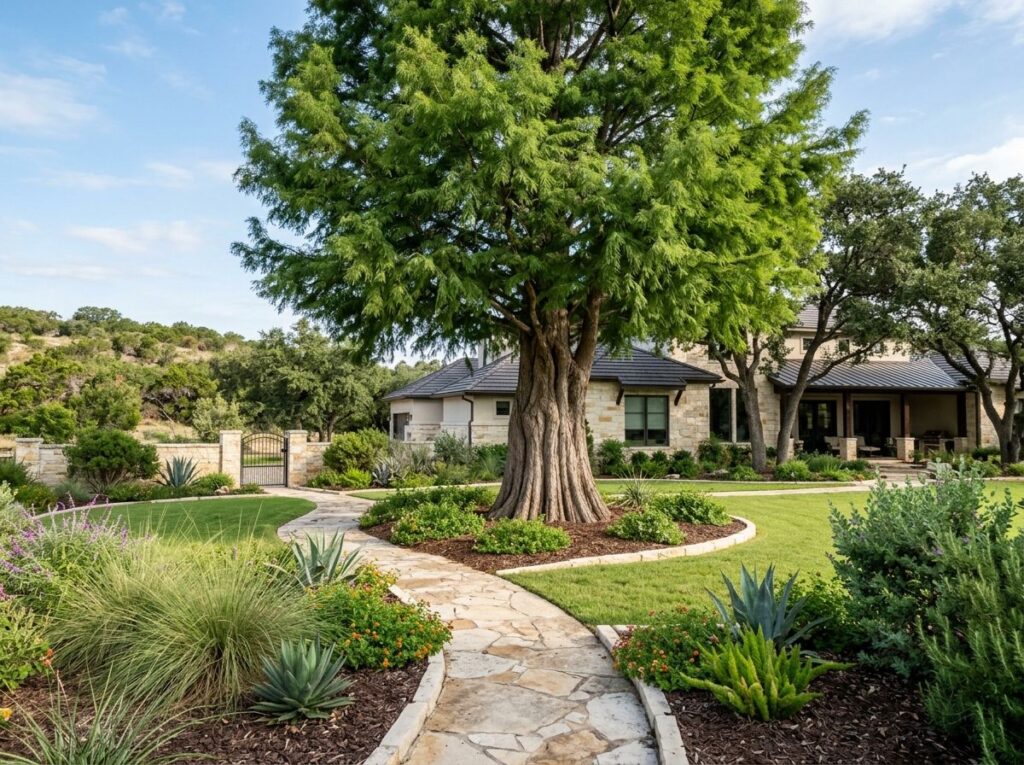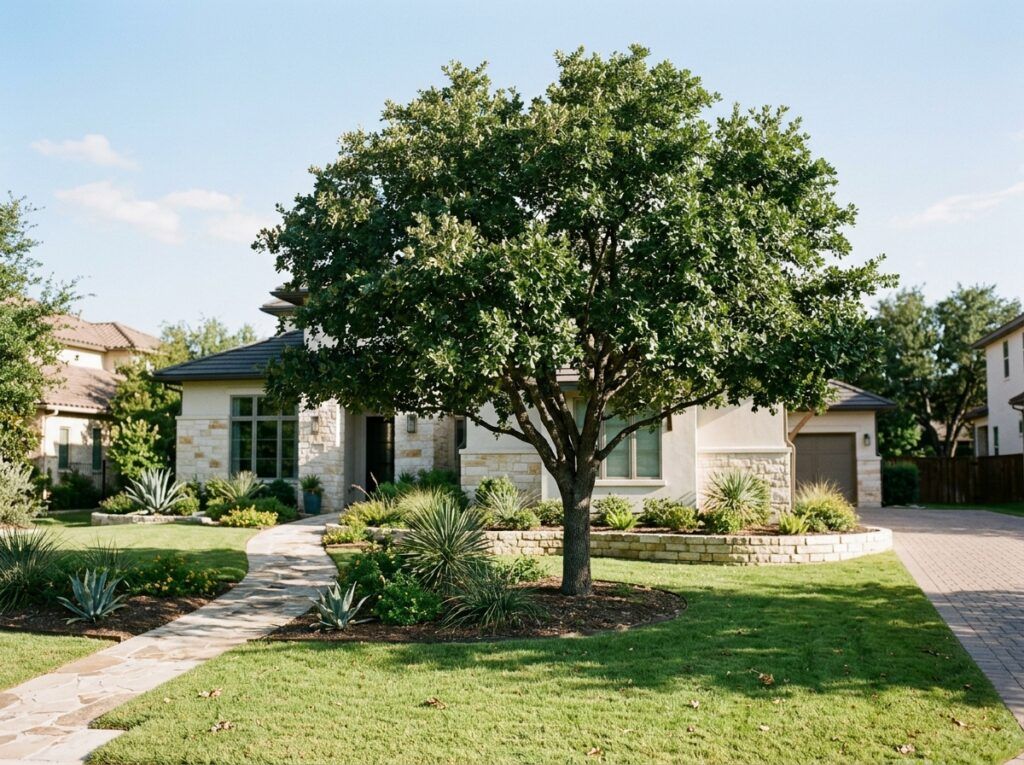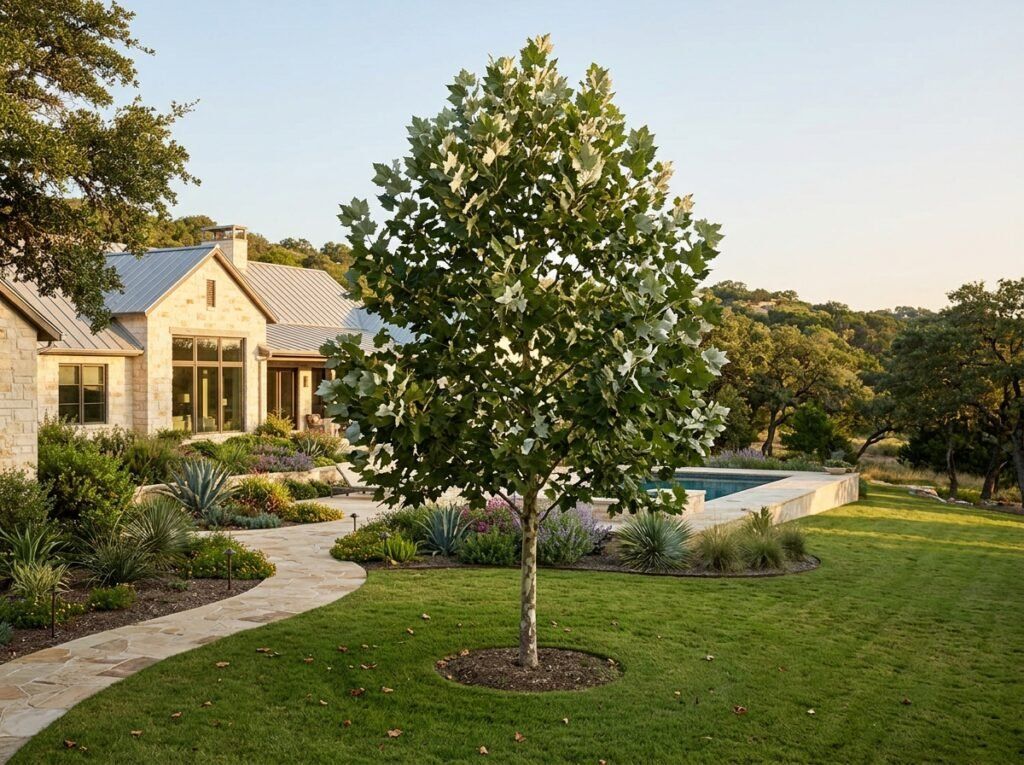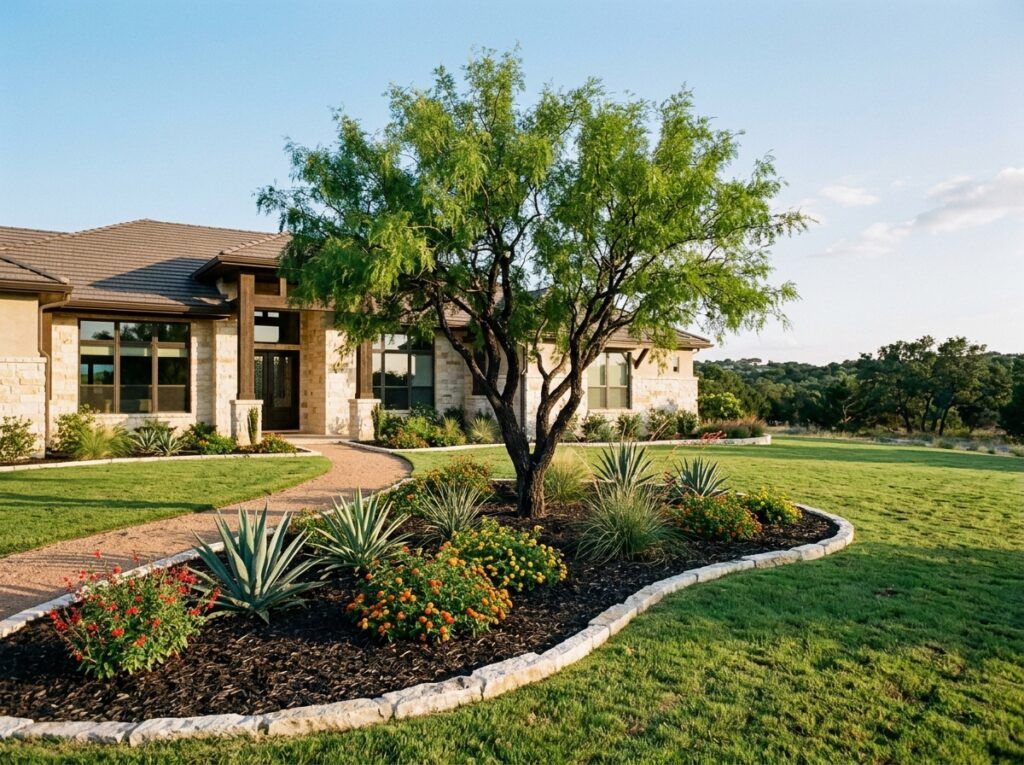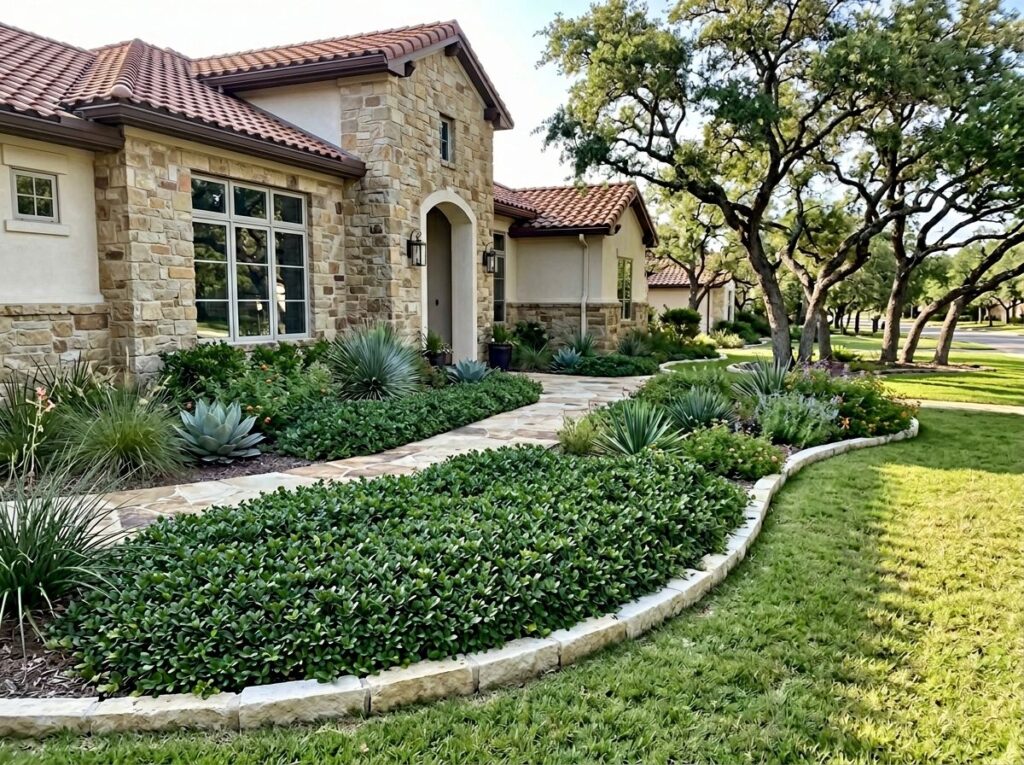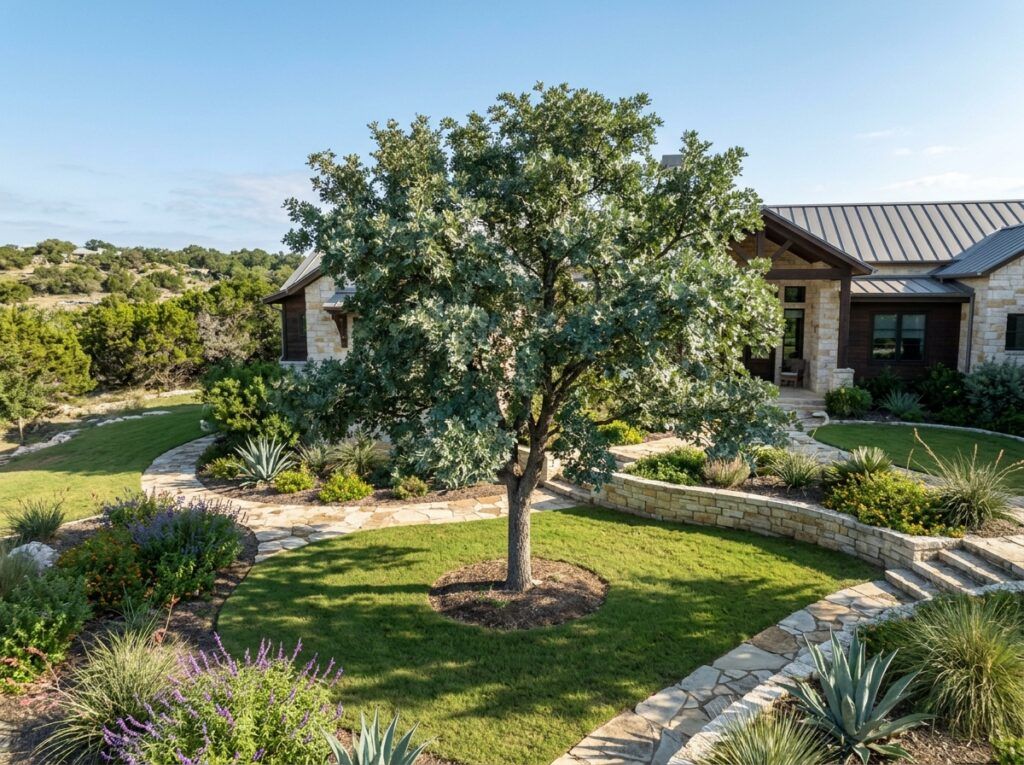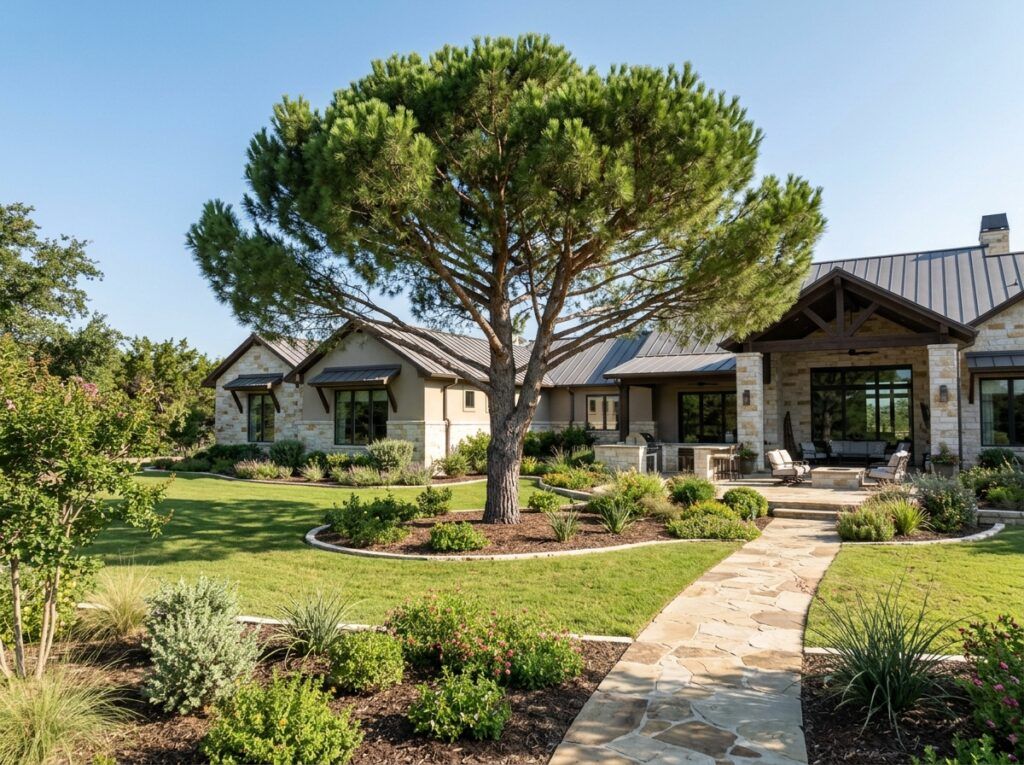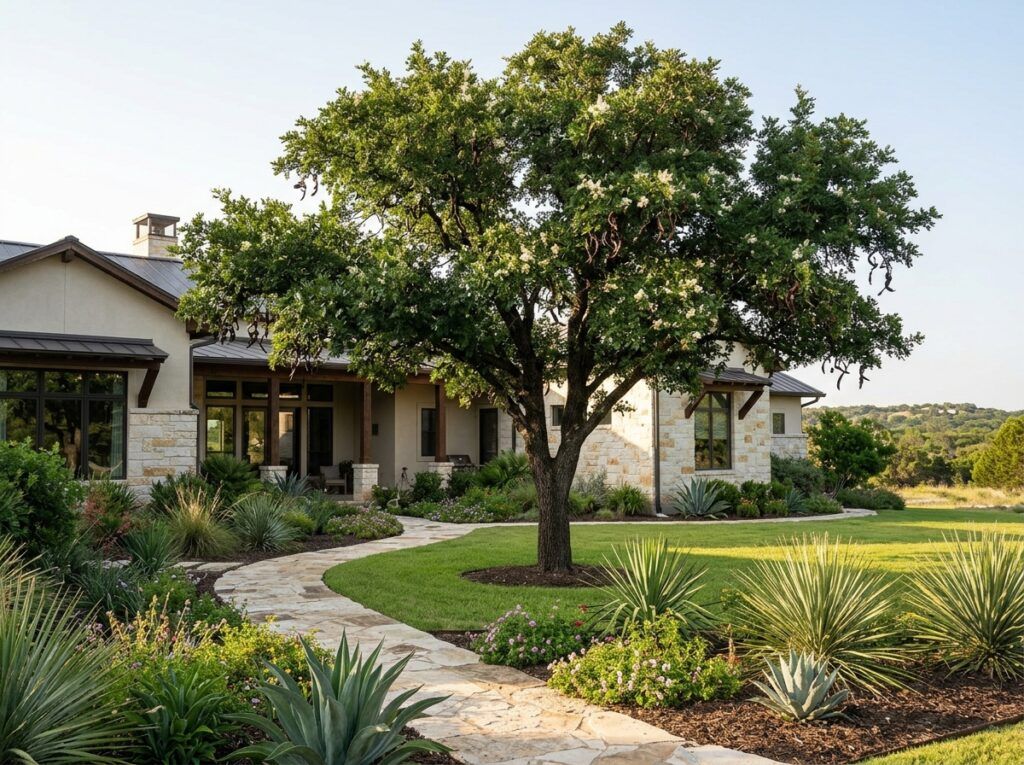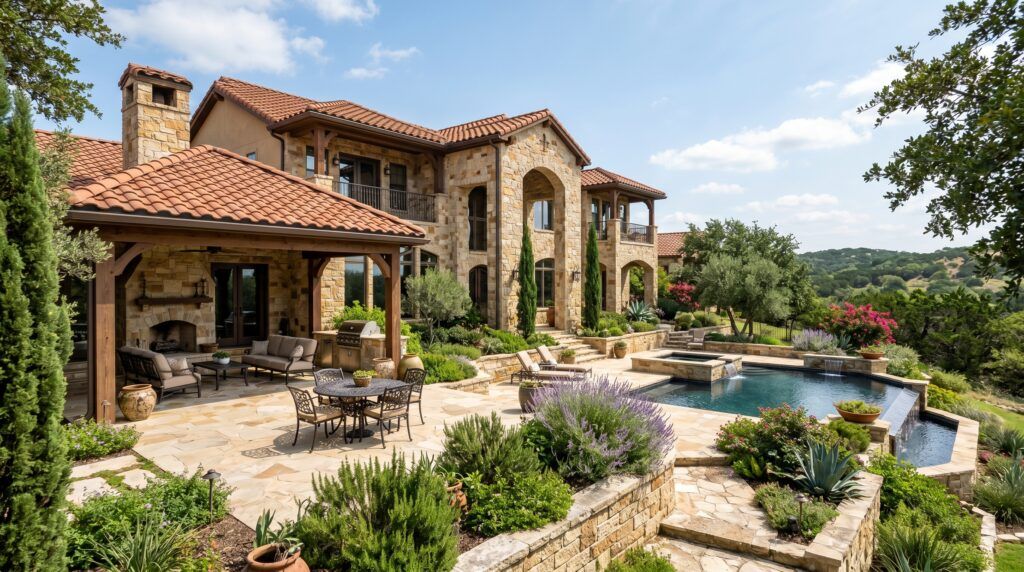
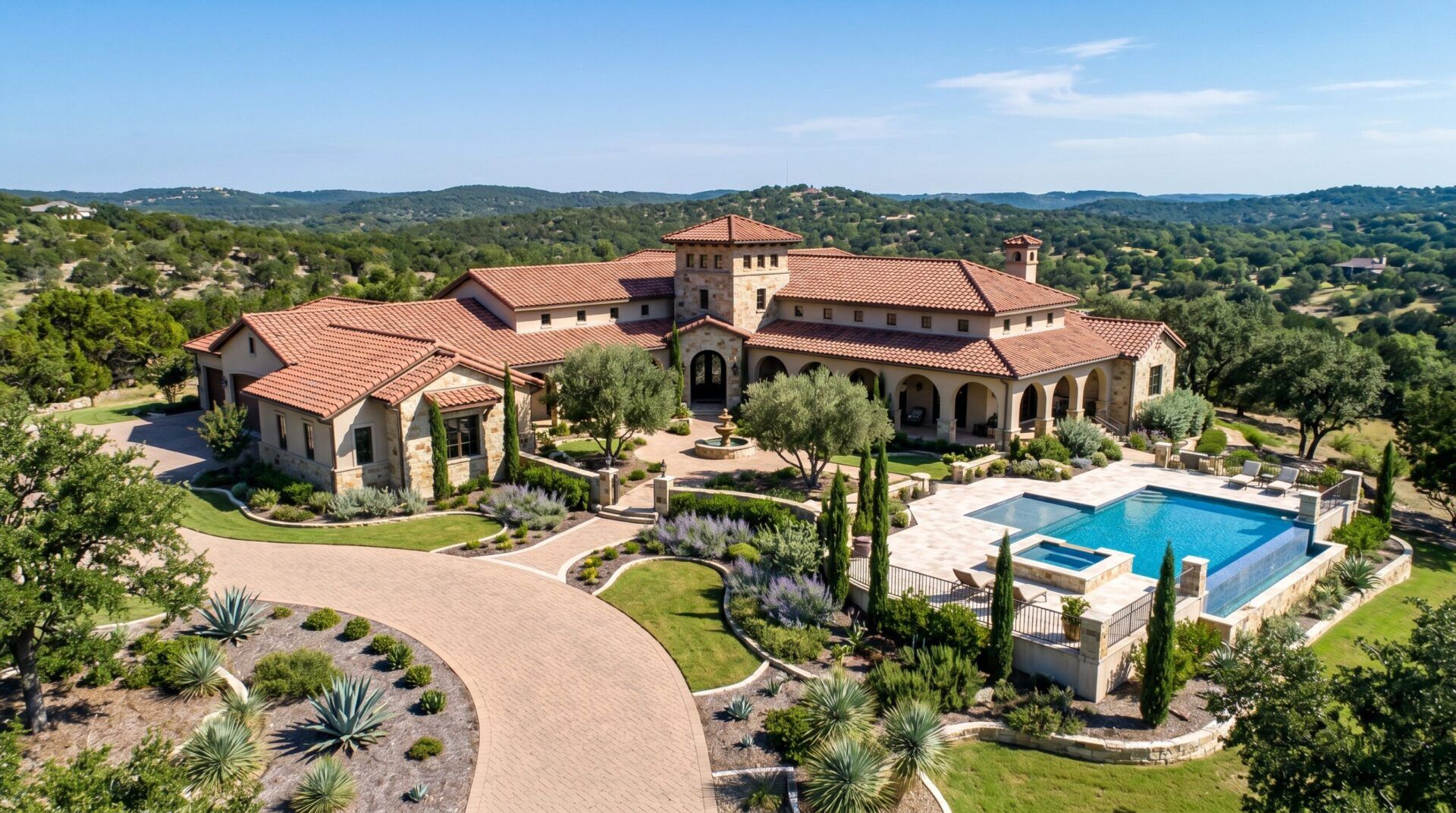
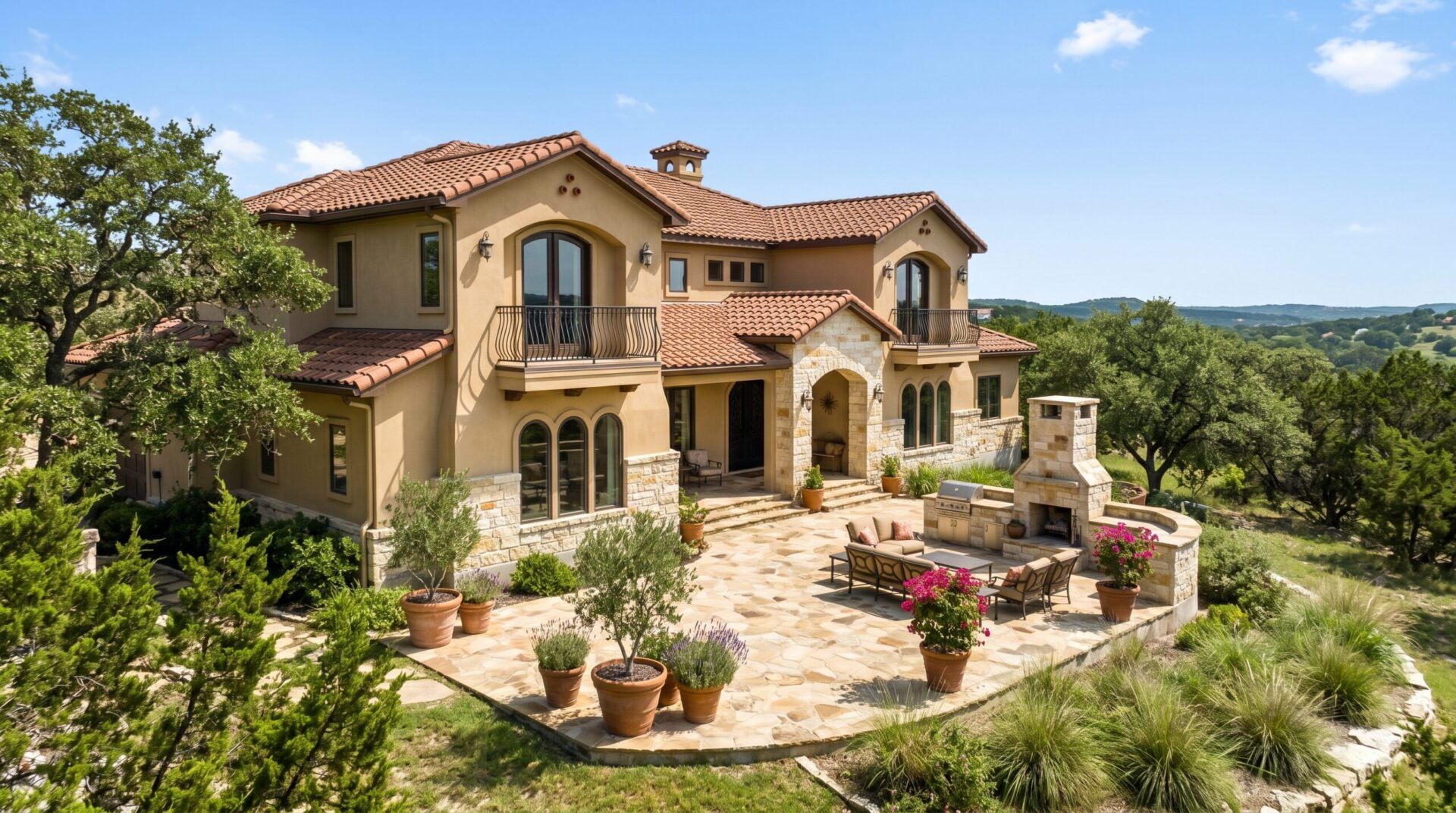
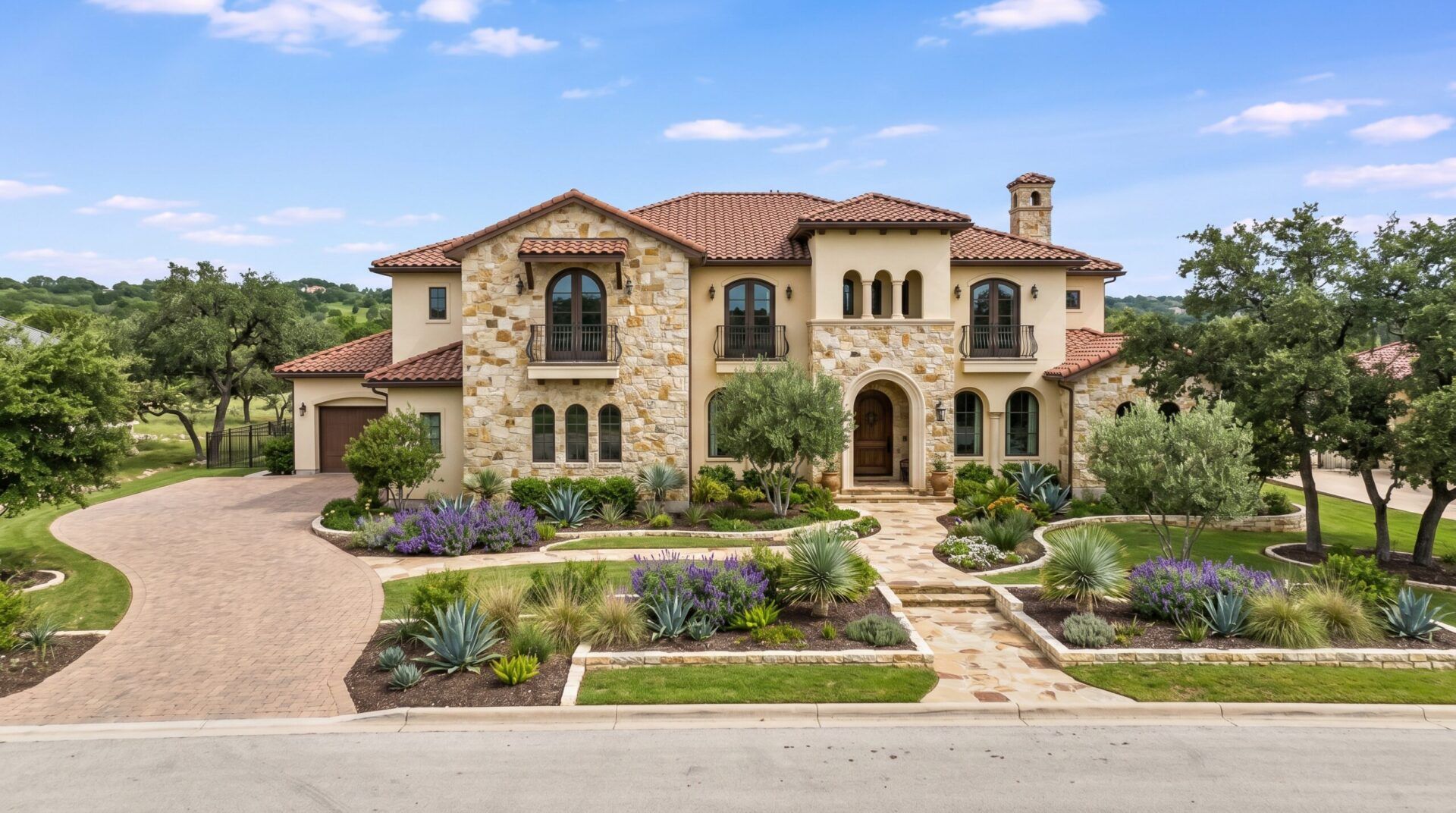
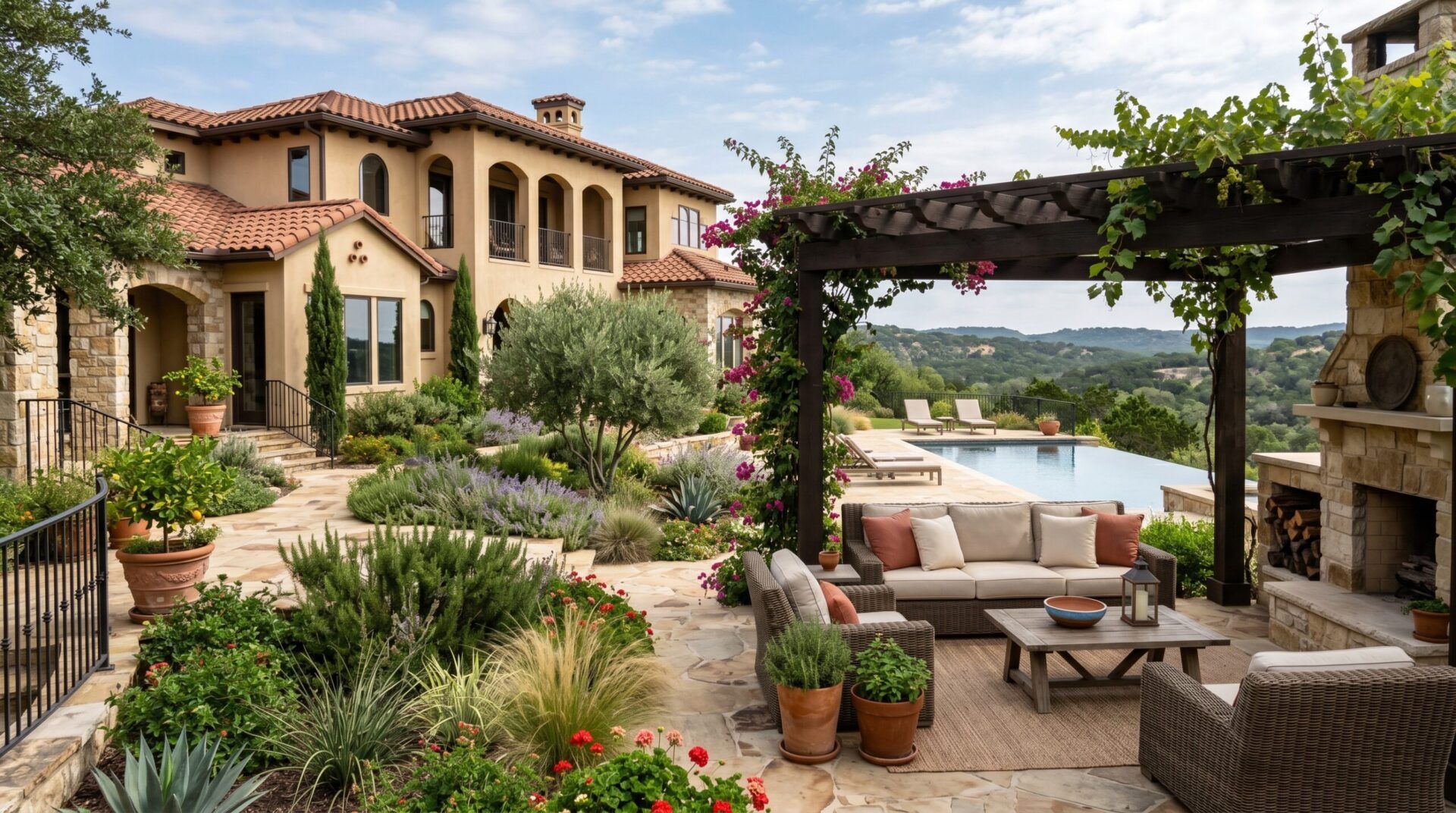
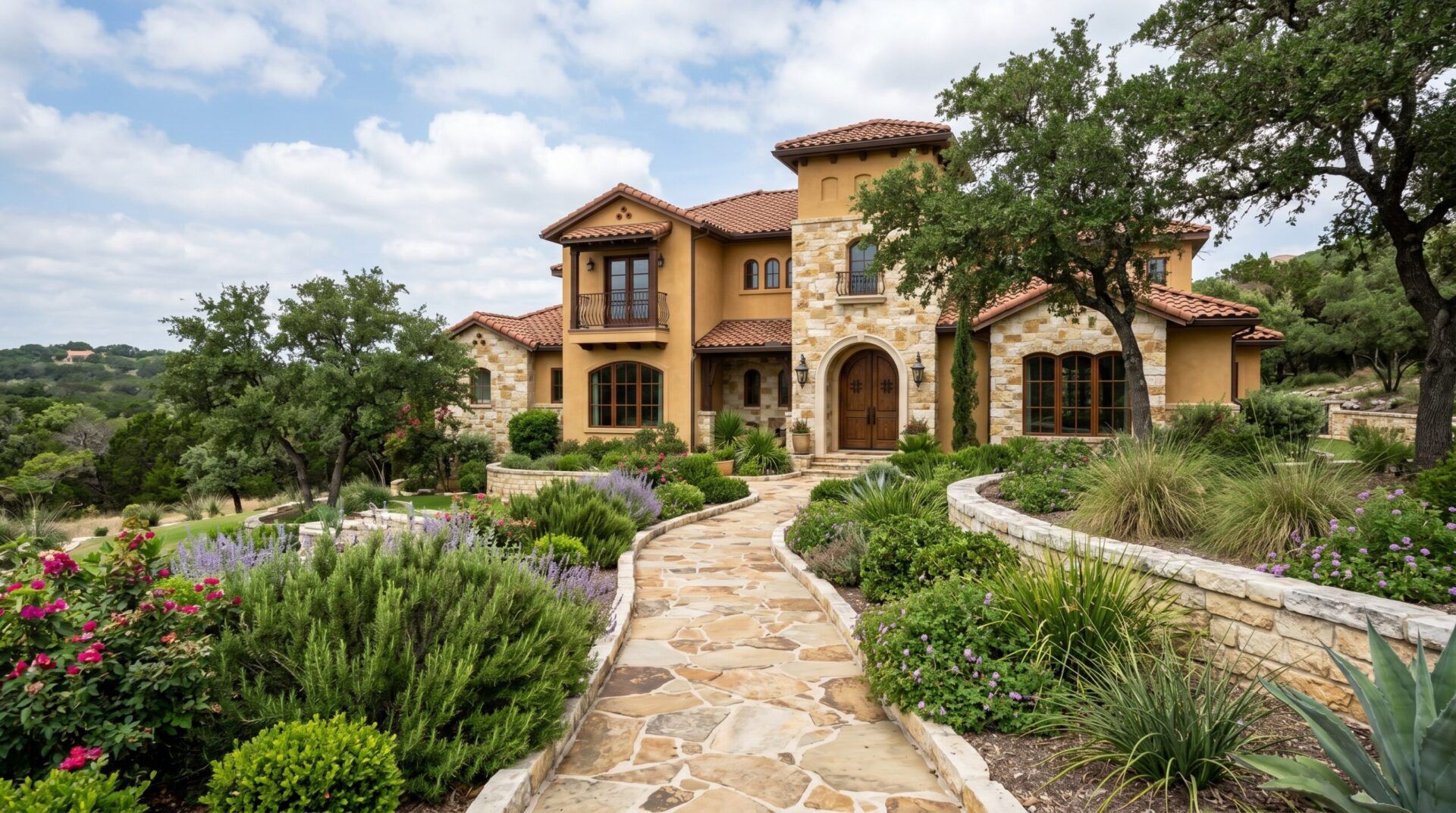
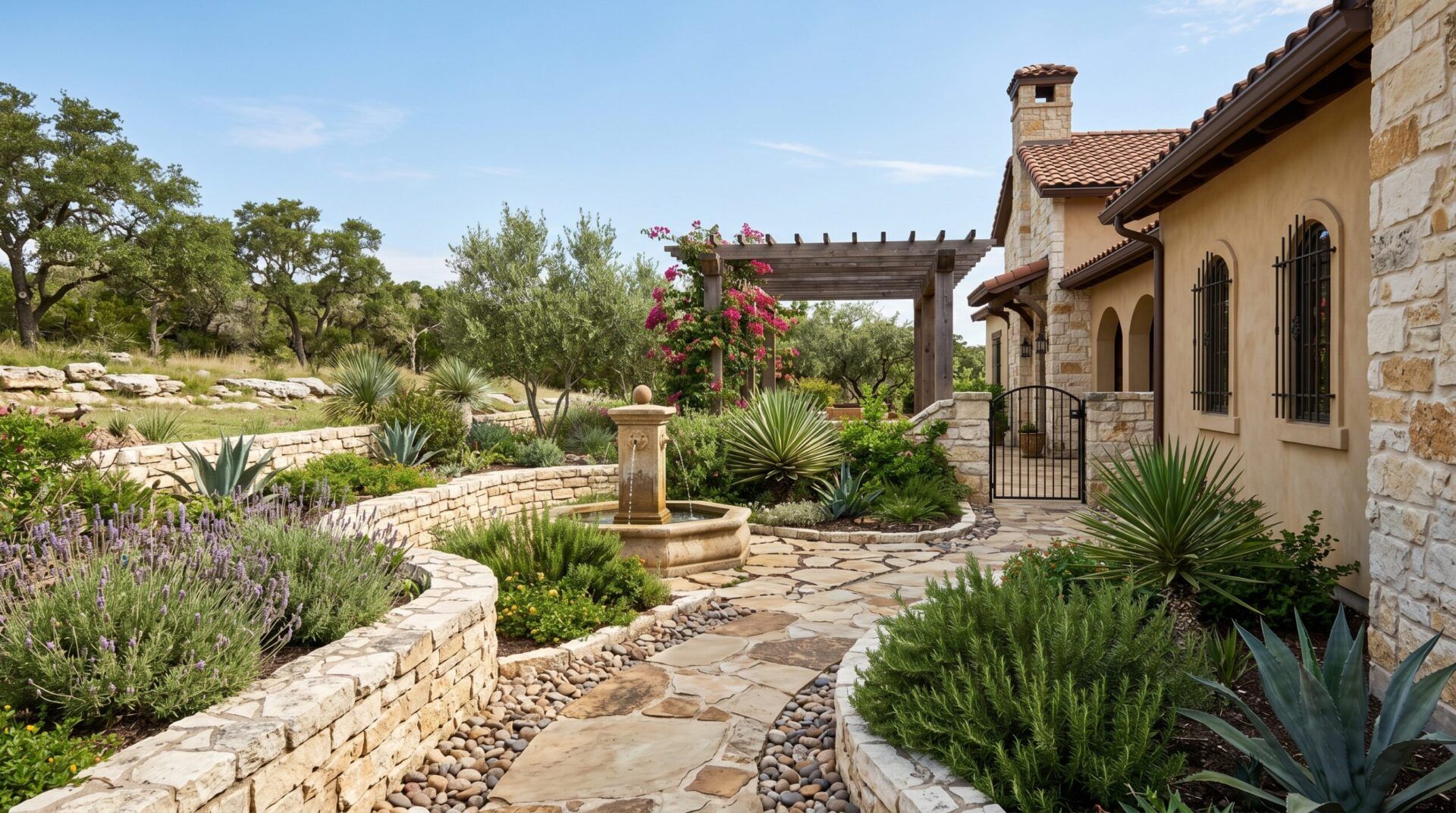
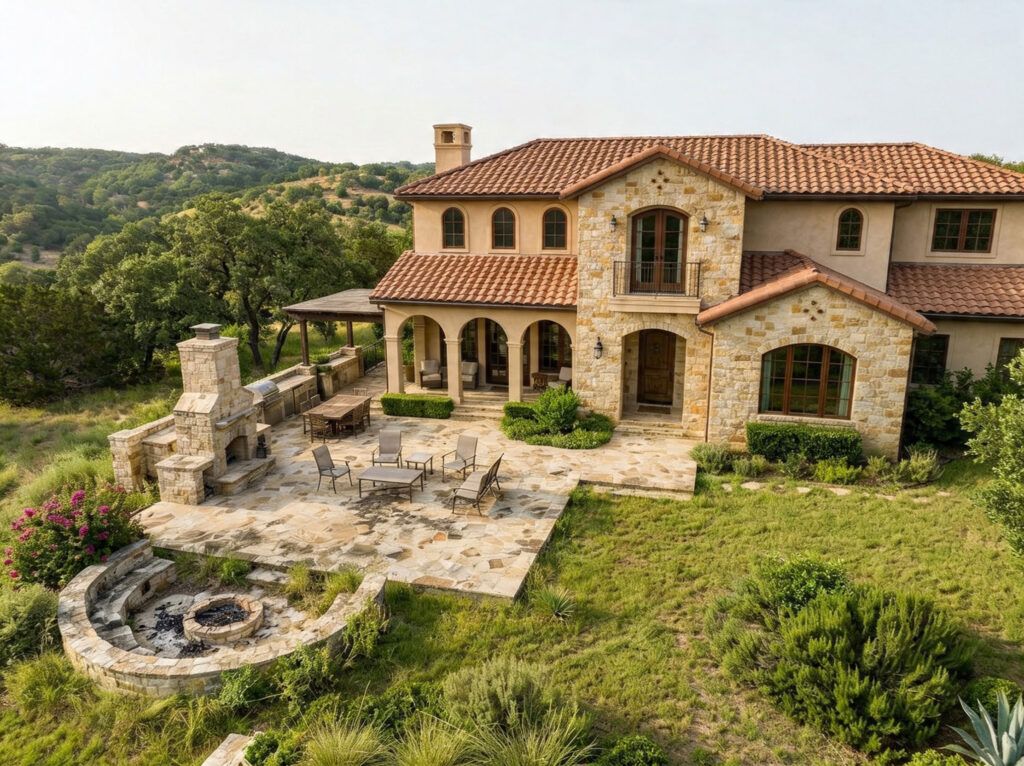
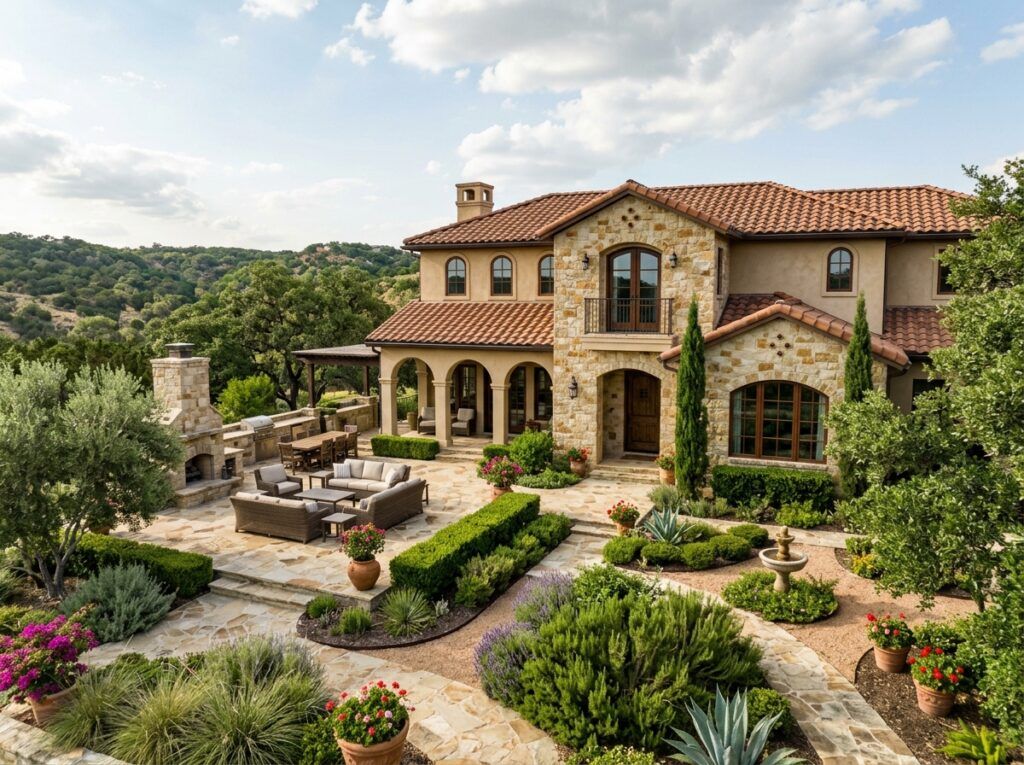
Tuscan stone patio landscape design with limestone, gravel paths, agave and shrubs for xeriscape drought-tolerant landscaping.

Mediterranean / Tuscan

Mediterranean & Tuscan Landscape Design Ideas for San Antonio Homes

Mediterranean and Tuscan landscaping gives a property warmth, texture, and a more settled old-world character through stone, structured planting, earthy finishes, and outdoor living features that feel built into the home instead of added as an afterthought. In San Antonio, the best versions of this style balance elegance with heat tolerance, manageable upkeep, and materials that age well in the South Texas climate.
Explore This Style

Style Overview

What Mediterranean and Tuscan Landscaping Looks and Feels Like

This style is less about bright color or heavy ornament and more about texture, permanence, and spaces that feel refined but livable.

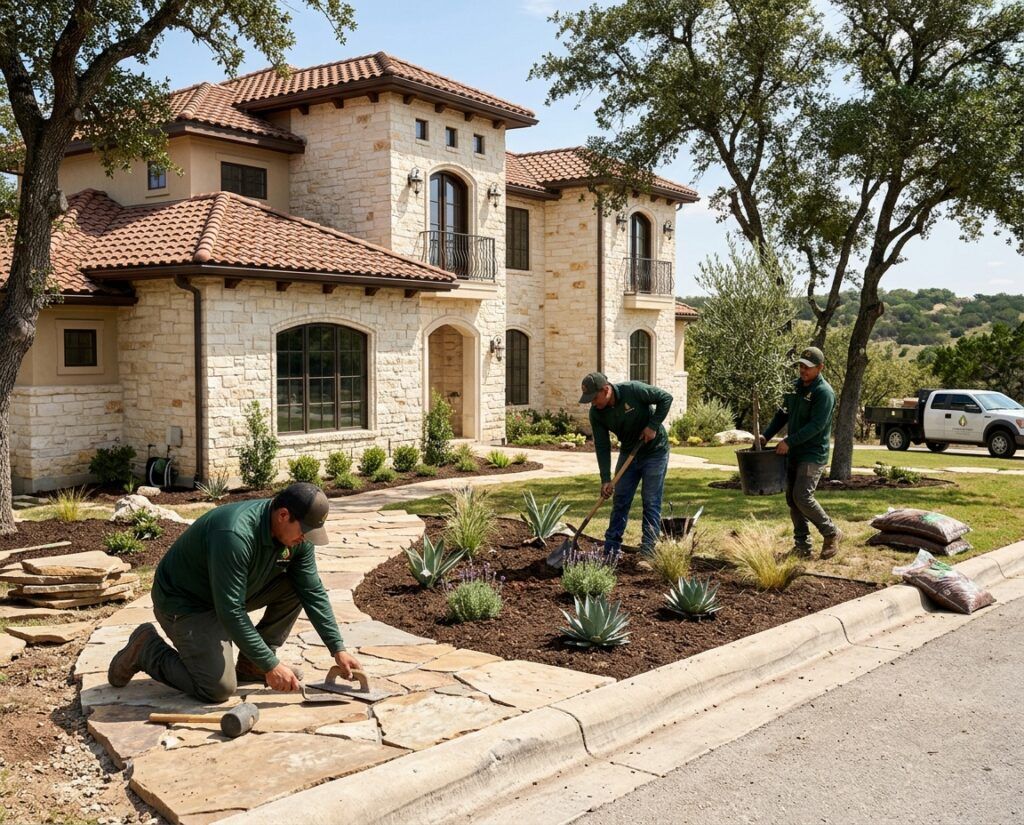
Landscapers plant agave and gravel beds in a Tuscan patio xeriscape landscape installation for drought-tolerant landscaping.

Mediterranean and Tuscan landscapes usually feel grounded, warm, and composed. Instead of depending on a wide lawn or a lot of flashy seasonal color, they tend to rely on masonry, containers, evergreen structure, gravel or decomposed granite accents, and outdoor spaces that feel connected to the architecture.

On San Antonio properties, this style works best when it is edited carefully. The materials should feel substantial, the planting should feel intentional, and the layout should create shaded or framed moments rather than trying to fill every square foot with visual noise.

Maintenance Level: Medium

Water Demand:Low to Medium

Best For: Homeowners who want warmth, texture, masonry character, and a more refined outdoor living feel without chasing a tropical or ultra-modern look.

Typical Look: Stonework, gravel accents, structured planting, earthy finishes, and defined courtyard-like spaces.

Materials, Plants & Design Elements

What Usually Brings Mediterranean and Tuscan Style Together

The look depends less on any single plant and more on the relationship between masonry, texture, scale, and a restrained planting palette that supports the architecture.

Before xeriscaping, Mediterranean landscape design bed with gravel, young shrubs and drought-tolerant landscaping.
After xeriscape landscape design with Tuscan plants and stone edging, showcasing drought-tolerant landscaping.
BEFORE
AFTER

Typical Hardscape / Surface Materials

Mediterranean and Tuscan landscapes usually get their character from surfaces and structures first. The hardscape should feel warm, substantial, and slightly timeworn rather than slick, bright, or overly engineered.

  • Natural stone used in walls, steps, edging, or patio accents
  • Tumbled pavers or warm-toned paving materials
  • Gravel or decomposed granite in selected walkways and planting zones
  • Stucco, masonry, or textured finishes that echo the home
  • Large planters or raised stone bed features
  • Earth-toned surfaces that feel layered instead of stark

Typical Plants / Planting Direction

The planting direction should feel structured, drought-aware, and slightly romantic without becoming overgrown. Good Mediterranean / Tuscan planting uses shape and texture to support the hardscape instead of competing with it.

  • Evergreen shrubs that can hold form and define spaces
  • Ornamental grasses used for movement and softness
  • Silvery, gray-green, or muted foliage tones where appropriate
  • Accent trees or upright forms that add vertical structure
  • Flowering plants used in measured clusters instead of everywhere at once
  • Container planting that reinforces the style near patios and entries

Typical Accent Features

Accent features in this style should feel integrated and architectural. The strongest Mediterranean and Tuscan landscapes usually rely on a few larger, believable elements instead of lots of small decorative pieces.

  • Courtyard-like seating areas with a framed layout
  • Large urns, pots, or planters used as anchors
  • Columns, walls, or low masonry borders that shape outdoor rooms
  • Water features used sparingly and in the right scale
  • Pergolas or shade structures that support outdoor living
  • Textured focal points that age gracefully over time

Typical Lighting / Focal Elements

Lighting in a Mediterranean or Tuscan landscape should feel warm and atmospheric. It should draw attention to masonry, specimen planting, and gathering spaces instead of making the yard look theatrical.

  • Warm path lighting along entries and patio transitions
  • Soft uplighting on textured walls, columns, or specimen trees
  • Subtle accent lighting on large planters and focal pots
  • Low-glare lighting around seating and dining areas
  • A single strong focal element instead of many scattered ones
  • Evening lighting that makes the space feel inviting, not overlit

Best Fit & Common Mistakes

Where Mediterranean / Tuscan Style Works Best — And What Usually Ruins It

This style feels rich when it is restrained and architectural. It falls apart when too many unrelated finishes, colors, or decorations start competing with one another.

  • What Usually Makes It Look Forced or Overdone

    Mediterranean and Tuscan landscapes can look expensive in the best way or fake in the worst way. The difference usually comes down to material quality, restraint, and whether the design feels connected to the home and climate.

    • Using too many faux-old-world details in a yard that lacks architectural support
    • Mixing bright tropical plants with formal masonry in a way that feels disconnected
    • Overdecorating with pots, statuary, or small accessories that clutter the layout
    • Choosing thin, cool-toned, or cheap-looking materials that fight the intended warmth
    • Ignoring drainage and grade changes around masonry-heavy spaces
    • Forcing dense planting everywhere instead of letting hardscape and open space breathe
Related Services

Services Commonly Used to Create a Mediterranean / Tuscan Look

This style usually comes together through strong hardscape, defined planting zones, lighting, and thoughtful finishing work rather than one isolated feature.

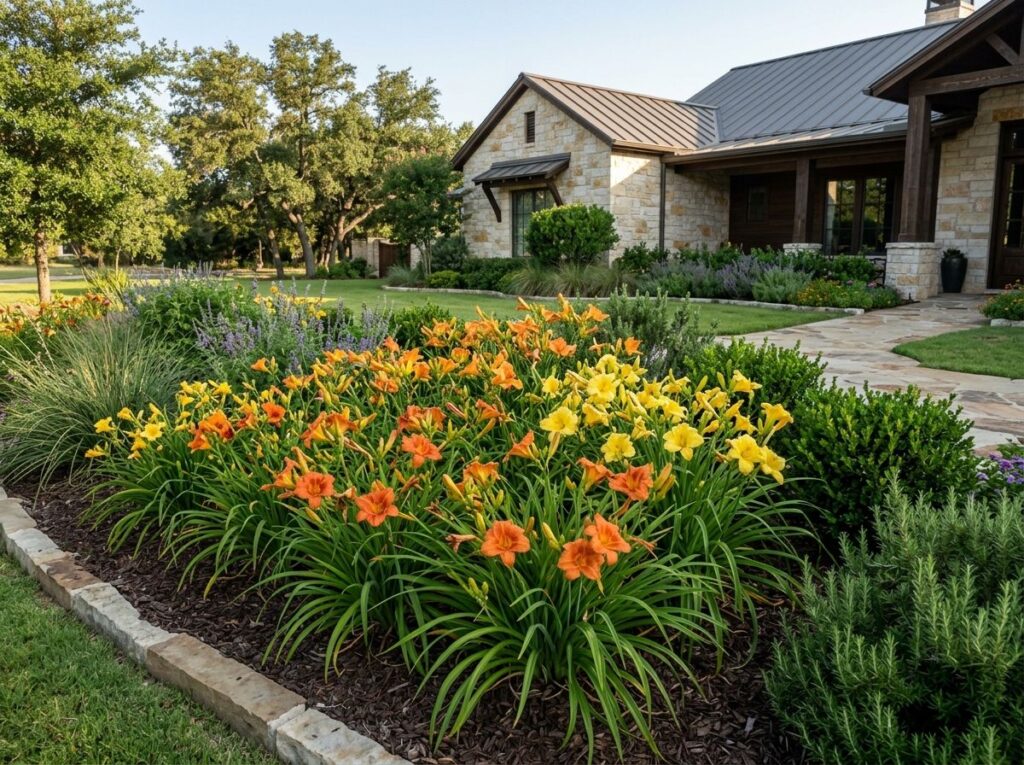
Landscape Bed Installation

Clean up and define your yard with professionally built landscape beds. We handle edging, weed control, plant placement, and finishes for a polished, low‑maintenance look.

Learn more

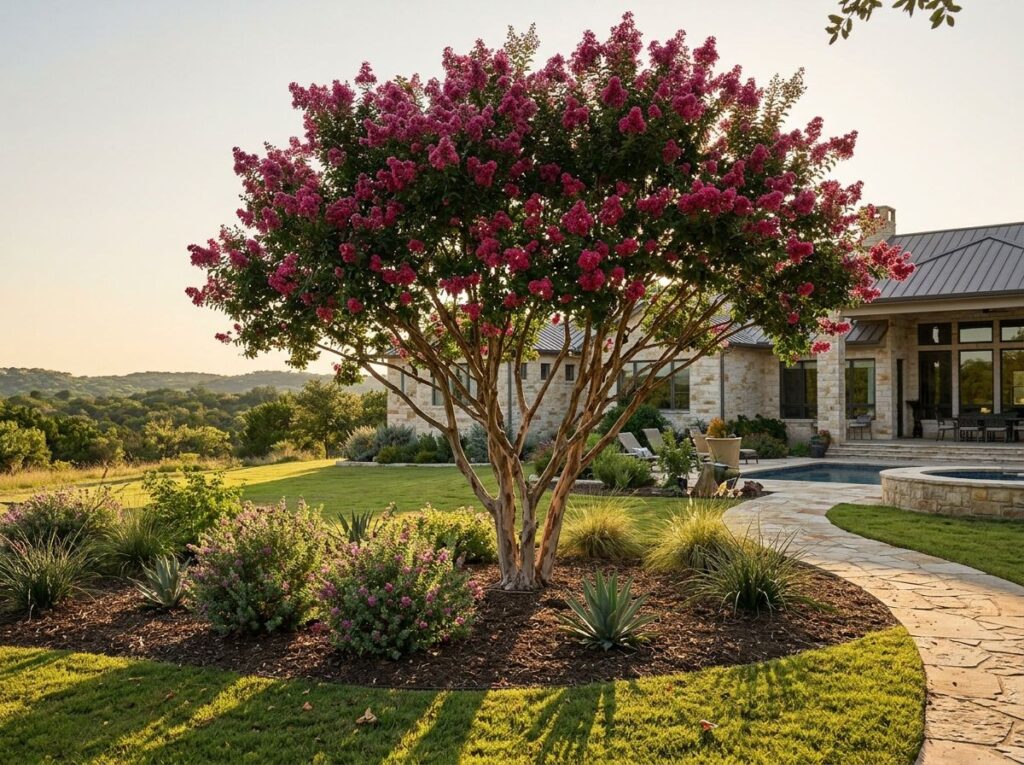
Seasonal Yard Clean-Up

Reset your landscape with a thorough property cleanup. We remove debris, detail beds, and trim where needed to get your yard back in shape for the season.
Learn more

Landscape Lighting Installation

Improve curb appeal and nighttime safety with professional low‑voltage lighting. We design systems that highlight your home and landscape while allowing room for future expansion.

Learn more

Retaining Wall Installation

Solve slope issues and add structure to your landscape. Our retaining walls are built for strength, proper drainage, and long‑term stability—not quick cosmetic fixes.

Learn more

Mediterranean / Tuscan Style FAQs

Questions Homeowners Ask About Mediterranean and Tuscan Landscaping

These questions focus on how this style actually performs on San Antonio properties, not just how it looks in inspiration photos.

View All of Our FAQs

    It can work in both, but it is especially strong in patios, courtyards, side-yard passages, and entertaining spaces where walls, planters, paving, shade, and lighting can work together. In front yards, the style is usually most successful when it is simplified into clean masonry, restrained planting, and a strong entry sequence rather than too many decorative details.
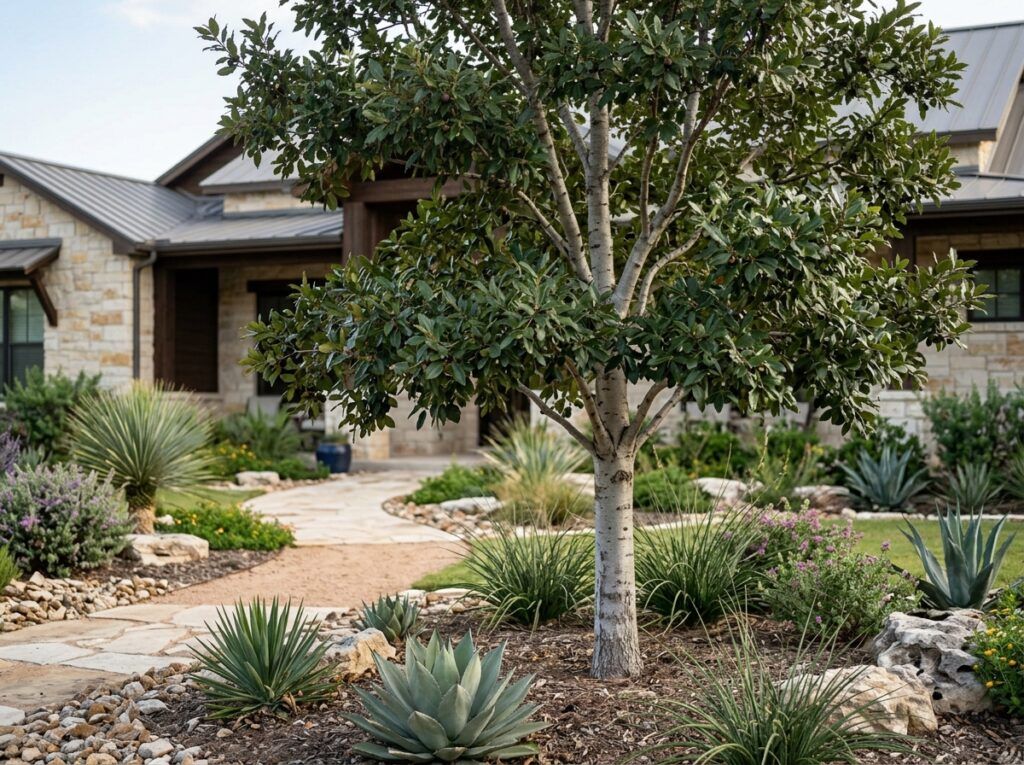
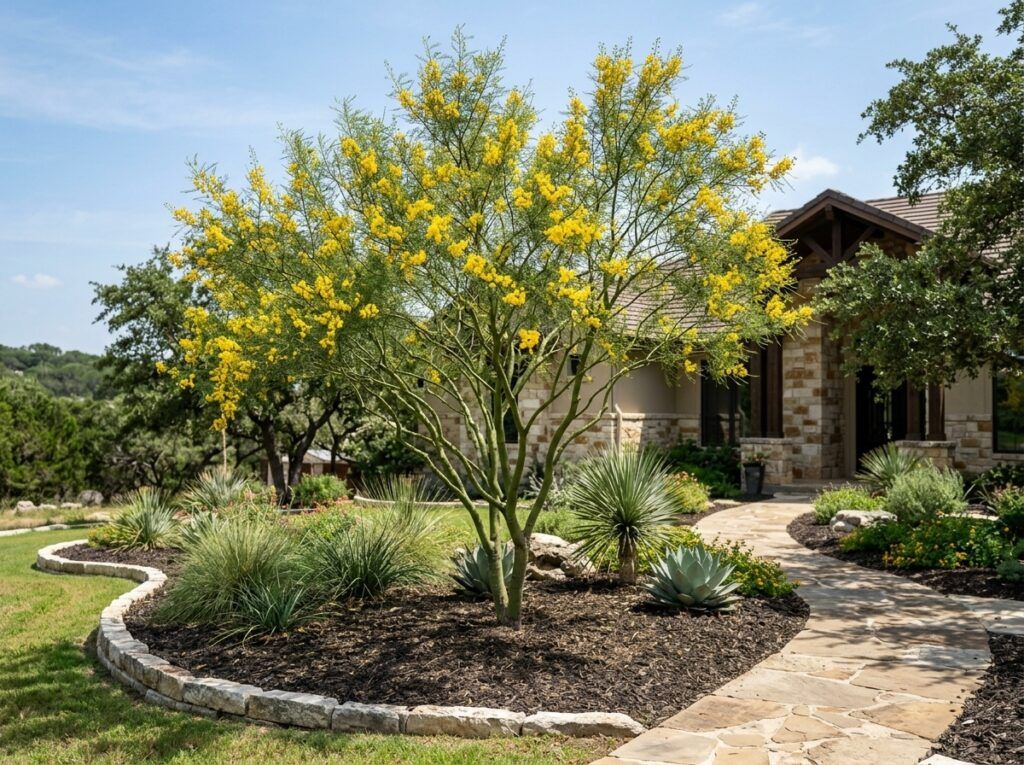
    They confuse decoration with design. A few urns, a fountain, or a warm-colored paver pattern will not create a true Mediterranean or Tuscan landscape by themselves. The style only works when the layout, materials, and planting all support the same feeling of warmth, structure, and understated elegance.

    Often, yes. Mediterranean and Tuscan landscapes usually lean more on masonry, containers, and focused planting areas than on broad turf coverage. That does not automatically make them ultra-low-water, but they are often easier to design with a lower irrigation footprint than styles that depend heavily on large lawn panels and constant seasonal color.

    Yes, but it works best when you borrow the right qualities instead of copying a theme literally. Warm stone, structured planters, gravel accents, and more defined outdoor rooms can translate well to many San Antonio homes. The goal is to create warmth and permanence, not to force faux-Italian details onto a house that cannot support them.

Need Help Choosing?

Let’s Turn Mediterranean / Tuscan Style Into a Landscape Plan That Fits Your Home

If you like the warmth, masonry character, and outdoor-living feel of Mediterranean and Tuscan design, we can help adapt it to your property, climate conditions, and maintenance goals.

(210) 625-6438