
Shrubs Barbados Cherry
(Malpighia glabra)
Other Common Names: Acerola, Manzanita, Wild Crape Myrtle
Bees
Edible Parts
Evergreen
Flowering
Full Sun
Recommended Use: Perfect for edible gardens or pollinator landscapes needing a small, fruiting ornamental shrub.
Overview of the Plant
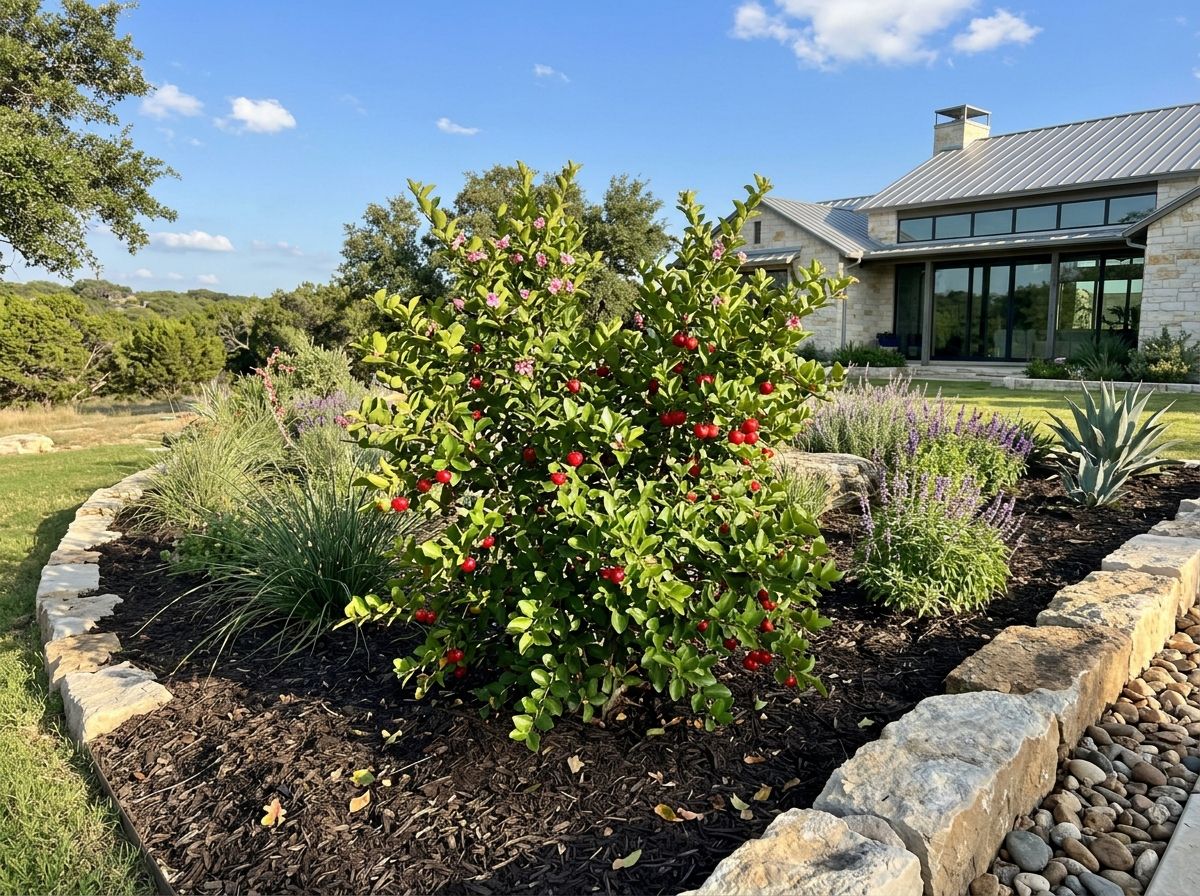
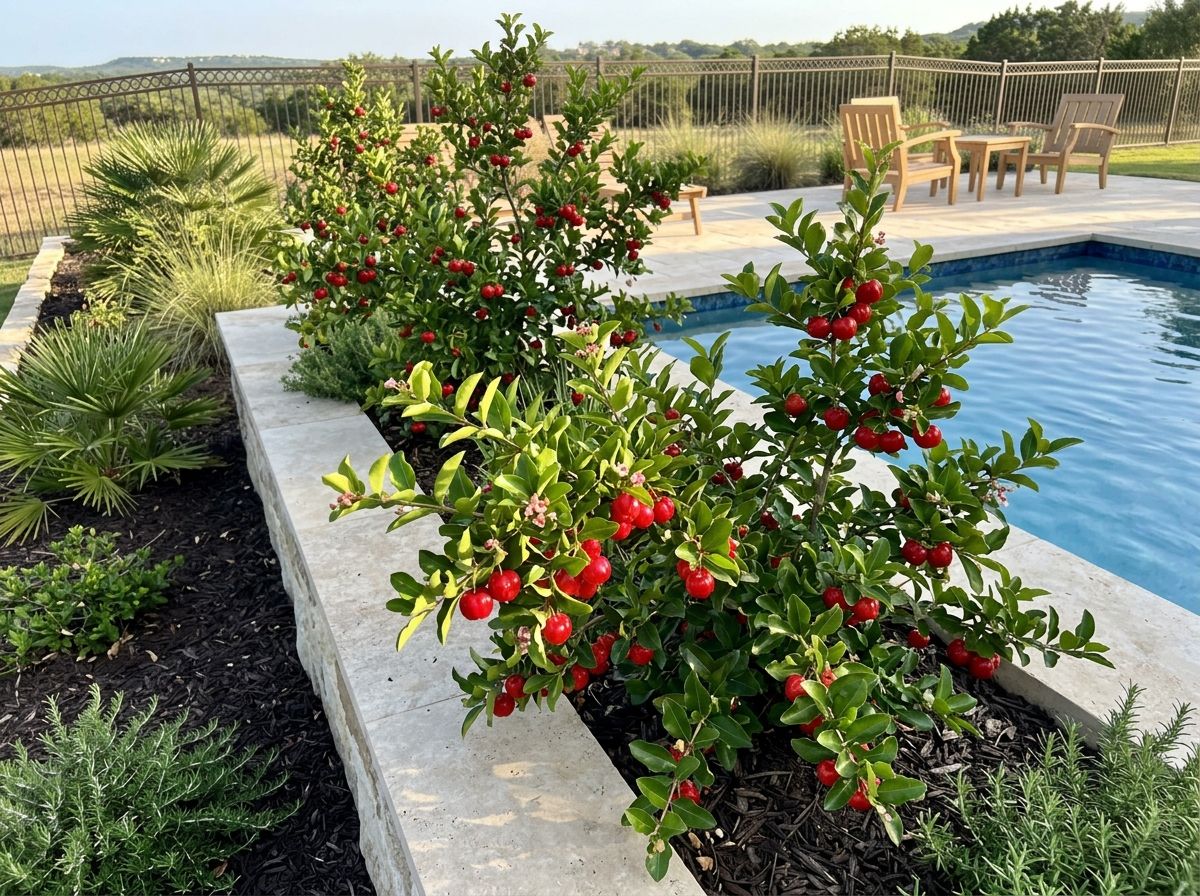
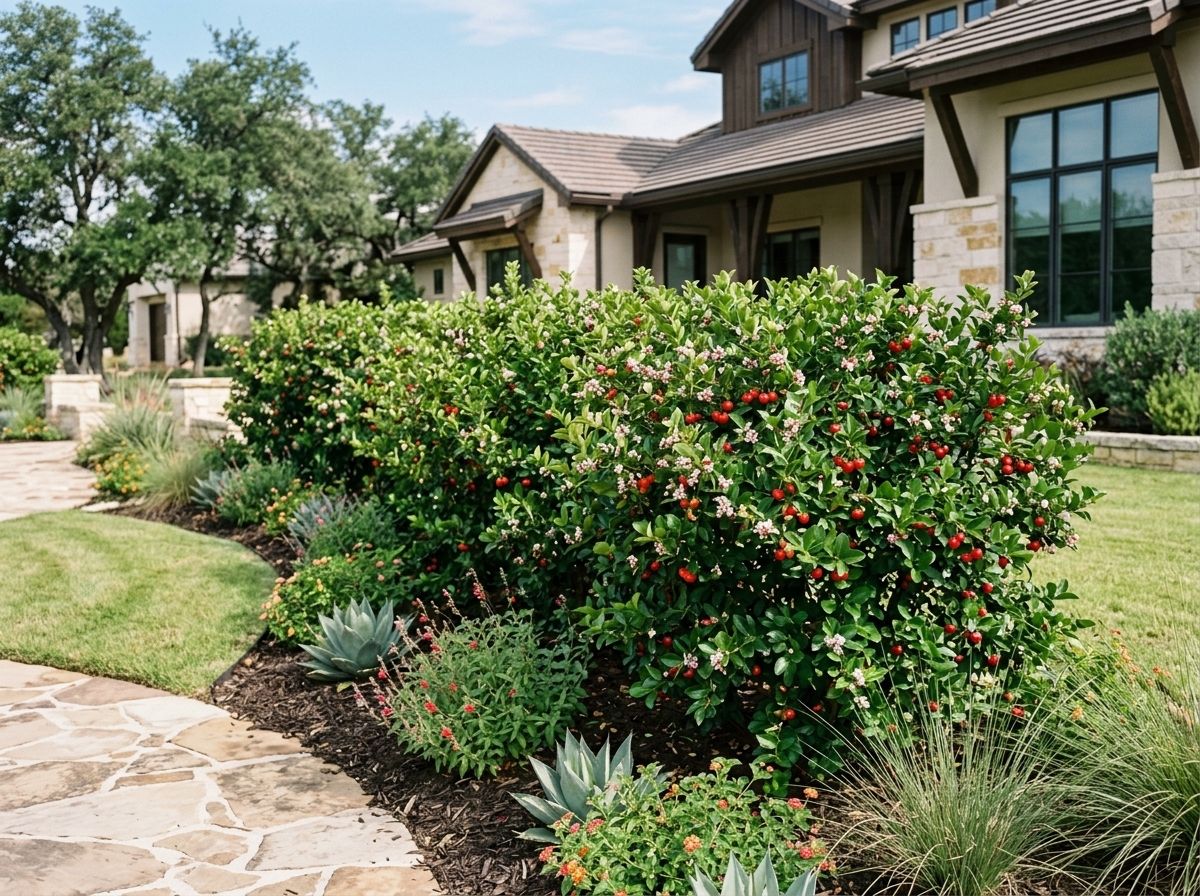
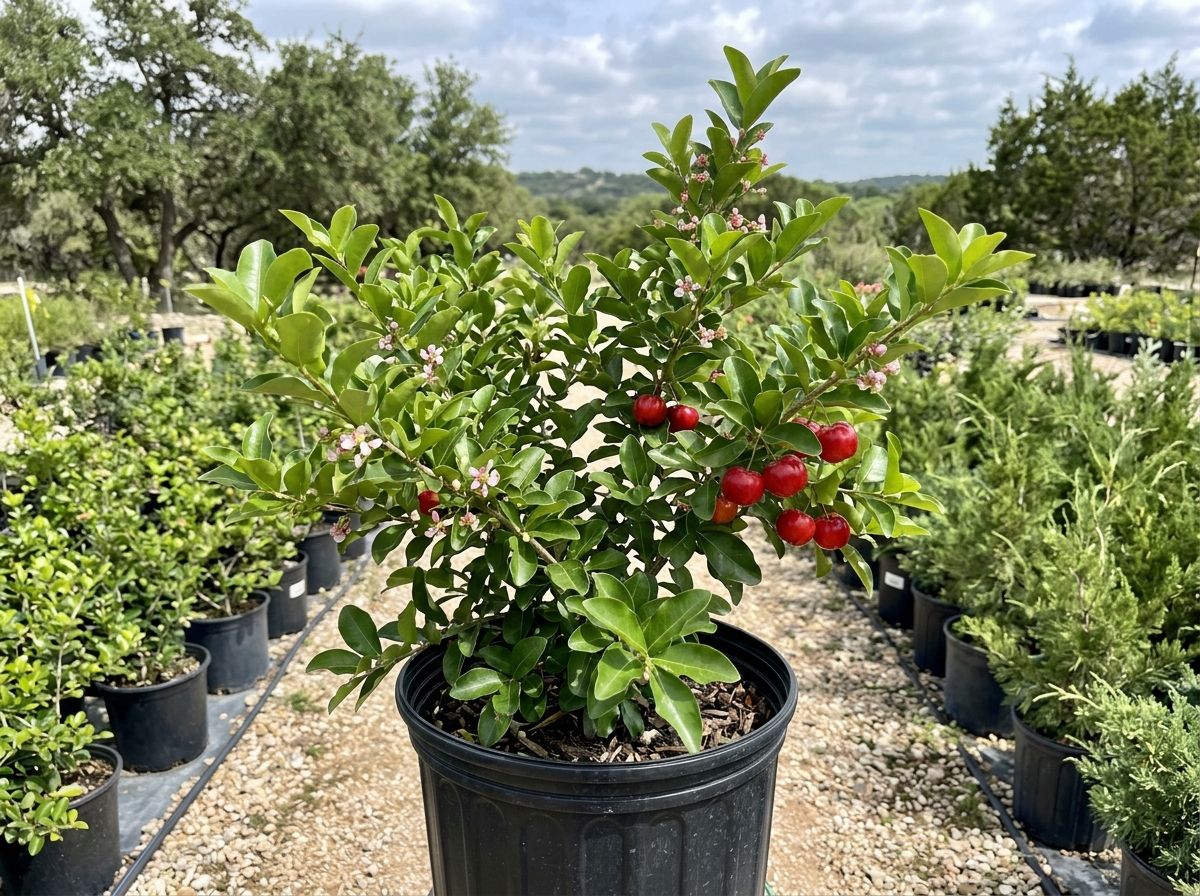
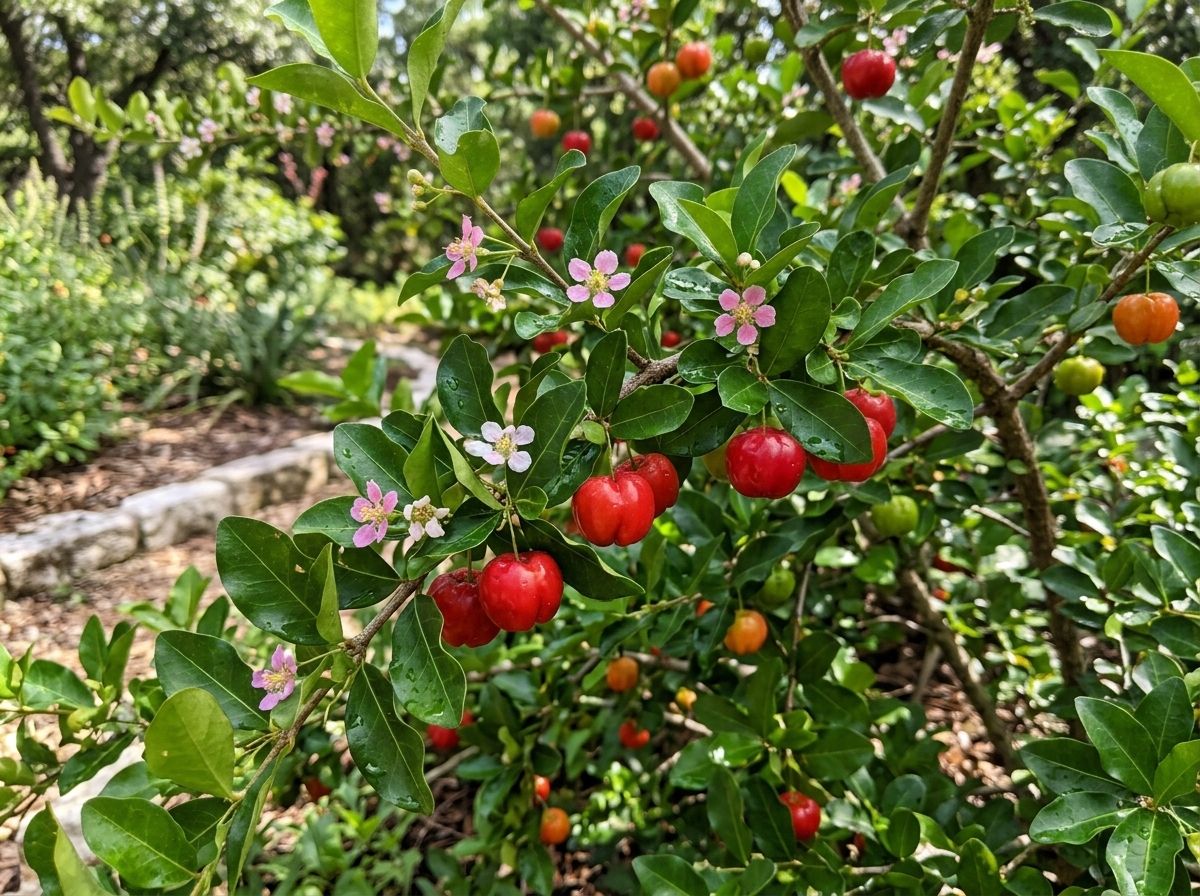
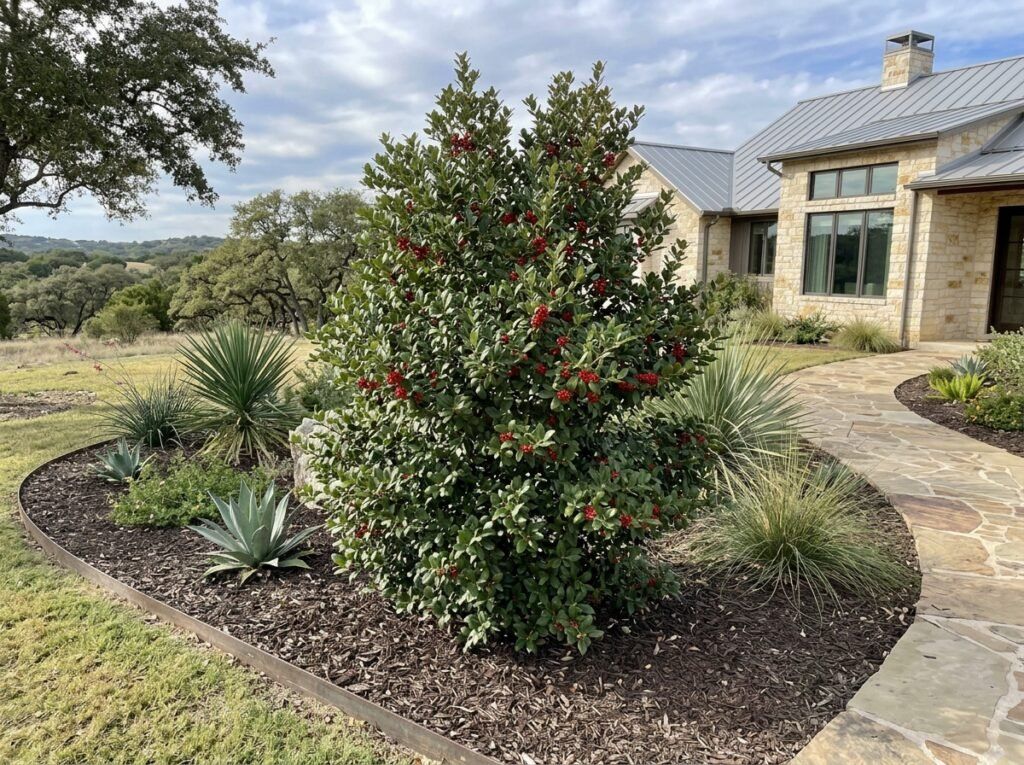
The Barbados Cherry, scientifically known as Malpighia glabra, is an attractive evergreen shrub or small tree that is highly valued in landscaping for its lush foliage and vibrant appearance. It typically grows to a height of 4–8 feet, with a dense canopy of glossy green leaves. This plant is known for its beautiful pink flowers that add a charming aesthetic to any garden, and it produces bright red fruit that is both ornamental and attractively edible. The Barbados Cherry is commonly used in hedges, borders, or as a standalone specimen plant, offering both visual appeal and practical benefits like attracting birds and pollinators.
Maintenance
The Barbados Cherry is relatively easy to care for, making it a popular choice for many gardeners. It prefers full sun to partial shade and thrives in well-drained soil with moderate moisture levels. Regular watering is essential, especially during dry spells, to maintain its vibrant foliage and fruit production. The plant is quite adaptable and can tolerate different soil types, although it flourishes best in slightly acidic to neutral soil. Pruning is recommended to maintain the desired shape and promote healthy growth; it is best done in late winter or early spring. This plant is generally resistant to pests and diseases, but occasional monitoring is advised to ensure its health remains optimal.
Quick Facts
– Hardiness Zones: 9-11
– Growth Rate: Moderate
– Special Characteristics: Attracts pollinators, Drought-tolerant once established
– Key Features: Evergreen, Pink flowers, Red fruit
– Sunlight Preference: Full sun to partial shade
By providing these essential insights, homeowners can successfully incorporate the versatile and visually appealing Barbados Cherry into their landscaping projects, ensuring both aesthetic appeal and ecological benefits.
Additional Information for Homeowners in the San Antonio Metro Area
Cold Sensitivity:
Barbados Cherry can be damaged by hard freezes below 28°F. In the San Antonio area, plant in a protected spot (near walls or fences) or be prepared to cover during rare severe cold snaps.
Soil Adaptability:
Tolerates typical Hill Country soils, but grows best if amended with compost for better drainage and fertility.
Harvest Tips:
Fruits ripen quickly and can drop when fully ripe. Harvest frequently during fruiting season (late spring to fall).
Pest Note:
Birds are attracted to the fruit; netting may be helpful if you want to maximize your harvest.
🌸 When Will It Flower or Fruit?
- First Flowers: Often appear after 1–2 growing seasons, but only if the plant is mature enough and growing in warm, sunny conditions.
- First Fruit: Usually after 2–3 years, and more reliably once planted in the ground and well-established.
Want this product installed? Check out our page to view pricing and other details.
Related Products
Planting Role / Visual Structure > Focal Plant Palette
Wildlife Garden Blend
Ready When You Are
Get a Clear Plan for Your Yard
Tell us what you’d like to improve. We’ll ask a few questions, review your project, and let you know the best next step — no pressure and no guesswork. Fill out the form for a free quote.