
Trees Lacy Oak
(Quercus laceyi)
Other Common Names: Blue Oak
Birds
Butterflies
Deciduous
Drought-Tolerant
Full Sun
Recommended Use: Ideal for rocky soils or dry landscapes needing a tough, graceful shade tree.
Overview
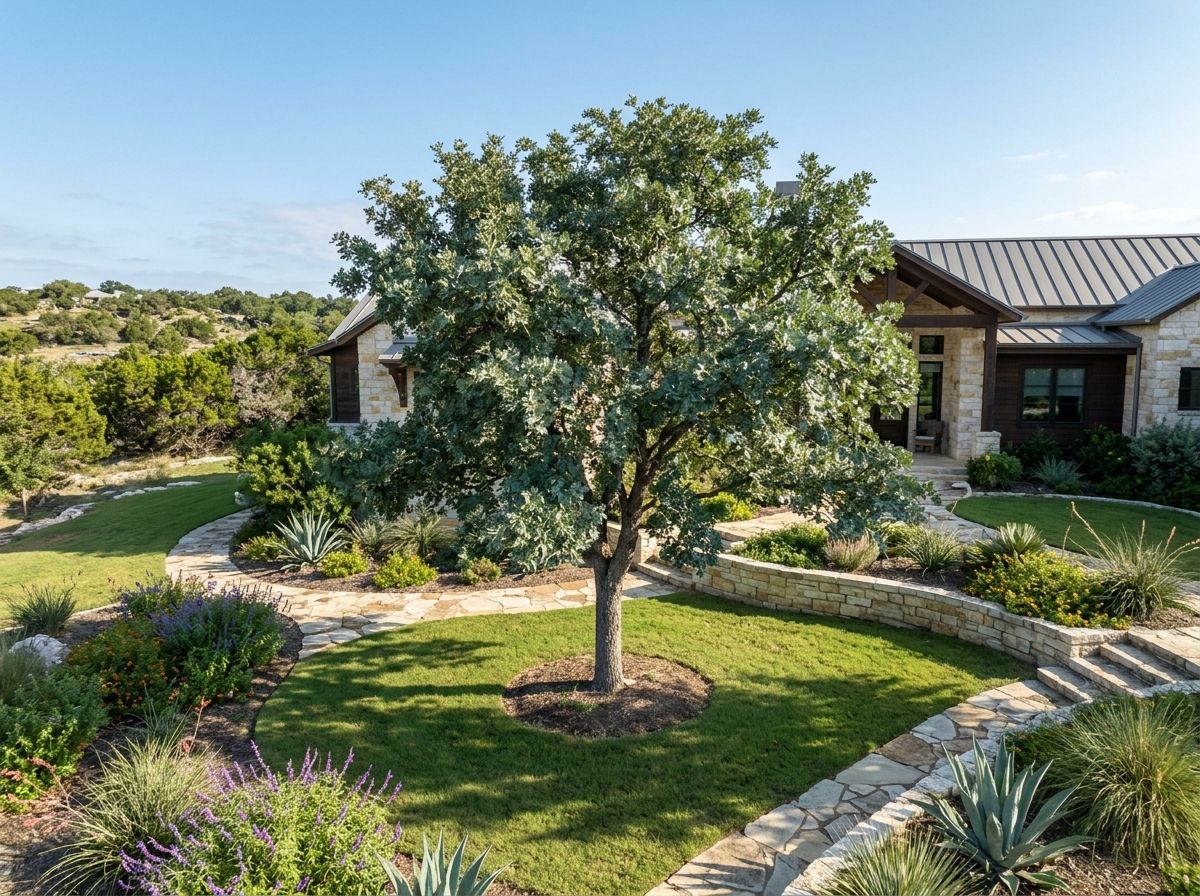
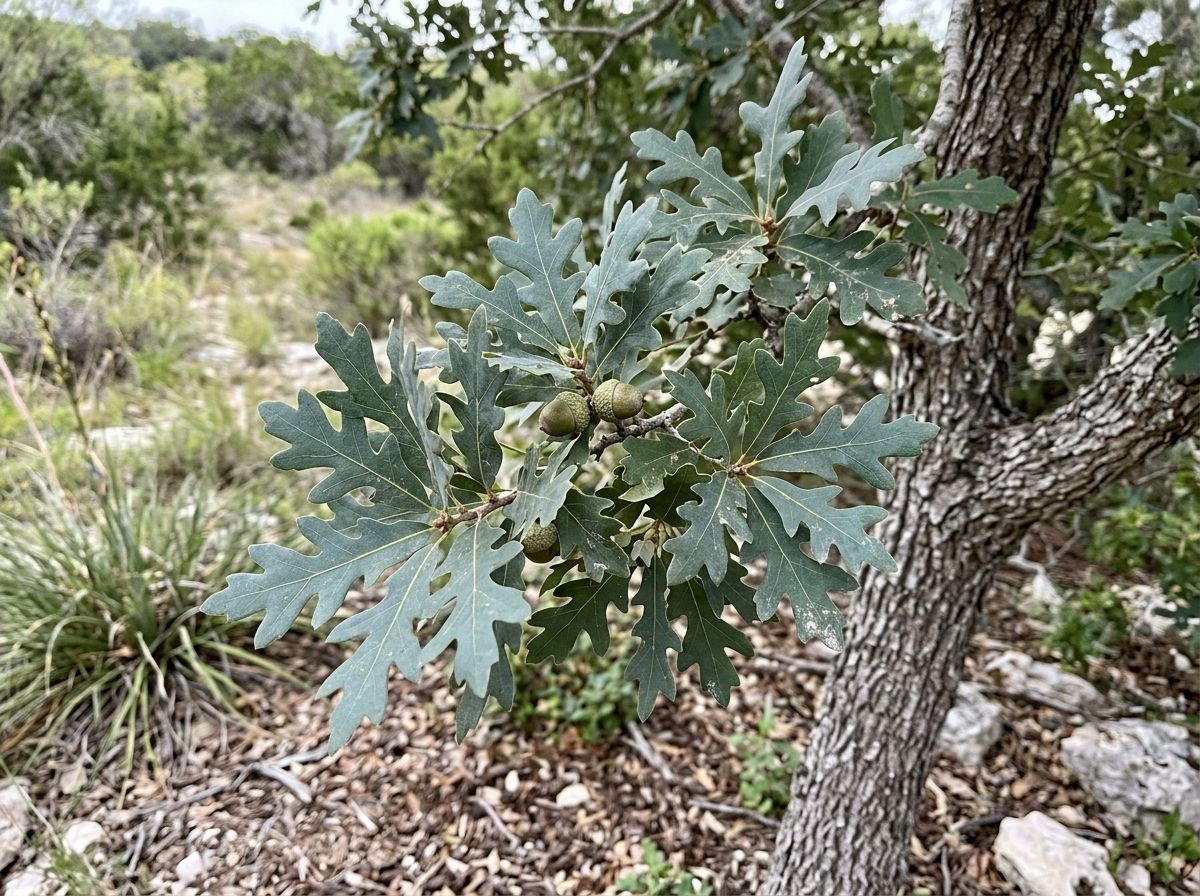
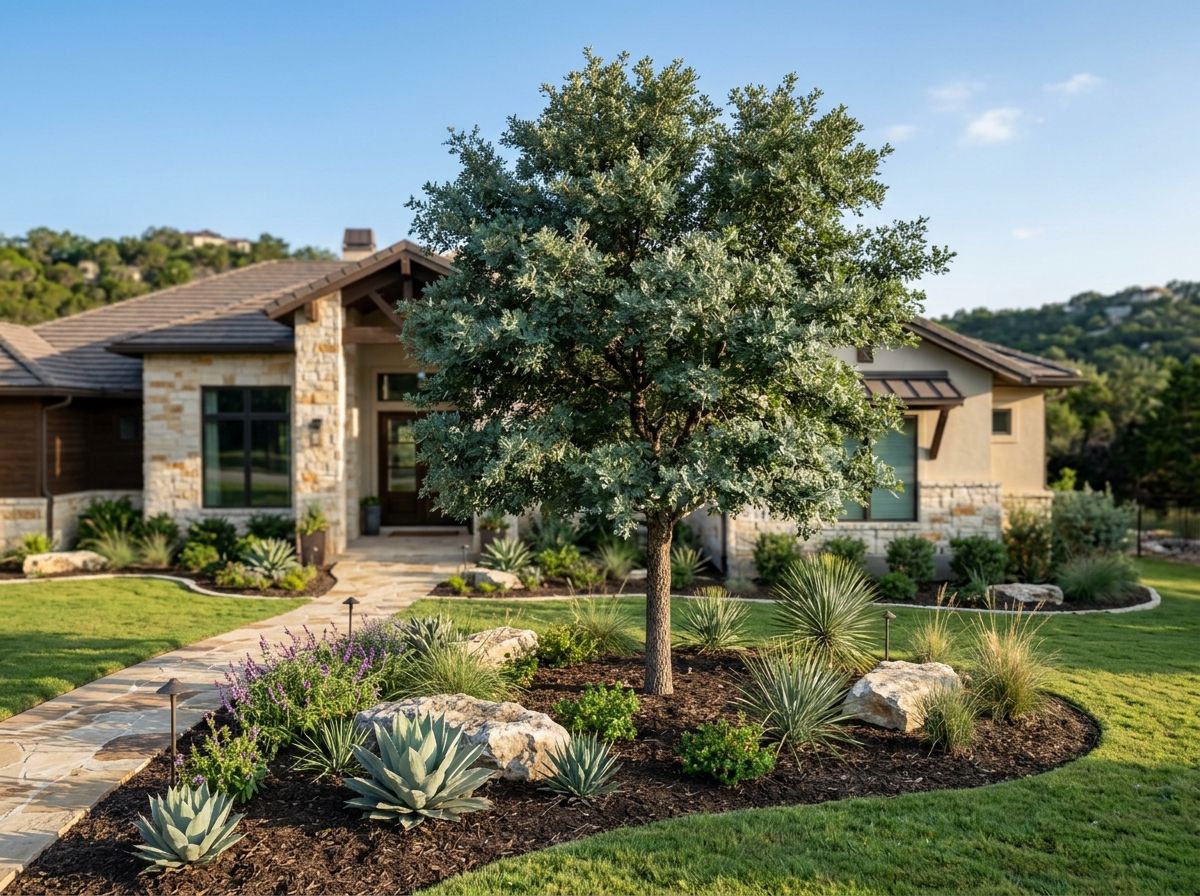
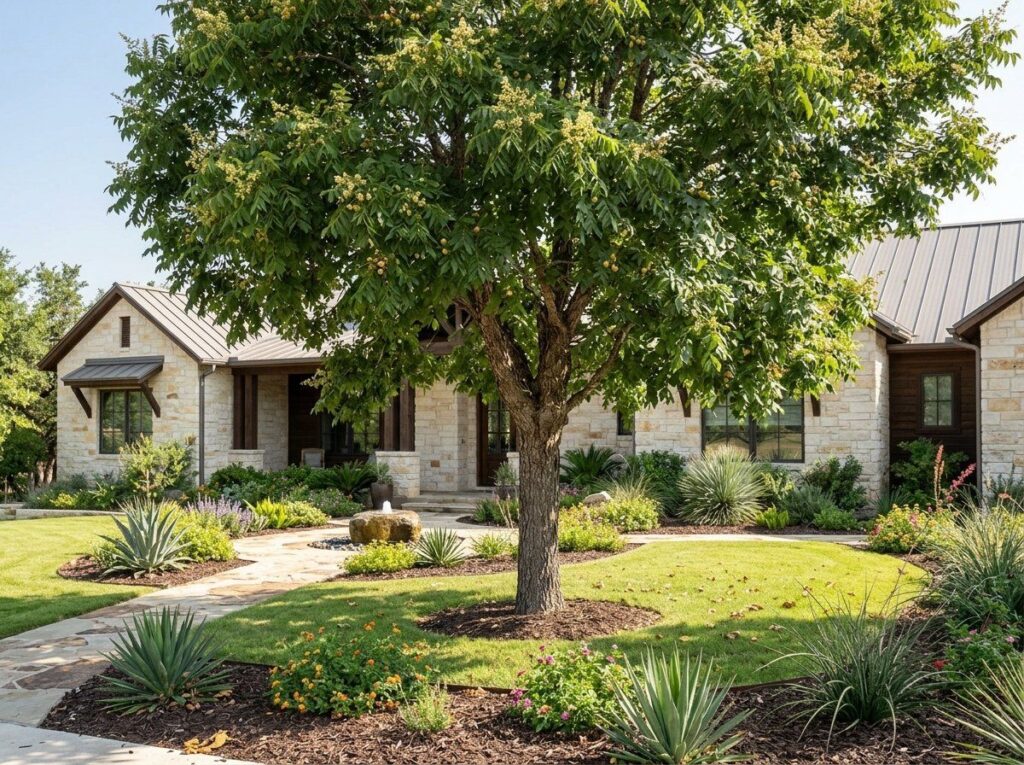
The Lacy Oak, scientifically known as Quercus laceyi, is a deciduous tree admired for its delicate, blue-green leaves and attractive round shape. With a typical height of 25 to 35 feet and a spread of 20 to 25 feet, it’s ideal for creating a moderate amount of shade in gardens and landscapes. Its unique foliage and compact size make it a popular choice for both residential and commercial properties. As a native to the Texas Hill Country, the Lacy Oak is well adapted to warm climates and is often used as a charming shade tree in landscape designs.
Maintenance and Care
Lacy Oak trees prefer full sun to partial shade for optimal growth. They thrive in well-drained soils and exhibit a good tolerance for drought conditions once established, though they benefit from occasional watering during extended dry periods. It is important to allow the soil to dry out between waterings to prevent root rot. Pruning is typically not necessary except to remove dead or damaged branches and to maintain the desired shape. The Lacy Oak is known for its resistance to most pests and diseases, making it a low-maintenance choice for homeowners.
Planting Consideration:
When planting a Lacy Oak near buildings or hardscapes, consider its mature root spread (20-30 feet wide) to avoid potential conflicts with foundations or underground utilities.
Quick Facts
- Hardiness Zones: 7 to 9
- Growth Rate: Moderate
- Special Characteristics: Deer resistant, attracts birds and butterflies, adapted to hill country landscapes
- Preferred Sun Exposure: Full sun to partial shade
- Soil Preference: Well-drained soils
- Best Use: Shade trees in gardens and landscapes
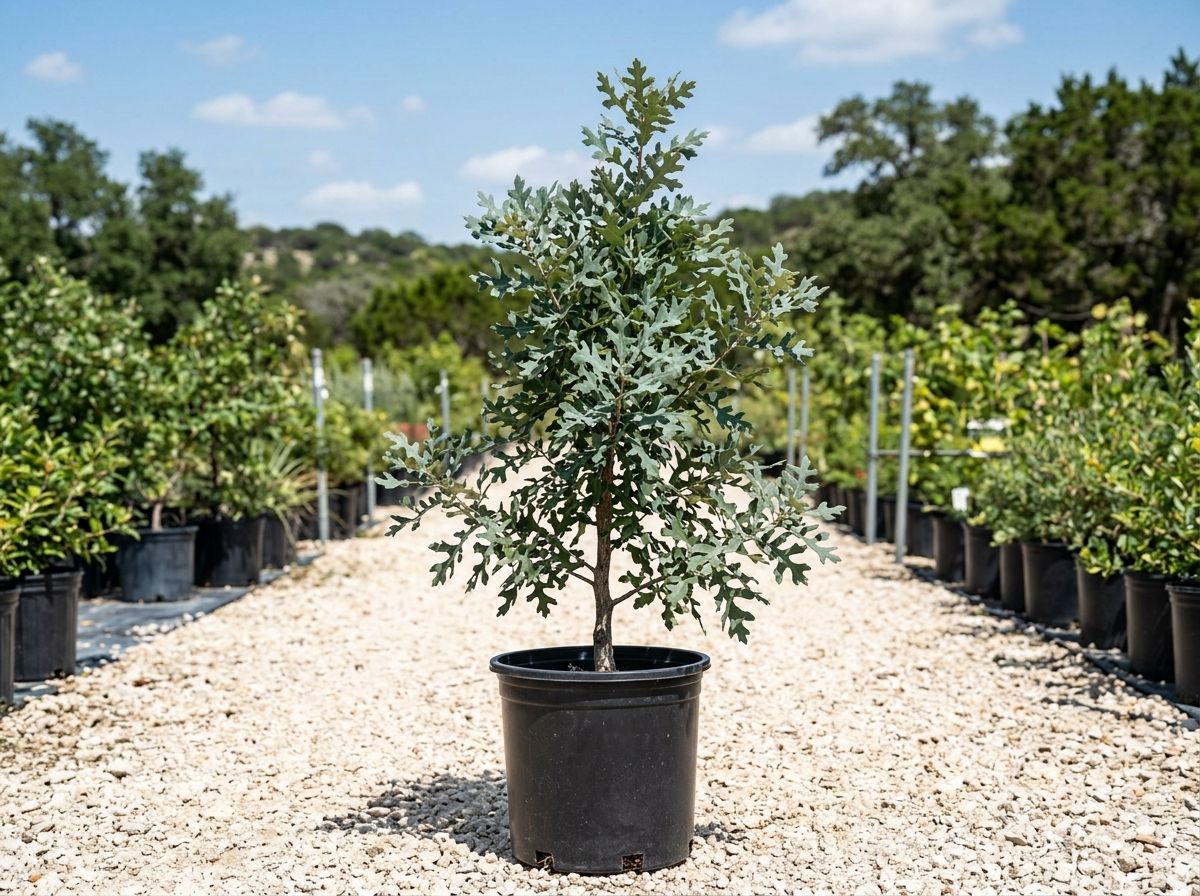
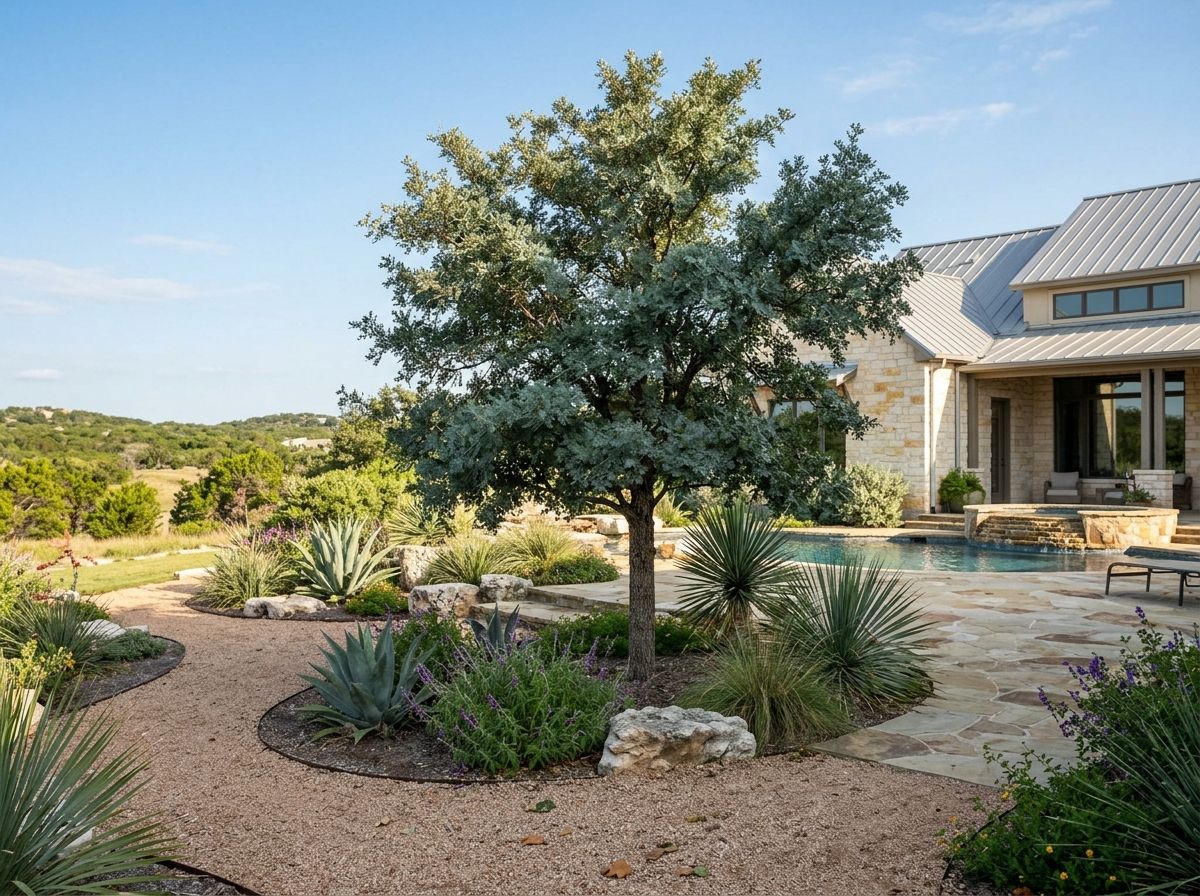
Want this product installed? Check out our page to view pricing and other details.
Related Products
Planting Role / Visual Structure > Evergreen Backbone
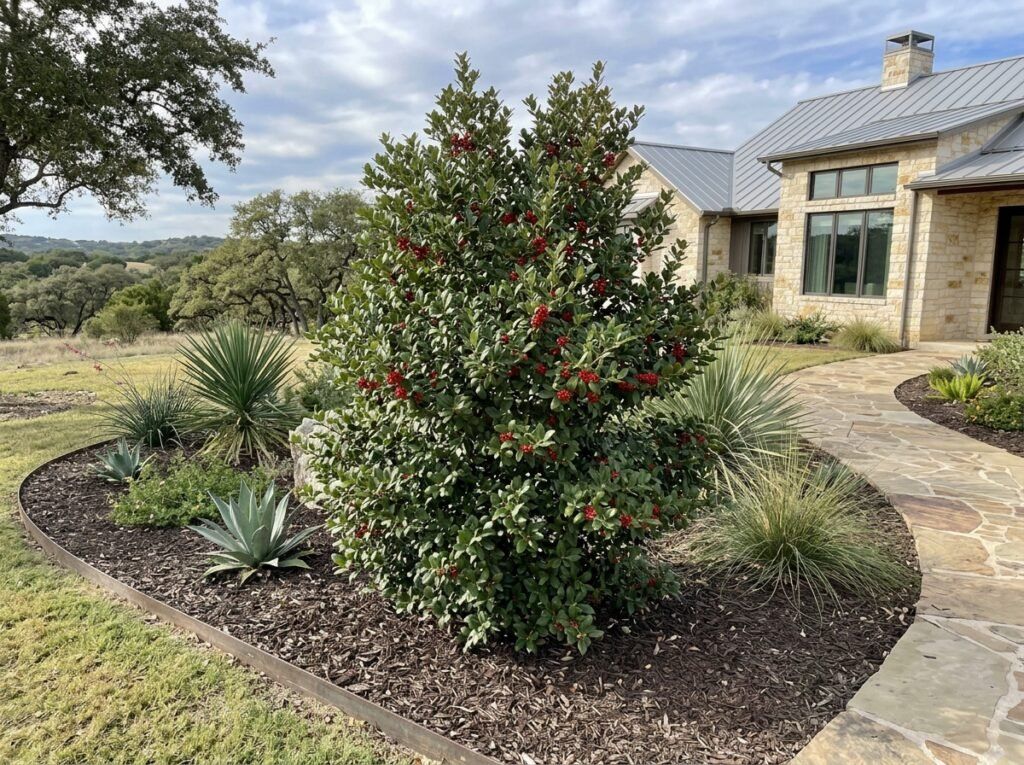
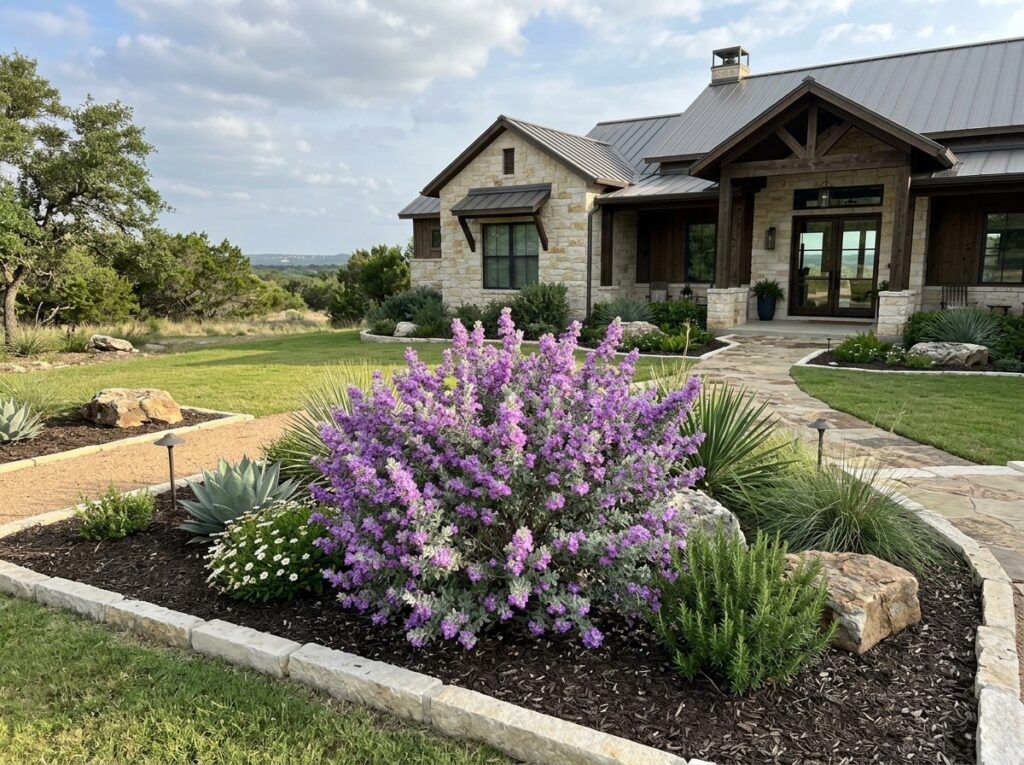
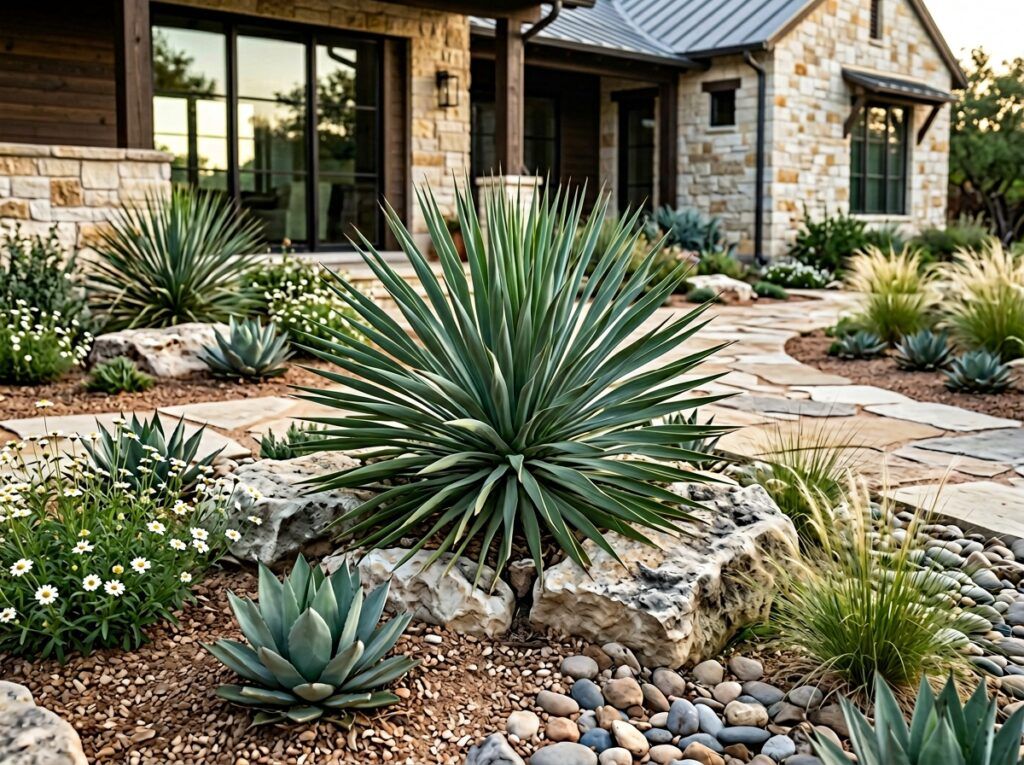
Wildlife Garden Blend
Ready When You Are
Get a Clear Plan for Your Yard
Tell us what you’d like to improve. We’ll ask a few questions, review your project, and let you know the best next step — no pressure and no guesswork. Fill out the form for a free quote.