
Perennials Butterfly Gaura
(Oenothera lindheimeri / formerly Gaura lindheimeri)
Other Common Names: Whirling Butterflies, Bee Blossom, Lindheimer’s Beeblossom
Bees
Butterflies
Deciduous
Drought-Tolerant
Flowering
Full Sun
Recommended Use: Ideal for prairie-style gardens needing airy, pollinator-attracting movement and texture.
Introduction
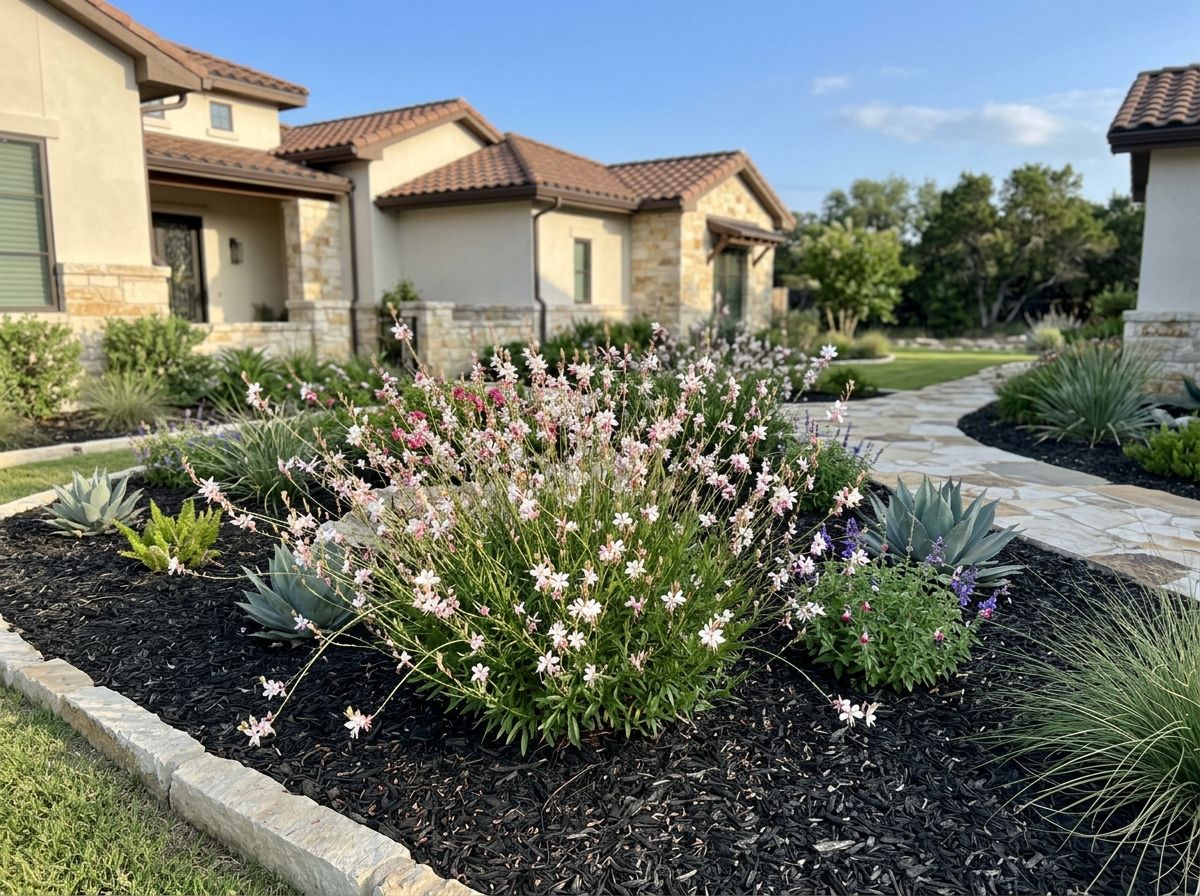
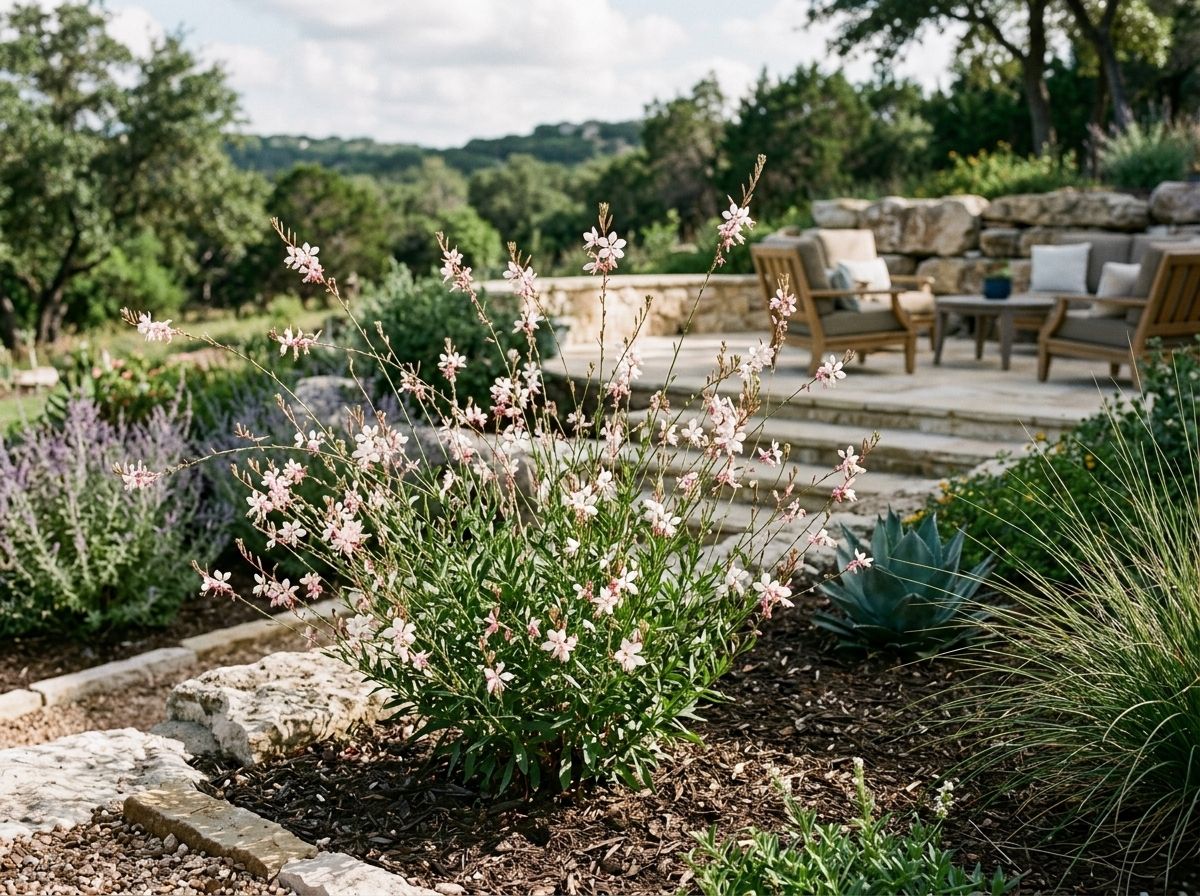
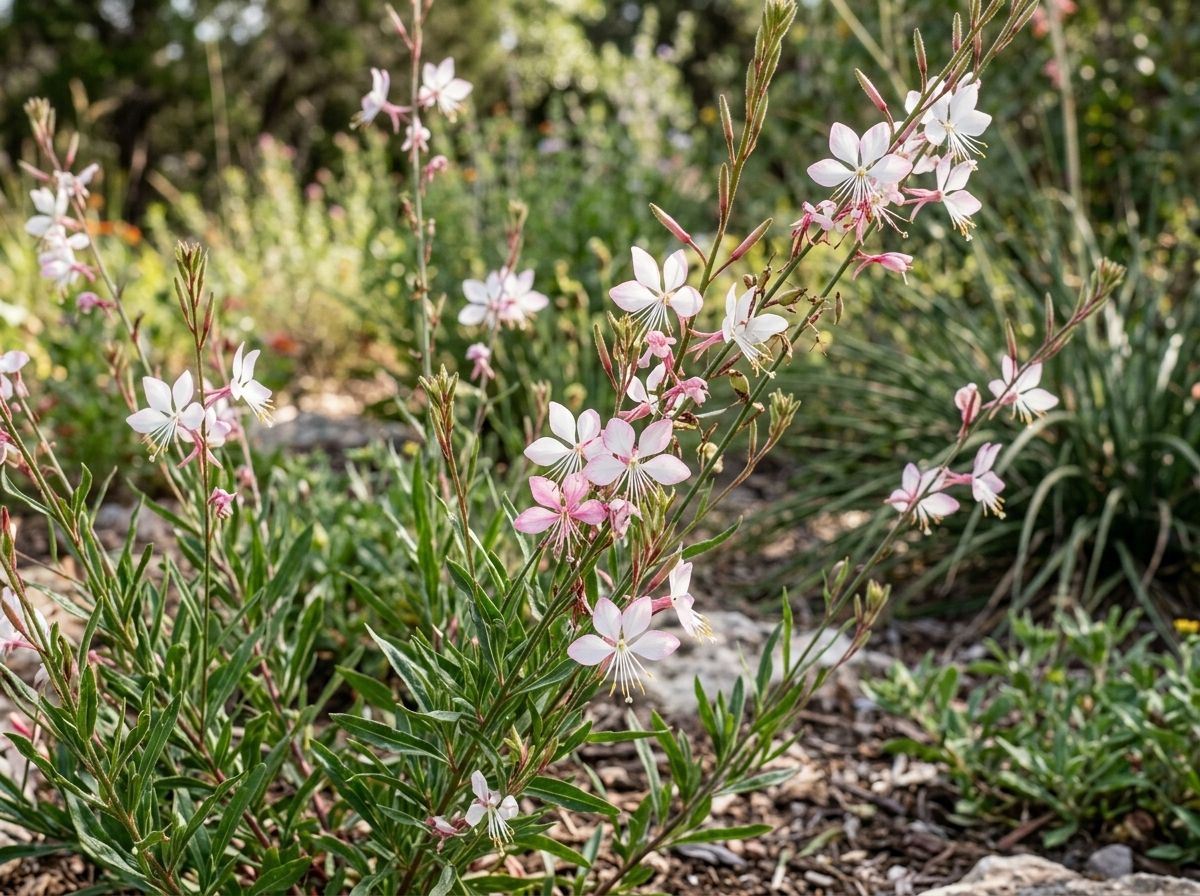
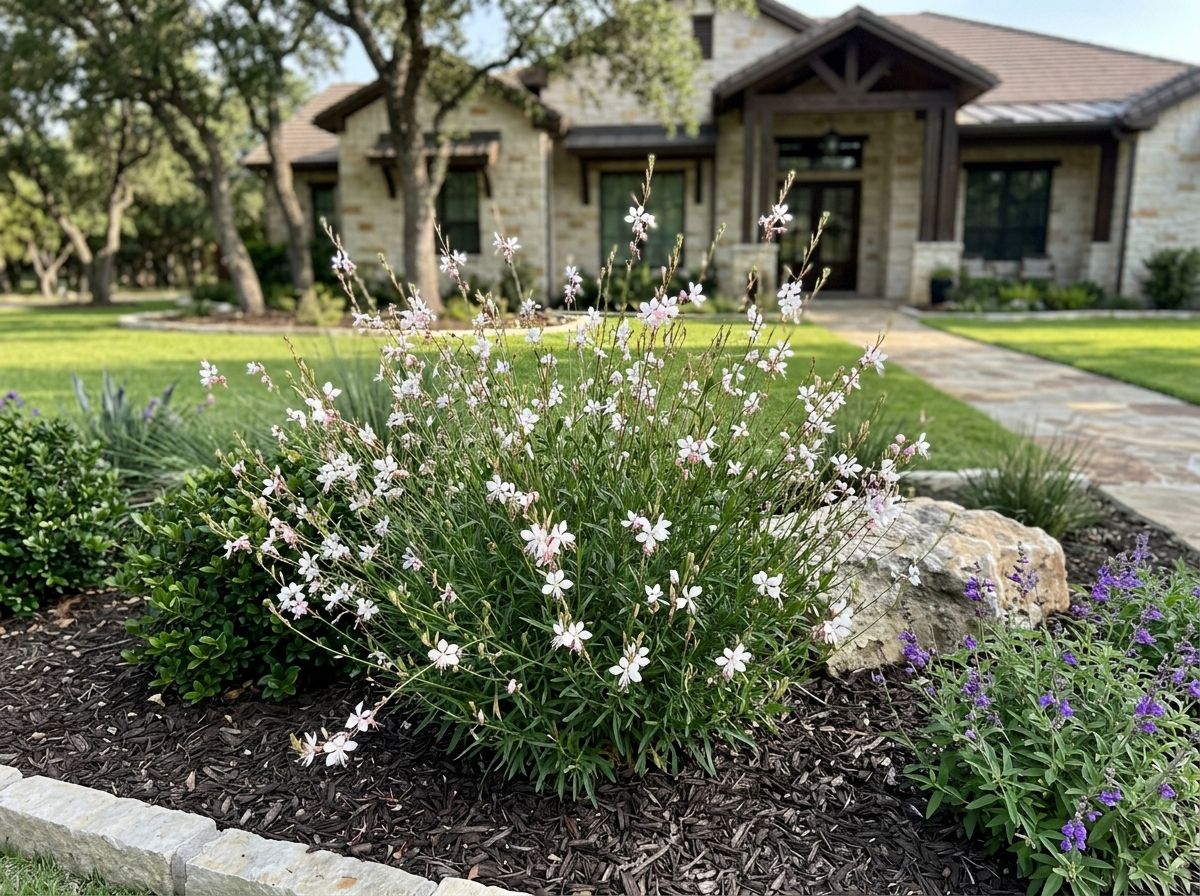
Butterfly Gaura, scientifically known as Oenothera lindheimeri, is a charming perennial plant admired for its delicate appearance and graceful presence in the garden. Typically reaching a height of 2 to 3 feet, this plant is characterized by its slender, wand-like stems adorned with beautiful white or pink blossoms that resemble hovering butterflies. The Butterfly Gaura is celebrated for its long blooming period, often extending from late spring through early fall. With its airy structure and gentle movement in the breeze, it adds a touch of elegance to borders, rock gardens, and mixed perennial beds. This plant is especially effective in cottage gardens and naturalistic landscapes, where its ethereal form complements a variety of other plants.
Maintenance
Butterfly Gaura requires minimal maintenance, making it an excellent choice for busy gardeners. It prefers full sunlight and thrives in well-drained soil conditions. Once established, the plant is drought-tolerant but benefits from regular watering during prolonged dry spells. Adequate spacing and airflow are essential to prevent any fungal issues. Pruning should be done in early spring to remove dead stems and encourage fresh growth; deadheading spent flowers can promote extended blooming. Butterfly Gaura has strong resistance to most pests and diseases, providing reliable performance with little intervention.
San Antonio Homeowner Tips
Thrives in rocky or sandy soils typical of the region. Water sparingly once established, and mulch in winter for extra freeze protection. Handles extreme heat well and attracts native pollinators. You may self-seed in garden beds if you are allowed to go to seed.
- Soil Preference: Tolerates poor, rocky, or sandy soils commonly found in the San Antonio area; avoid heavy clay unless amended for drainage.
- Watering Needs: Water deeply but infrequently after establishment; overwatering can lead to root rot.
- Heat Tolerance: Excellent heat tolerance; performs well in South Texas summers.
- Winter Care: Mulch lightly in winter to protect roots during rare hard freezes.
- Self-Seeding: Can self-seed if not deadheaded; may spread lightly in suitable conditions.
- Wildlife Landscaping: Pairs well with other drought-tolerant Texas natives and supports local pollinators.
Quick Facts
- Hardiness Zones: 5 to 9
- Growth Rate: Moderate
- Special Characteristics: Attracts butterflies and other pollinators; deer resistant
- Key Remarks: Ideal for xeriscaping and water-wise gardens due to its low water needs after establishment.
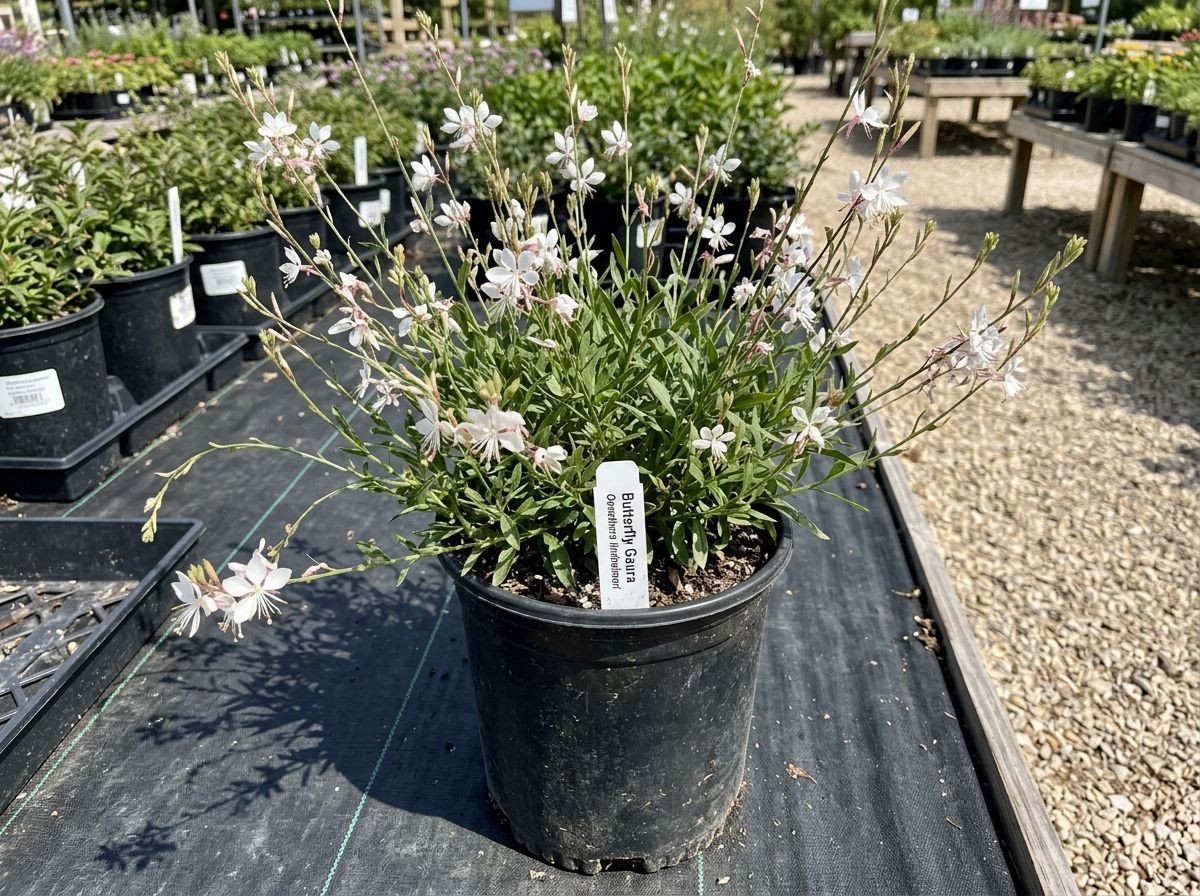
Want this product installed? Check out our page to view pricing and other details.
Related Products
Planting Role / Visual Structure > Focal Plant Palette
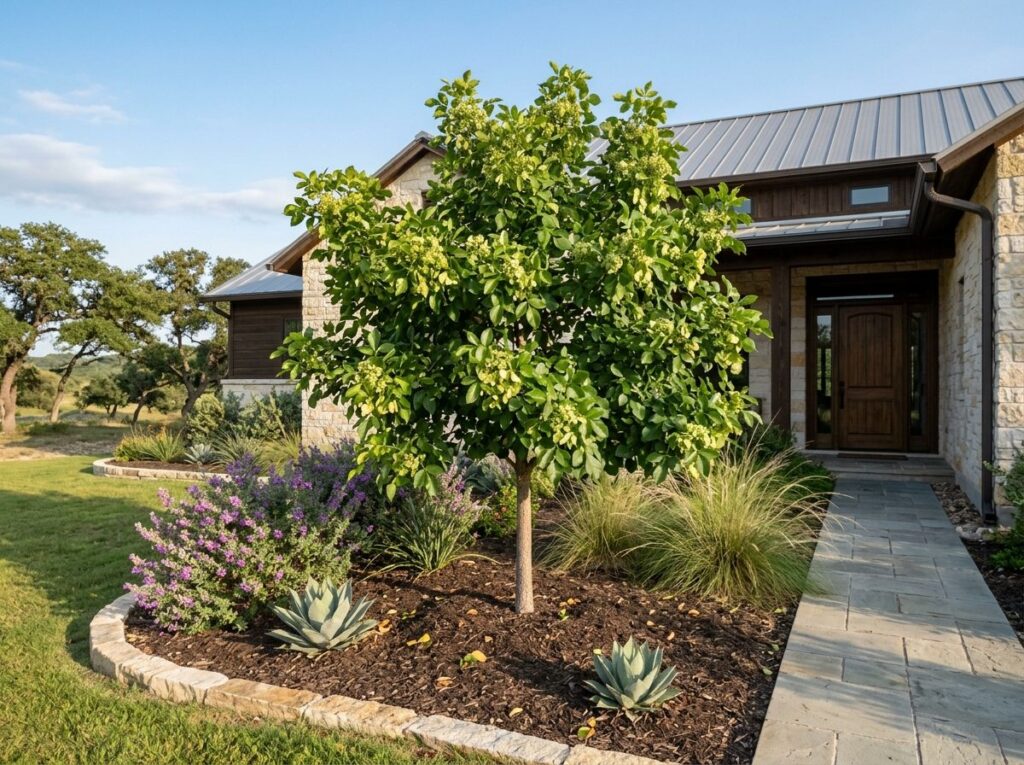
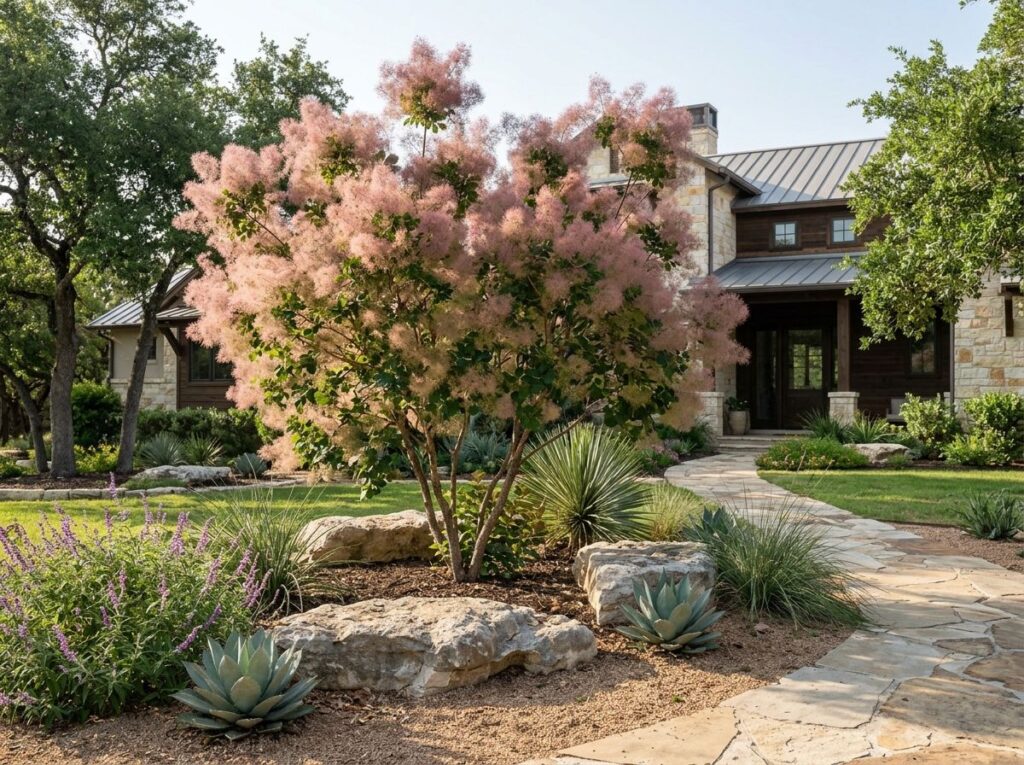
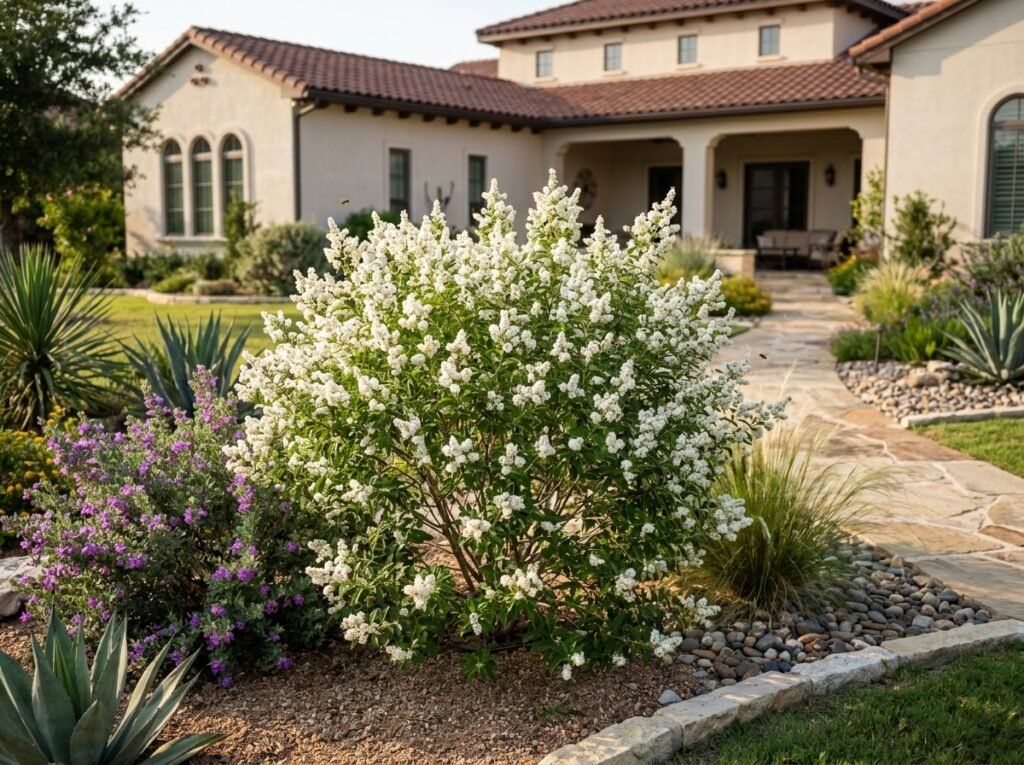

Planting Role / Visual Structure > Soft Texture Harmony
Wildlife Garden Blend


Ready When You Are
Get a Clear Plan for Your Yard
Tell us what you’d like to improve. We’ll ask a few questions, review your project, and let you know the best next step — no pressure and no guesswork. Fill out the form for a free quote.