
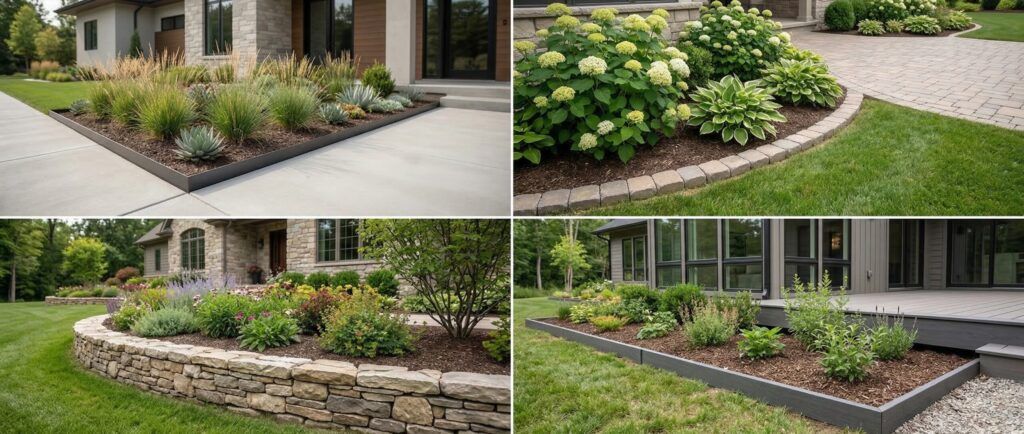
Clean edges, better beds
Best Edging Options for Landscape Beds in San Antonio
Edging is what makes a landscape bed look finished—and keeps mulch or rock where it belongs. Here’s how to choose the right border based on style, durability, and budget.
Request Your Free EstimateQuick overview
What is the best edging option for San Antonio beds?
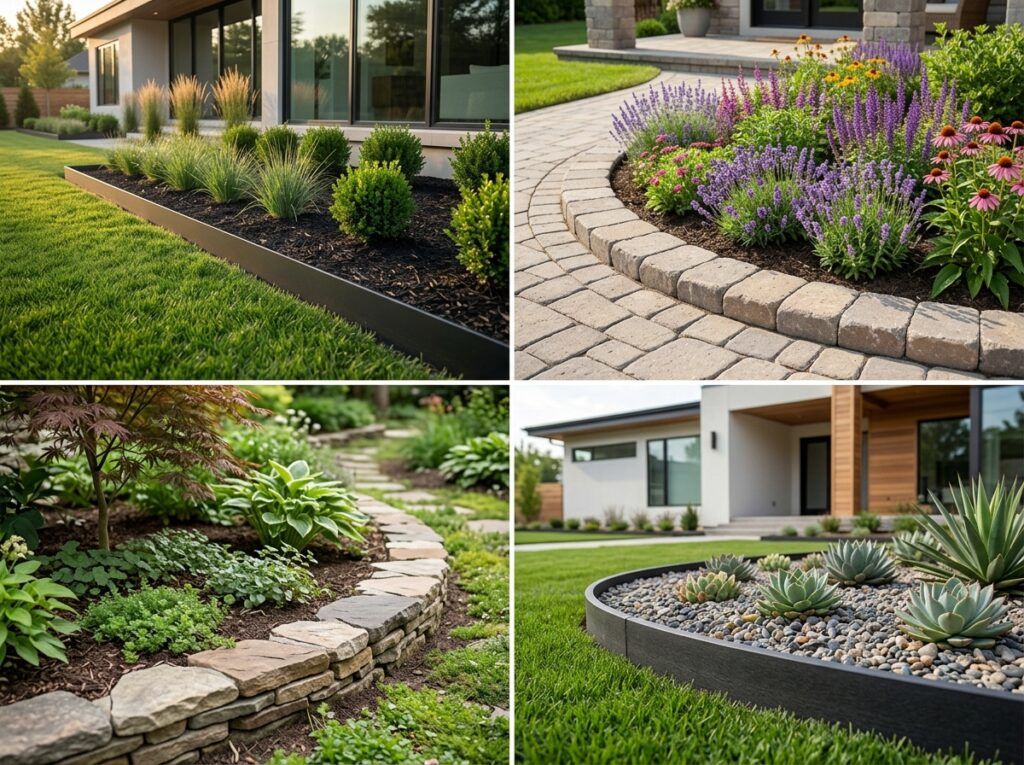
There isn’t one “best” edging for every yard. Composite and steel edging are great when you want a clean line and minimal visual distraction. Paver and chopped stone borders are better when you want the edge to become a visible design feature. Garden block or low walls work where you need height or are managing small grade changes.The right choice depends on how visible you want the border to be, how much traffic and mowing it must handle, and how permanent you want the bed layout to be.
- Composite and steel edging are low-profile and ideal for clean curves
- Pavers and chopped stone create visible, finished borders
- Garden block edging adds height and can help with small grade changes
- Rock beds usually benefit from stronger edging than mulch beds
- Good installation (base, stakes, transitions) matters more than brand name
Built for this market
How We Choose Edging on Real Projects
In San Antonio, edging has to do more than just draw a line. It has to stand up to heat, clay soil, irrigation, mowers, and occasional heavy rain. We look at how the bed meets turf, sidewalks, driveways, and existing stone on the home before recommending a border. For help turning the advice into a real project, review our landscape bed installation service page.
1. Decide if your edge should disappear or stand out
Low-profile edges like composite or steel almost disappear when the bed is mulched or rocked. They’re there to hold material and define shape—not to be a visual feature.
Visible edges like pavers, chopped stone, or garden blocks are meant to be noticed. They frame the bed, echo the home’s masonry, and can change how “finished” the whole front yard feels.
- If your house already has strong stone or brick, visible edging can tie everything together.
- If you want the plants and ground cover to be the star, low-profile edging may be better.
2. Match edging strength to the ground cover
Mulch is lighter. Rock is heavier and more mobile when water flows. That matters when we pick an edging system:
- Mulch beds can often use composite or steel as long as the grade is correct.
- Rock beds usually benefit from steel, pavers, or stone to keep rock from migrating into lawn or walkways.
If you’re planning a long run of decorative rock along a driveway or sidewalk, it’s almost always worth investing in stronger edging up front.
For edging material planning, compare aluminum landscape edging with the bed layout discussed above.
For edging material planning, compare concrete paver border stones with the bed layout discussed above.
3. Think about mowers, trimmers, and foot traffic
Edges that are too tall or weak become a constant headache. In a lawn-and-bed system, we want predictable mower passes and minimal weed-eater damage.
- Steel edging handles string trimmers well when installed flush and anchored properly.
- Composite edging can work, but cheaper products tend to heave or wave over time.
- Pavers and stone borders need a stable base so they don’t tip or separate under repeated contact.
Done correctly, edging should make mowing easier—not harder.
For a related next step, read How Often Should You Refresh Mulch?.
For a related next step, read Low-Maintenance Landscape Bed Ideas.
For a related next step, read How to Design a Clean, Modern Front Yard.
4. Plan for drainage and grade—not just looks
Edging that blocks water or traps soil against the foundation is a problem. When we design border layouts, we also look at where water needs to go.
- On gentle slopes, we often break beds or leave subtle “gaps” so water can pass between areas.
- Along driveways and patios, we consider whether edging should sit slightly above or flush with concrete.
- If water already pools in an area, edging alone won’t fix it—you may need Drainage Installation or light Yard grading / resloping.
Good edging detail is as much about performance as it is about appearance.
Here goes your text ... Select any part of your text to access the formatting toolbar.
Common Edging Options Compared
| Edging Type | Look & Style | Durability | Best Use | Typical Installed Range (per LF) |
|---|---|---|---|---|
| Composite / Plastic Edging | Low-profile, flexible, blends into bed | Moderate when installed correctly | Curved beds, budget-friendly separation of mulch/rock and lawn | ~$6–$10 / lf |
| Steel / Metal Edging | Clean, thin, modern line | High; resists mowers and foot traffic | Modern designs, rock beds, long runs with gentle curves | ~$8–$14 / lf (depending on gauge and finish) |
| Paver Edging | Visible border, more “finished” look | High with proper base | Front beds, along walks and drives, tying into paver patios | ~$18–$30 / lf |
| Chopped Stone Border | Natural, heavy, upscale feel | Very high when set on base | Feature beds, slope transitions, tying into stone on home | ~$25–$45 / lf |
| Garden Block / Low Planter Wall | Bold, raised edge or low wall | Very high with proper base and drainage | Raised beds, grade changes, seating-height planters | ~$40–$75 / lf (low height) |
Real trade-offs
Pros and Cons of Popular Edging Types
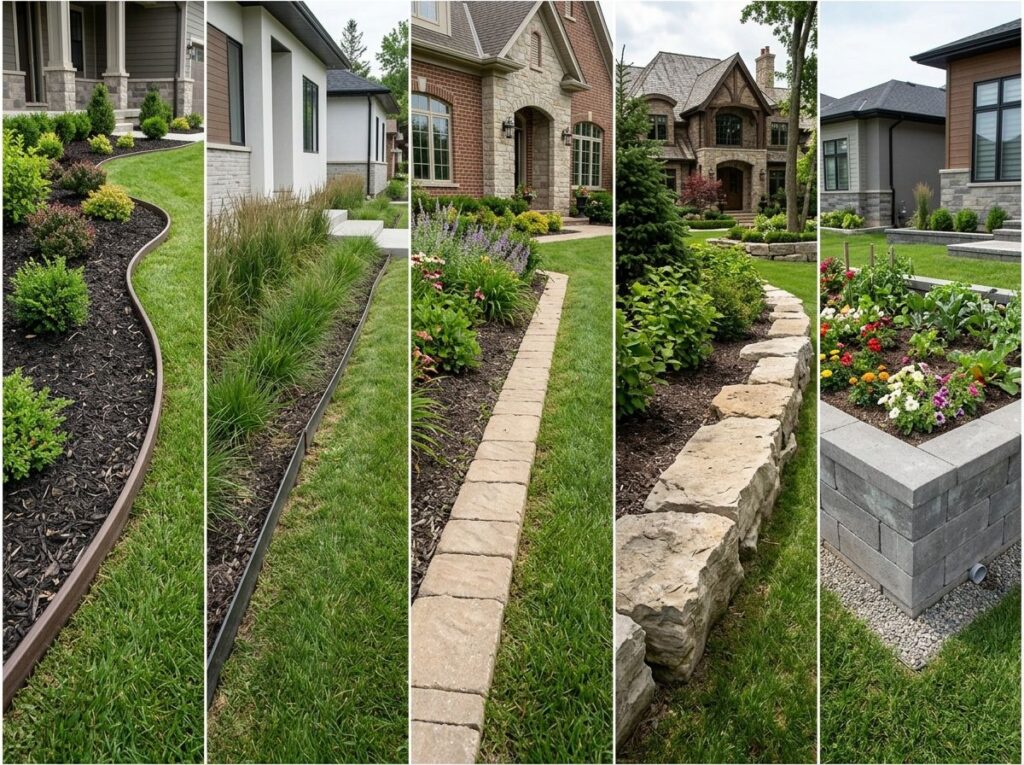
PROS
- Composite: flexible and budget-friendly
- Composite: blends into beds for a softer look
- Steel: very clean lines and modern style
- Steel: strong against mowers and foot traffic
- Pavers: highly visible and decorative
- Chopped stone: natural, upscale feel that complements stone homes
- Garden block: adds height and can help create raised beds
CONS
- Composite: cheaper products can heave or wave over time
- Composite: can be damaged by aggressive trimming
- Steel: can show rust or color change over time if not coated
- Steel: less forgiving around sharp grade changes without cuts
- Pavers: require proper base and can shift if installed on soil only
- Chopped stone: heavier and higher-cost to install
- Garden block: needs base and drainage detail to avoid movement
Budget expectations
Here goes your text ... Select any part of your text to access the formatting toolbar.
How Edging Choices Affect Project Cost
Edging is usually quoted per linear foot and becomes a noticeable line item on full bed projects. Low-profile systems cost less per foot but don’t change the overall look as much. Masonry borders cost more per foot but can completely change the feel of the front yard.The key is matching edging strength and style to the ground cover, plantings, and the home’s architecture. Before scheduling work, review our landscape bed expectations so the project expectations are clear.
- Composite edging: often around $6–$10 per linear foot installed
- Steel edging: often around $8–$14 per linear foot installed (depending on gauge and finish)
- Paver edging: often around $18–$30 per linear foot installed
- Chopped stone borders: often around $25–$45 per linear foot installed
- Garden block edging / low planter walls: often around $40–$75 per linear foot for low heights
- Tight curves, grade changes, and tie-ins to existing patios or walks can push edging costs higher
Helpful answers
Edging FAQs for San Antonio Beds
What we’re asked most often when planning borders and bed lines.
See All Frequently Asked QuestionsFor many homes in San Antonio, visible borders like pavers, chopped stone, or garden blocks add the most perceived value—especially when they tie into the home’s stone or brick and cleanly frame your foundation beds.
Related: Home, How Downspout Drainage Protects Your Foundation, Faqs/#Which Edging Style Adds The Most Curb Appeal
Yes, but stronger systems like stone or block require more demolition and rebuild time. It’s worth thinking a step ahead if you know you want a more permanent layout soon.
Related: Is Artificial Turf Worth It?, Is Landscape Lighting Worth It?, Change Orders & Scope Policy
Most lawn-and-bed situations work best with edging that sits just above grade or nearly flush, high enough to contain material but low enough for easy mowing and visual flow.
Related: Signs Your Yard Has Drainage Problems, Landscape Bed Installation Cost Guide, Low-Maintenance Landscape Bed Ideas
No. Edging can help guide and control material, but it won’t fix a yard that slopes toward the house or holds water. For that, you may need Drainage Installation or Yard grading / resloping in addition to your bed work.
Related: Signs Your Yard Has Drainage Problems, Landscape Bed Installation Cost Guide, Does Yard Grading Fix Drainage?
When installed correctly—set at the right height, anchored, and with clean terminations—steel edging is safe and very durable. The issues come from cheap material, exposed sharp ends, or poor installation.
Related: Project Guidelines Policy, Faqs/#Is Steel Edging Safe Around Kids And Pets
You can run mulch straight to the lawn, but it almost always bleeds out into the grass over time. Edging gives you a clear line to maintain and keeps mulch or rock where it belongs.
Related: Landscape Bed Installation Cost Guide, How Often Should You Refresh Mulch?, Mulch vs Rock: Which Is Better for Your Beds?
Dial in the details
Want Edging That Matches Your Home and How You Maintain It?
We’ll review your existing beds, turf, and hardscape, then recommend edging that fits your style, budget, and maintenance preferences—installed as part of a complete Landscape Bed Installation.