
Perennials Perennial Verbena
(Glandularia bipinnatifida)
Other Common Names: Prairie Verbena, Dakota Vervain
Bees
Butterflies
Deciduous
Drought-Tolerant
Flowering
Full Sun
Recommended Use: Perfect for sunny gardens needing low-growing, long-blooming, pollinator-friendly carpets.
Overview of the Plant
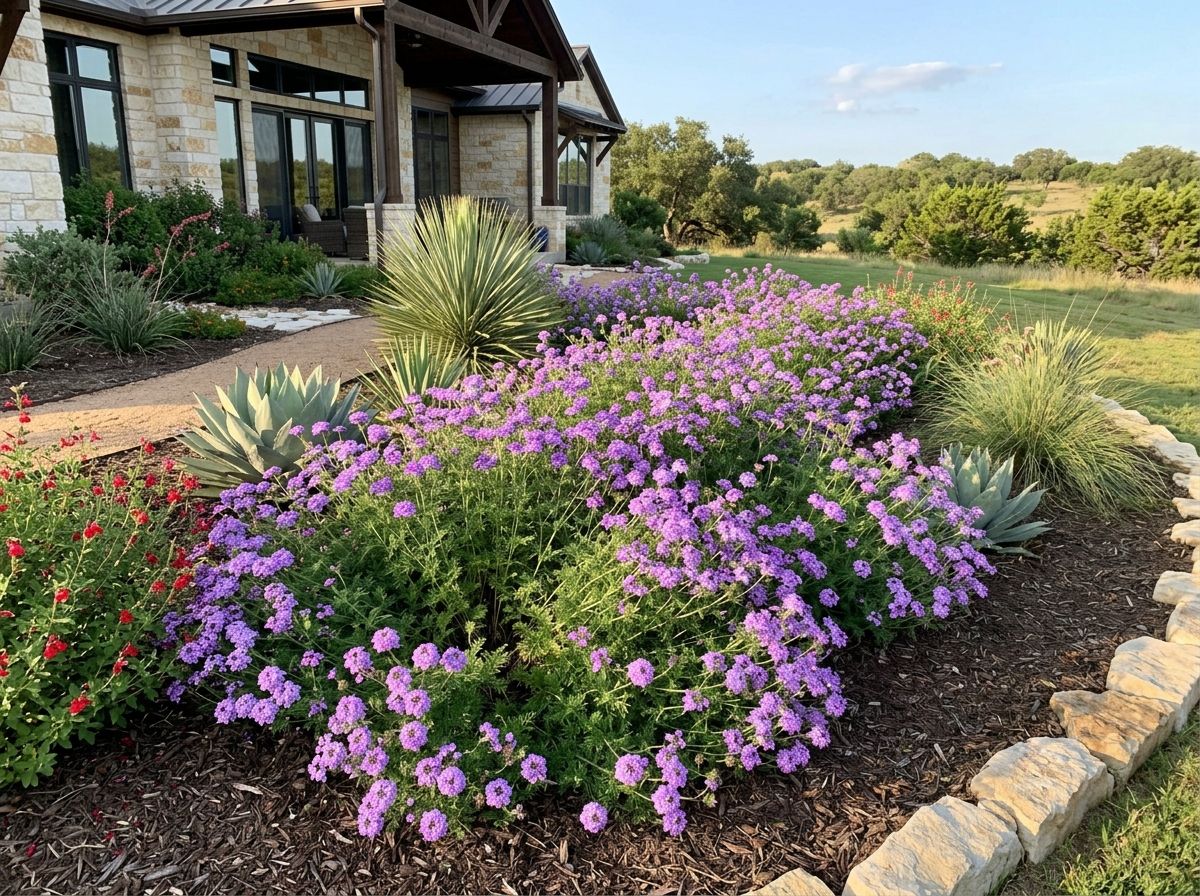
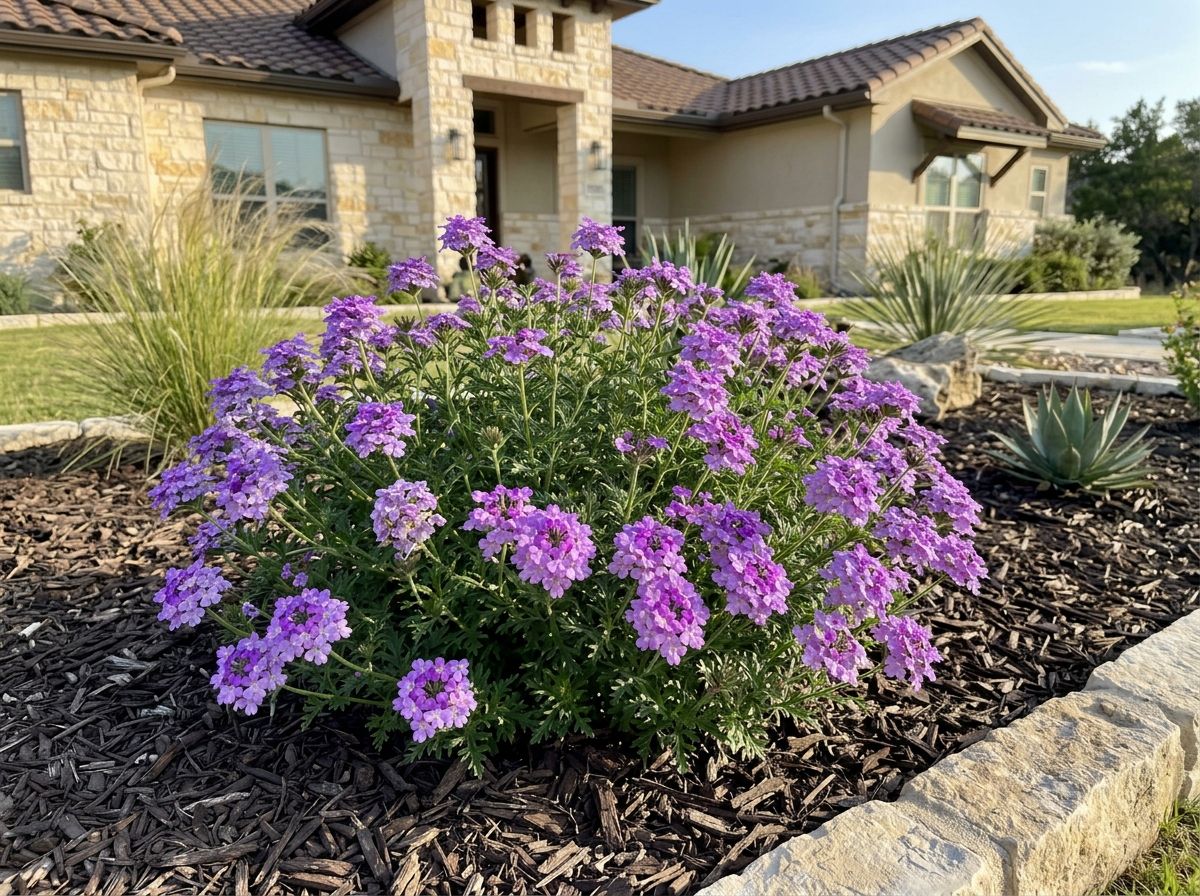
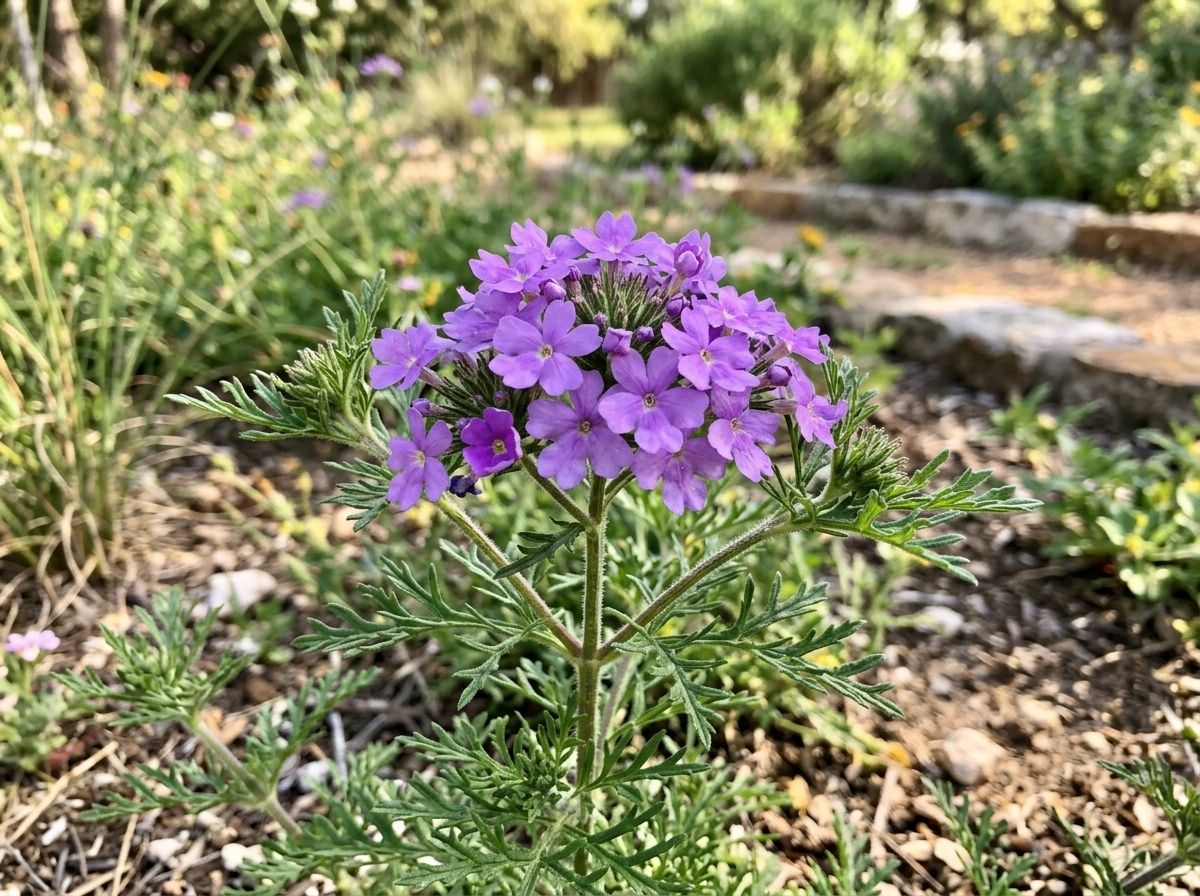
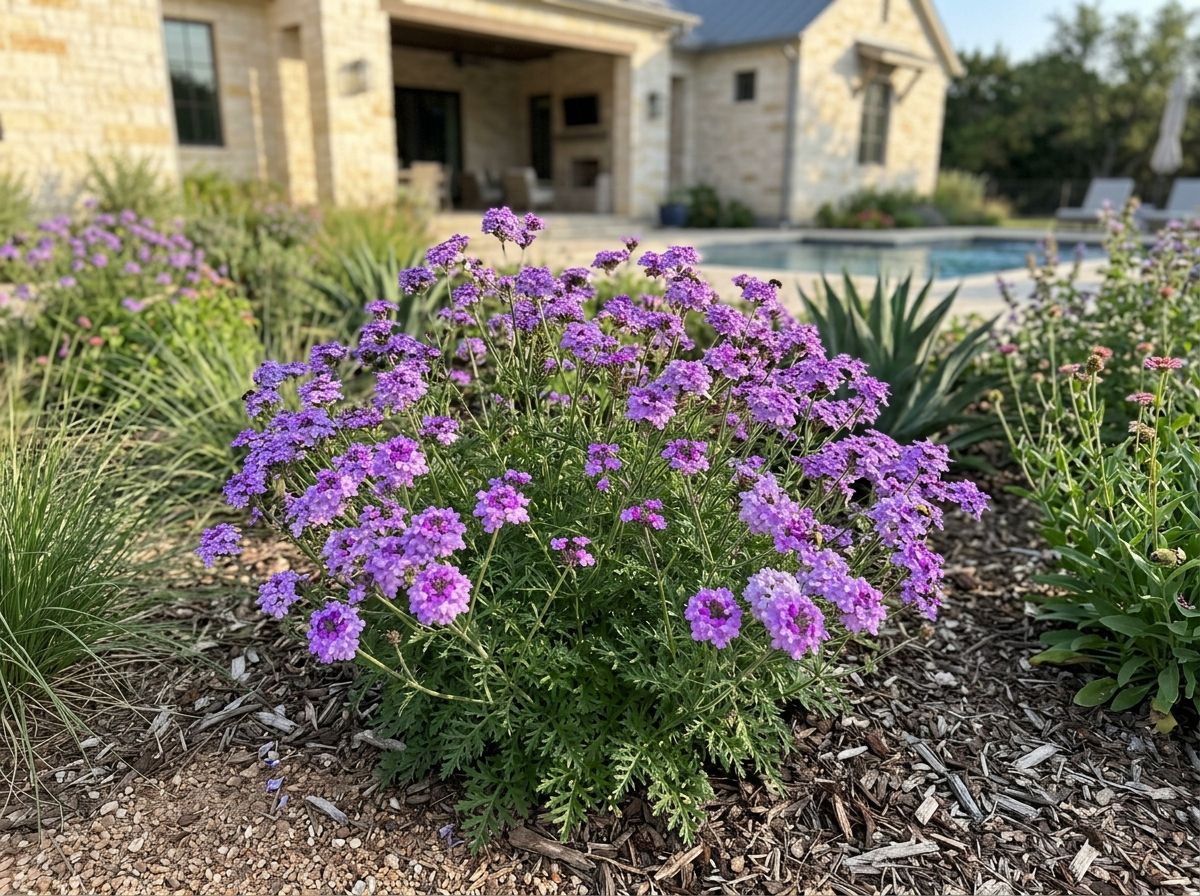
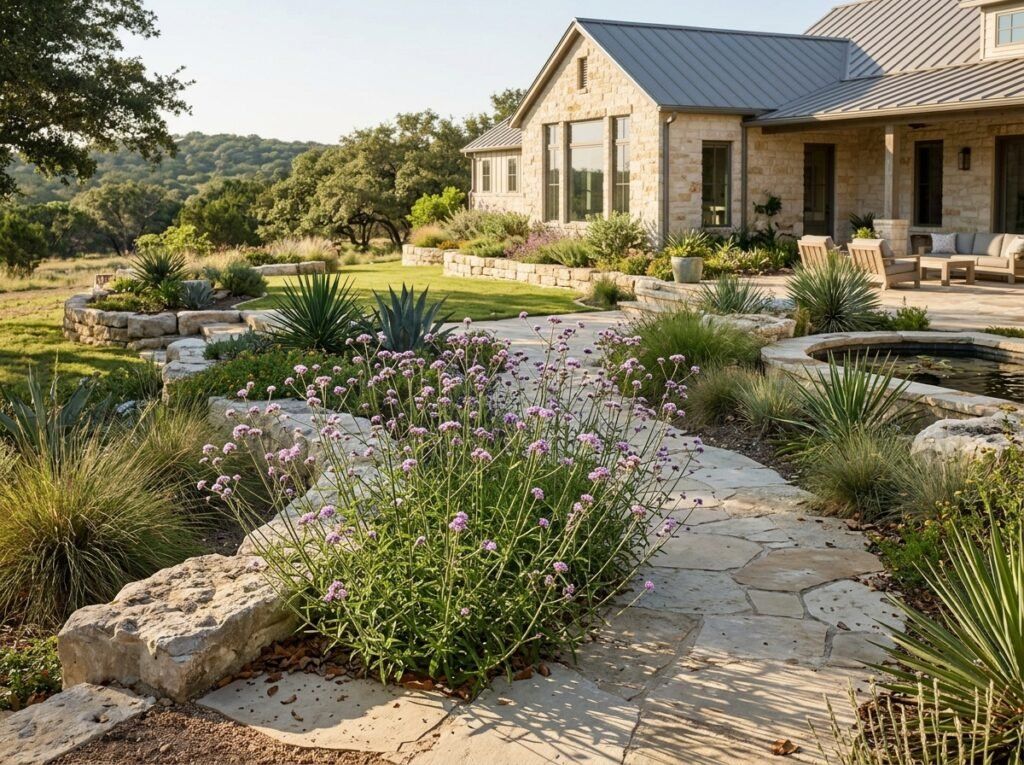
Perennial verbena, scientifically known as Glandularia bipinnatifida, is a versatile and hardy plant widely valued in Texas landscaping for its long bloom period and ability to thrive in tough conditions. This plant features clusters of small, colorful flowers that range from lavender and purple to pink or white, providing a lively splash of color from spring to fall—and sometimes nearly year-round in mild winters. Typically reaching heights of 6 inches to 1 foot, perennial verbena has a spreading habit, making it ideal for ground cover, borders, or wildflower gardens. Its key features include drought tolerance, an extended flowering season, and its role as a magnet for pollinators such as bees and butterflies.
Maintenance Tips
Perennial verbena thrives in well-drained soils and requires little supplemental water once established. It prefers full sunlight but can tolerate light shade, though flowering may be reduced. Avoid planting in areas where water stands after rains. Occasional light pruning or deadheading of spent blooms can encourage continuous flowering and a more compact appearance. This plant is generally resistant to deer and most pests, but good air circulation helps prevent any occasional mildew.
Quick Facts
– Hardiness Zones: 7 to 10
– Growth Rate: Moderate
– Special Characteristics: Deer resistant, attracts pollinators such as bees and butterflies
– Many colors; blooms from spring to fall (sometimes nearly year-round)
– Prefers full sun for best flowering displays
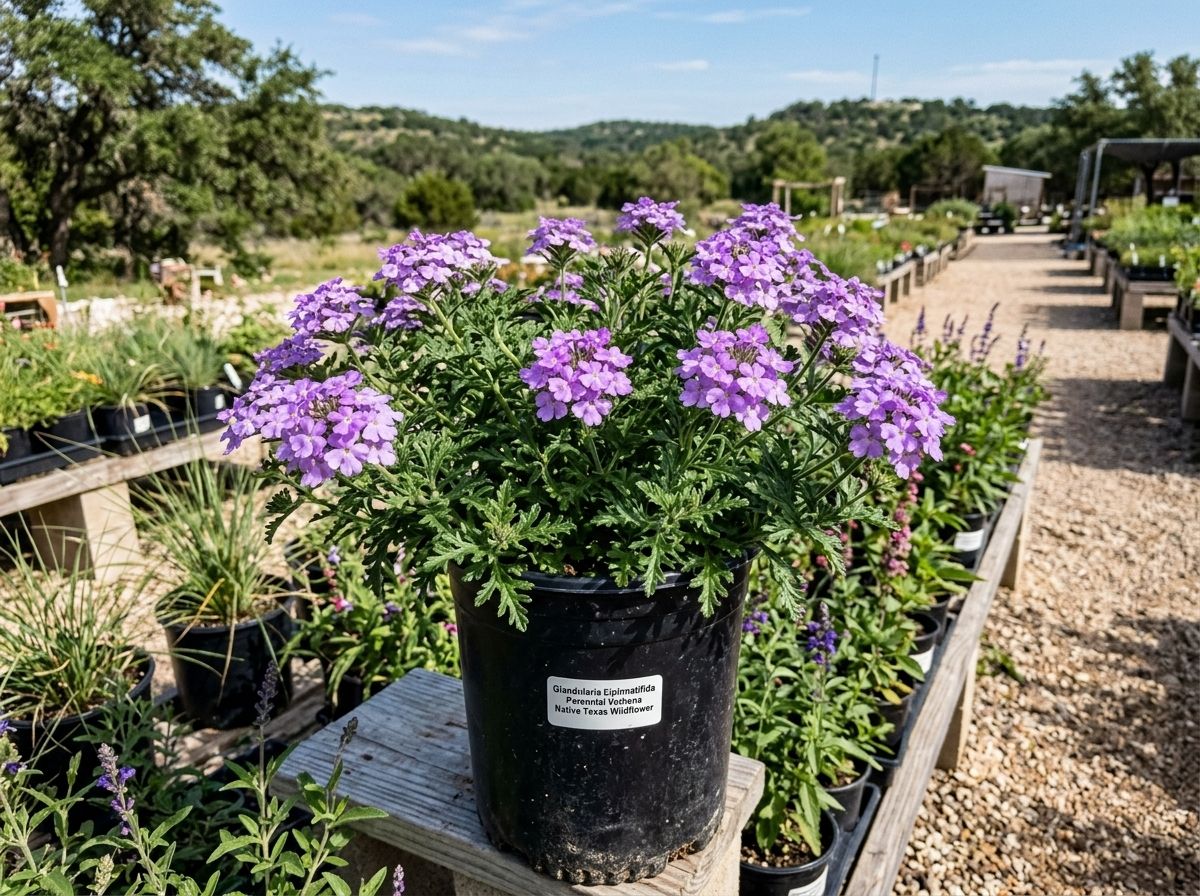
Want this product installed? Check out our page to view pricing and other details.
Related Products
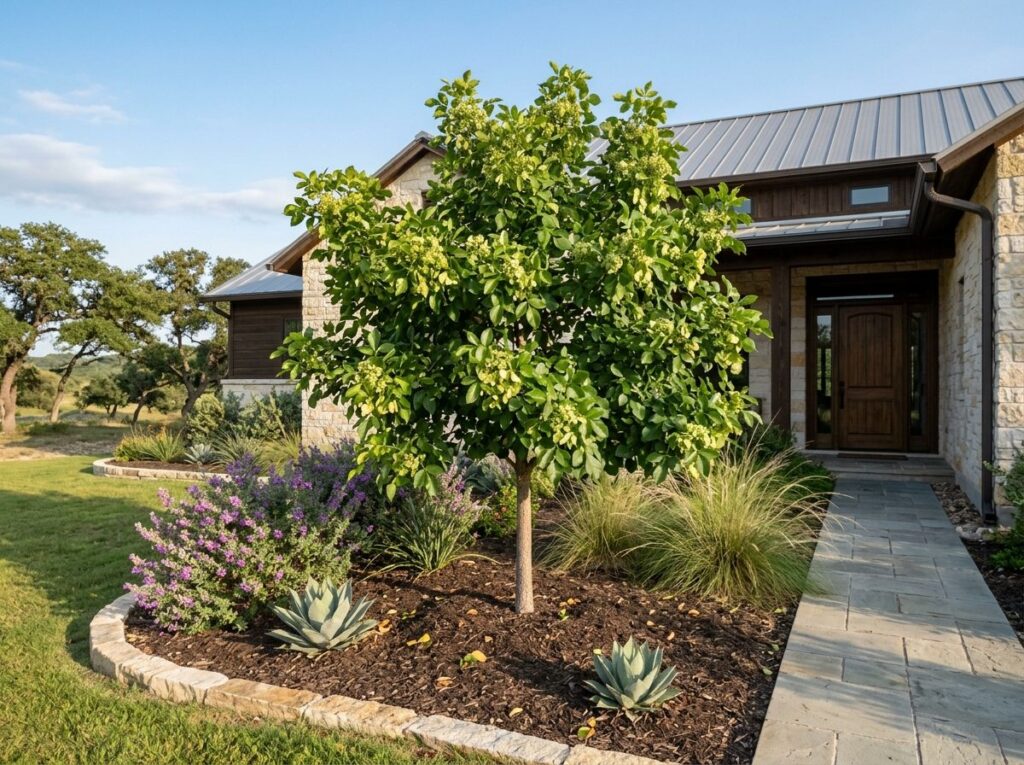
Planting Role / Visual Structure > Focal Plant Palette
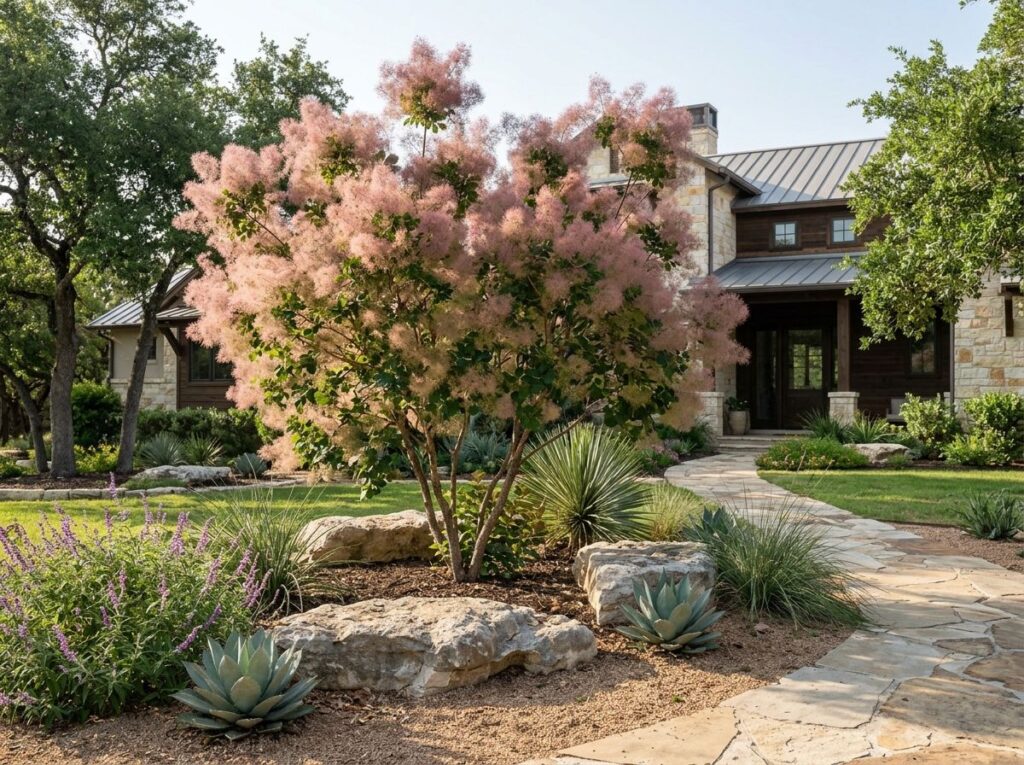
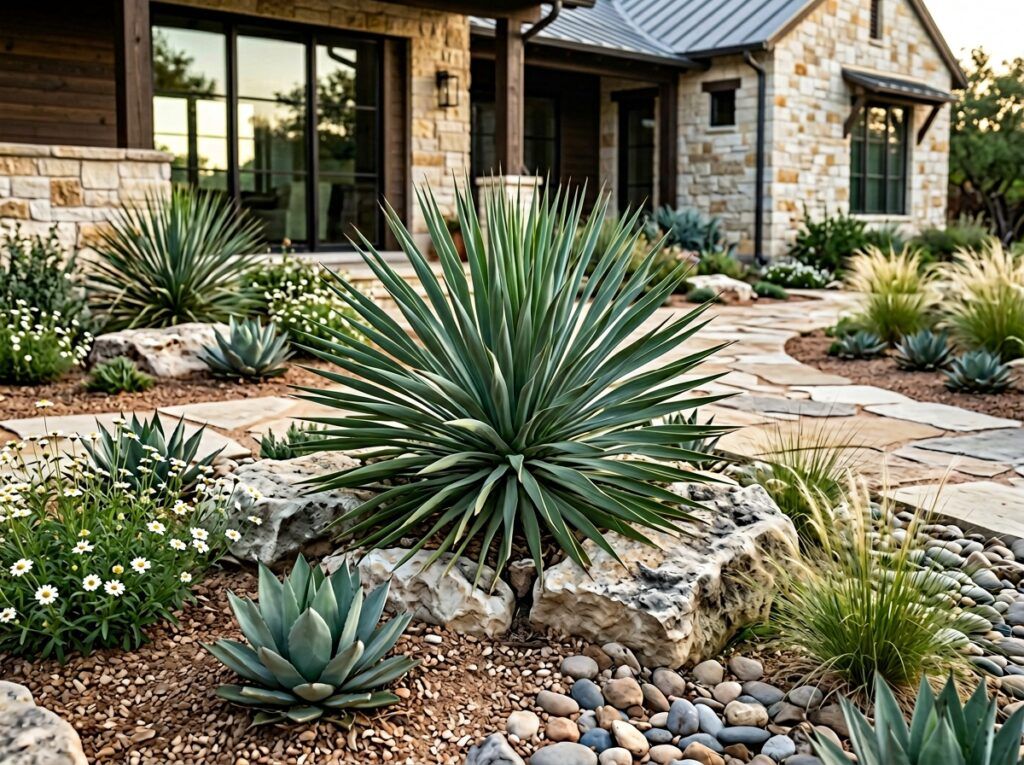
Planting Role / Visual Structure > Softening / Groundcover Blend
Wildlife Garden Blend
Ready When You Are
Get a Clear Plan for Your Yard
Tell us what you’d like to improve. We’ll ask a few questions, review your project, and let you know the best next step — no pressure and no guesswork. Fill out the form for a free quote.