
Perennials Indian Blanket
(Gaillardia pulchella)
Other Common Names: Firewheel
Bees
Butterflies
Deciduous
Drought-Tolerant
Flowering
Full Sun
Recommended Use: Best for wildflower meadows or roadside landscapes needing tough, colorful summer flowers.
About the Plant
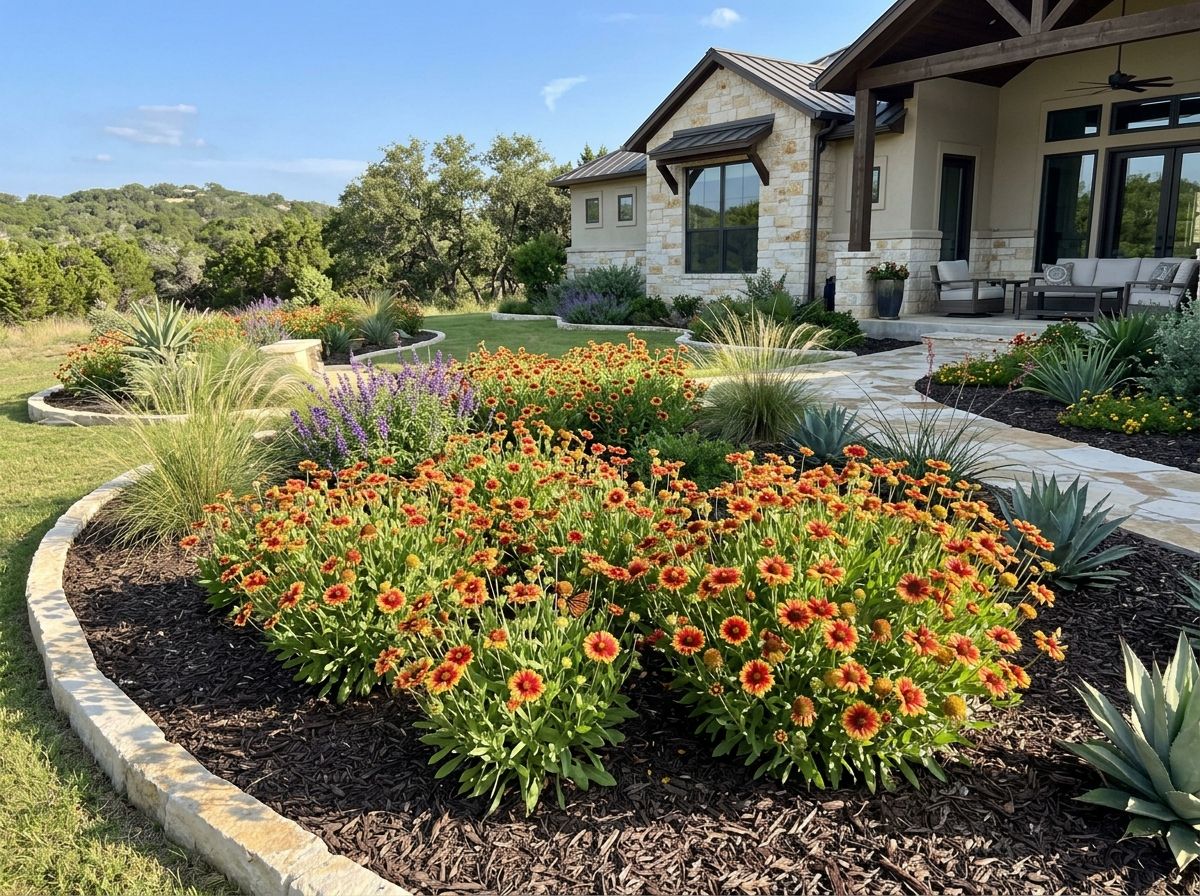
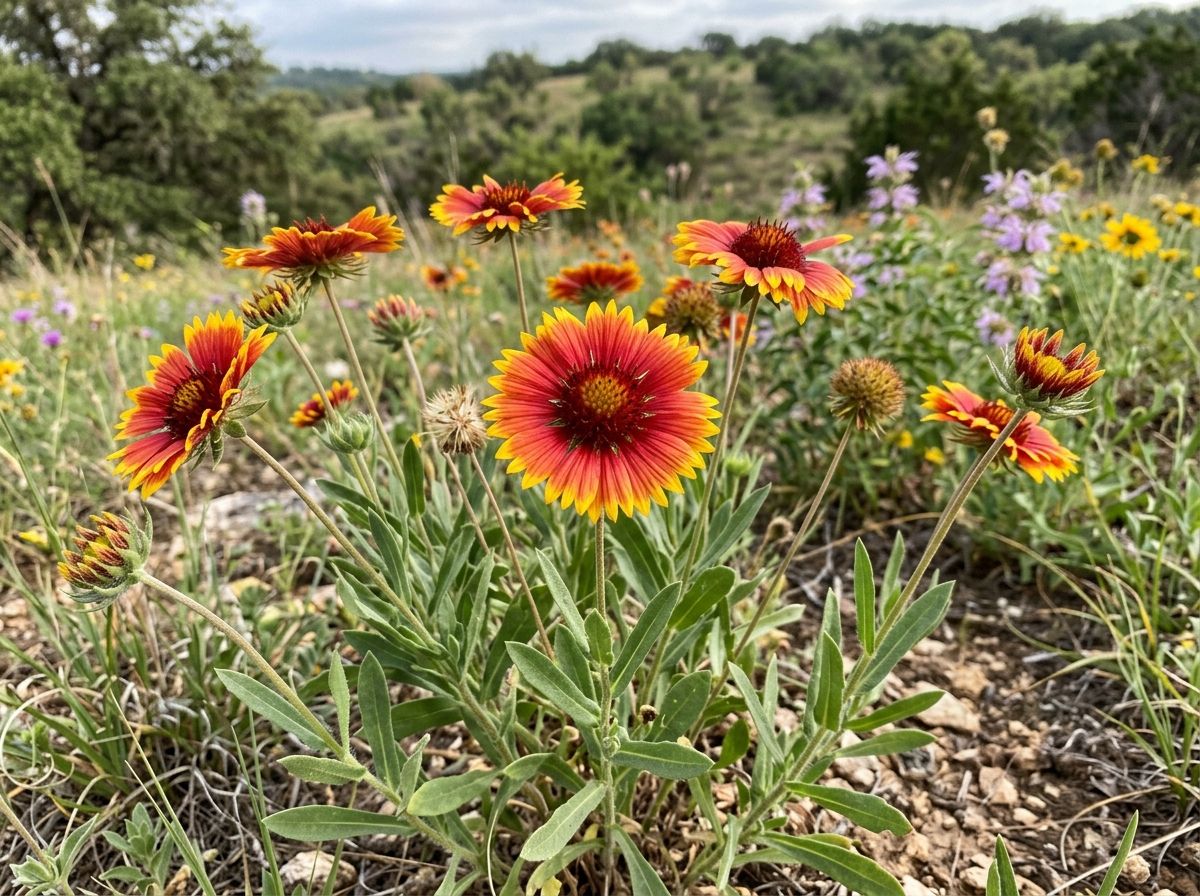
The Indian Blanket, with the scientific name Gaillardia pulchella, is a vibrant and eye-catching addition to any landscape. This annual plant is well-known for its daisy-like blooms in striking hues of red, orange, and yellow, reminiscent of a blazing sunset. Typically reaching heights of 12 to 24 inches, the Indian Blanket has a bushy growth habit that makes it ideal for adding bold color to garden borders, wildflower meadows, and mixed plantings. Its long-lasting flowers and ability to thrive in poor soil conditions make it a popular choice for low-maintenance landscapes. Beyond its aesthetic appeal, the plant serves as an excellent ground cover and works well in xeriscaping projects due to its drought-tolerant nature.
Maintenance Guidelines
The Indian Blanket is a low-maintenance plant that prefers full sun exposure to bring out its best flowering performance. It thrives in well-drained soils and is remarkably tolerant of poor soil conditions, making it suitable for a variety of landscape settings. While it is drought-tolerant once established, regular watering is recommended during dry periods to promote continuous blooming. Pruning is minimal; deadheading spent flowers will encourage more blooms and extend the flowering season. The plant has a natural resistance to pests and diseases, which adds to its appeal as an easy-care choice for gardeners.
Quick Facts
– Hardiness Zones: 3 to 10
– Growth Rate: Fast-growing
– Special Characteristics: Attracts bees and butterflies, deer-resistant, and excellent for cut flowers
– Drought Resistance: High once established
– Optimal Sunlight: Full sun
– Blooming Season: Late spring to fall
Key remarks: The Indian Blanket’s vibrant colors and easy-going nature make it a favorite among gardeners looking to add vivid displays with little effort. Its ability to attract pollinators also makes it a beneficial addition to any eco-friendly gardening initiative.
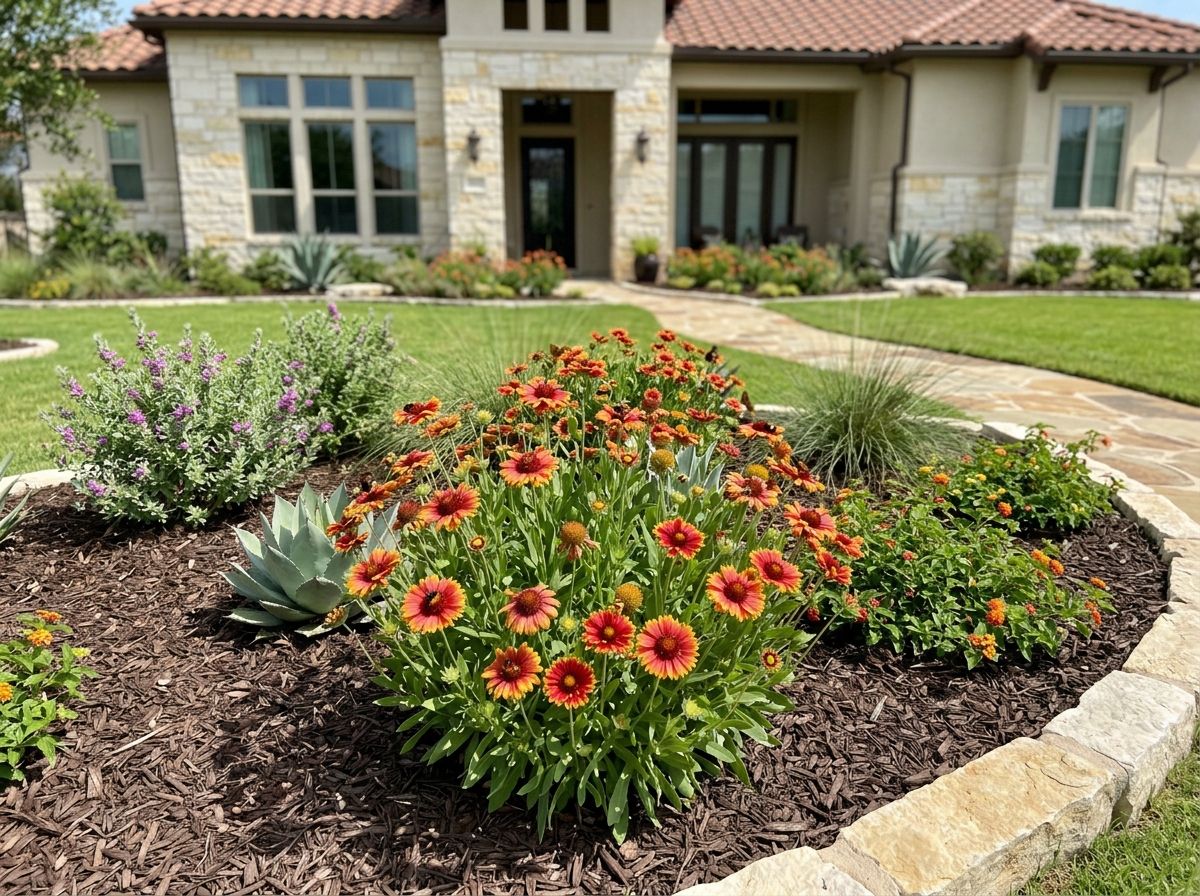
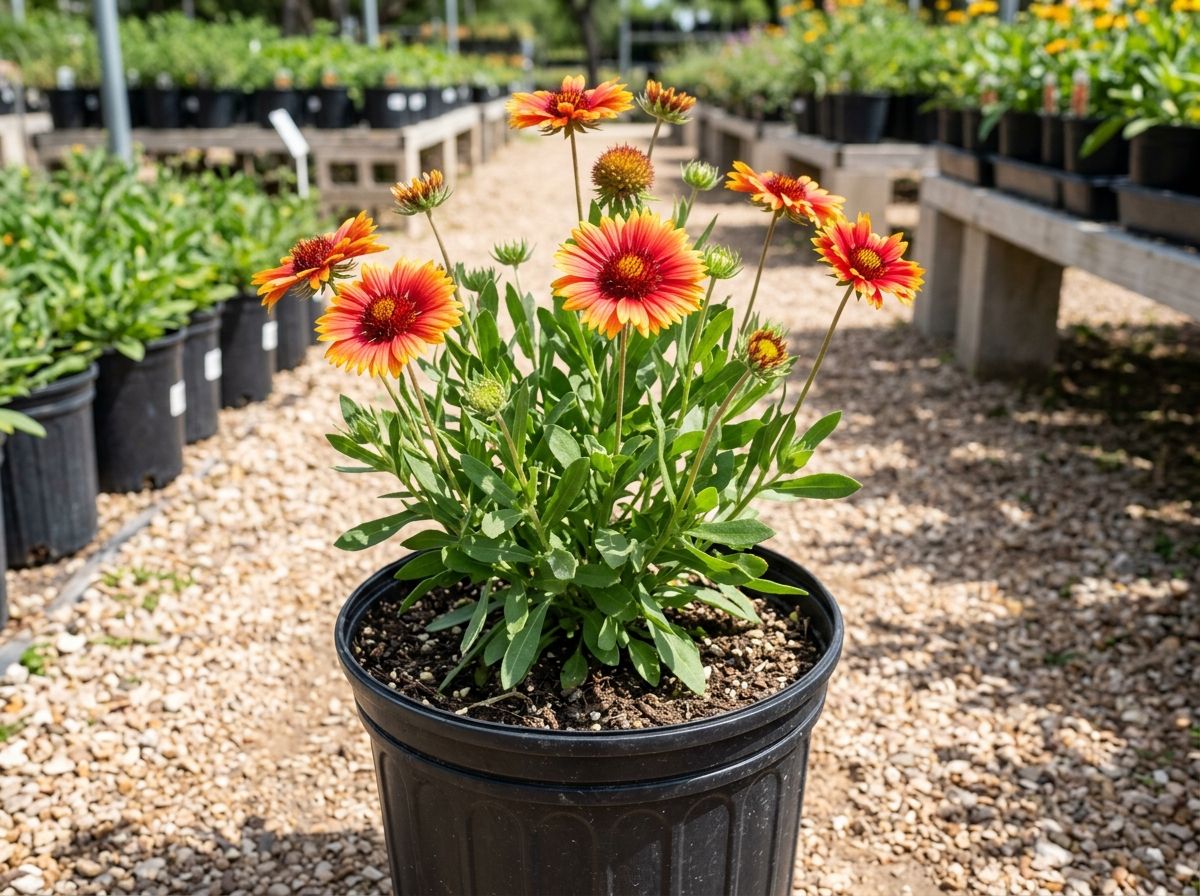
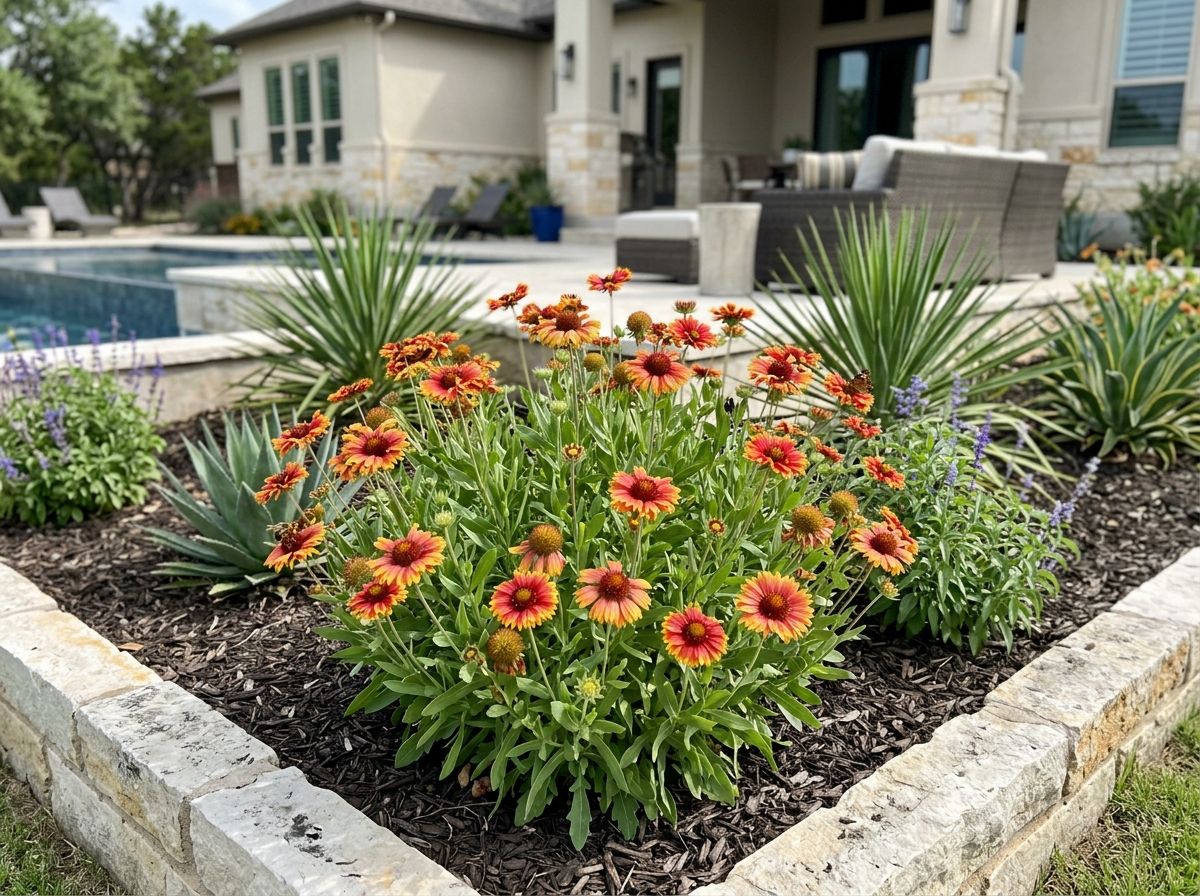
Want this product installed? Check out our page to view pricing and other details.
Related Products
Planting Role / Visual Structure > Softening / Groundcover Blend
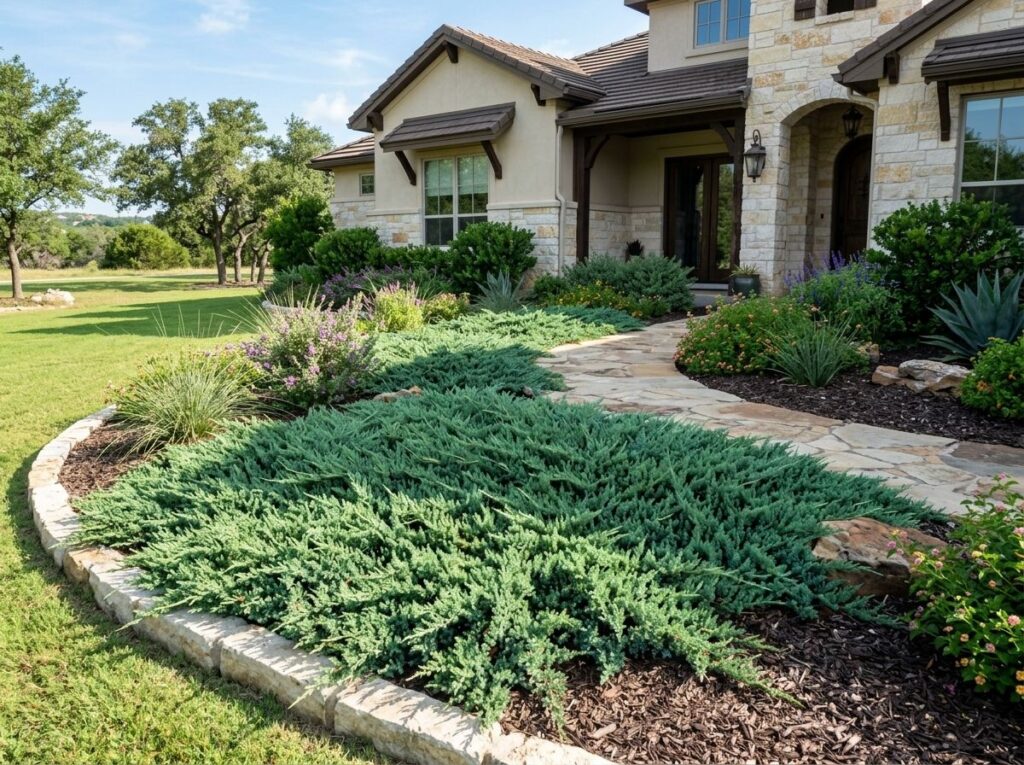
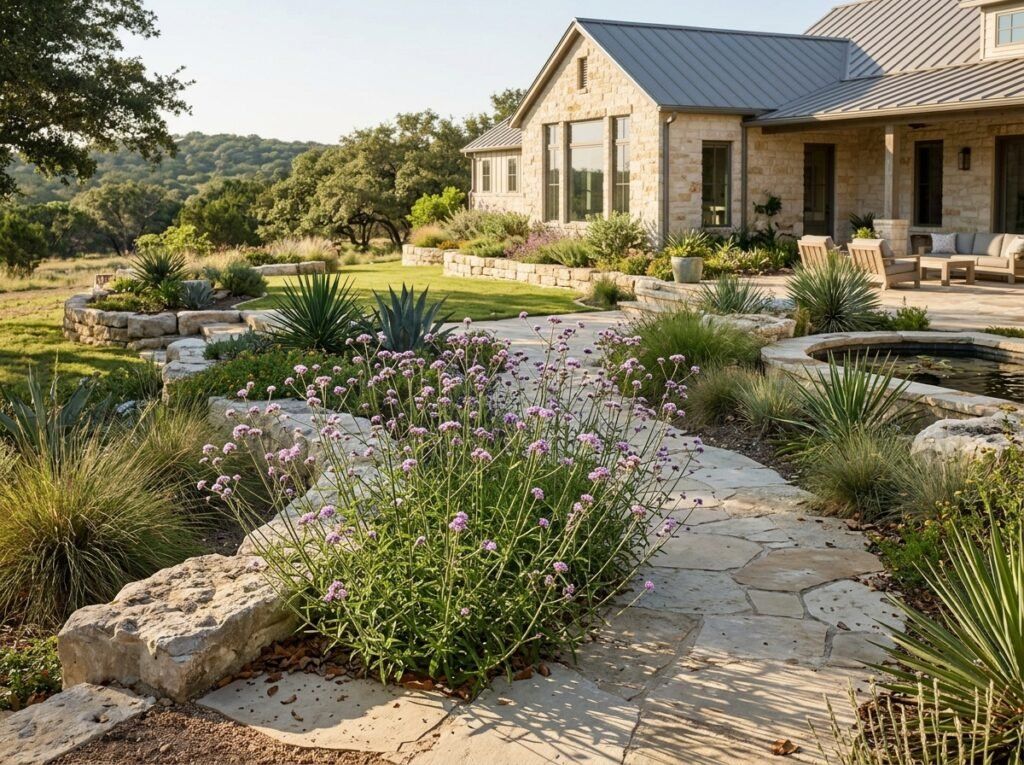
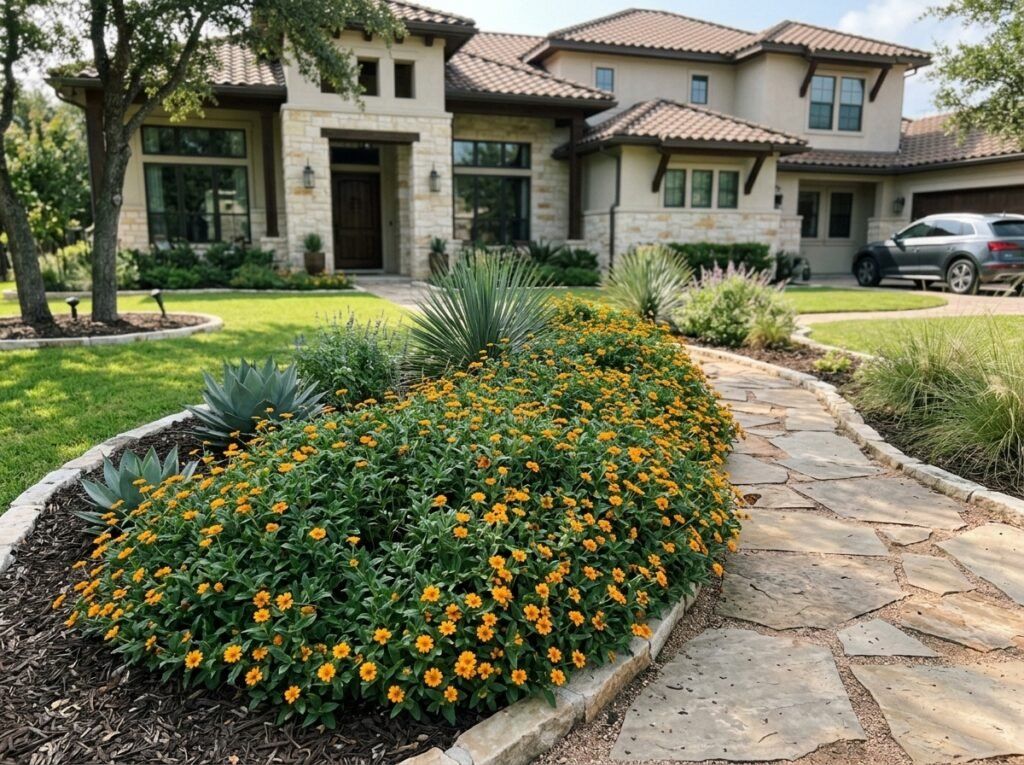
Wildlife Garden Blend
Ready When You Are
Get a Clear Plan for Your Yard
Tell us what you’d like to improve. We’ll ask a few questions, review your project, and let you know the best next step — no pressure and no guesswork. Fill out the form for a free quote.