
Trees Texas Ash
(Fraxinus albicans)
Other Common Names: Mountain Ash
Birds
Deciduous
Full Sun
Recommended Use: Perfect for small urban yards needing fast-growing shade with seasonal fall color.
Introduction
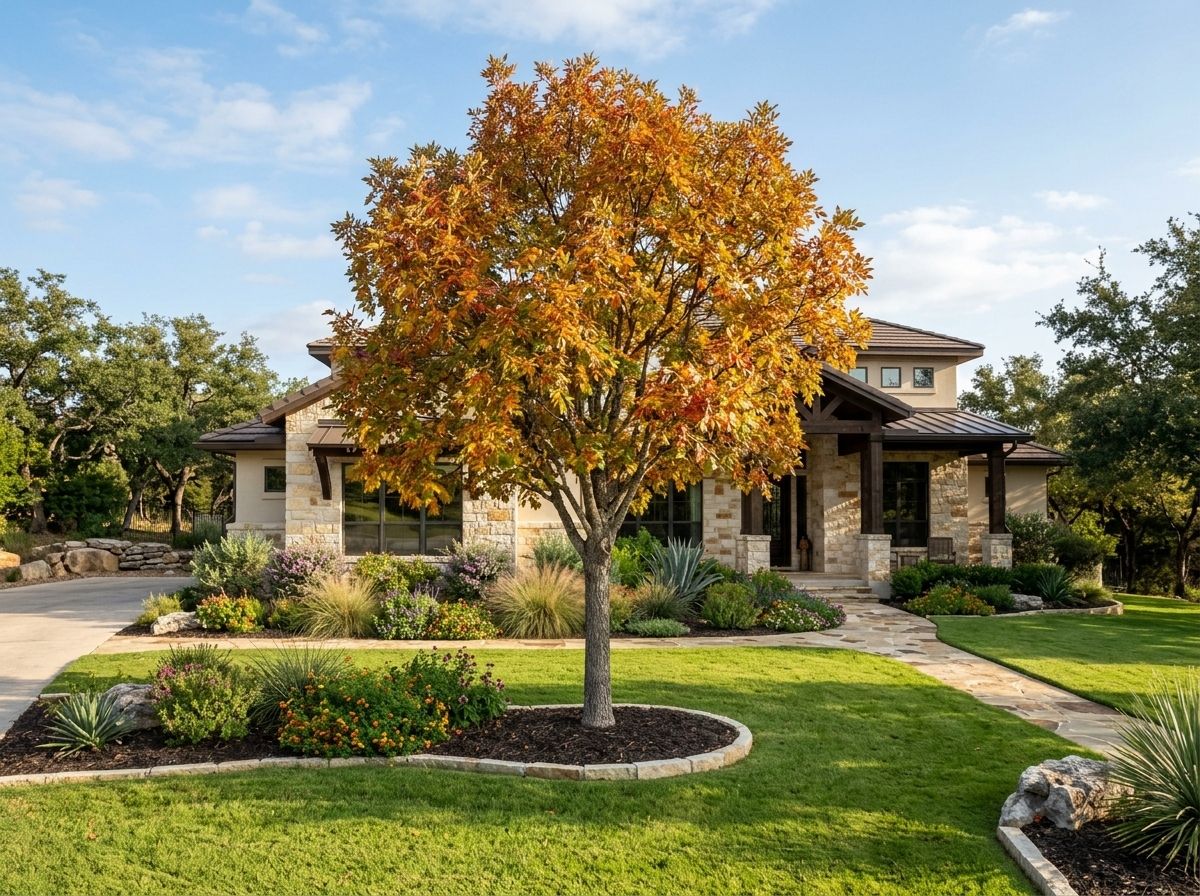
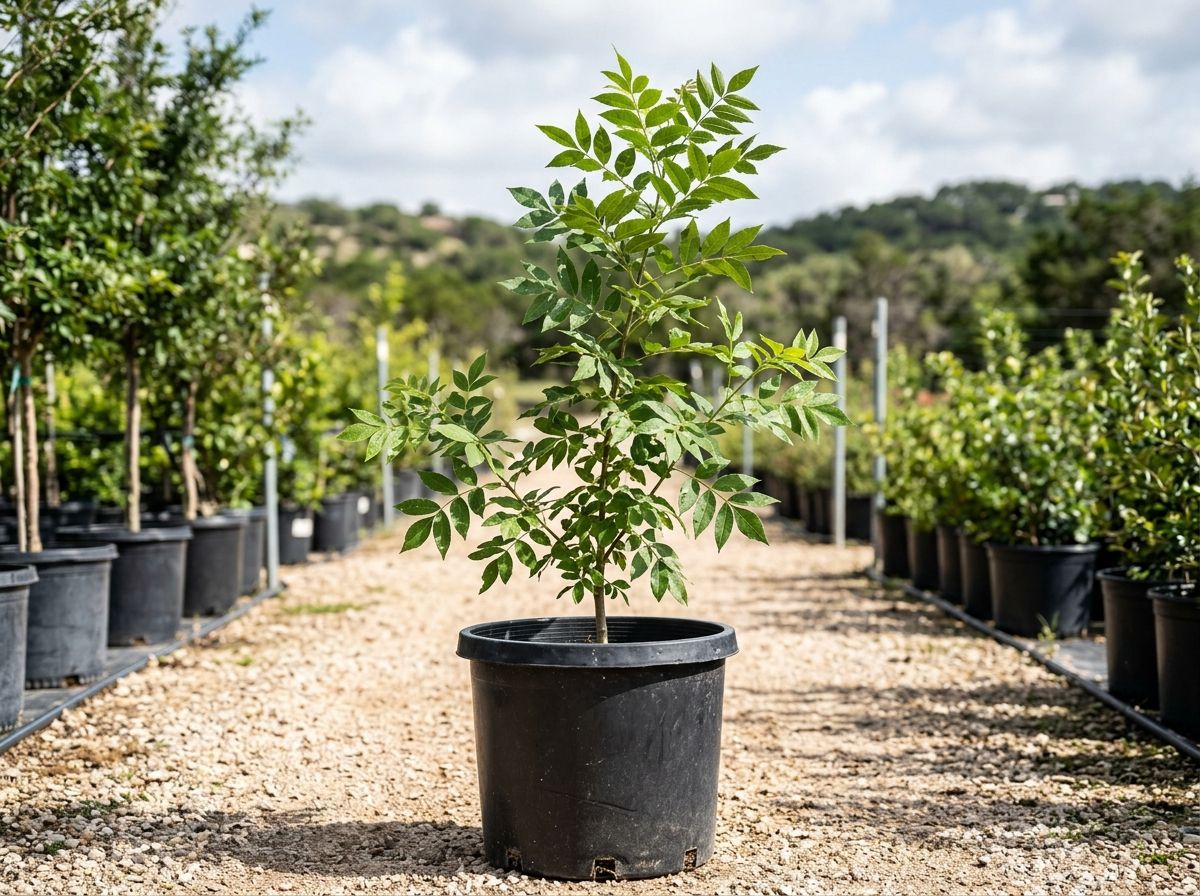
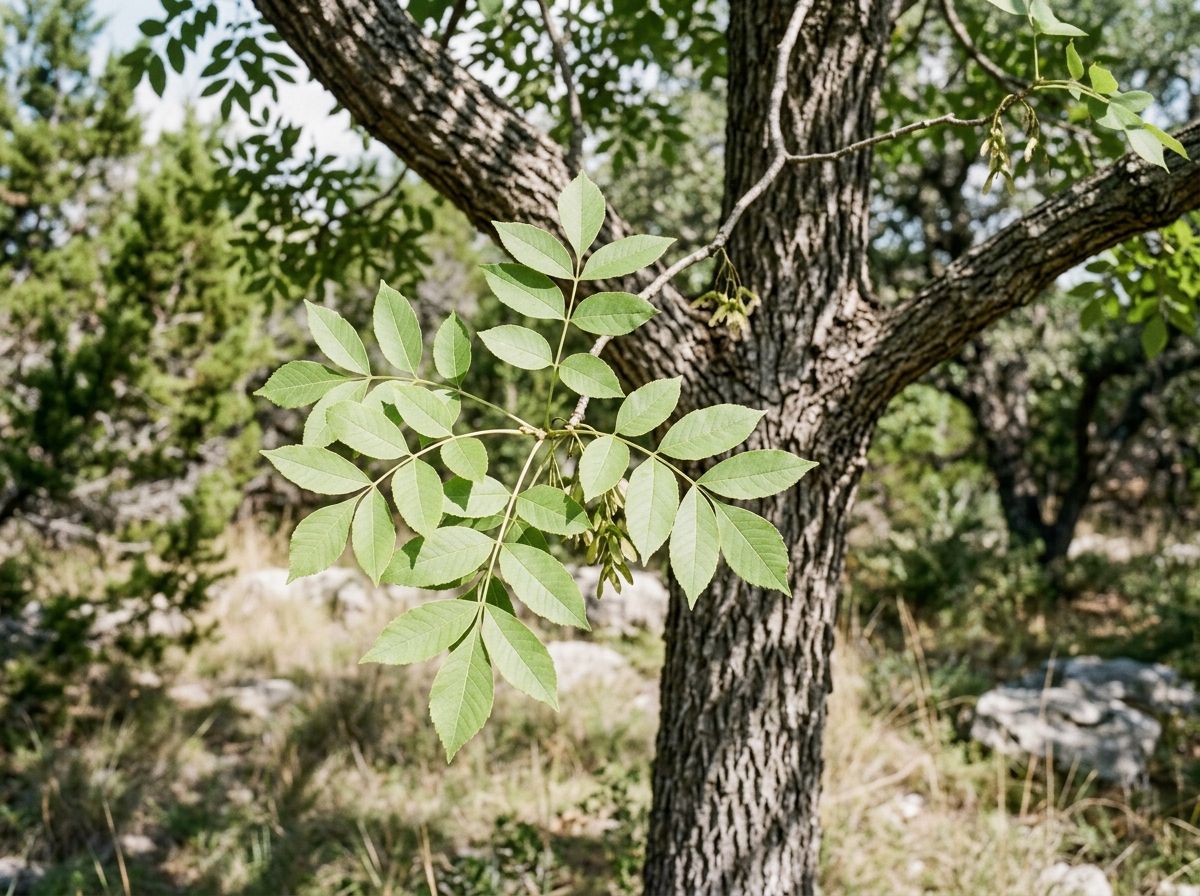
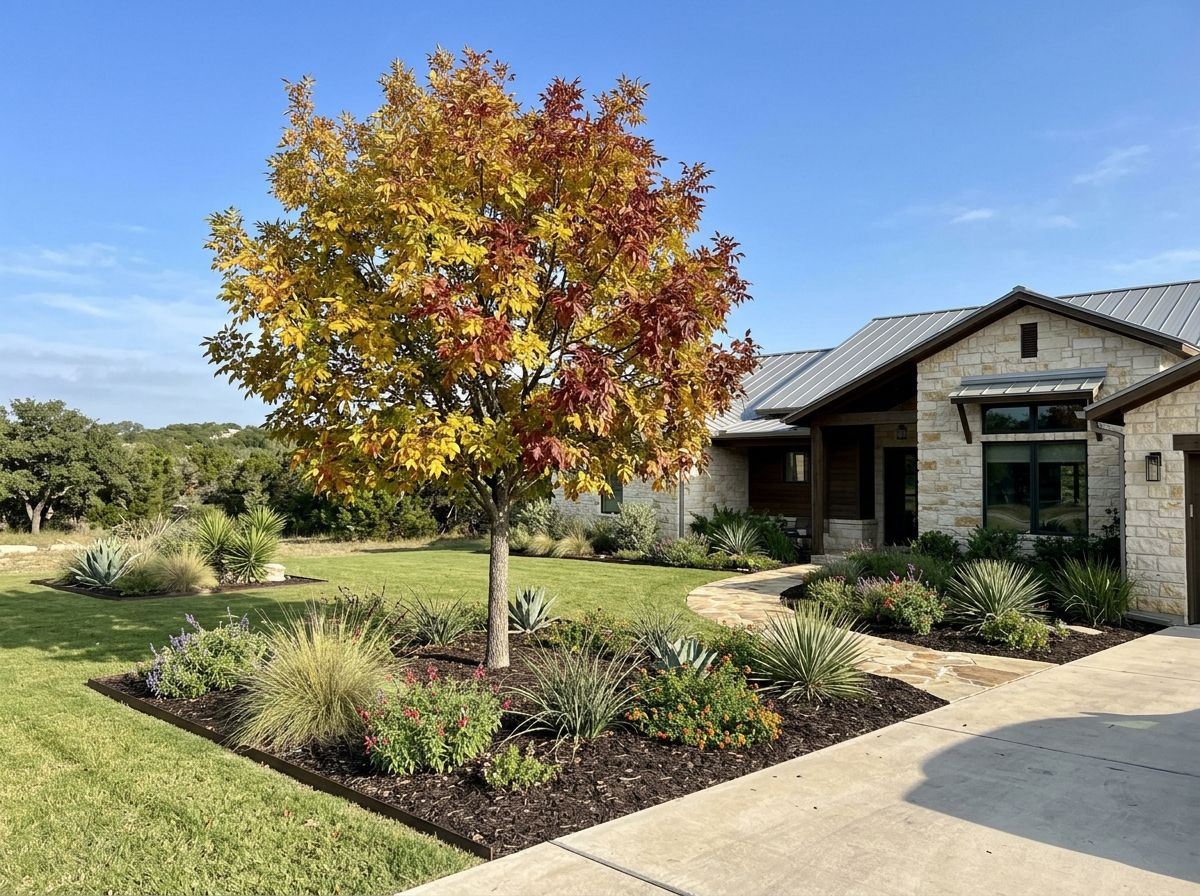
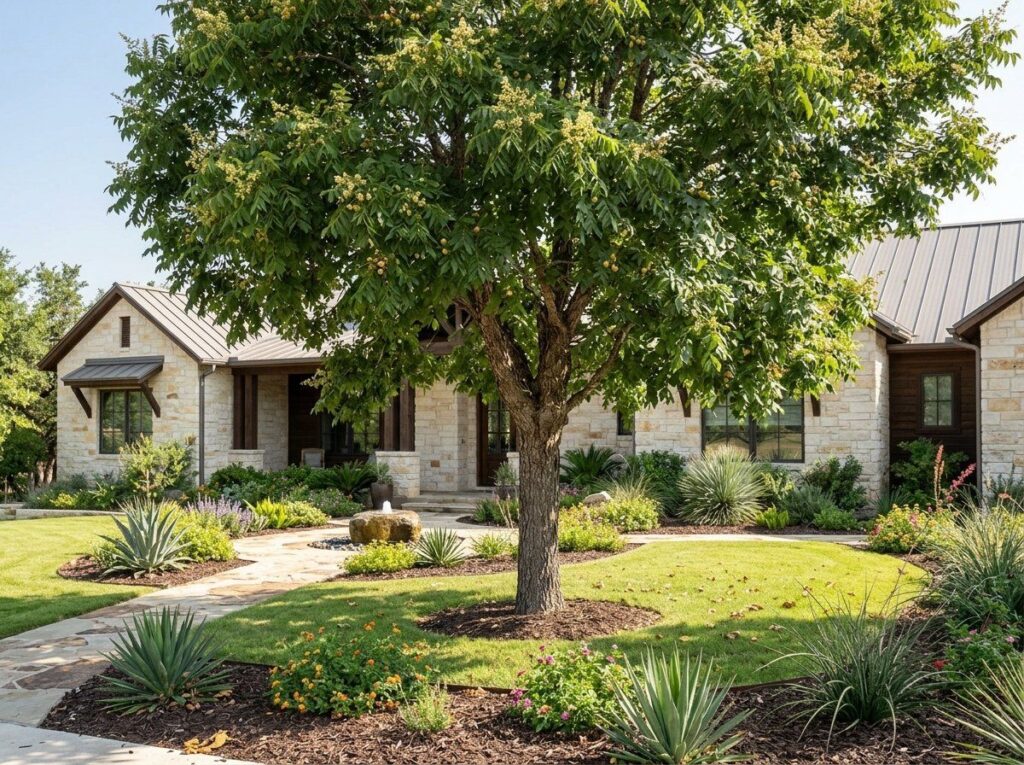
The Texas Ash, scientifically known as Fraxinus albicans, is a versatile and attractive deciduous tree known for its vibrant autumn foliage and robust nature. Typically reaching heights of 30 to 45 feet with a similar spread, this tree is easily recognizable by its rounded crown and smooth gray bark. Its leaves are compound, with each leaf made up of smaller leaflets that turn striking shades of red, orange, or purple in the fall. The Texas Ash is commonly used in landscaping for its ability to provide ample shade and its adaptability to various environments. It thrives particularly well in dry, rocky areas, making it an excellent choice for gardens seeking to harmonize with natural, rugged landscapes.
Maintenance
The Texas Ash is relatively low-maintenance, requiring moderate watering once established, as it is somewhat drought-tolerant. It prefers full sun to partial shade for optimal growth. For soil, it is adaptable but thrives best in well-drained soils, especially those that are rocky or limestone-based. Pruning should be done in late winter or early spring to remove any dead or diseased branches, promoting healthy growth and structure. The Texas Ash has a good resistance to pests and diseases, although regular monitoring can help prevent potential issues from arising.
Quick Facts
– Hardiness Zones: 5 to 9
– Growth Rate: Moderate
– Special Characteristics: Deer resistant and can attract various pollinators
– Native Range: From eastern Texas and southern Oklahoma in the United States to Durango in Mexico
– Natural Habitat: Often found on dry, rocky slopes, frequently over limestone.
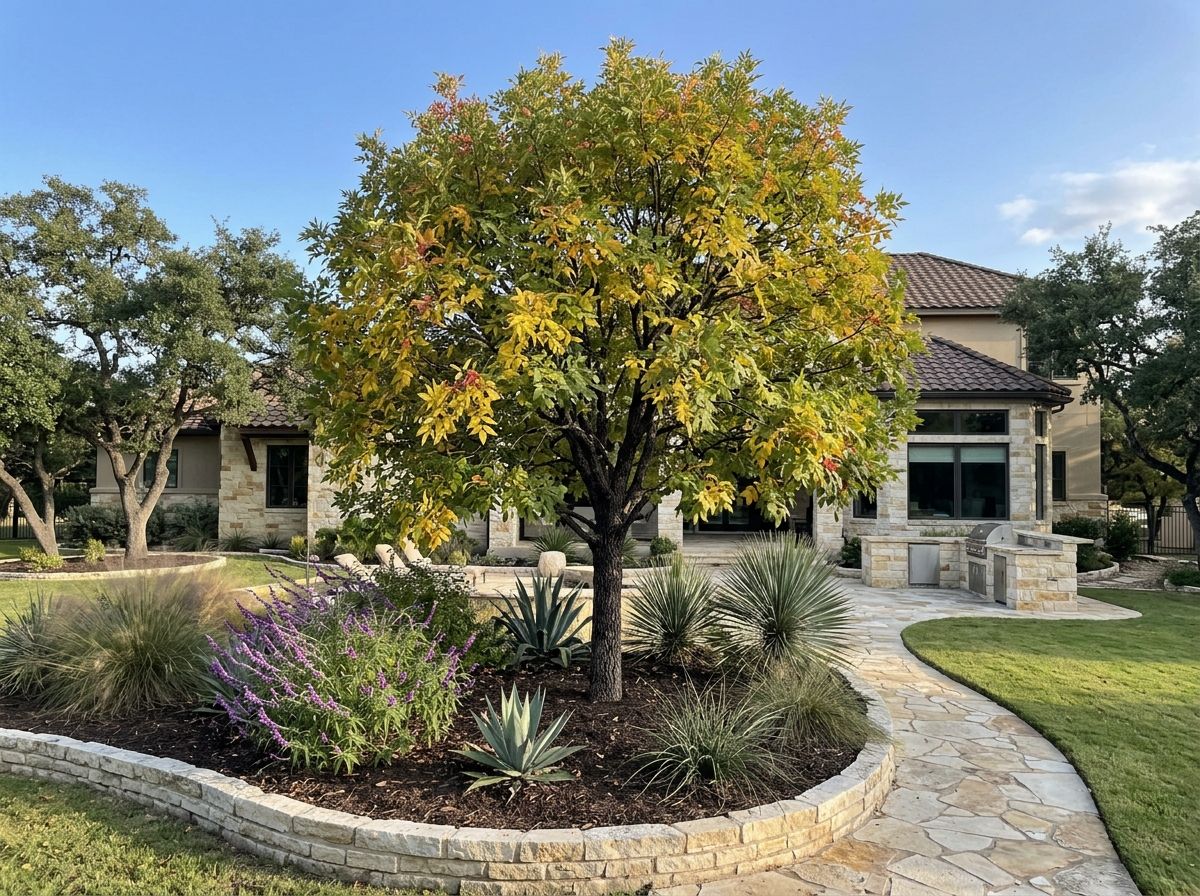
Want this product installed? Check out our page to view pricing and other details.
Related Products
Planting Role / Visual Structure > Evergreen Backbone
Wildlife Garden Blend
Ready When You Are
Get a Clear Plan for Your Yard
Tell us what you’d like to improve. We’ll ask a few questions, review your project, and let you know the best next step — no pressure and no guesswork. Fill out the form for a free quote.