
Shrubs Pomegranate
(Punica granatum)
Other Common Names: (none)
Bees
Deciduous
Edible Parts
Flowering
Full Sun
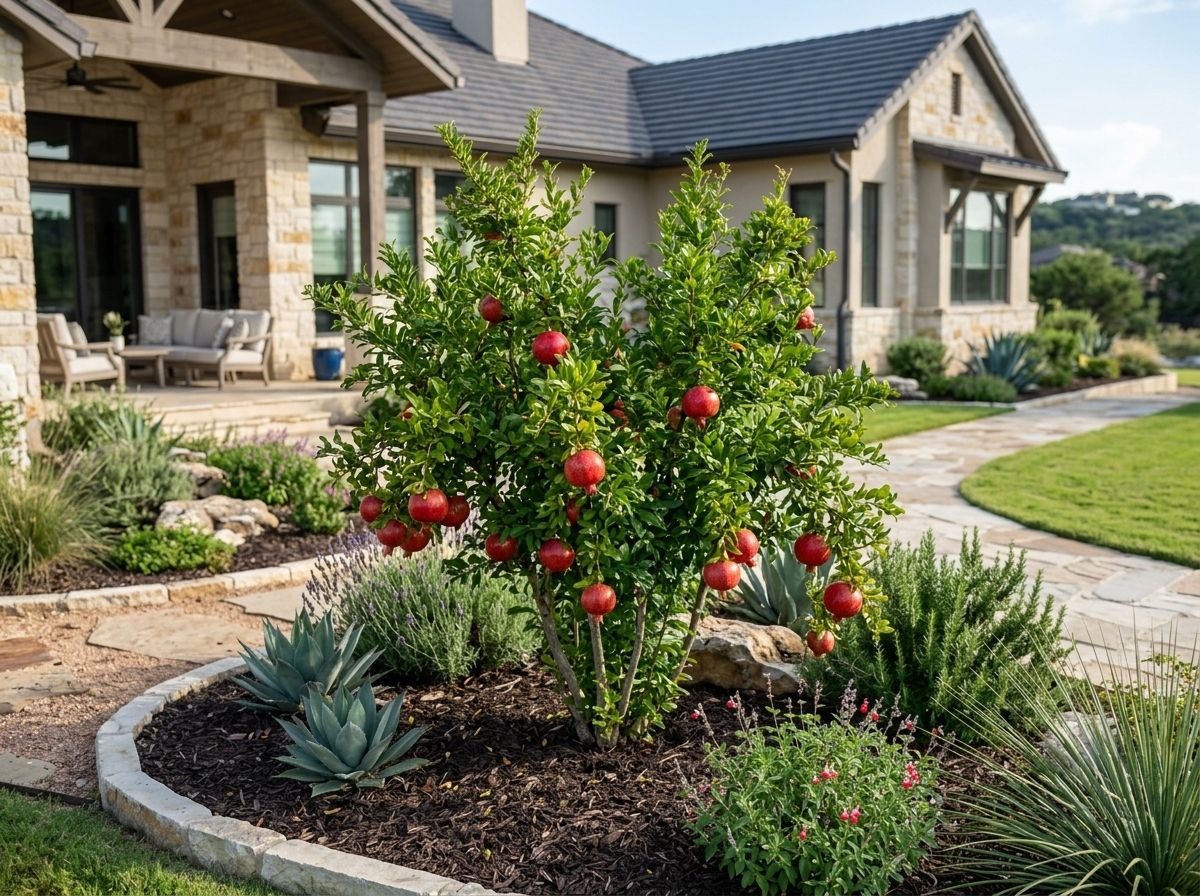
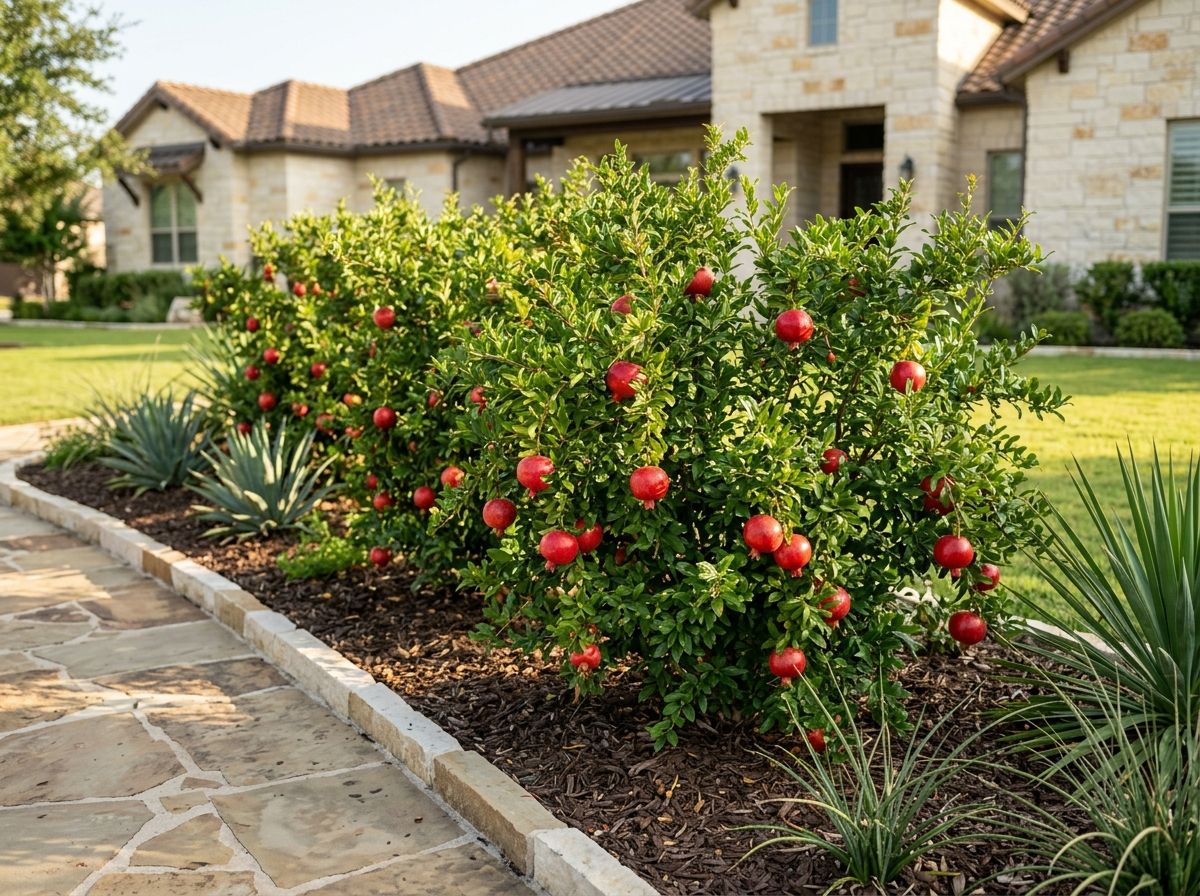
Recommended Use: Best for edible landscaping needing tough, drought-tolerant shrubs producing showy flowers and fruit.
Introduction
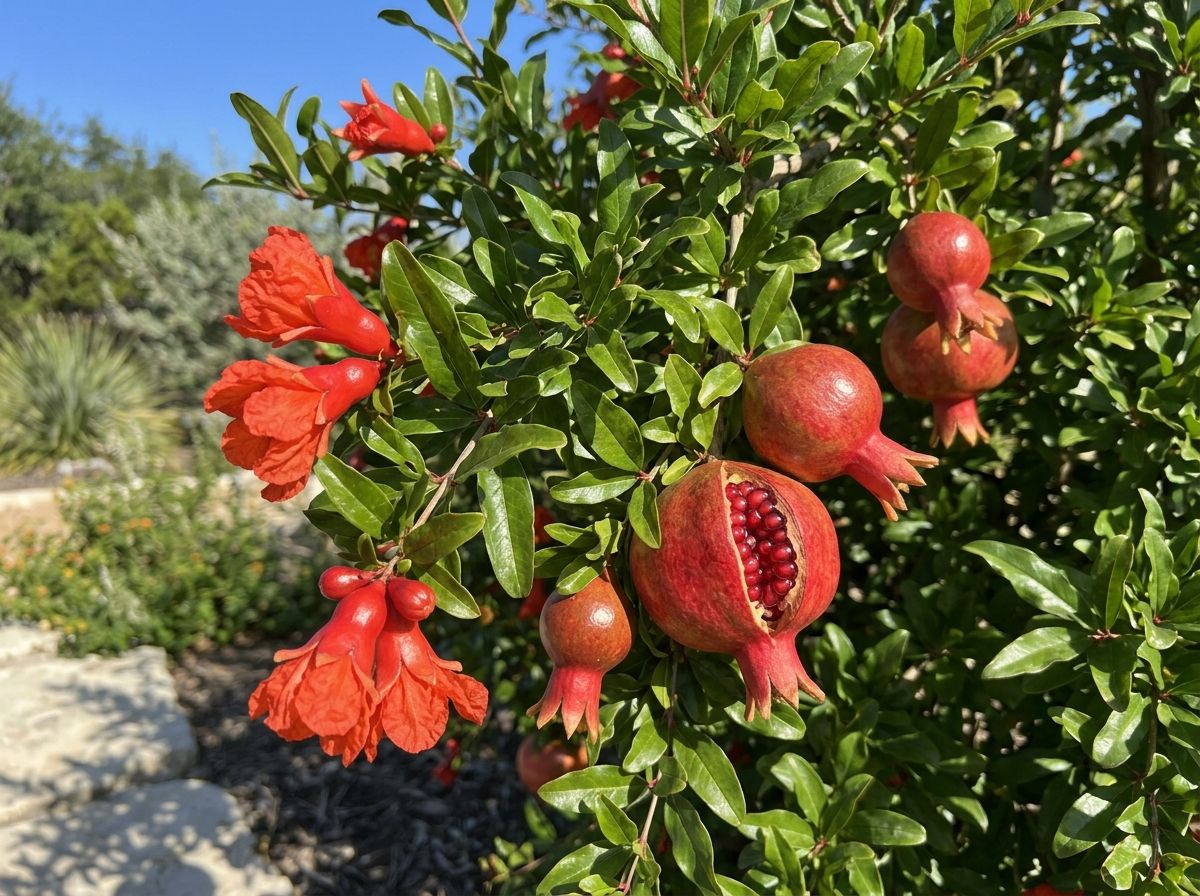
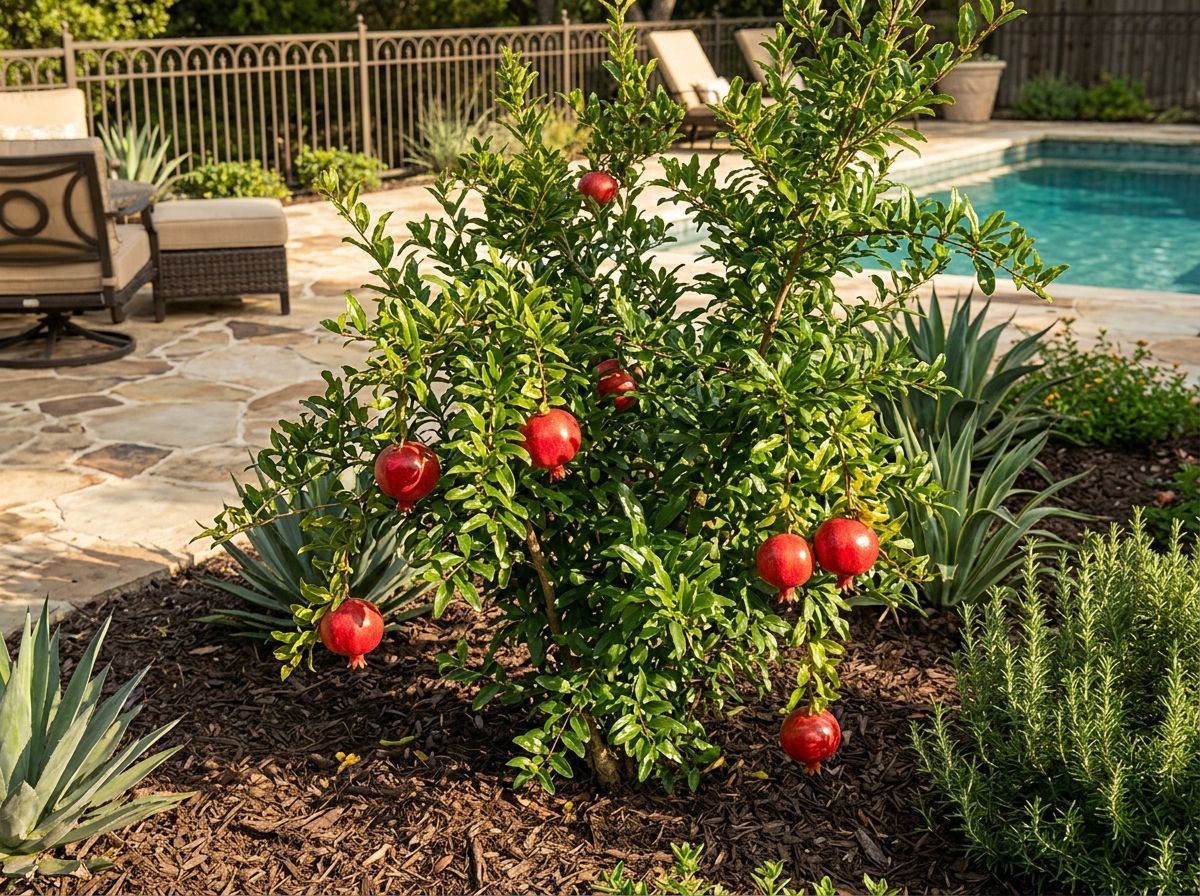
Pomegranate (Punica granatum) is a stunning, sun-loving upright shrub known for its vibrant presence and edible fruit. It can grow up to ten feet tall, making it an impressive addition to any landscape. The plant is distinguished by its glossy, dark green leaves and striking orange blooms in the spring, which give way to its well-recognized red, leathery-skinned fruit. Available in both standard and dwarf varieties, the pomegranate can be used for various landscaping purposes, including as a focal point in gardens, as a border plant, or in containers for those interested in a more manageable size. Its beautiful flowers and juicy fruit make it both an ornamental and practical choice for homeowners.
Maintenance
Pomegranate shrubs are relatively low-maintenance once established. They require regular watering, particularly during dry spells, to ensure the soil remains consistently moist but not waterlogged. Preferring full sunlight, they thrive best in areas where they can soak up the sun’s rays for most of the day. The soil should be well-draining, slightly acidic to neutral for optimal growth. Pruning is essential to maintain shape and encourage air circulation among the branches; this is best done in late winter when the plant is dormant. Pomegranates have a good level of resistance to pests and diseases, though they can occasionally be affected by aphids or fungal issues. Routine inspections can help catch and address these early.
Quick Facts
– Hardiness Zones: 7-10
– Growth Rate: Moderate
– Sun: Full sunlight preferred
– Soil: Well-draining, slightly acidic to neutral
– Special Characteristics: Tolerant of drought conditions once established; attracts pollinators such as bees and birds; deer resistant
– Other: Known for its striking orange blooms and delicious, edible fruit, with the dwarf variety offering compact growth suitable for smaller spaces.
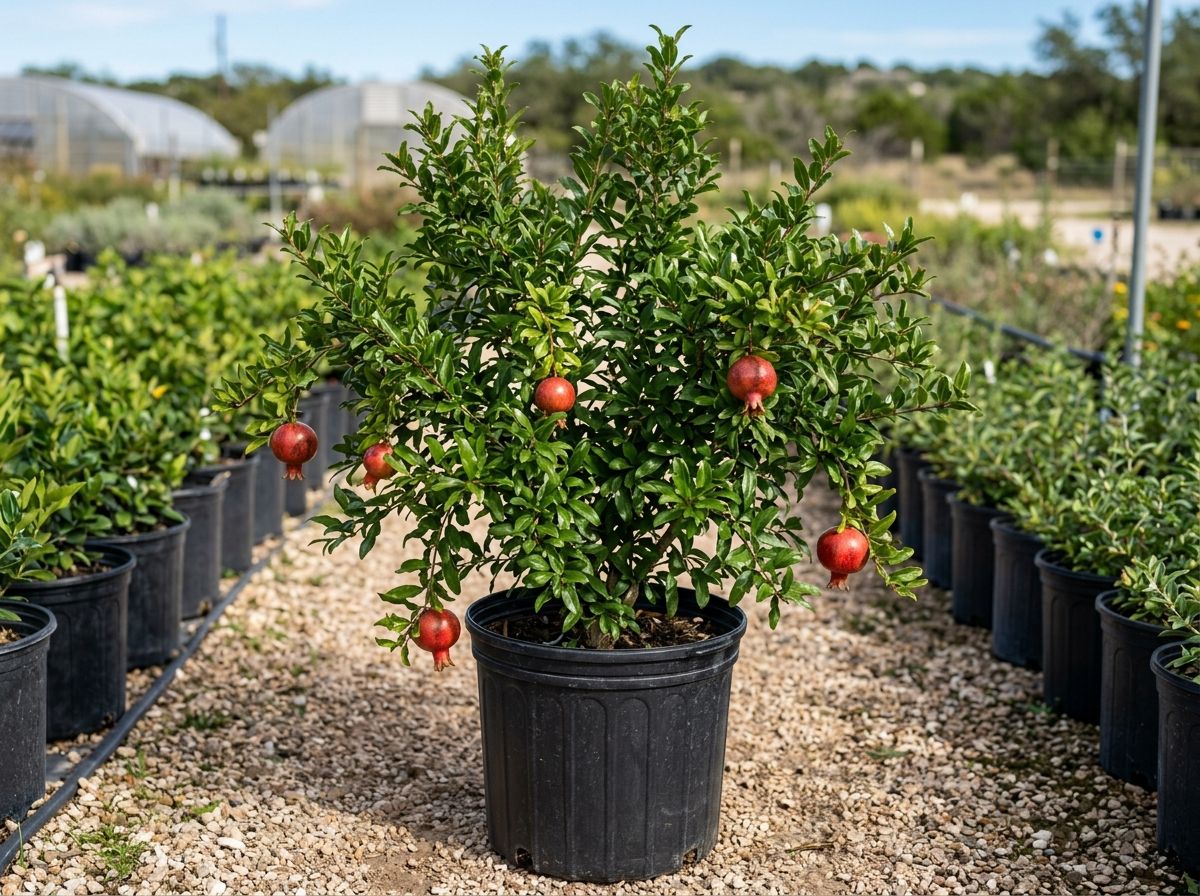
Want this product installed? Check out our page to view pricing and other details.
Related Products
Planting Role / Visual Structure > Focal Plant Palette
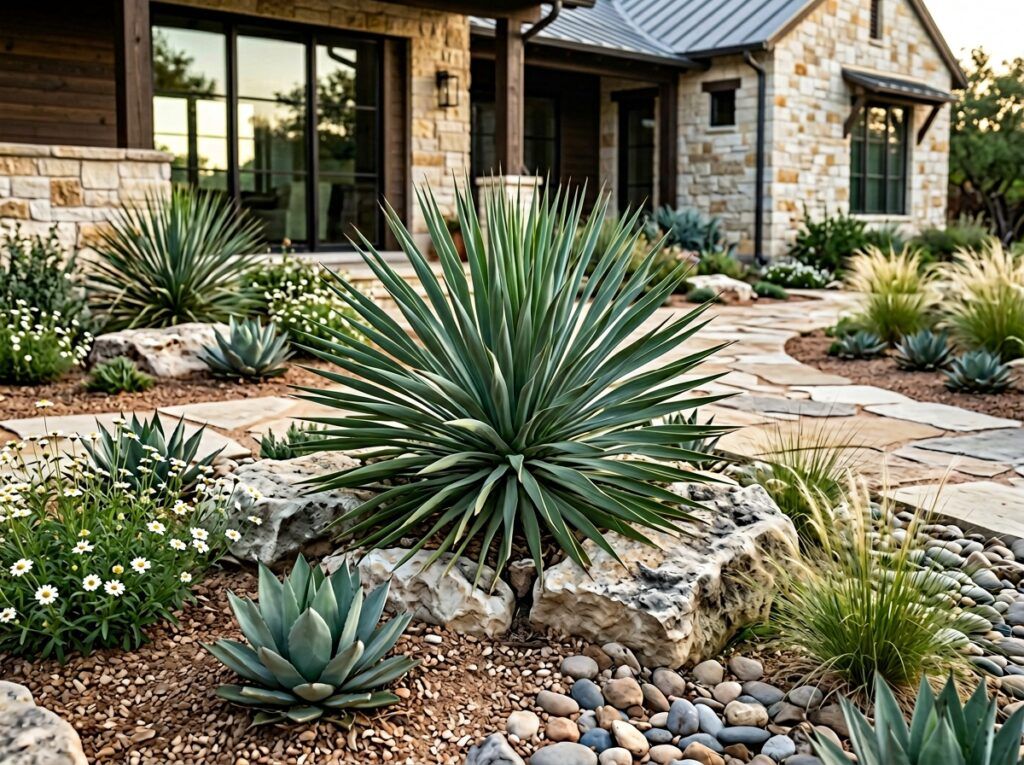
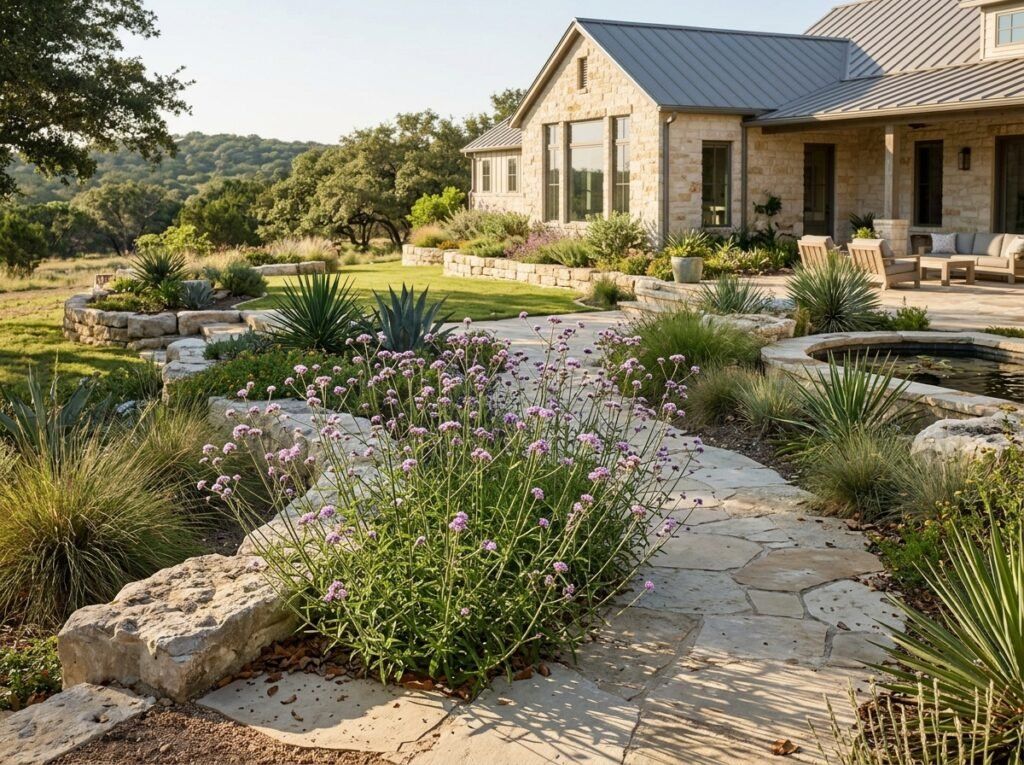
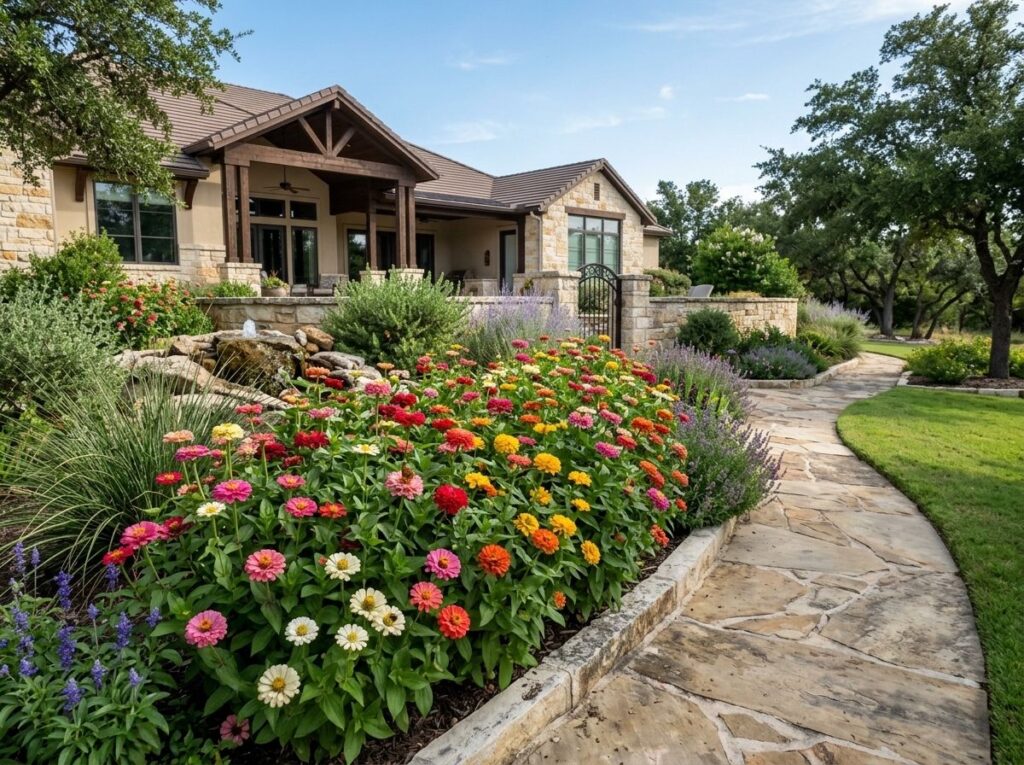
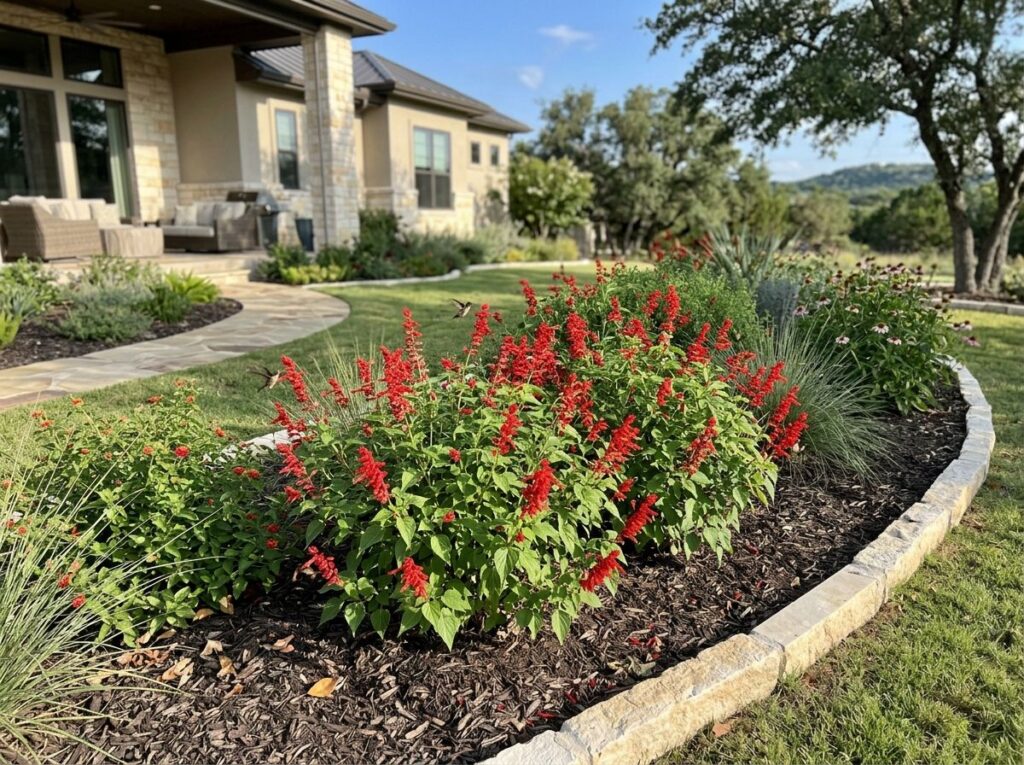
Wildlife Garden Blend
Ready When You Are
Get a Clear Plan for Your Yard
Tell us what you’d like to improve. We’ll ask a few questions, review your project, and let you know the best next step — no pressure and no guesswork. Fill out the form for a free quote.