
Shrubs American Beautyberry
(Callicarpa americana)
Other Common Names: Beautyberry, French Mulberry, Belleza Americana
Birds
Deciduous
Edible Parts
Flowering
Partial Sun
Recommended Use: Ideal for shaded gardens needing bold fall berries that attract birds and seasonal color.
Overview and Landscaping Uses
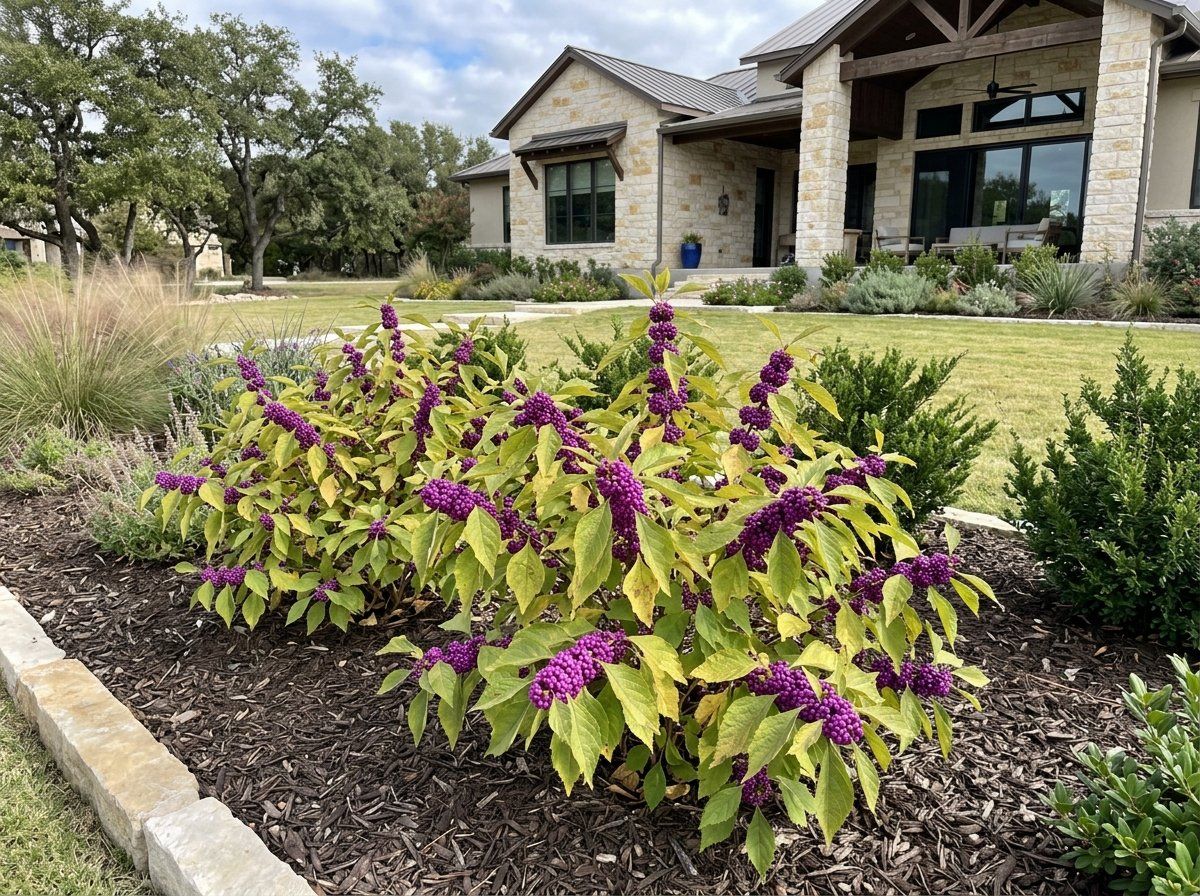
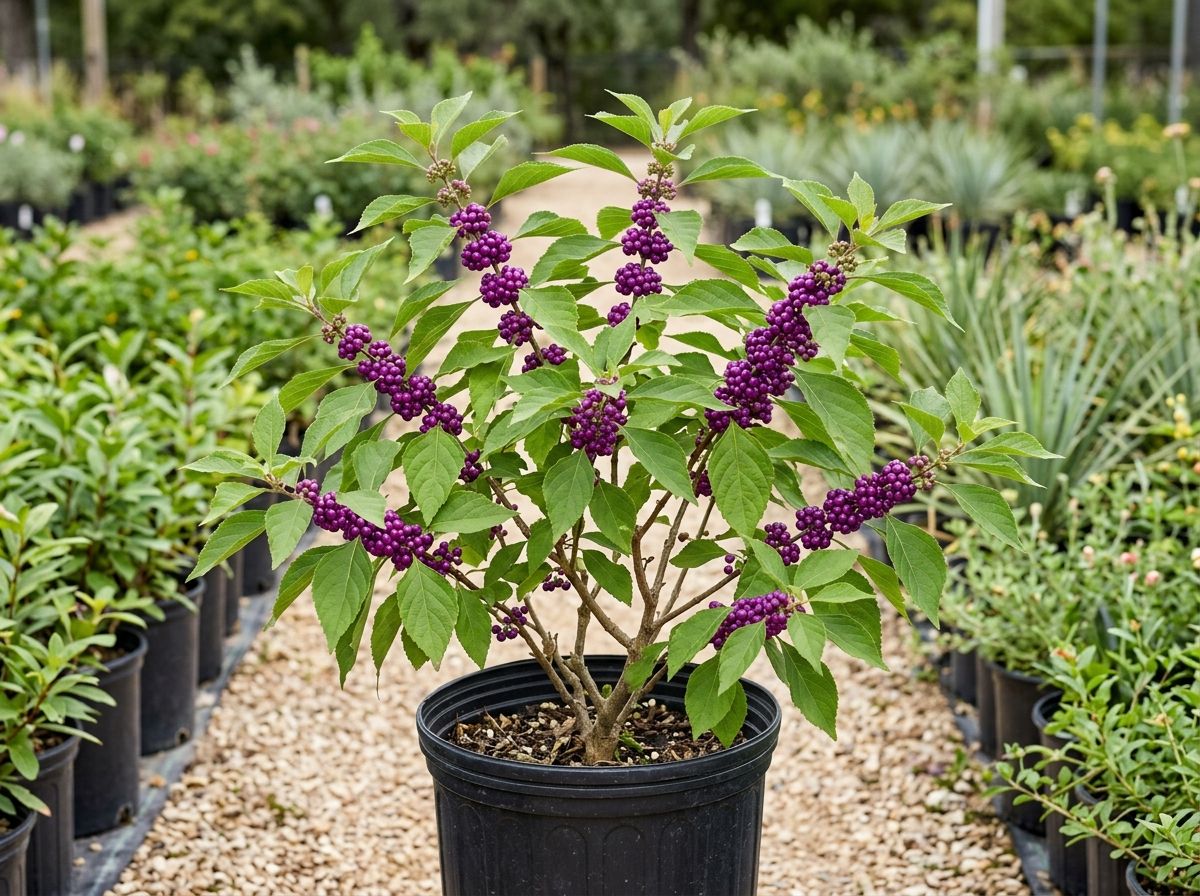
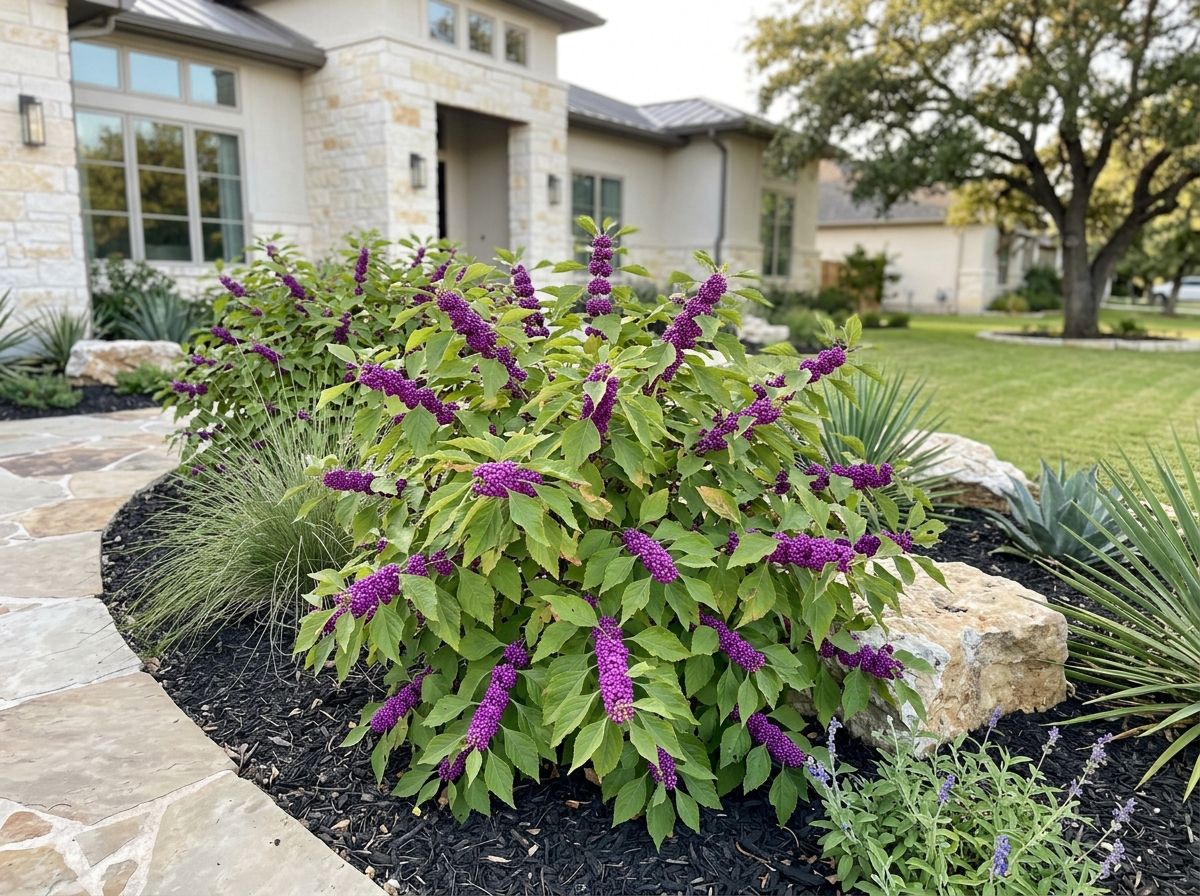
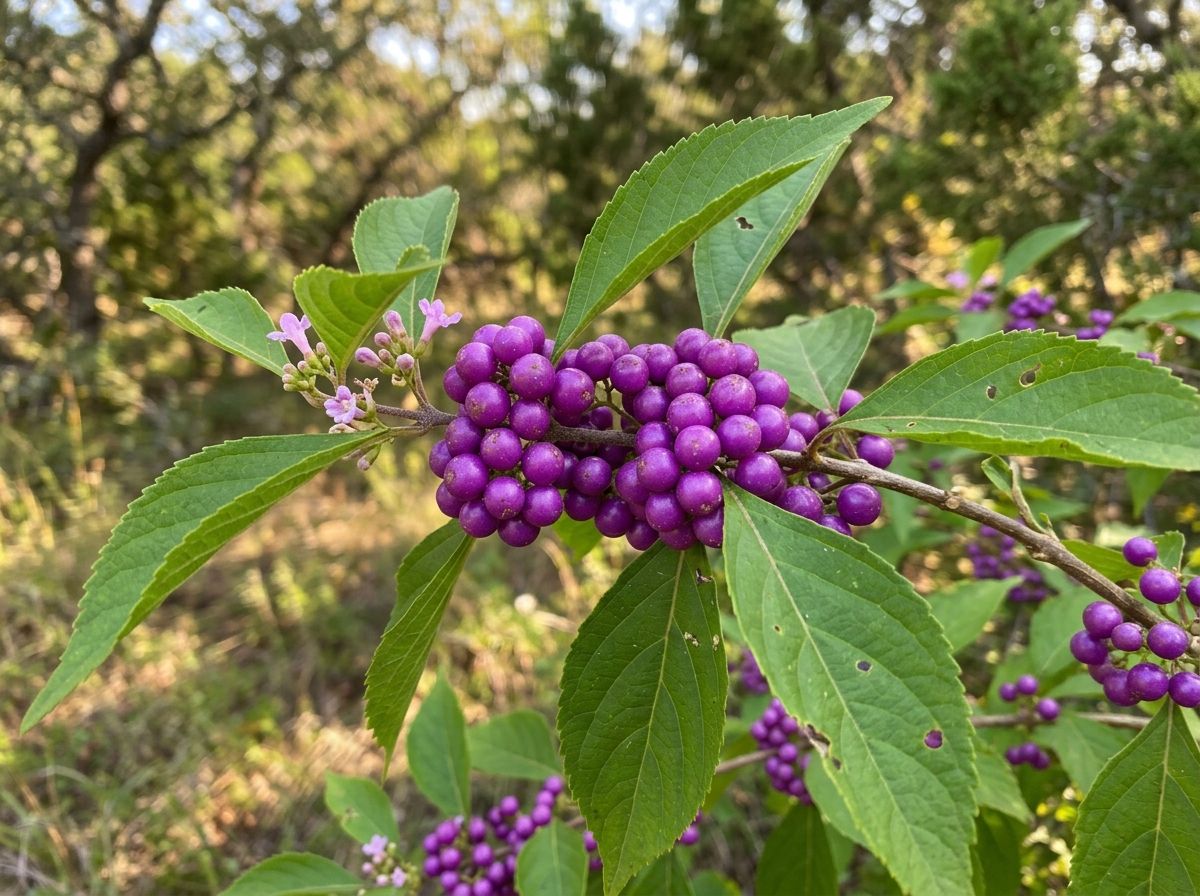
American Beautyberry, scientifically known as Callicarpa americana, is a deciduous shrub renowned for its striking appearance and versatility in landscaping. The plant typically grows to a height of 3 to 6 feet with a similar spread. It is well-known for its vibrant purple berries that appear in clusters and remain on the plant from fall into winter, offering a stunning contrast against the bare branches and adding visual interest to winter gardens. Its arching branches and lush green foliage make it an ideal choice for informal hedges, woodland gardens, or as a decorative border plant. In addition to its beauty, the American Beautyberry is valued for its ability to attract pollinators, providing nectar for butterflies and bees.
Maintenance and Care Requirements
The American Beautyberry is relatively low-maintenance, making it a popular choice for gardeners of all experience levels. It thrives in part shade but can tolerate full sun, especially if it receives adequate moisture. Ideally, the plant should be watered regularly to establish a strong root system, though it can withstand short periods of drought once established. The optimal soil for this shrub is well-drained and rich in organic matter, but it can adapt to a variety of soil types. Pruning should be done in late winter or early spring to encourage new growth and maintain its shape. The American Beautyberry is known for its resistance to many common pests and diseases, reducing the need for chemical interventions.
Quick Facts
– Hardiness Zones: 6-10
– Growth Rate: Moderate
– Special Characteristics: Deer-resistant, attracts pollinators
– Deciduous: Yes
– Seasonal Interest: Produces purple fruit in fall and winter
– Sunlight Preference: Part shade, can tolerate full sun with sufficient moisture
Additional Benefits & Uses
- Natural Mosquito Repellent: The crushed leaves of American Beautyberry have been traditionally used to repel mosquitoes. Recent research supports this use, as the plant contains compounds that deter biting insects.
- Wildlife Value: Besides birds, the berries also provide food for small mammals like raccoons, opossums, and foxes during late fall and winter when other food sources are scarce.
- Native Plant Advantage: As a native species, American Beautyberry supports local ecosystems better than many non-native ornamentals and is unlikely to become invasive.
- Low Allergenicity: This shrub produces minimal pollen and is generally considered non-problematic for allergy sufferers.
Planting & Placement Tips
- Spacing: Allow 4–6 feet between plants for optimal growth and airflow.
- Companion Planting: Pairs well with ferns, shade-tolerant wildflowers, and other native shrubs for a layered woodland look.
- Foundation Planting: Can be used near foundations as it has a non-aggressive root system.
Harvest & Edible Use
- Making Jelly or Wine: Berries are most often used in jellies, wines, and syrups, which reduces their astringency compared to eating them raw.
- Foraging Note: Only the berries are edible; avoid consuming other parts of the plant.
Troubleshooting
- Common Problems: Rarely bothered by pests or diseases; occasional leaf spot may occur in very humid conditions but does not harm the plant long-term.
- Leaf Drop: Normal in fall; if dropping leaves early in summer, check for drought stress or poor drainage.
Seasonal Care Calendar
- Spring: Prune before new growth emerges; apply compost or mulch.
- Summer: Water during prolonged dry spells; enjoy flowers.
- Fall: Harvest berries if desired; enjoy wildlife activity.
- Winter: Minimal care needed; enjoy winter interest from berries.
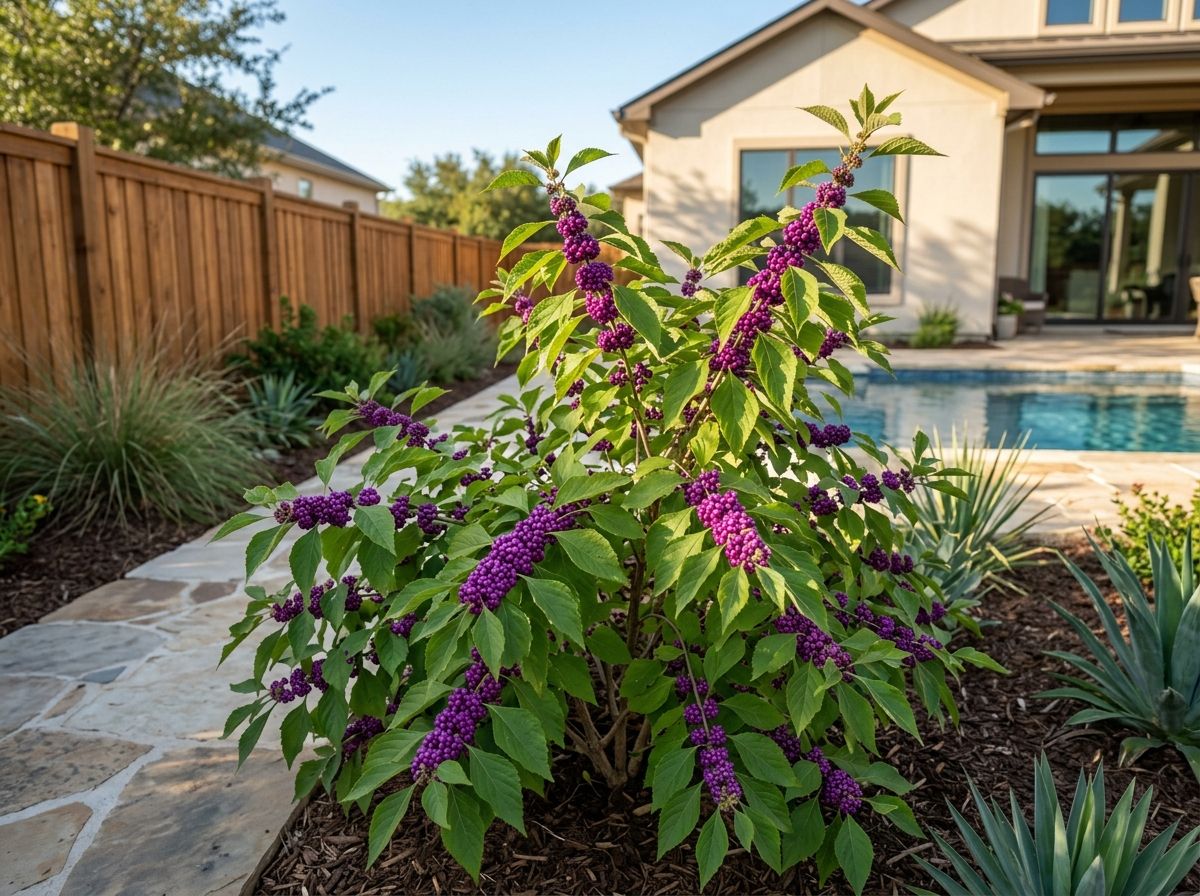
Want this product installed? Check out our page to view pricing and other details.
Related Products
Planting Role / Visual Structure > Focal Plant Palette
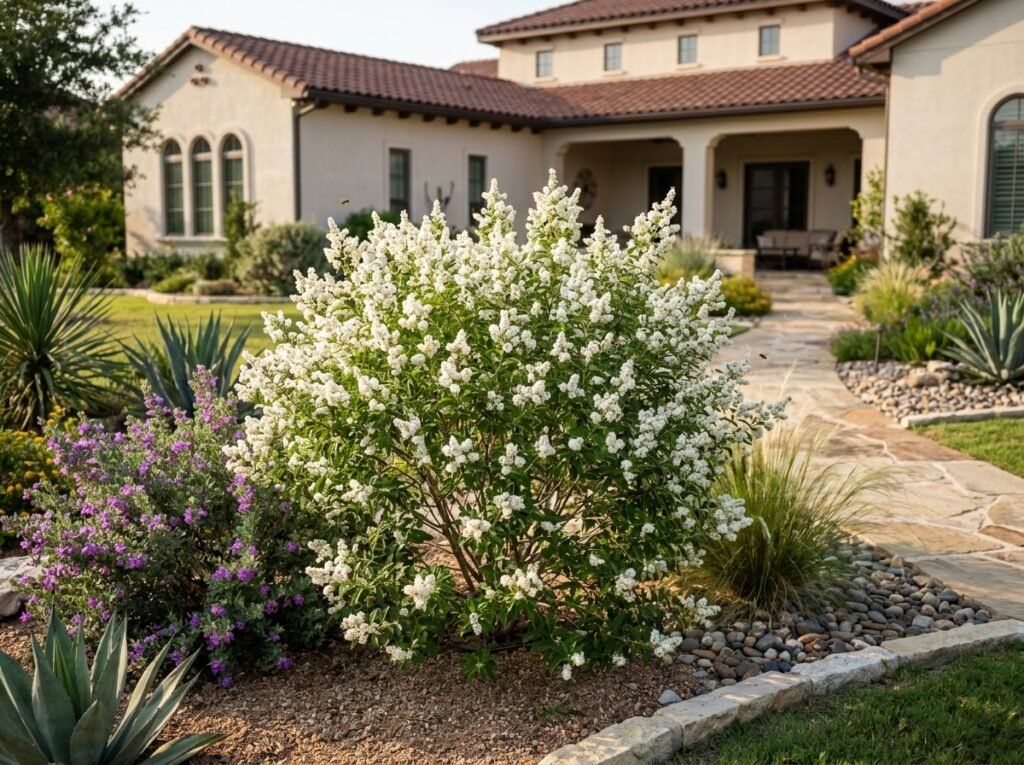
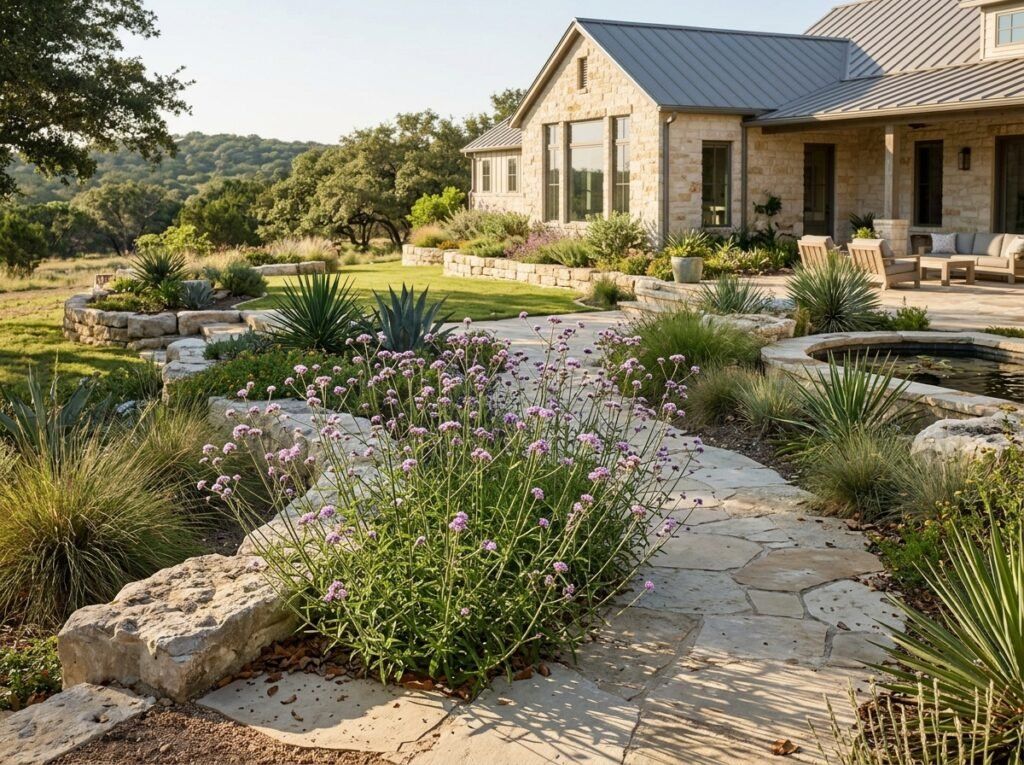
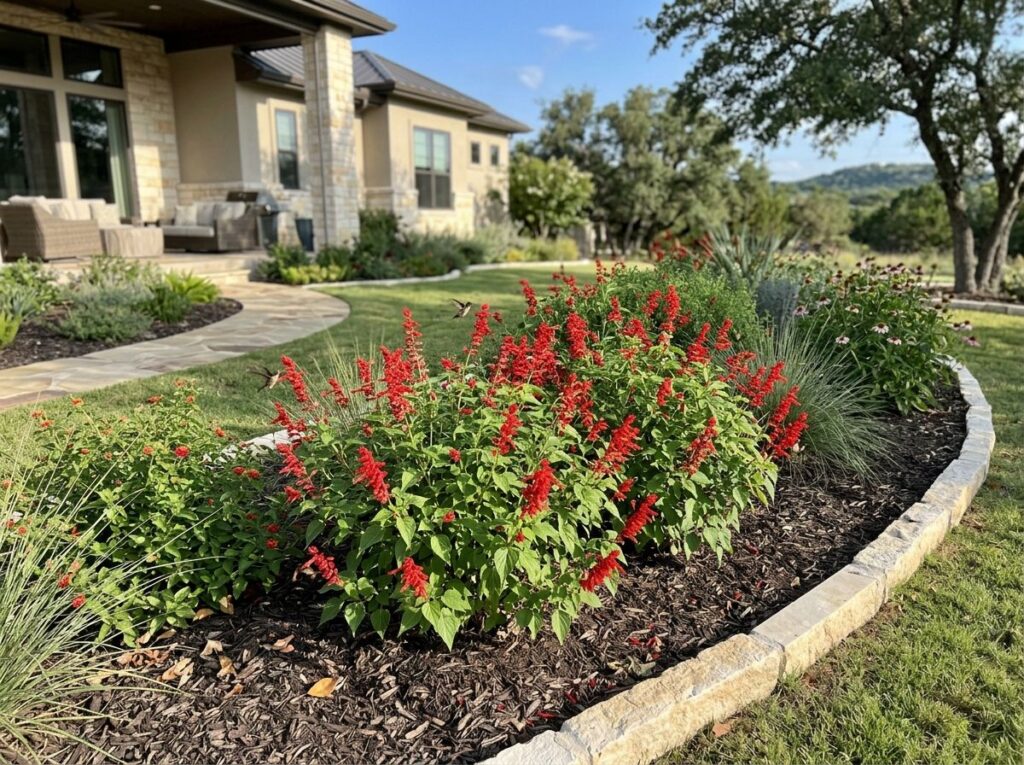

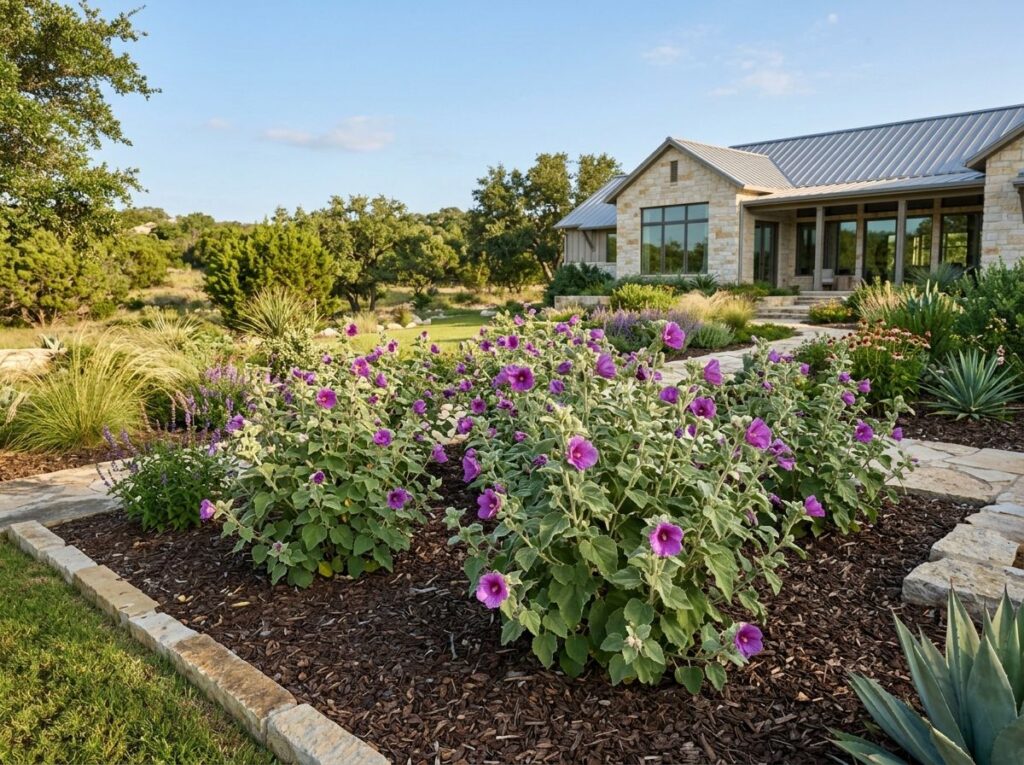

Style / Theme > Texas Hill Country Native

Wildlife Garden Blend

Ready When You Are
Get a Clear Plan for Your Yard
Tell us what you’d like to improve. We’ll ask a few questions, review your project, and let you know the best next step — no pressure and no guesswork. Fill out the form for a free quote.