
Shrubs Agarita
(Mahonia trifoliata)
Other Common Names: Agarito, Algerita, Wild Currant, Laredo Grape
Bees
Birds
Butterflies
Deer Resistant
Drought-Tolerant
Evergreen
Flowering
Full Sun
Recommended Use: Perfect for low-maintenance wildlife gardens needing evergreen structure and early nectar for pollinators.
Introduction to Agarita
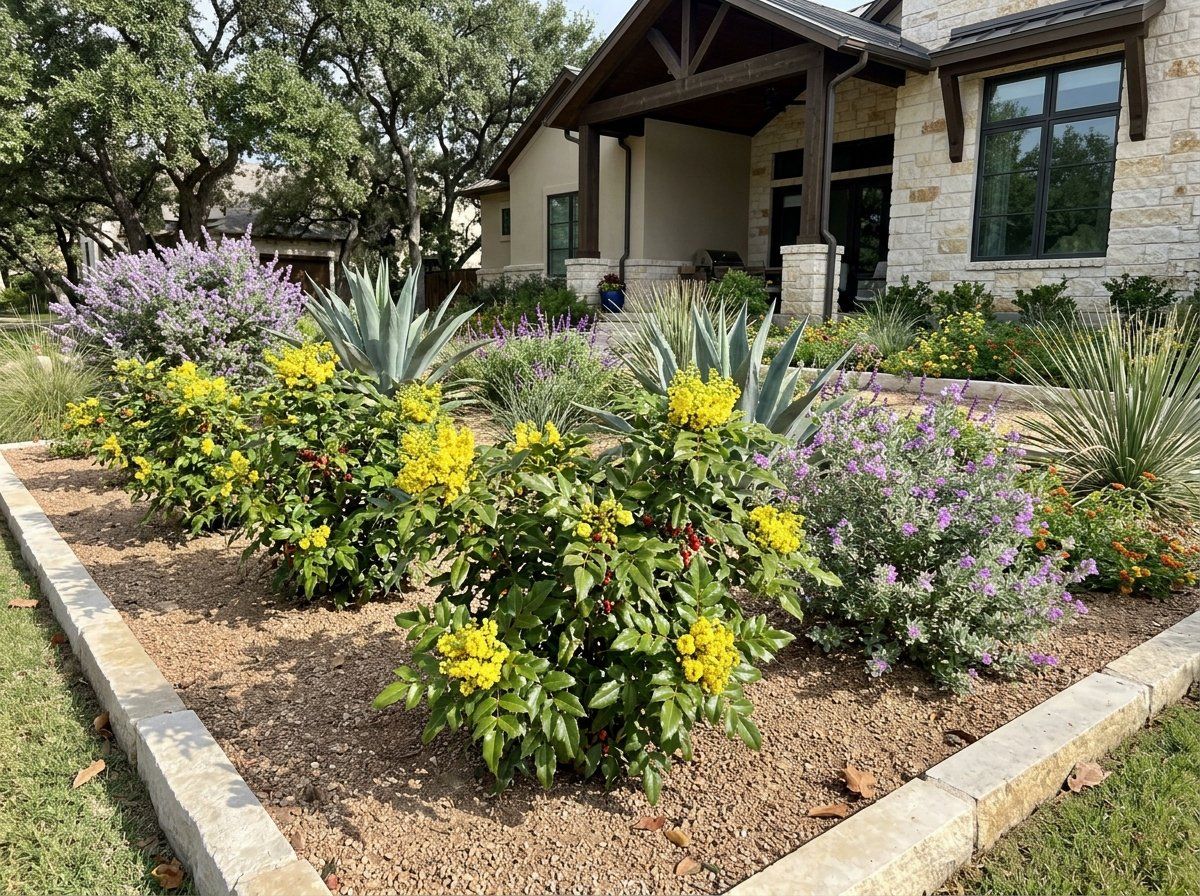
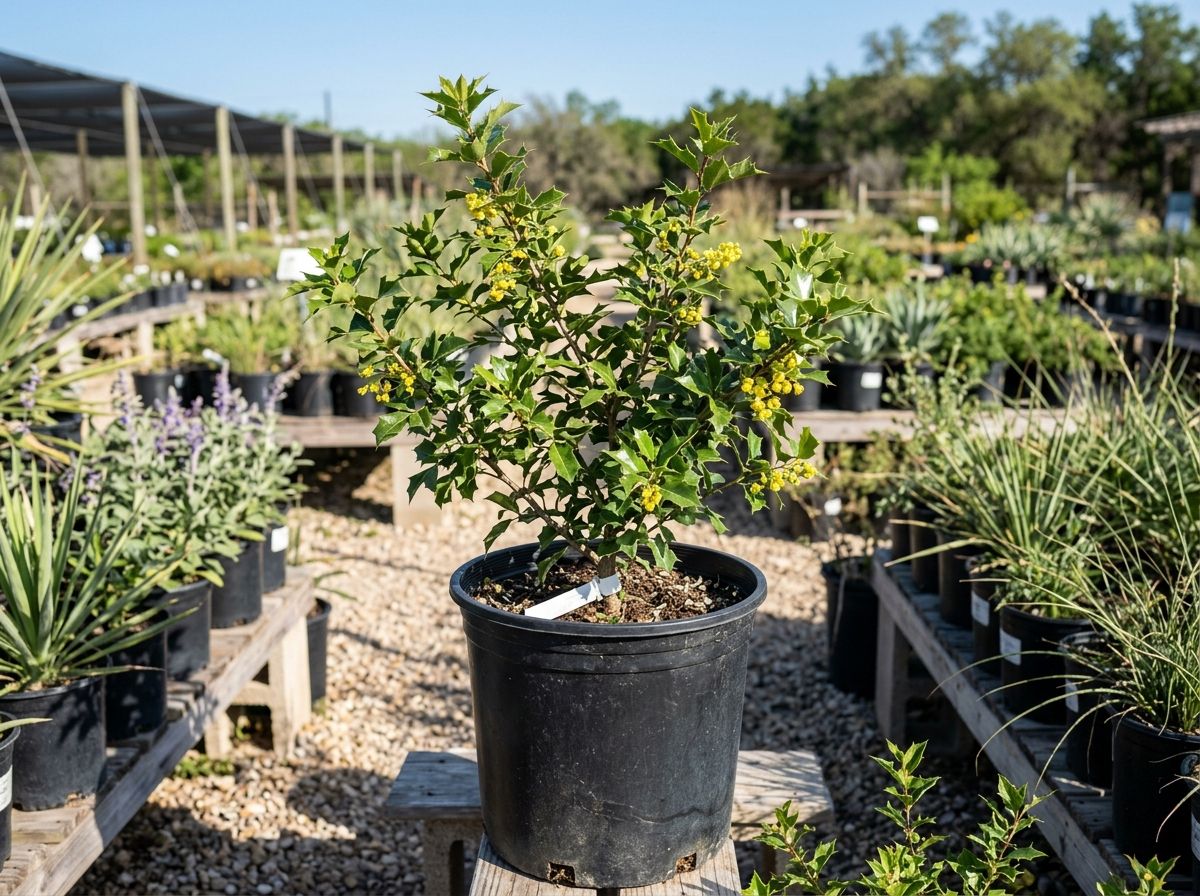
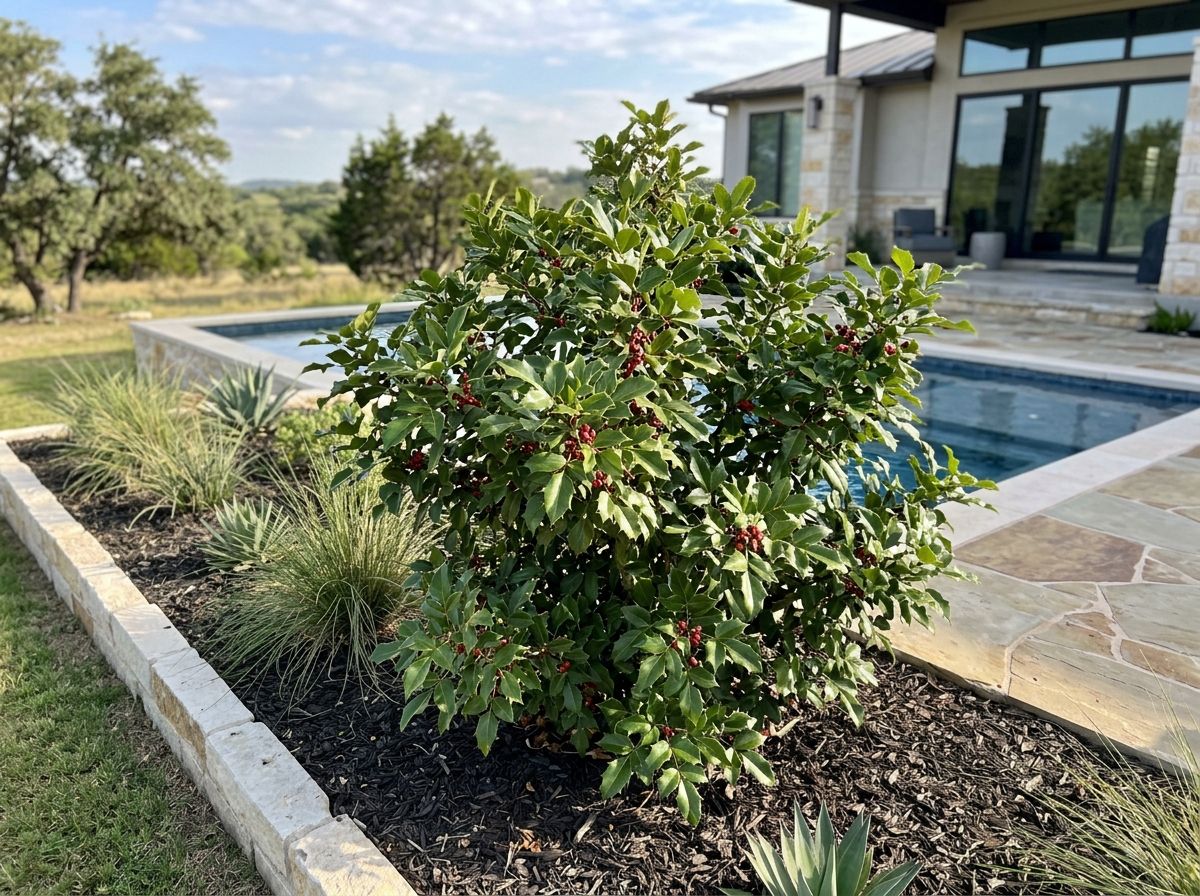
Agarita, scientifically known as Mahonia trifoliata, is an attractive evergreen shrub that boasts holly-like foliage. This plant typically reaches a height and width of 3 to 6 feet, making it an ideal choice for medium-sized landscapes. Its distinct features include spiny, leathery leaves and vibrant yellow flowers that bloom in spring, adding a pop of color to gardens. Following the flowering season, Agarita produces clusters of small, red edible berries that are not only visually appealing but also attract various pollinators. This hardy plant is commonly used in landscaping for creating natural barriers or hedges and thrives in sun to partial shade settings.
Maintenance Requirements
Agarita is a low-maintenance plant that is well-suited for dry landscapes. It prefers well-drained soil and should be watered moderately, allowing the soil to dry out between watering times. This shrub flourishes in full sun to partial shade and can adapt to various light conditions. Pruning is minimal and typically involves the removal of dead or damaged branches to maintain the plant’s shape and health. Agarita is known for its pest and disease resistance, making it an excellent choice for homeowners looking for a durable and resilient addition to their garden.
Quick Facts
- Hardiness Zones: 6 to 9
- Growth Rate: Moderate
- Special Characteristics: Deer resistant, attracts pollinators, and produces edible berries
- Sunlight Preference: Sun to partial shade
- Soil Requirements: Well-drained soil
- Watering Needs: Moderate, requires soil to dry between waterings
- Pruning: Minimal, primarily for health and shape
Additional Benefits
Wildlife Value:
- Birds & Small Mammals: The berries are a food source for birds, small mammals, and even some reptiles.
- Pollinators: Early spring flowers provide nectar for bees and butterflies, supporting local pollinator populations when few other plants are blooming.
Edible Uses:
- Berry Harvesting: Berries can be used to make jellies, jams, or even wine. While tart when raw, they become flavorful when sweetened or cooked.
- Caution: The berries are edible, but the leaves and stems are not recommended for consumption due to their spiny texture and bitterness.
Security Planting:
- Barrier Plant: The spiny leaves make Agarita an effective deterrent against foot traffic and can be used as a natural security hedge.
Soil Stabilization:
- Erosion Control: Deep roots help prevent soil erosion on slopes or rocky areas.
Planting & Care Tips
Companion Plants:
- Pairs well with other drought-tolerant natives such as Texas sage, sotol, or prickly pear cactus for a cohesive xeriscape design.
Transplanting Advice:
- Best transplanted in fall or early spring to minimize stress and encourage root establishment.
Mulching:
- Mulch around the base to conserve moisture and suppress weeds, but keep mulch away from the stem to prevent rot.
Common Questions
Is Agarita safe for pets?
- While the berries pose minimal risk, the spiny leaves can cause mild mouth or paw irritation if chewed. Supervision is recommended with curious pets.
How fast does it grow?
- Growth rate is moderate; expect noticeable size increase each year with proper care.
Does it require fertilizer?
- Generally does not need fertilization if planted in native or well-draining soils. Over-fertilizing can harm its drought tolerance.
Design Ideas
- Accent Plant: Use as a specimen shrub for texture and year-round interest.
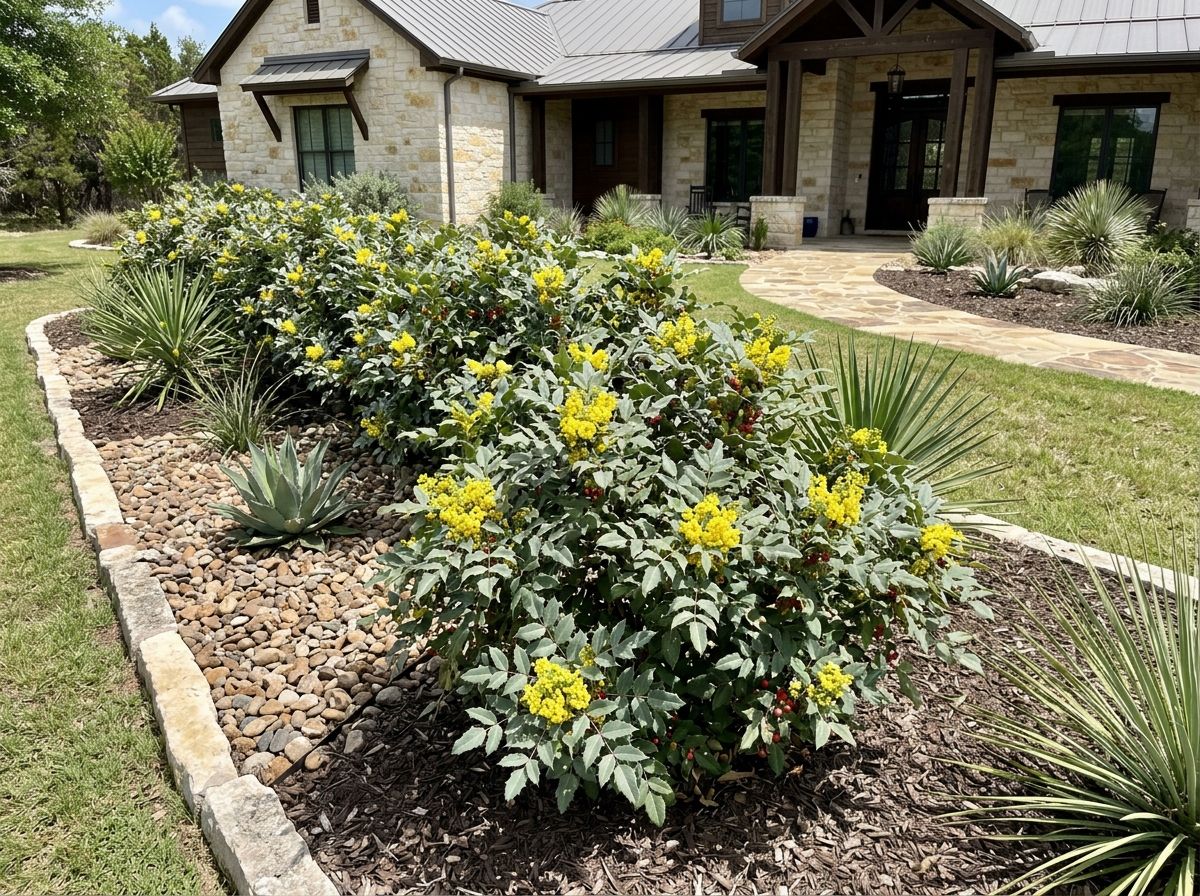
- Mixed Border: Combine with other evergreens and flowering perennials for a layered look.
- Privacy Screen: Plant in groups for a dense, natural privacy screen.
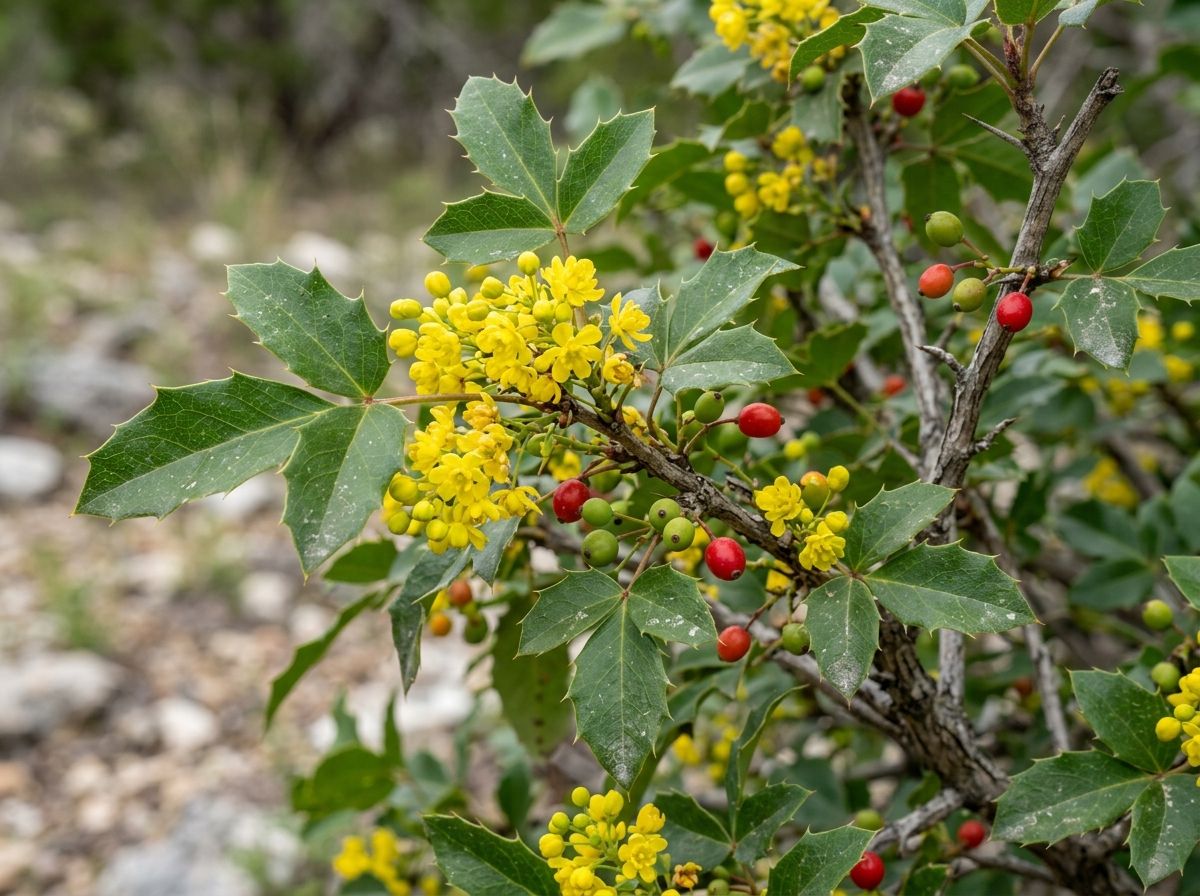
Want this product installed? Check out our page to view pricing and other details.
Related Products
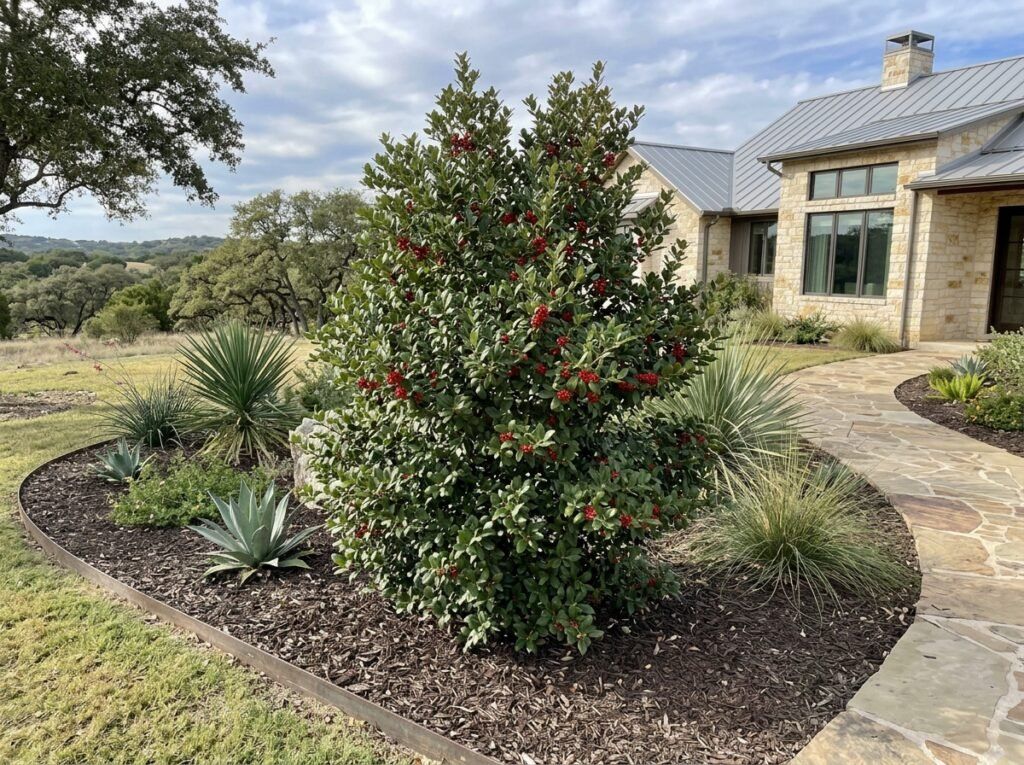
Planting Role / Visual Structure > Evergreen Backbone
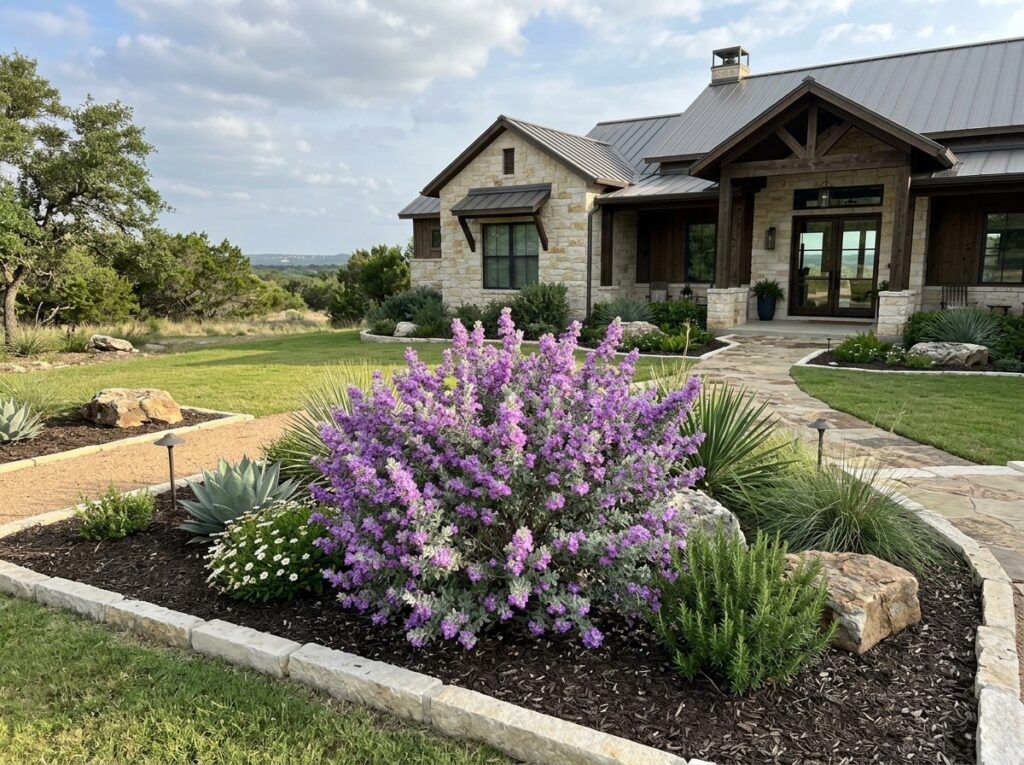
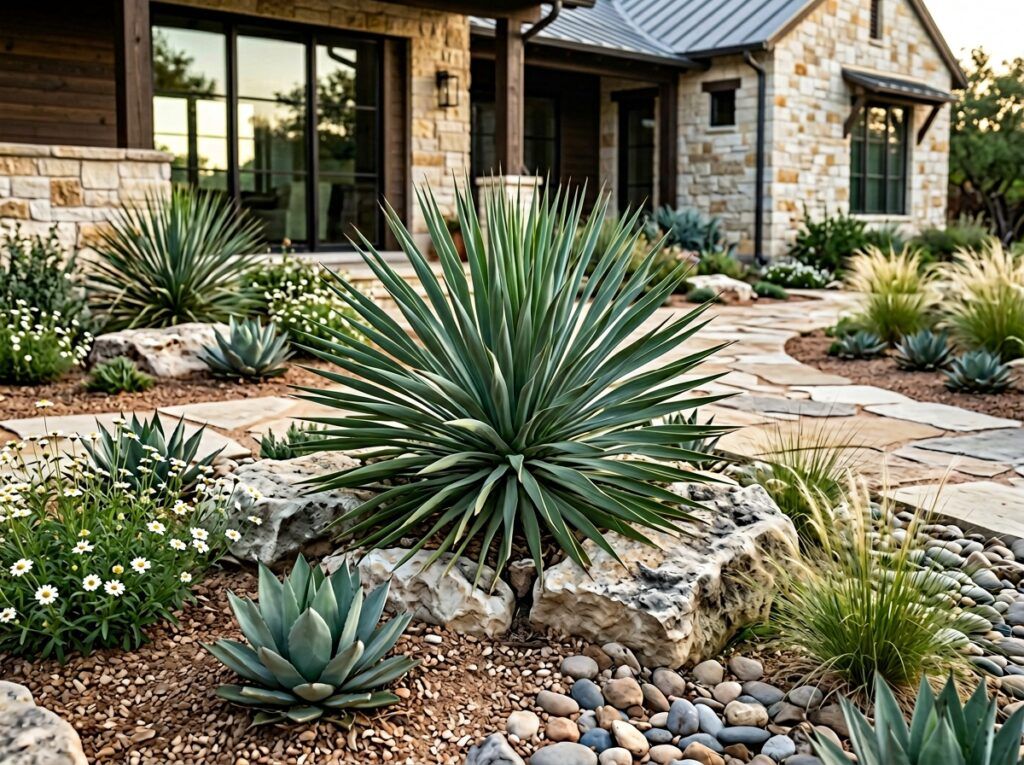
Style / Theme > Texas Hill Country Native

Wildlife Garden Blend
Ready When You Are
Get a Clear Plan for Your Yard
Tell us what you’d like to improve. We’ll ask a few questions, review your project, and let you know the best next step — no pressure and no guesswork. Fill out the form for a free quote.