
Perennials Goldsturm Black-Eyed Susan
(Rudbeckia fulgida 'Goldsturm')
Other Common Names: Black-Eyed Susan
Bees
Butterflies
Deciduous
Drought-Tolerant
Flowering
Full Sun
Recommended Use: Perfect for sunny borders needing bright, late-summer yellow blooms with strong drought resistance.
Description
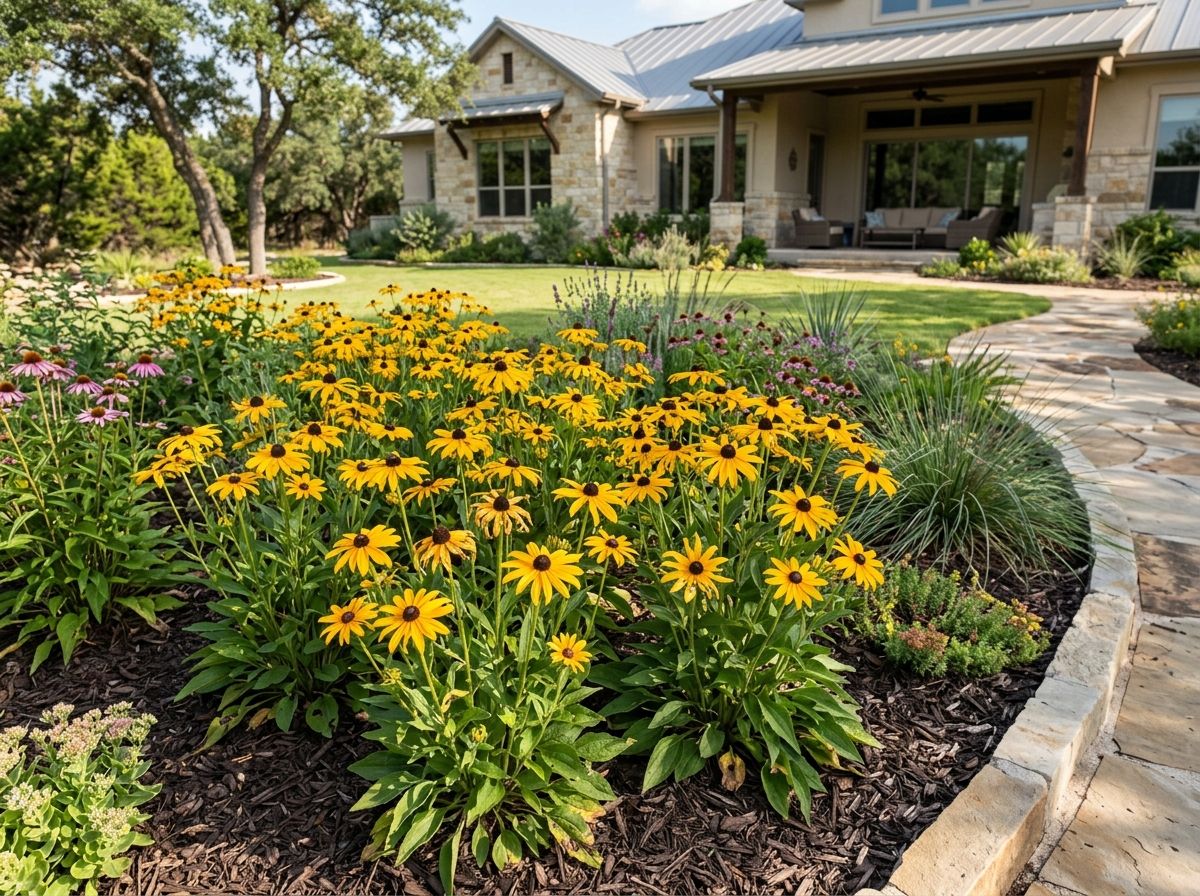
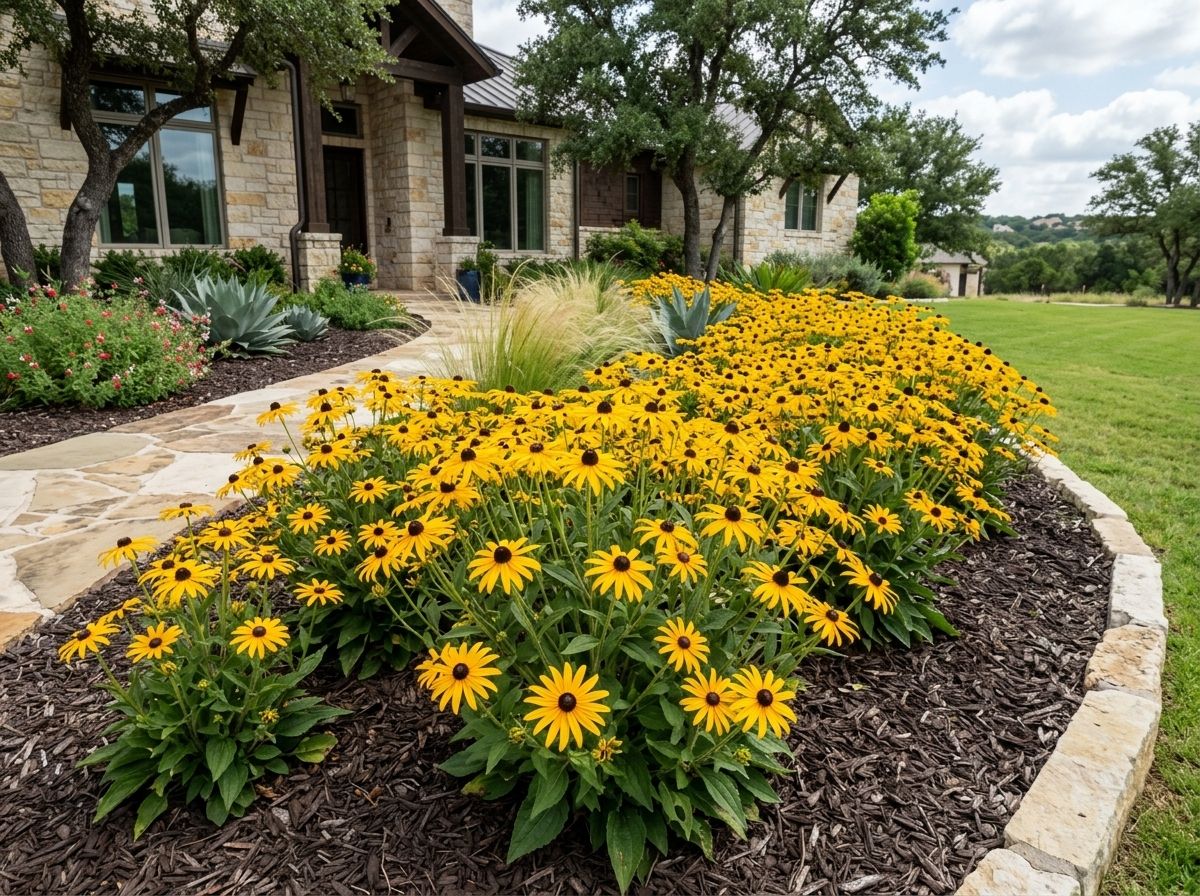
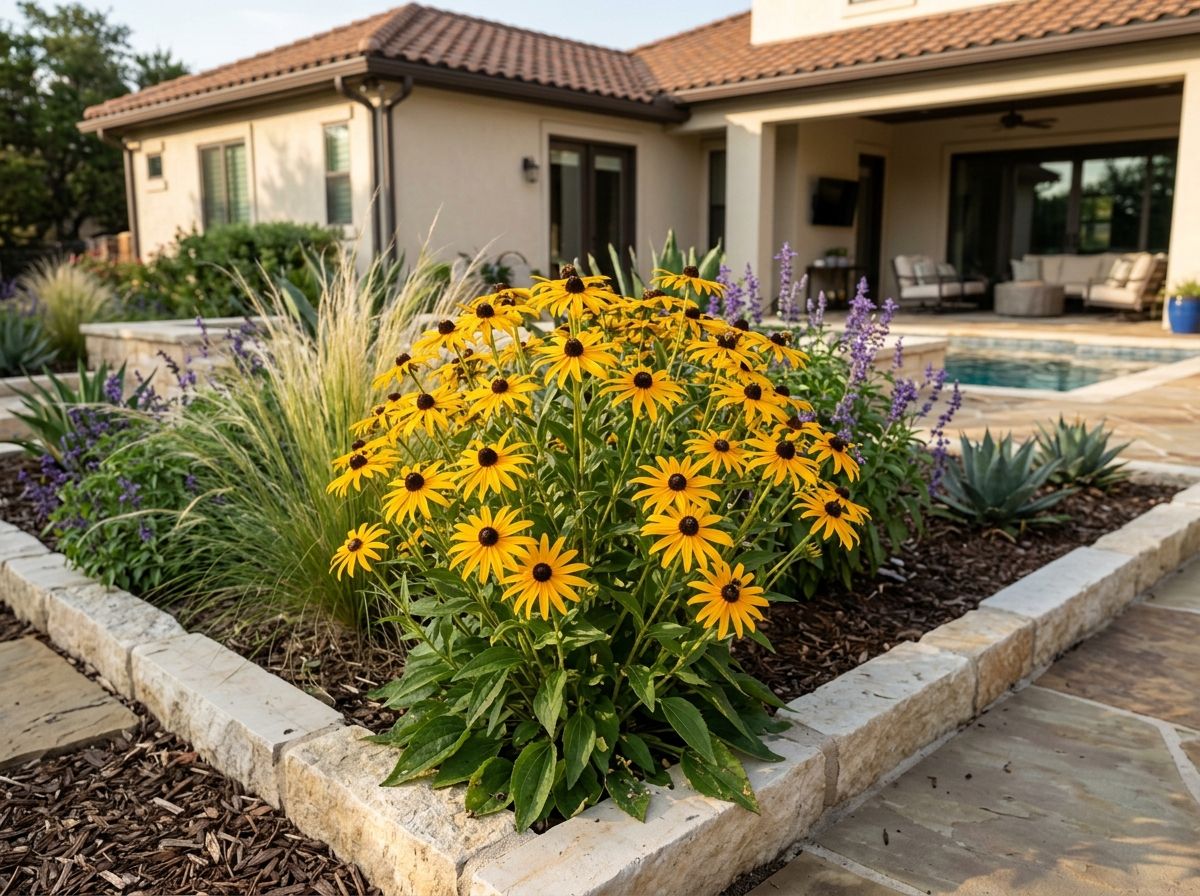
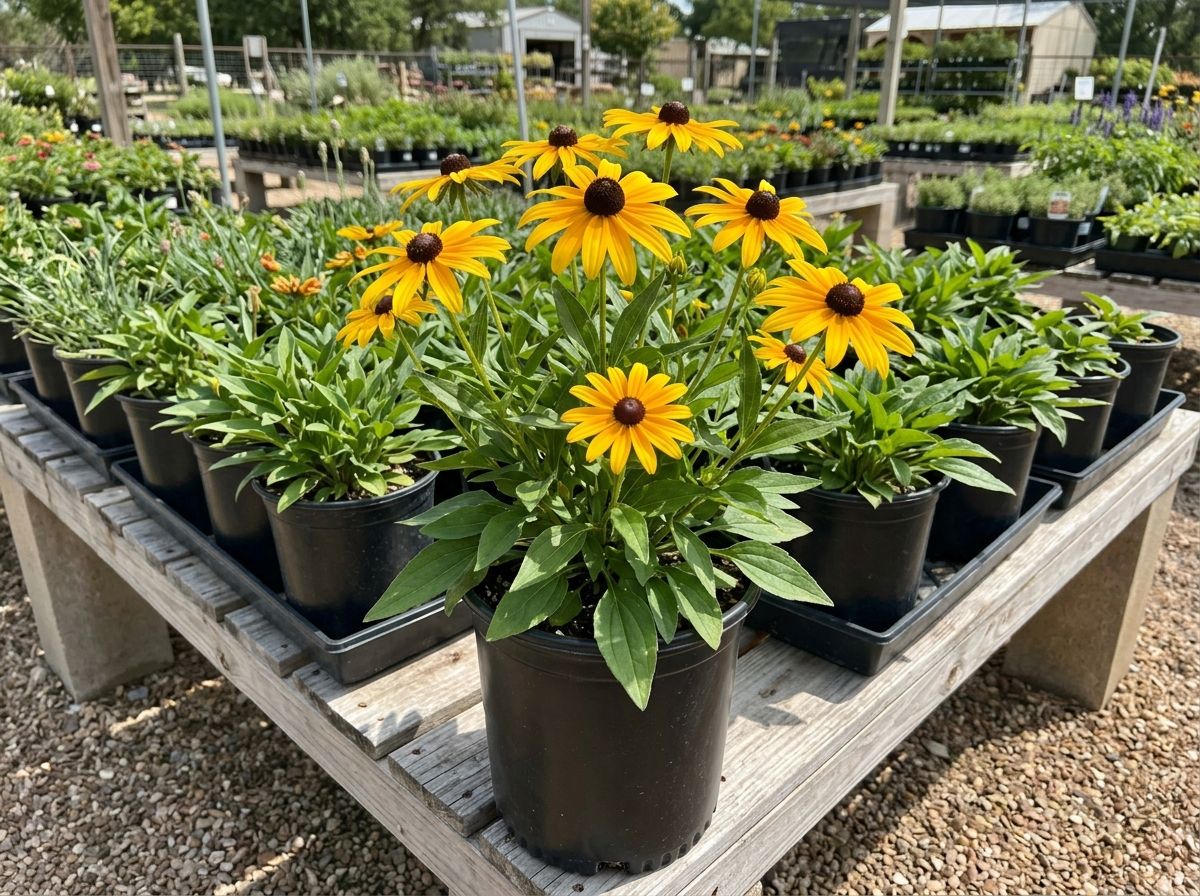
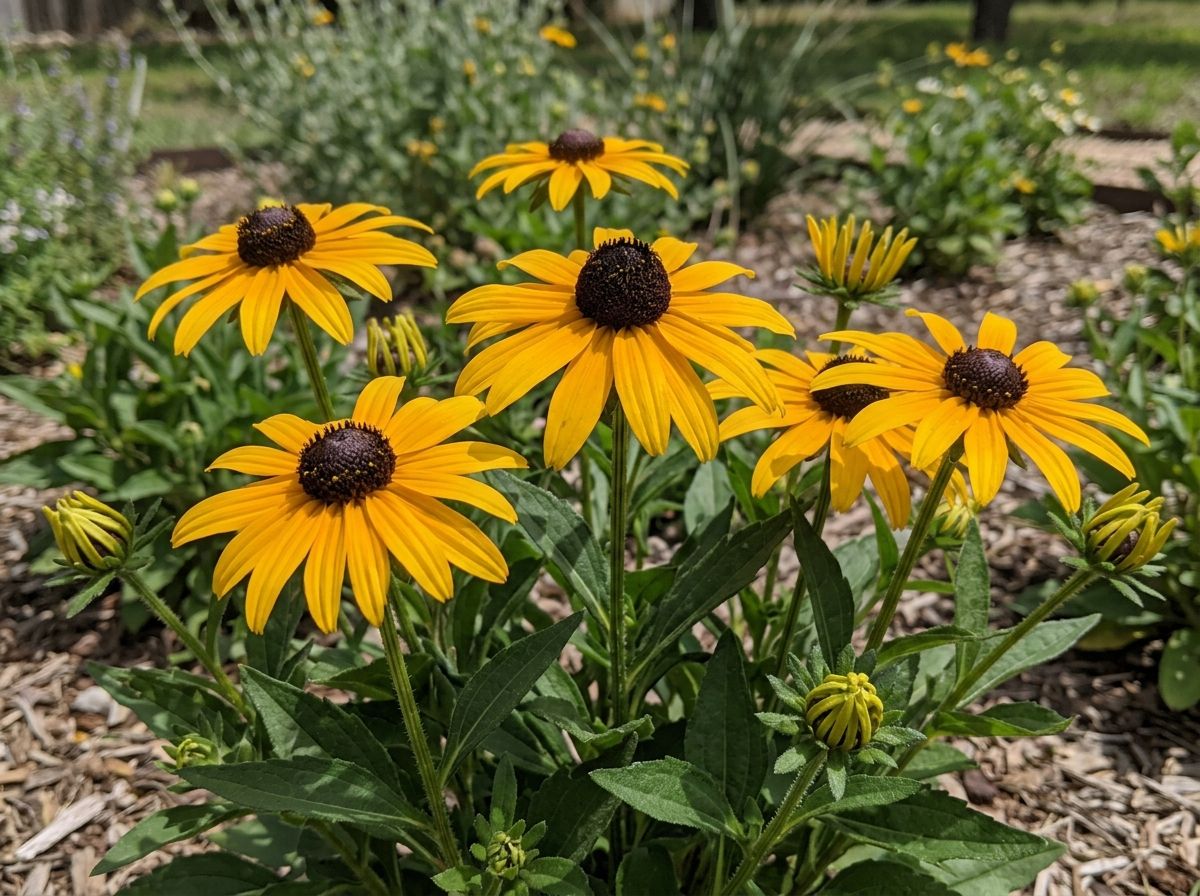
The Goldstrum Black-Eyed Susan, scientifically known as Rudbeckia fulgida ‘Goldsturm’, is a popular perennial loved for its bright and cheerful appearance. This plant features striking golden-yellow, daisy-like flowers with a distinctive dark brown center cone, making it a vibrant addition to any garden. Typically reaching a height of about 18 to 24 inches, this plant is ideal for mass plantings, borders, and mixed garden beds. Its vivid blooms and lush green foliage create a stunning contrast that enhances garden aesthetics from mid-summer through fall. The Goldstrum Black-Eyed Susan is not only visually appealing but also attracts various pollinators, including bees and butterflies, making it a valuable plant for eco-friendly landscaping efforts.
Maintenance
The Goldstrum Black-Eyed Susan is relatively low-maintenance, making it an excellent choice for both beginner and experienced gardeners. It thrives in full sun, ensuring the brightest blooms, although it can tolerate partial shade. For optimal growth, this plant prefers well-draining soil but can adapt to a variety of soil conditions, including clay and sandy soils. Watering needs are moderate; it requires regular watering during establishment but can withstand periods of drought once mature. Pruning is simple: deadhead spent flowers to encourage continued blooming and cut back the foliage after the first frost to promote healthy regrowth in the spring. This plant is notably resistant to pests and diseases, making it a reliable addition to any garden with minimal worry of infestation.
Quick Facts
– Hardiness Zones: 3-9
– Growth Rate: Moderate
– Deer Resistance: Yes
– Pollinator Attraction: Attracts bees and butterflies
– Special Characteristics: Tolerant of drought once established; long blooming period
Want this product installed? Check out our page to view pricing and other details.
Related Products
Planting Role / Visual Structure > Focal Plant Palette
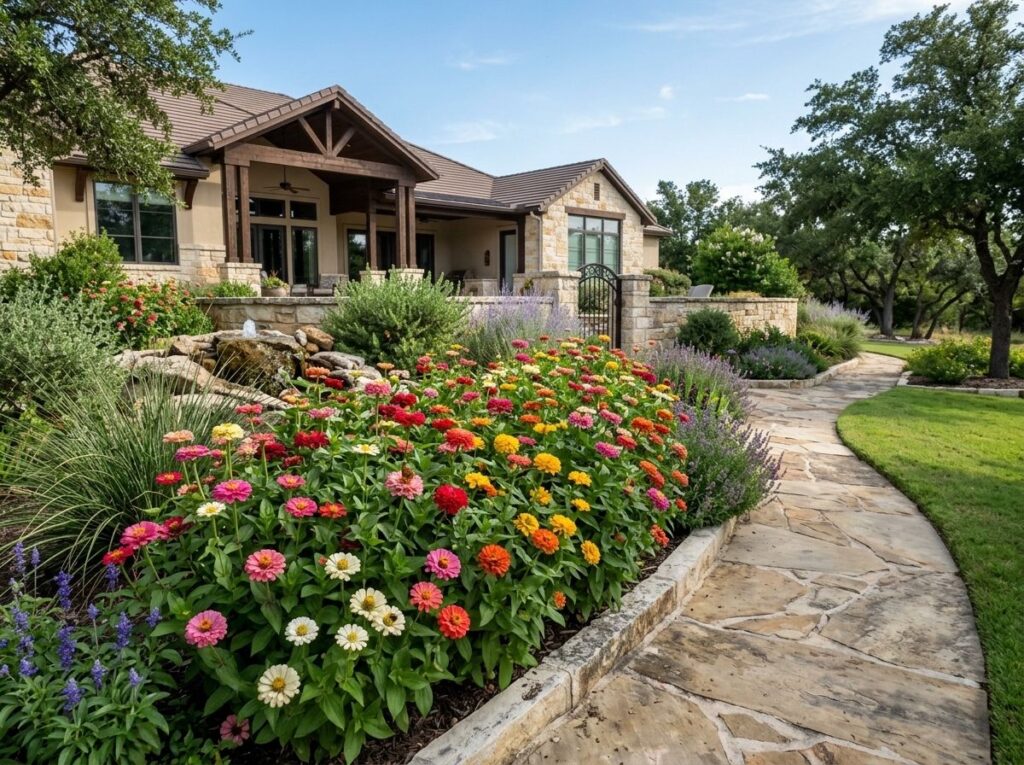
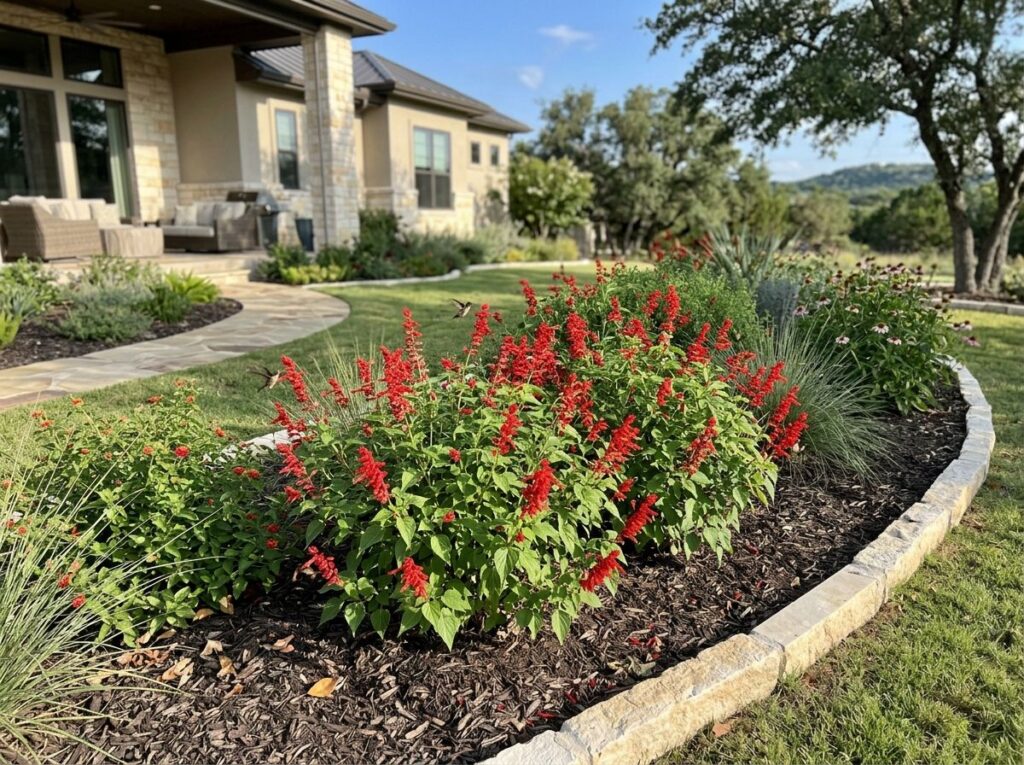
Wildlife Garden Blend

Ready When You Are
Get a Clear Plan for Your Yard
Tell us what you’d like to improve. We’ll ask a few questions, review your project, and let you know the best next step — no pressure and no guesswork. Fill out the form for a free quote.