
Trees Crab Apple
(Malus sylvestris)
Other Common Names: European Crabapple, Wild Apple
Bees
Birds
Deciduous
Edible Parts
Flowering
Full Sun
Recommended Use: Best for ornamental use in riparian areas with good drainage and as wildlife support.
Introduction to Malus sylvestris
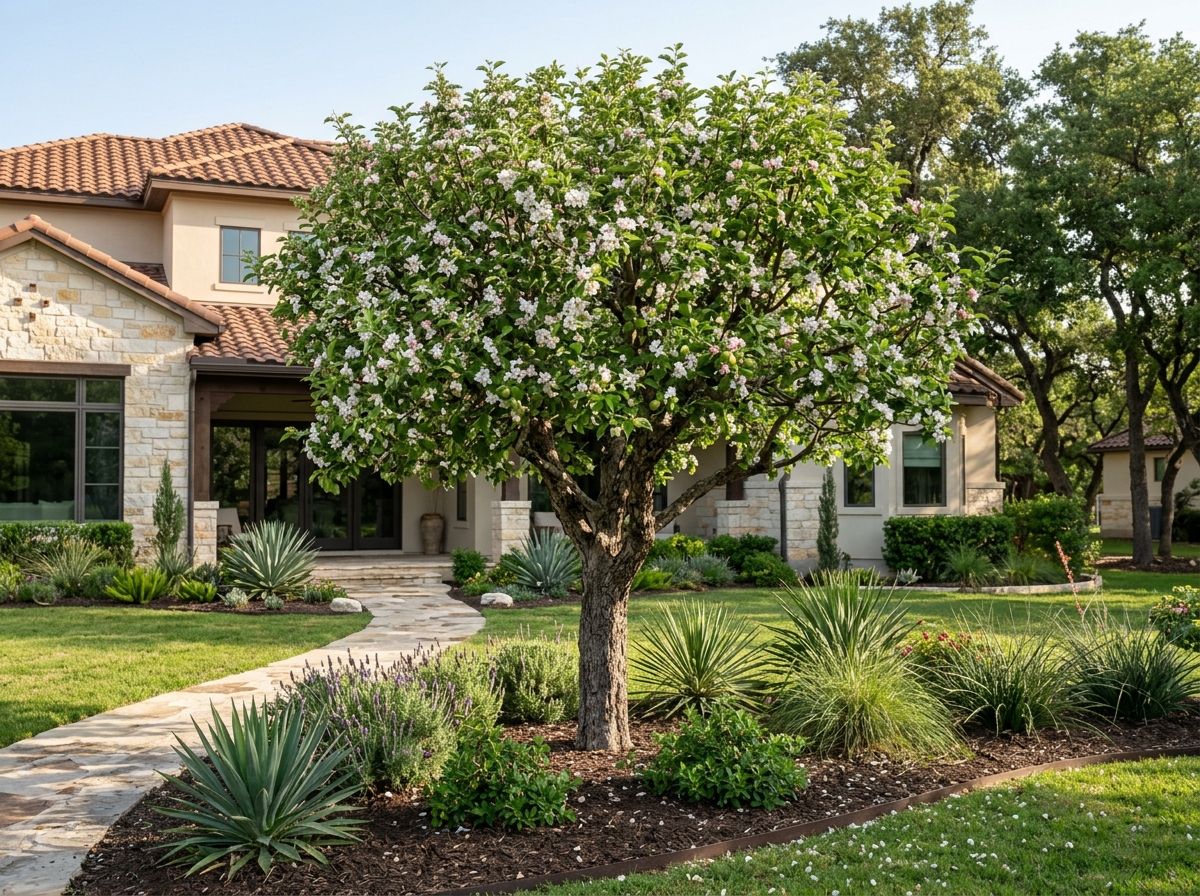
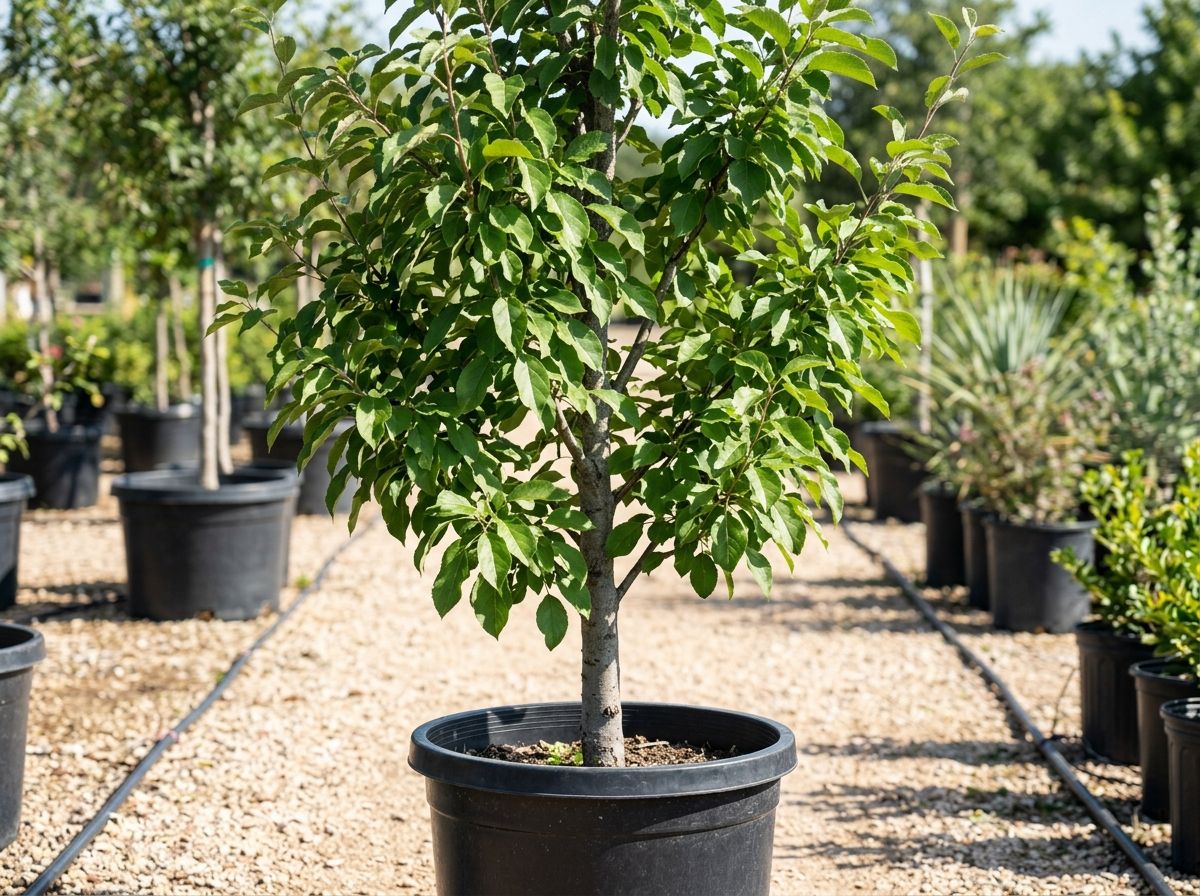
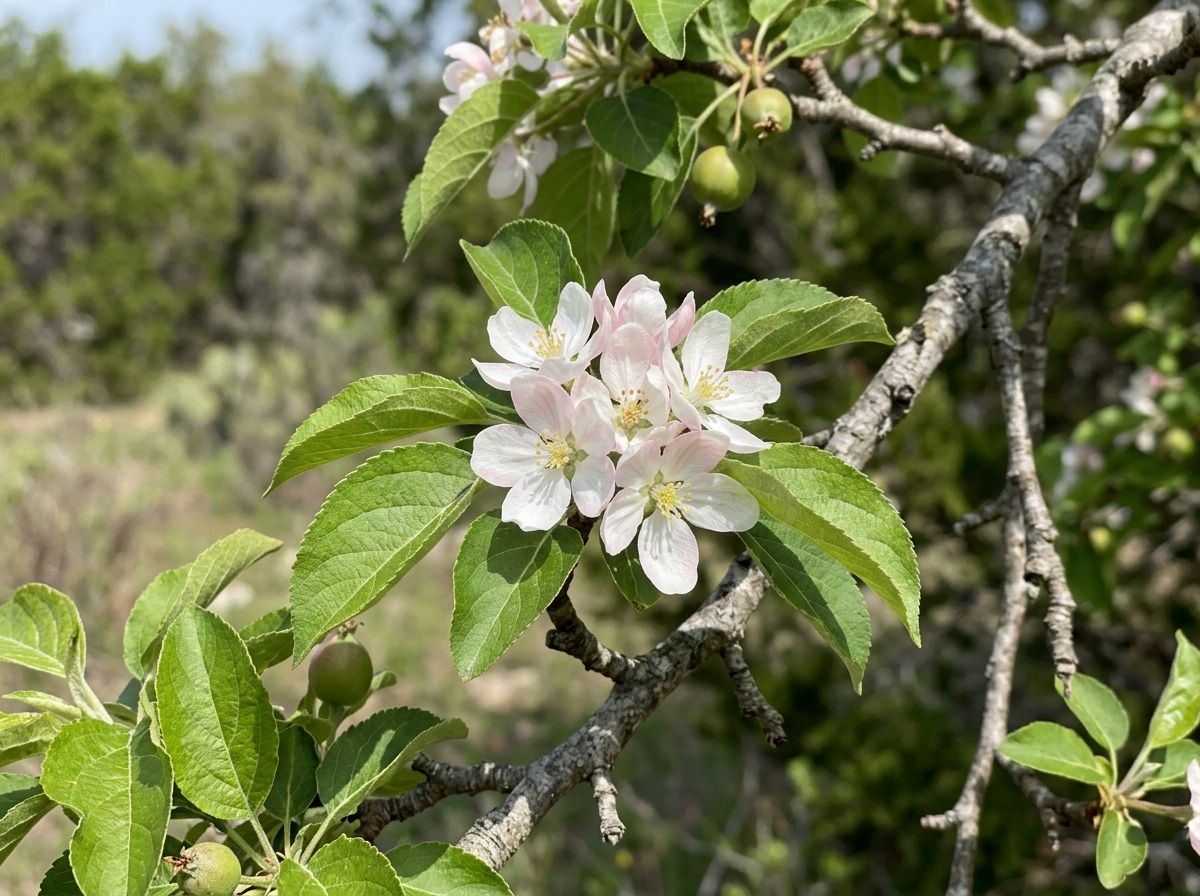
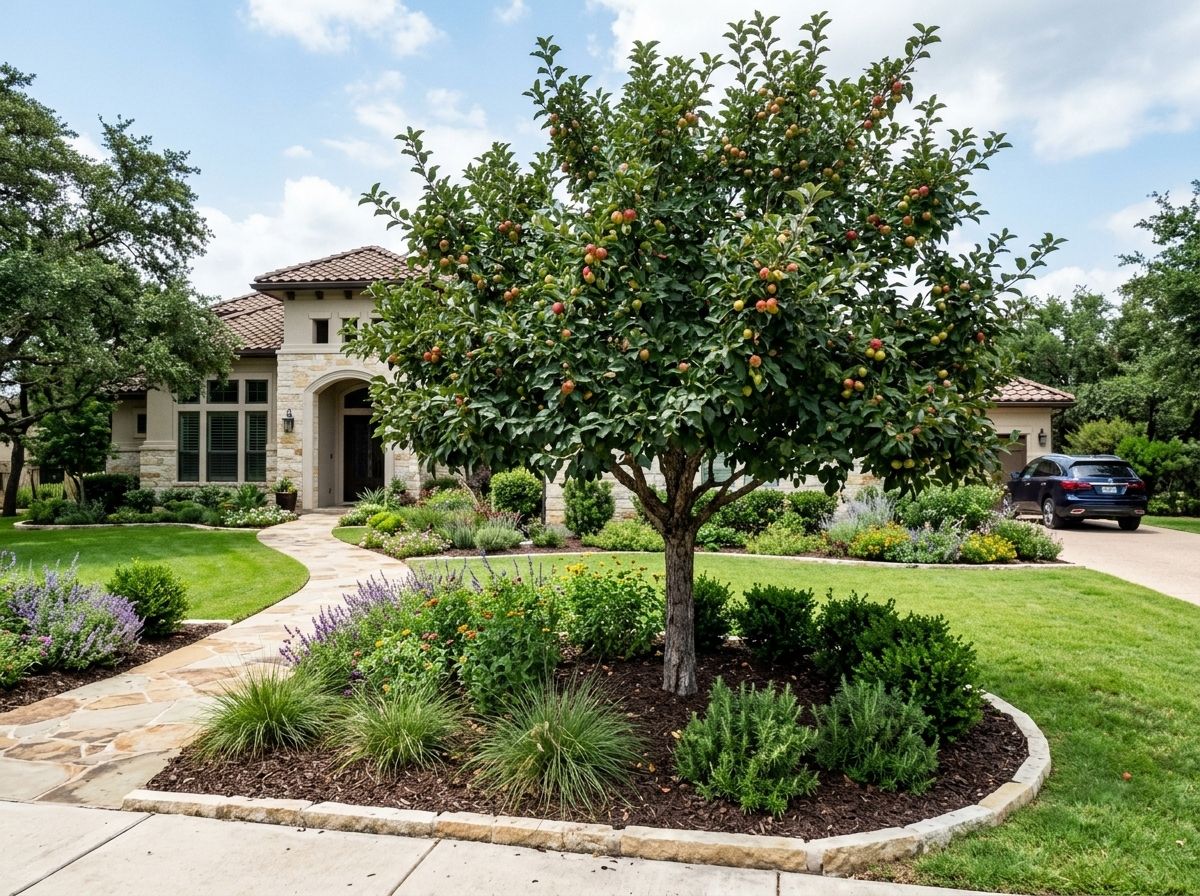
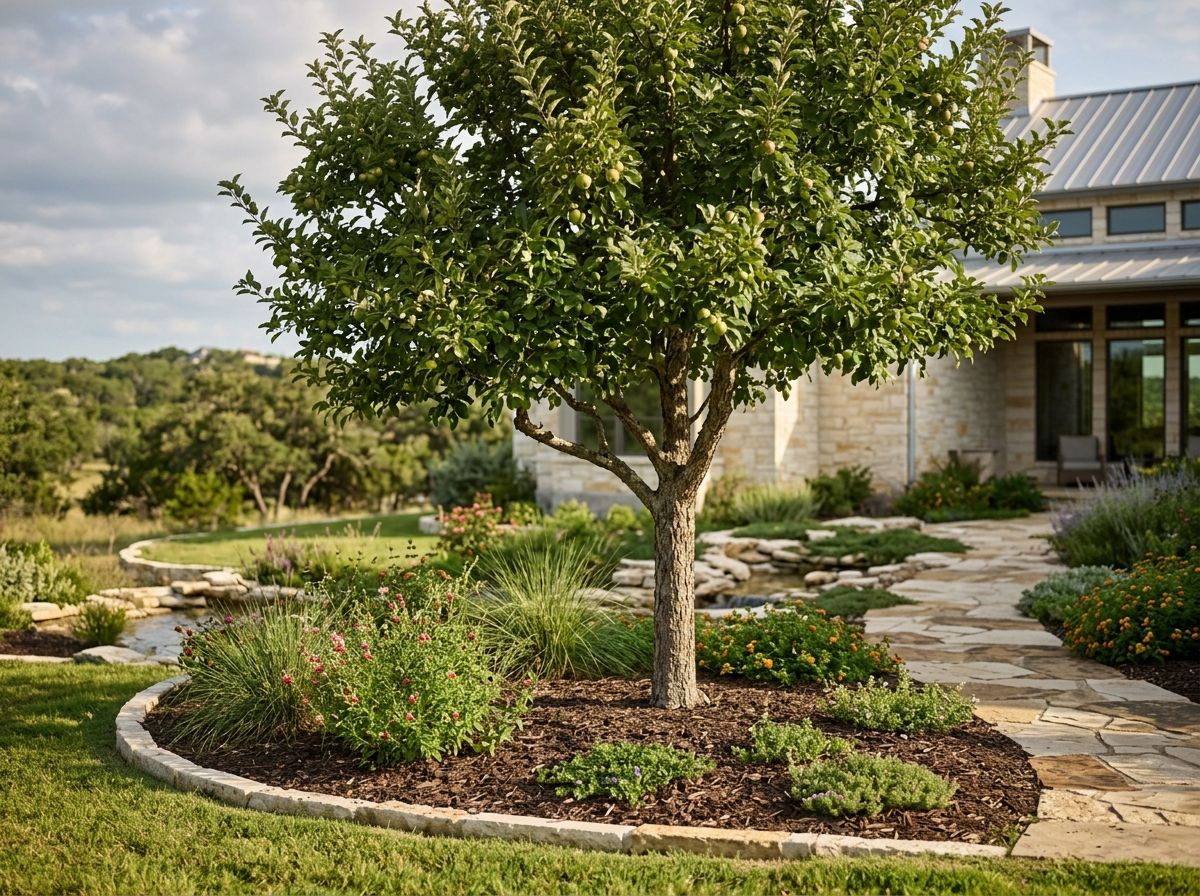
The Crab Apple, known scientifically as Malus sylvestris, is a large, deciduous shrub or small tree that brings charm to any landscape. Characterized by its attractive clusters of white flowers during the spring, this plant creates a stunning show of color and is often used to enhance garden aesthetics. Typically reaching heights of 15 to 30 feet, it has a spreading canopy that provides partial shade. In the fall, the leaves transform into a mix of yellow and orange hues. This plant is perfect for ornamental use, hedging, or as a specimen tree in gardens.
Maintenance Guide
Malus sylvestris thrives with regular watering, especially during dry spells, although it can tolerate short periods of drought once established. It prefers full sun to partial shade, making it adaptable to different garden settings. The ideal soil for this plant is well-drained, loamy, and slightly acidic. For optimal growth, prune the Crab Apple in late winter or early spring to maintain its shape and remove any dead or crossing branches. It has moderate resistance to pests and diseases, though vigilance for common apple-related issues like fire blight is recommended.
Quick Facts
– Hardiness Zones: 4-7
– Growth Rate: Moderate
– Deer Resistance: Moderately resistant
– Pollinator Attraction: Highly attractive to bees and other pollinators
Want this product installed? Check out our page to view pricing and other details.
Related Products
Planting Role / Visual Structure > Focal Plant Palette
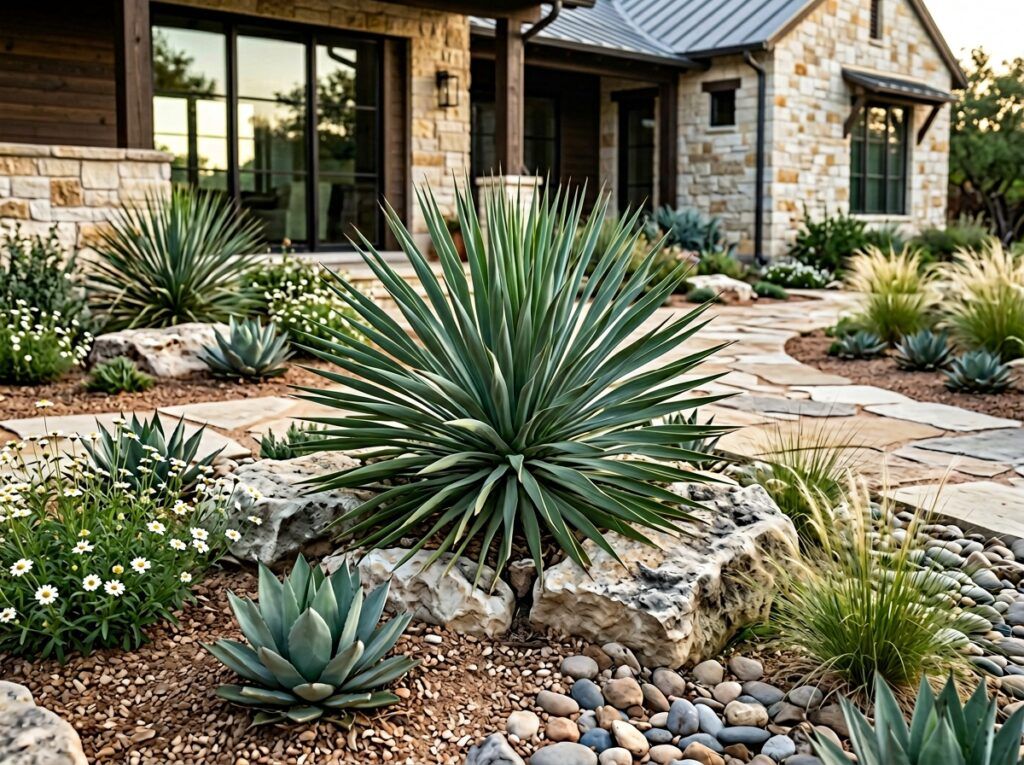
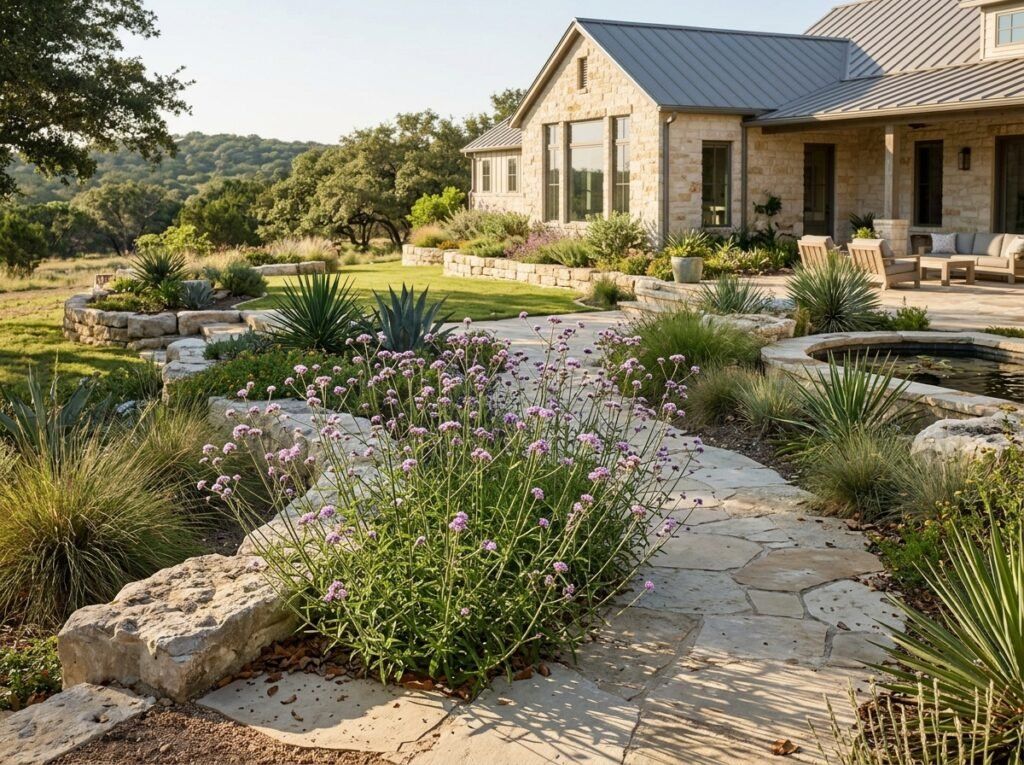
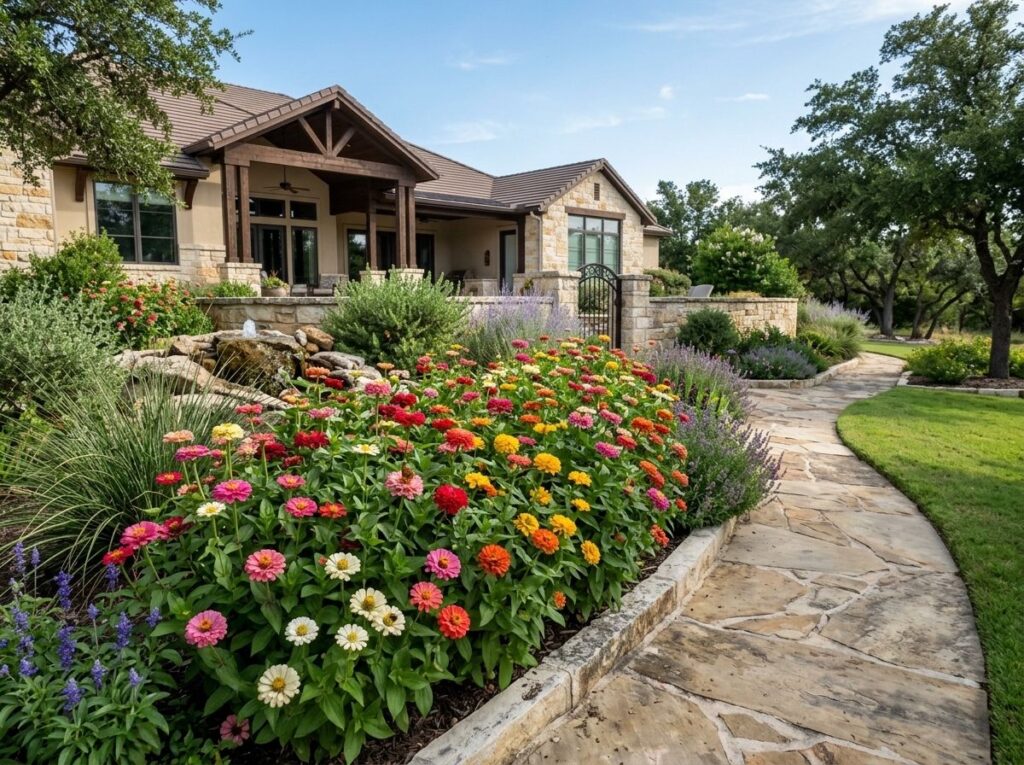
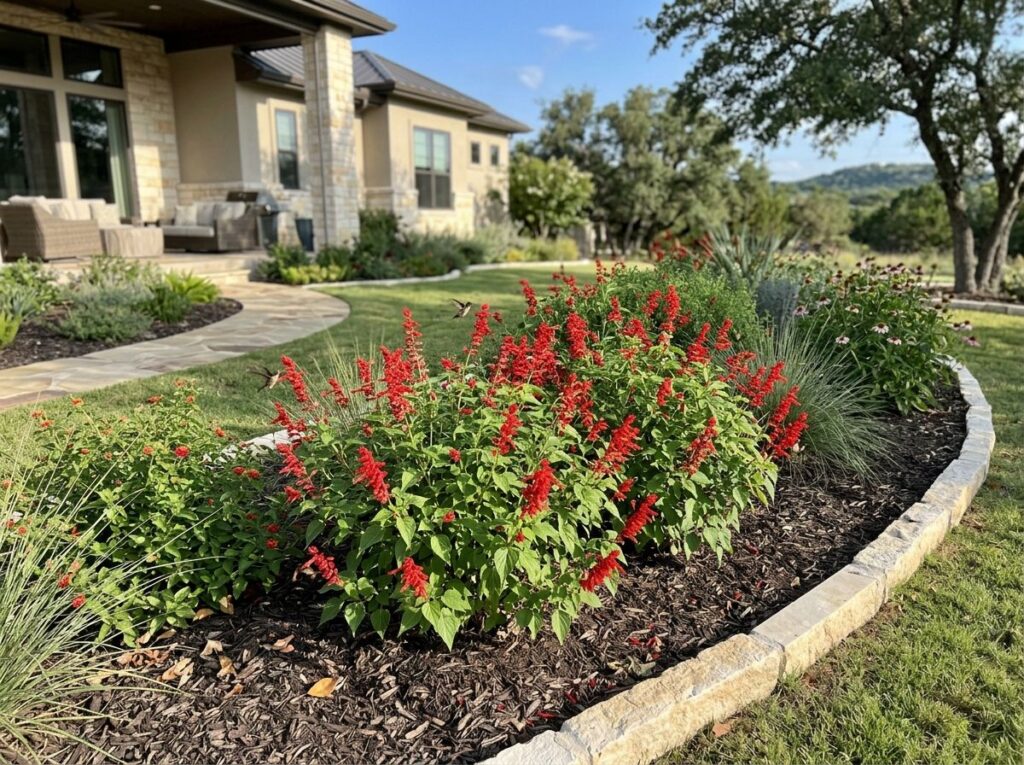
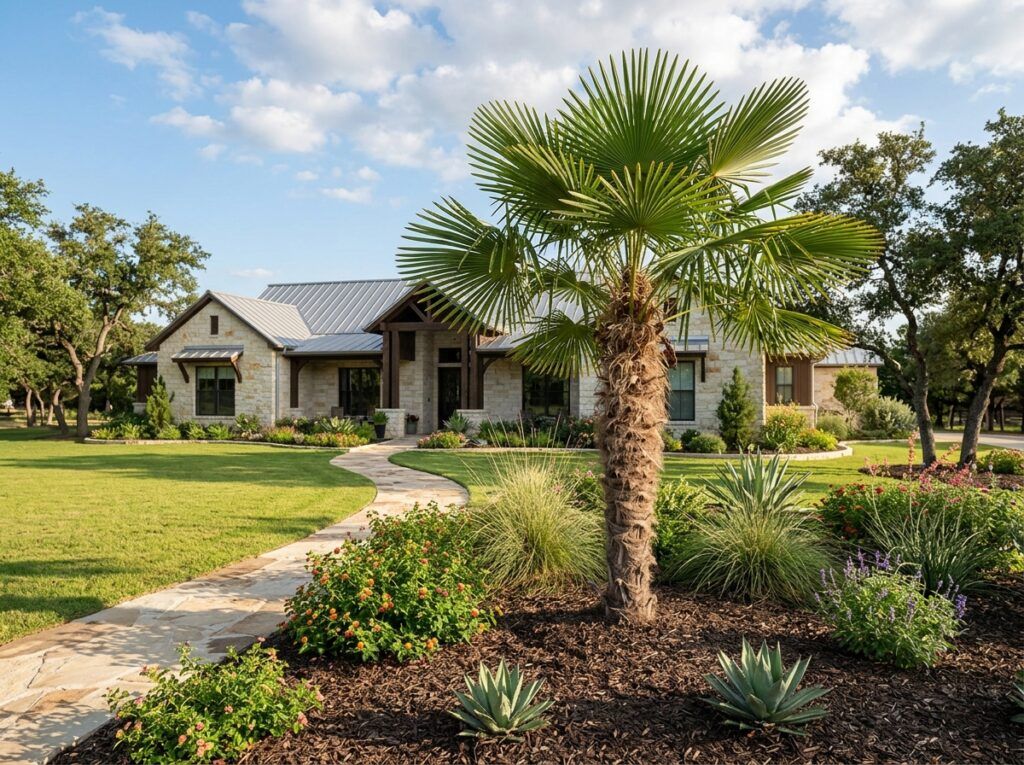
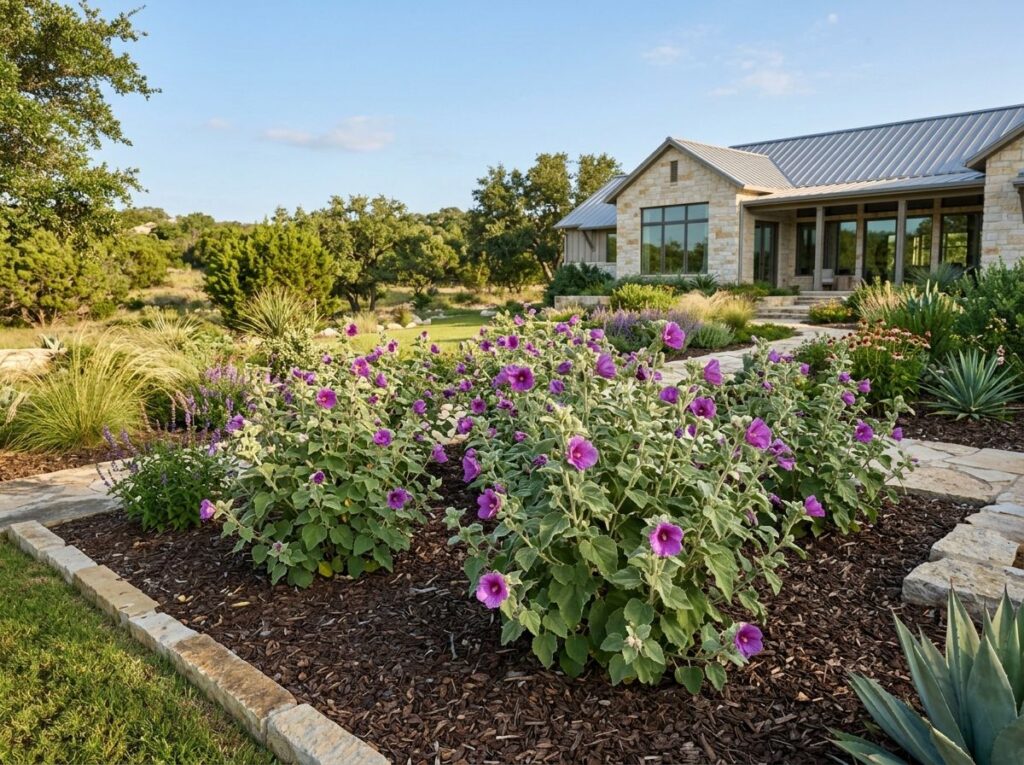
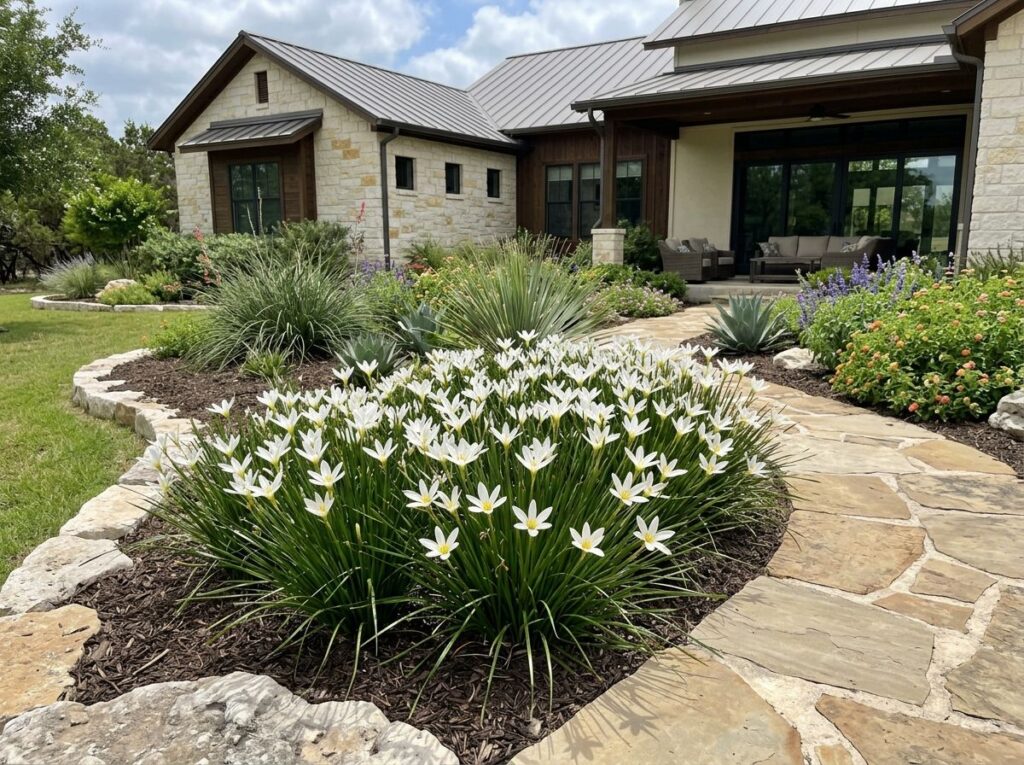
Wildlife Garden Blend

Ready When You Are
Get a Clear Plan for Your Yard
Tell us what you’d like to improve. We’ll ask a few questions, review your project, and let you know the best next step — no pressure and no guesswork. Fill out the form for a free quote.