
Trees Anacacho Orchid Tree
(Bauhinia lunarioides)
Other Common Names: Texas Plume, Pata de Vaca, Anacacho Bauhinia, Orchid Bauhinia
Bees
Butterflies
Deciduous
Drought-Tolerant
Flowering
Freeze Hardy
Full Sun
Recommended Use: Perfect for small, sunny yards needing a decorative flowering tree with seasonal color.
Intro/Overview
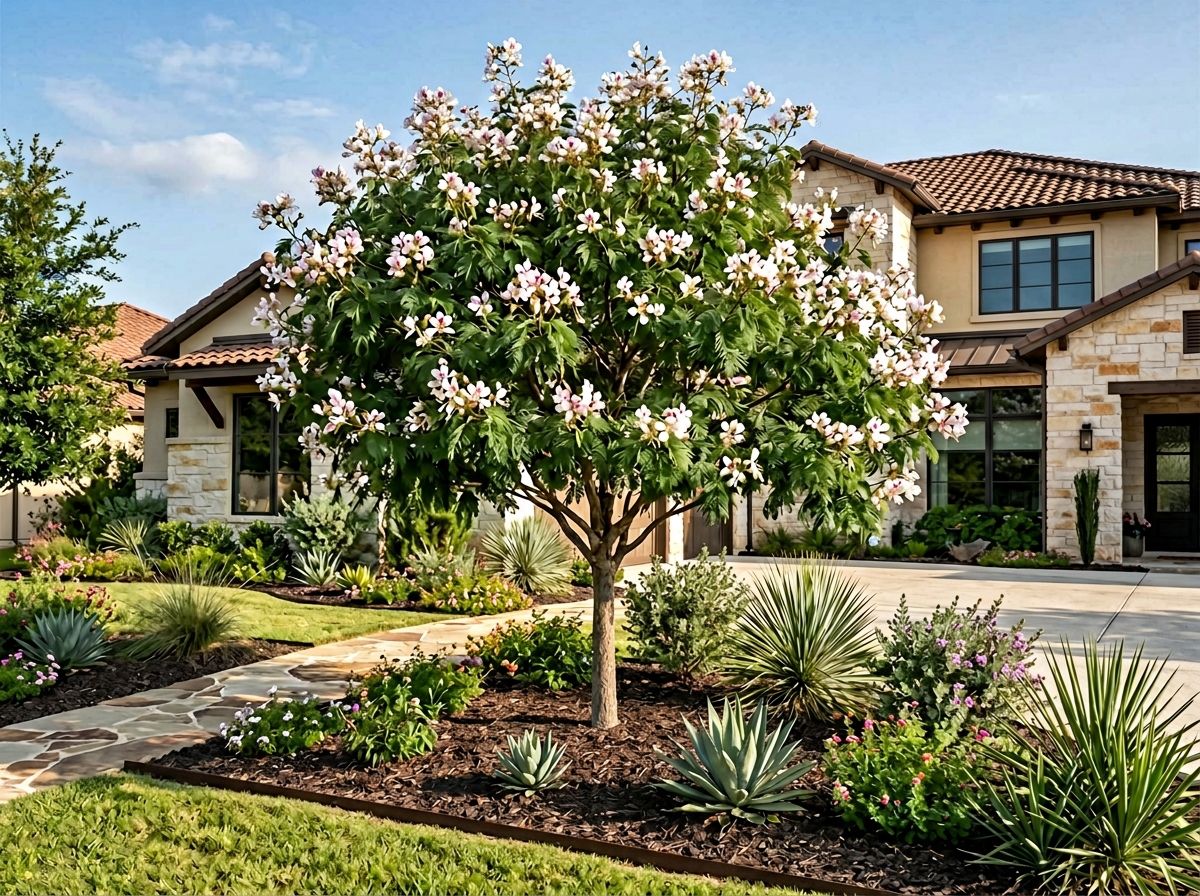
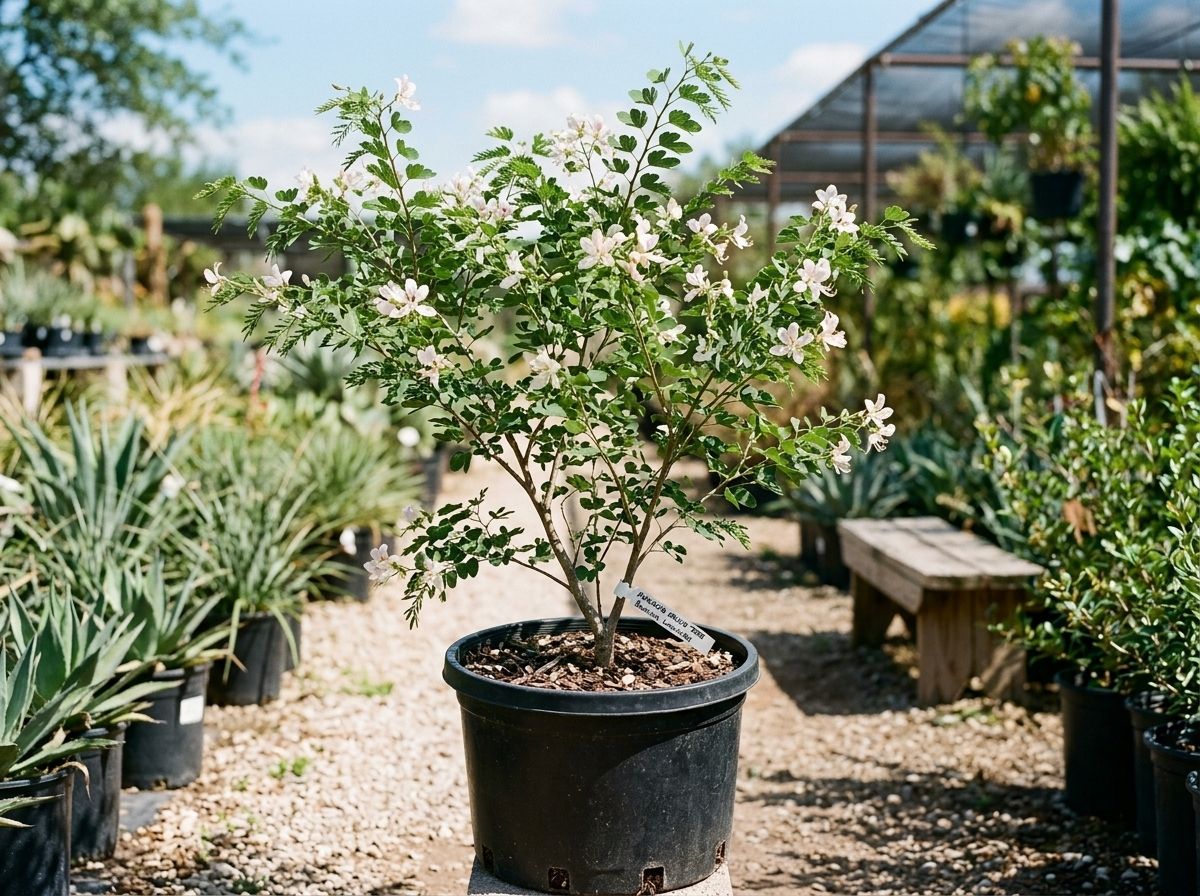
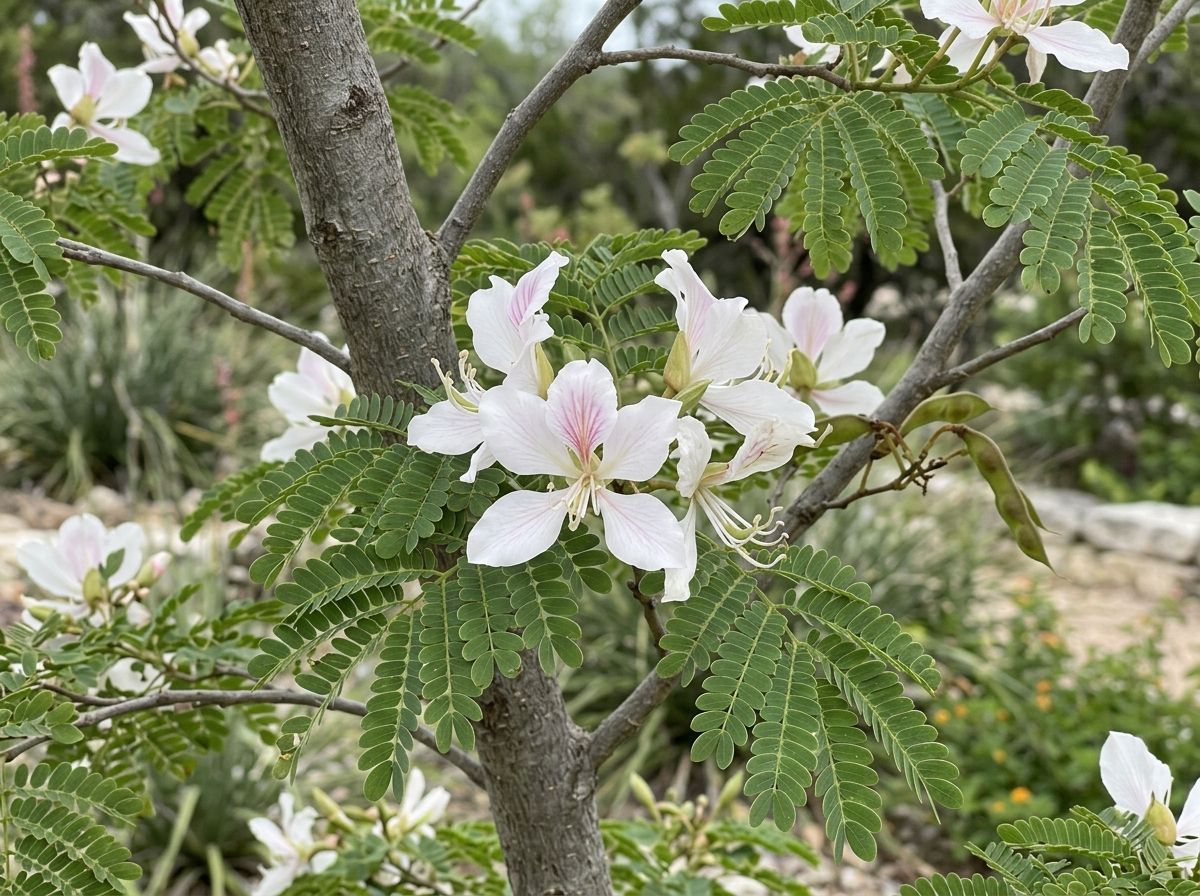
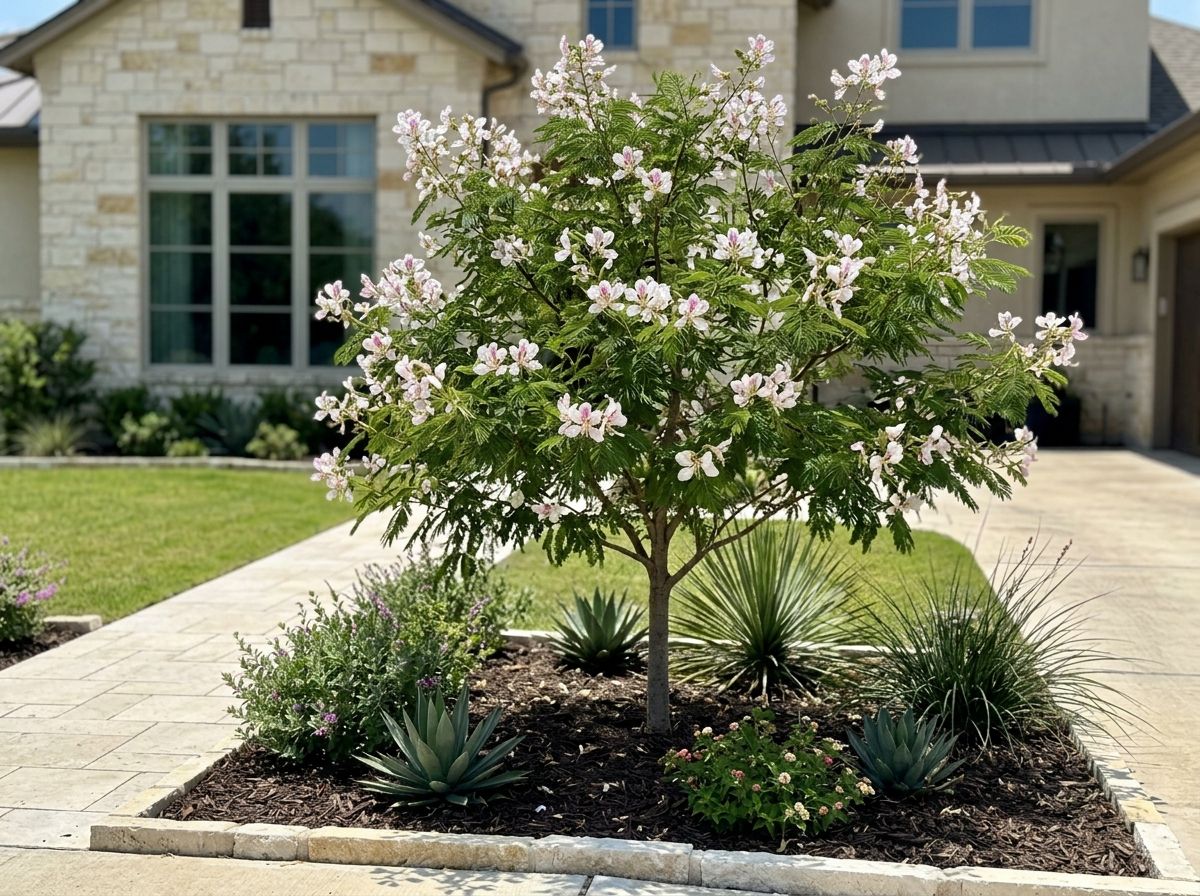
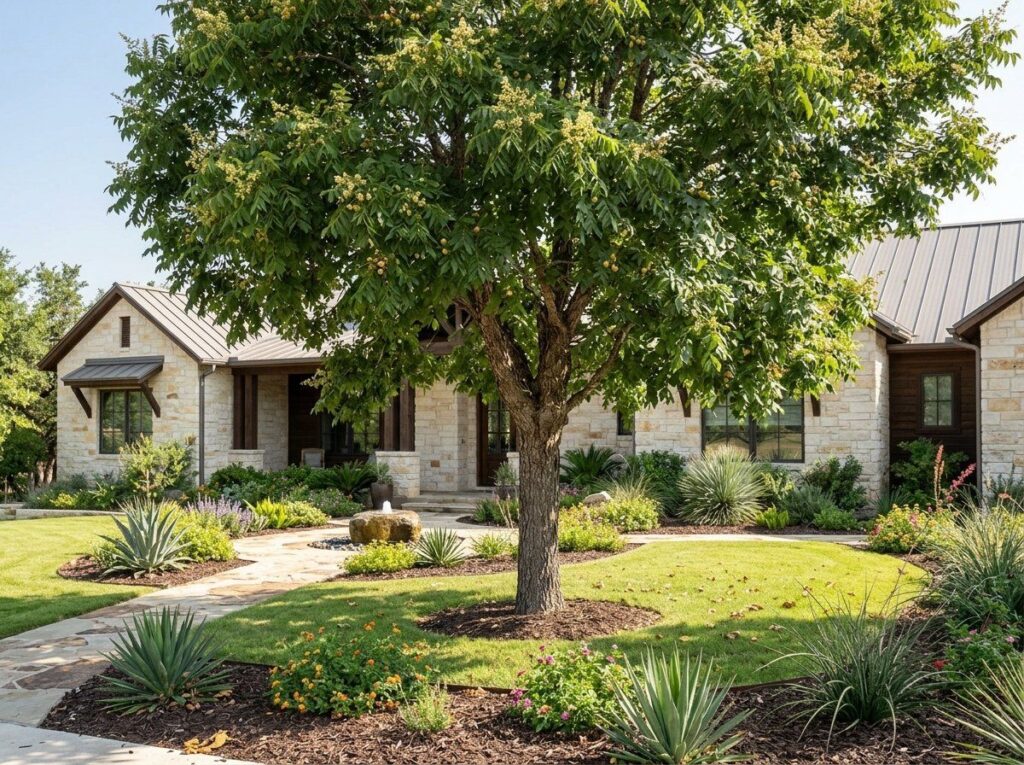
The Anacacho Orchid Tree is a small, deciduous tree native to Texas and northern Mexico, known for its delicate, butterfly-shaped white or pink flowers and feathery, fern-like foliage. It thrives in well-drained soils and sunny locations, making it an ideal choice for xeriscaping in San Antonio gardens due to its drought tolerance and ornamental appeal.
Key Features & Benefits
The Anacacho Orchid Tree stands out in the landscape with its unique, delicate blossoms and attractive foliage. Its compact size makes it suitable for small gardens, while its drought resistance makes it a sustainable choice for xeriscaping. This tree adds a touch of elegance and texture to any garden setting.
Growing Requirements
This tree performs best in full sun and requires well-drained soil to thrive. It is highly drought-tolerant once established, needing minimal water to maintain its beauty. Minimal pruning and maintenance are needed, making it a low-effort addition to your garden.
Additional Notes
As a native tree to Texas and northern Mexico, the Anacacho Orchid Tree is well-adapted to the local climate. It offers seasonal interest with its spring blossoms and provides habitat value for local wildlife, attracting pollinators such as bees and butterflies.
Care Tips
- Watering: Water regularly during establishment (first year). After that, water only during prolonged dry periods.
- Mulching: Apply a 2–3 inch layer of mulch to retain moisture and suppress weeds, but keep mulch a few inches away from the trunk to prevent rot.
- Fertilizing: Generally does not require fertilizer, but a light application of compost in spring can encourage growth.
Design Ideas
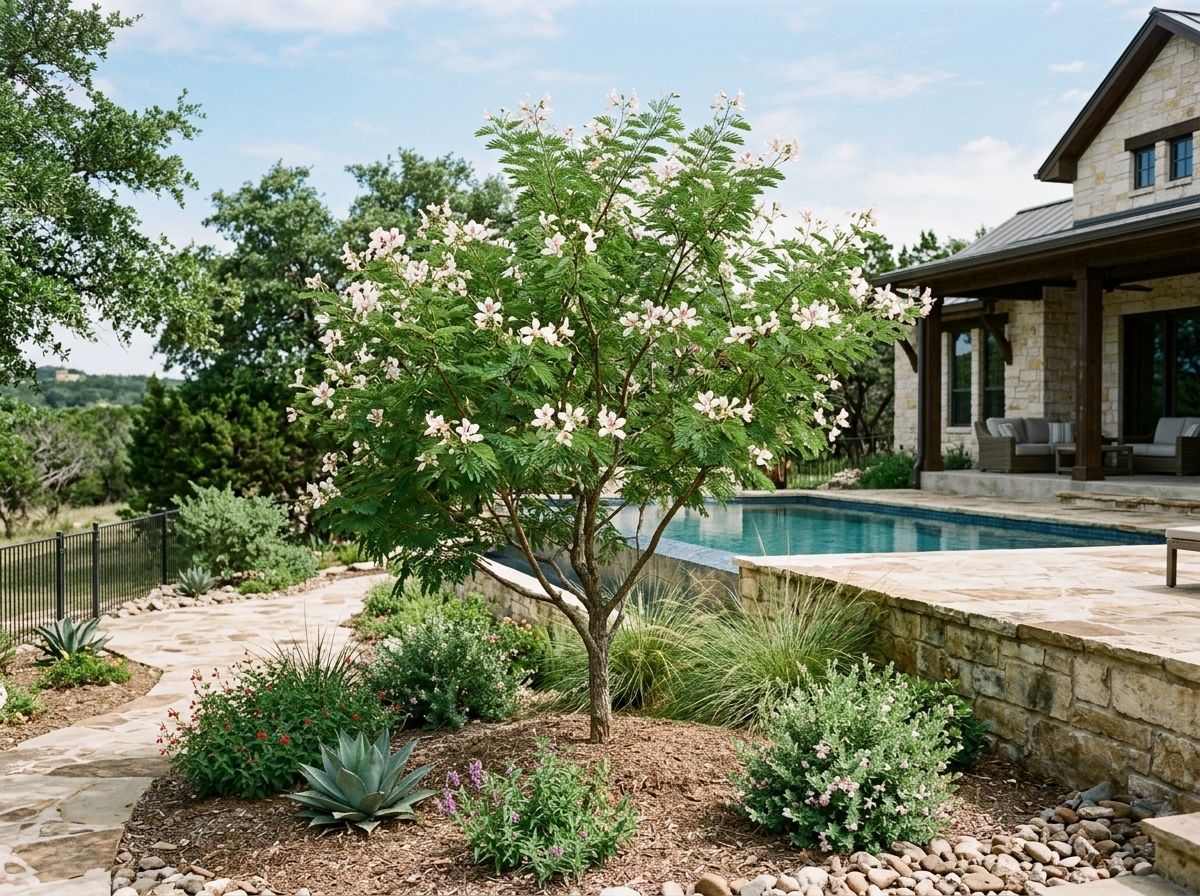
- Landscape Placement: Use as a specimen tree in small yards, patios, or courtyards. Looks attractive against stone, stucco, or wood backgrounds.
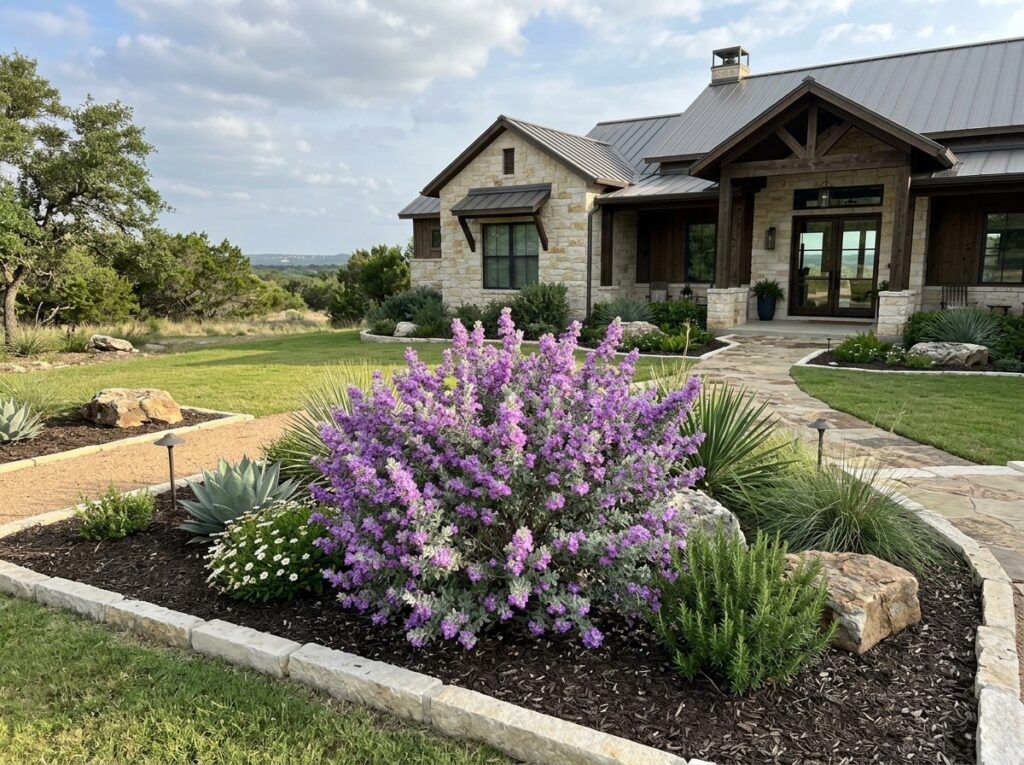
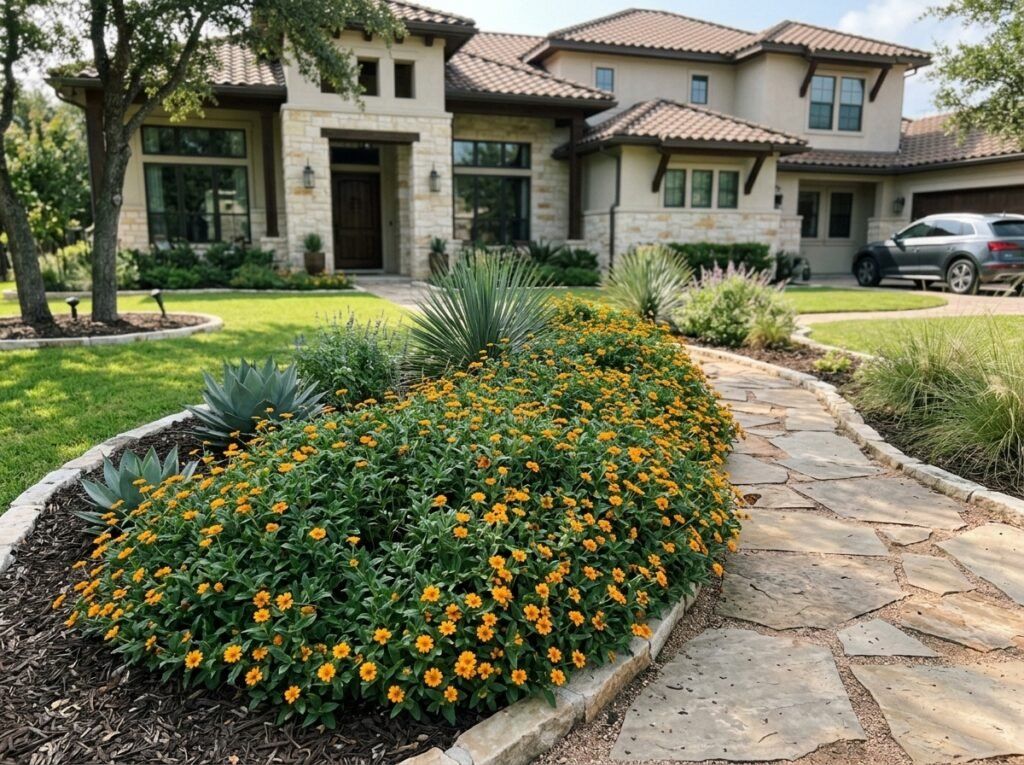
- Companion Plants: Pair with other drought-tolerant Texas natives like Blackfoot Daisy, Damianita, or Mexican Feathergrass for a cohesive look.
Potential Issues
- Pests & Diseases: Rarely troubled by pests or diseases, but root rot can occur in poorly drained soils.
- Pruning: Remove lower limbs if desired for a more tree-like form; otherwise, let it grow naturally for a shrubbier look.
Wildlife Value
- Pollinators: Attracts native bees, butterflies, and occasional hummingbirds.
- Birds: Provides some cover for small birds.
Seasonal Interest
- Fall/Winter: May drop leaves early in fall; bark and branch structure provide winter interest.
- Spring: Showy blossoms are the highlight.
Deer Pressure
- Not reliably deer-resistant. Protect young plants if deer are present.
Other Considerations
- Growth Rate: Moderate.
- Transplanting: Young trees transplant better; established trees may not respond well to being moved.
- Longevity: Long-lived if planted in proper conditions.
Fun Fact
- The unique twin-lobed leaves resemble a butterfly or cow’s hoof print—hence the Spanish name “Pata de Vaca.”
Want this product installed? Check out our page to view pricing and other details.
Related Products
Planting Role / Visual Structure > Focal Plant Palette
Wildlife Garden Blend
Ready When You Are
Get a Clear Plan for Your Yard
Tell us what you’d like to improve. We’ll ask a few questions, review your project, and let you know the best next step — no pressure and no guesswork. Fill out the form for a free quote.