
Shrubs Buckeye
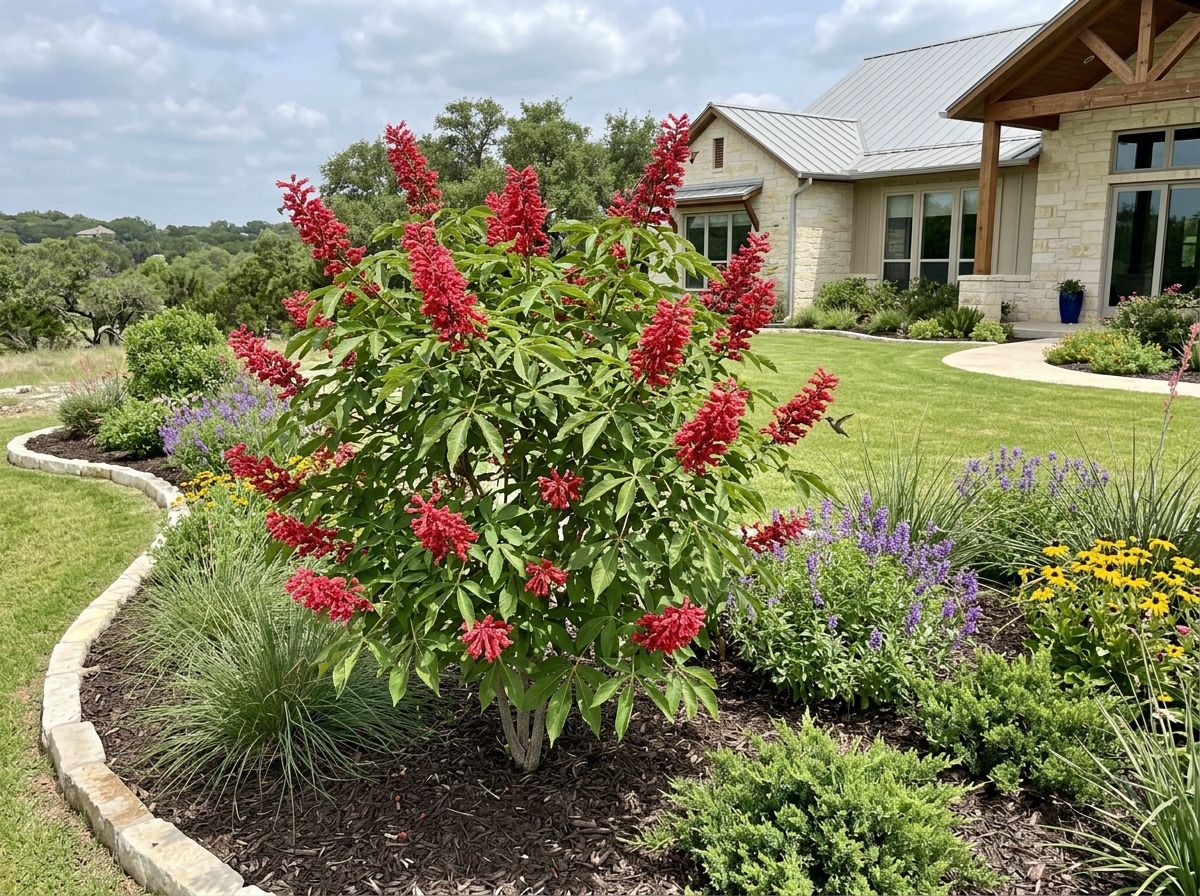
(Aesculus pavia)
Other Common Names: Red Buckeye, Scarlet Buckeye
Bees
Deciduous
Flowering
Hummingbirds
Partial Sun
Recommended Use: Perfect for shade gardens needing spring flowers and seasonal color with minimal water needs.
Overview of the Buckeye Plant
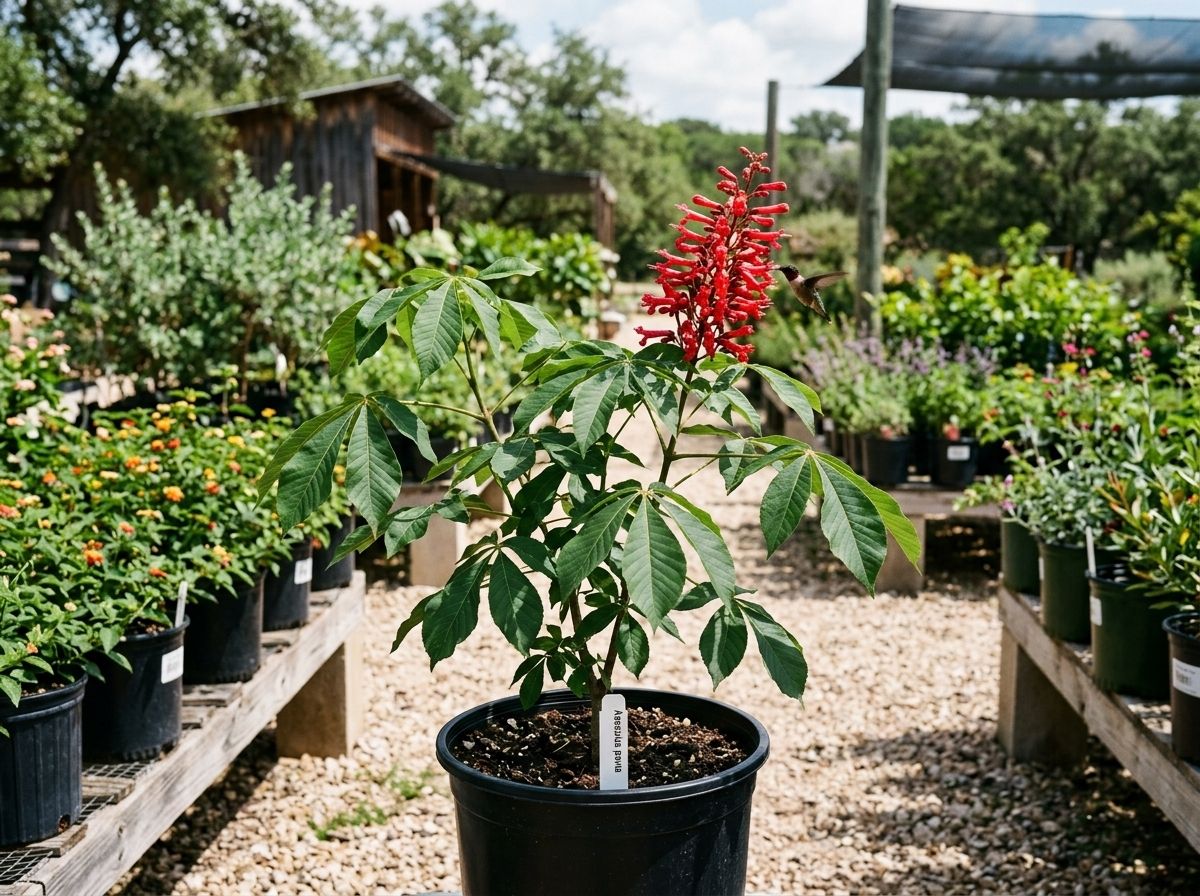
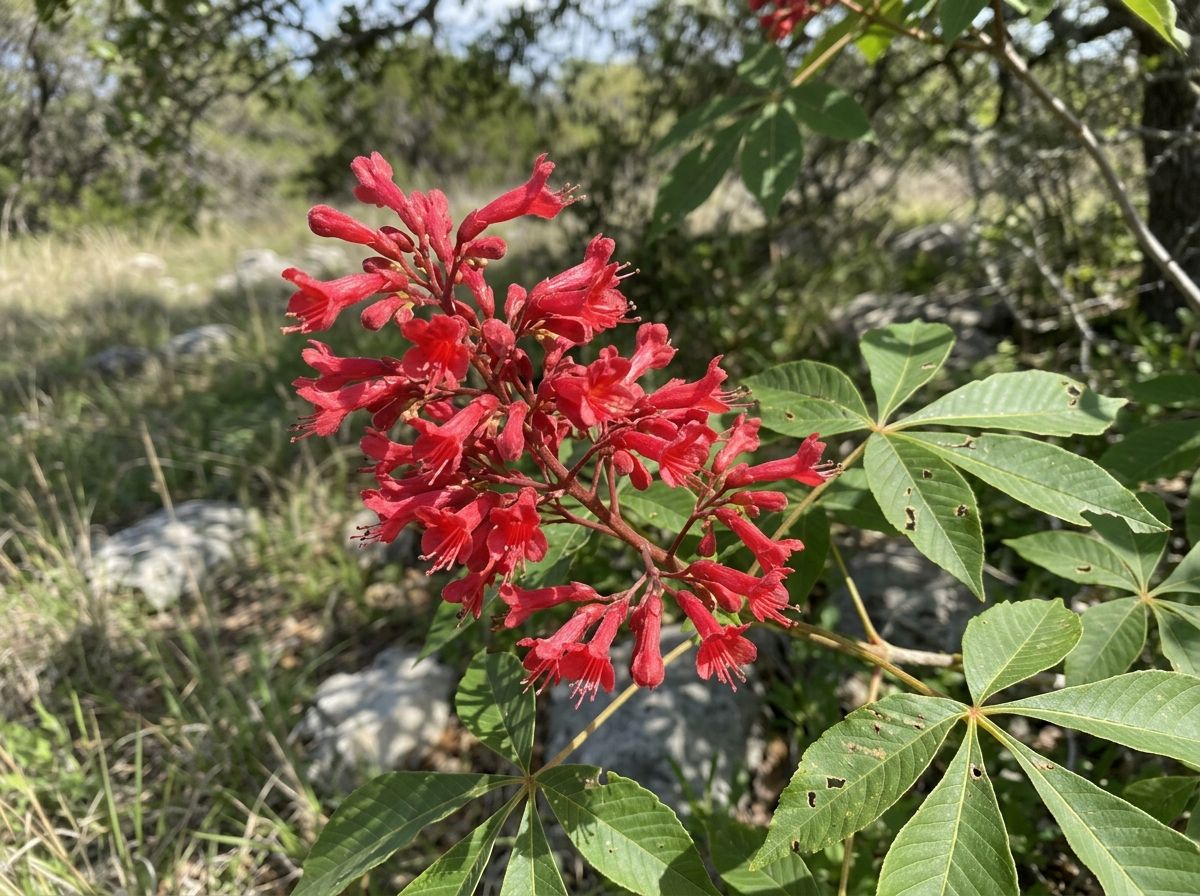
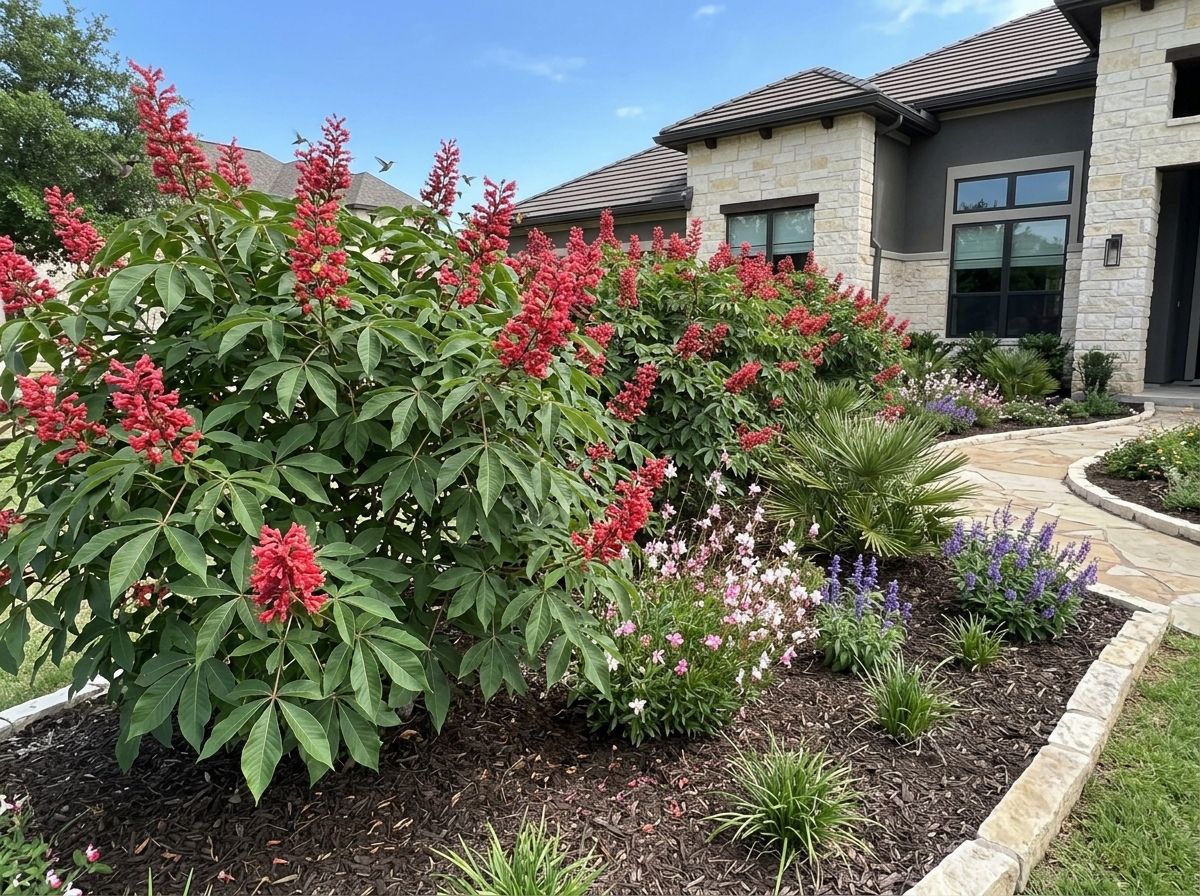
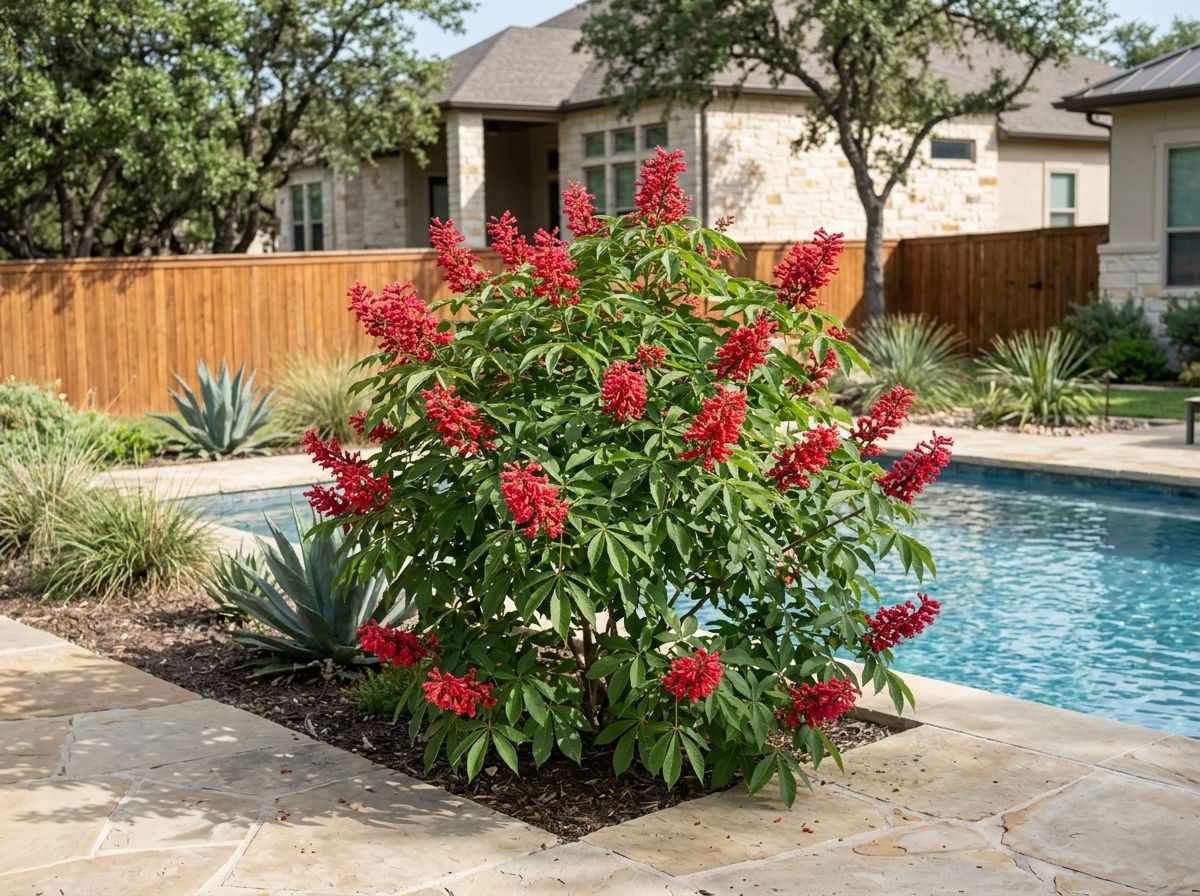
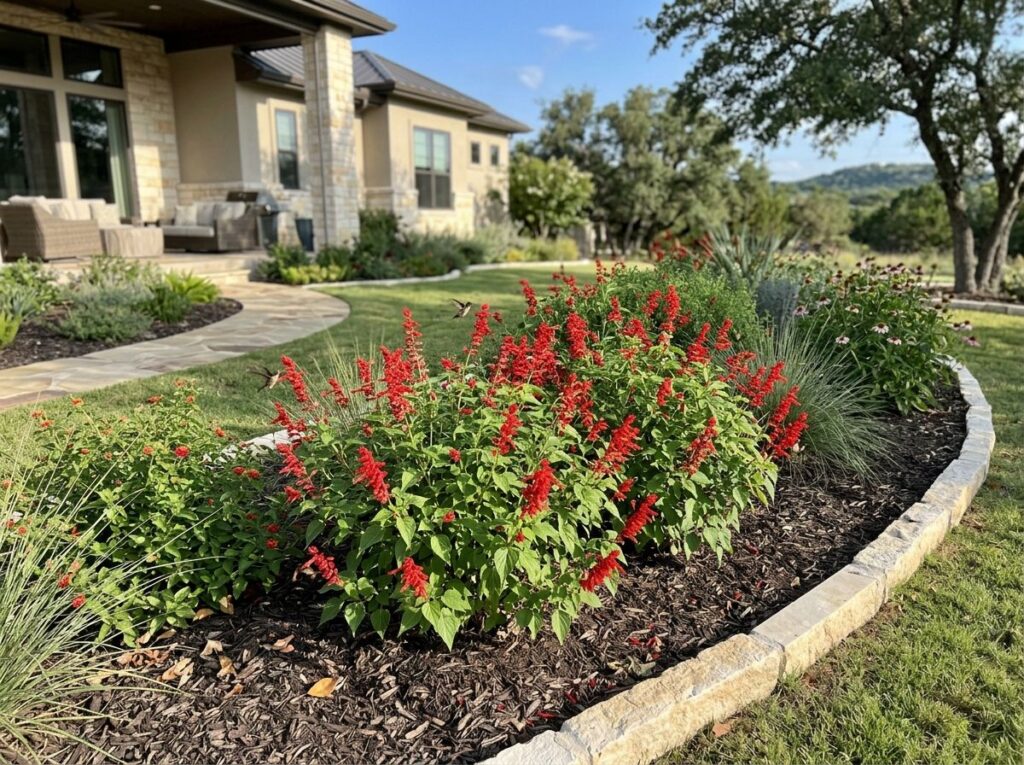
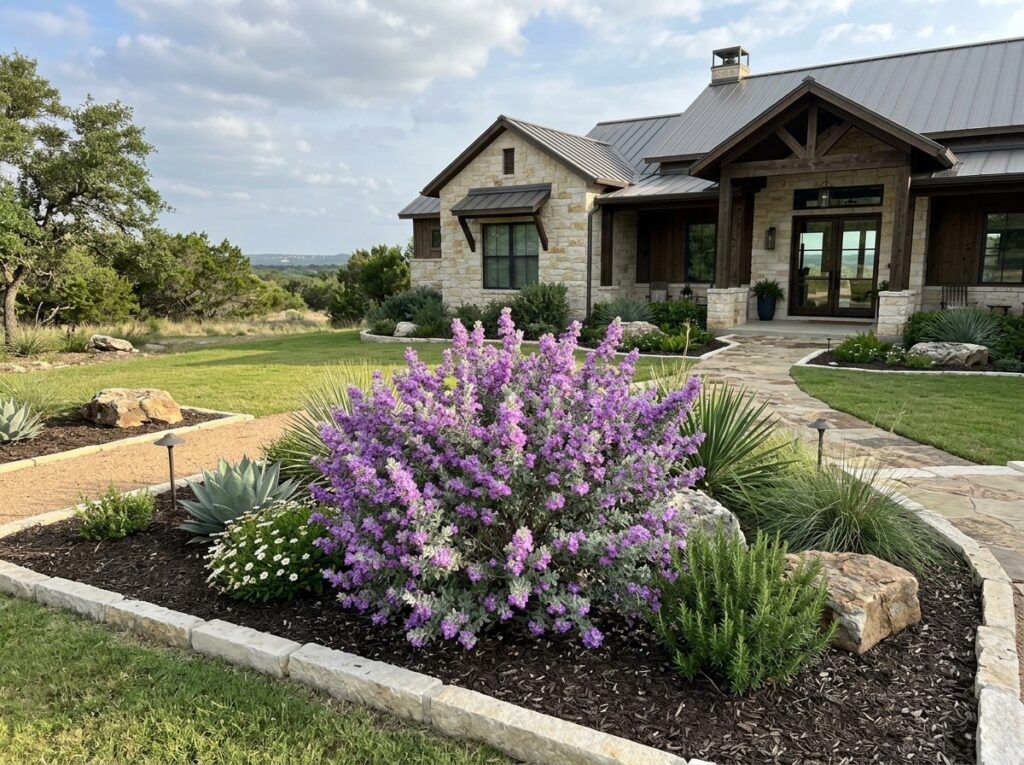
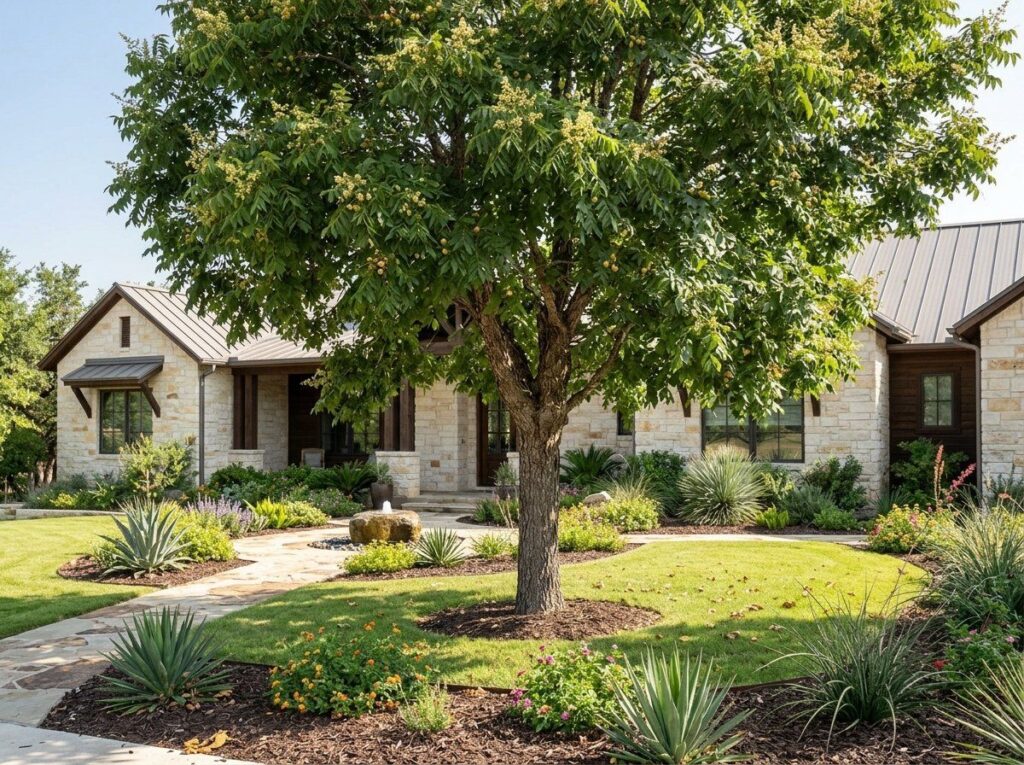
The Buckeye plant, known scientifically as Aesculus pavia, is a striking deciduous shrub or small tree that can reach heights of 10 to 20 feet. Known for its attractive appearance, it features compound leaves and produces eye-catching clusters of tubular yellow or red flowers in the spring. This plant is commonly used in landscaping for its ornamental qualities and ability to provide dense, lush foliage in shaded areas. Its vibrant blooms make it a popular choice for adding a splash of color under large trees or as a focal point in mixed shrub borders.
Maintenance and Care
Aesculus pavia requires moderate watering, ensuring the soil remains consistently moist but not waterlogged, though it tolerates some drought once established. It thrives in partial shade but tolerates full sun if soil moisture is adequate. Ideal soil conditions are well-drained, loamy soils rich in organic matter. Pruning is typically minimal, focusing on removing dead branches and maintaining its shape after flowering. This plant exhibits some resistance to deer browsing but may be eaten if other food is unavailable. Monitor occasionally for leaf scorch or mildew.
San Antonio Homeowner Tips:
- Handles San Antonio’s summer heat best with partial shade and consistent moisture.
- Often drops its leaves early in hot, dry summers—this is normal and not a sign of poor health.
- Prefers slightly acidic to neutral soil; avoid planting in heavy, poorly drained clay.
- Squirrels may eat the seeds; all parts are toxic to pets and people.
- Best planted away from walkways or play areas due to seed toxicity.
Quick Facts
- Hardiness Zones: 6 through 9
- Growth Rate: Moderate
- Special Characteristics: Attracts pollinators such as hummingbirds and bees; somewhat deer resistant
- Deciduous, even in dry weather
- Prefers shaded areas
- Noteworthy for its red flowers in spring
Want this product installed? Check out our page to view pricing and other details.
Related Products
Planting Role / Visual Structure > Focal Plant Palette
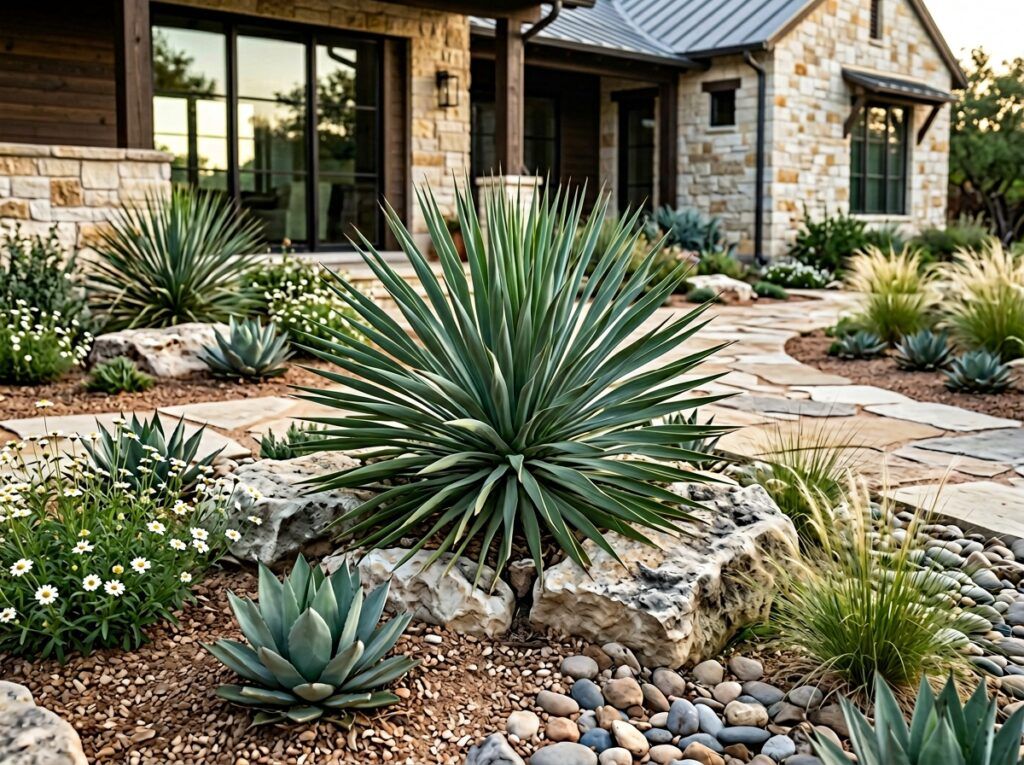
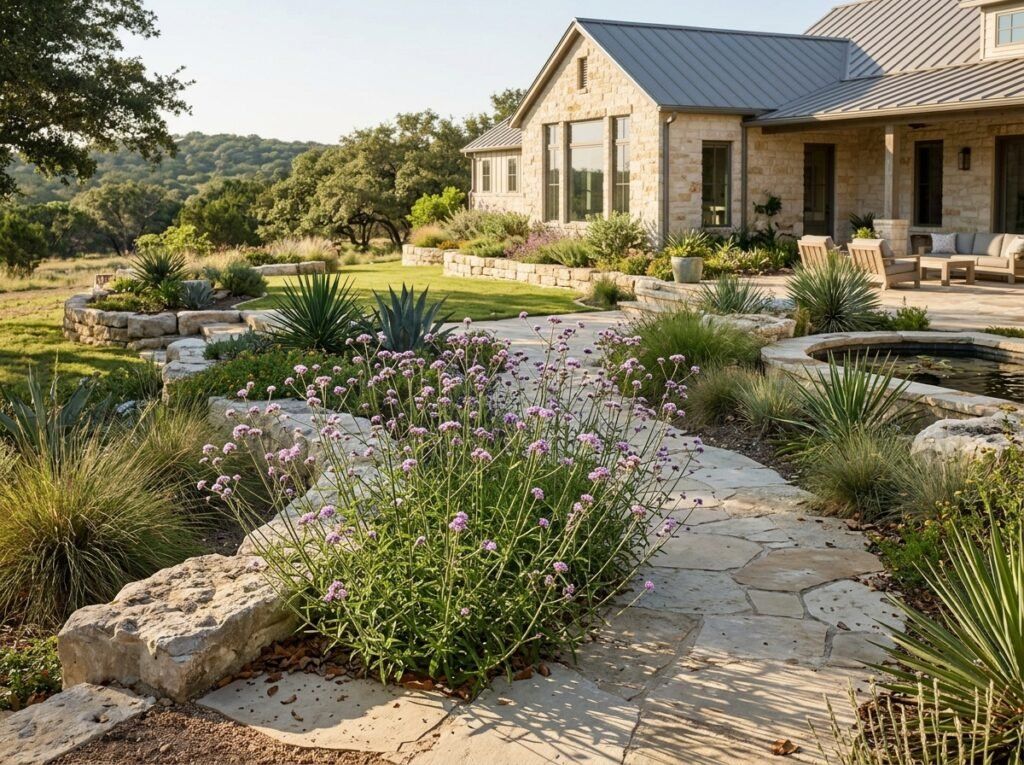
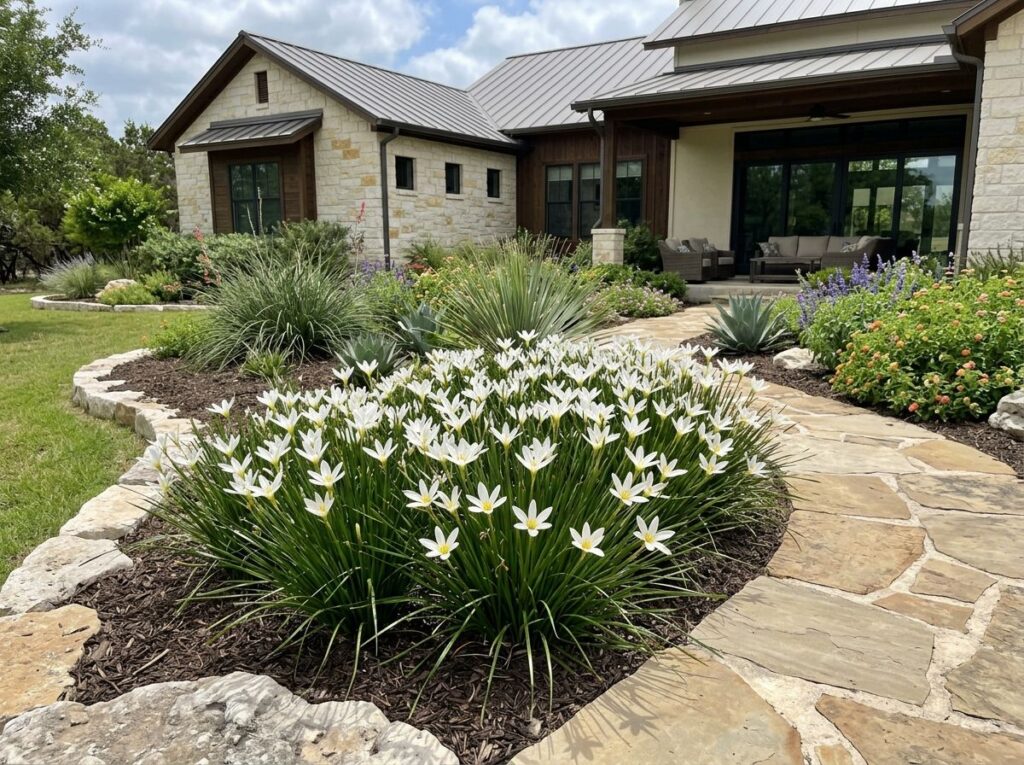
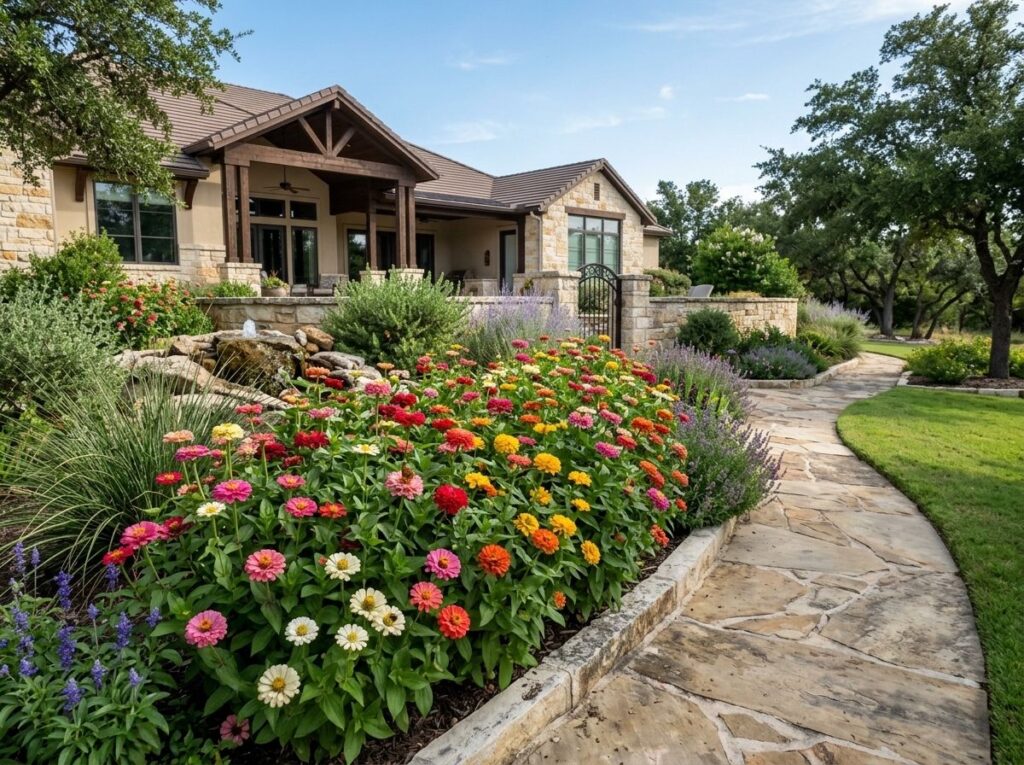
Wildlife Garden Blend
Ready When You Are
Get a Clear Plan for Your Yard
Tell us what you’d like to improve. We’ll ask a few questions, review your project, and let you know the best next step — no pressure and no guesswork. Fill out the form for a free quote.