
Shrubs Bay
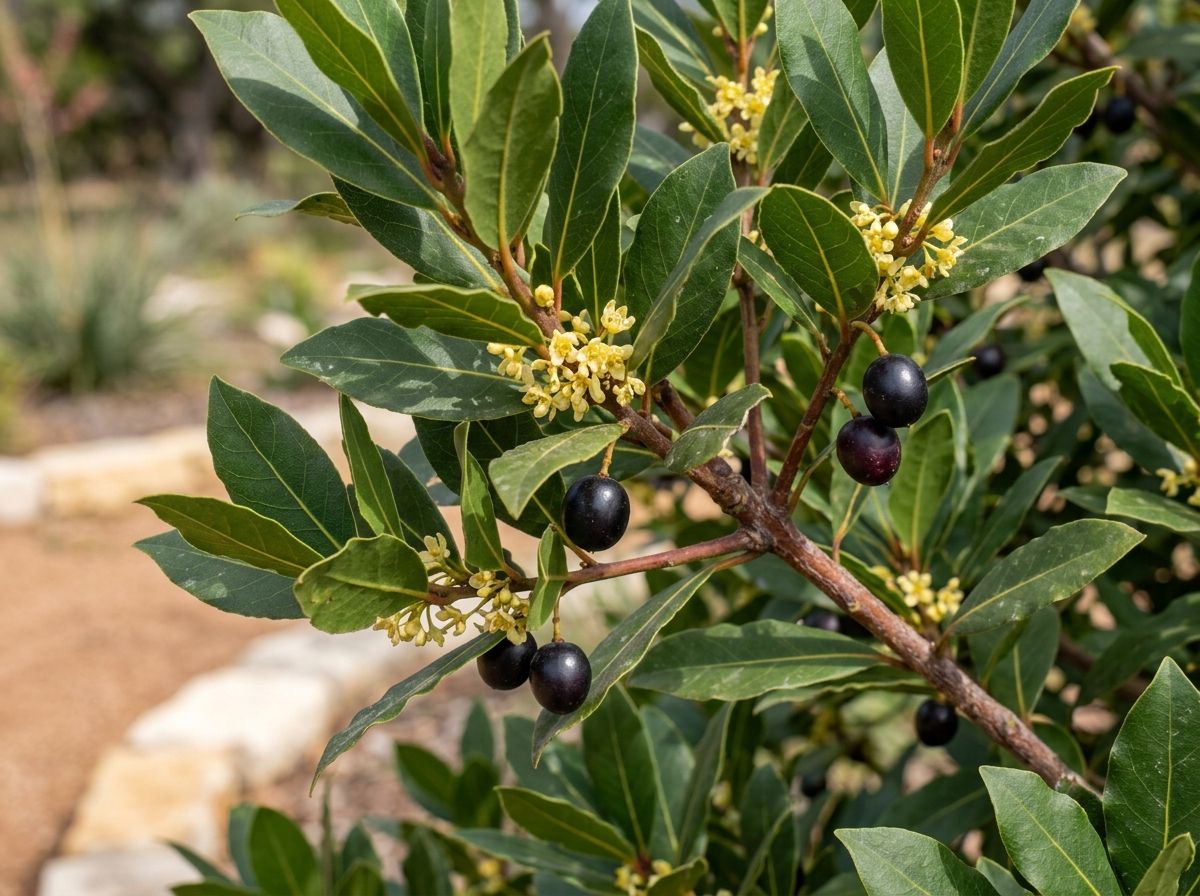
(Laurus nobilis)
Other Common Names: Sweet Bay, Bay Laurel
Bees
Deer Resistant
Edible Parts
Evergreen
Fragrant
Partial Sun
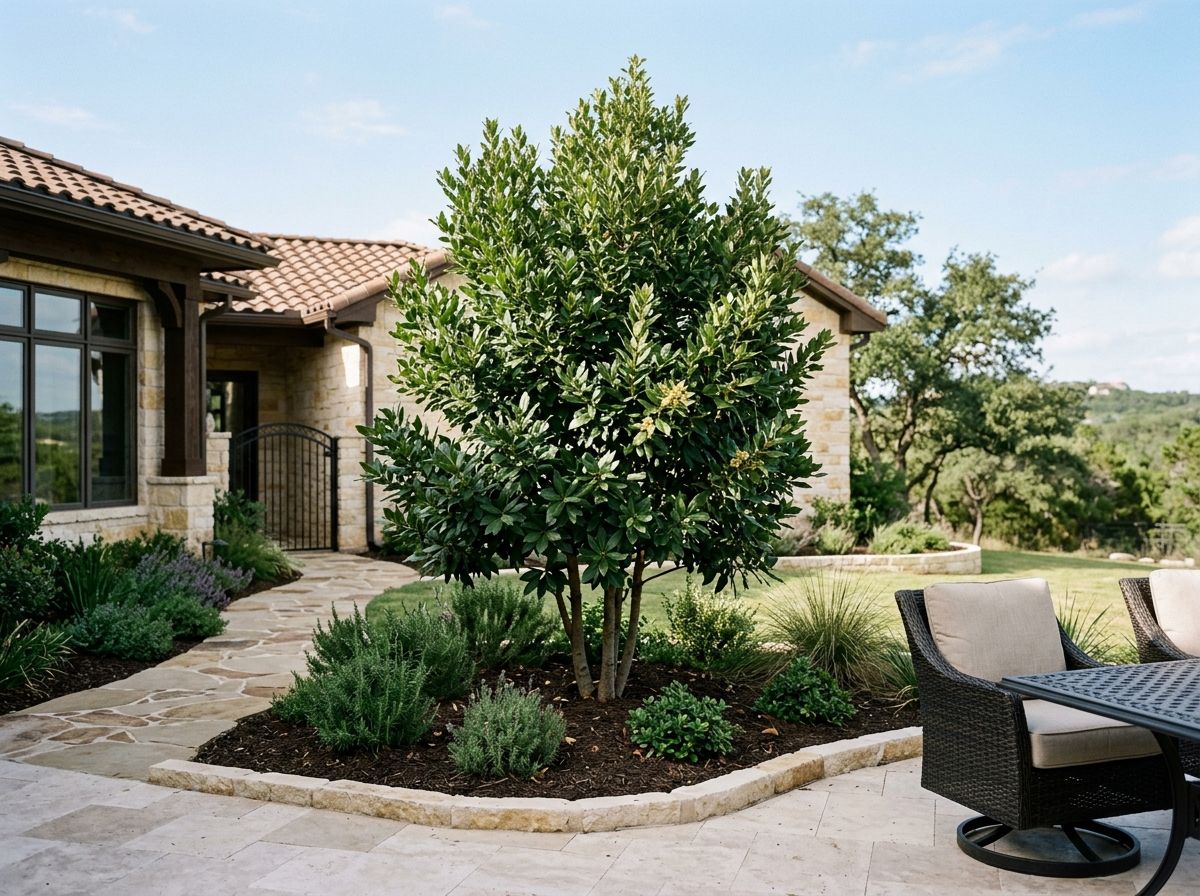
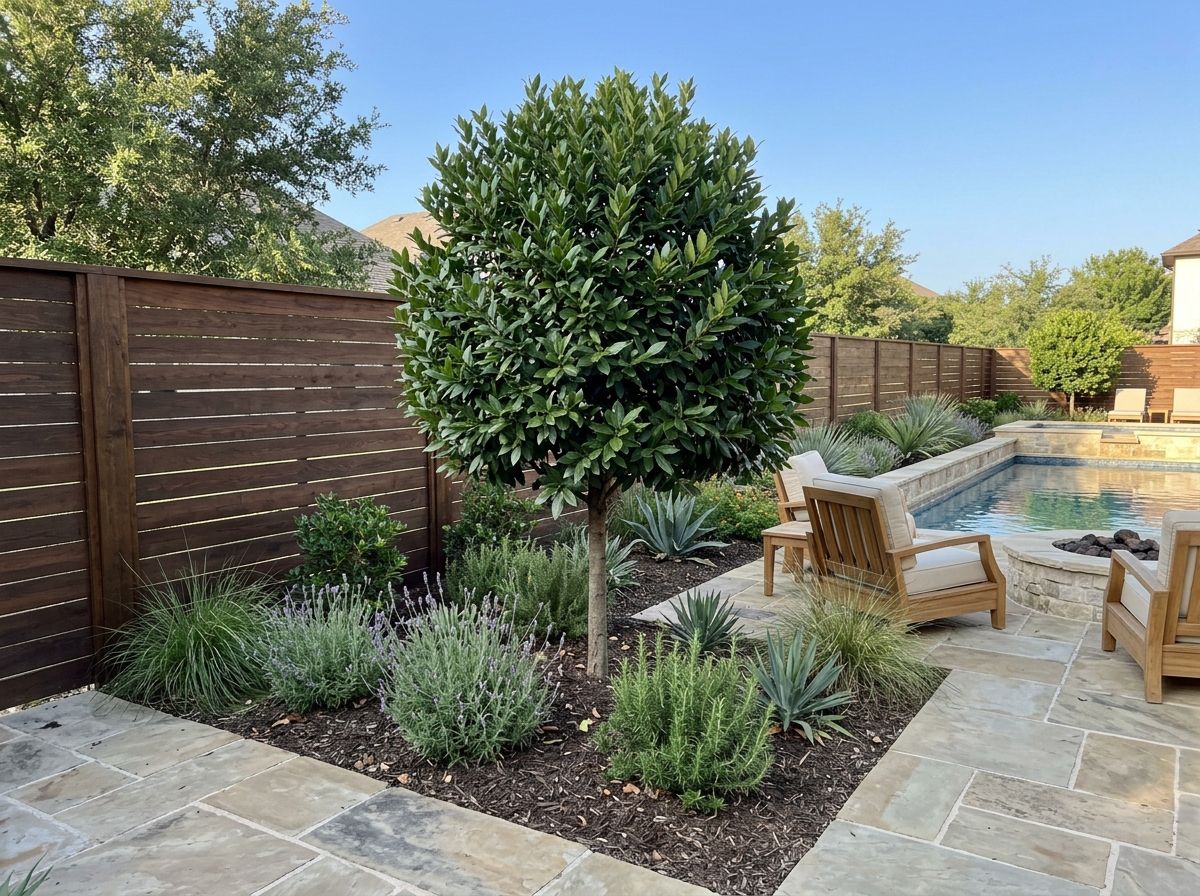
Recommended Use: Ideal for herb gardens, kitchen courtyards, or clipped formal shrubs needing culinary value and evergreen beauty.
Introduction to Laurel Noblis
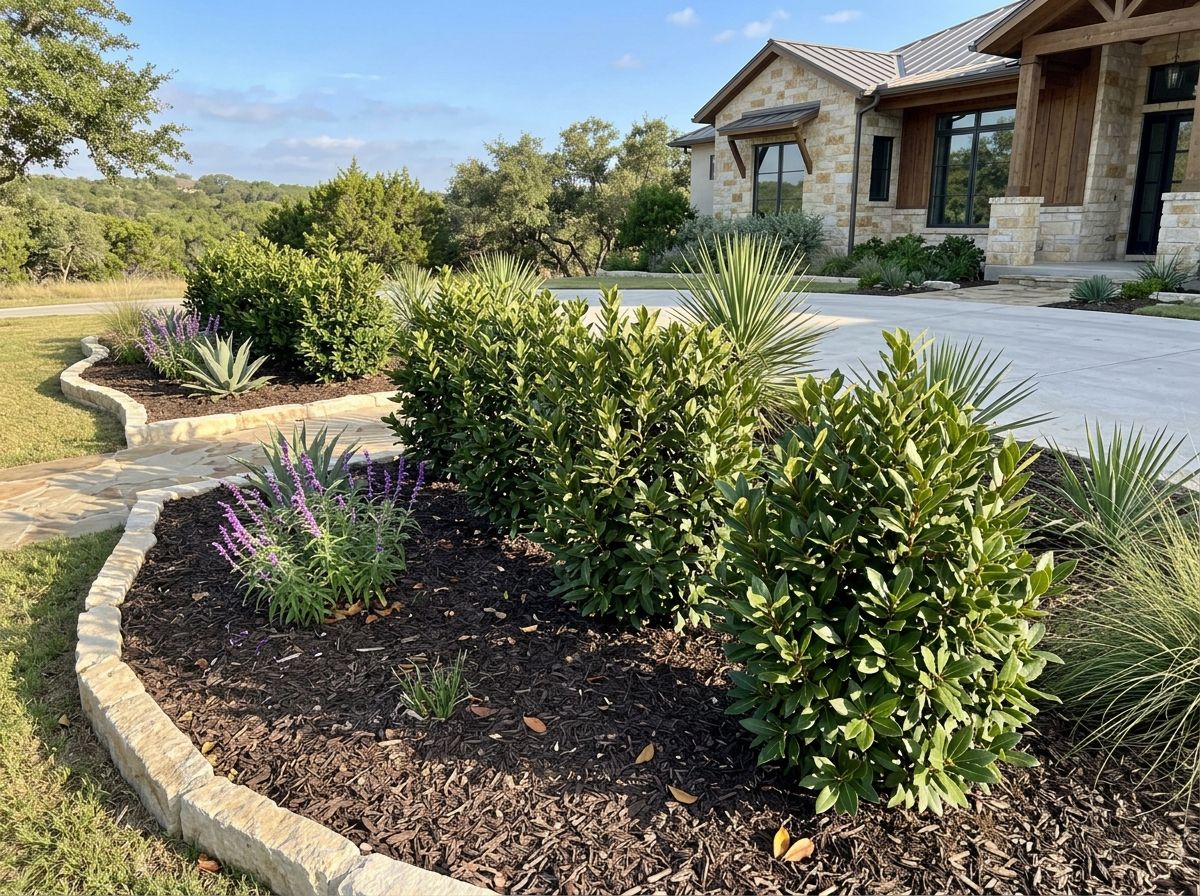
The Bay, scientifically known as Laurus nobilis, is an evergreen shrub or small tree renowned for its fragrant, glossy dark green leaves. This plant can grow to a height of 12 to 30 feet and a spread of 10 to 20 feet, making it a versatile choice for various landscaping needs. It can be shaped into a topiary, grown as a stand-alone specimen, or used in a hedge or privacy screen. The Bay is especially appreciated for its aromatic leaves, which are commonly used in cooking.
Maintenance of Laurel Noblis
Laurus nobilis thrives with moderate watering and prefers well-drained soil conditions. It is versatile in terms of sunlight, thriving in both full sun and partial sun. Its soil needs to be fertile and moist but can tolerate occasional dry spells once established. Pruning should be done in the spring to maintain the desired shape and encourage denser growth. The Bay is relatively resistant to pests and diseases but should be monitored for scale insects or common garden pests.
Quick Facts
– Hardiness Zones: 8-10
– Growth Rate: Slow to moderate
– Special Characteristics: Somewhat deer resistant, fragrant leaves, evergreen
– Ideal Sun Exposure: Full sun to partial sun
– Watering Needs: Moderate (drought tolerant when established)
– Soil Requirements: Well-drained, fertile soil
The Bay is not only functional in gardens due to its evergreen nature but also adds a sensory element with its aromatic leaves, making it a delightful addition to any landscape.
San Antonio Area Tips
- Cold Tolerance: Young plants may need protection during rare hard freezes—mulch roots and cover if very cold weather is expected.
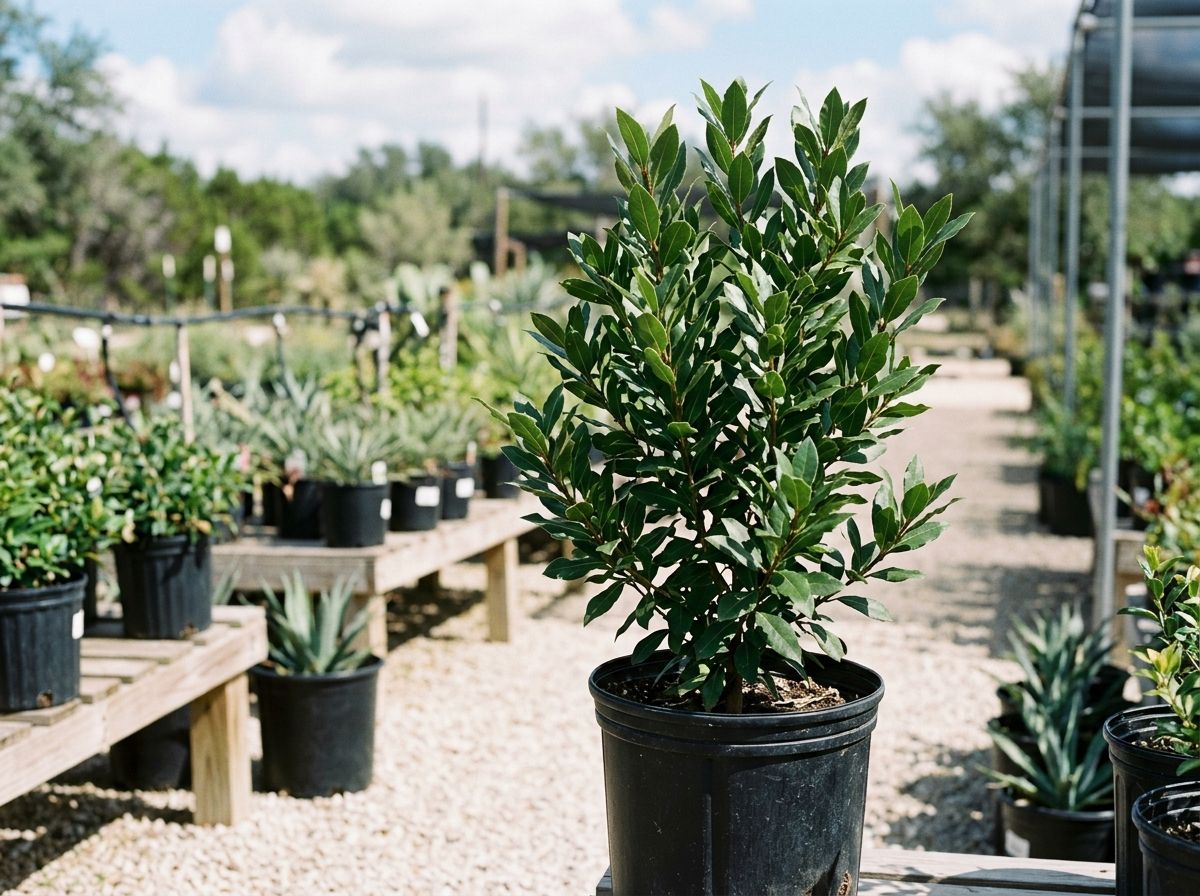
- Container Growing: Grows well in large pots for patios; containers can be moved indoors during unusually cold spells.
- Soil Alkalinity: Tolerates the region’s alkaline soils but benefits from organic amendments or mulch for best growth.
- Watering: Once established, prefers deep and infrequent watering; increase frequency during prolonged hot or dry periods.
- Culinary Note: Always remove whole bay leaves before serving food, as they do not soften when cooked.
Want this product installed? Check out our page to view pricing and other details.
Related Products
Planting Role / Visual Structure > Evergreen Backbone



Planting Role / Visual Structure > Focal Plant Palette



Ready When You Are
Get a Clear Plan for Your Yard
Tell us what you’d like to improve. We’ll ask a few questions, review your project, and let you know the best next step — no pressure and no guesswork. Fill out the form for a free quote.