
Shrubs Barberry
(Berberis thunbergii atropurpurea)
Other Common Names: Purple Japanese Barberry, Red Barberry, Atropurpurea Barberry
Bees
Birds
Deciduous
Deer Resistant
Full Sun
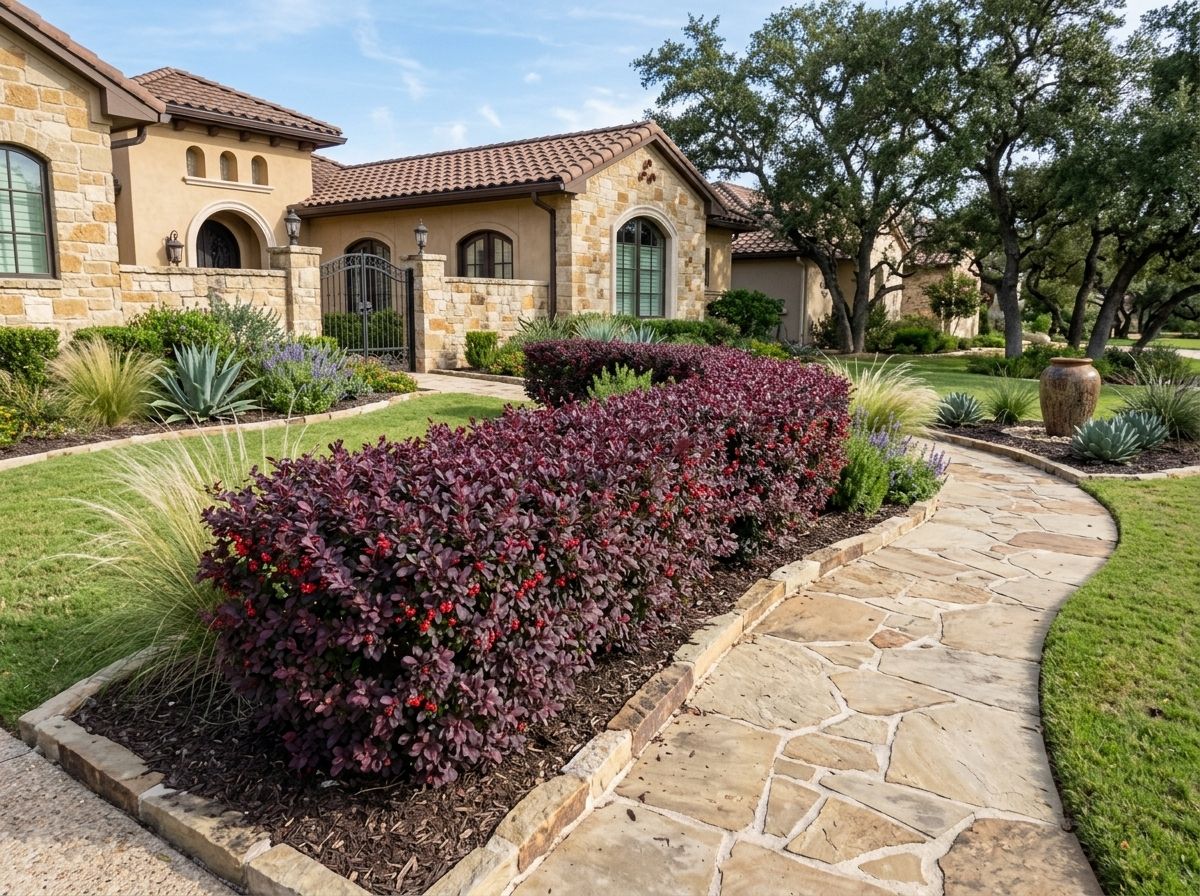
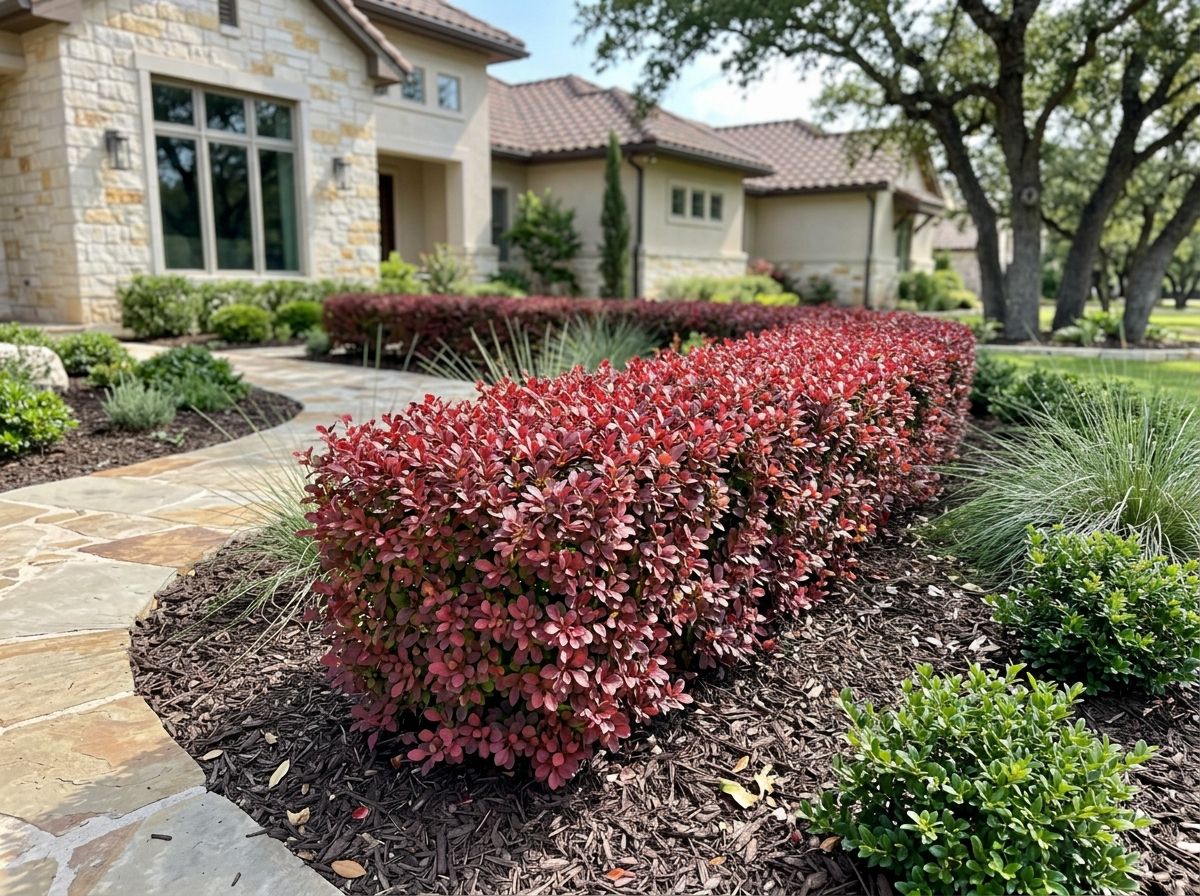
Recommended Use: Best for foundation plantings or barrier hedges needing tough, deer-resistant foliage with color.
Introduction to Barberry
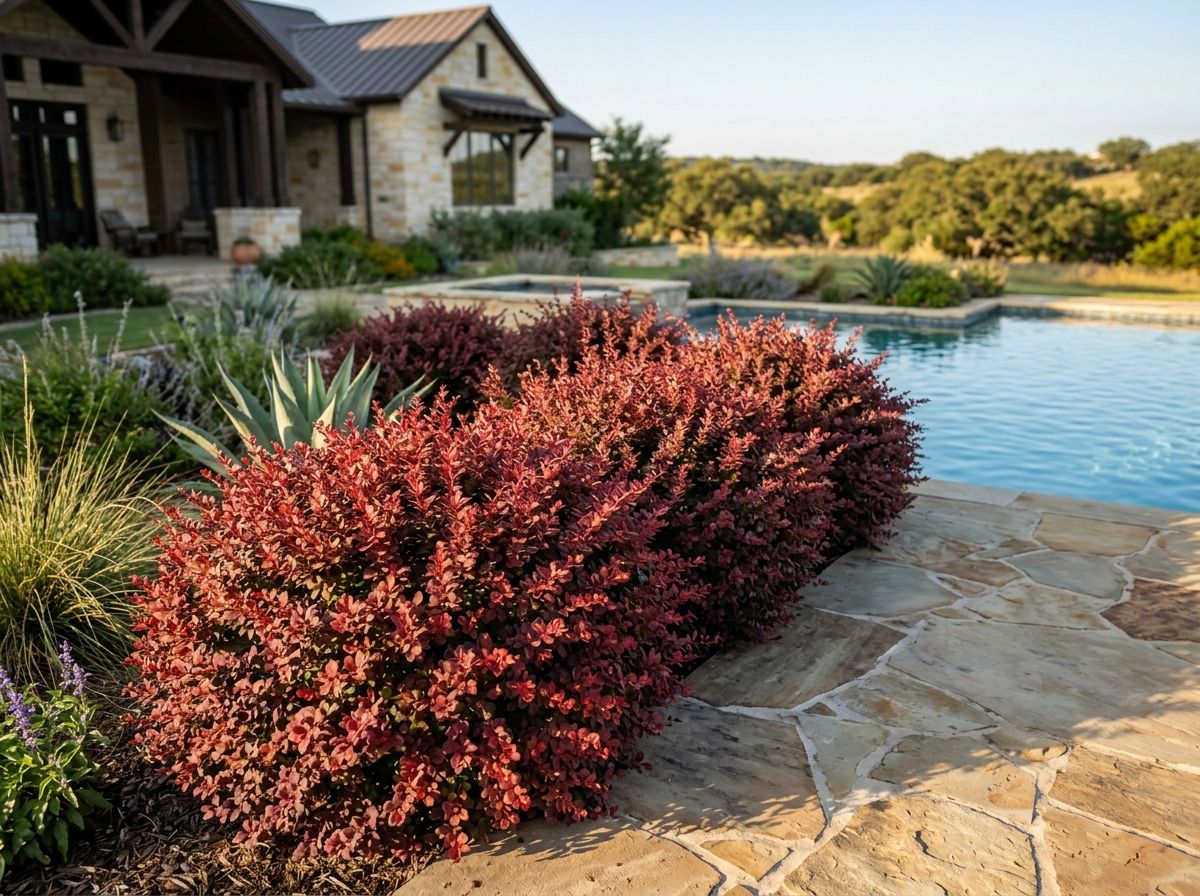
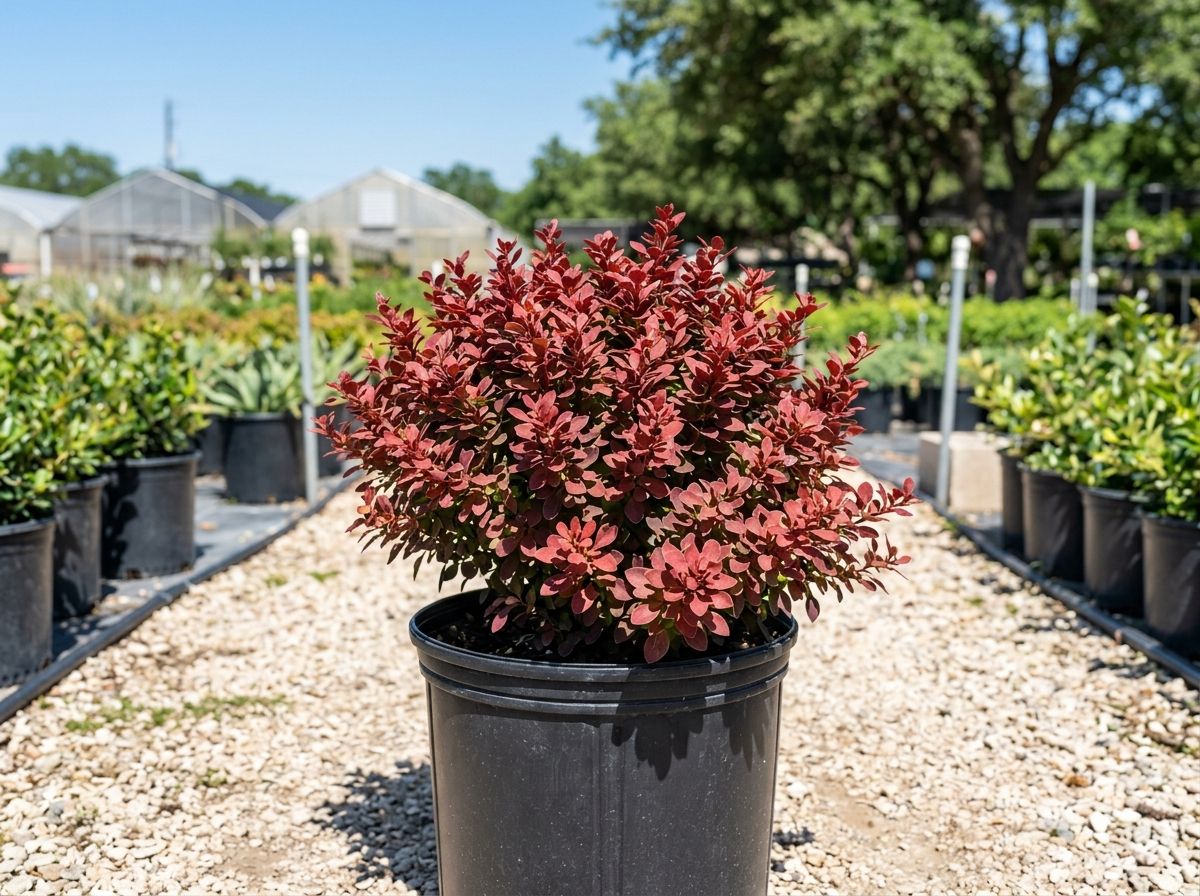
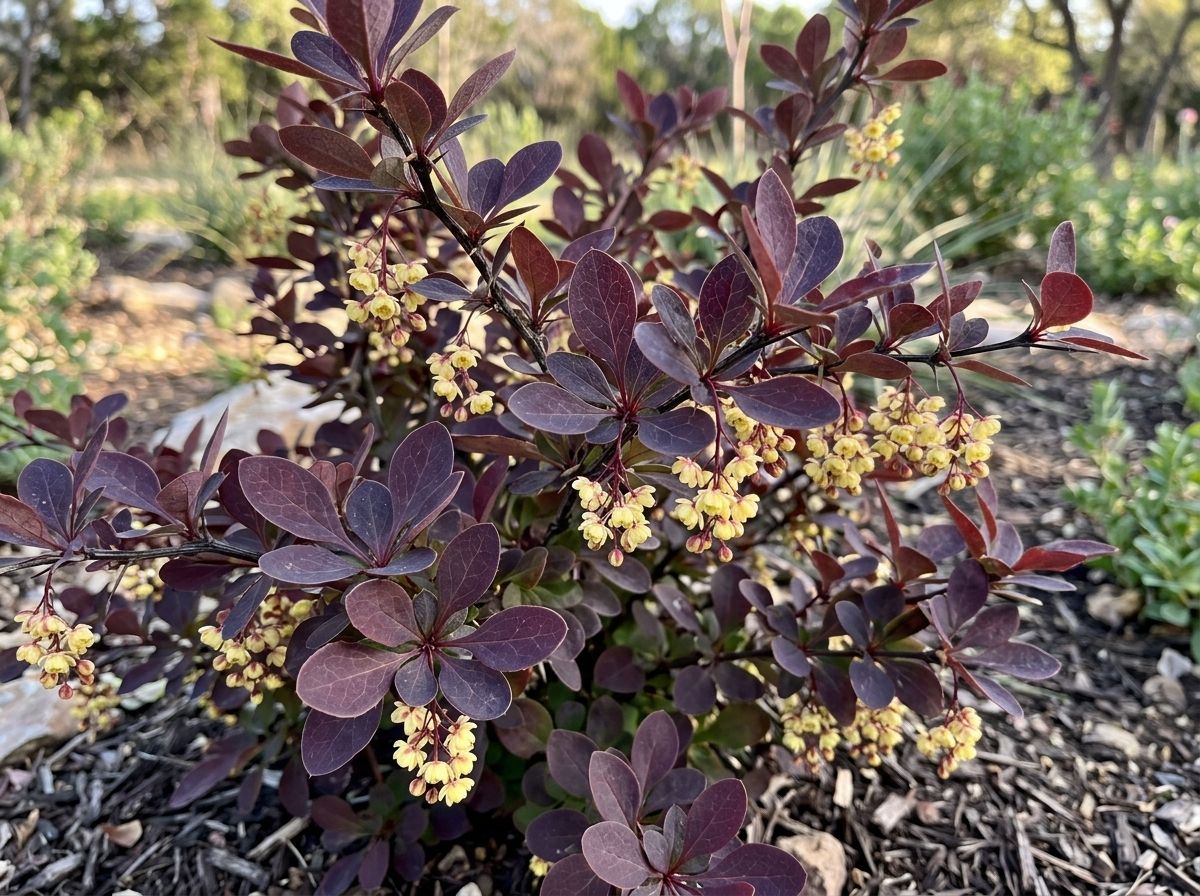
Barberry, scientifically known as Berberis thunbergii atropurpurea, is a striking shrub known for its vibrant purple foliage that adds a splash of color to any landscape. This deciduous plant typically grows to a height of 4-6 feet, with a slightly wider spread, making it an excellent choice for hedges, borders, or as a standalone ornamental feature. It produces small, yellow flowers in spring, followed by bright red berries in the fall, which brings additional seasonal interest. Its dense, thorny branches also make it a popular choice for creating natural barriers in gardens.
Maintenance
Barberry is a hardy plant that thrives in a variety of conditions, making it a low-maintenance addition to any garden. It prefers well-drained soil and will do best in locations that receive full sun to partial shade. Watering should be moderate; once established, the plant is drought-tolerant and requires minimal irrigation. Pruning is recommended in late winter or early spring before new growth appears to maintain shape and encourage a healthy structure. This plant is highly resistant to pests and diseases, which further enhances its appeal for ease of care.
Additional Tips for San Antonio Homeowners
- Heat Tolerance: While barberry tolerates San Antonio’s heat well, intense afternoon sun or prolonged drought can cause some leaf scorch. For best color and leaf health, plant in areas with morning sun and afternoon shade.
- Invasiveness Note: Japanese Barberry is not currently considered invasive in Texas, including the San Antonio area; however, it is invasive in other parts of the U.S. Dispose of trimmings responsibly and avoid planting near natural areas to prevent potential spread.
Quick Facts
– Hardiness Zones: 4-8
– Growth Rate: Moderate
– Special Characteristics: Deer resistant
– Attracts pollinators with its spring blooms
– Provides evergreen foliage in warmer climates
– Ideal for sun to part-shade areas
– Noteworthy for its striking purple foliage
Want this product installed? Check out our page to view pricing and other details.
Related Products
Planting Role / Visual Structure > Focal Plant Palette
Ready When You Are
Get a Clear Plan for Your Yard
Tell us what you’d like to improve. We’ll ask a few questions, review your project, and let you know the best next step — no pressure and no guesswork. Fill out the form for a free quote.