
Perennials Colorado Blue Columbine
(Aquilegia coerulea)
Other Common Names: Rocky Mountain Columbine
Bees
Deciduous
Flowering
Hummingbirds
Partial Sun
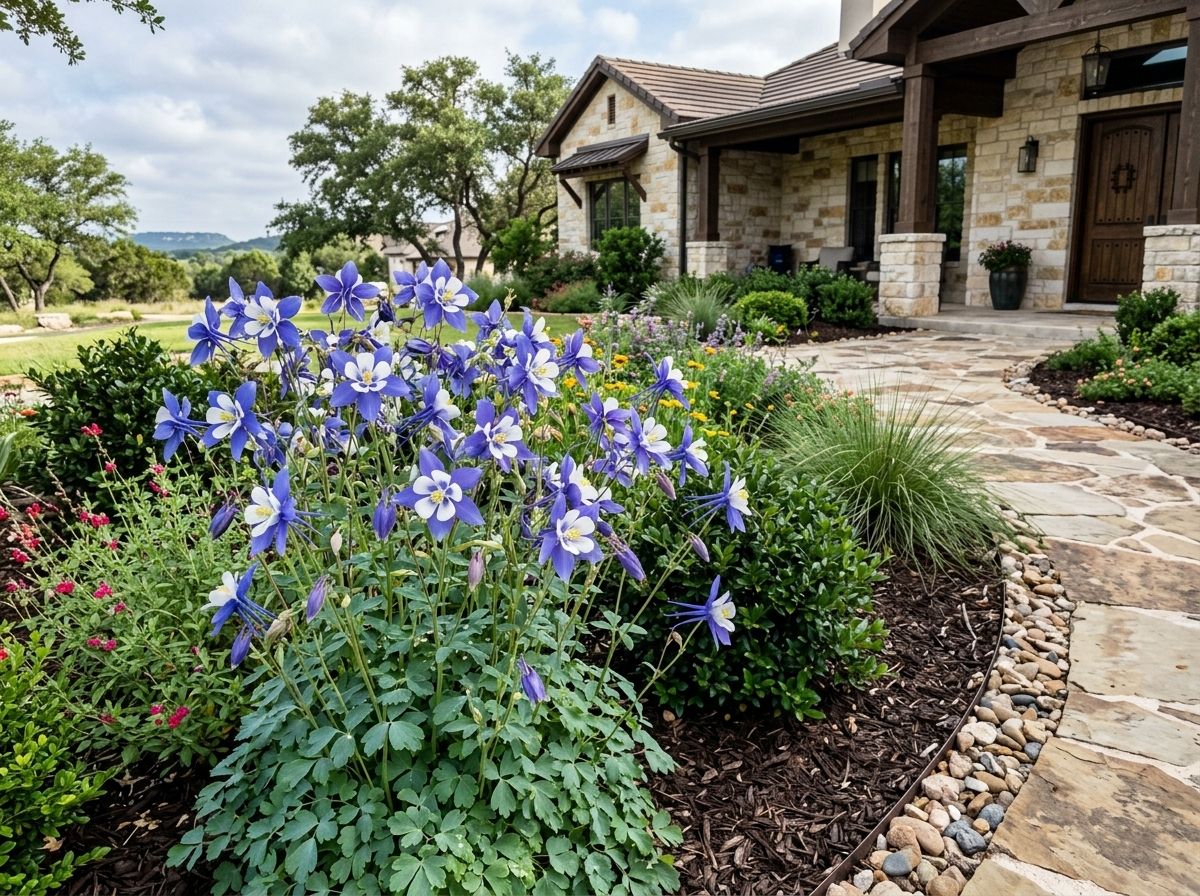
Recommended Use: Best for partly shaded beds needing elegant, spring-blooming vertical accents.
Overview of Blazing Star Columbine
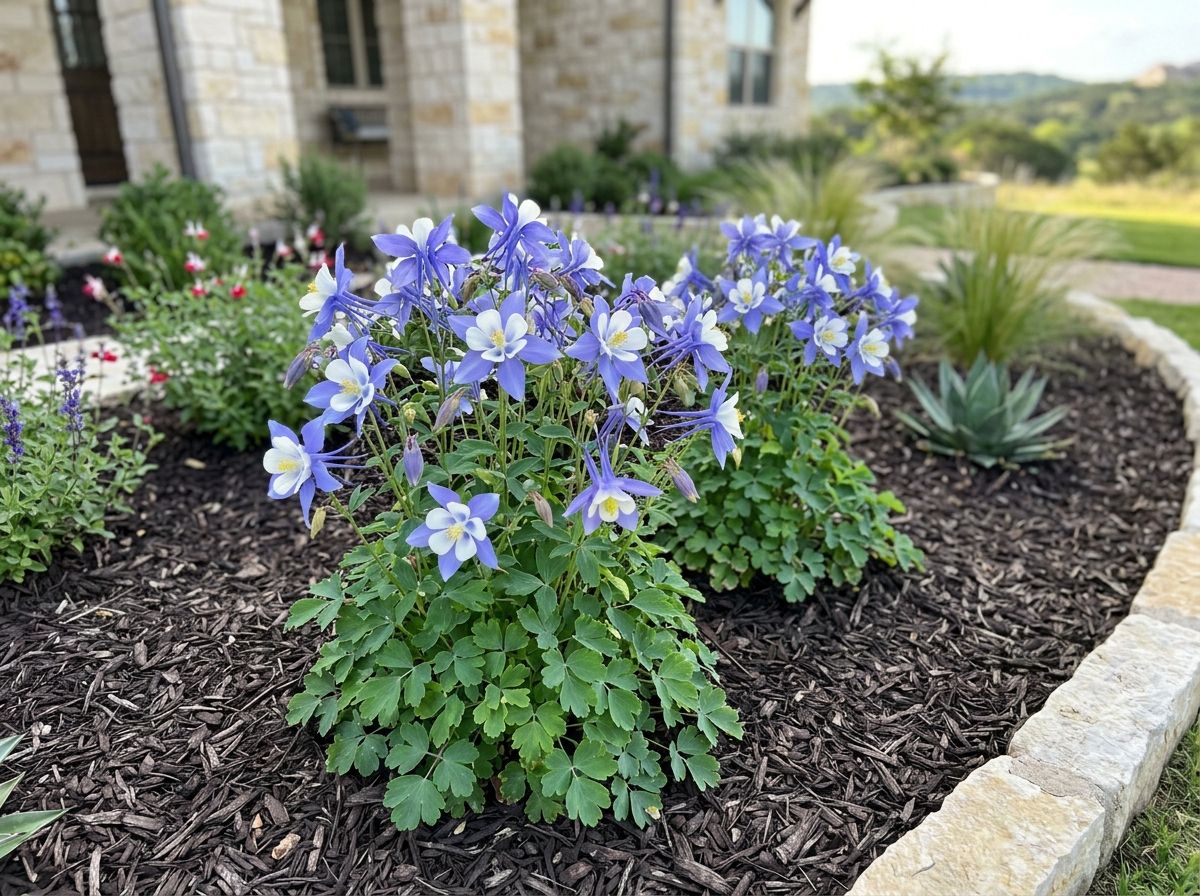
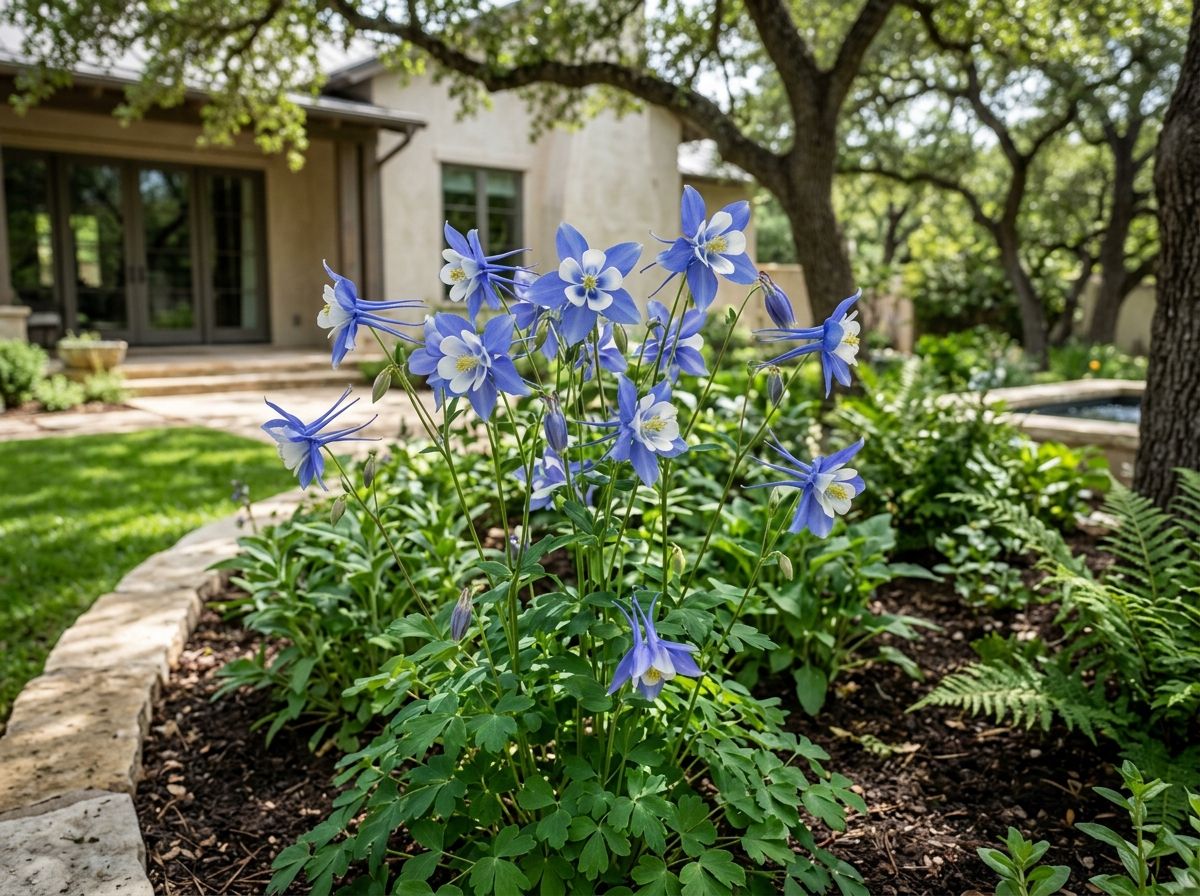
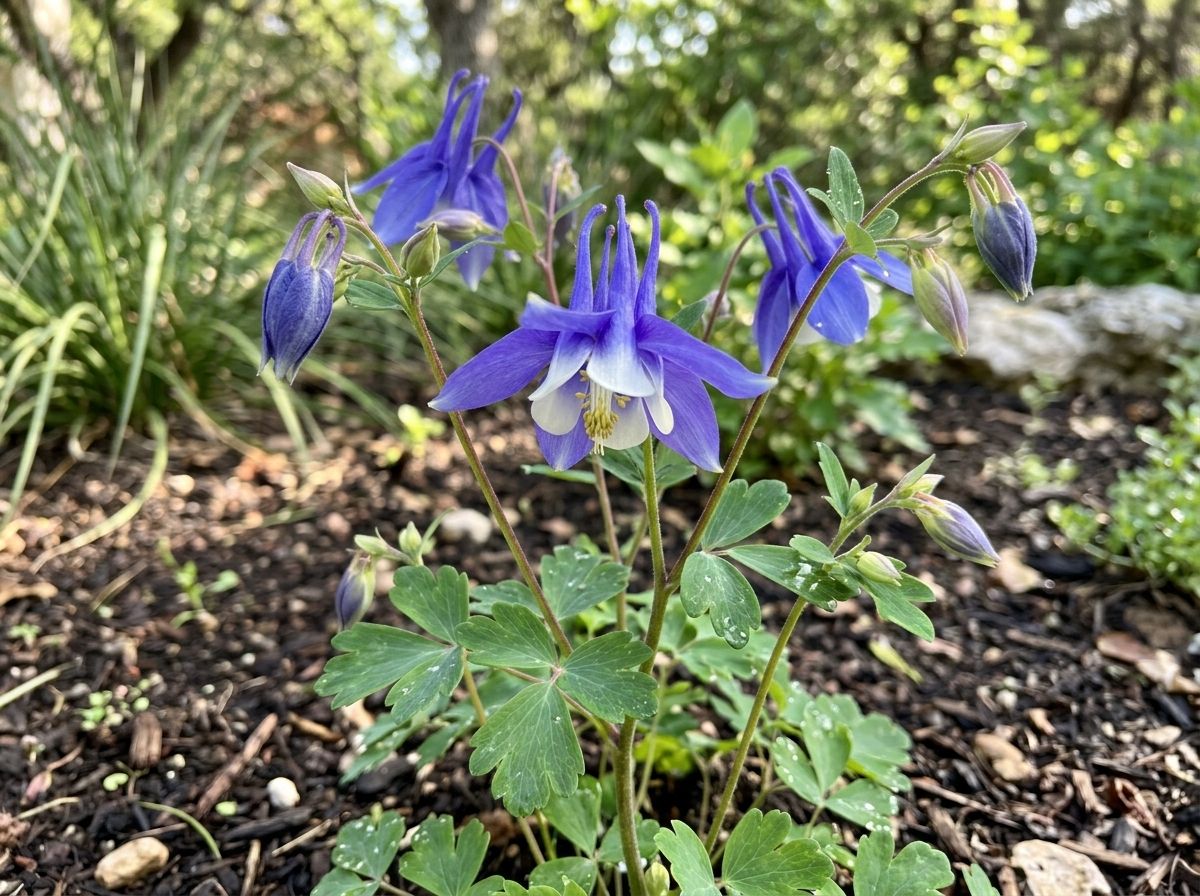
The Colorado Blue Columbine (Aquilegia coerulea) is a striking perennial plant admired for its vibrant blooms and delicate foliage. This plant features stunning flowers with spurred petals that come in shades of blue, purple, or white, which create a charming contrast against its fern-like, green leaves. It typically grows up to 2 feet tall and spreads about 1.5 feet wide, making it an ideal choice for adding height and color to garden borders or rock gardens. Its unique blooms attract hummingbirds and butterflies, making it a popular choice for wildlife-friendly landscapes. The Colorado Blue Columbine’s versatile nature allows it to be used in various landscaping projects, from woodland gardens to more formal perennial beds.
Maintenance Guidance
Colorado Blue Columbine is a relatively low-maintenance plant that thrives in well-drained soil enriched with organic matter. It prefers partial shade but can tolerate full sun in cooler climates. Regular watering is essential during dry spells, but overwatering should be avoided to prevent root rot. Pruning spent flowers can promote additional blooming and maintain a tidy appearance. This plant is known for its resistance to deer and rabbits, although it can occasionally be susceptible to leaf miners and aphids. Implementing regular inspections and applying appropriate treatments can help manage these issues effectively.
Beneficial Additions for San Antonio Homeowners:
- Heat Tolerance: While Colorado Blue Columbine can handle some heat, it prefers afternoon shade and cooler microclimates in the San Antonio area. Planting in east-facing beds or receiving morning sun and afternoon shade is ideal.
- Summer Dormancy: In San Antonio’s hot summers, this plant may go dormant and die back to the ground, returning with cooler weather.
- Soil Tips: Needs well-drained soil; heavy clay should be amended with compost or organic matter for best results.
- Short-lived Perennial: Can be short-lived in hot climates but often reseeds, helping it persist in the garden.
- Mulching: Mulch helps keep roots cool and conserves moisture.
Quick Facts
– Hardiness Zones: 3 to 8
– Growth Rate: Moderate
– Deer Resistance: Yes
– Pollinator Attraction: Attracts hummingbirds and butterflies
– Ideal Use: Borders, rock gardens, wildlife gardens
– Special Characteristics: Spurred, colorful blooms and delicate foliage provide visual interest.
Pairs Well With
Trees:
- Cedar Elm (Ulmus crassifolia)
- Texas Redbud (Cercis canadensis var. texensis)
Shrubs:
- Texas Sage (Leucophyllum frutescens)
- Dwarf Yaupon Holly (Ilex vomitoria ‘Nana’)
- Agarita (Mahonia trifoliolata)
Palms:
- Dwarf Palmetto (Sabal minor)
Vines:
- Coral Honeysuckle (Lonicera sempervirens)
- Crossvine (Bignonia capreolata)
Perennials & Accent Plants:
- Gulf Coast Penstemon (Penstemon tenuis)
- Winecup (Callirhoe involucrata)
- Turk’s Cap (Malvaviscus arboreus var. drummondii)
- Autumn Sage (Salvia greggii)
- Heartleaf Skullcap (Scutellaria ovata)
Ferns & Groundcovers:
- Inland Sea Oats (Chasmanthium latifolium)
- Wood Fern (Thelypteris kunthii)
These combinations provide compatible shade, similar moisture needs, and create a layered, wildlife-friendly San Antonio landscape.
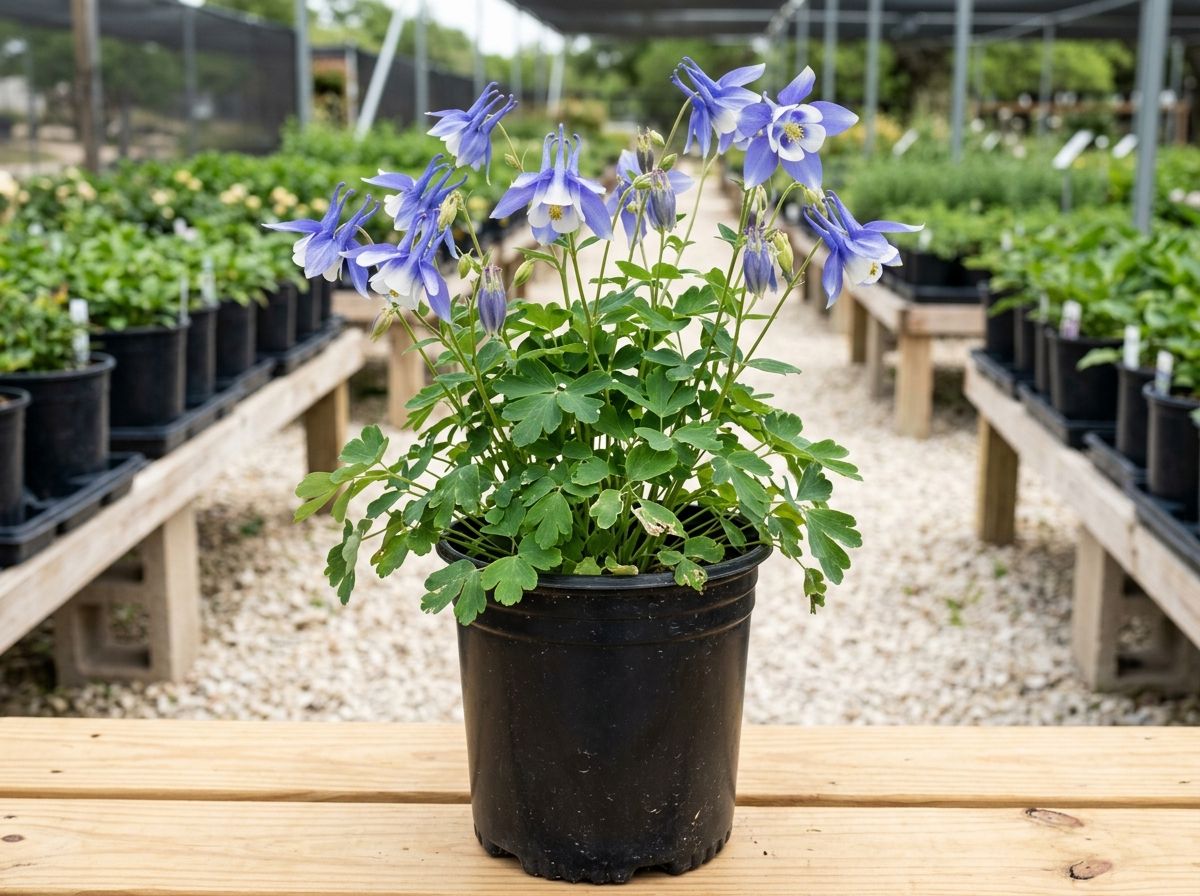
Want this product installed? Check out our page to view pricing and other details.
Related Products
Planting Role / Visual Structure > Focal Plant Palette
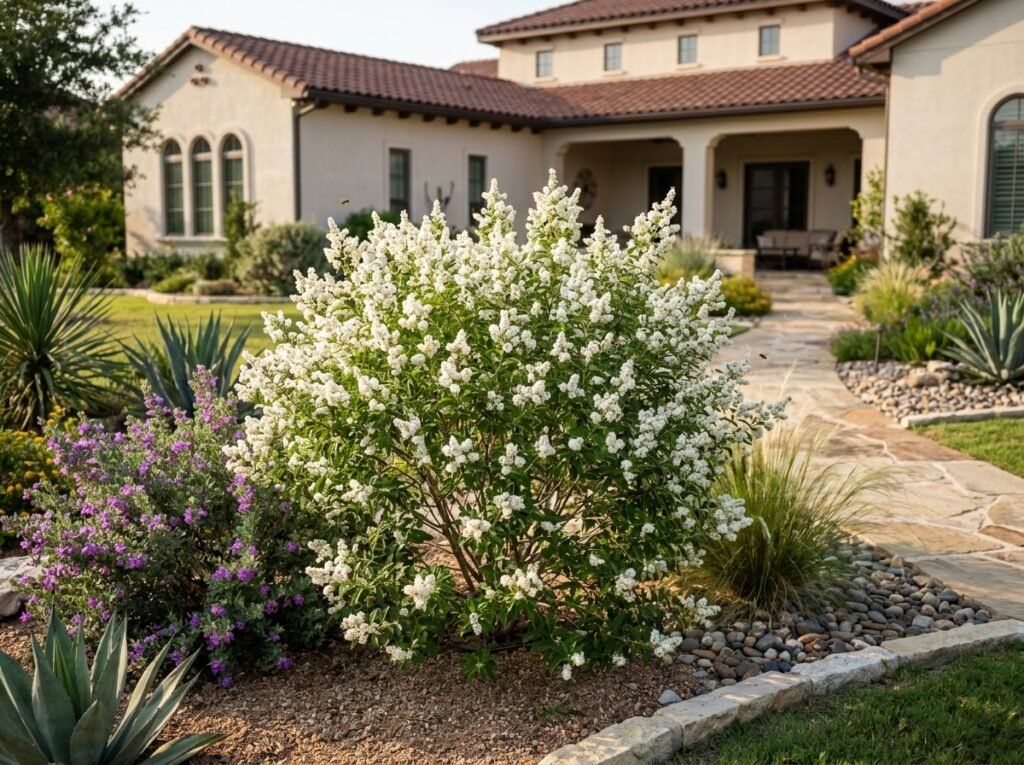
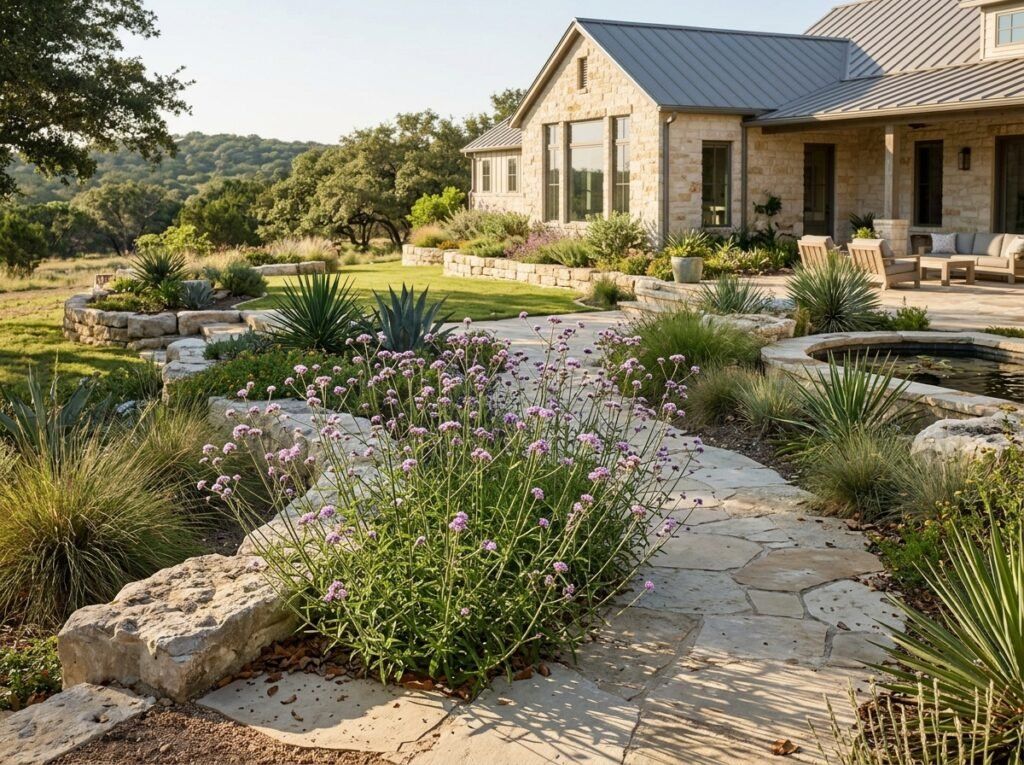
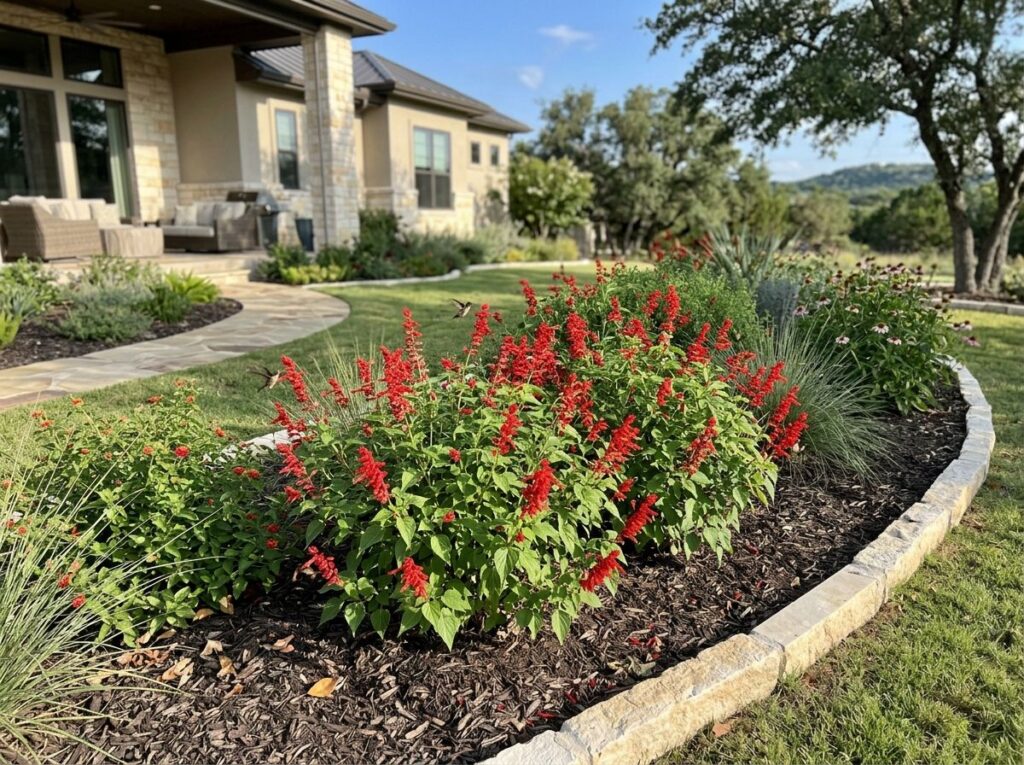
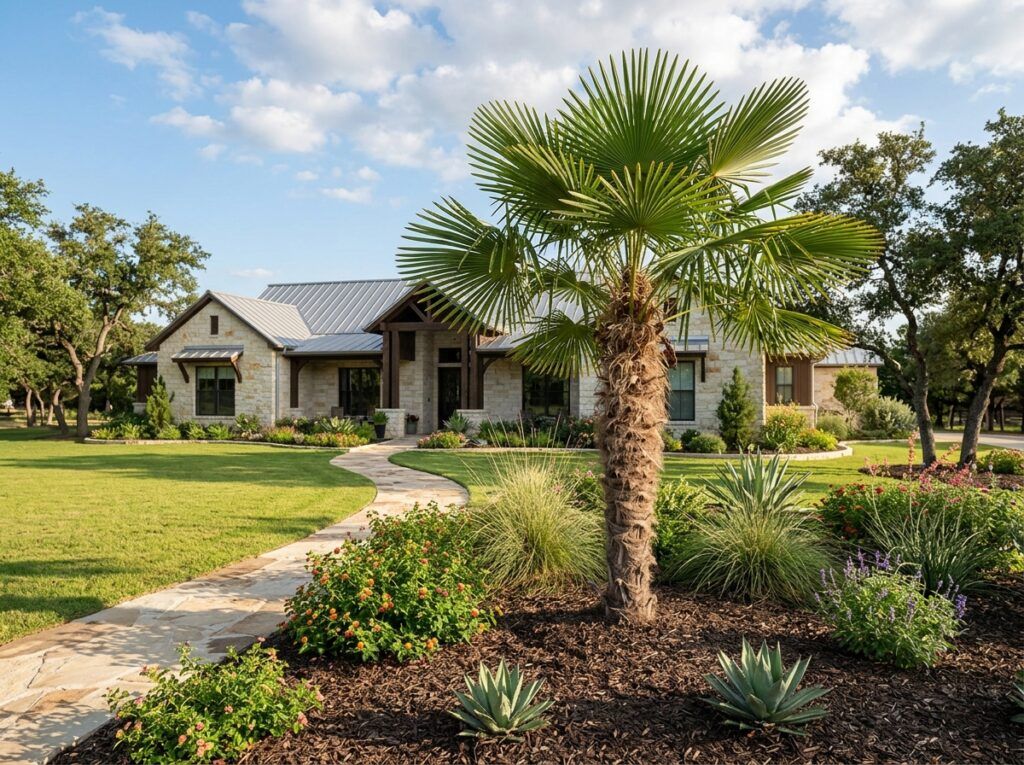
Wildlife Garden Blend
Ready When You Are
Get a Clear Plan for Your Yard
Tell us what you’d like to improve. We’ll ask a few questions, review your project, and let you know the best next step — no pressure and no guesswork. Fill out the form for a free quote.