
Trees Hackberry
(Celtis occidentalis)
Other Common Names: Common Hackberry, Sugarberry
Birds
Butterflies
Deciduous
Fast Growing
Full Sun
Recommended Use: Best for naturalized areas needing a rugged shade tree tolerant of tough conditions.
Description and Uses
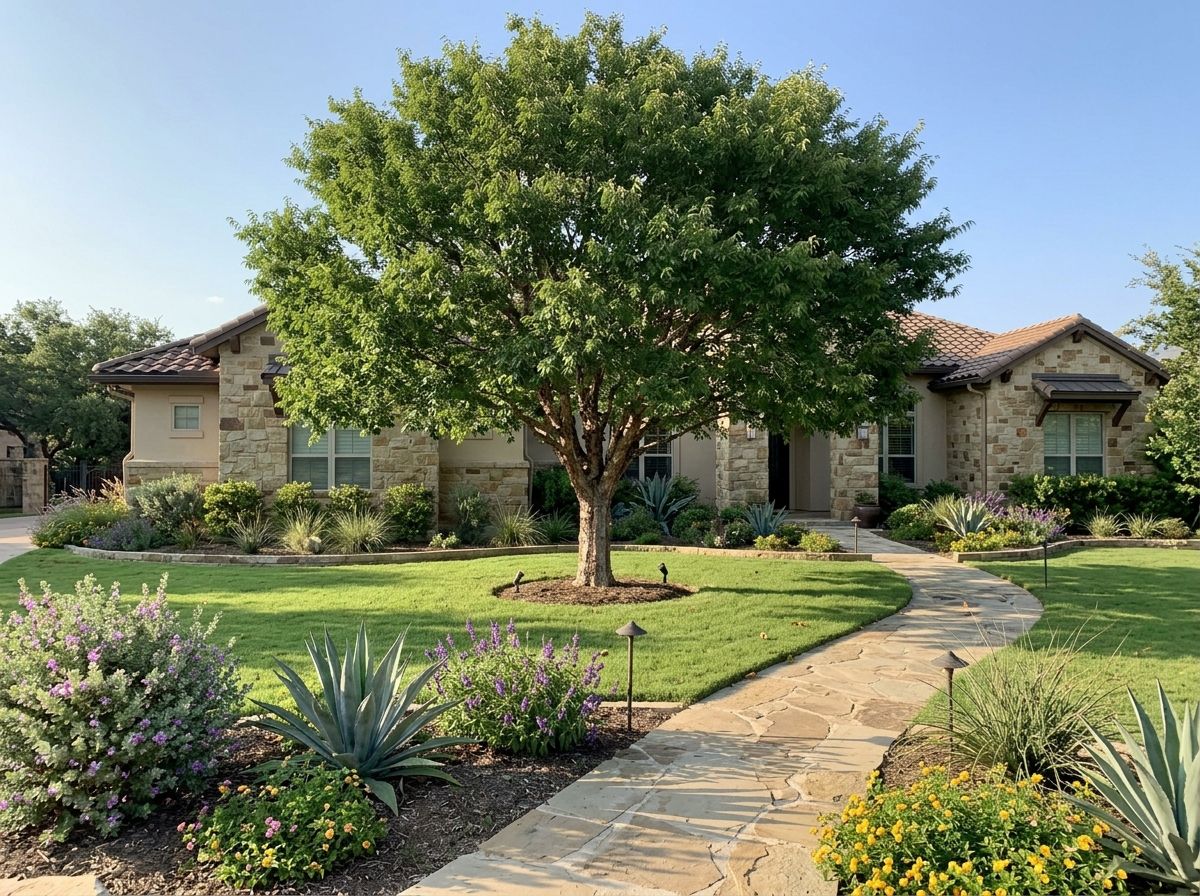
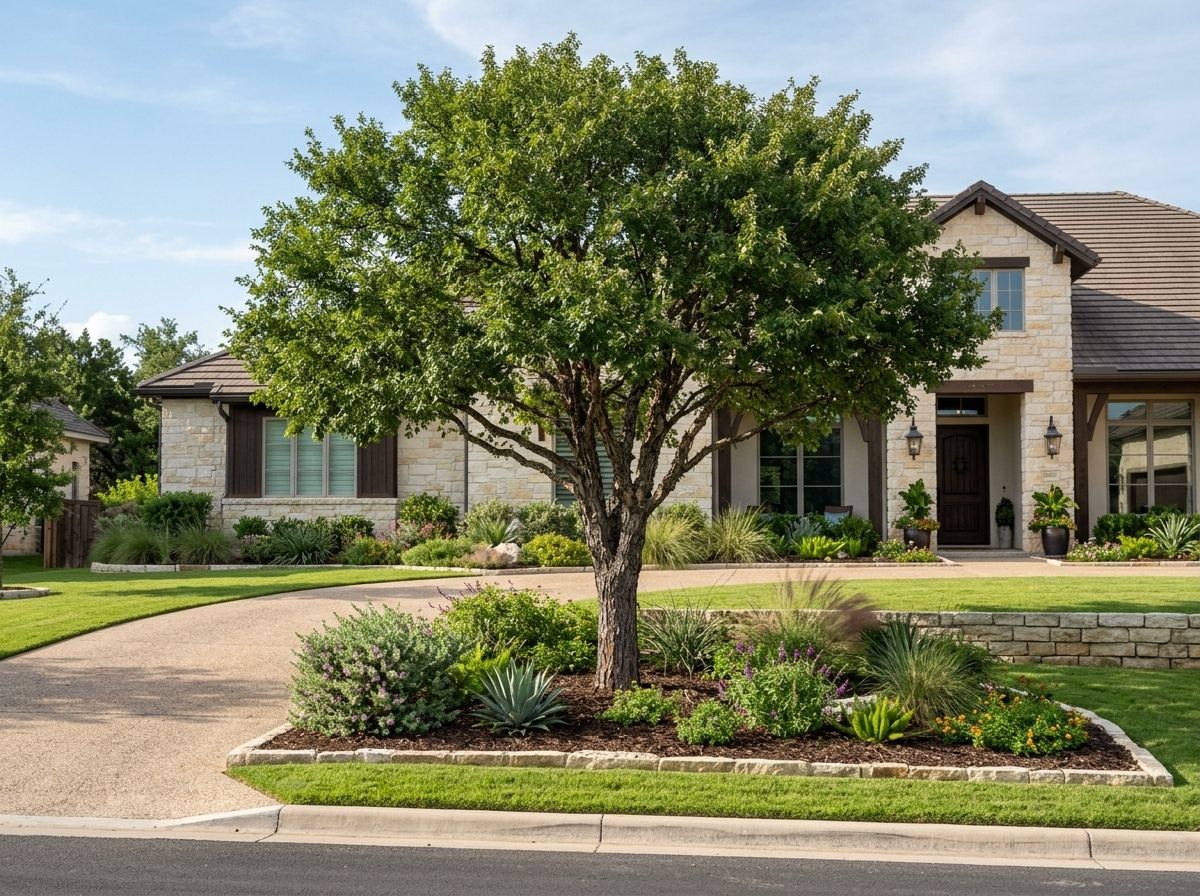
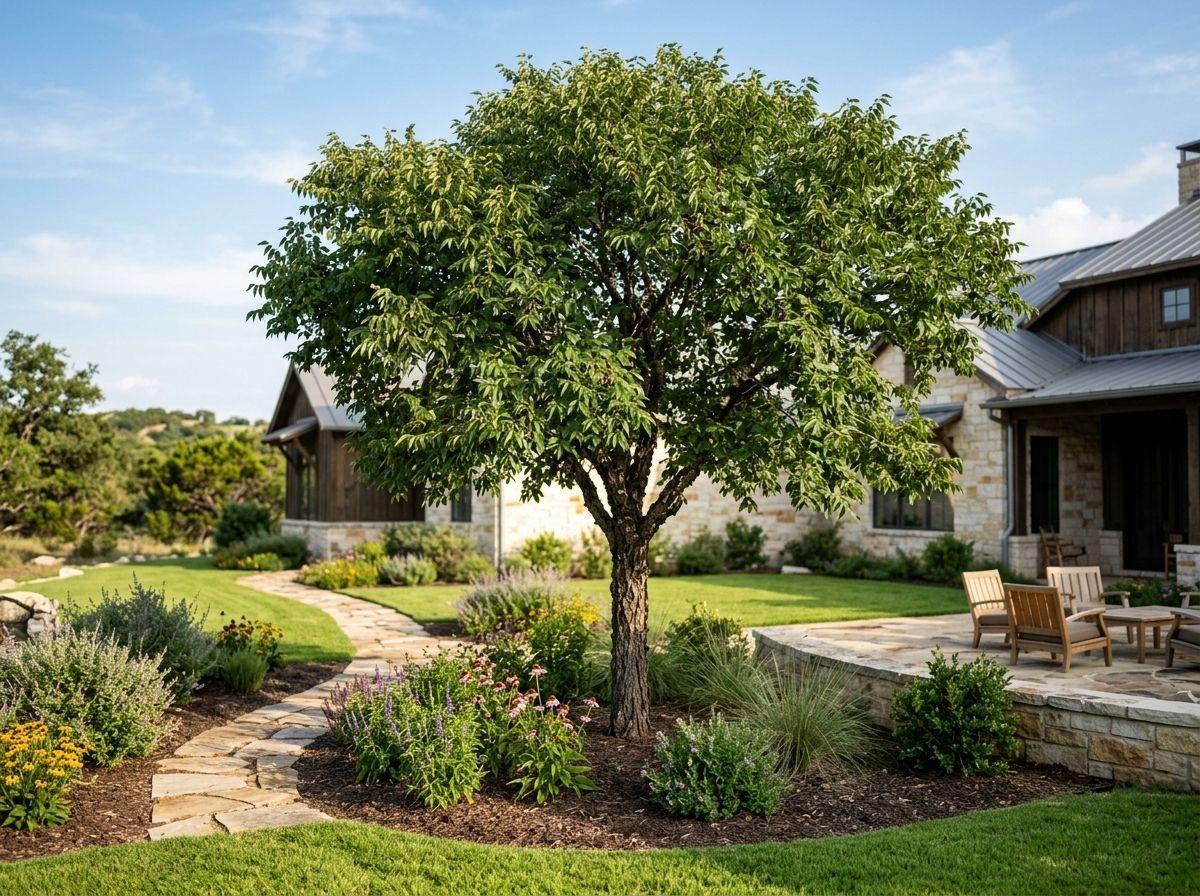
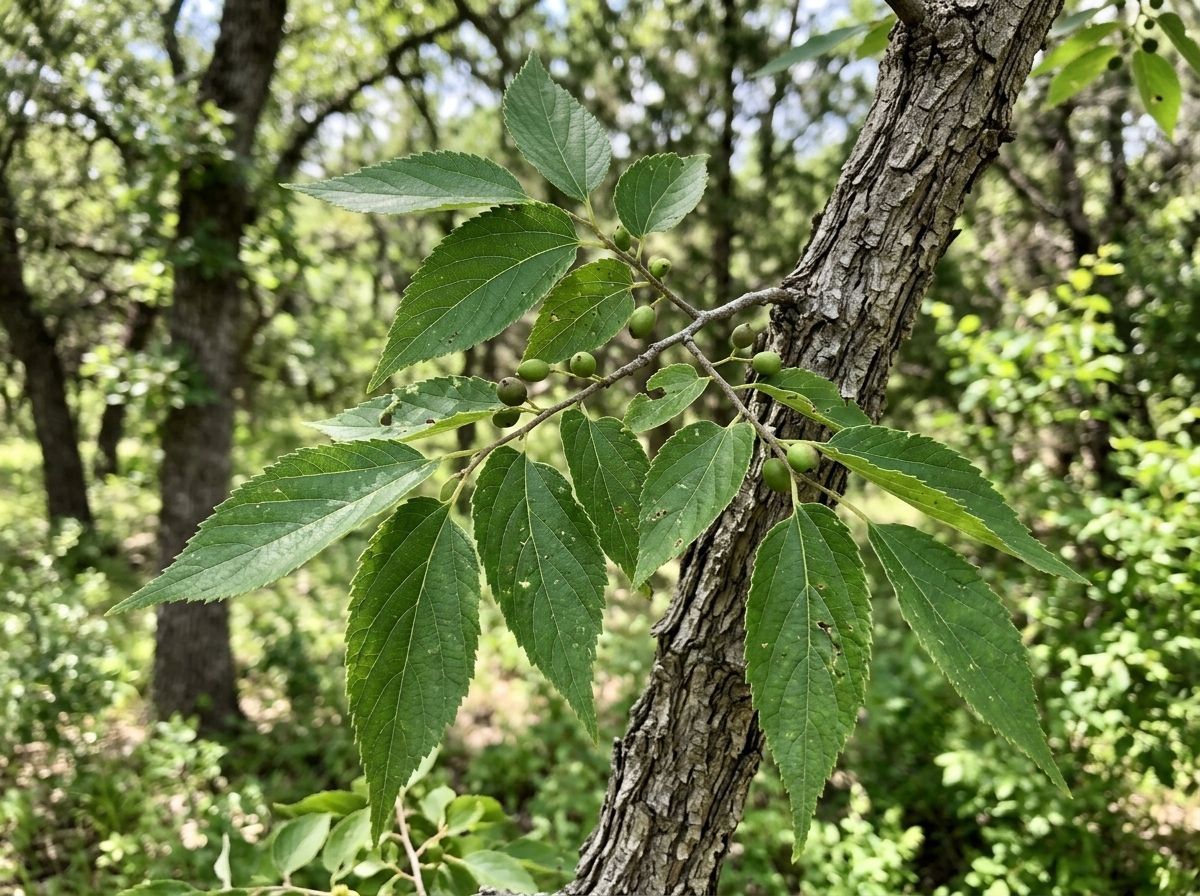
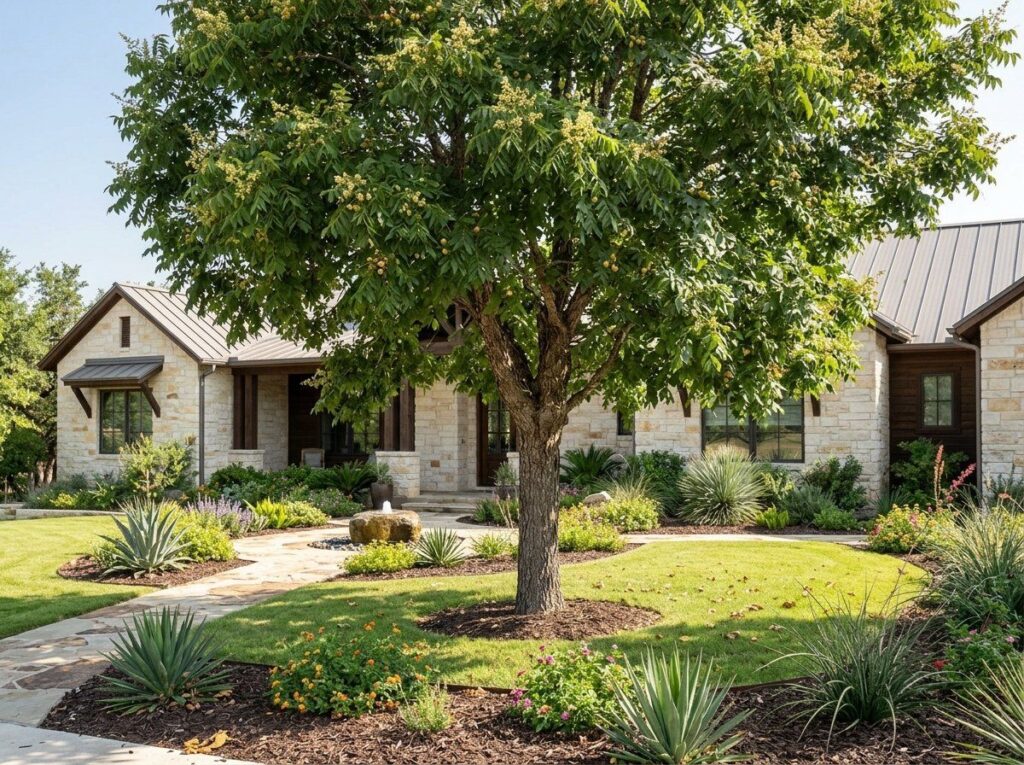
The Hackberry, scientifically known as Celtis occidentalis, is a deciduous tree appreciated for its resilience and adaptability. It typically reaches heights of 40 to 60 feet, with a spread of 40 to 50 feet, making it an excellent choice for providing shade in larger landscapes. Its bark is distinctively corky and warty, adding visual interest to the garden throughout the year. The leaves are light green and turn a delightful yellow in the fall. Hackberry is known for its prolific nature and ability to thrive in urban settings, often utilized in parks and street plantings. Additionally, its small, berry-like fruits are a favorite among birds and other wildlife.
Maintenance
Hackberry is a low-maintenance tree, ideal for busy gardeners. It requires moderate watering, especially during its initial establishment phase. Once mature, it can tolerate occasional drought conditions. Full sun is preferred, though it can adapt to partial shade. It is best planted in well-drained soil but exhibits remarkable tolerance to various soil types, including clay and sandy conditions. Pruning is generally not necessary except to remove dead or diseased branches, promoting airflow and light penetration. The tree shows good resistance to pests and diseases, though some monitoring for common issues like leaf spots and woolly aphids is advised.
Quick Facts
– Hardiness Zones: 3-9
– Growth Rate: Moderate to fast
– Special Characteristics: Deer resistance, high wildlife attraction, pollution tolerance
– Key Remarks: Deciduous; prolific; wildlife favorite
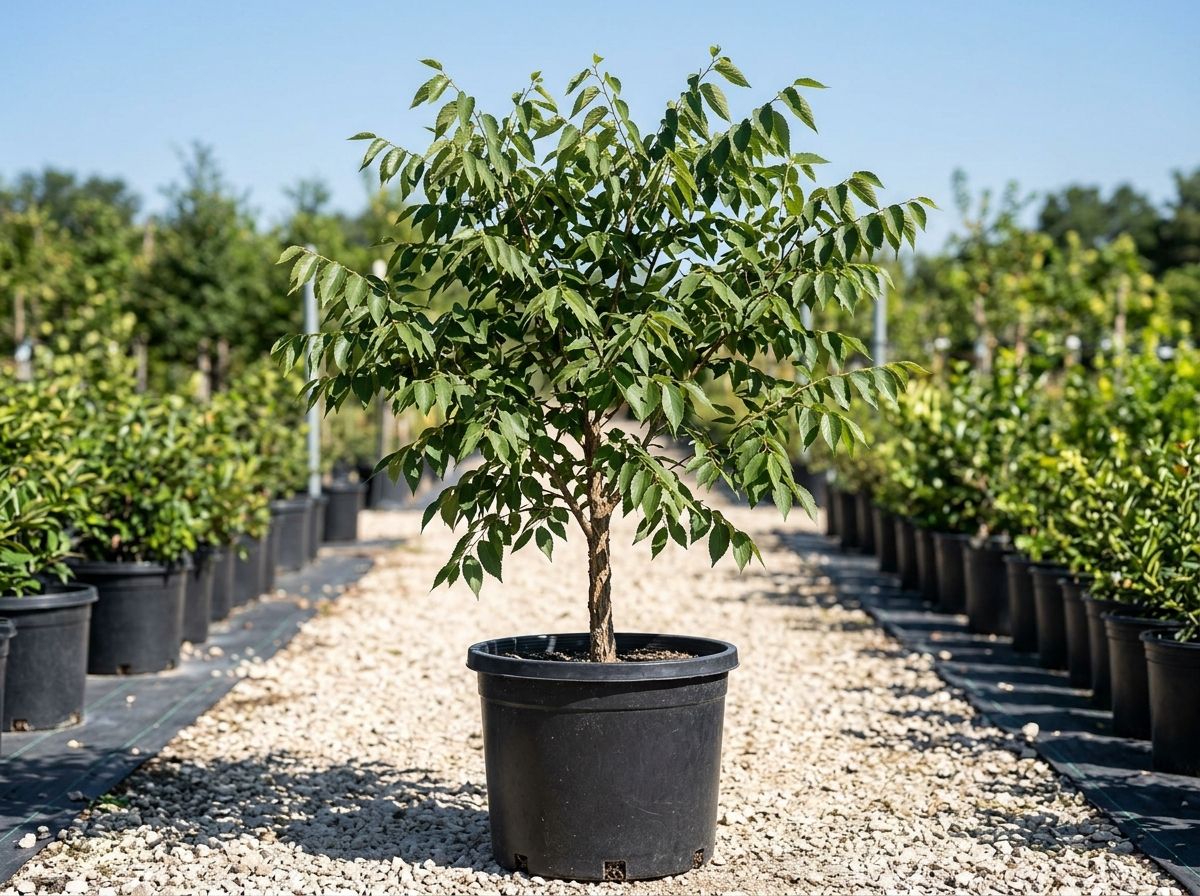
Want this product installed? Check out our page to view pricing and other details.
Related Products
Wildlife Garden Blend
Ready When You Are
Get a Clear Plan for Your Yard
Tell us what you’d like to improve. We’ll ask a few questions, review your project, and let you know the best next step — no pressure and no guesswork. Fill out the form for a free quote.