
Trees Escarpment Black Cherry
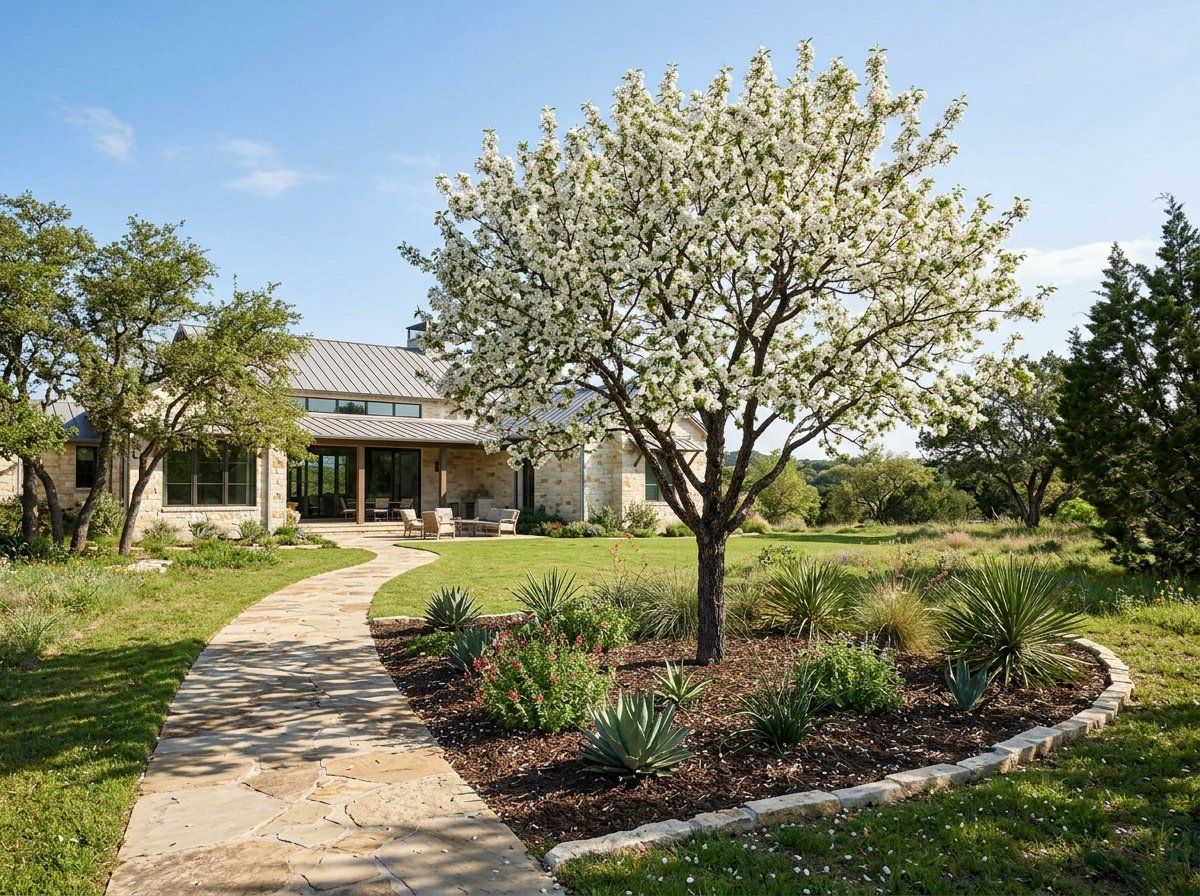
(Prunus serotina var. eximia)
Other Common Names: Black Cherry
Birds
Butterflies
Deciduous
Edible Parts
Flowering
Full Sun
Recommended Use: Best used for native or wildlife gardens needing spring blooms and fall berries.
Introduction
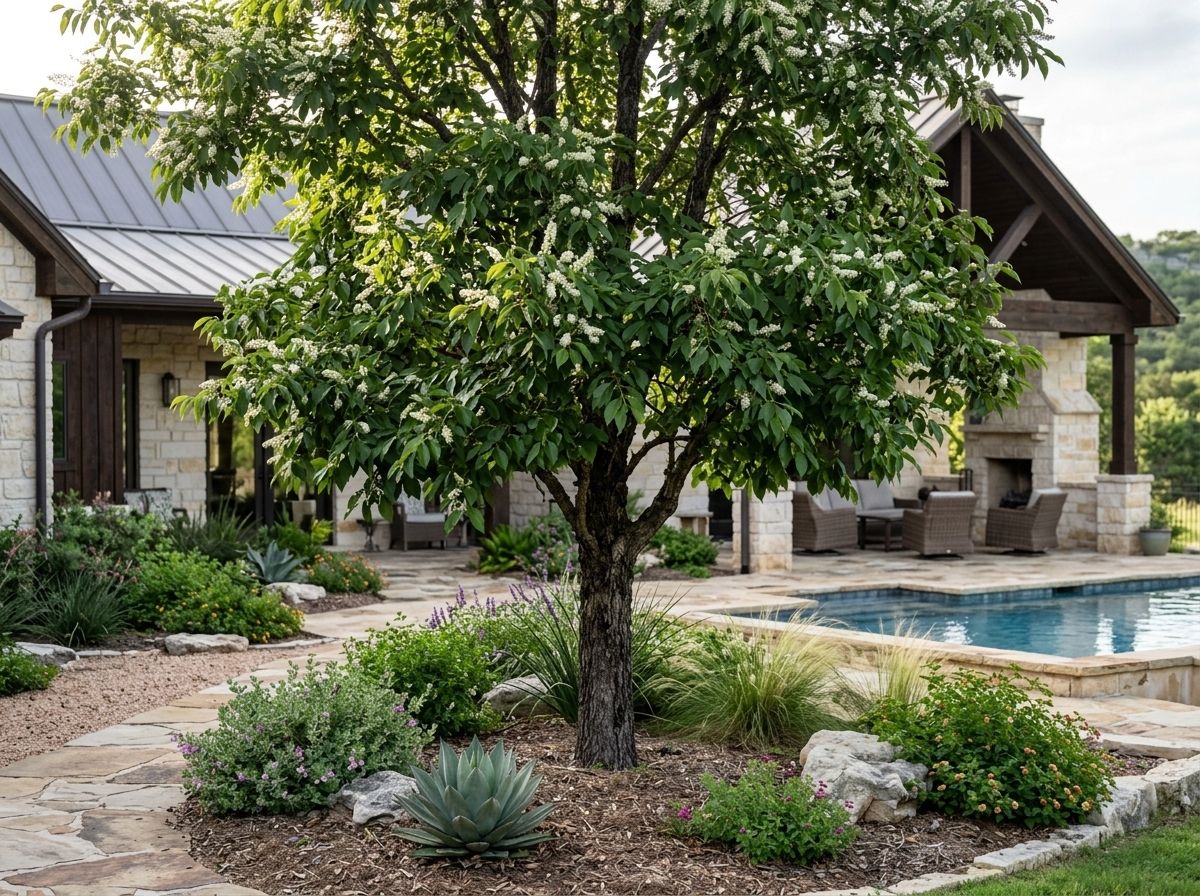
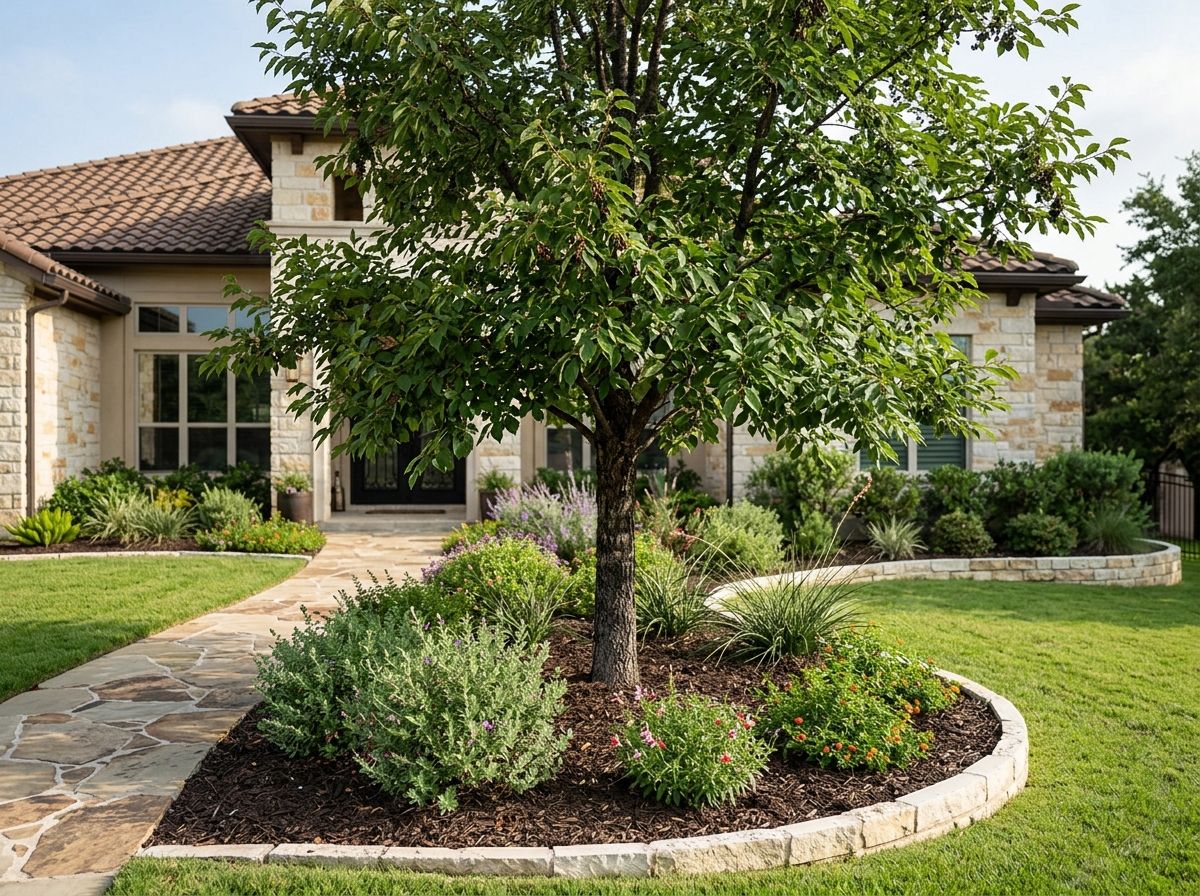
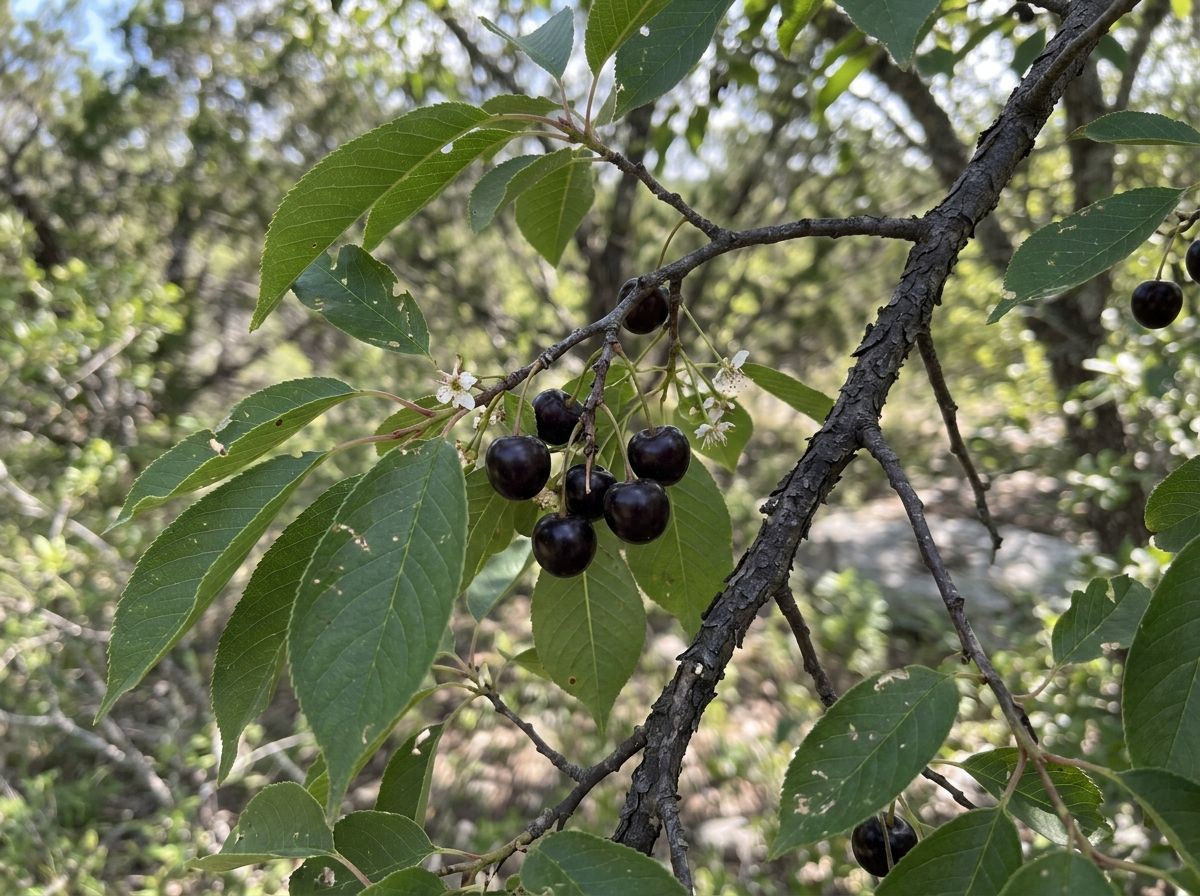
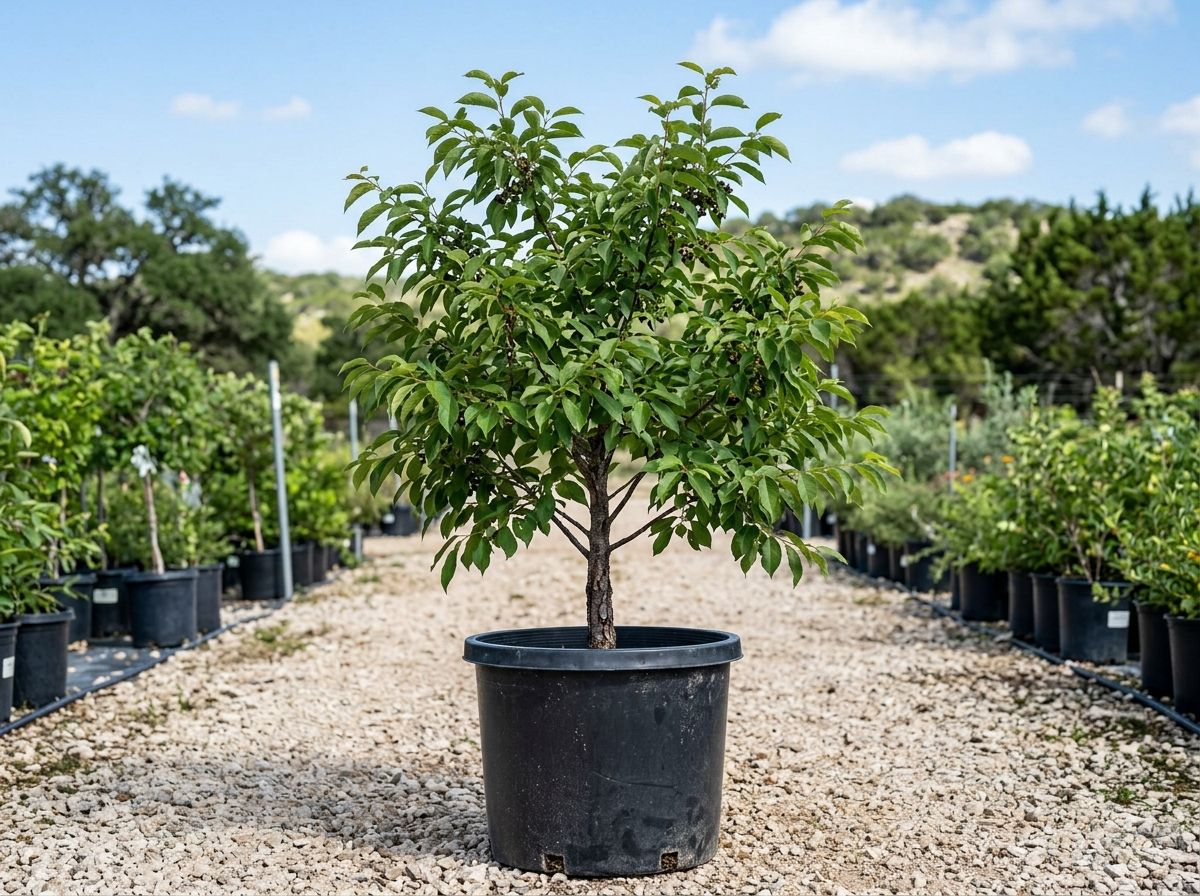
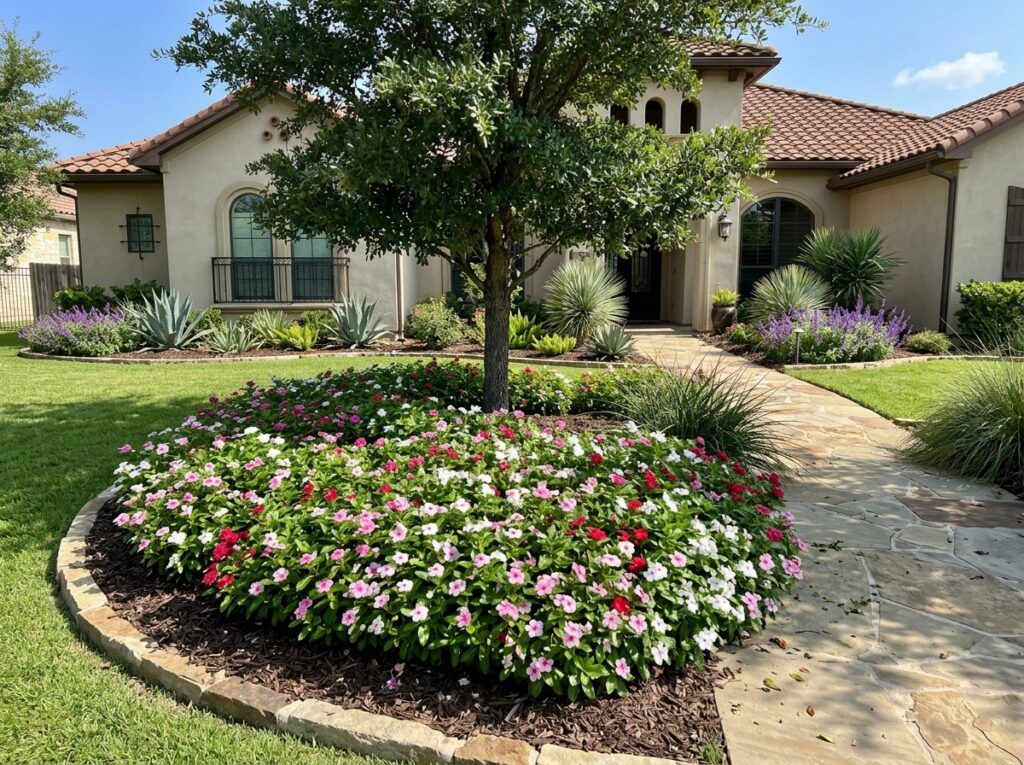
The Escarpment Black Cherry, scientifically known as Prunus serotina var. eximia, is a striking deciduous tree that is well-suited for a variety of landscaping purposes. This tree typically grows to a height of 30 to 40 feet, presenting a graceful silhouette with its slender trunk and branches. Its glossy, dark green leaves transform into a stunning display of yellow to orange-red hues during the fall, making it a popular choice for adding seasonal interest to gardens. The tree produces attractive white flower clusters in spring, followed by small black cherries that are a favorite among wildlife. It serves well as a specimen tree, in naturalized landscapes, or as part of a mixed planting for a touch of elegance and ecological support.
Maintenance
The Escarpment Black Cherry requires moderate watering, particularly during its establishment phase and dry spells. It thrives in full sun but can tolerate partial shade, making it versatile for different landscape settings. This tree prefers well-drained soils but is adaptable to various soil types, provided they are not overly wet. Pruning is best done in late winter or early spring to maintain its shape and remove any dead or diseased branches. As for pest resistance, it is relatively durable but should be monitored for common issues like tent caterpillars. It’s important to maintain good air circulation and healthy growing conditions to prevent diseases.
Quick Facts
– Hardiness Zones: 6 to 9
– Growth Rate: Medium to fast
– Sun Exposure: Full sun to partial shade
– Soil Type: Well-drained, adaptable to various soils
– Special Characteristics: Deciduous, stunning fall foliage, attracts pollinators and supports wildlife
– Deer Resistance: Moderate, may require protection
– Pest/Disease: Tolerant but watch for tent caterpillars
Want this product installed? Check out our page to view pricing and other details.
Related Products
Wildlife Garden Blend


Ready When You Are
Get a Clear Plan for Your Yard
Tell us what you’d like to improve. We’ll ask a few questions, review your project, and let you know the best next step — no pressure and no guesswork. Fill out the form for a free quote.