
Grasses Inland Sea Oats
(Chasmanthium latifolium)
Other Common Names: River Oats, Northern Sea Oats, Wild Oats, Flathead Oats
Birds
Deciduous
Full Shade
Partial Sun
Screening/Privacy
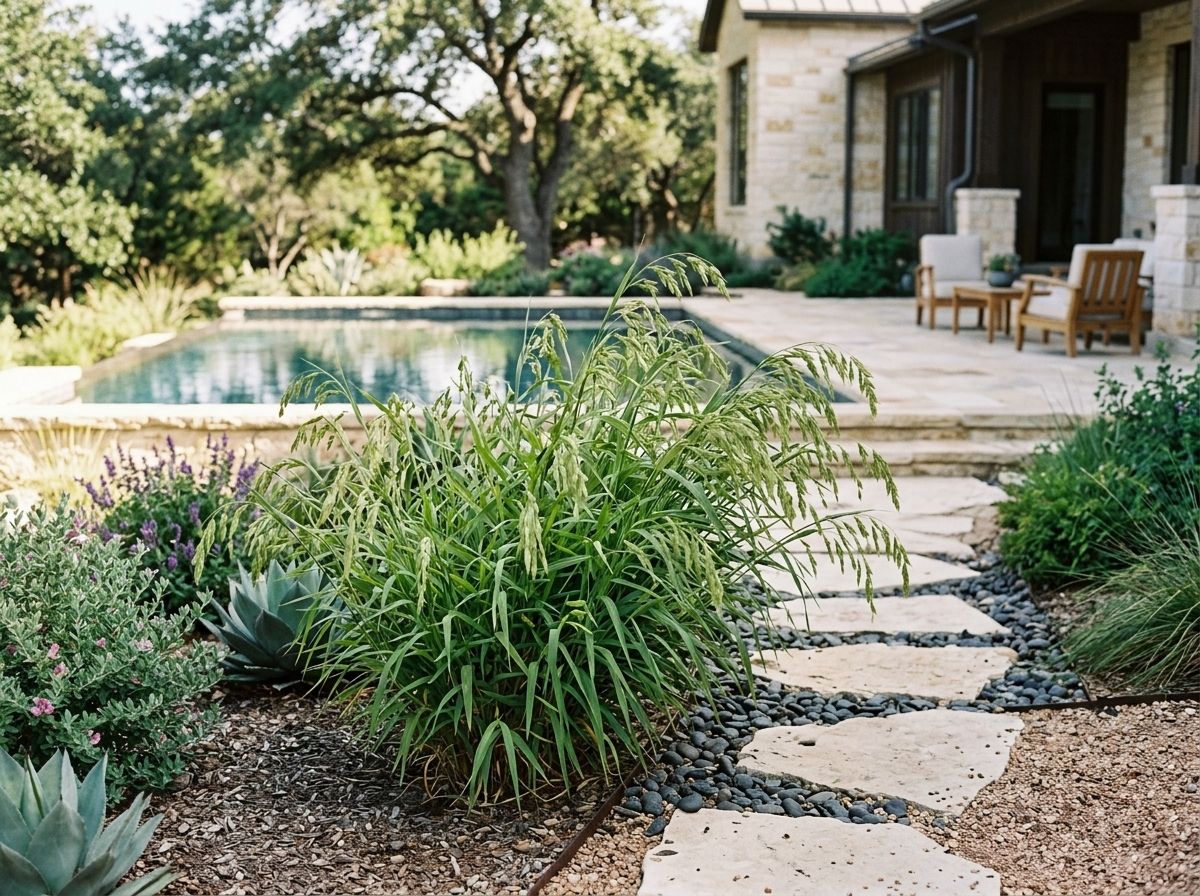
Recommended Use: Excellent for shady, dry areas or along stream banks where erosion control and graceful ornamental texture are desired.
Inland Sea Oats (Chasmanthium latifolium)
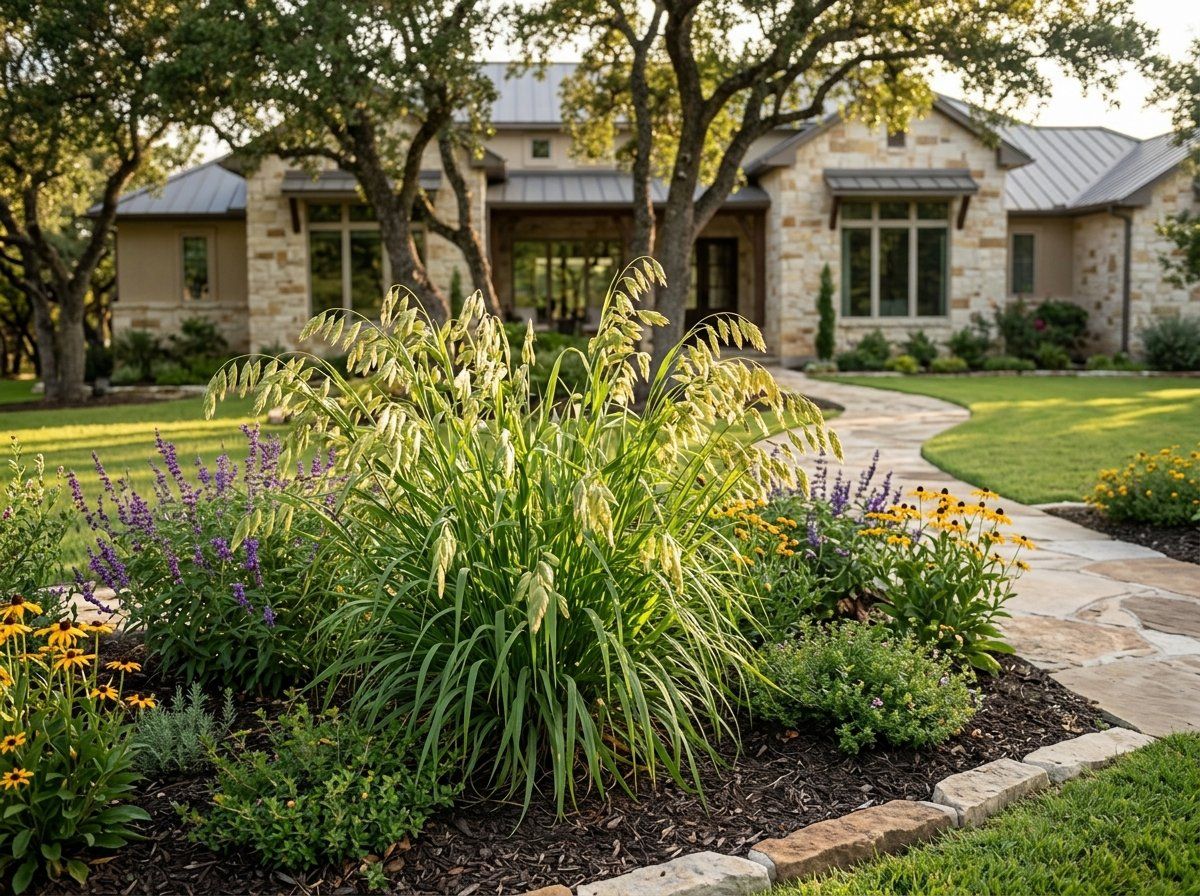
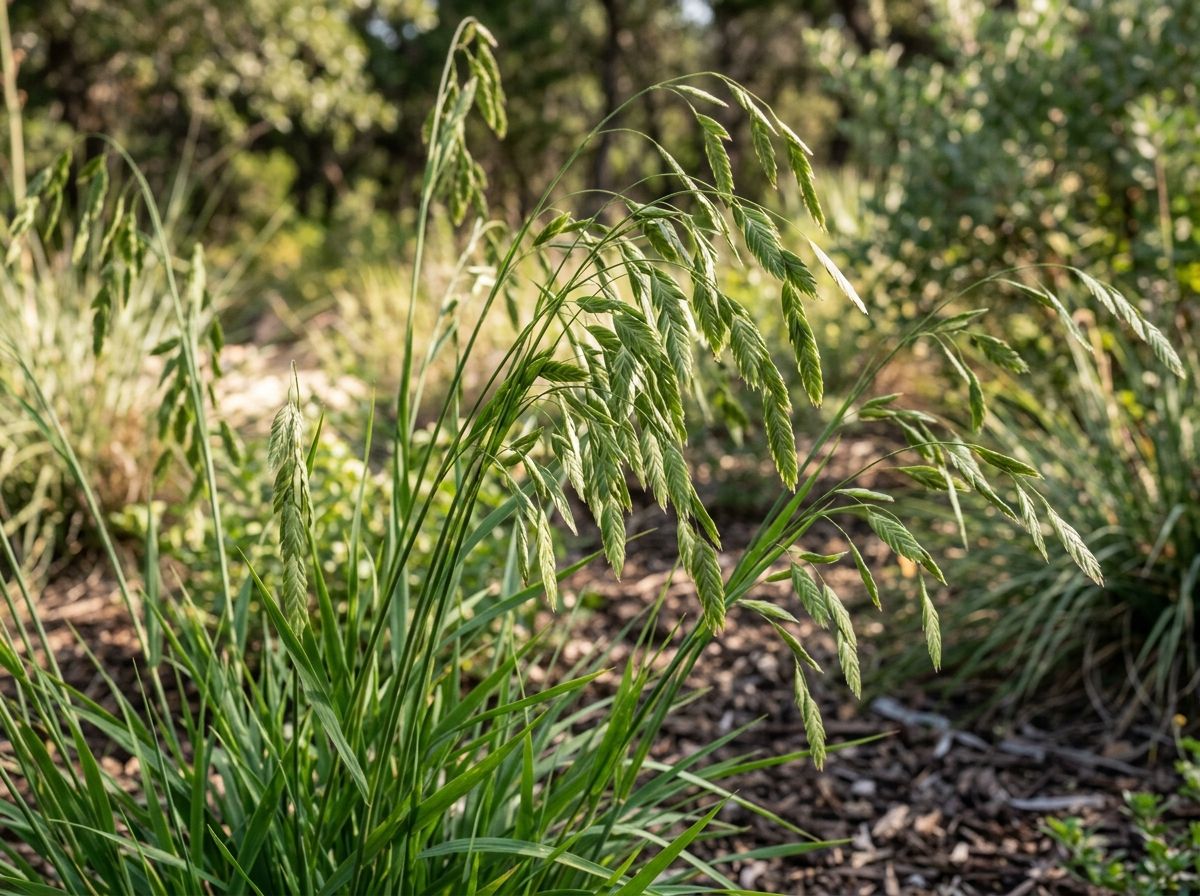
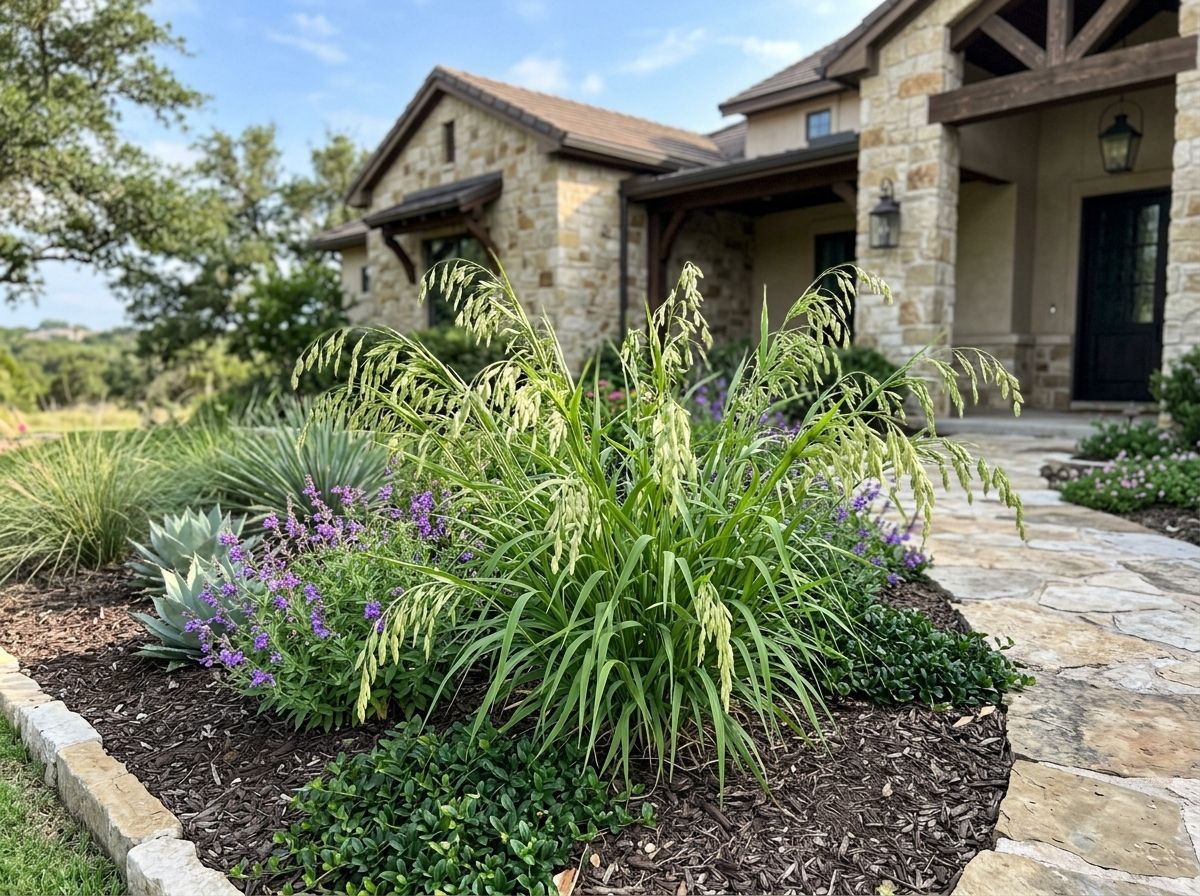
Inland Sea Oats is a graceful native ornamental grass known for its distinctive seedheads that dangle like flattened oats from arching stems. Growing 2-4 feet tall and 1-2 feet wide, this clump-forming perennial features broad, bamboo-like leaves that turn a striking copper color in fall. The plant produces attractive, flat, oat-like seed clusters in summer that transition from green to bronze and persist well into winter, providing year-round visual interest. Inland Sea Oats excels as a shade-tolerant grass option for areas where many ornamental grasses won’t thrive, making it ideal for woodland gardens, erosion control on slopes, and naturalized areas under trees. Its gentle swaying movement adds dynamic texture to landscapes, while its adaptability makes it an excellent choice for rain gardens and transitional zones between cultivated areas and natural spaces.
Maintenance Requirements
Inland Sea Oats is remarkably low-maintenance once established. Water needs are moderate to low, requiring regular moisture during establishment but becoming quite drought-tolerant after the first year, especially in shadier locations. This adaptable grass thrives in partial to full shade, though it can tolerate some morning sun in cooler climates. It prefers moist, well-draining soils but adapts to a variety of soil types including clay. Pruning is minimal—simply cut back to a few inches above ground level in late winter before new growth emerges. The plant rarely suffers from significant pest or disease problems, making it an excellent low-input landscape choice. Be aware that it can self-seed enthusiastically in optimal conditions, so consider removing seed heads before they mature if controlling spread is desired.
Quick Facts
– USDA Hardiness Zones: 3-9
– Growth Rate: Moderate to fast
– Mature Size: 2-4 feet tall, 1-2 feet wide
– Bloom Time: July to September (seedheads)
– Deer Resistance: Moderate to high
– Wildlife Value: Seeds attract birds, provides cover for small wildlife
– Native Region: Eastern and central United States
– Special Features: Excellent erosion control, shade tolerance, winter interest
– Maintenance Level: Low
– Self-Seeding: Yes, can be somewhat aggressive in ideal conditions
– Drought Tolerance: Moderate once established
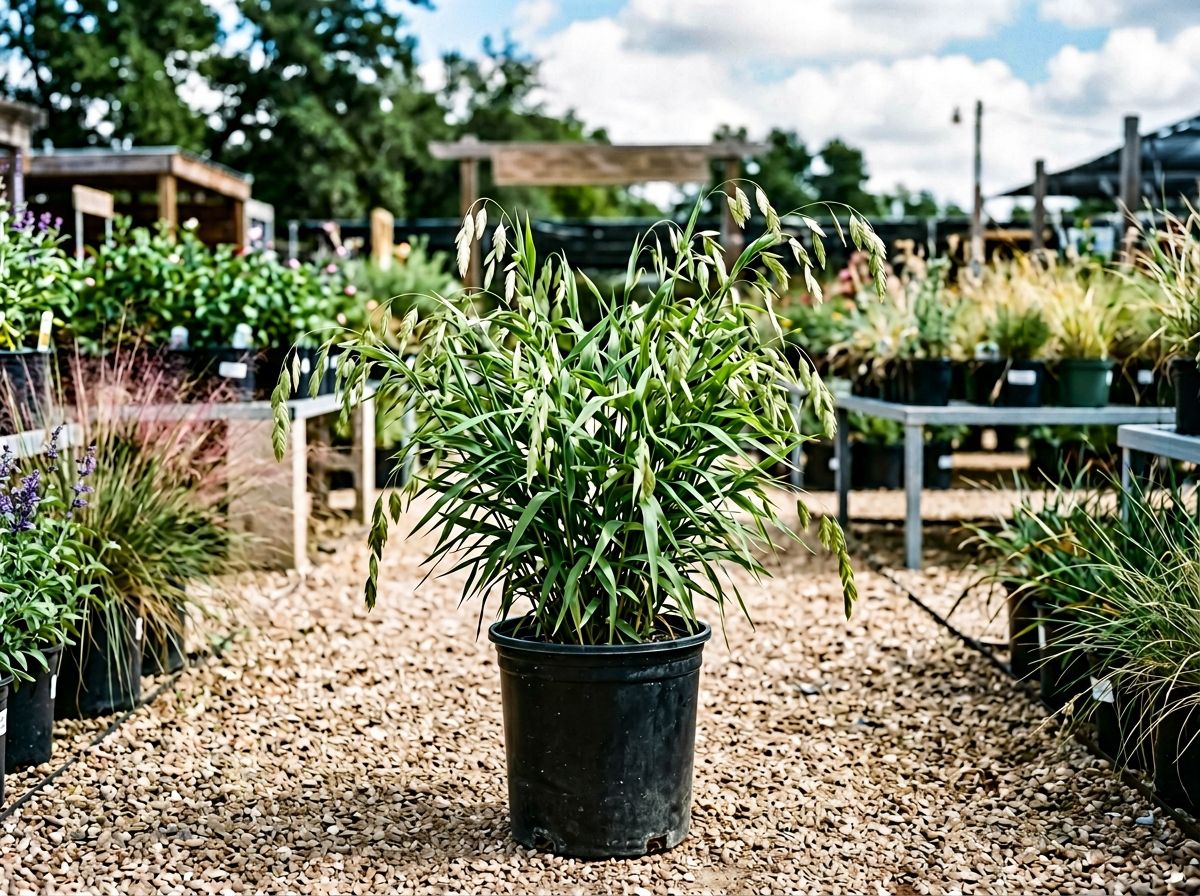
Want this product installed? Check out our page to view pricing and other details.
Related Products
Planting Role / Visual Structure > Softening / Groundcover Blend

Wildlife Garden Blend
Ready When You Are
Get a Clear Plan for Your Yard
Tell us what you’d like to improve. We’ll ask a few questions, review your project, and let you know the best next step — no pressure and no guesswork. Fill out the form for a free quote.