
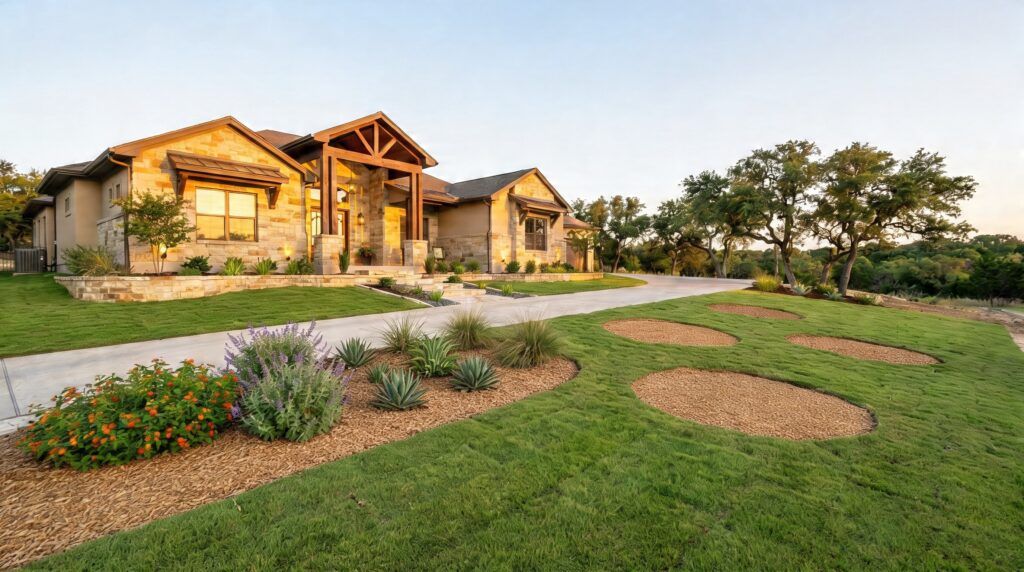
Know what the site will look like before the work begins.
What to Expect After Tree Removal and Stump Grinding
Many homeowners picture a finished, fully restored lawn right after a tree comes down. In reality, tree removal, stump grinding, and site restoration are usually three separate phases. This guide explains what is normally included, what is optional, and what the area will actually look like after the work is done.
Request Your Free EstimateThink in phases, not one all-in-one outcome.
What Happens After Tree Removal and Stump Grinding?
Standard tree removal usually includes taking the tree down, sectioning the limbs and trunk, hauling away the debris, and leaving the yard rake-clean. That means the visible tree is gone and the work area is cleaned up, but the stump usually remains unless stump grinding was specifically added.If stump grinding is added, the stump is typically ground 6–12 inches below grade, and the resulting wood chips and soil are left mounded in the hole unless haul-off, topsoil fill, or leveling are quoted as separate add-ons.What is usually not included by default is full site restoration. Sod repair, regrading, replanting, or bed rebuilding are landscaping follow-up services unless they are specifically listed in the quote.
Tree removal usually includes debris haul-off and a rake-clean finish.
Stump grinding is optional unless specifically included in the quote.
Grinding typically leaves a mound of chips and soil unless cleanup/restoration add-ons are selected.
Sod repair, regrading, and replanting are usually separate follow-up services.
Clear expectations prevent scope confusion.
The Three Phases Homeowners Should Understand
A lot of frustration after tree work comes from homeowners assuming that removal, stump grinding, and site restoration are all part of one default package. In most cases, they are not. The cleanest way to understand the job is to break it into three separate phases. For help turning the advice into a real project, review our tree and shrub trimming service page.
Phase 1: What standard tree removal usually includes
Standard removal is focused on getting the tree down safely and clearing the visible debris from the property. For small-to-medium removals, that usually means felling or sectioning the tree, cutting manageable pieces, hauling away limbs and trunk material, and leaving the area rake-clean.
- Included: cutting down the tree, debris haul-off, and normal site cleanup from the removal itself.
- Not automatically included: stump grinding, soil fill, sod repair, replanting, or grading corrections.
If stump grinding is not selected, the stump is normally cut as low to the ground as safely possible and left in place.
Phase 2: What stump grinding changes
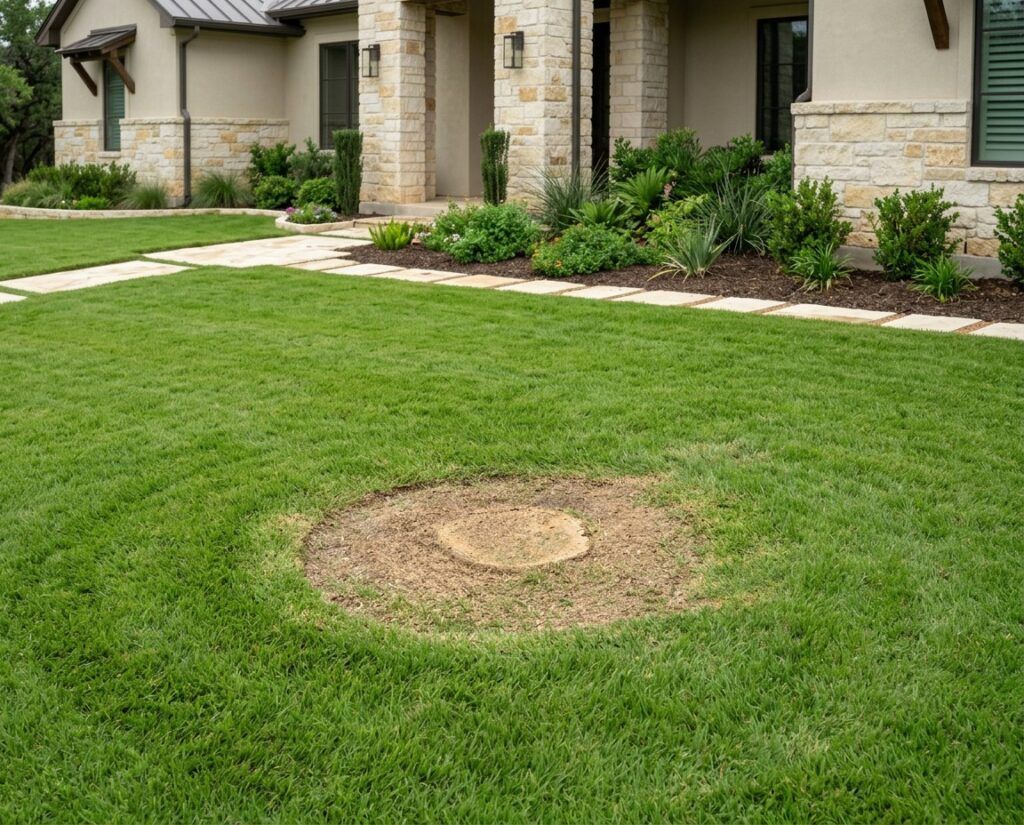
Stump grinding is a separate service because it changes the site but does not fully restore it. The grinder cuts the stump down below grade—typically 6–12 inches—so the visible stump is gone. However, the process creates a large amount of wood chips and loosened soil.
- Standard stump grinding result: chips and soil are raked into a neat mound over the hole.
- Why it is mounded: the material settles naturally over time, and leaving it flush immediately often creates a low spot later.
- What still may be needed: haul-off, topsoil, leveling, sod, or bed restoration depending on your end goal.
This is why “stump ground” and “yard restored” are not the same thing.
For ground-cover material planning, compare native mulch with the site conditions discussed above.
For ground-cover material planning, compare decomposed granite with the site conditions discussed above.
Phase 3: What site restoration usually means
Once the tree is gone and the stump is handled, the area may still need landscape work to look finished. That is where restoration comes in.
- Soil and leveling: filling the depression with quality soil and bringing the area back toward finish grade.
- Sod repair: restoring the lawn surface where the tree or grinder disturbed turf.
- Bed restoration: preparing the area for mulch, rock, or new planting.
- Replanting: installing a new shrub or tree somewhere that makes more sense for the site.
These items are usually quoted separately because the right restoration scope depends on what the area is becoming next.
For a related next step, read When Does a Tree Need Trimming vs Removal?.
For a related next step, read What’s Included in Tree and Shrub Trimming?.
For a related next step, read Tree Trimming Cost Guide.
How to avoid surprises in your quote
The best way to avoid disappointment is to ask what the site will look like when the crew leaves. Not just what work is being done, but what the surface condition will actually be.
- Ask whether the quote includes stump grinding or only tree removal.
- Ask whether chips stay on site or are hauled away.
- Ask whether topsoil fill and leveling are included.
- Ask whether any sod or bed restoration is part of the scope or a later phase.
Once those details are clear, the project becomes much easier to understand and compare.
Here goes your text ... Select any part of your text to access the formatting toolbar.
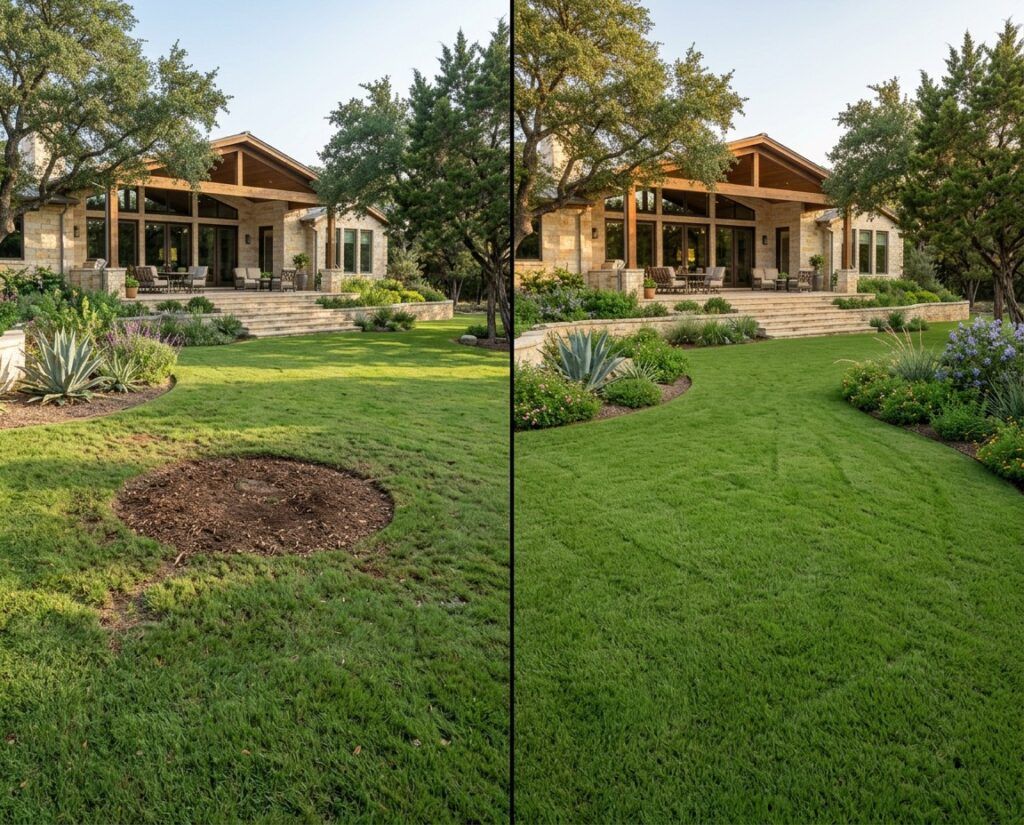
What the Site Usually Looks Like After Each Step
| Phase | What Is Usually Complete | What Usually Remains |
|---|---|---|
| After Tree Removal Only | Tree is down, limbs and trunk are hauled away, yard is rake-clean | Stump remains unless grinding was added |
| After Tree Removal + Stump Grinding | Tree is gone, stump is ground below grade, work area is cleaner and flatter | Wood chip mound, settling, possible need for topsoil or sod repair |
| After Full Restoration Add-Ons | Area is filled, leveled, and prepared with sod or bed treatment as quoted | Normal settling and follow-up landscape care over time |
Good expectations create smoother projects.
Pros and Limits of a Phase-Based Tree Work Plan
PROS
Makes it clear what is included in removal versus grinding versus restoration.
Helps homeowners control budget by choosing only the phases they want now.
Reduces scope confusion and disappointment after the crew leaves.
Creates cleaner follow-up planning for sod, soil, or bed restoration.CONS
Some homeowners expect a fully finished lawn immediately after removal, which is not usually the default outcome.
Skipping restoration can leave the area visually unfinished for a while.
Adding every phase at once increases total cost, even if it improves the final result.
Heavy settling after grinding can surprise homeowners who expected a flat surface immediately.
Each phase adds a different kind of work.
Here goes your text ... Select any part of your text to access the formatting toolbar.
How Removal, Grinding, and Restoration Affect Cost
Tree removal, stump grinding, and site restoration are usually priced separately because they solve different problems. Removal addresses the tree itself. Grinding addresses the stump. Restoration addresses the appearance and future use of the site.That means the lowest-cost version of the job is often removal alone, a mid-range version is removal plus grinding, and the most complete version includes restoration such as haul-off, topsoil, leveling, sod repair, or bed preparation. Pricing can change at any time, so the most useful goal is understanding the phases rather than chasing one all-in number. Before scheduling work, review our project guidelines so the project expectations are clear.
Removal, stump grinding, and restoration are usually separate line items.
Grinding changes the site but does not fully restore it by default.
Topsoil fill, leveling, sod repair, and replanting are separate follow-up services unless listed.
Written quotes are the best way to compare what each phase actually includes.
Pricing can change at any time based on labor, disposal, machine access, and restoration scope.
The aftercare questions matter just as much as the removal.
After Tree Removal and Stump Grinding FAQs
These answers help homeowners understand what the finished site will really look like after each step.
See All Frequently Asked QuestionsIn most cases, yes—standard trimming includes cleanup of the cut material. Depending on the job, debris may be hauled away by default or handled using an agreed option such as curb placement or a designated on-site area.
That is usually a separate landscape planning decision. After grinding, the area may need soil correction, leveling, and spacing adjustments before a new shrub or tree is installed in a sensible location.
No. Some homeowners remove the tree first and schedule stump grinding later. Others bundle both together. It depends on how quickly you want the visible stump gone and whether you are planning immediate site restoration.
It can be, but the area usually needs some site preparation first. That may include chip haul-off, topsoil fill, leveling, and then sod installation. Those steps should be quoted separately unless they are already included.
Not automatically. Standard stump grinding usually leaves the chips mounded over the hole. Haul-off is typically offered as a separate add-on if you want the area cleared out more fully.
Usually not by default. Standard grinding leaves a mound of chips and soil because the material settles naturally over time. If you want the area leveled sooner, topsoil fill and grading should be added.
Know what the crew is leaving behind before the work starts.
Need a Clear Quote for Tree Removal, Stump Grinding, or Site Recovery?
We can break the project into clear phases—removal, grinding, and restoration—so you understand exactly what is included now, what is optional, and what the site will look like when the work is complete.