
Vines Asiatic Jasmine
(Trachelospermum asiaticum)
Other Common Names: Asian Jasmine, Jazmin Asiatico, Teika-Kazura
Drought-Tolerant
Evergreen
Partial Sun
Screening/Privacy
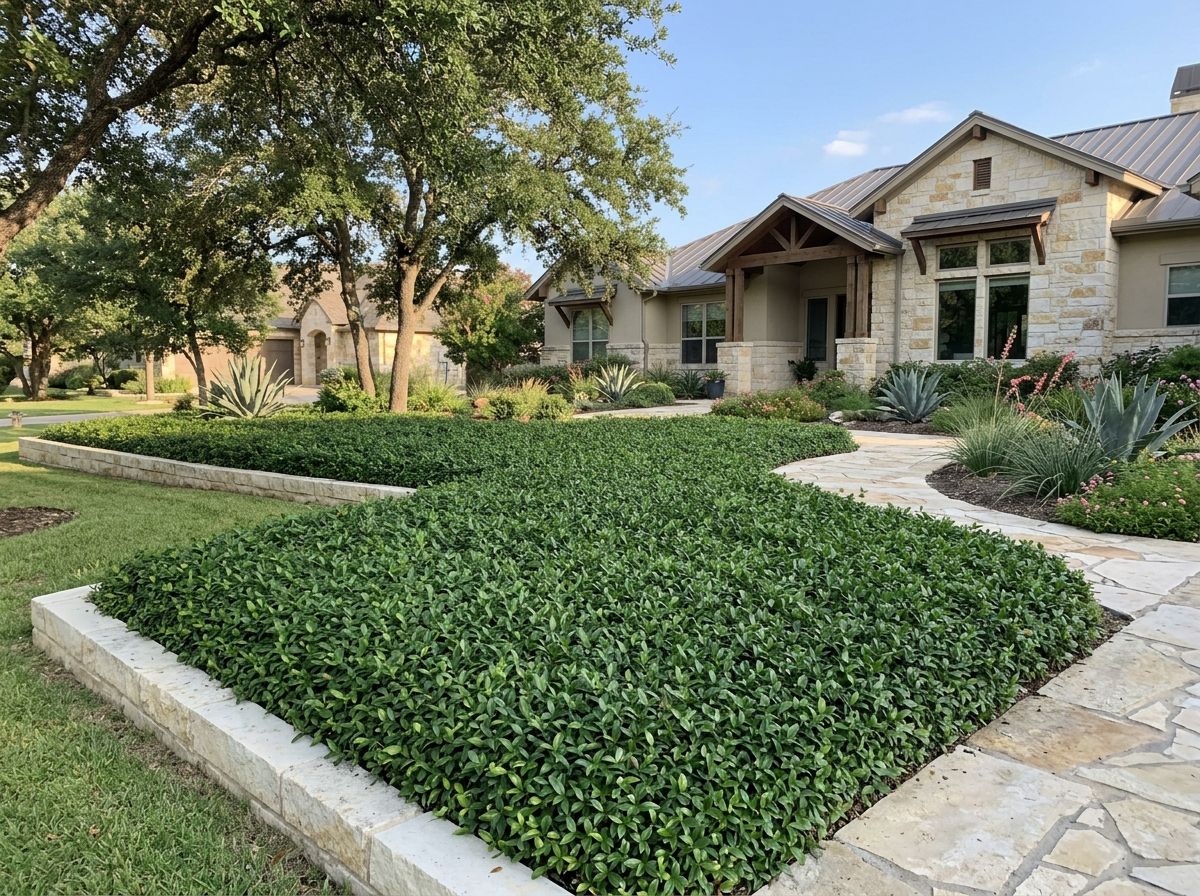
Recommended Use: Ideal for shady areas under trees or along pathways needing a dense, evergreen, low-maintenance ground cover.
Introduction to Asiatic Jasmine
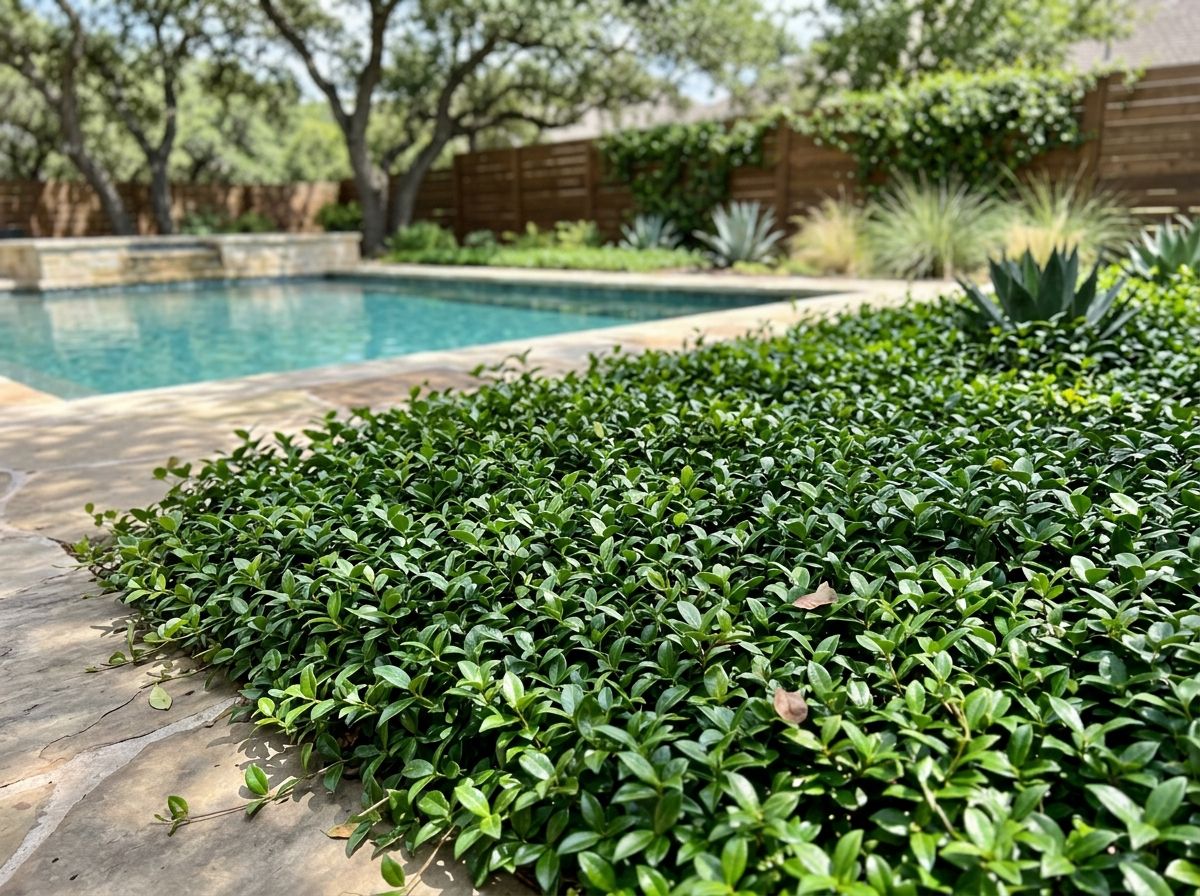
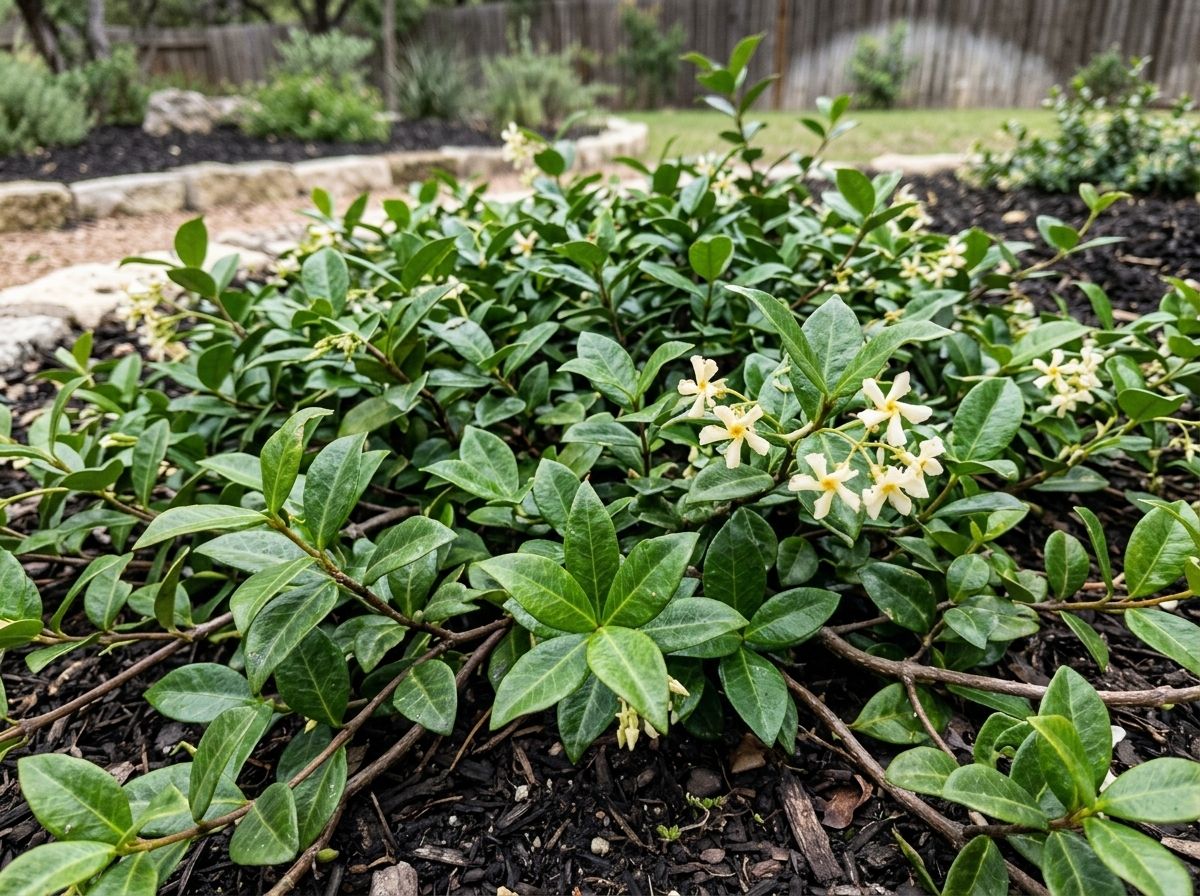
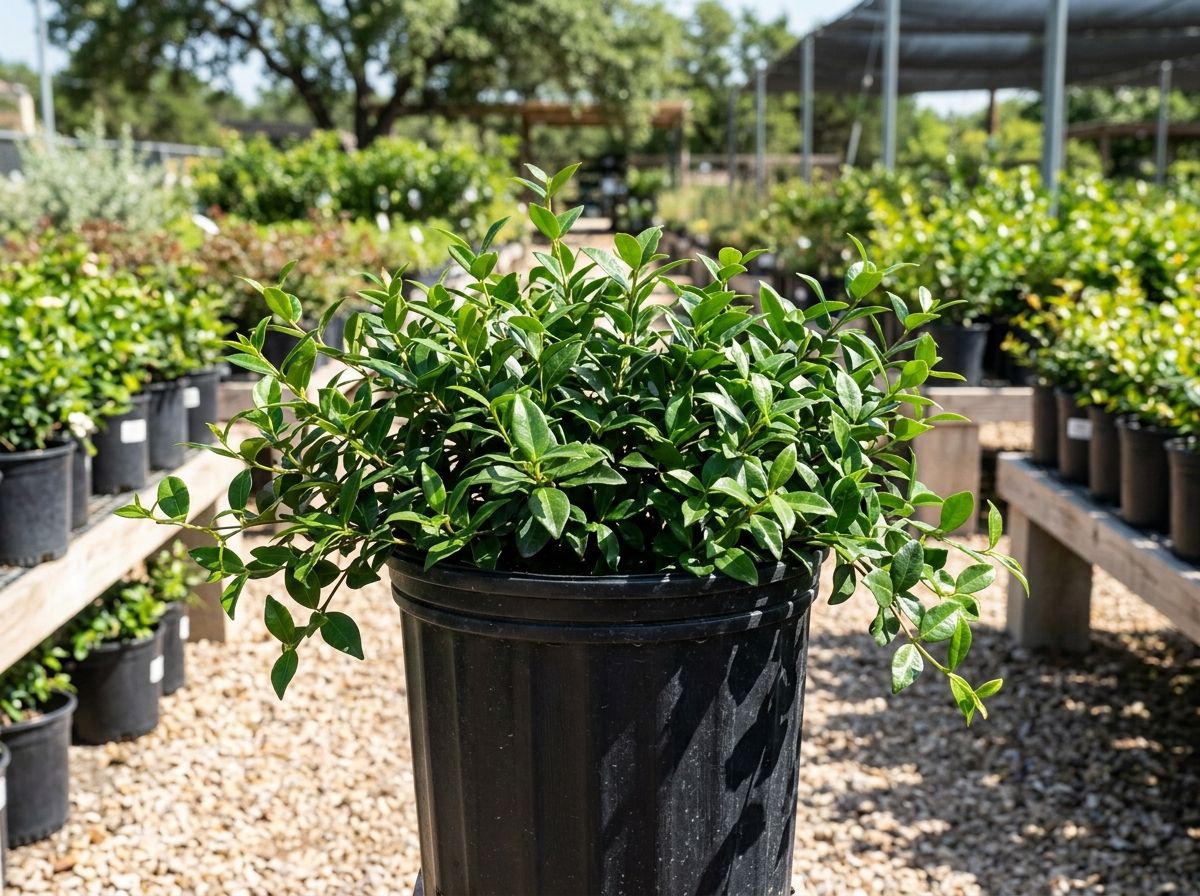
Asiatic Jasmine (Trachelospermum asiaticum) is an attractive and versatile ground cover plant that is a favorite choice in landscaping due to its low maintenance and aesthetic appeal. It features lush, evergreen foliage that can be either solid green or variegated, providing consistent color year-round. Typically reaching a height of 6 to 12 inches, Asiatic Jasmine spreads extensively, creating a dense mat of greenery. This plant is particularly valued for its use in covering large areas, controlling erosion, or as an elegant choice for borders and pathways. It can thrive in various light conditions, from full sun to part shade. While it may occasionally produce small, yellowish flowers, these are rare in landscape settings and not the main ornamental feature.
Maintenance
Asiatic Jasmine is known for its minimal maintenance requirements, making it ideal for gardeners of all experience levels. This plant prefers well-drained soil but is adaptable to different soil types. It requires moderate watering, especially during dry spells, to maintain its lush appearance but is relatively drought-tolerant once established. For optimal growth, the plant enjoys full sun to part shade environments. Pruning is recommended to shape and manage its spread, usually once or twice a year. Asiatic Jasmine demonstrates good resistance to most pests and diseases, which further contributes to its popularity as a robust landscape choice.
Quick Facts
- Hardiness Zones: 7–10
- Growth Rate: Moderate to Fast
- Special Characteristics: Evergreen, moderately deer-resistant, may occasionally produce small flowers (usually inconspicuous)
- Sunlight: Full sun to part shade
- Watering: Moderate; drought-tolerant once established
Suggestions for San Antonio Homeowners:
- Soil Adaptability: Asiatic Jasmine tolerates San Antonio’s alkaline and clay soils but performs best in well-drained locations. Amending heavy clay with compost before planting can help.
- Water Needs: After establishment (typically the first year), irrigation can be reduced. Overwatering should be avoided—root rot can occur in poorly drained spots.
- Heat Tolerance: Well-suited for San Antonio’s hot summers and occasional drought conditions.
- Weed Suppression: Forms a dense mat that helps suppress weeds, reducing maintenance in large beds.
- Spreading Habit: Regular edging or trenching around planting beds may be needed to keep it from invading turf or flower beds.
- Pet Safety: Not considered toxic to dogs or cats according to ASPCA data.
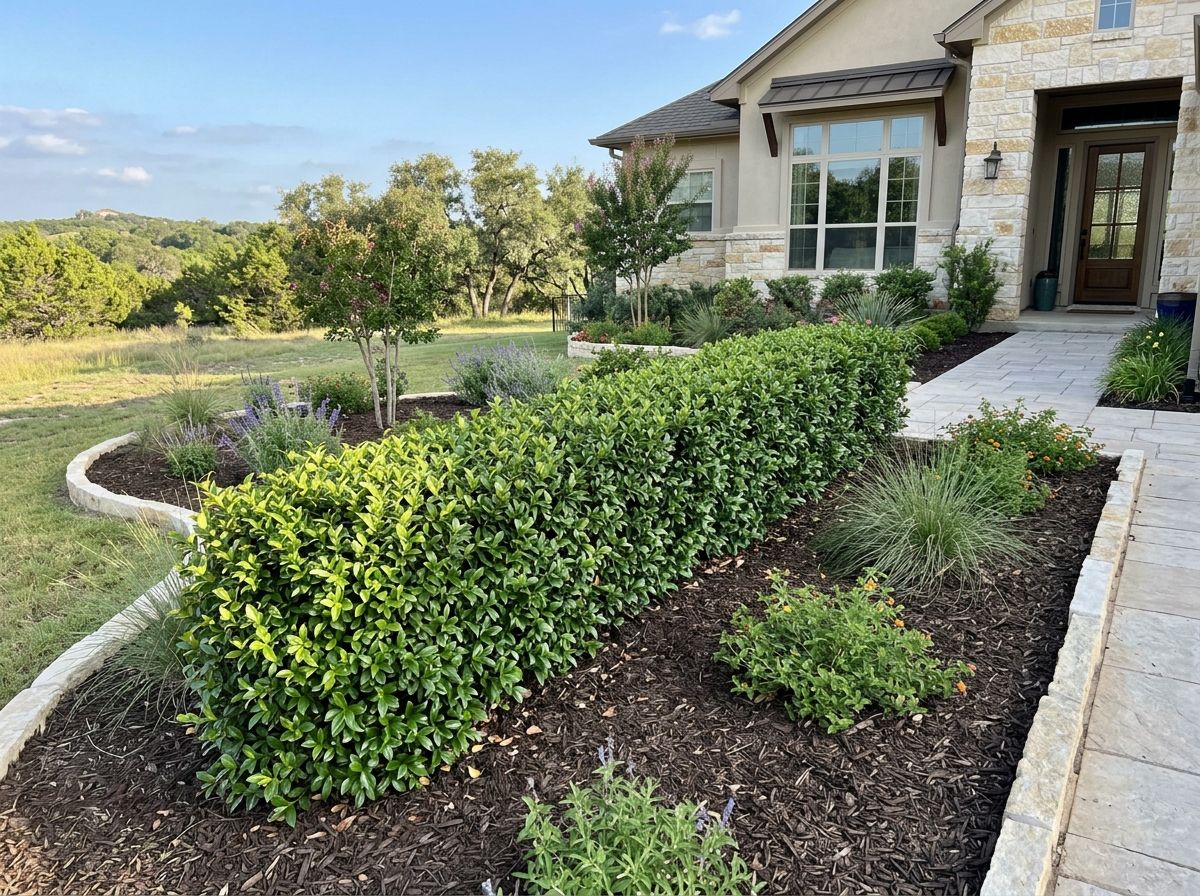
Want this product installed? Check out our page to view pricing and other details.
Related Products
Planting Role / Visual Structure > Softening / Groundcover Blend

Ready When You Are
Get a Clear Plan for Your Yard
Tell us what you’d like to improve. We’ll ask a few questions, review your project, and let you know the best next step — no pressure and no guesswork. Fill out the form for a free quote.