
Trees Pecan
(Carya illinoinensis)
Other Common Names: Hardy Pecan
Birds
Deciduous
Edible Parts
Full Sun
Recommended Use: Perfect for homeowners wanting edible nuts and deep shade in fertile soils.
Introduction to Carya illinoinensis
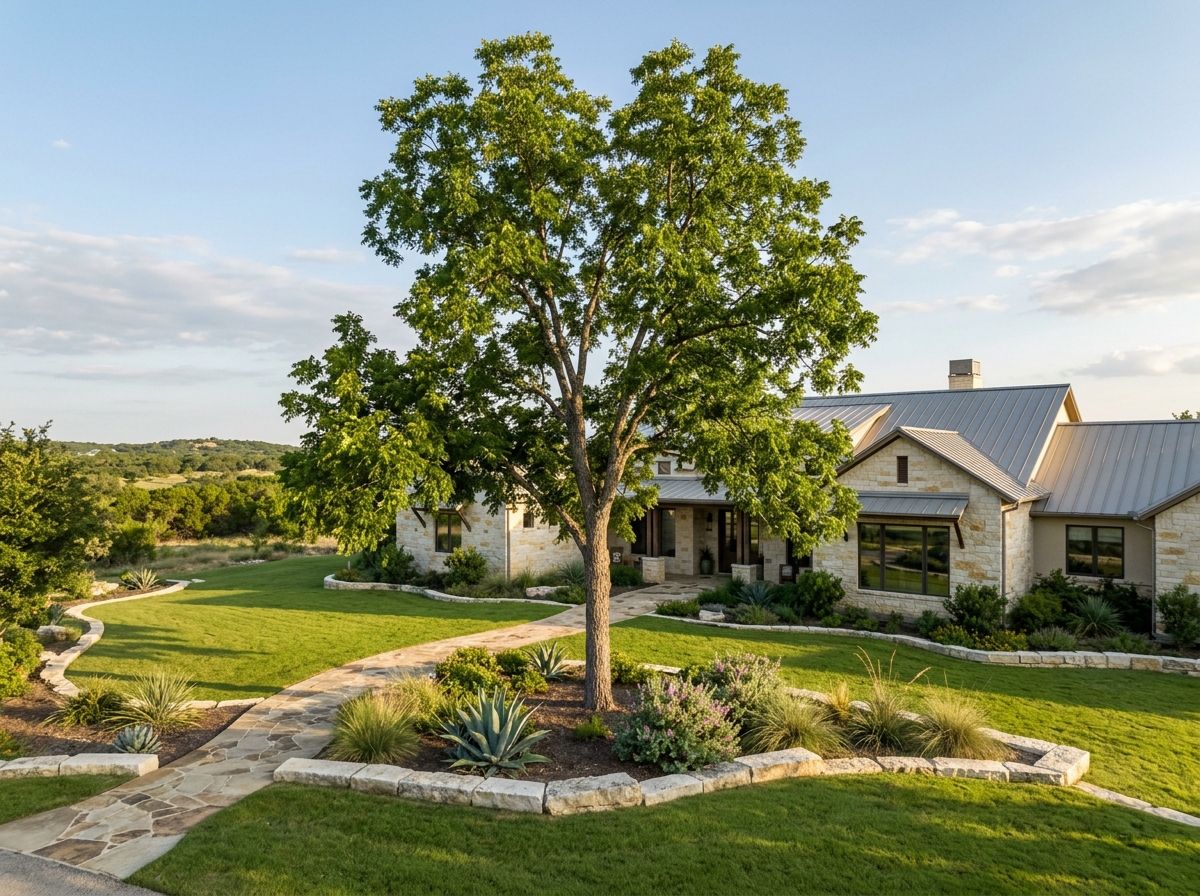
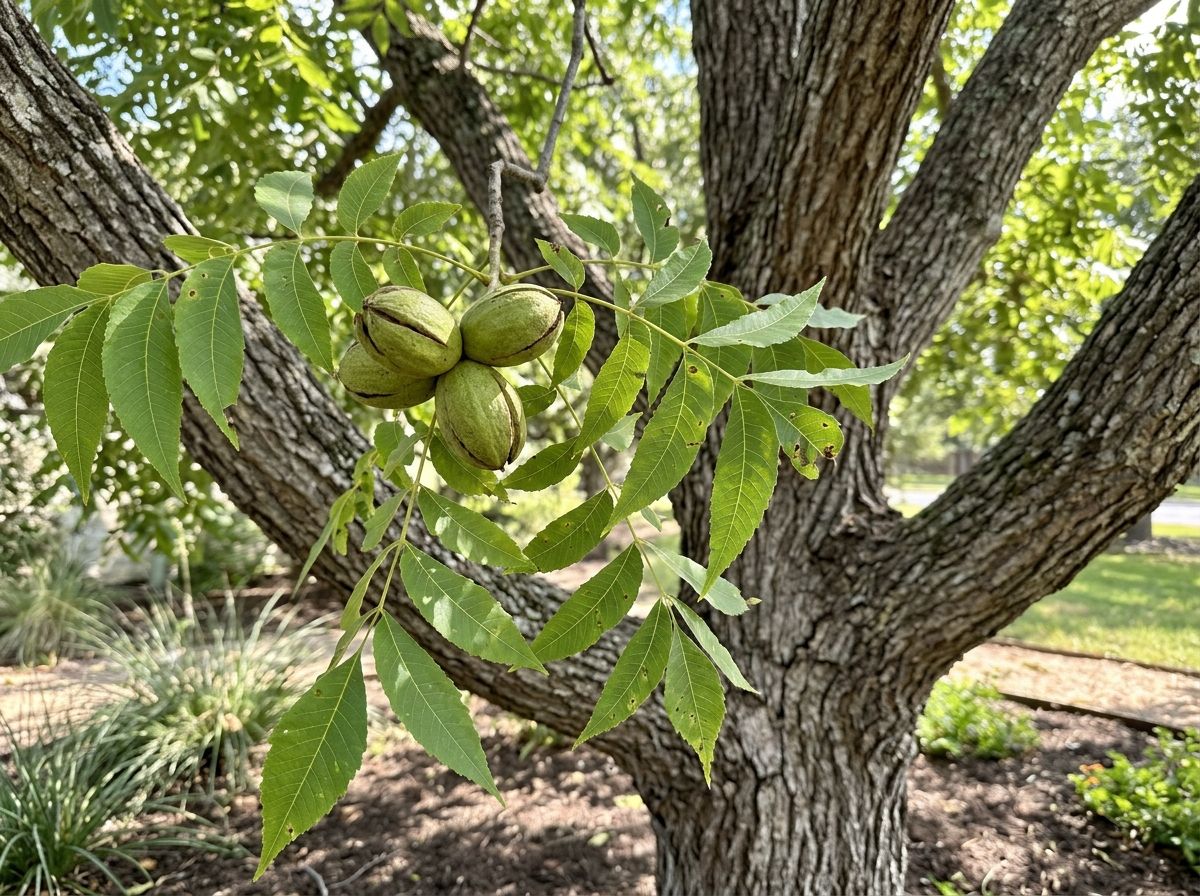
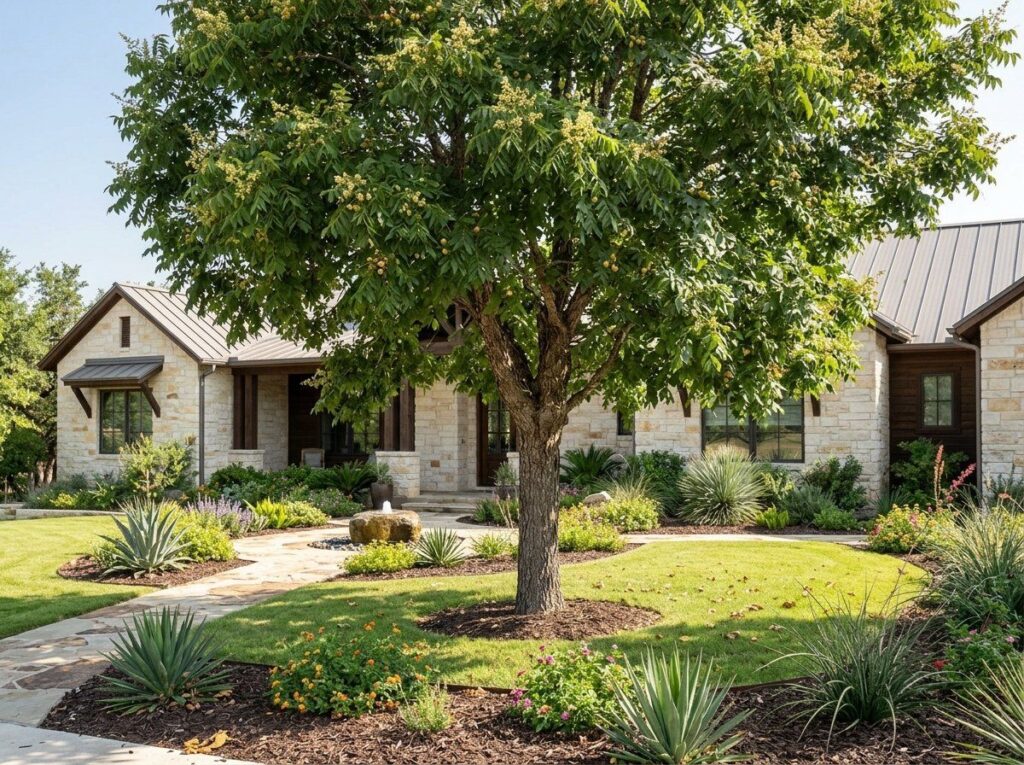
The Pecan tree, scientifically known as Carya illinoinensis, is a stately deciduous tree recognized for its large stature and sprawling canopy. Mature trees can reach heights of up to 100 feet, with a spread of 60 to 75 feet. Featuring compound leaves that turn a golden yellow in the fall, the tree adds seasonal interest to any landscape. The bark is deeply furrowed, adding textural dimension. Pecans are valued in landscapes for their ability to provide ample shade and their distinctive nut production, making them a dual-purpose choice for ornamental and edible landscaping.
Maintenance Requirements
Pecan trees require thorough maintenance to thrive. They prefer full sun exposure to encourage optimal growth and nut production. Adequate watering is essential, especially in dry conditions, as pecans are sensitive to drought. Well-drained, loamy soils rich in organic matter are ideal, though the tree exhibits some tolerance to clay soils. Regular pruning is advised to manage shape and remove dead or crossing branches, helping maintain health and structure. Pecan trees are generally hardy but can be susceptible to pests such as aphids and diseases like pecan scab, so monitoring and preventive care are recommended.
Quick Facts
– Hardiness Zones: 5-9
– Growth Rate: Moderate to fast
– Deciduous: Yes
– Special Characteristics: Requires lots of space, sensitive to root impact
– Deer Resistance: Moderate
– Pollinator Attraction: Attracts bees during flowering season

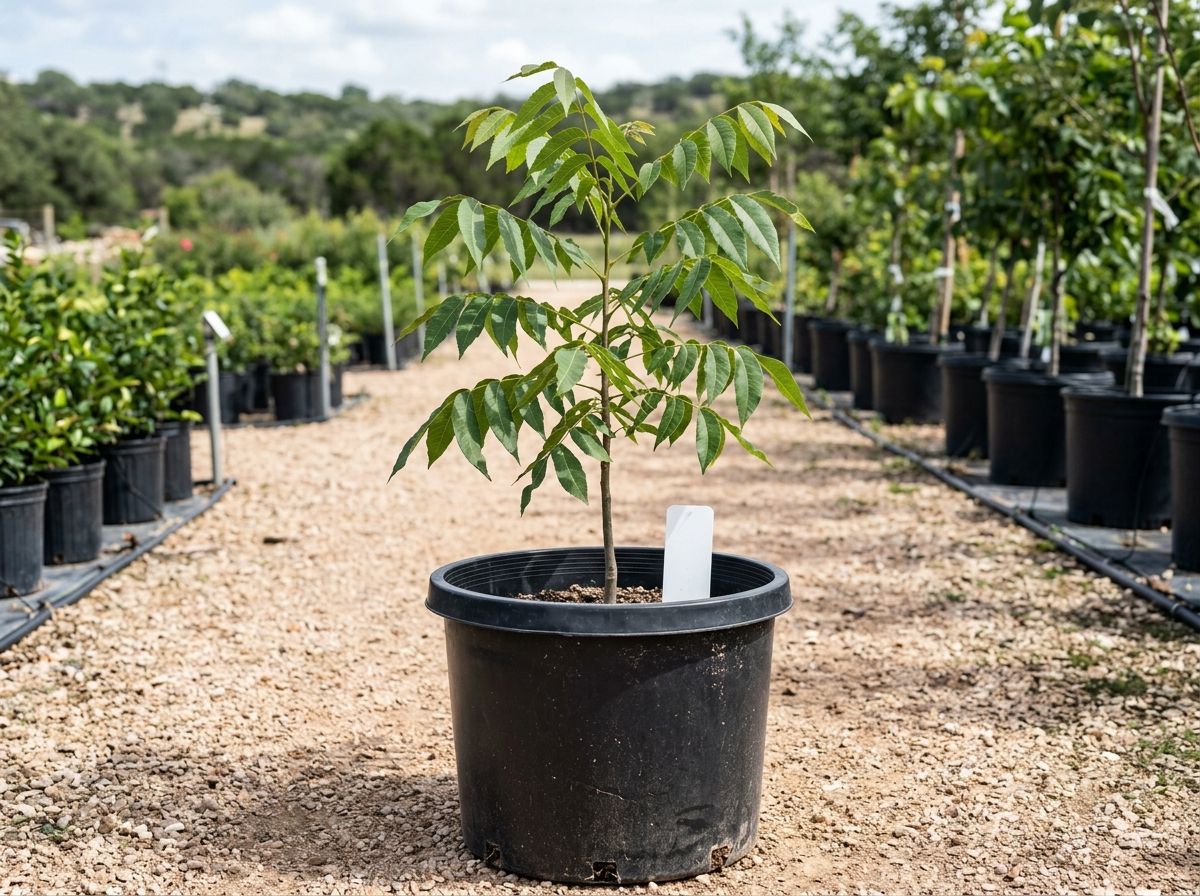

Want this product installed? Check out our page to view pricing and other details.
Related Products
Wildlife Garden Blend
Ready When You Are
Get a Clear Plan for Your Yard
Tell us what you’d like to improve. We’ll ask a few questions, review your project, and let you know the best next step — no pressure and no guesswork. Fill out the form for a free quote.