
Shrubs Pondweed
(Potamogeton spp.)
Other Common Names: Common Pondweed, Clasping-leaf Pondweed, Leafy Pondweed
Birds
Deciduous
Deer Resistant
Fast Growing
Flowering
Freeze Hardy
Full Sun
Low Maintenance
Recommended Use: Ideal for natural ponds and aquatic habitat support for fish and waterfowl.
Recommended Species
Here are some commonly suggested Potamogeton species for homeowners and business owners. Each has unique characteristics suited to different aquatic landscaping needs:
| Common Name | Species Name | Description/Notes |
|---|---|---|
| Longleaf Pondweed | Potamogeton nodosus | Has long, narrow leaves; typically found in ponds. |
| Illinois Pondweed | Potamogeton illinoensis | Submerged plant with finely divided leaves; excellent for oxygenation. |
| Curly-leaf Pondweed | Potamogeton crispus | Wavy or curly leaves; can be invasive but useful in controlled settings. |
| Small Pondweed | Potamogeton pusillus | Smaller leaves; grows well in shallow waters. |
Links to individual species pages can be inserted here for each plant.
Appearance and Landscaping Uses
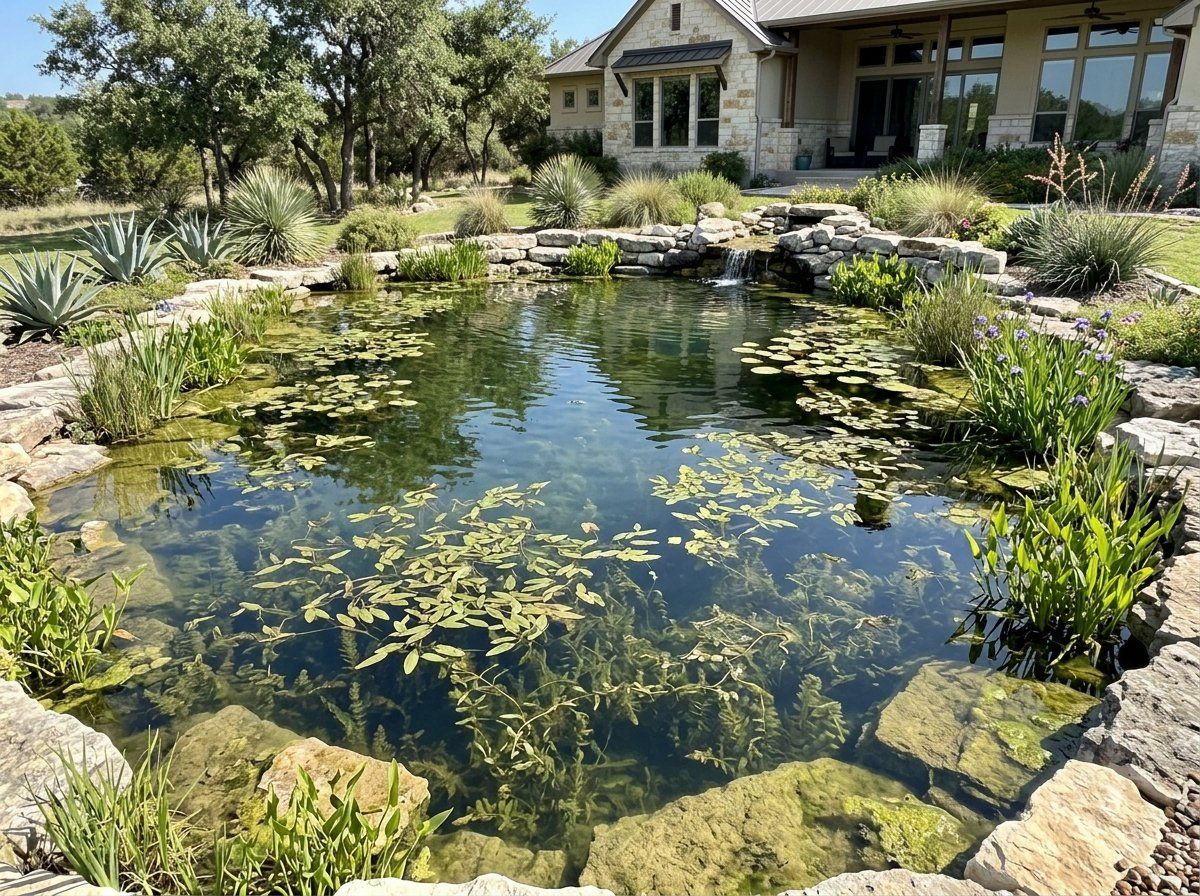
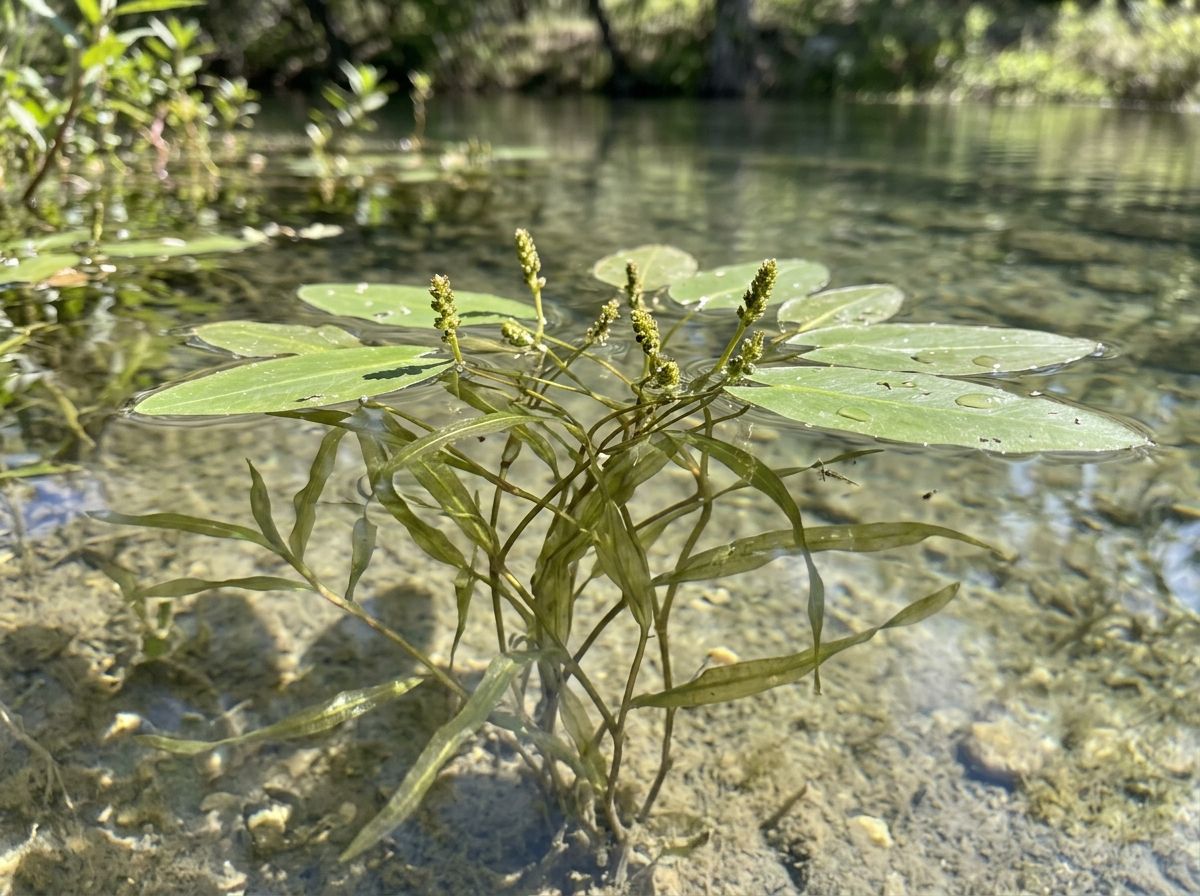
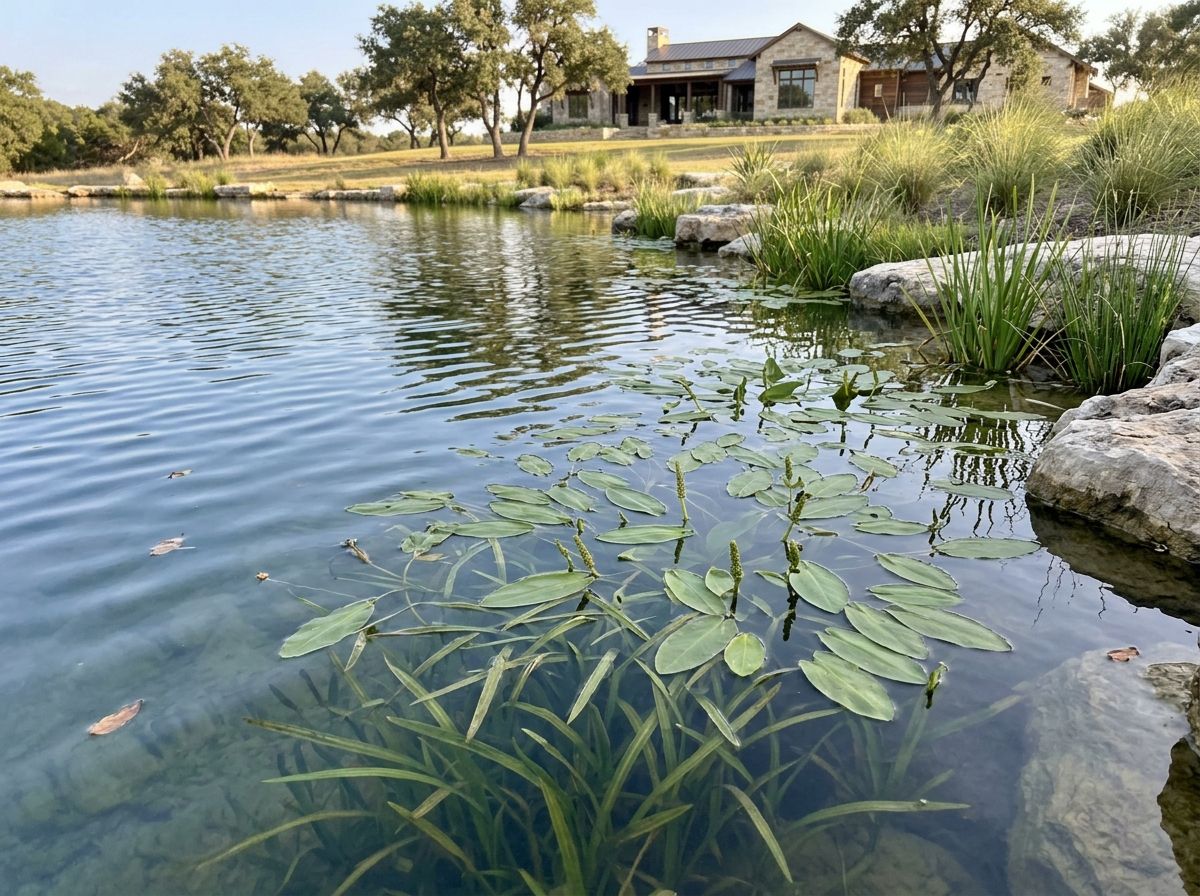
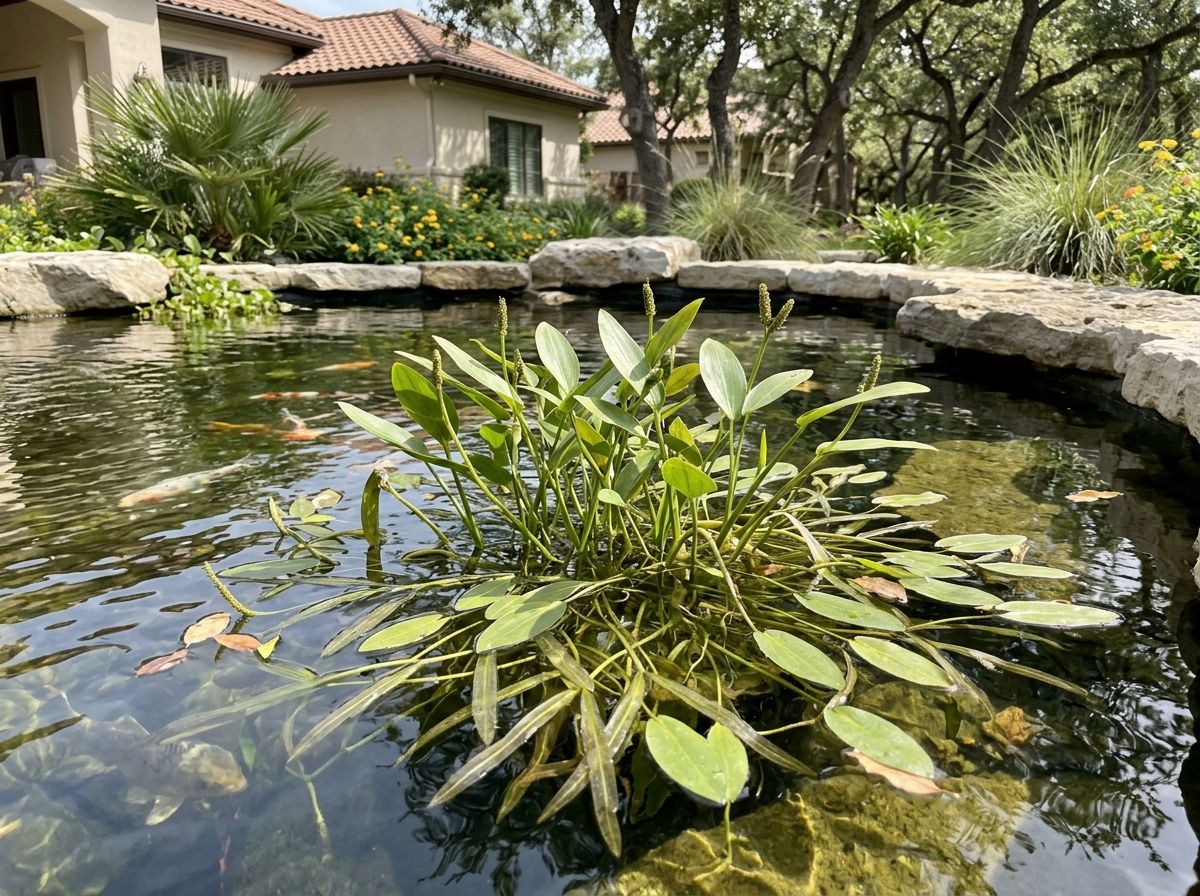
Pondweed species typically feature green, sometimes translucent leaves that may be either narrow or broad, depending on the species. They create lush underwater habitats that benefit pond ecosystems by providing shelter for fish and aquatic invertebrates. Rather than large flowers, they have inconspicuous blooms that do not dominate their appearance. Pondweeds are versatile and adapt to various water depths and conditions, making them excellent for natural ponds, water gardens, and habitat restoration projects.
Maintenance
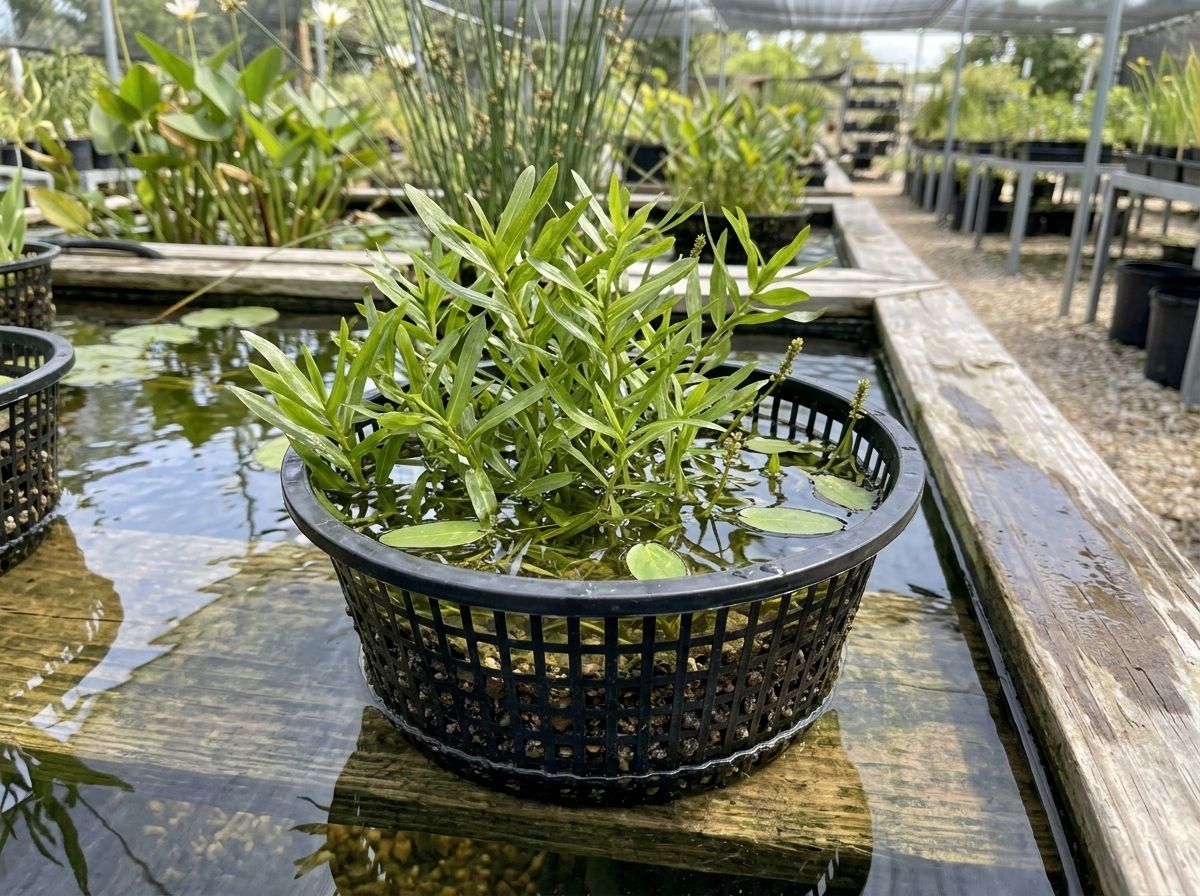
Pondweed thrives best in full to partial sunlight, which supports healthy growth. It prefers nutrient-rich, well-aerated water rather than soil. Regular watering is not necessary unless water levels decline significantly. Minimal pruning is required; removing dead or decaying material helps maintain water quality. These plants are naturally resistant to many pests and diseases, making them low-maintenance choices for aquatic landscapes.
Quick Facts
- Hardiness Zones: 4-10
- Growth Rate: Fast
- Special Characteristics: Rhizomatous growth, deer resistant, beneficial for oxygenation and aquatic habitat. Attracts aquatic insects and pollinators, aiding ecosystem balance.
- Mature Height (ft): Variable depending on species and water conditions
- Mature Width (ft): Variable
- Plant Type: Aquatic plants (not shrubs)
- Safety Notes: Aggressive roots can spread in some species
- Flower Color(s): Generally inconspicuous, not showy
- Seasonal Interest: Year-round presence underwater
- Xeriscape Approved: Yes (water-friendly)
- Lifecycle: Perennial (returns yearly)
- Usages: Riparian/water-friendly landscaping, wildlife habitat support
- Native To: North America
Want this product installed? Check out our page to view pricing and other details.
Related Products
Wildlife Garden Blend
Ready When You Are
Get a Clear Plan for Your Yard
Tell us what you’d like to improve. We’ll ask a few questions, review your project, and let you know the best next step — no pressure and no guesswork. Fill out the form for a free quote.