
Shrubs Indigobush
(Amorpha fruticosa)
Other Common Names: Desert False Indigo, Indigo Bush, Bastard Indigo
Bees
Butterflies
Deciduous
Flowering
Full Sun
Recommended Use: Perfect for wetland edges, stream banks, and wildlife habitat gardens.
Introduction to Indigobush
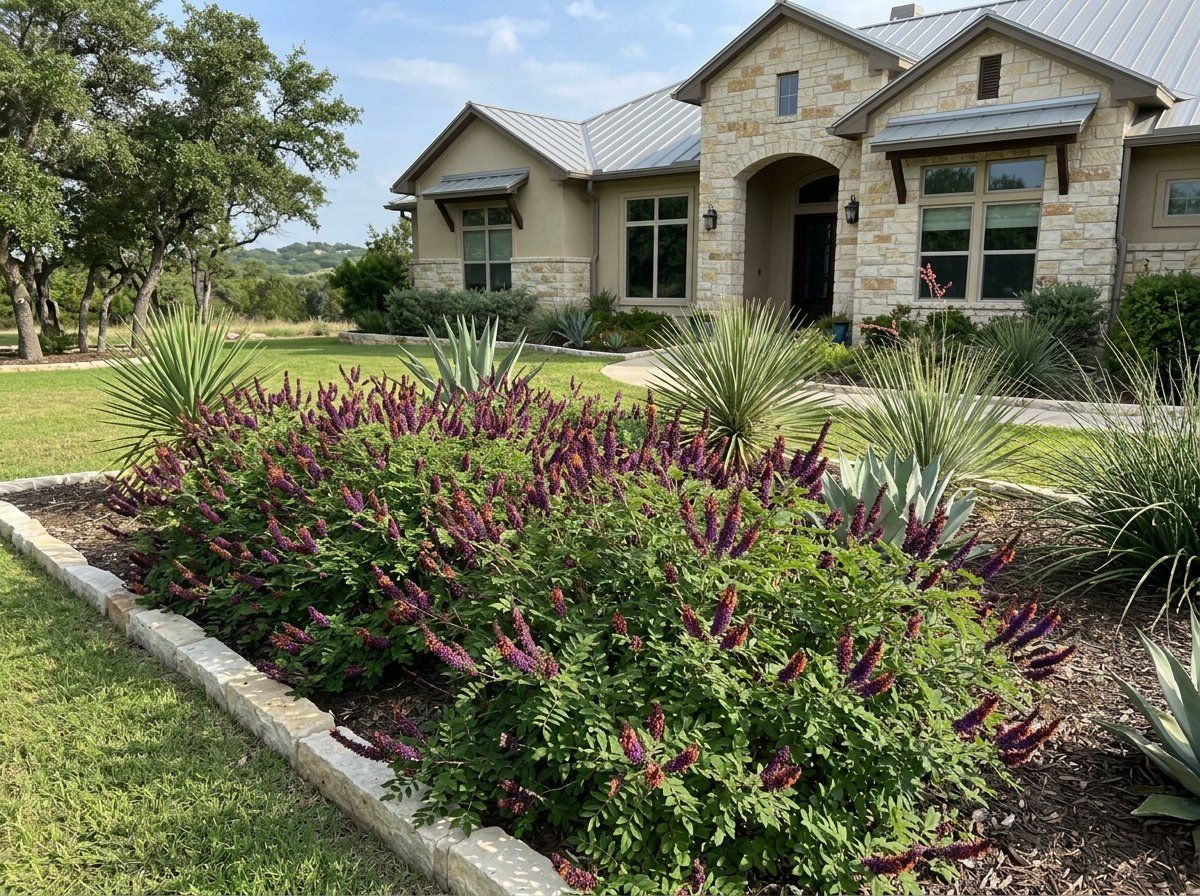
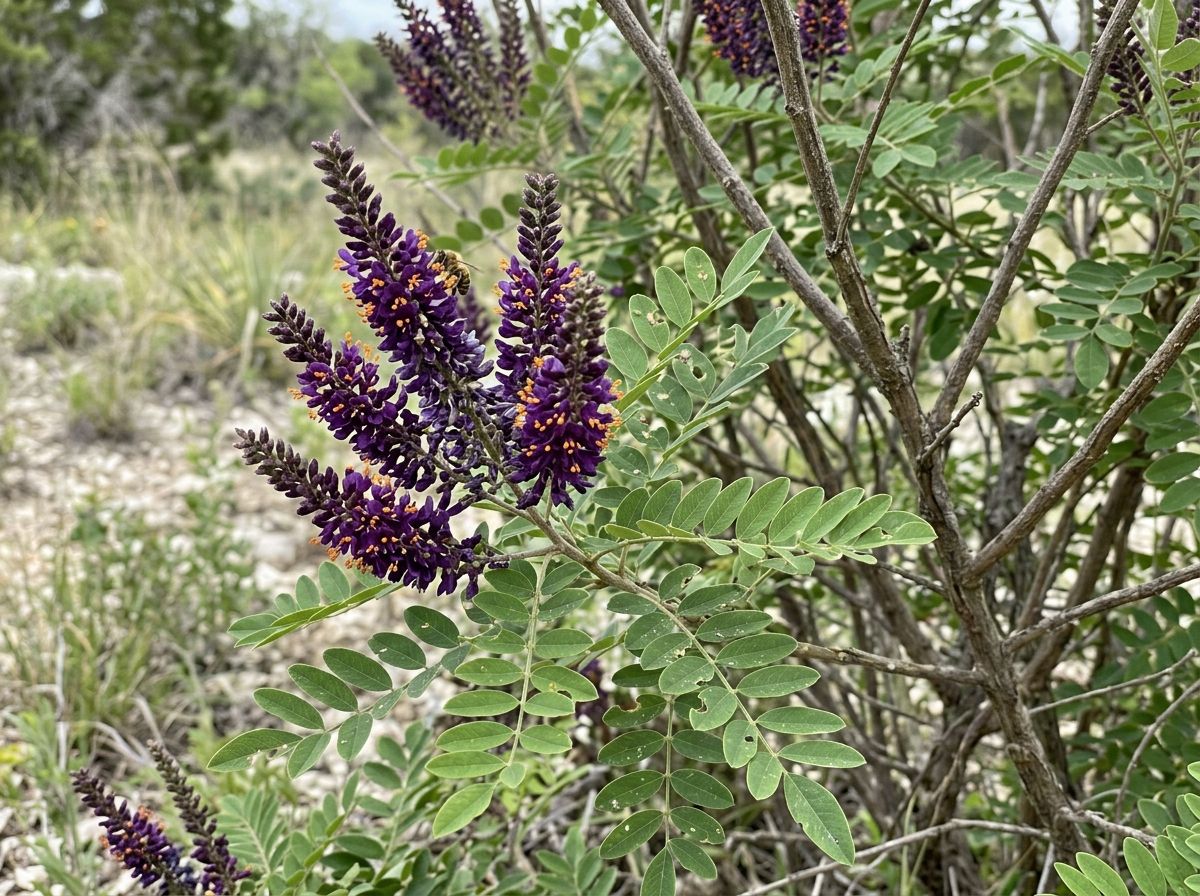
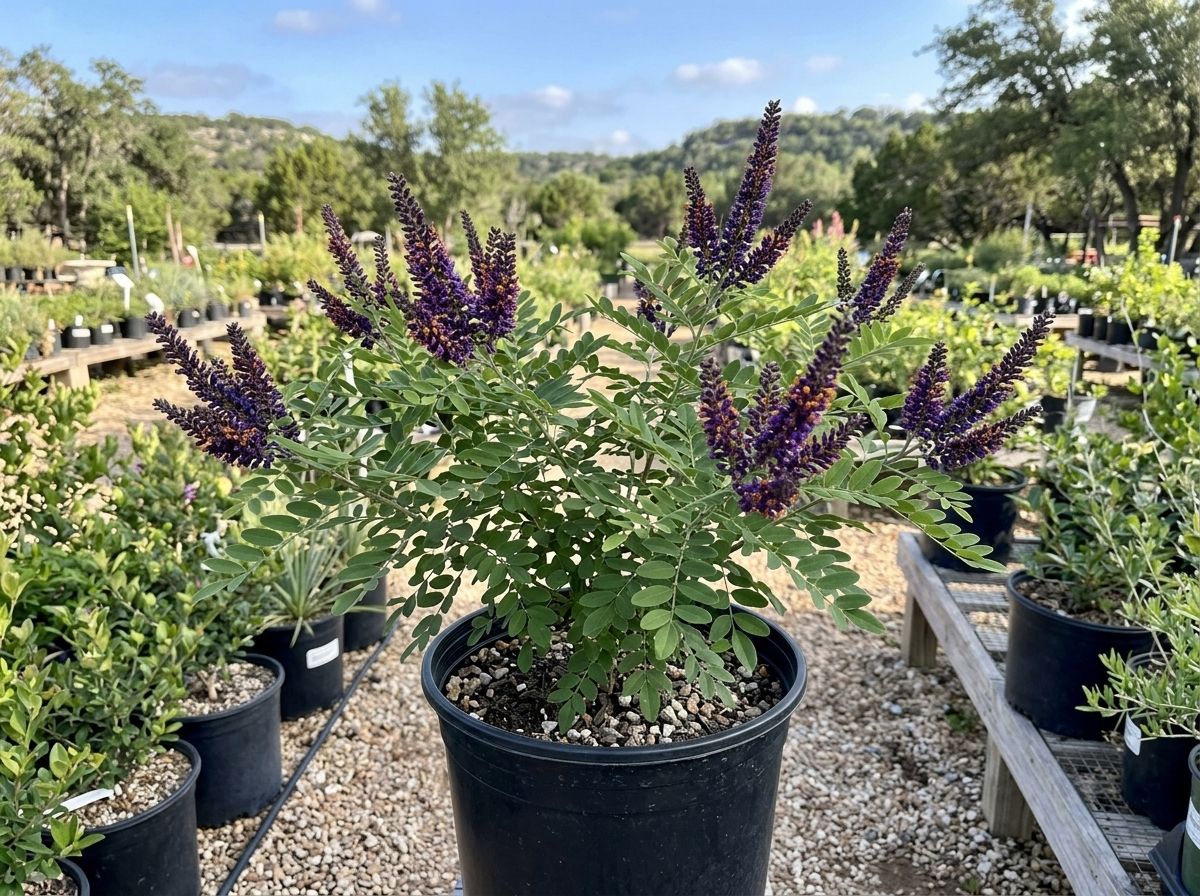
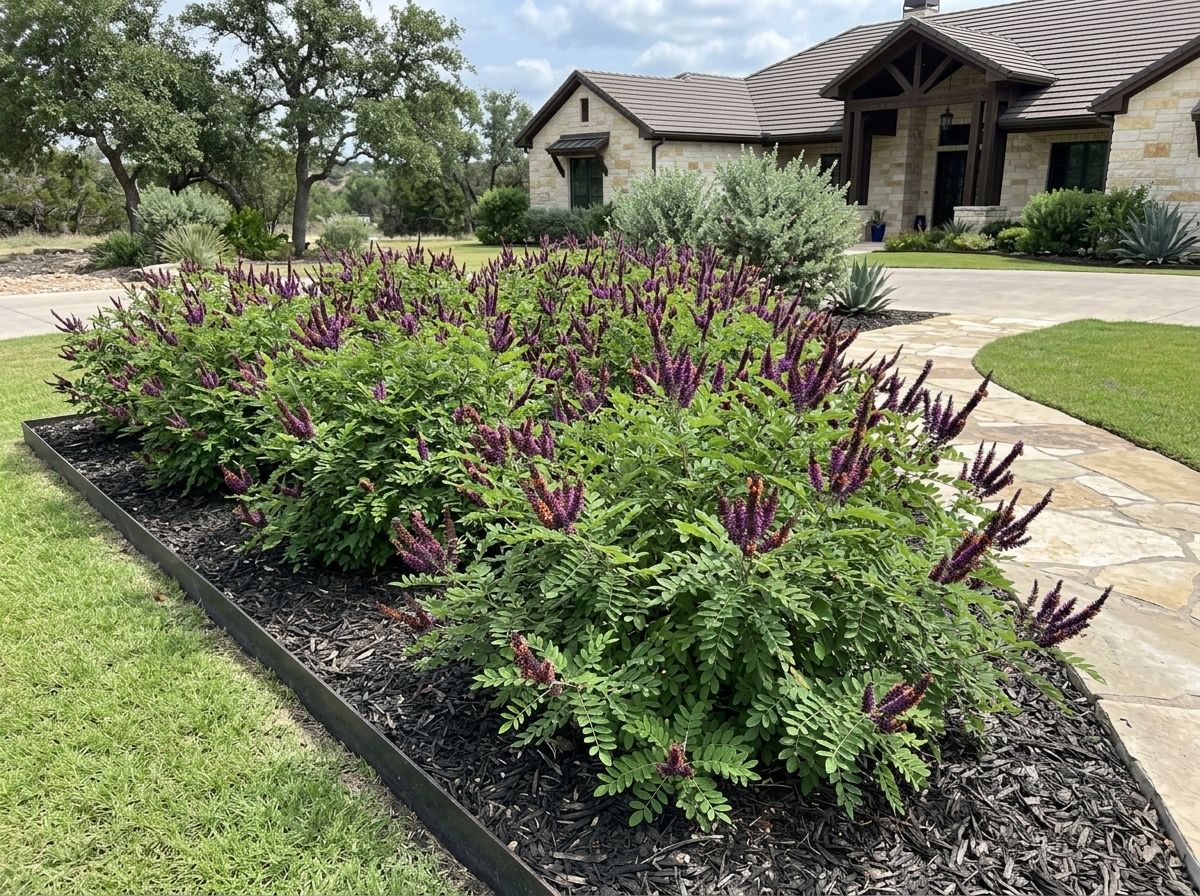
Indigobush, scientifically known as Amorpha fruticosa, is a large, deciduous shrub recognized for its ability to thrive in various sunlight conditions, from shade to full sun. It grows to a height of 6 to 15 feet and spreads about 4 to 12 feet, forming a dense, bushy appearance. One standout feature of this plant is its striking spikes of purple flowers, which bloom in early summer, adding a pop of color and attracting pollinators to the garden. While it provides excellent cover and structure in landscaping, Indigobush is also valued for its role in erosion control and as a natural fence due to its dense foliage.
Maintenance
Caring for Indigobush involves meeting several basic needs to encourage healthy growth. This shrub prefers moderate watering, especially in its first few years. It thrives in well-drained soil but is adaptable to a variety of soil types, including clay and sandy soils. Indigobush grows well in both full sun and partial shade, making it versatile for different garden spots. Pruning should be done in late winter or early spring to maintain shape and encourage new growth. The plant is generally resistant to pests and diseases, which makes it a low-maintenance option for home landscapes.
Quick Facts
– Hardiness Zones: 4 to 9
– Growth Rate: Fast
– Deer Resistance: Moderate
– Pollinator Attraction: High, drawing bees and butterflies
– Special Characteristics: Tolerant of wet conditions and useful in stabilizing riverbanks and preventing erosion.
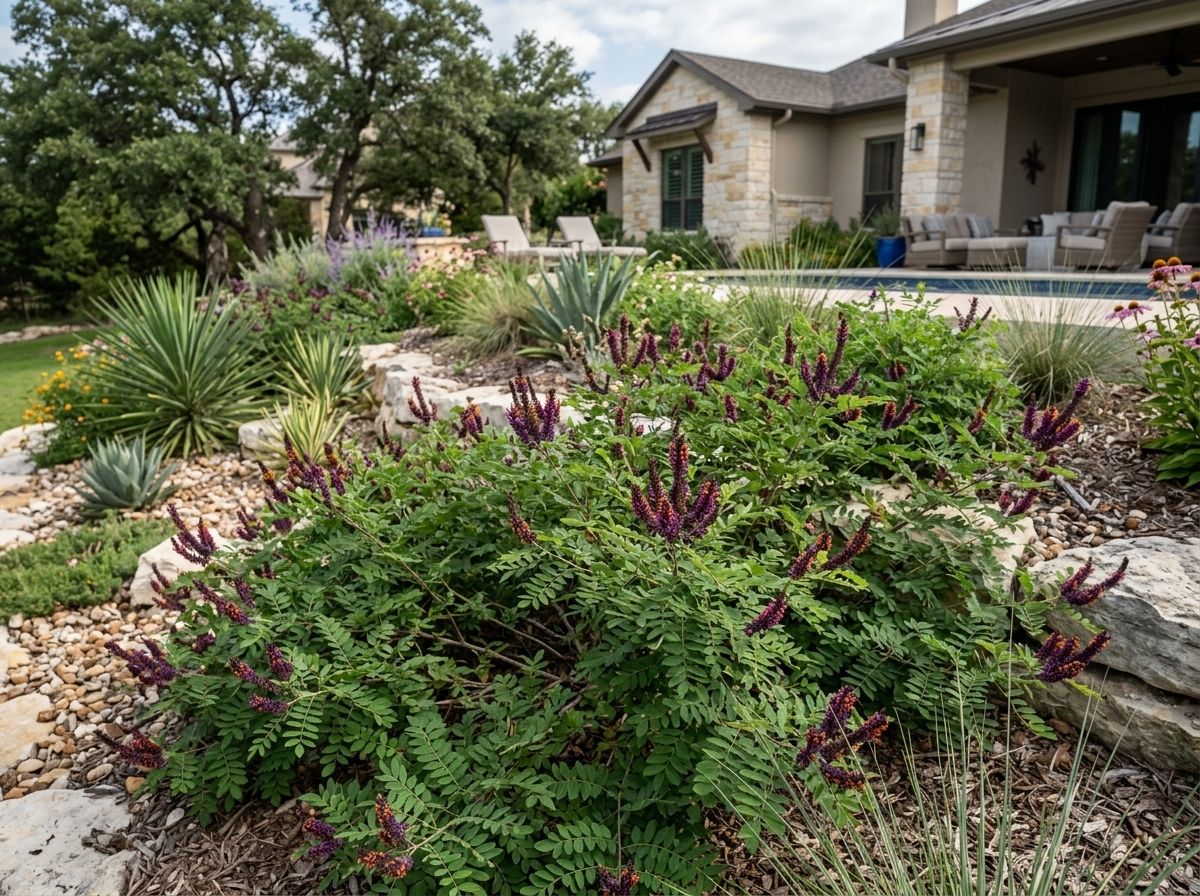
Want this product installed? Check out our page to view pricing and other details.
Related Products
Wildlife Garden Blend



Ready When You Are
Get a Clear Plan for Your Yard
Tell us what you’d like to improve. We’ll ask a few questions, review your project, and let you know the best next step — no pressure and no guesswork. Fill out the form for a free quote.