
Perennials Maximilian Sunflower
(Helianthus maximiliani)
Other Common Names: Prairie Sunflower
Bees
Birds
Butterflies
Deciduous
Drought-Tolerant
Flowering
Full Sun
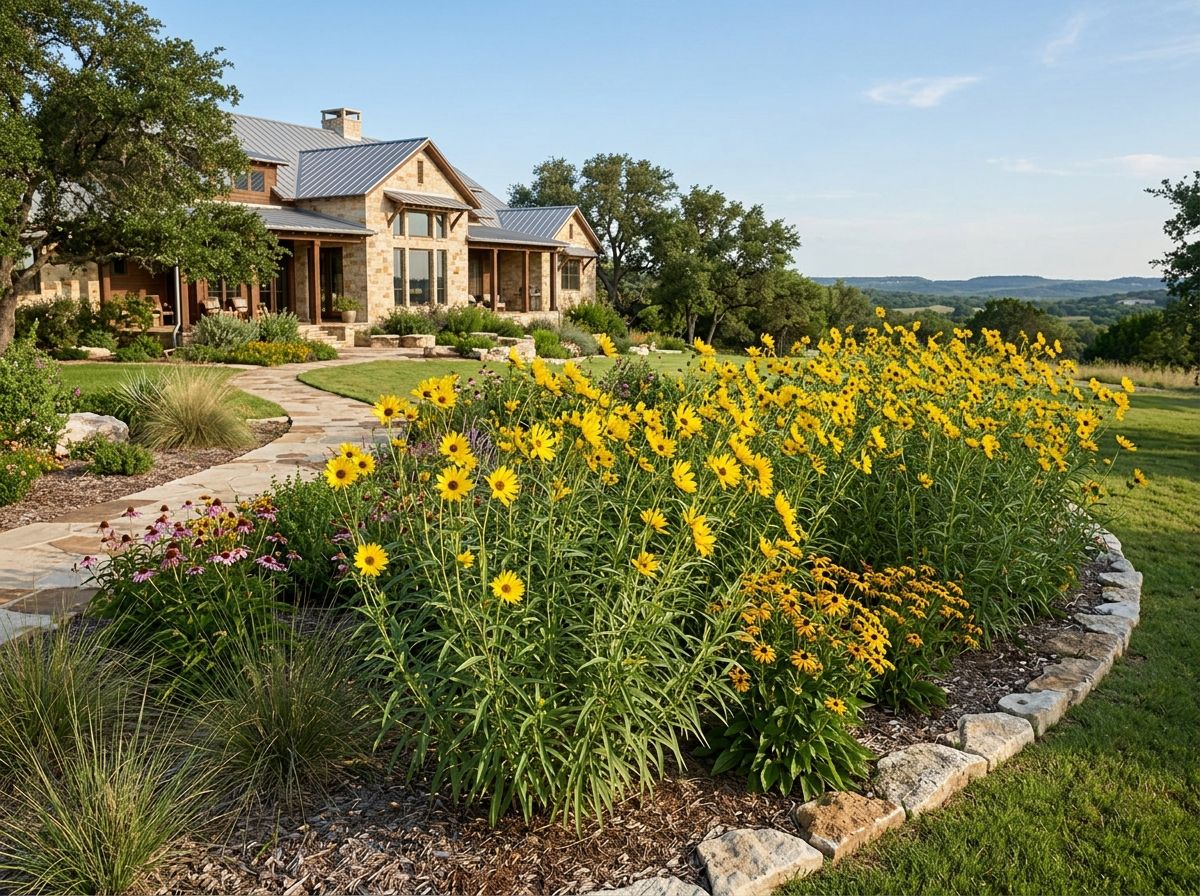
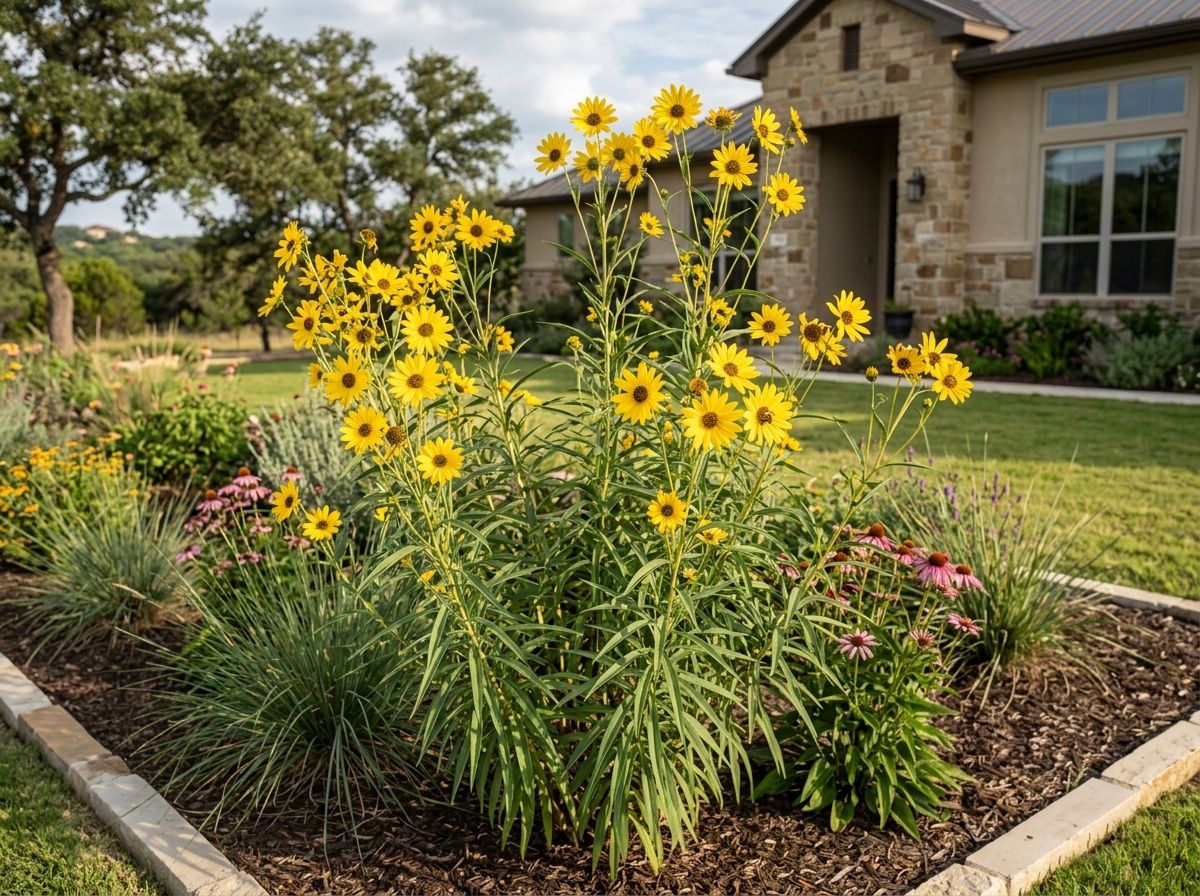
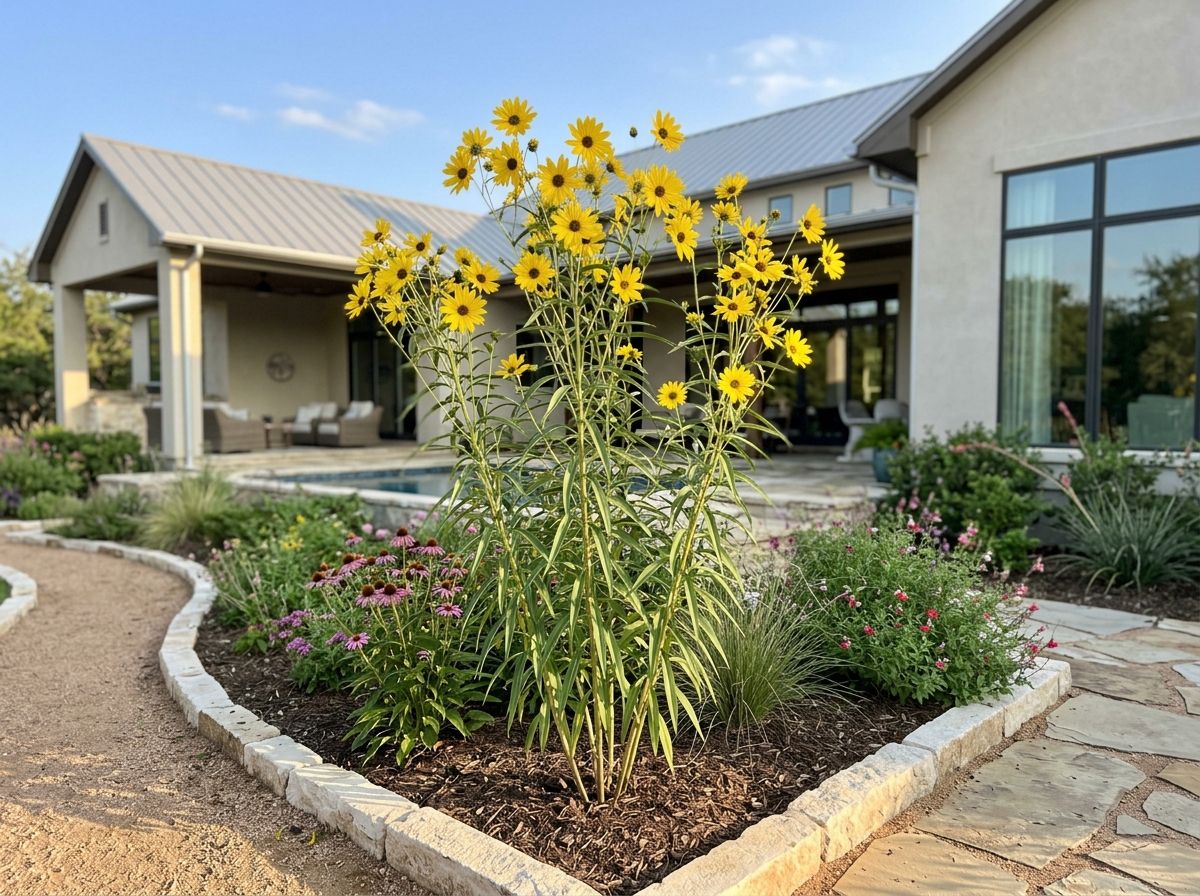
Recommended Use: Ideal for large naturalized areas or prairie gardens needing tall, bright-yellow fall blooms.
Introduction
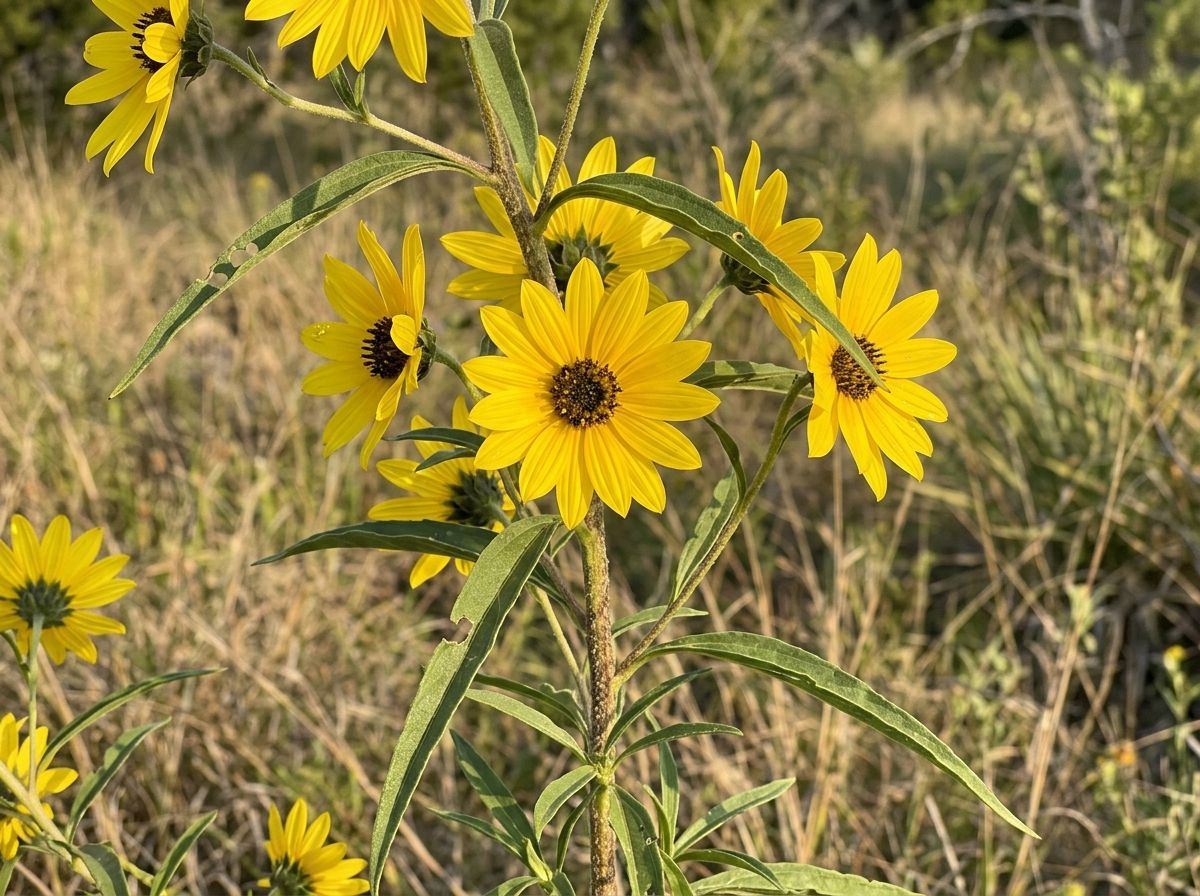
The Maximilian Sunflower, scientifically known as Helianthus maximiliani, is a striking perennial plant renowned for its tall, slender stems adorned with bright yellow blooms. These sunflowers can reach impressive heights of up to 8 feet, making them a standout in any garden. Characterized by their narrow, lance-shaped leaves and clusters of small, sunflower-like flowers, they offer a delightful burst of color from late summer through early fall. Maximilian Sunflowers are ideal for naturalized settings, wildflower gardens, or as a vibrant backdrop in larger landscape designs. Their towering presence and abundant blooms make them a popular choice for attracting pollinators such as bees and butterflies.
Maintenance
Maximilian Sunflowers are relatively low-maintenance, thriving best with regular watering, especially during dry spells, to ensure healthy growth. They prefer full sunlight to achieve their maximum flowering potential, though they can tolerate partial shade. These sunflowers thrive in well-drained soils but are adaptable to a range of soil conditions, including poorer, sandy soils. Pruning is recommended in early spring to remove any dead or damaged stems and to encourage bushier growth. The plant exhibits a strong resistance to most pests and diseases, making it a resilient choice for many landscapes.
Quick Facts
– Hardiness Zones: 4-9
– Growth Rate: Moderate to fast
– Ideal for attracting pollinators like bees and butterflies
– Deer resistance: Generally tolerant, making it a good choice in areas where deer are present
– Special characteristics: Noted for its drought tolerance once established, making it suitable for low-water gardens. As a native North American plant, it enhances biodiversity and supports local wildlife.
Want this product installed? Check out our page to view pricing and other details.
Related Products
Wildlife Garden Blend


Ready When You Are
Get a Clear Plan for Your Yard
Tell us what you’d like to improve. We’ll ask a few questions, review your project, and let you know the best next step — no pressure and no guesswork. Fill out the form for a free quote.