
Trees Roughleaf Dogwood
(Cornus drummondii)
Other Common Names: Drummond's Dogwood, Prairie Dogwood, Western Dogwood
Bees
Birds
Butterflies
Deciduous
Flowering
Full Sun
Recommended Use: Best for riparian restoration, erosion control, and providing habitat along creeks.
Introduction
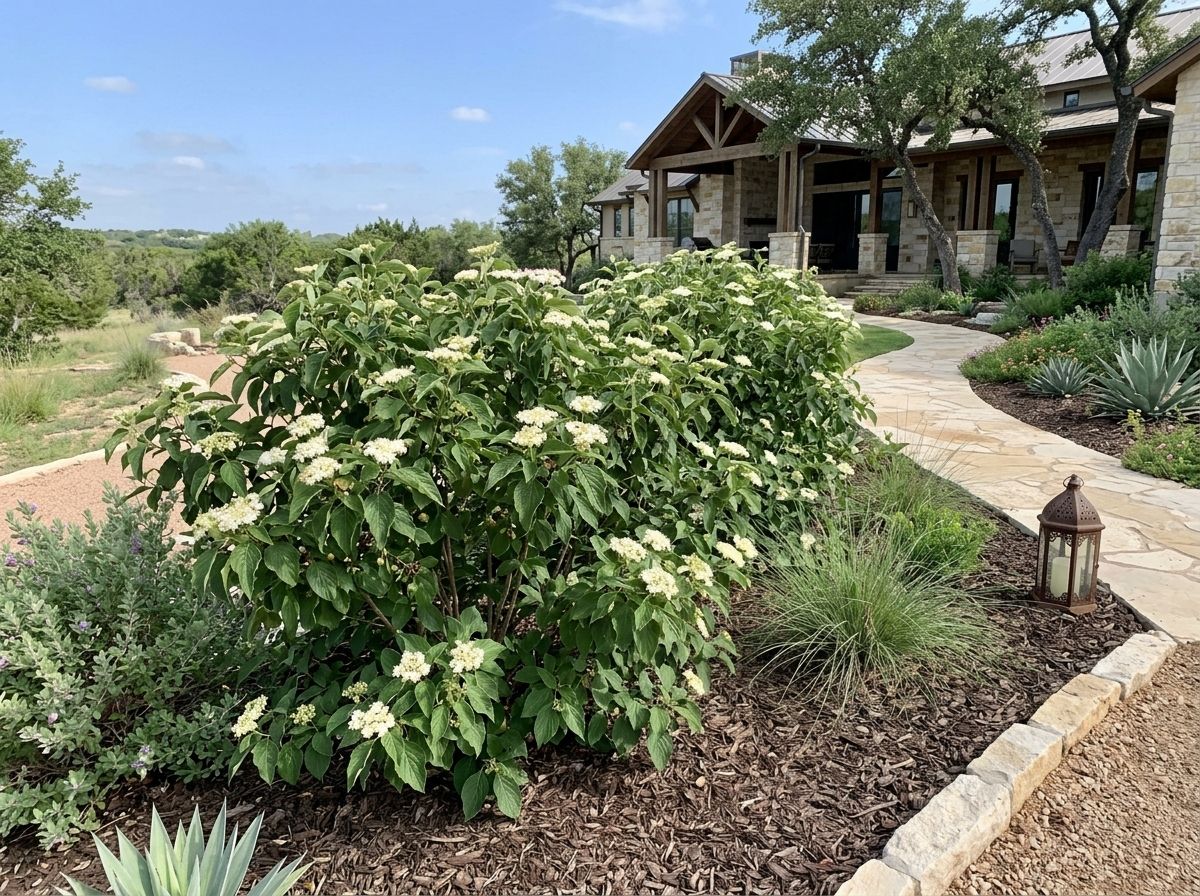
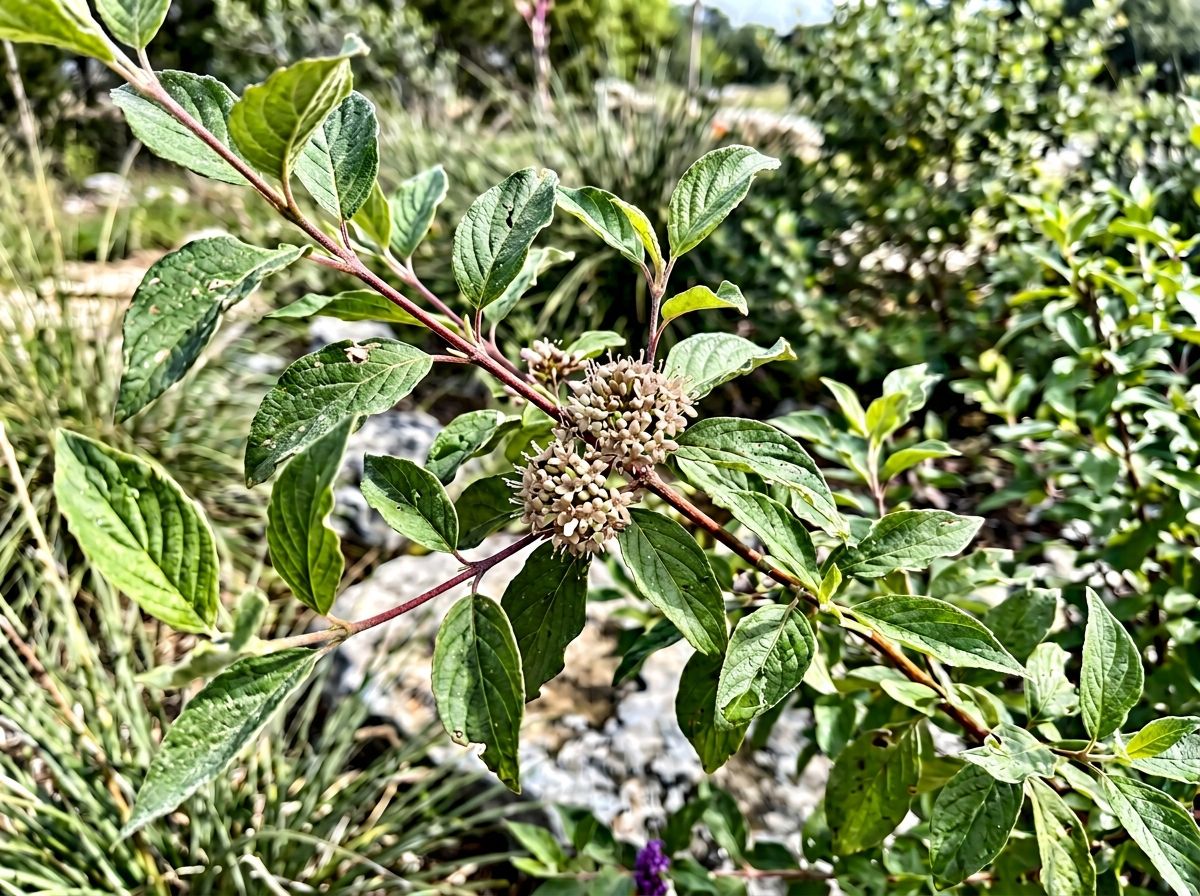
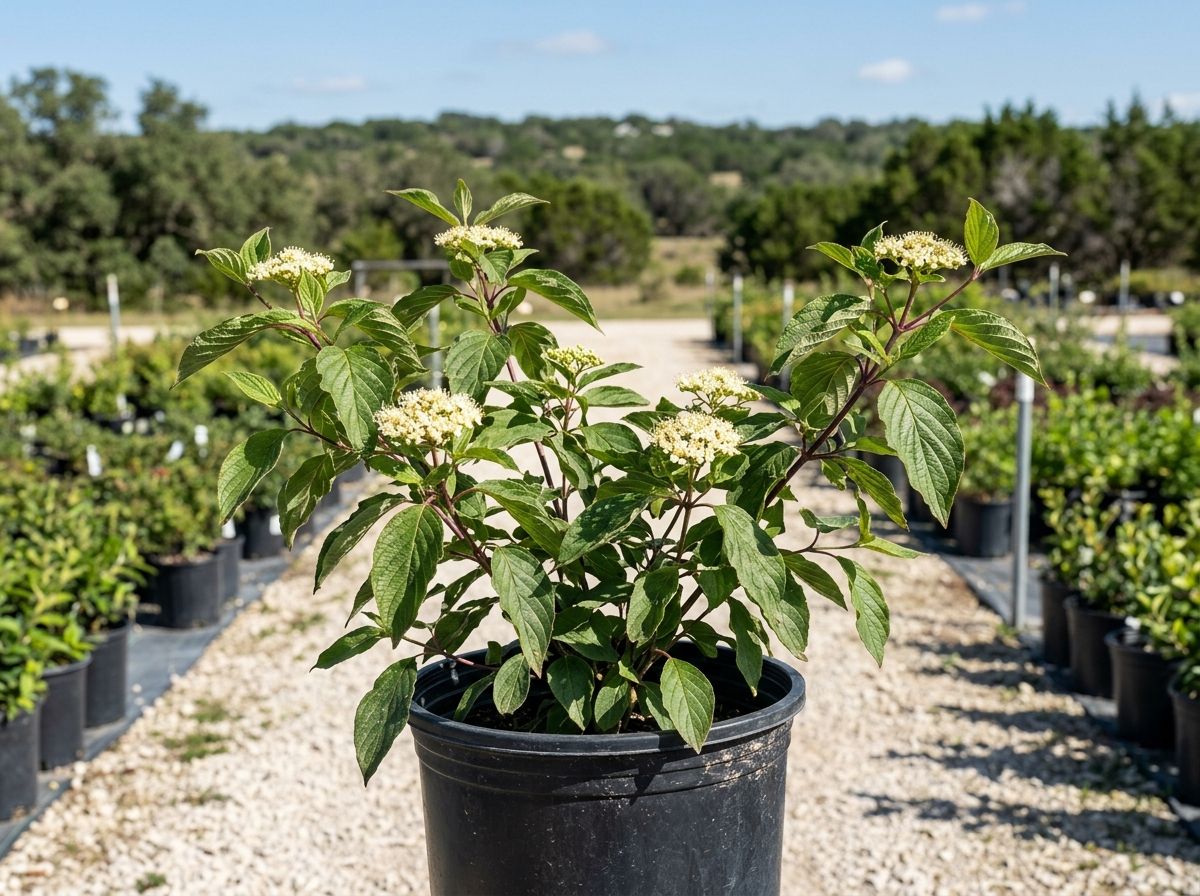
The Roughleaf Dogwood, scientifically known as Cornus drummondii, is a versatile and hardy plant that can serve as a large shrub or small tree in landscaping. This deciduous plant is easily identifiable by its distinctive rough-textured leaves and can grow to heights and widths of approximately 10 to 15 feet. One of its striking features is the clusters of white flowers that bloom in early summer, adding a touch of elegance to any garden or outdoor setting. Besides its aesthetic charm, Roughleaf Dogwood is popular in landscapes for creating natural hedges or screens, thanks to its dense foliage and appealing structure.
Maintenance
Roughleaf Dogwood is a relatively low-maintenance plant that can thrive in a variety of conditions. It has moderate watering needs, preferring consistent moisture but showing good tolerance to periods of dryness once established. The plant excels in full sun to partial shade, making it adaptable to different garden settings. It grows best in well-drained soil but is not overly fussy about soil types. Pruning should be done in late winter or early spring to maintain desired shape and remove any dead or diseased branches. This plant exhibits a strong resistance to common pests and diseases, making it a reliable choice for homeowners.
Quick Facts
– Hardiness Zones: 4 to 9
– Growth Rate: Medium to fast
– Special Characteristics: Deer resistant and highly attractive to pollinators such as butterflies and bees
– Best in providing: Natural hedges, privacy screens, and wildlife habitats
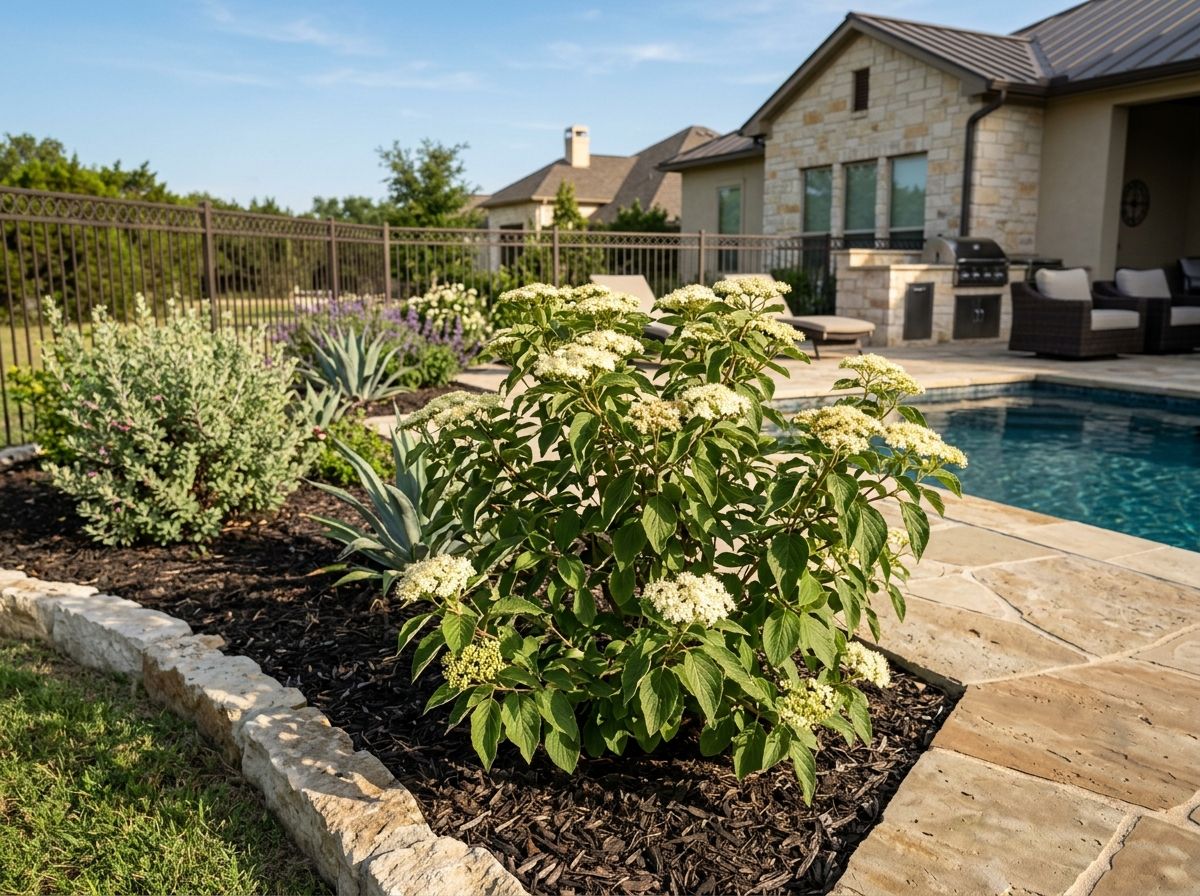
Want this product installed? Check out our page to view pricing and other details.
Related Products
Wildlife Garden Blend
Ready When You Are
Get a Clear Plan for Your Yard
Tell us what you’d like to improve. We’ll ask a few questions, review your project, and let you know the best next step — no pressure and no guesswork. Fill out the form for a free quote.