
Small Trees Silk-tassel
(Garrya elliptica)
Other Common Names: Coast Silk Tassel
Birds
Evergreen
Partial Sun
Screening/Privacy
Recommended Use: Best for shaded or woodland areas needing evergreen texture and privacy.
Introduction
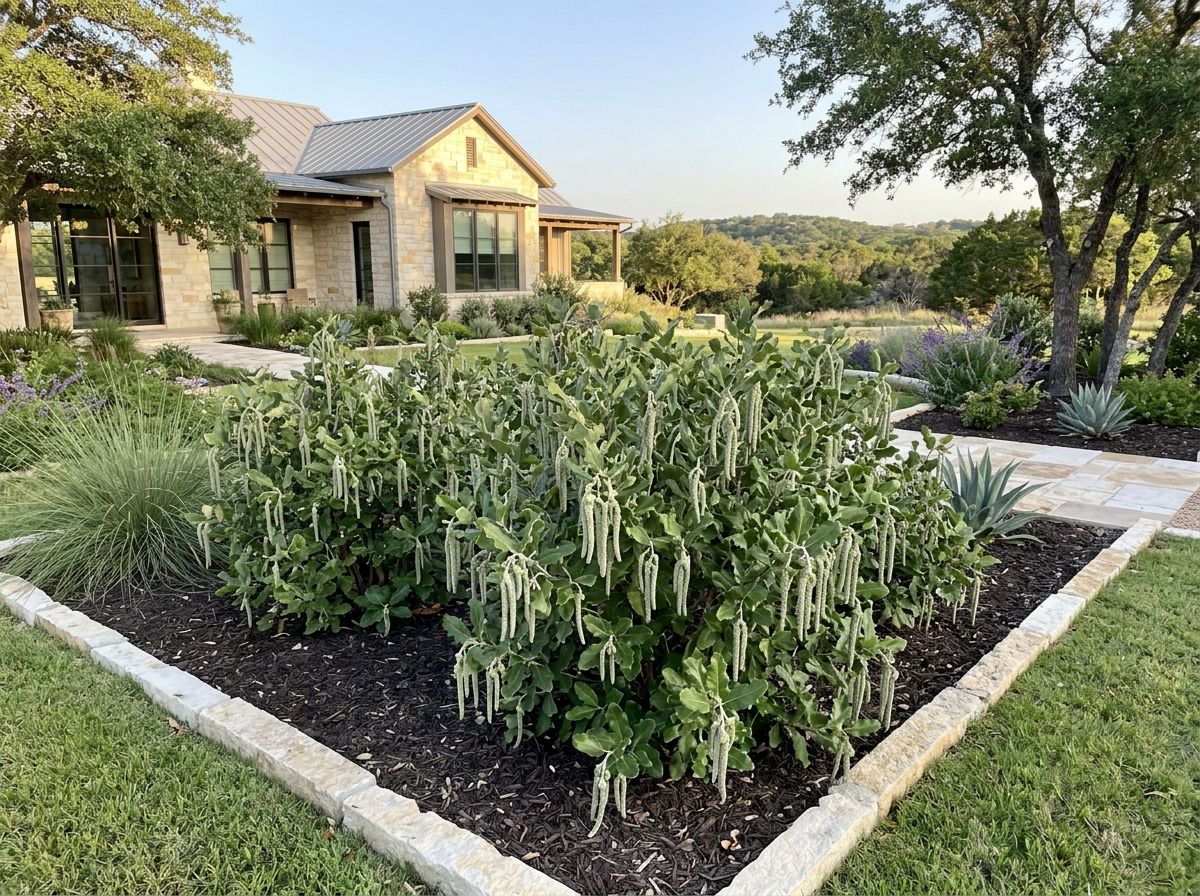
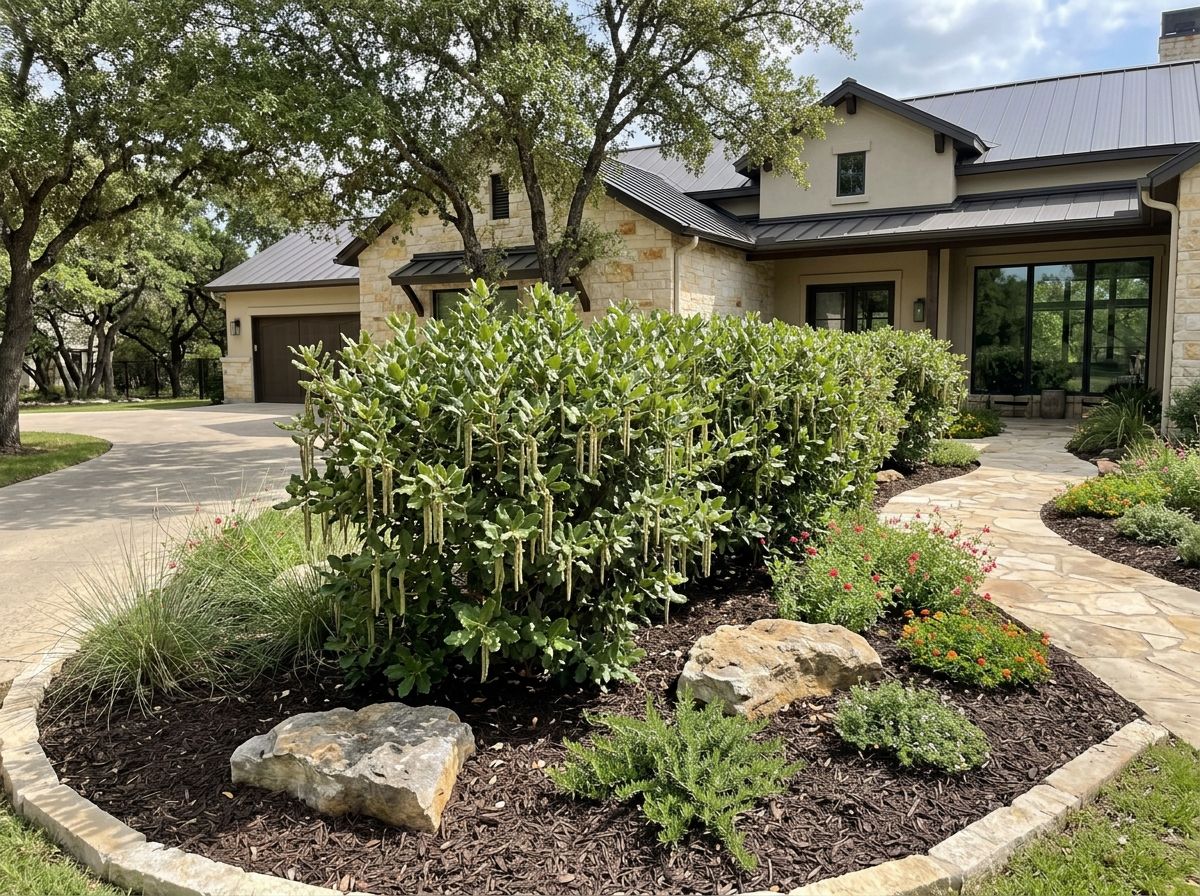
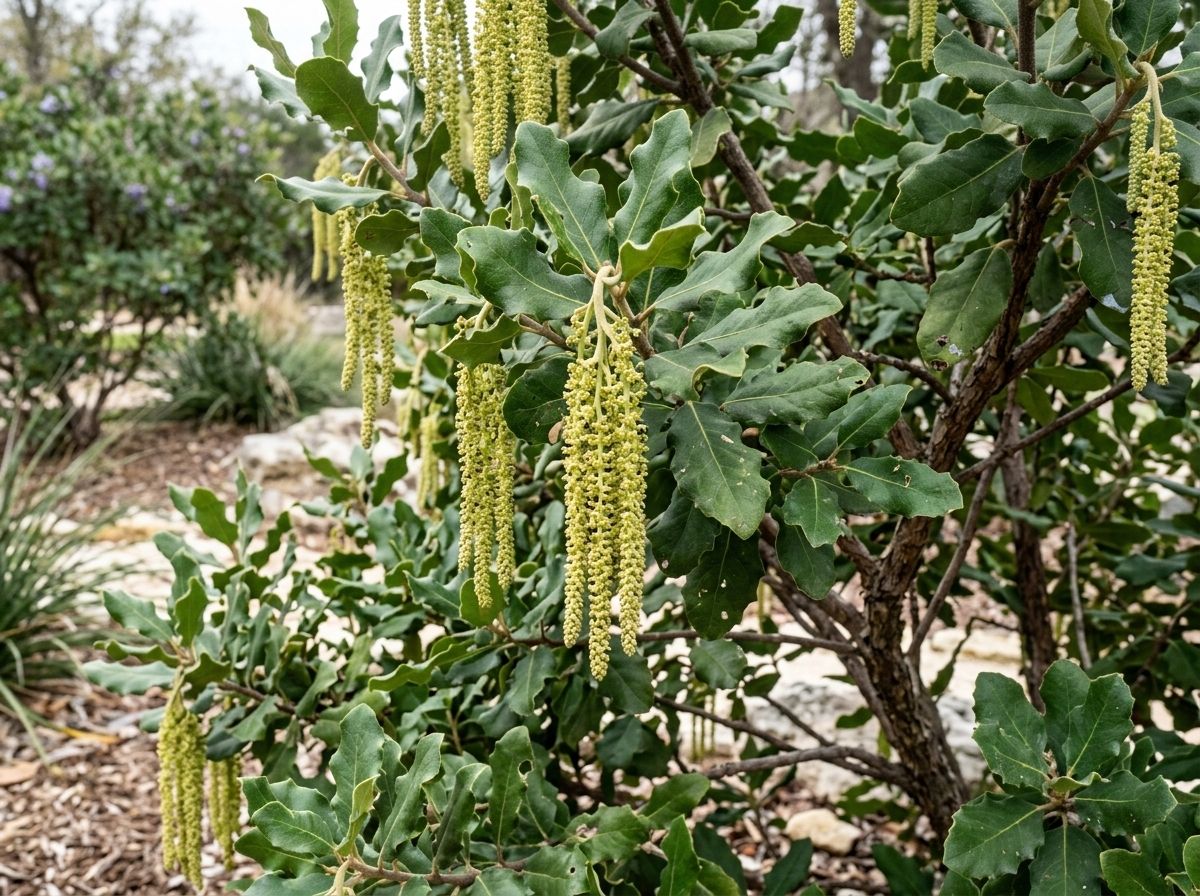
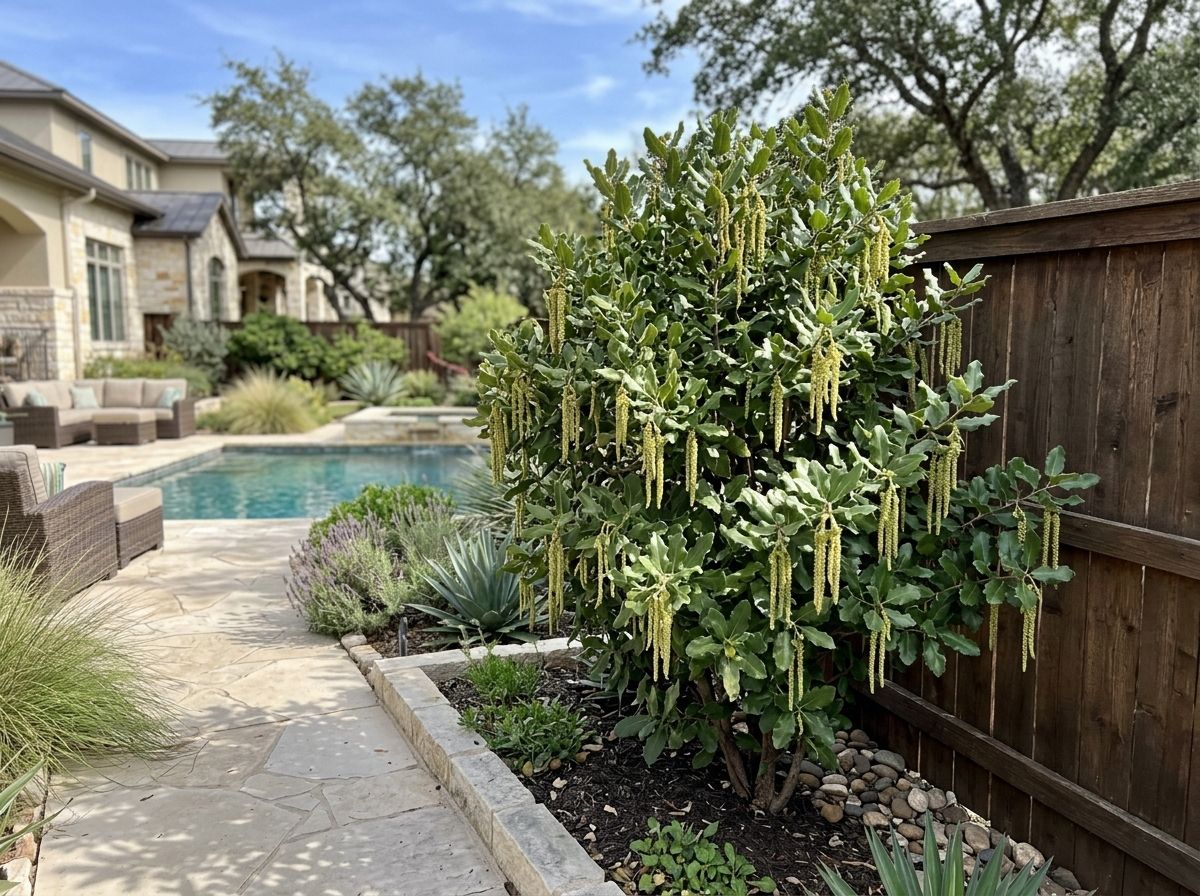
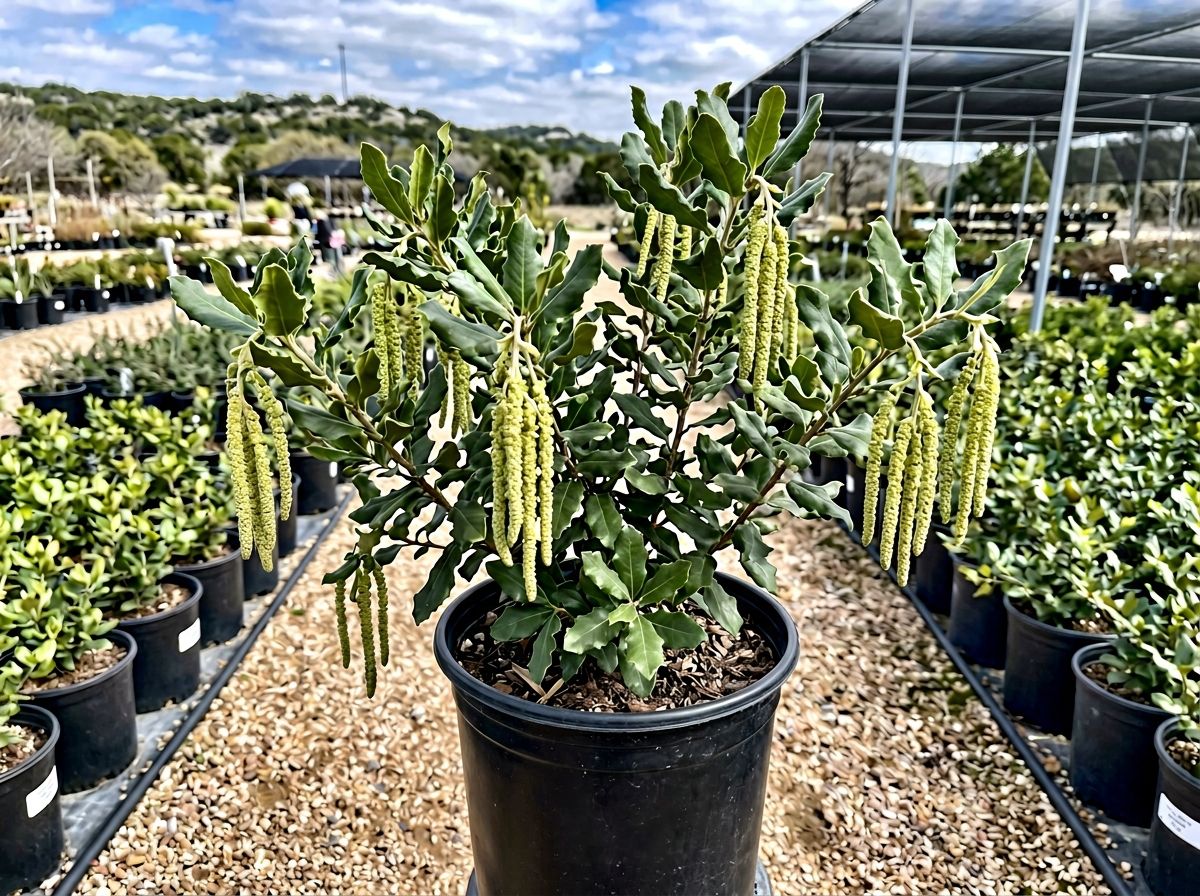
The Silk-tassle, Garrya elliptica, is an evergreen shrub that adds a distinctive touch to any landscape. Known for its striking catkin-like tassels, this plant produces long, silvery-gray flower clusters that can reach up to 12 inches in length, adding visual interest from late winter to early spring. Typically growing to a height and width of 8 to 10 feet, Garrya elliptica is a versatile choice for hedging, screening, or as a standalone specimen. Its leathery, dark green leaves provide a lush backdrop year-round, and its tolerance for different sunlight conditions makes it adaptable to various garden settings, thriving in both sun and partial shade.
Maintenance
Silk-tassle plants require moderate watering, preferring well-drained soil to prevent root rot. They thrive in environments with some exposure to sunlight but can also grow in partial shade. Ideal soil for Garrya elliptica is neutral to slightly acidic. Pruning should be done after flowering to maintain desired shape and encourage vigorous growth. This shrub is relatively pest and disease resistant, making it a low-maintenance choice for gardeners. However, occasional monitoring is recommended to ensure optimal health.
Quick Facts
– Hardiness Zones: 7 to 10
– Growth Rate: Moderate
– Special Characteristics: Tolerant of both sunny and shaded locations; deer resistant
– Evergreen: Provides year-round foliage
– Pollinator Attraction: While not a major pollinator plant, its early blooms can attract some pollinators in late winter.
Want this product installed? Check out our page to view pricing and other details.
Related Products
Planting Role / Visual Structure > Evergreen Backbone
Ready When You Are
Get a Clear Plan for Your Yard
Tell us what you’d like to improve. We’ll ask a few questions, review your project, and let you know the best next step — no pressure and no guesswork. Fill out the form for a free quote.